Most of us think of gardening as a harmless hobby: a few flowers, some herbs, maybe a tree or two if you’ve got the space.

However, not every plant is as innocent as it looks. Some species spread aggressively, damage property, or cause disputes that can end up in court. Believe it or not, there are plants you can’t just plant wherever you like without considering your neighbours first.
Across the UK, certain trees, shrubs, and fast-spreading plants can cross boundaries, block light, or even crack walls and pavements with their roots. While it might seem dramatic, these issues can lead to real legal trouble. Before you get too enthusiastic with your next bit of planting, it’s worth knowing which species might require a conversation, or even permission, before they go in the ground.
Japanese knotweed
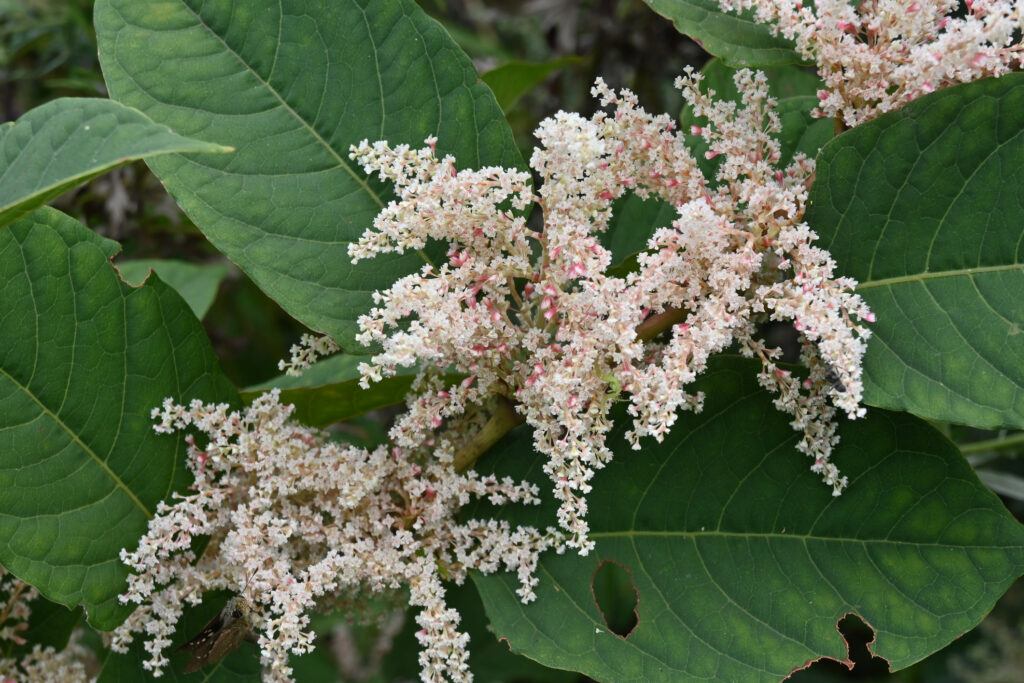
This one’s illegal to plant and nearly impossible to remove once it spreads. It grows through concrete, damages foundations, and can devalue your neighbour’s property by thousands just by being on your side of the fence.
If it crosses into someone else’s garden, you’re legally responsible for the damage and removal costs. Mortgage companies often refuse to lend on properties near it, which is why neighbours will absolutely take you to court if you let it spread from your land.
Giant hogweed

The sap from this plant causes severe burns and blisters when it touches skin in sunlight. It can grow over three metres tall and spread rapidly, creating a genuine health hazard for anyone nearby, including children and pets.
You’re legally required to control it under wildlife laws, and if it spreads to neighbouring properties or public areas you can be prosecuted. The burns it causes can last for years and leave permanent scarring, which is why councils take it seriously.
Bamboo
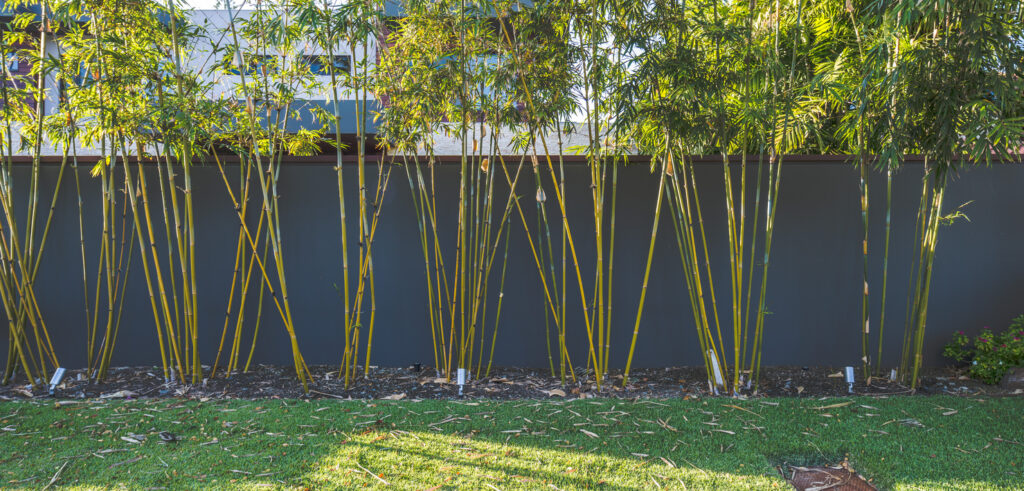
Running bamboo spreads underground through rhizomes that can travel several metres and pop up in your neighbour’s garden without warning. Once established it’s incredibly hard to remove and can damage patios, driveways and underground pipes.
Your neighbour can sue you for the cost of removal and any property damage caused by bamboo that originated on your land. Some mortgage lenders now treat it almost as seriously as Japanese knotweed because of how destructive it becomes.
Leylandii hedges over two metres
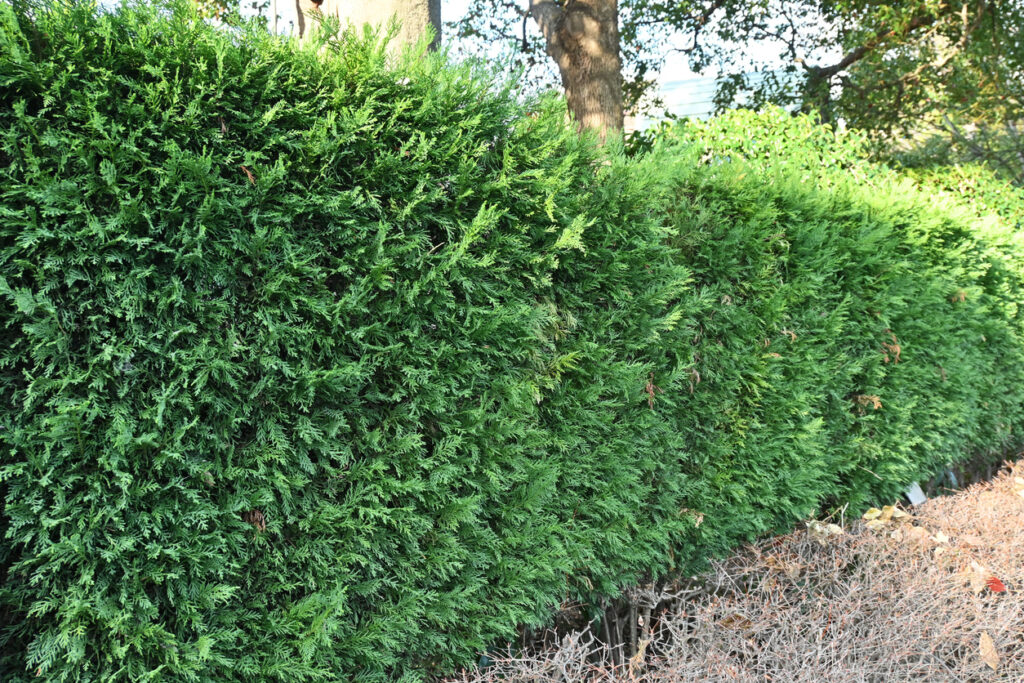
If your hedge blocks light to a neighbour’s property, and it’s over two metres tall, they can complain to the council under high hedge legislation. The council can force you to cut it down and fine you if you don’t comply.
This applies specifically to evergreen hedges that form a barrier, not individual trees. The law exists because some disputes over blocking light have gone on for decades, so councils now have power to intervene and make you reduce the height.
Himalayan balsam
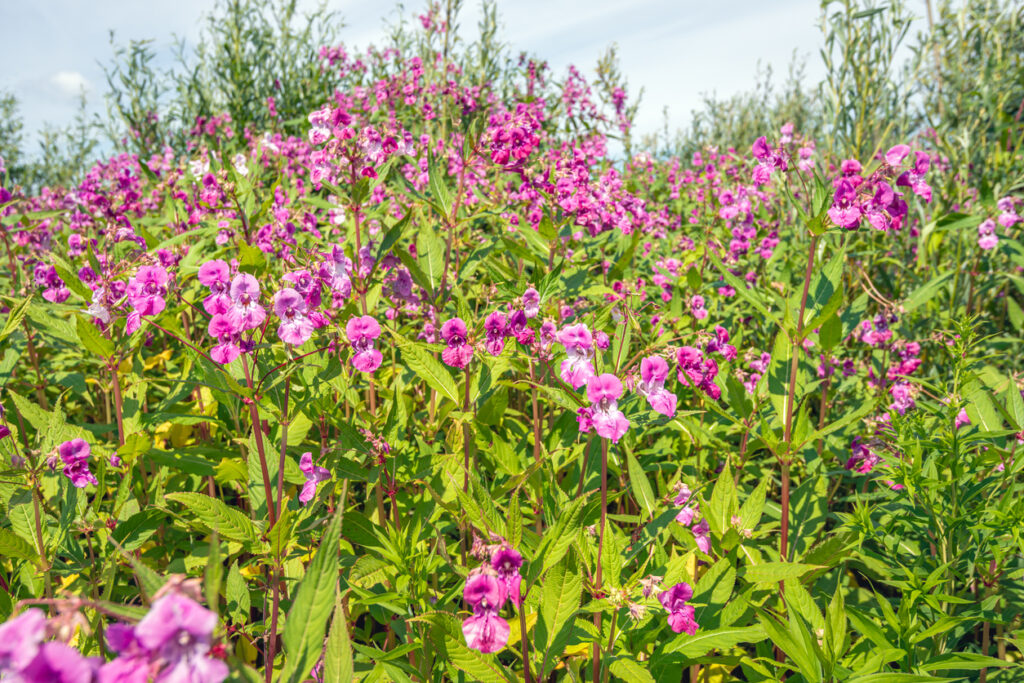
It’s illegal to plant or allow this to spread under the Wildlife and Countryside Act. It grows along riverbanks, outcompetes native plants, and when it dies back in winter it leaves soil exposed to erosion and flooding.
If it’s growing on your property near water, you’re responsible for controlling it. Environment Agency officers can issue enforcement notices requiring removal, and if it spreads downstream causing problems you can be held liable for environmental damage.
Cannabis

This is obviously illegal to grow without a Home Office licence, even for personal use. Neighbours can report you to police, and it doesn’t matter if you’re growing it for medical reasons unless you’ve got proper legal permission, which is extremely rare to get.
Even one plant is enough for prosecution. The smell alone is often what alerts neighbours, and once police are involved, they’ll seize everything, and you’ll end up with a criminal record regardless of the quantity you were growing.
Opium poppies
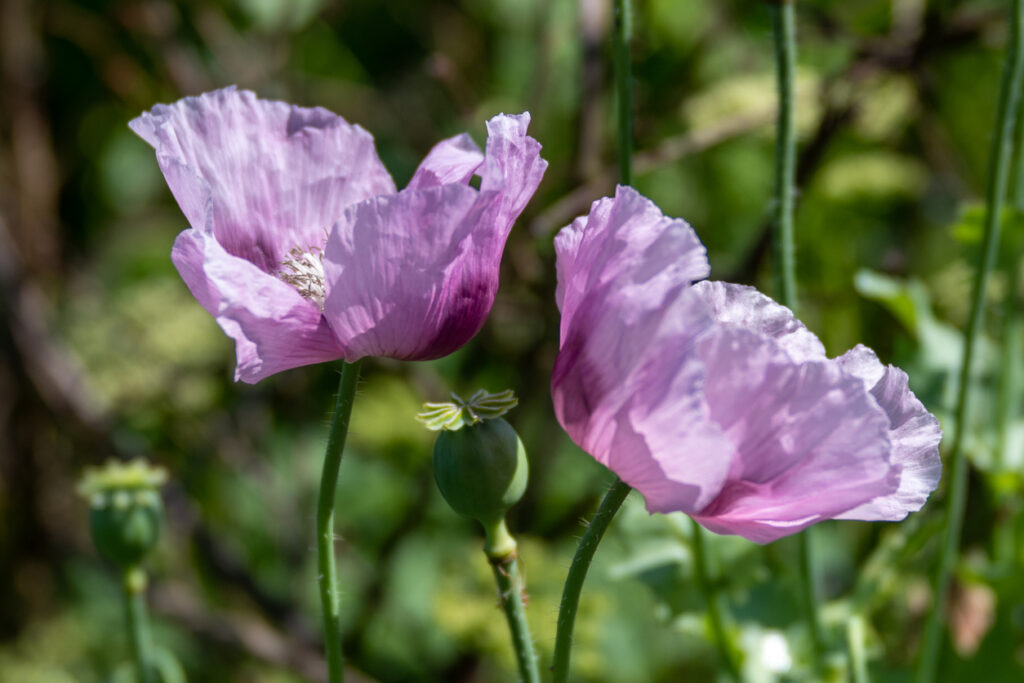
Papaver somniferum, the type used to make opium and heroin, is legal to grow as an ornamental plant but illegal to harvest or process. The line between decoration and illegal cultivation is blurry and decided by intent, which police determine.
If you’ve got loads of them, or you’re seen harvesting seed pods, neighbours might report suspicion of drug production. Even if you’re just gardening, you could end up needing to prove you weren’t planning to extract anything, which is awkward at best.
Ragwort near livestock
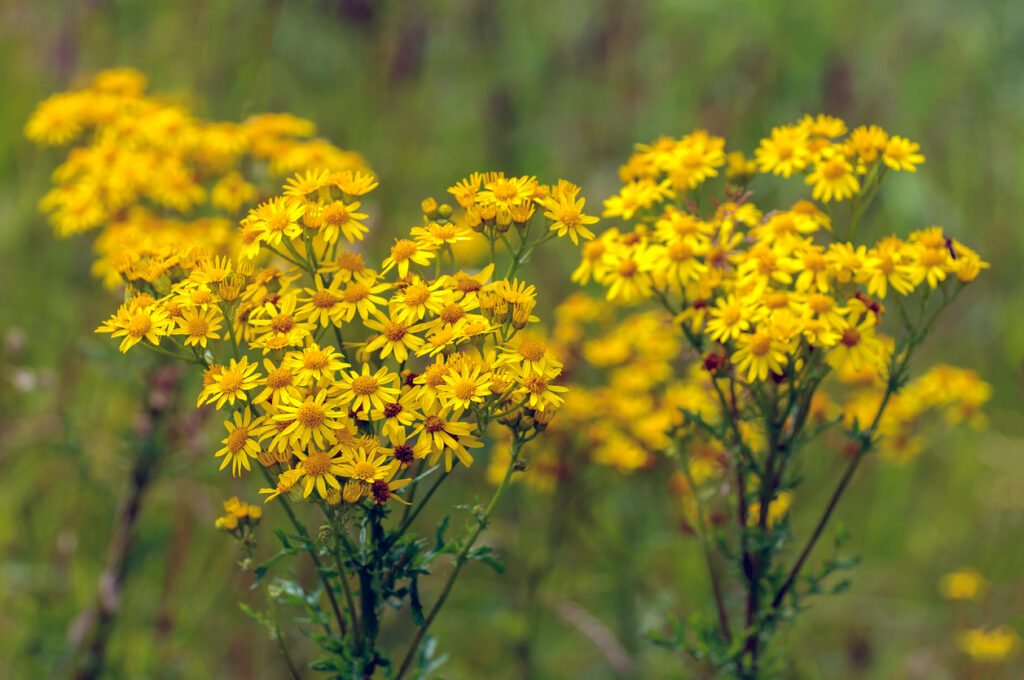
If your property borders farmland, and you’ve got ragwort growing, you’re legally required to prevent it spreading to fields where animals graze. It’s poisonous to horses and cattle, and farmers can report you to the council for failing to control it.
The Weeds Act makes you responsible for stopping certain plants spreading to agricultural land. Farmers have lost animals to ragwort poisoning, so they take it seriously, and councils will issue notices forcing you to remove it if complaints come in.
Invasive water plants in ponds

Plants like floating pennywort and water fern are banned from sale and illegal to plant because they choke waterways. If you’ve got a pond that connects to natural water systems and these plants escape, you’re breaking environmental laws.
Even ornamental ponds can cause problems if they overflow into streams or ditches during heavy rain. Once these plants get into the wild they spread rapidly, block drainage, and cost thousands to remove, which is why there are serious penalties for letting them escape.
Trees near boundaries

You don’t technically need permission to plant trees, but if roots or branches cross the boundary and cause damage, you’re liable. Neighbours can cut back anything overhanging their side, but if roots damage their property, you’re paying for repairs.
Some trees like willows and poplars have aggressive root systems that can damage foundations, drains, and walls from metres away. Before planting anything large near a boundary, it’s worth checking with neighbours because legal fights over tree damage are expensive, and you’ll probably lose.