Some plants just aren’t built for container life, no matter how pretty the pot is.
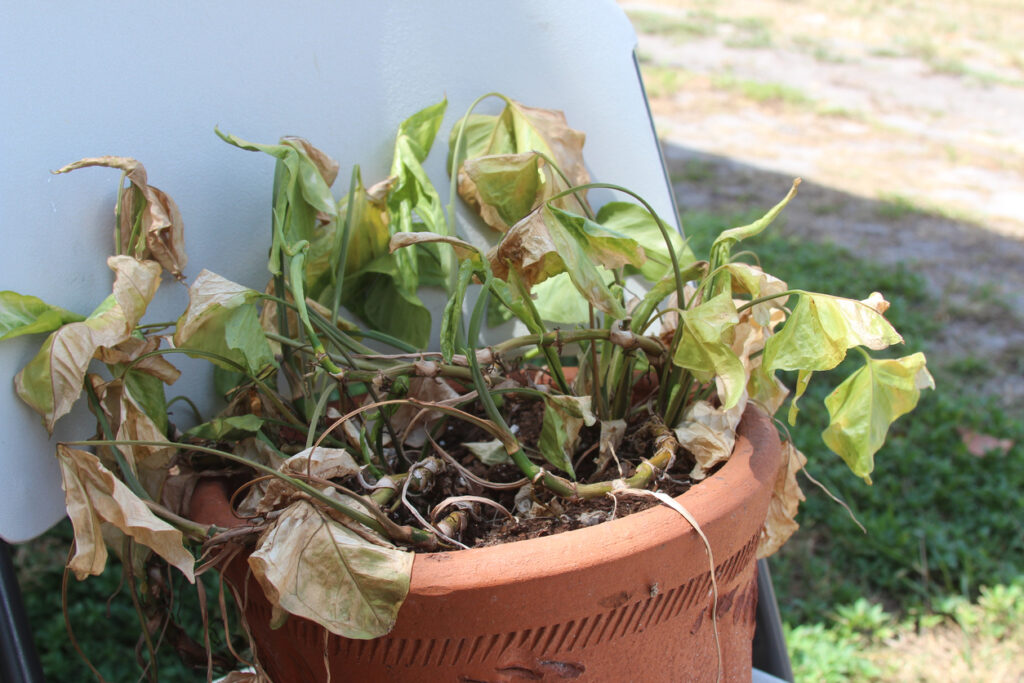
They might look fine at first, but after a while, the roots start to struggle, growth slows down, and the whole thing begins to look tired and unhappy. It’s not that you’ve done anything wrong; some plants simply need more space, more depth, or a more stable environment than a pot can give them.
If you’ve ever wondered why certain plants never seem to thrive, no matter how well you care for them, the container could be the problem. Before you spend more time and money trying to coax them along, it’s worth knowing which plants would rather be in the ground.
1. Wisteria
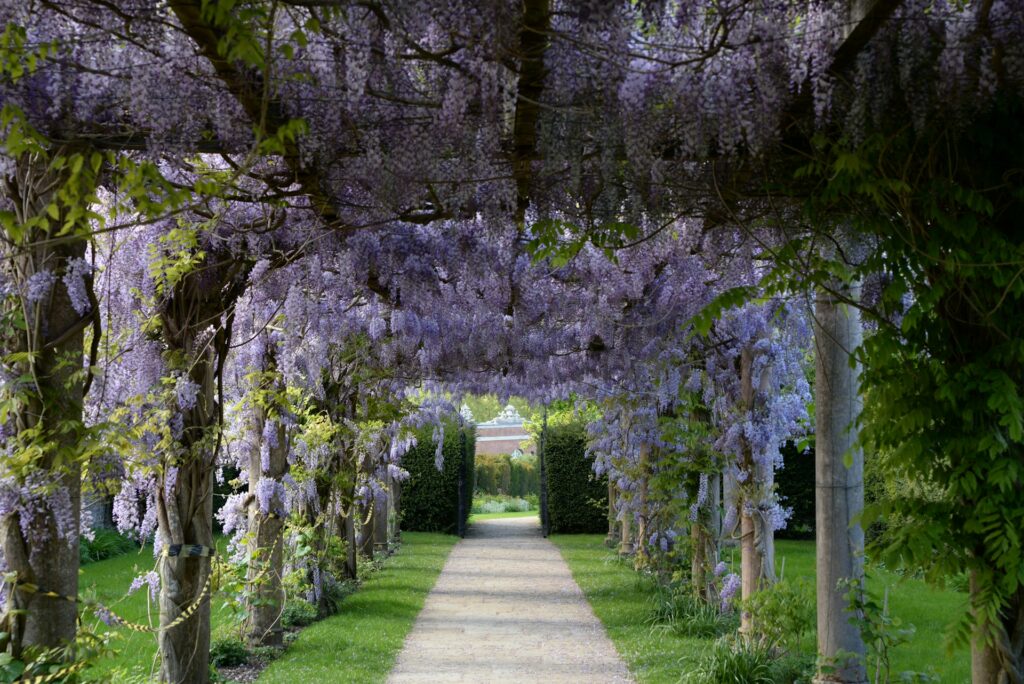
Wisteria is a climbing plant with thick, fast-growing roots that need plenty of space to spread. In a pot, it quickly becomes root-bound and starts producing fewer flowers each year. Even if it survives, the constant pruning and repotting it needs can make it more stress than it’s worth. Wisteria is happiest planted directly into the ground where it can grow freely along a fence or wall.
2. Oak trees
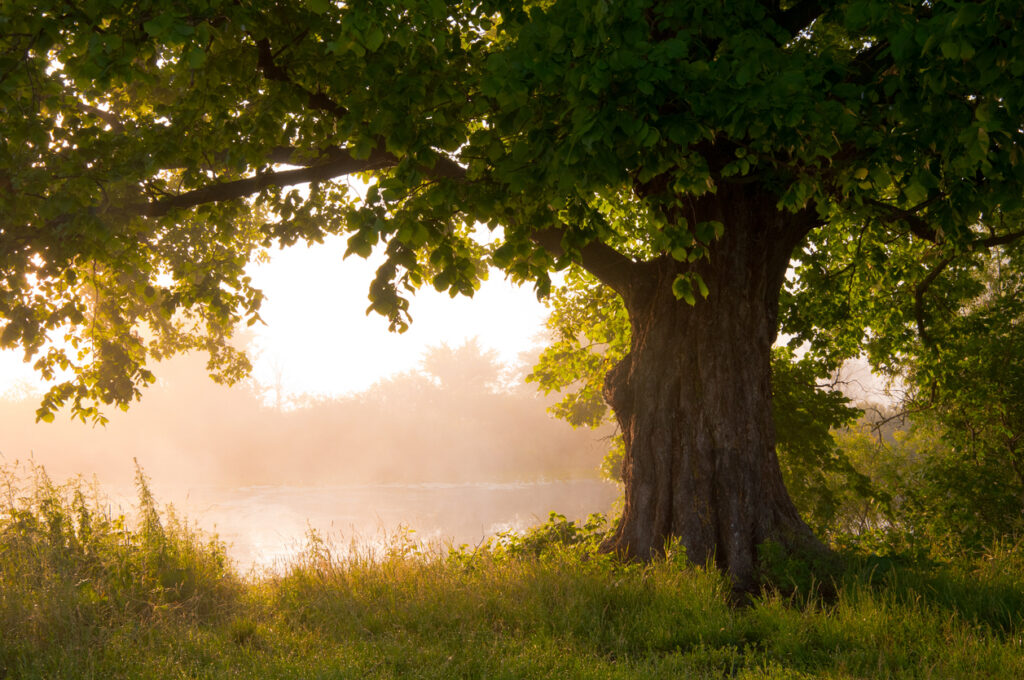
It’s tempting to grow a baby oak from an acorn, but these trees aren’t meant for containers. Their taproots dig deep into the soil, and pots don’t give them the room or stability they need. Even dwarf oaks will outgrow a pot quickly. If you start one in a container, plan to move it into the ground within a year or two before it becomes unhealthy.
3. Rhubarb
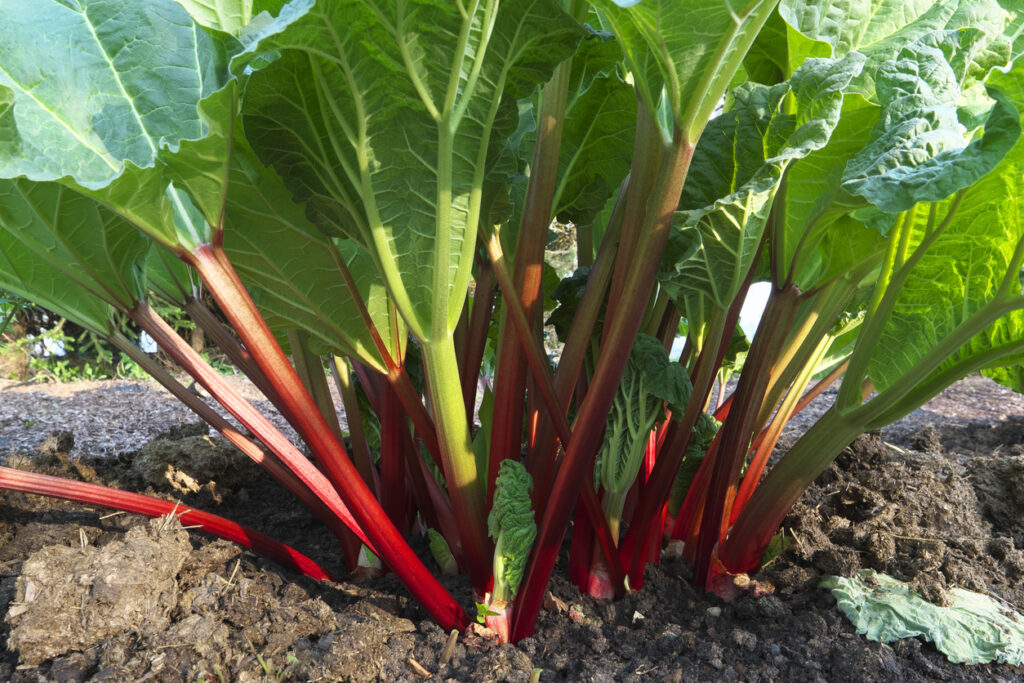
Rhubarb plants have thick, fleshy roots that need a lot of depth and moisture. In a pot, the soil dries out too quickly, causing the stalks to turn thin and bitter. It’s a crop that thrives in open beds with plenty of rich, damp soil. If you’re short on space, try growing it in a raised bed rather than a traditional container.
4. Hydrangeas
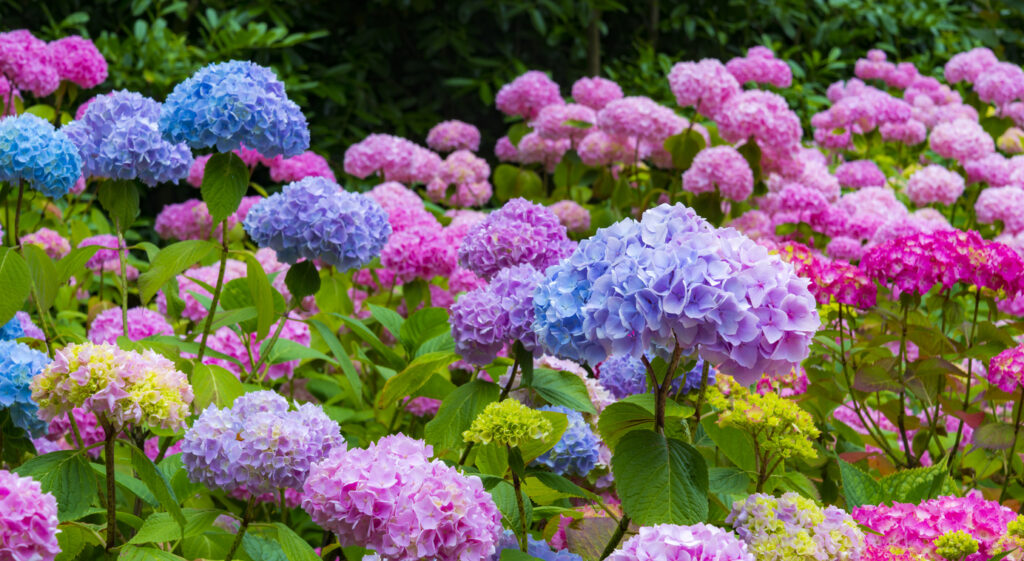
Hydrangeas might start off beautifully in pots, but they soon struggle with the lack of consistent moisture and nutrients. Their large leaves and blooms demand regular watering, and even a few dry days can cause wilting. They do far better in garden beds where the soil can stay cool and evenly moist. If you must pot them, choose a large container and water often.
5. Sweet peas
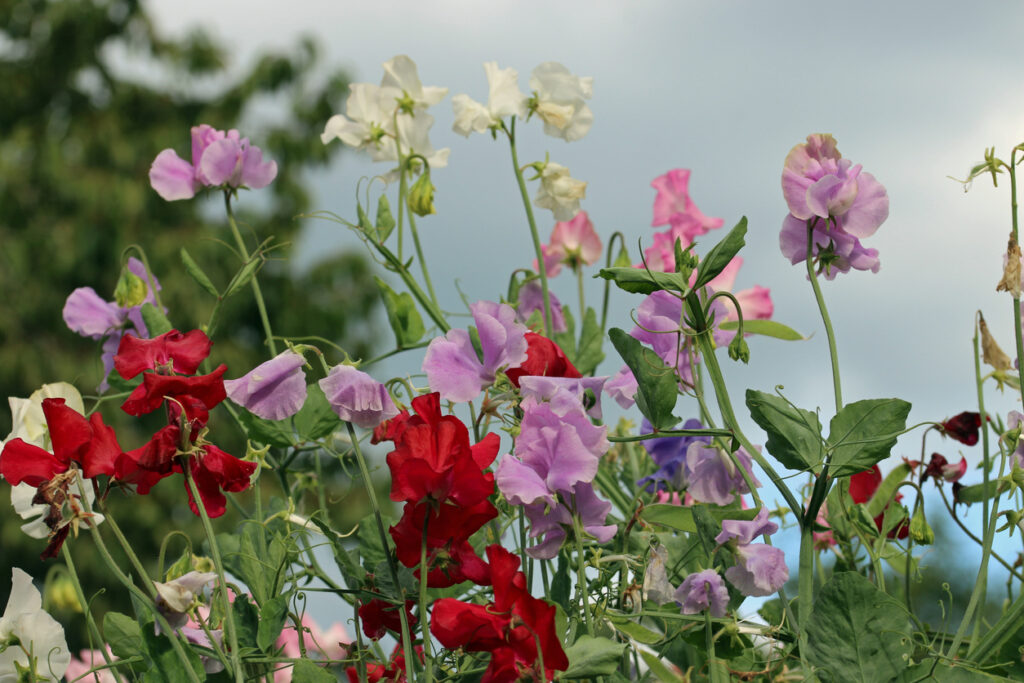
Sweet peas grow quickly and need plenty of room for their roots and climbing stems. Pots often limit their size and reduce how many flowers they produce. They prefer loose, well-drained soil and a deep root run. You’ll get more blooms by planting them straight into a sunny patch of soil with a trellis to climb.
6. Lupins
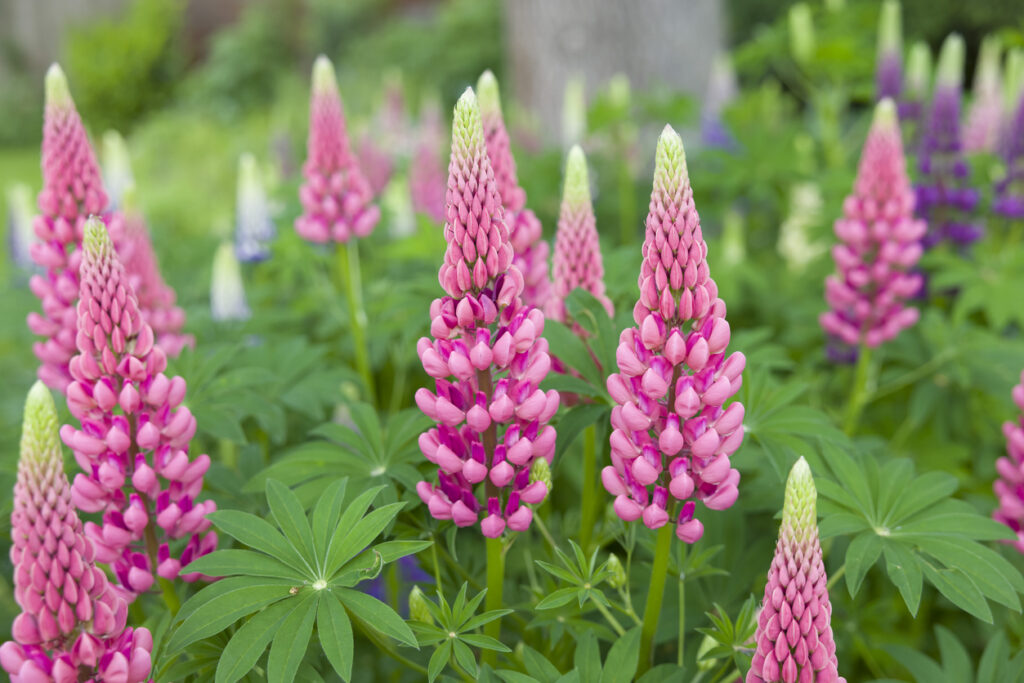
Lupins send down long taproots that don’t cope well with restriction. When forced into pots, they quickly stop thriving and struggle to absorb enough nutrients or water. They grow best in borders where their roots can stretch freely. If you want their bright spikes of colour, give them open ground from the start.
7. Peonies
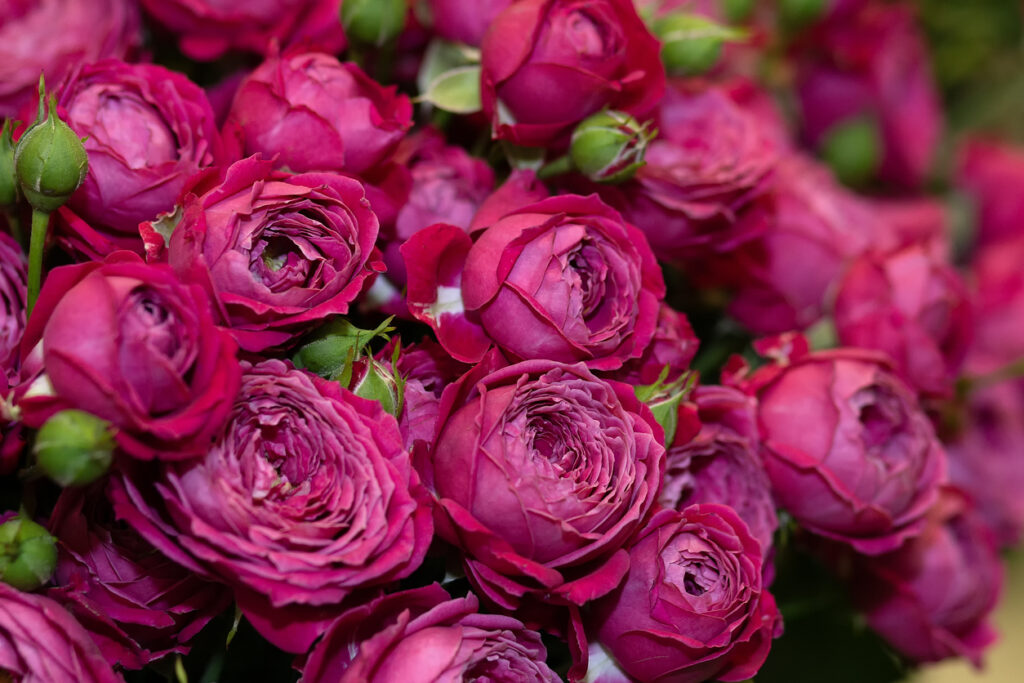
Peonies dislike being moved and need several years of undisturbed growth before they flower properly. In pots, they rarely settle and often refuse to bloom at all. Once planted in the ground, though, they can live for decades. Peonies are the definition of long-term commitment — they just don’t do short-term container living.
8. Pumpkins
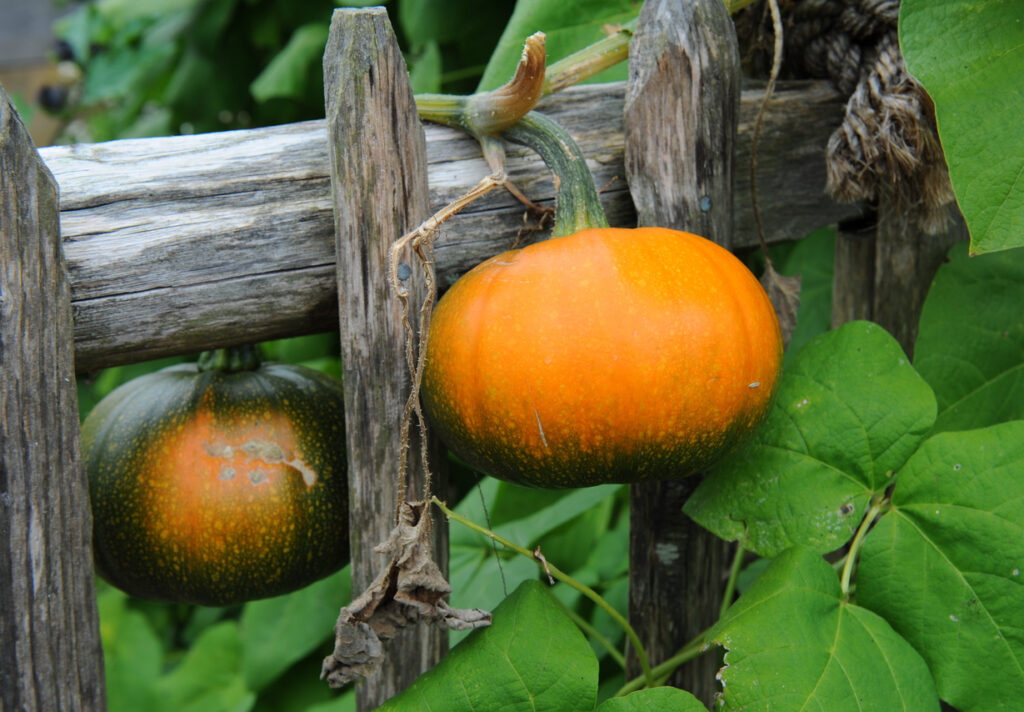
Pumpkins have sprawling vines and enormous root systems that need a lot of soil and space to grow. In pots, they tend to stay small, produce fewer fruits, and need constant feeding. If you’re limited to containers, try smaller squash varieties instead. Pumpkins really belong in open ground where their vines can spread freely.
9. Lavender (large varieties)
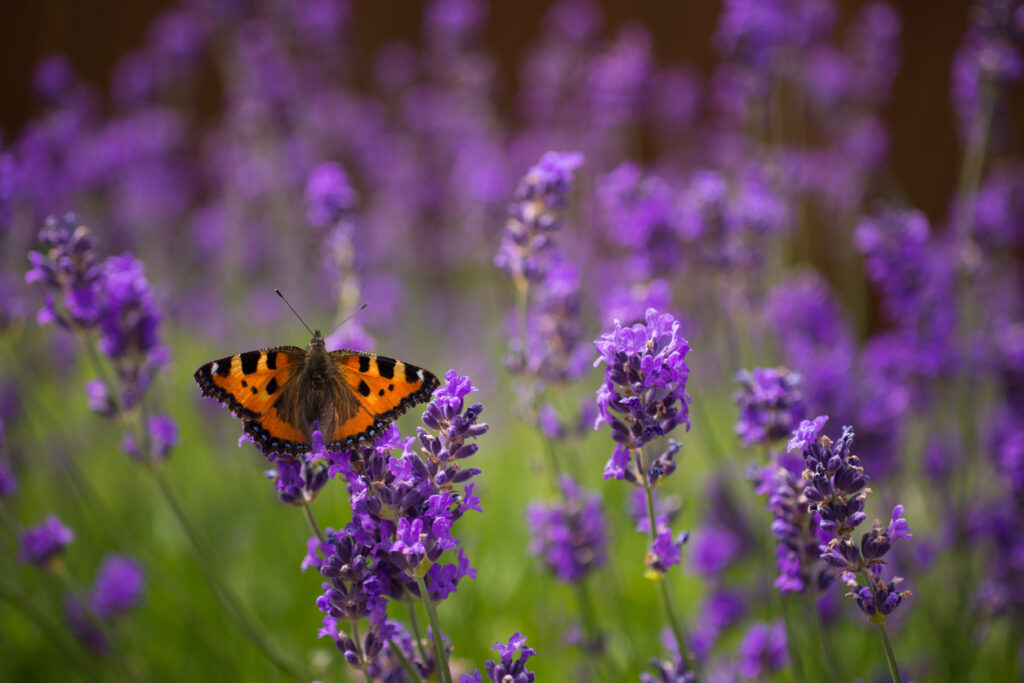
While dwarf lavender does fine in pots, larger types like English or French lavender don’t cope well long-term. Their woody roots and rapid growth eventually outpace the container’s space. They prefer well-drained soil and full sun, making them better suited to borders or rock gardens where water won’t collect around their roots.
10. Hollyhocks
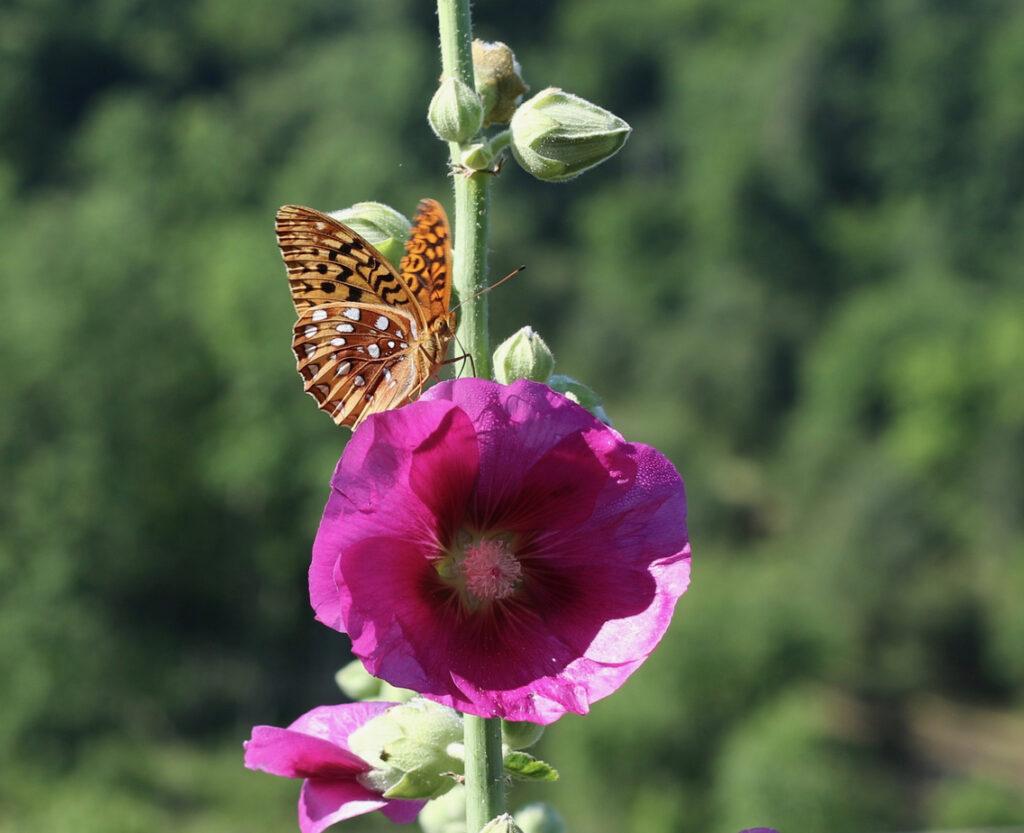
These tall, dramatic flowers look beautiful in cottage gardens but struggle in pots. Their long taproots need space and stability, which containers can’t provide. They’re prone to falling over or drying out quickly when confined. In open soil, they can anchor themselves properly and reach their full height without support.
11. Sunflowers (tall varieties)

Small decorative sunflowers manage in pots, but the taller types easily outgrow them. Their thick stems and deep roots need room to spread, and the limited space often leads to weak, top-heavy plants. To get those huge, cheerful blooms, they need plenty of soil depth and sunlight. Grow them directly in the ground for the best results.
12. Bamboo
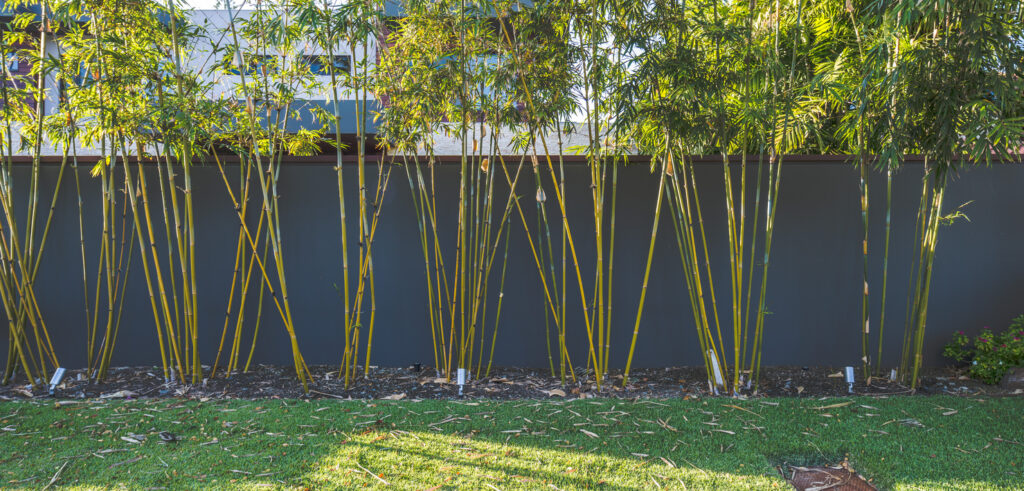
It’s possible to grow bamboo in pots, but it’s not ideal. These plants have aggressive roots that quickly fill containers and start breaking through. Once confined, they dry out fast and lose their lush look. They thrive in the ground, where they can establish large root systems. If you want a low-maintenance screen, bamboo in open soil will do much better than any potted version.
13. Roses (climbing types)
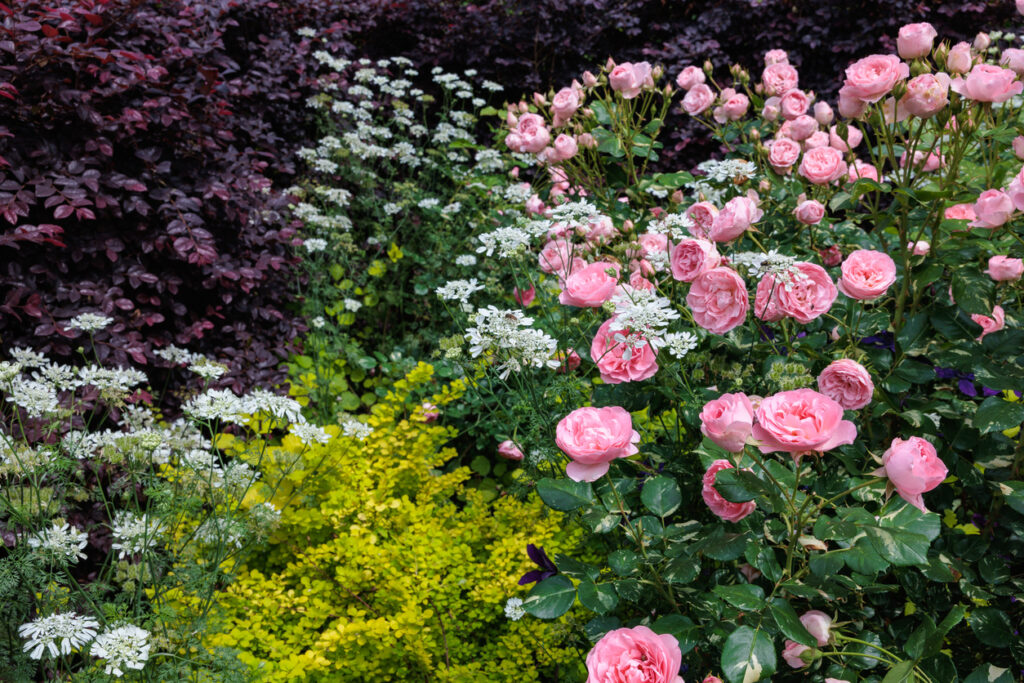
Compact roses can live happily in containers, but climbing or rambling varieties hate it. Their deep roots and heavy growth soon overwhelm any pot you give them. These roses need a stable base and nutrient-rich soil to reach full size. Keeping them in a container stunts their growth and shortens their lifespan.
14. Lilacs
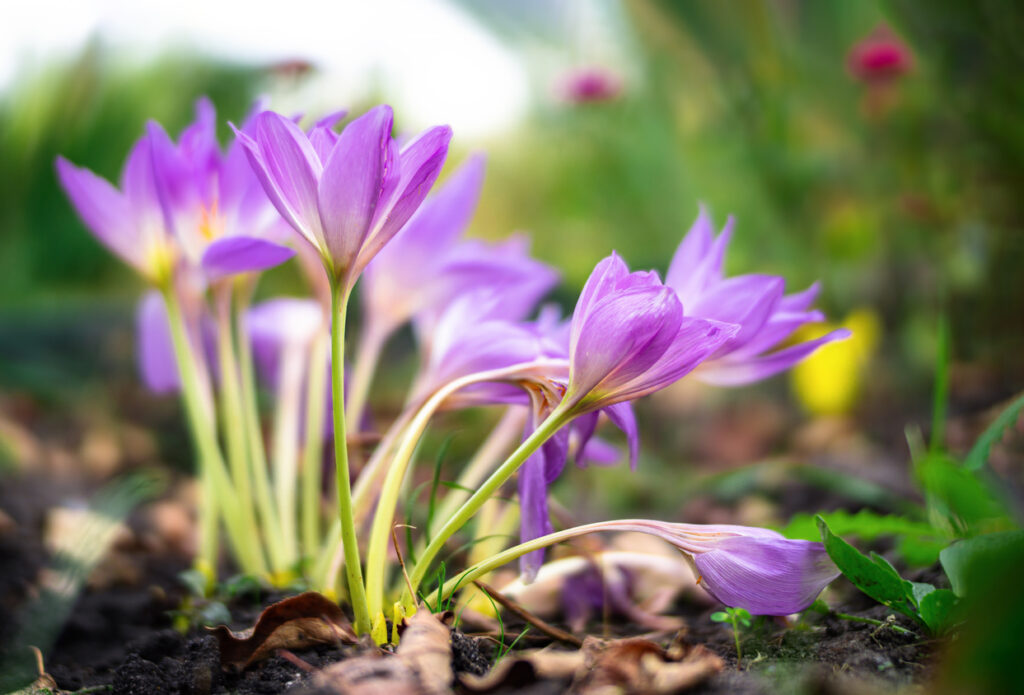
With large root systems and strong growth, lilacs simply can’t thrive in pots for long. They might survive for a season or two, but the limited soil space eventually weakens them. They prefer to spread their roots freely in well-drained ground and reward you with stronger blooms year after year, and that’s something a pot can’t offer.
15. Magnolia trees
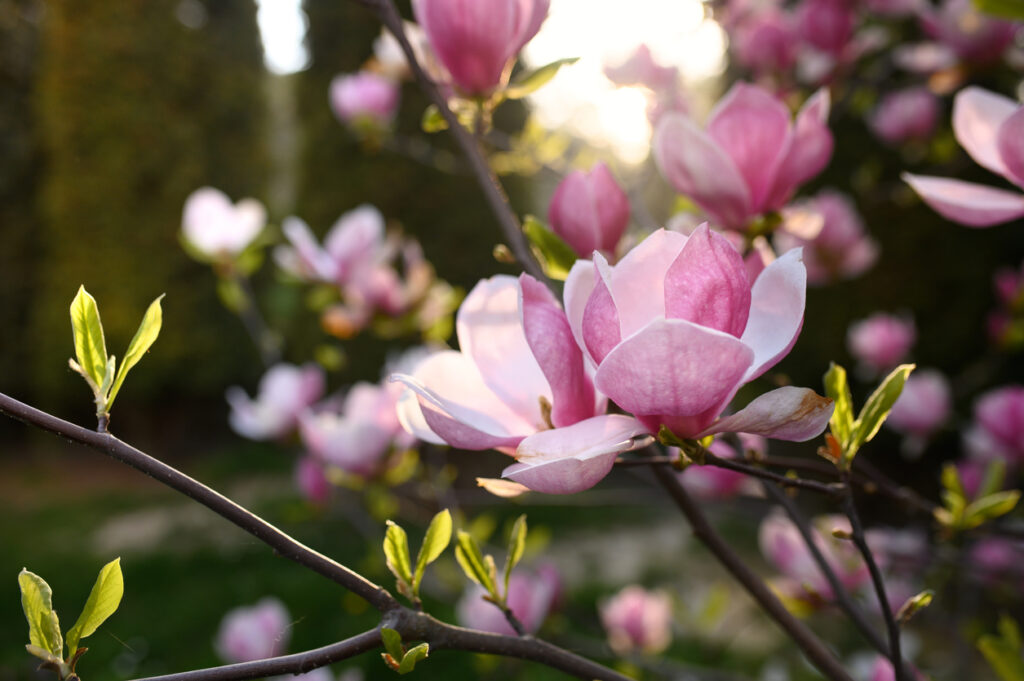
Magnolias grow slowly but steadily, and even the smaller varieties eventually outgrow containers. Their roots become cramped, which limits flower production and overall health. They’re much happier when planted in open ground with room to develop naturally. In a pot, they’ll never show off their full beauty or size.
Some plants just aren’t meant to live in pots, no matter how carefully you tend them. The most reliable way to grow them is to give them freedom, as in space to stretch their roots, absorb rain naturally, and thrive without the limits of a container.