Britain’s unpredictable weather makes gardening more of a guessing game than a science. Even experienced growers get caught out by sudden frosts, soggy summers, or plants that refuse to follow the rules. Here are ten common surprises about British growing seasons that trip up both beginners and seasoned gardeners alike.
1. Spring doesn’t always mean warmth.
Many people start planting as soon as the calendar says March, but British spring can still bring frost well into May. Tender plants like tomatoes and courgettes often die off before they even get going. It’s always best to wait until nighttime temperatures stay consistently above 10°C, or use cloches and fleece to protect young plants from surprise cold snaps.
2. The growing season changes depending on where you live.
In the south of England, spring arrives weeks earlier than it does in Scotland or the North. Gardeners further north have to adjust planting times to match shorter summers and later frosts. That means following local advice rather than general guides. What works in Cornwall won’t always work in Cumbria, even if it’s the same crop.
3. Rain doesn’t always mean enough water.
It sounds odd, but heavy rain doesn’t guarantee your plants are well watered. In clay soil, water can sit on top without soaking through, while sandy soil drains so fast roots never get a proper drink. Checking the soil with your fingers before watering is a much better habit than relying on what the weather looks like from the window.
4. Warm autumns can confuse plants.
In recent years, mild autumn weather has encouraged some plants to flower or fruit again, only to be hit by cold snaps weeks later. This sudden change can weaken them for the next season. It’s tempting to enjoy a second flush of blooms, but it’s better to deadhead and prepare the plant for winter rather than letting it waste energy.
5. Day length matters more than temperature.
Some vegetables and flowers, like onions and strawberries, rely on daylight hours rather than warmth to trigger growth or flowering. That’s why they behave differently even in mild winters. Understanding how light affects growth can help time planting better, especially for crops that bolt or bloom early if they think summer’s already arrived.
6. Pests and diseases now last longer into the year.
Milder winters mean slugs, aphids, and fungal diseases stick around far longer than they used to. They don’t die off in the cold, so infestations can begin earlier each spring. Regular checks and good hygiene around the garden help control them before they spread. Leaving fallen leaves and debris untouched can invite trouble.
7. Late frosts can undo weeks of work.
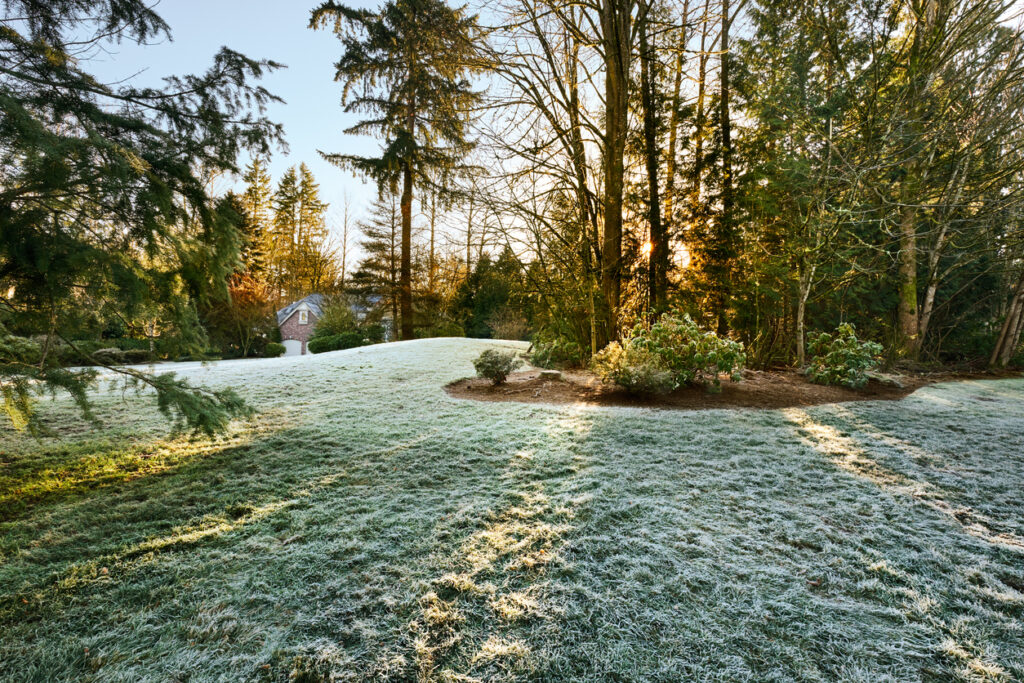
Just when your plants start looking strong, a late frost in May can destroy everything overnight. It’s one of the most frustrating parts of gardening in Britain. Covering tender plants with fleece or moving pots indoors for a night or two often makes the difference between thriving and losing an entire crop.
8. Summer heatwaves don’t guarantee success.
When Britain does get a hot spell, it often comes with problems. Soil dries out, water restrictions begin, and plants wilt faster than you can save them. Mulching around the base of plants helps lock in moisture, while early morning watering gives them time to recover before the midday heat hits.
9. Autumn planting can actually work better for some crops.

While most people think gardening stops at summer’s end, autumn planting helps certain perennials and bulbs develop strong root systems before spring. Garlic, onions, and spring bulbs thrive when planted in the cooler months, so don’t pack away your tools the moment September arrives.
10. British weather keeps everyone guessing.
No amount of planning can stop the weather from doing something unexpected. One year it’s scorching in June, the next it’s still raining in August. That unpredictability is what makes gardening here so addictive. When something finally grows beautifully despite all odds, it feels like you’ve outsmarted the climate itself.