Living with multiple cats can be wonderful, but it also takes planning and awareness.

What seems harmonious can sometimes be subtle tension, and the smallest mistakes can lead to territory wars, stress, or even health issues. Cats aren’t pack animals; they’re independent creatures who value space, routine, and control over their environment. When those needs aren’t met, they let you know in all the worst ways: through marking, hiding, fighting, or refusing to eat.
The good news is that most of these issues are preventable with a bit of thought and the right setup. Living peacefully with more than one cat isn’t about luck; it’s about understanding how they think and giving them what they need to feel safe and secure. Here are some of the most common mistakes people make when they share their home with multiple cats, and what to do instead to keep the peace for everyone.
1. Not having enough litter trays
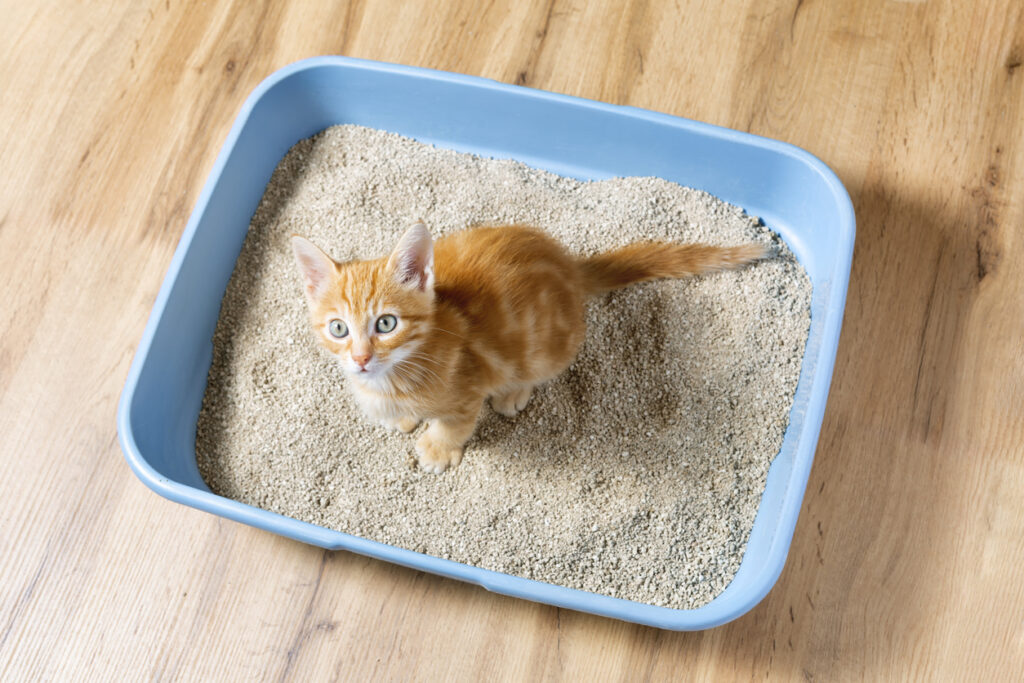
The golden rule is one tray per cat plus one extra. Three cats mean four trays. Many owners try to cut corners and end up wondering why their cats start weeing in odd places. Cats are extremely particular about cleanliness and won’t use a tray that’s already been used by another cat or hasn’t been cleaned properly. If they don’t have enough options, they’ll either hold it in, which can cause bladder problems, or find their own private spot elsewhere.
Keeping trays spotless also matters. Scoop them daily and replace the litter regularly. Cats have sharp noses, and even a faint smell can be off-putting. The goal is to make every tray feel like a fresh, safe space that belongs entirely to them.
2. Putting all the litter trays in one room
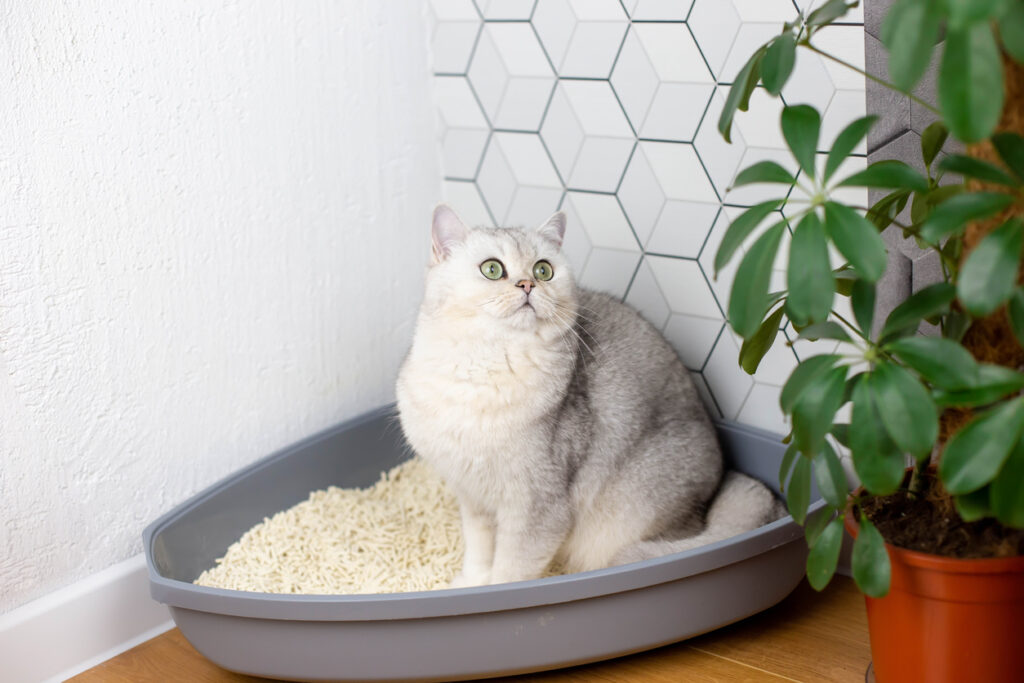
Even if you’ve nailed the number of trays, putting them all side by side ruins the point. A row of trays in the same space counts as one to a cat. If a more dominant cat guards that area, the others won’t go near it. Spread the trays out in different rooms or on different floors, ideally in quiet corners where each cat can do their business without feeling watched or threatened.
Cats like privacy. A tray next to a washing machine, noisy boiler, or busy hallway will put them off. Think of litter trays as safe zones; they should be peaceful, easy to access, and nowhere near food or water bowls.
3. Only having one feeding station

Cats aren’t built to share meals. In the wild, they hunt alone, eat alone, and protect their food. Forcing them to share a single feeding spot creates invisible tension. You might not see it, but one cat could be guarding the food while the other waits until the coast is clear, often eating less or not at all.
To fix this, give each cat their own space to eat, ideally out of sight of the others. If you’re limited on space, stagger mealtimes or feed them on different surfaces, like one on the counter and one on the floor. The key is to give every cat a sense of safety around food.
4. Getting too many cats for your space
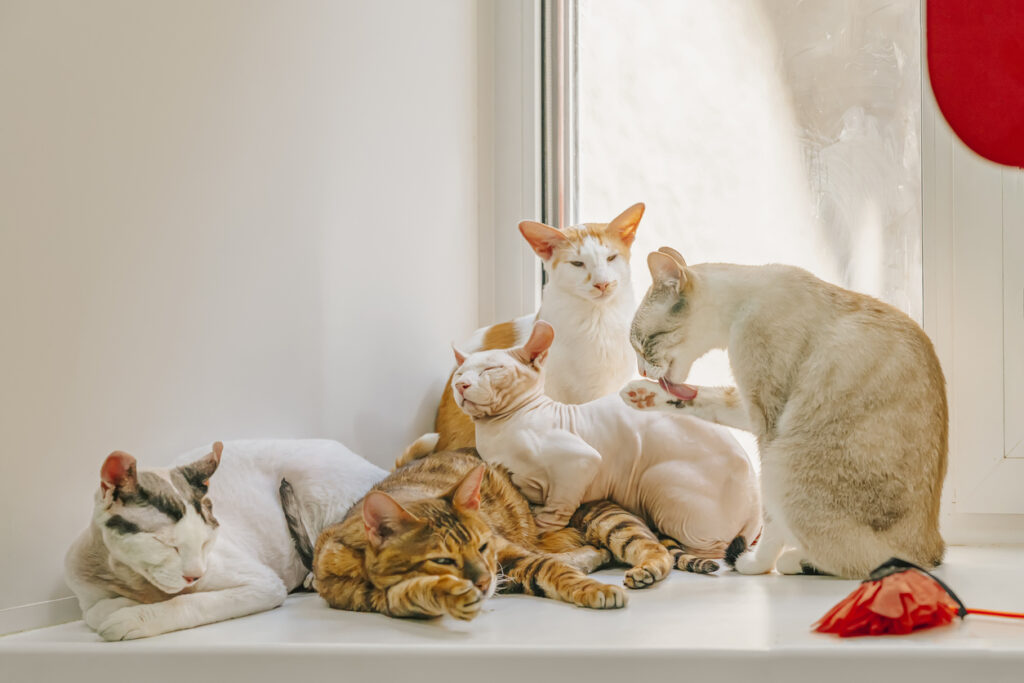
Every cat needs territory—think spots to sleep, watch, play, and hide. When there are more cats than your home can comfortably handle, stress builds fast. A small flat might work fine for two cats who get along, but add a third or fourth and things can go downhill quickly.
Too many cats in one space can lead to spraying, aggression, and illness caused by stress. If your cats are always on edge, constantly watching each other, or spending their time hiding, it’s probably not the right balance. A peaceful home is better than a crowded one.
5. Not providing enough vertical space
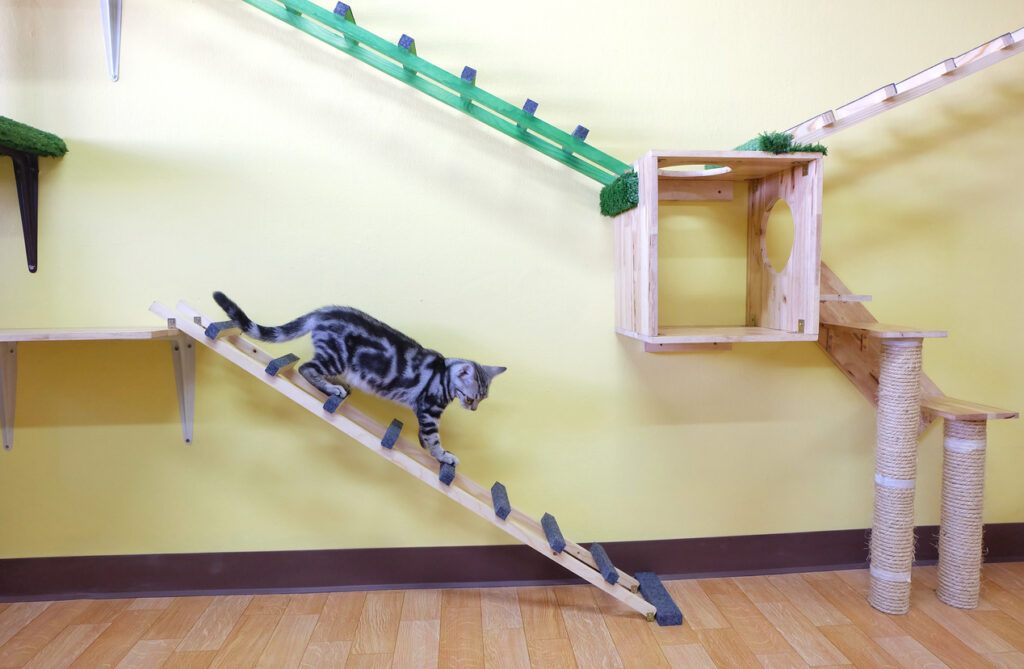
Cats don’t just live across the floor; they live upwards too. When floor space is limited, climbing opportunities become even more important. Cat trees, shelves, and window perches give them escape routes and help them feel safe.
High spaces also expand their territory, giving them more options to rest or watch the world without being disturbed. If two cats don’t get along, one can take the high ground and avoid conflict. It’s a simple change that can transform the atmosphere in your home.
6. Introducing new cats too quickly

Bringing a new cat home and letting them meet right away almost always backfires. Cats rely on scent to recognise who’s friend or foe, and being thrown together too soon triggers fear and defensiveness. That first impression can ruin any chance of future harmony.
Start slow. Keep the new cat in a separate room for the first few days, then swap blankets or bedding so they get used to each other’s scent. Move to supervised visits and only let them mingle freely once both seem relaxed. Patience at the start saves you months, even years, of stress later.
7. Assuming cats that tolerate each other are happy

No fighting doesn’t necessarily mean peace. Many cats simply avoid each other to keep the tension down. Watch for subtle signs like one cat leaving the room when another enters, flattened ears, or frequent hiding. These are clues that they’re coexisting, not bonding.
A truly happy multi-cat home has moments of shared play, grooming, or resting nearby without anxiety. If that’s missing, the cats may need more space, enrichment, or separate resources to feel secure.
8. Not giving each cat individual attention

When you have several cats, it’s easy to treat them as a group, but every cat has its own personality and needs. Some are social, others more reserved, and if you only engage with the ones that demand attention, quieter cats can start to feel neglected.
Set aside time each day to focus on each cat individually with a short play session, brushing, or even just a cuddle. This strengthens your bond with all of them and helps prevent jealousy or behavioural issues.
9. Sharing everything between all the cats
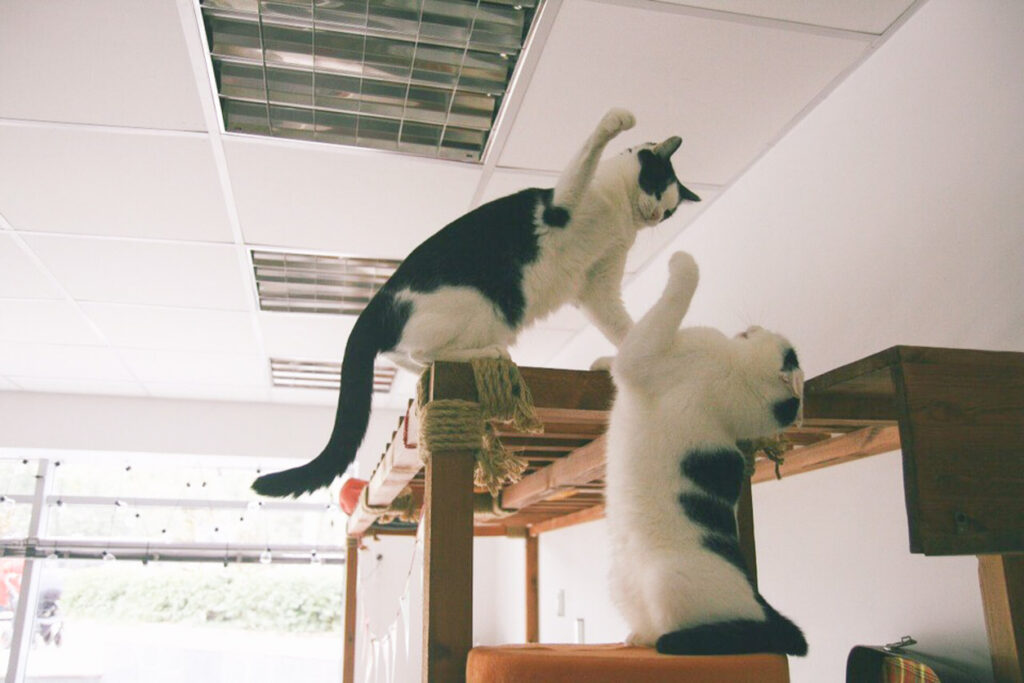
Cats don’t like to share. A single water bowl or scratching post for multiple cats creates unnecessary conflict. Instead, scatter multiple resources throughout the house. Each cat should be able to eat, drink, scratch, and nap without competition.
Variety also helps. Different types of scratching posts (horizontal, vertical, cardboard, sisal) and sleeping spots (soft beds, boxes, shelves) cater to their preferences. The more choice they have, the less they’ll argue.
10. Not recognising personality clashes

Just like people, some cats are simply incompatible. You might have one cat who’s bold and constantly wants to play, and another who’s quiet and easily overwhelmed. That mismatch creates ongoing tension that training can’t fix. You can manage it by keeping them in separate zones, providing enrichment that suits each cat, and avoiding forced interactions. In extreme cases, rehoming one cat can actually be the kindest option for both of them.
11. Missing the early signs of conflict
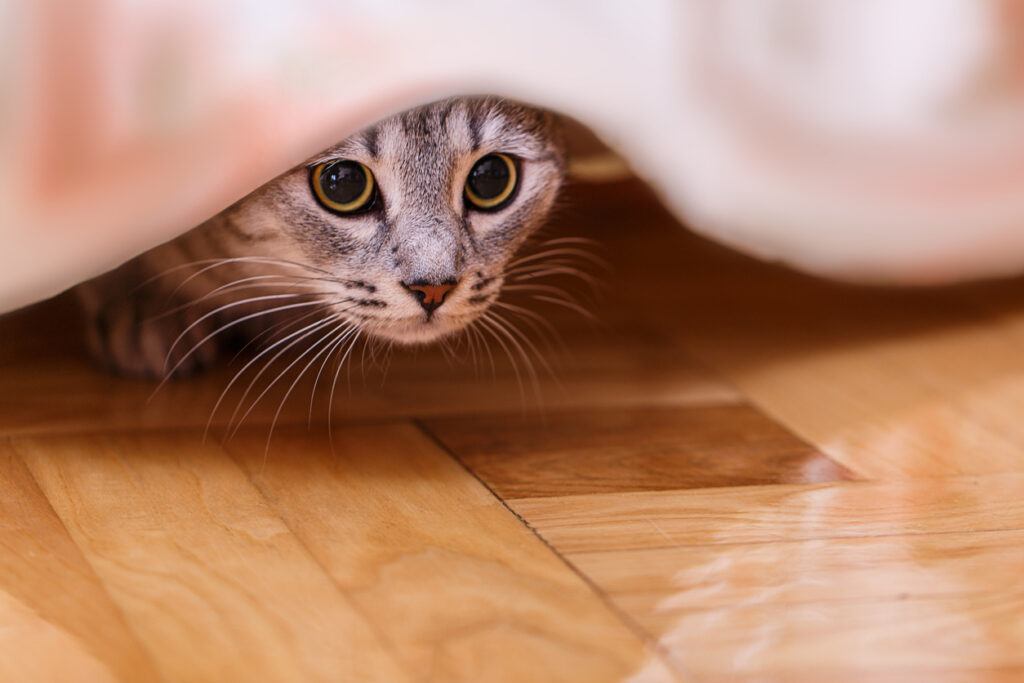
Serious fights rarely come out of nowhere. Before claws come out, cats show warning signs like blocking pathways, staring contests, or subtle swatting near food bowls. These behaviours often go unnoticed until they explode into real aggression.
Paying attention early lets you make adjustments before things spiral. Separate feeding areas, add more resources, and make sure there are enough safe spots for everyone to escape to. A little observation goes a long way.
12. Not creating escape routes and safe spaces

Cats need to know they can get away. If your furniture layout traps them in corners or leaves only one exit from a room, you’re increasing the chances of conflict. Every cat should be able to leave a space without bumping into another cat along the way.
High perches, shelves, and boxes tucked into quiet corners give them somewhere to retreat when they’ve had enough. Feeling secure enough to walk away from a tense moment keeps fights from breaking out, and that’s the real secret to a peaceful multi-cat home.