When most people picture dinosaurs, they imagine the size first, not the sound.
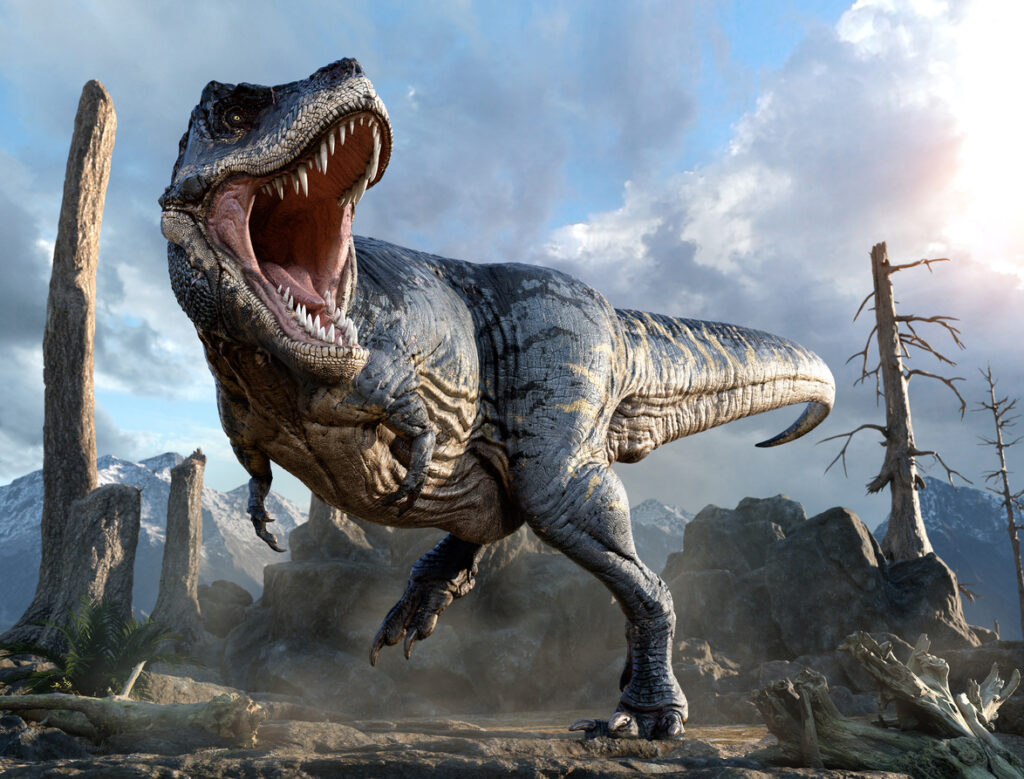
However, some species were likely so loud they could be heard for miles, with calls deep enough to make the ground tremble. These weren’t polite little roars either; scientists believe many dinosaurs used powerful low-frequency sounds to communicate, warn rivals, or attract mates.
While we can’t know exactly what they sounded like, fossil evidence gives some strong clues. Hollow crests, massive chest cavities, and bone structures designed to carry vibration all suggest that a few of these prehistoric giants were capable of shaking their surroundings with every call. Here are the dinosaurs that were probably noisy enough to make the Earth itself rumble.
1. Tyrannosaurus rex
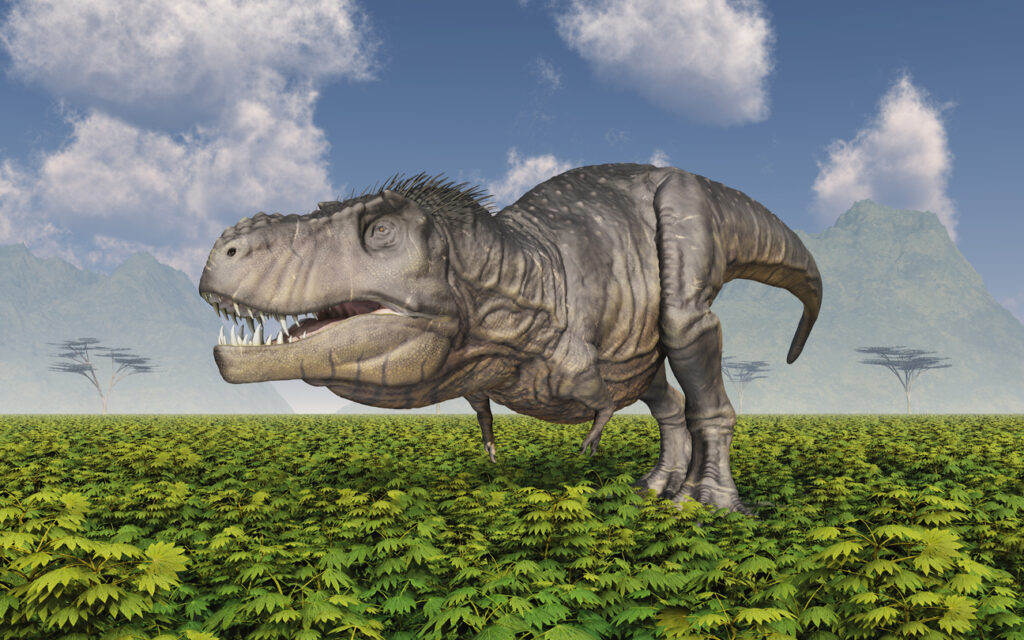
T. rex didn’t roar like movie versions suggest. Instead, researchers think it made ultra-low rumbles that could travel through the ground rather than the air, much like crocodiles and elephants today. Those low-frequency calls could have reached far across forests and plains, warning rivals or calling mates from miles away. If you stood nearby, you wouldn’t just hear it, you’d feel it vibrate through your chest.
2. Parasaurolophus
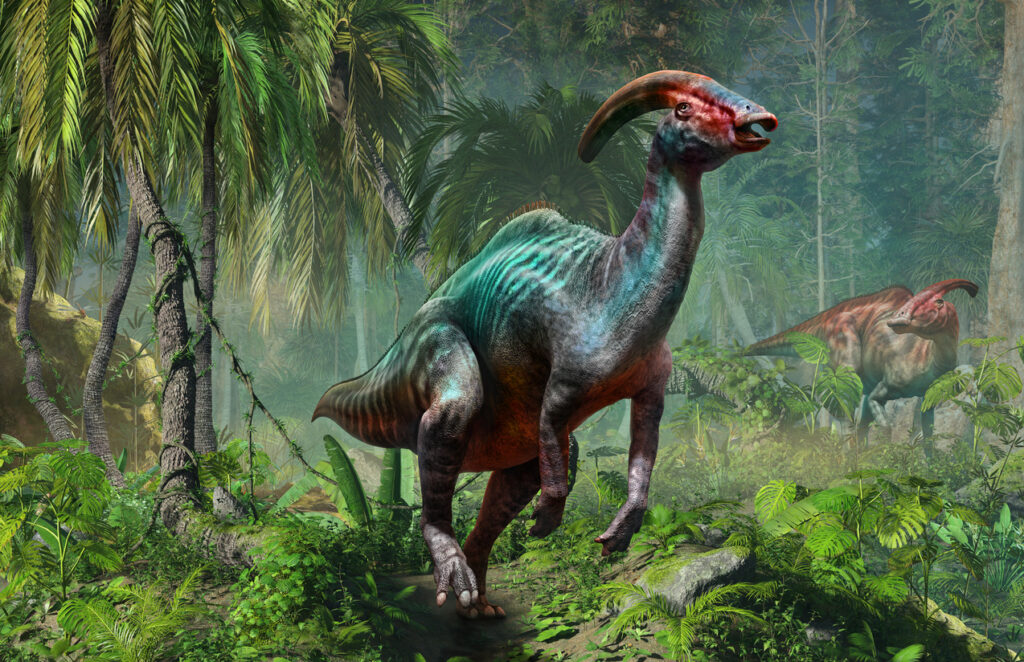
This duck-billed dinosaur had a huge hollow crest that worked like a built-in wind instrument. Air moving through it produced deep, resonant sounds that could shake the air like a foghorn. Each Parasaurolophus probably had its own pitch, letting herds communicate over long distances. The sound would’ve echoed through valleys, carrying a haunting, bass-heavy note that other species could easily recognise.
3. Triceratops
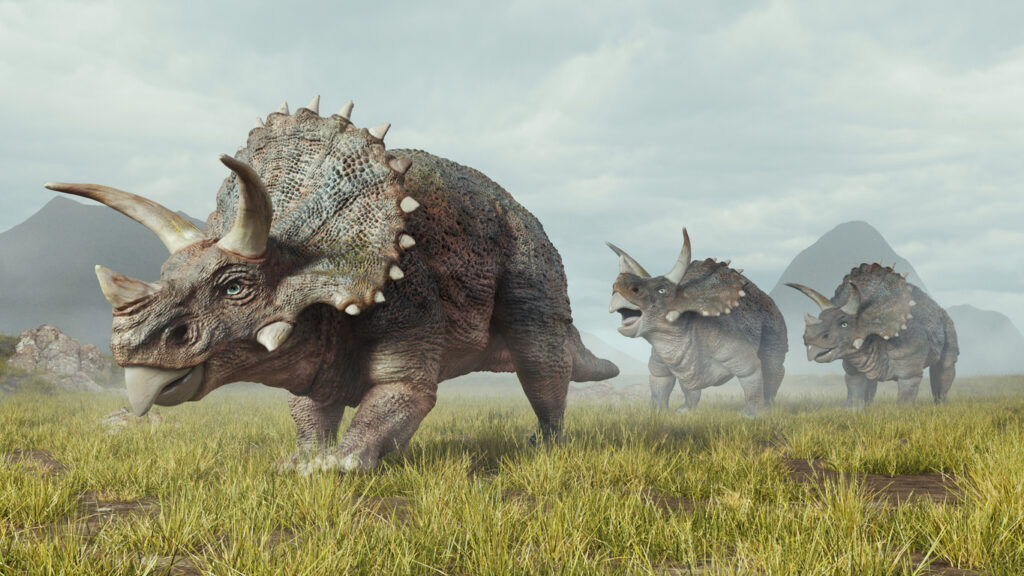
While Triceratops might seem like a quiet grazer, its massive skull could have amplified deep bellows during mating or combat. The shape of its frill acted like a soundboard, boosting resonance. Those sounds weren’t delicate. Scientists believe the low vibrations could carry across open plains, helping individuals recognise each other and establish dominance without constant fighting.
4. Ankylosaurus
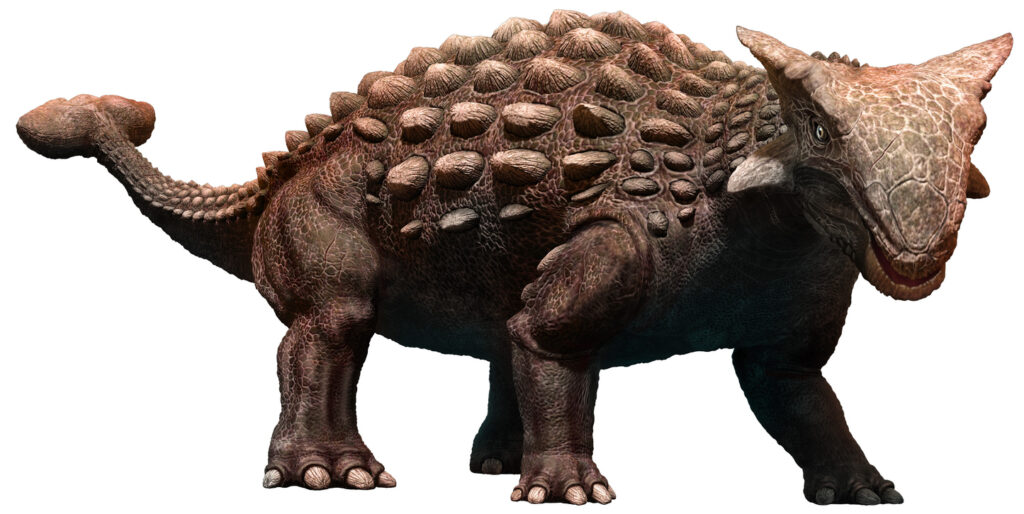
With armour plates covering its body, Ankylosaurus may have used low, ground-based vibrations to communicate. Its deep chest cavity and dense bones would’ve been perfect for generating powerful internal resonance. Some palaeontologists think the vibrations it produced during movement or defence could have felt like distant thunder. Its heavy club tail hitting the ground probably added a physical rhythm to its message.
5. Brachiosaurus
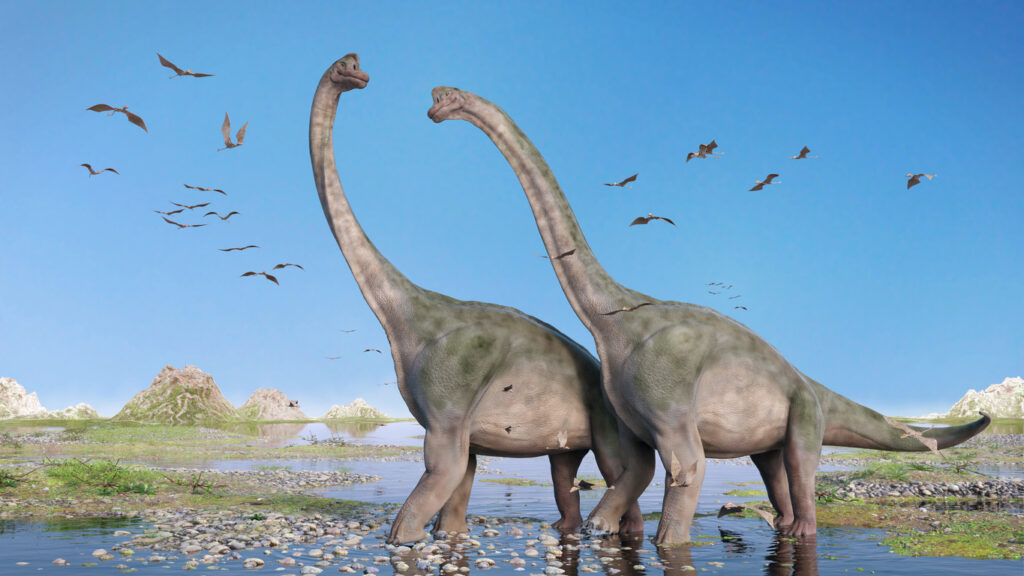
This long-necked giant was among the largest animals ever to walk Earth. Its enormous lungs could have produced deep, booming calls that rolled across prehistoric landscapes like slow earthquakes. Because of its size, even simple breathing noises would have created vibrations that travelled through the air and ground. Entire herds might have communicated in low tones humans couldn’t even hear.
6. Stegosaurus
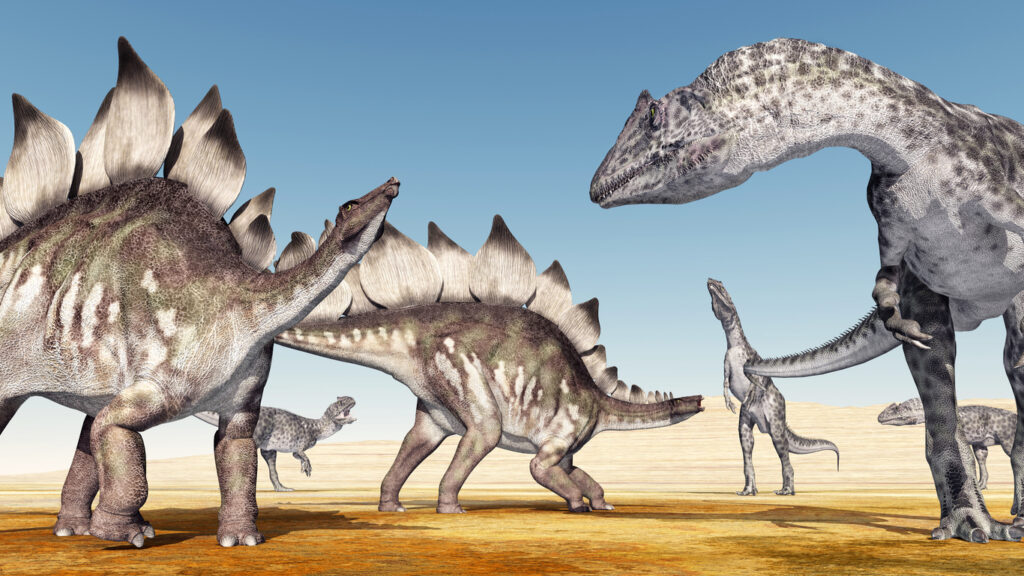
Stegosaurus likely used low-frequency rumbling and tail movements to communicate. Its large body cavities and hollow spaces near the lungs could have acted as natural amplifiers. When threatened, it might have released short, percussive sounds like thumps or low growls to warn predators or signal to its herd. Combined with the ground shaking under its steps, it made an impressive warning system.
7. Spinosaurus
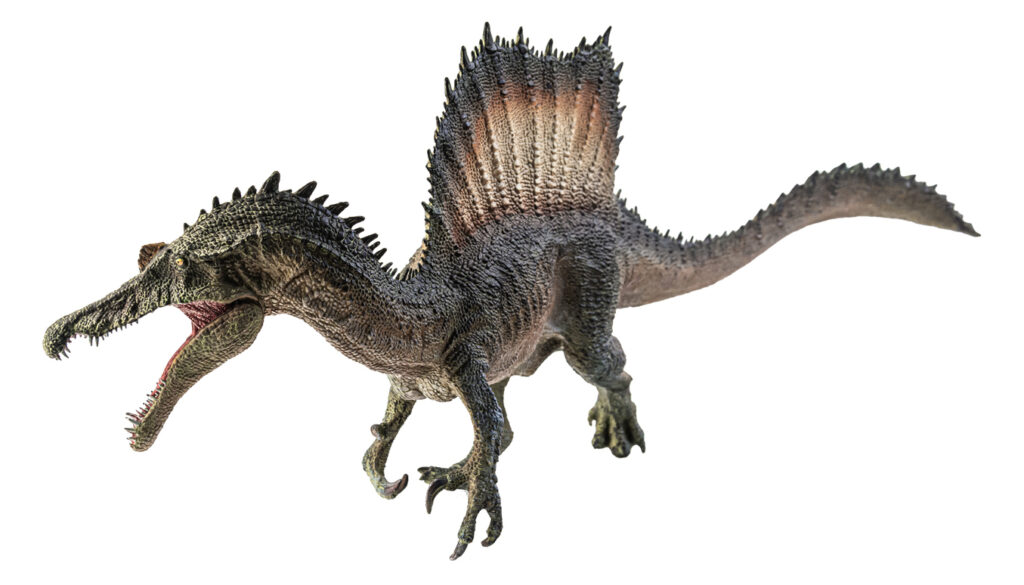
Spinosaurus lived partly in water, and its sound system probably worked through vibration rather than volume. Scientists believe it made deep, resonant calls that travelled underwater like a whale’s song. Those sounds could have stunned smaller fish or served as communication through murky river systems. In shallow lagoons, the vibrations would’ve rippled across the surface like ripples from a dropped stone.
8. Diplodocus
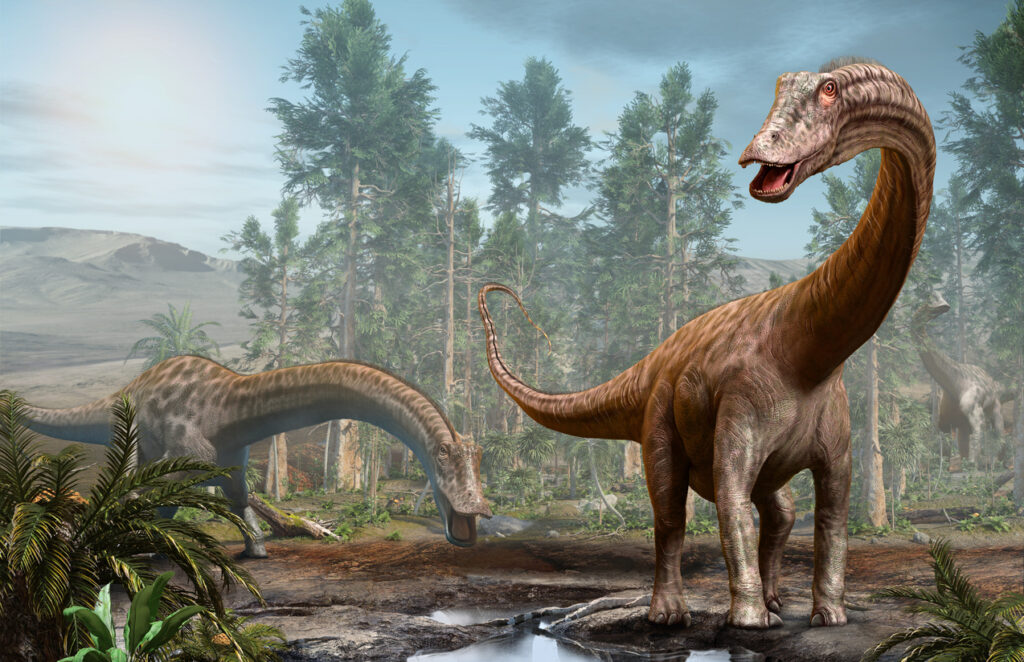
With a neck as long as a bus and a whip-like tail, Diplodocus could have produced snapping and rumbling noises loud enough to echo through valleys. Its long body acted like a natural sound conductor. The cracks from its tail might have broken the sound barrier, making it one of the loudest mechanical noises ever made by an animal. It could’ve used the sound for defence or long-distance signalling.
9. Allosaurus
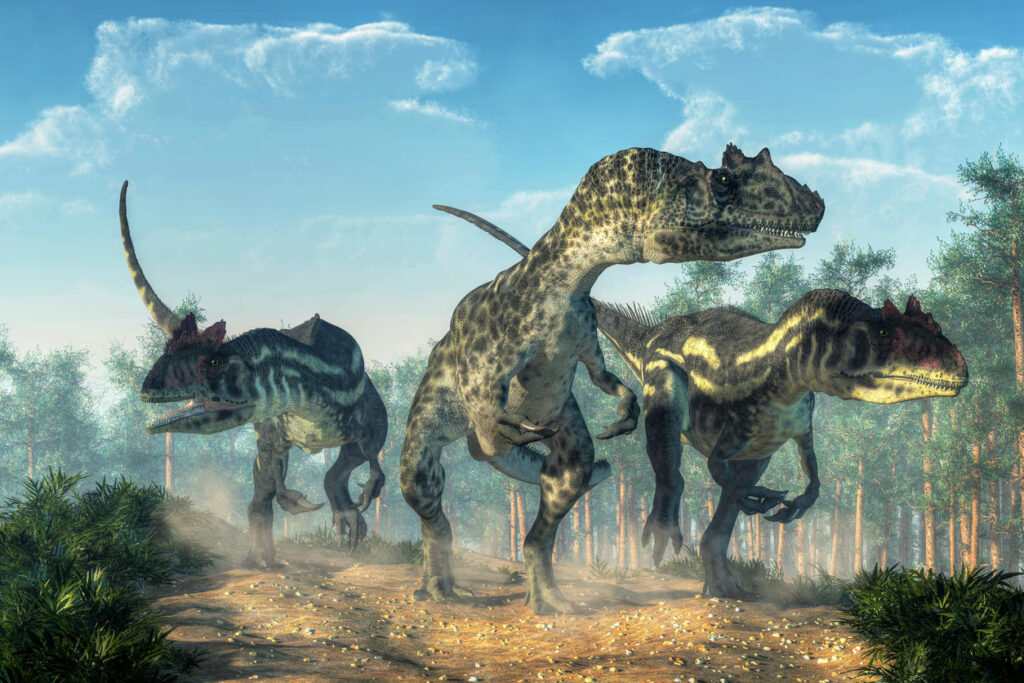
As one of the top predators of its era, Allosaurus probably used deep growls and rhythmic calls to claim territory and intimidate rivals. Its skull structure shows large spaces that could have enhanced resonance. When hunting in groups, it might have used short bursts of sound to coordinate movement. Each low growl could vibrate through the ground, warning smaller dinosaurs to stay well clear.
10. Edmontosaurus
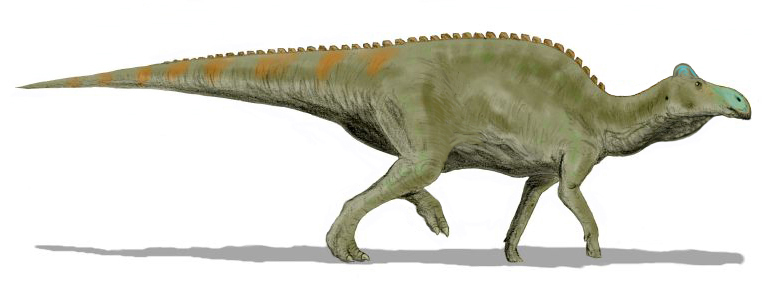
Another hadrosaur with a flexible throat and nasal passages, Edmontosaurus could have produced a wide range of sounds, from soft honks to deep bellows. These helped it stay in contact within large herds. The combined noise of hundreds of these animals calling together would have been overwhelming. Imagine the sound of an entire plain shaking under a chorus of low, rumbling voices.
11. Corythosaurus
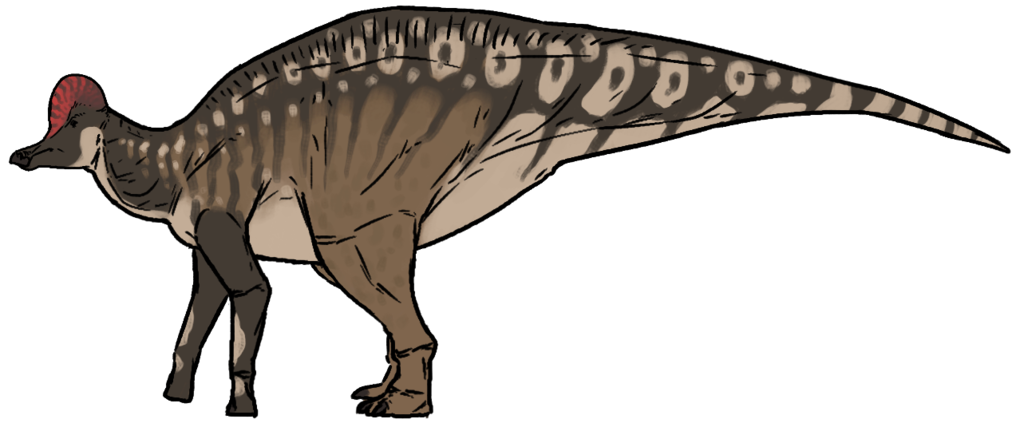
Corythosaurus had a tall, hollow crest that worked like a resonating chamber. The shape gave it a distinct tone, letting individuals recognise calls from their own species even among hundreds of others. The pitch was likely low enough to travel long distances. Some scientists think their calls helped coordinate group movement, especially during migration across open terrain.
12. Carnotaurus
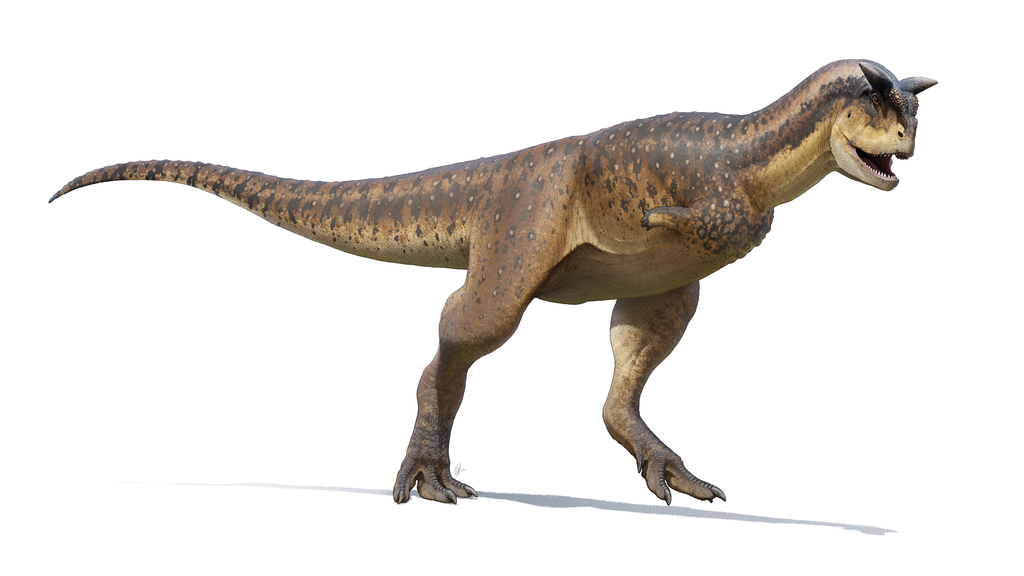
This strange, bull-horned predator had a short snout and strong chest cavity that could project deep, roaring bellows. It likely used those sounds to communicate territory and attract mates. Carnotaurus was built for speed, not endurance, so these bursts of noise probably came in short, shocking waves quick enough to startle prey before it struck.
13. Argentinosaurus
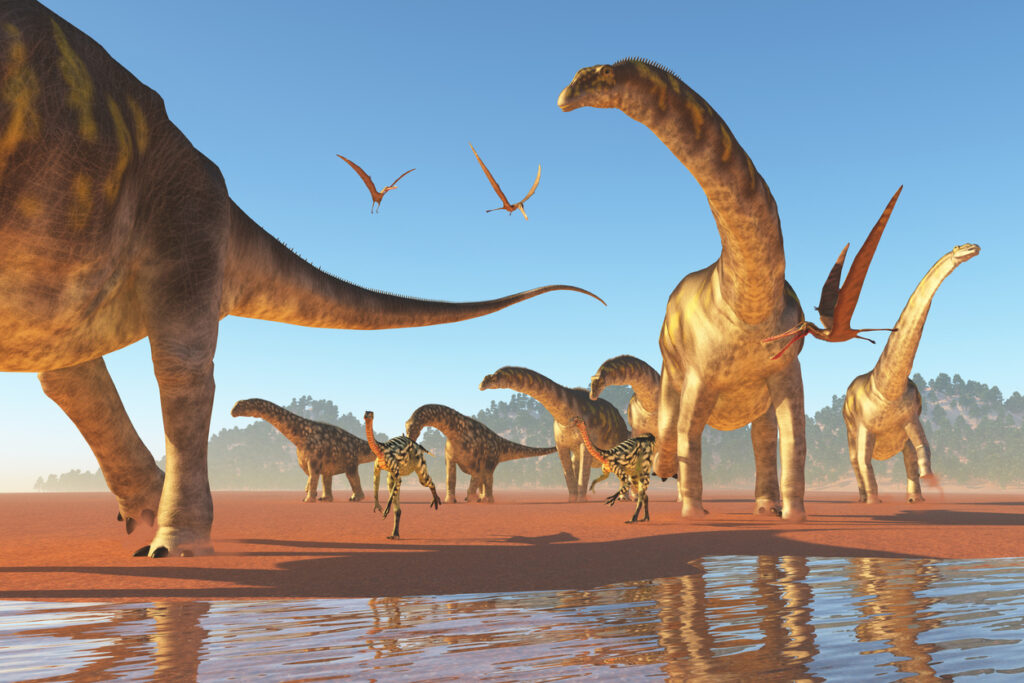
As one of the largest land animals ever, Argentinosaurus could have produced ground vibrations detectable miles away. Its deep lungs and massive body size made it capable of infrasonic communication. These sounds would’ve travelled through soil and air, reaching other individuals far beyond sight. The earth itself might have trembled slightly each time a herd called out to one another.
14. Therizinosaurus
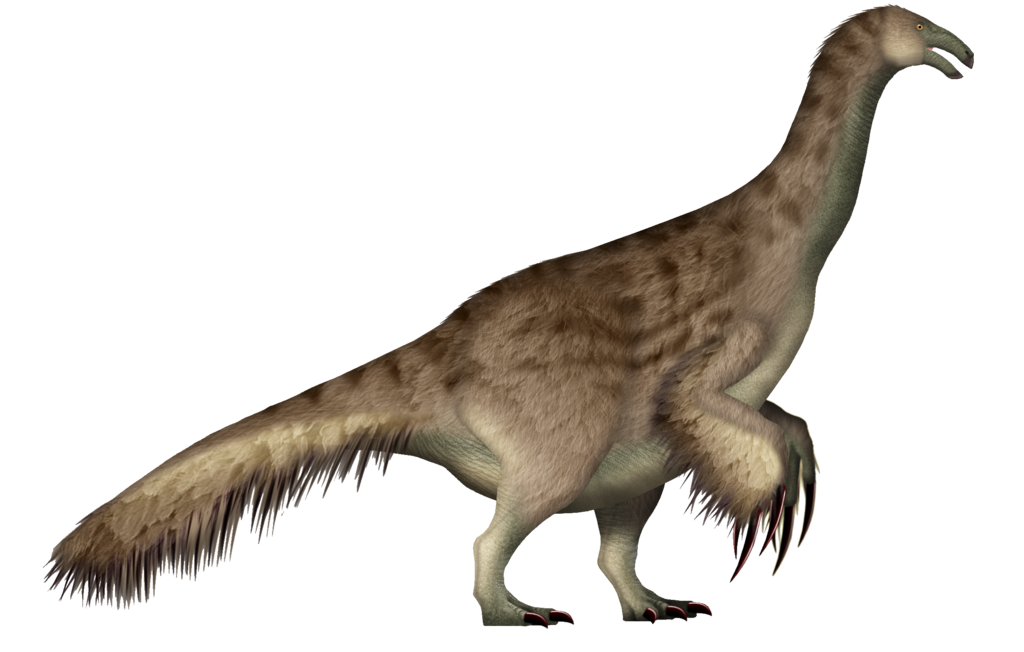
This long-clawed, feathered giant looked intimidating enough, but its size and hollow bones suggest it may also have produced eerie, low-pitched calls. Scientists think its chest cavity could have worked as an amplifier. Its calls may have echoed through the forests like deep wind through trees, sending vibrations through both air and ground. Combined with its towering claws, it must have been a haunting presence to anything nearby.
The prehistoric world was never quiet

Dinosaurs weren’t silent creatures. Their communication likely relied on sound and vibration as much as sight and movement. The air, the ground, and even the water would have carried their voices for miles. The world they lived in wasn’t peaceful. It was alive with bellows, cracks, and tremors that made the very earth shake. For millions of years, nature’s loudest orchestra played beneath ancient skies, and the echoes still reach us through stone.