Some animals take playing dead to a whole new level.
We’re not talking about a quick flop and a peek to see if the coast is clear. These creatures commit to the act like Oscar-worthy performers. Limbs limp, breathing slowed, eyes glazed—it’s so realistic that even scientists have been fooled. For some, it’s a defence mechanism that confuses predators; for others, it’s a clever trick to get out of sticky situations.
Nature’s full of dramatic actors, but these animals take it to extremes. From insects that fake their own deaths mid-chase to reptiles that’ll stay motionless for hours just to sell the story, their dedication is next-level. It’s morbidly funny, strangely brilliant, and yet another reminder that the animal kingdom is full of creatures who know exactly how to keep us guessing.
Opossums are the original death fakers.
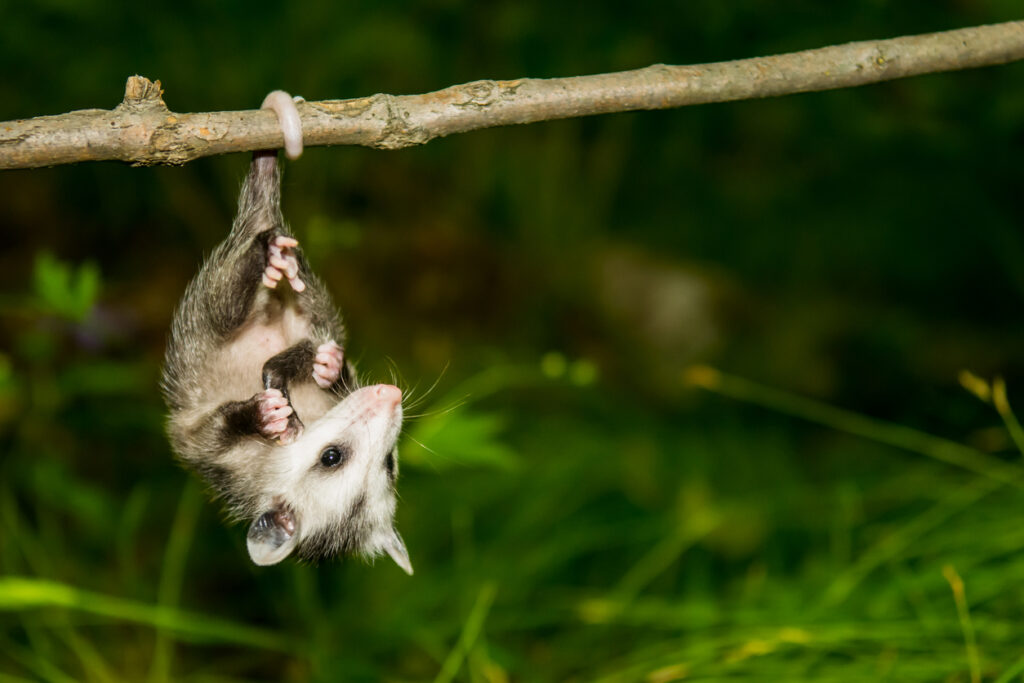
This is where “playing possum” comes from, and these things commit to the bit hard. They go completely limp, their tongue hangs out, they drool, their eyes glaze over, and they even release a death smell from their bum to sell it.
The mad thing is they’re not even doing it on purpose; it’s an involuntary response, like fainting. Their body just goes into this catatonic state, and they genuinely can’t move until the threat’s gone, which can be hours.
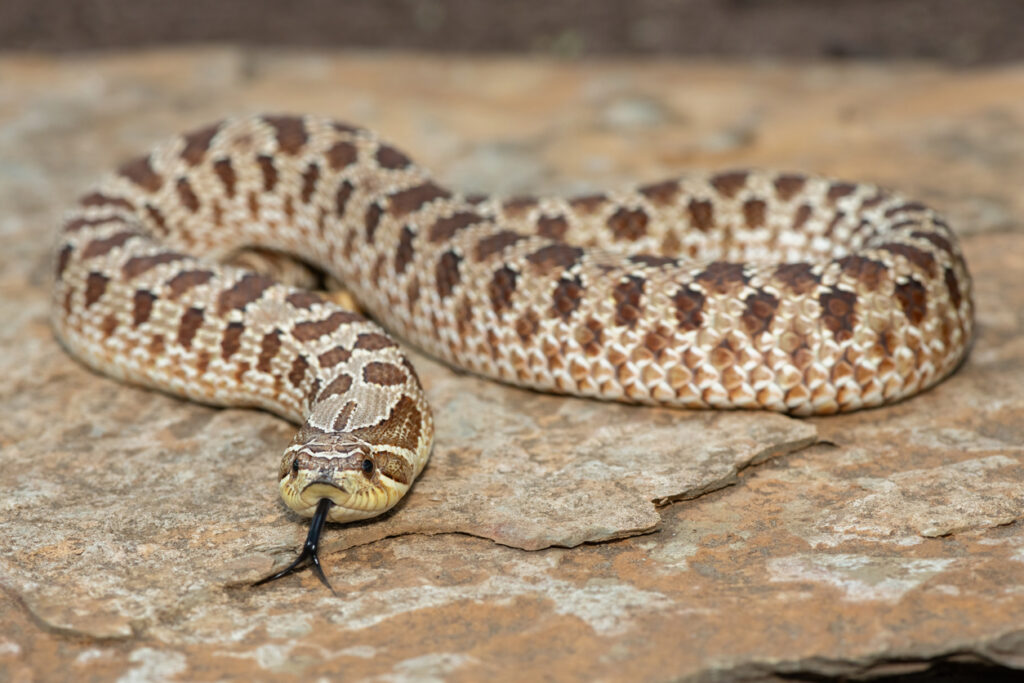
Hognose snakes put on a whole theatrical performance.
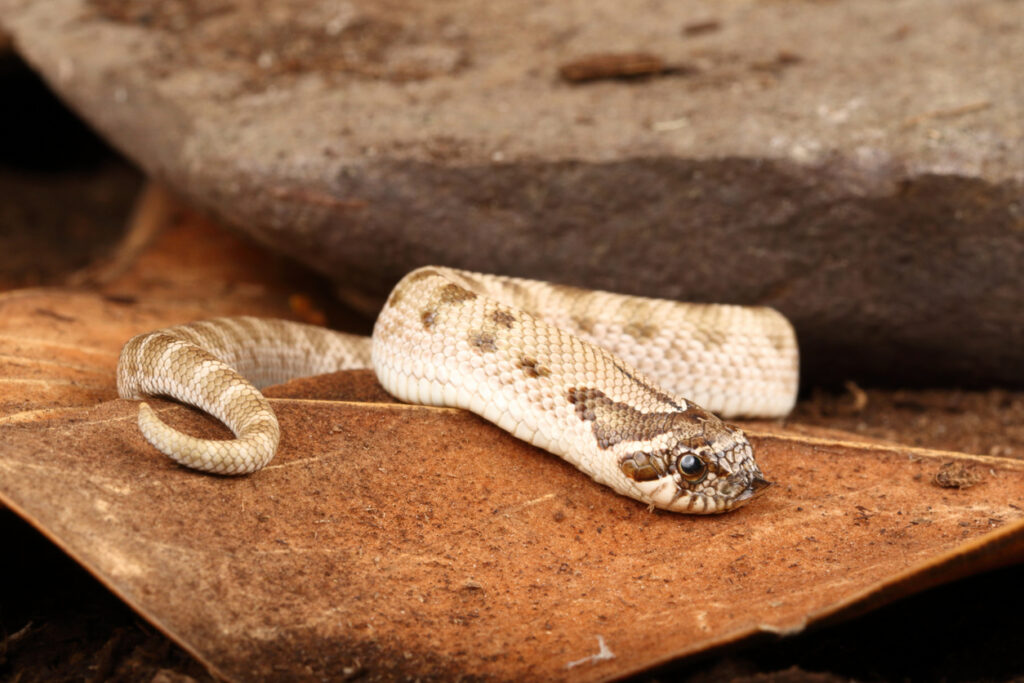
These snakes don’t just flop over, they writhe around dramatically first like they’re having a fit, then roll onto their back with their mouth open and tongue hanging out. They even bleed from their mouth to make it more convincing.
If you flip them back over, they’ll immediately roll onto their back again like, “No mate, I’m definitely dead, look.” They’re so committed to the death act that they’ll keep doing it even when it’s obviously not working.
Certain beetles lock up completely.

When threatened, some beetles go into thanatosis, where they pull their legs in tight and become totally rigid. They look exactly like a dead beetle you’d sweep up, and they can stay like that for absolutely ages.
Scientists have tested them and found they’ll maintain this death pose even when poked, prodded, or moved around. Their commitment to staying still is so intense that researchers sometimes have to wait ages to confirm they’re actually alive.
Cichlid fish float belly-up like they’ve gone.
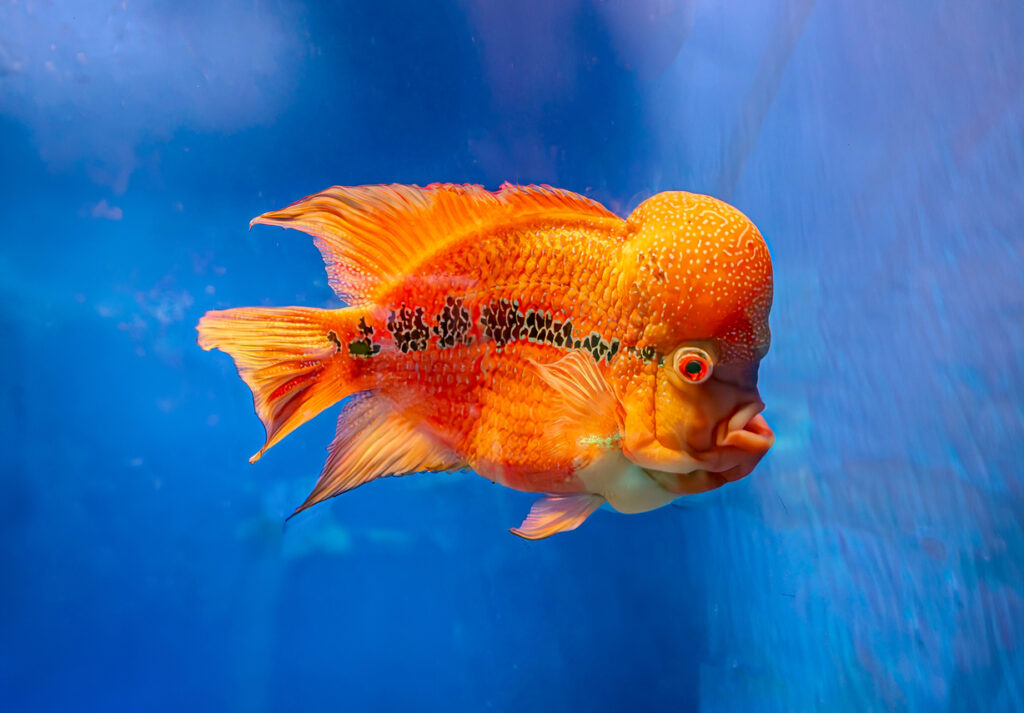
These fish from Africa will flip upside down and float when predators come near, looking exactly like a dead fish. They stay completely motionless even when nudged, which usually makes predators lose interest.
What’s mental is they’ll hold this position breathing slowly through barely opened gills, so even close inspection makes them look deceased. The second the coast is clear, they just flip back over and carry on like nothing happened.
Some spiders curl up and drop.
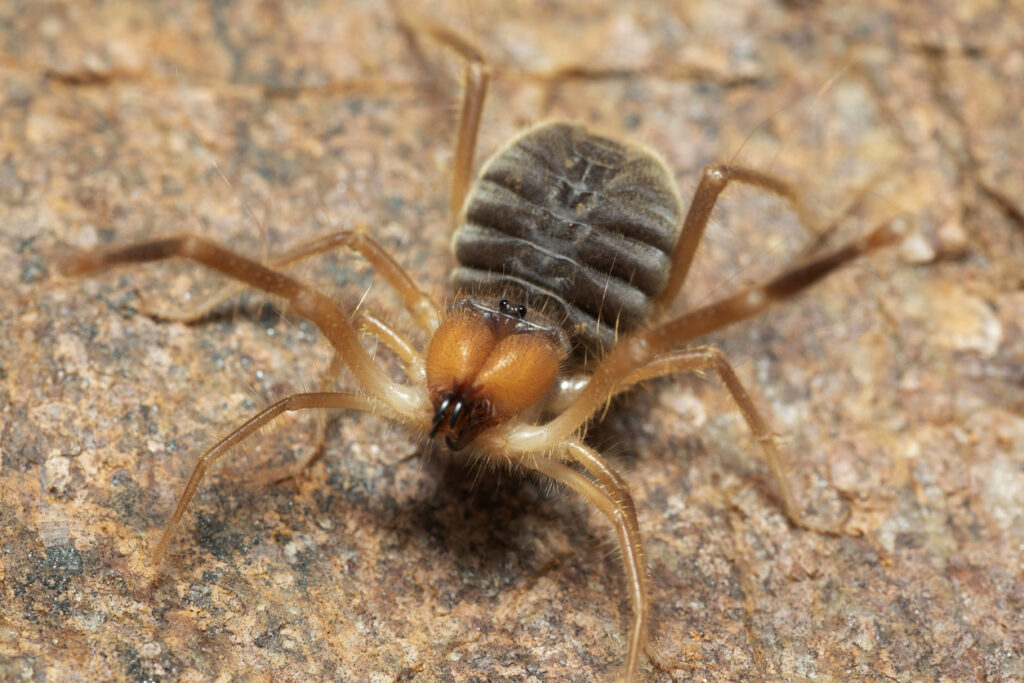
Lots of spider species will pull their legs in and go completely rigid when threatened, dropping straight to the ground like a dead spider would. They can stay curled up like that for minutes at a time without moving a muscle.
Researchers studying them have literally catalogued dead spiders next to living ones playing dead, and sometimes they can’t tell the difference without waiting to see if one eventually moves. That’s how good the act is.
Nursery web spiders take method acting seriously.
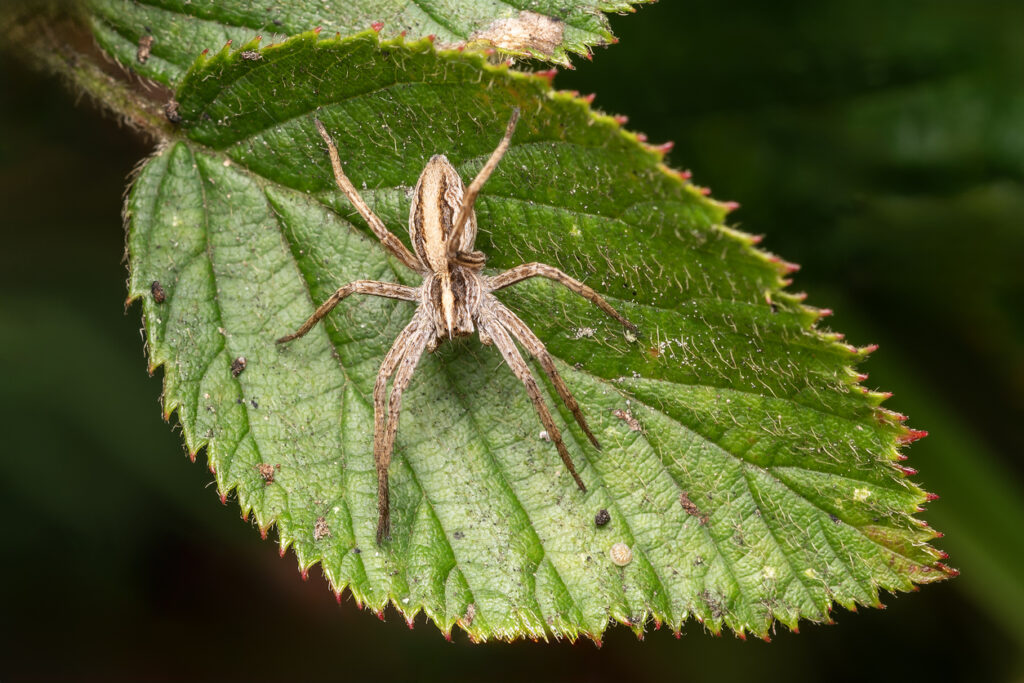
Female nursery web spiders will go completely limp during mating, appearing totally dead while the male does his thing. This apparently reduces the chances of her eating him because she looks too dead to be dangerous.
She’ll maintain this death state perfectly still for the entire process, then suddenly spring back to life afterwards. It’s basically playing dead for strategic relationship reasons, which is quite something.
Some ducks fake their own death mid-flight.
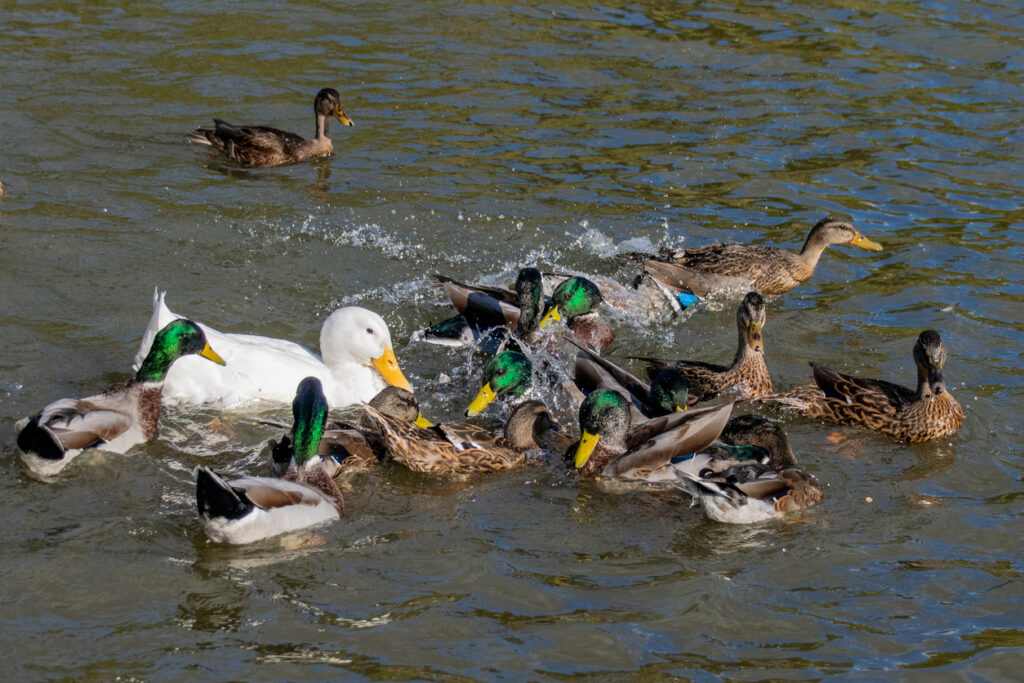
When raptors attack, certain duck species will go completely limp in the air and plummet toward the ground like they’ve been killed. Predators often lose interest in what appears to be a dead falling bird.
Right before hitting the ground, they’ll suddenly pull out of it and fly off, leaving the confused predator wondering what just happened. It’s an absolutely mental strategy that apparently works often enough to be worth the risk.
Antlions become completely motionless.
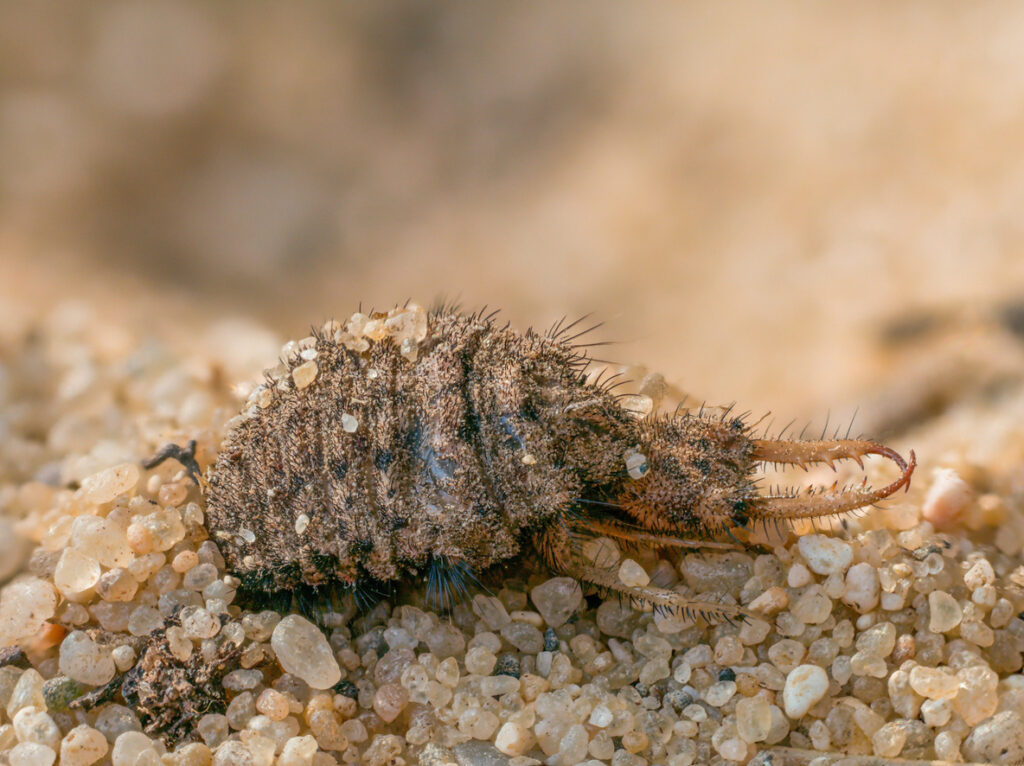
These insects will freeze totally still when disturbed, looking exactly like a bit of dead debris. They can maintain this for so long that researchers have accidentally left them in the “dead” pile while sorting specimens.
The larvae are especially good at this, staying buried and motionless for extended periods. Scientists have had to develop specific protocols just to work out which ones are actually dead and which are taking the piss.
Fire-bellied toads flip to show their warning colours.
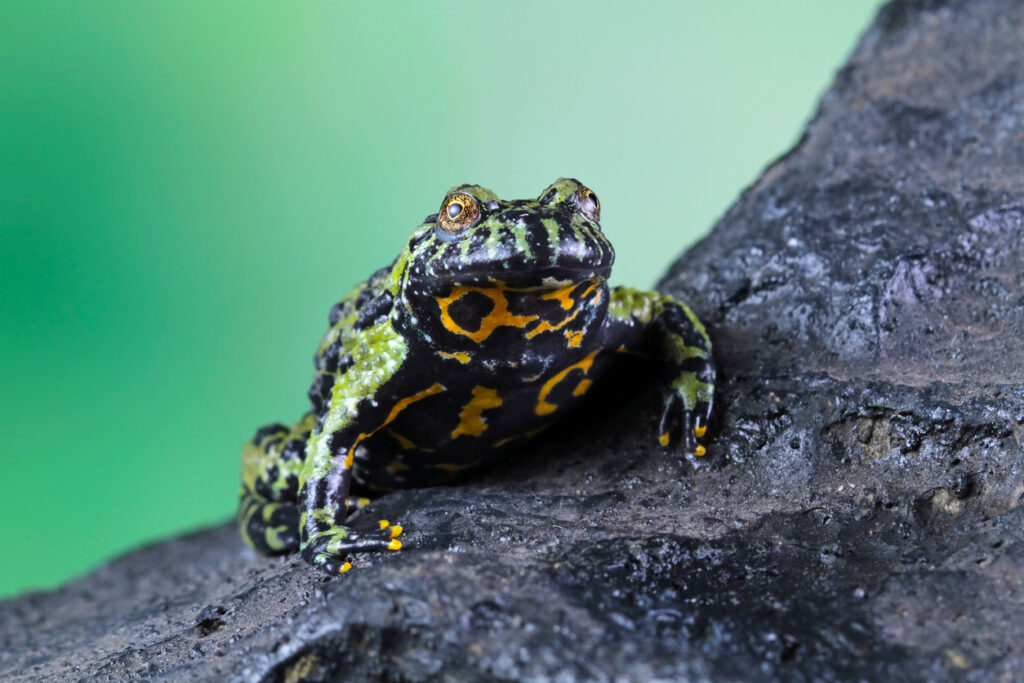
When threatened, these toads flip onto their backs showing their bright orange bellies, arch their back, and go completely rigid with their legs in the air. They look properly dead but also poisonous, which is mixed messaging.
They’ll hold this position for ages without twitching, and the combination of looking dead while also advertising toxicity with their bright belly apparently confuses predators enough that it works. It’s a weird strategy but fair play.
Rabbits can go into shock that looks like death.

When extremely frightened, rabbits can enter a state of tonic immobility where they appear completely dead: no movement, barely breathing, eyes glazed. It’s not a voluntary thing, their body just shuts down from fear.
Vets and researchers have been fooled by this because the rabbit genuinely looks deceased, then suddenly snaps out of it minutes later. It’s actually quite dangerous for them because the stress can cause real health problems.
Grass snakes add dramatic flair to their death scenes.
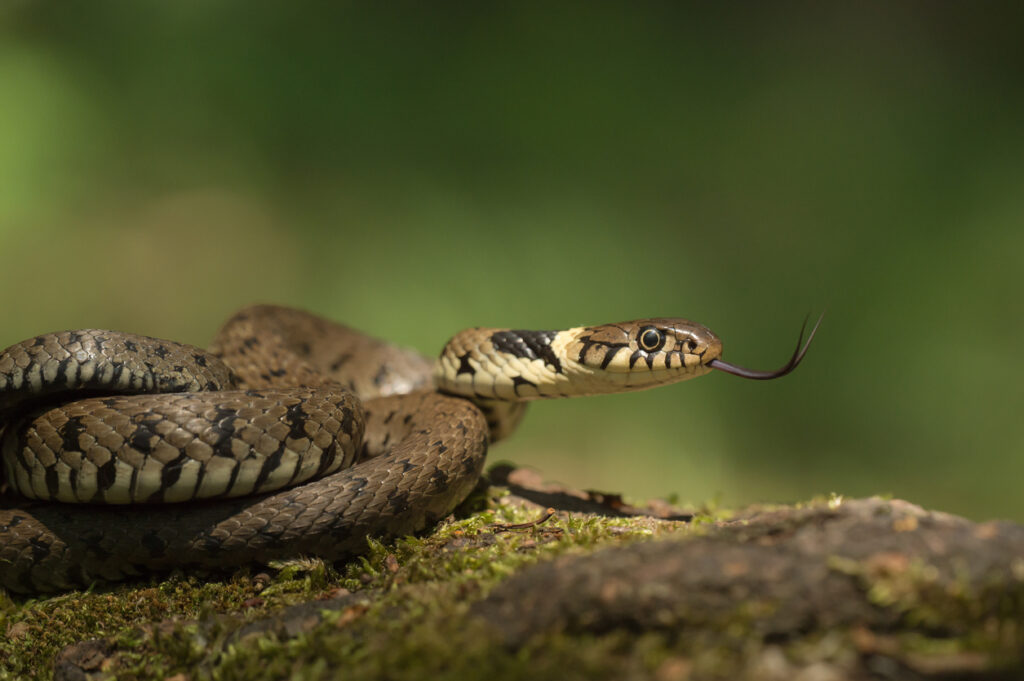
Similar to hognose snakes, grass snakes will flip onto their back, open their mouth, let their tongue hang out, and even produce blood and a foul smell. They really go all in on the special effects.
They’ll stay in this state for surprisingly long periods, and if you flip them over, they’ll immediately roll back to their “dead” position. They’re so dedicated that they’ll do this repeatedly until you give up and leave.
Some frogs go rigid like they’re frozen.
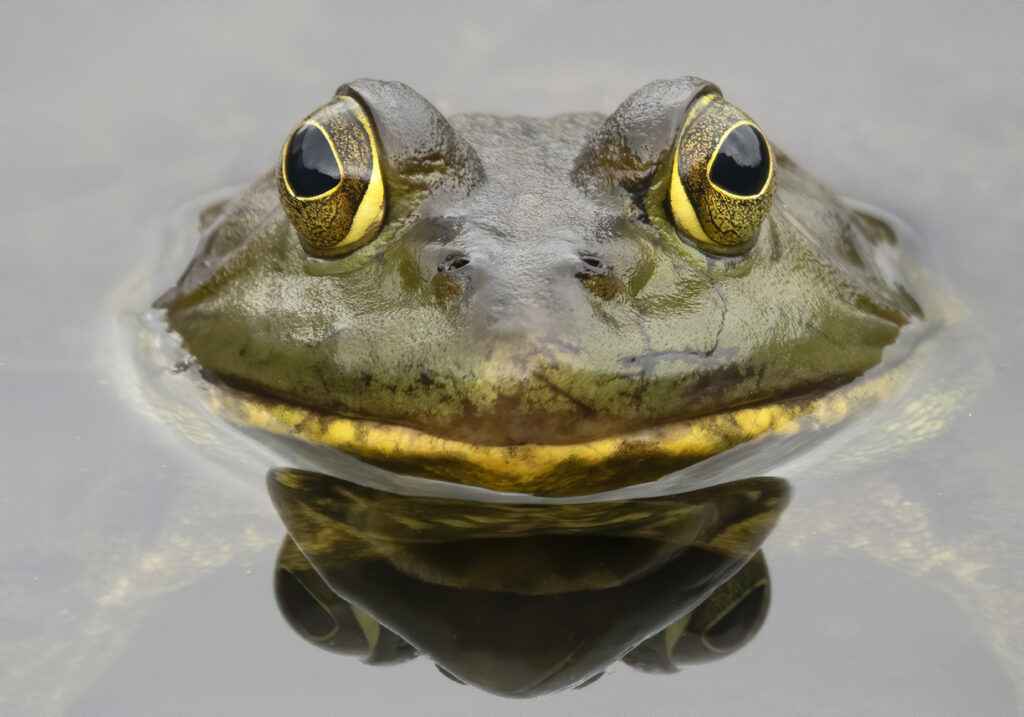
Certain frog species will extend their legs out stiff and stop moving entirely when grabbed, looking exactly like a dead rigid frog. They can maintain this for extended periods without any visible breathing.
Researchers handling them for tagging or measurement have sometimes set them aside thinking they’d died from stress, only to find them hopping away later. The act is so convincing that it fools people who work with frogs professionally.