When the first frost hits, most gardeners start packing things away, assuming the cold means the end of their growing season.

It’s not all bad news, though. In fact, not every crop dreads a chilly night. Some vegetables actually get sweeter and tastier once the temperature drops.
It’s all down to plant chemistry. When frost hits, certain plants convert starches into sugars to protect themselves from freezing. The result? Sweeter, more flavourful produce that tastes miles better than what you’d get in summer. If you’re growing (or buying) these hardy favourites, a little cold weather could make all the difference.
1. Kale
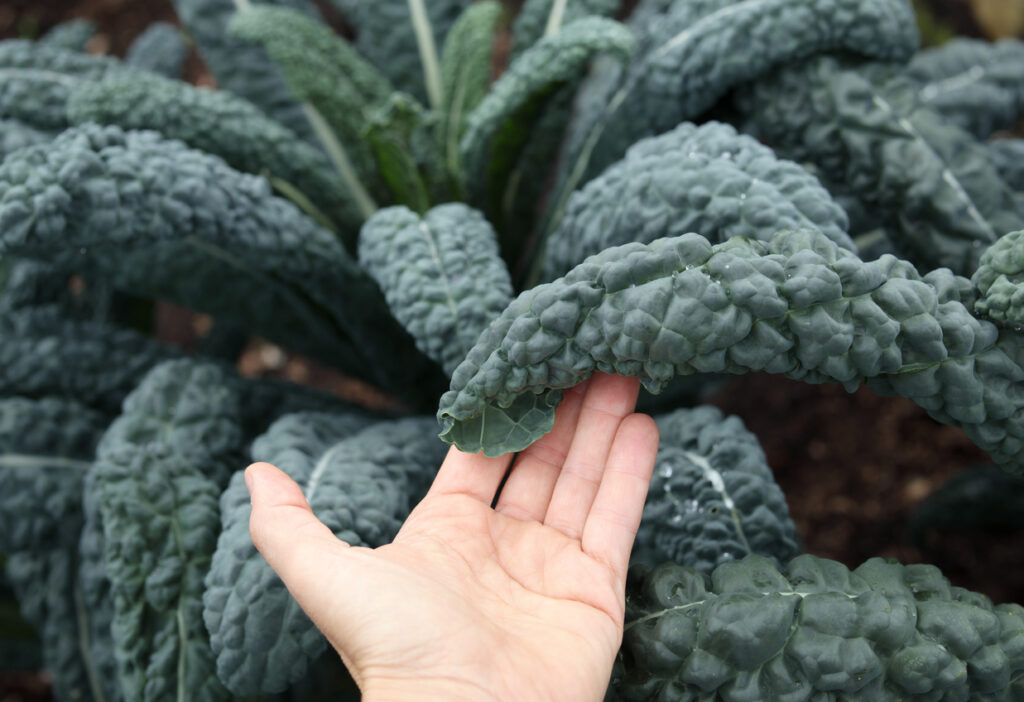
Kale’s the poster child for frost-loving veg. Once it’s been kissed by frost, its flavour softens noticeably. Gone is that slightly bitter edge you sometimes get earlier in the year, and that’s a good thing. The plant responds to cold by ramping up its sugar content, which acts like natural antifreeze.
If you’ve ever eaten kale from a winter garden, you’ll know how rich and slightly nutty it becomes. Just leave it outside through the first few frosty nights, and you’ll get a completely different vegetable than the one you picked in September.
2. Brussels sprouts
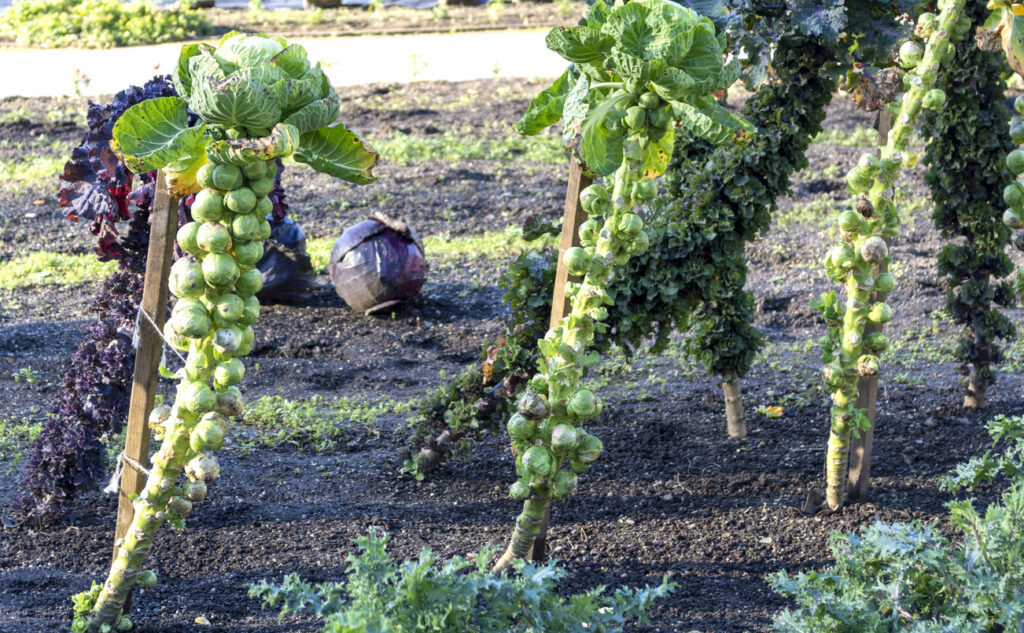
Brussels sprouts are another classic that benefit hugely from a cold snap. The frost turns their natural starches into sugars, mellowing that divisive bitterness people often complain about. That’s why the sweetest sprouts usually show up around Christmas.
If you grow your own, don’t rush to harvest too early. Let the plants stand through a few frosts, as it’ll make your Christmas dinner taste better and prove once and for all that sprouts aren’t the enemy they’re made out to be.
3. Carrots
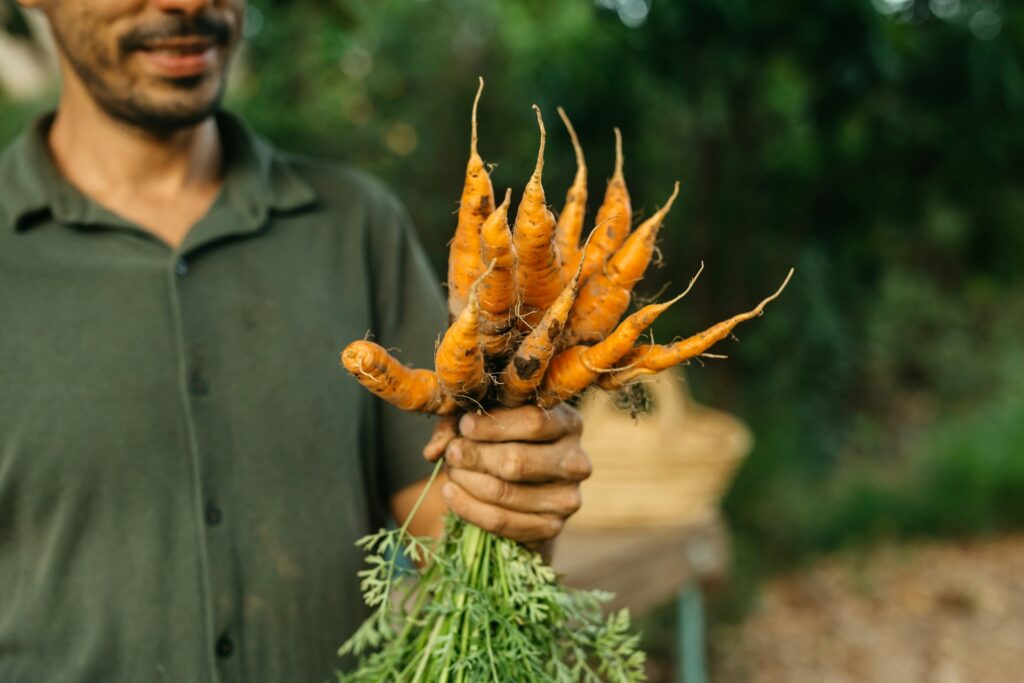
Carrots respond to frost like they’re preparing for a long winter nap by sweetening up. When the temperature dips, the sugars in the root concentrate to help prevent freezing, giving the carrots a richer, more complex flavour.
Pulling carrots in late autumn, after a few frosty nights, means you’ll get sweeter, crunchier ones that are perfect for roasting. They’re also less earthy and more vibrant in flavour, which makes them a cold-weather favourite for a reason.
4. Parsnips
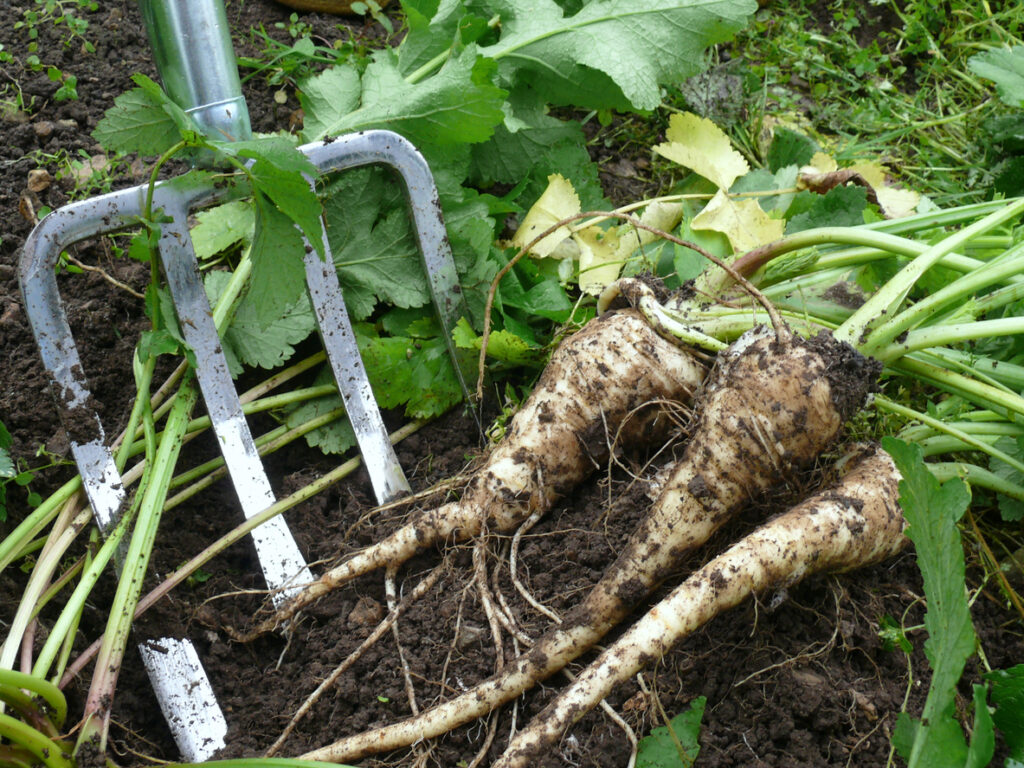
Parsnips are famous for needing frost before they’re at their best. In fact, some gardeners refuse to pull them up until they’ve had a proper cold spell. The chill transforms their starch into sugar, giving them that lovely caramelised sweetness when roasted.
You’ll notice the difference instantly, as frost-touched parsnips are tender, mellow, and beautifully rich. Leave them in the ground until the first frosts arrive, and you’ll be rewarded with the best flavour they’ve got to offer.
5. Cabbage
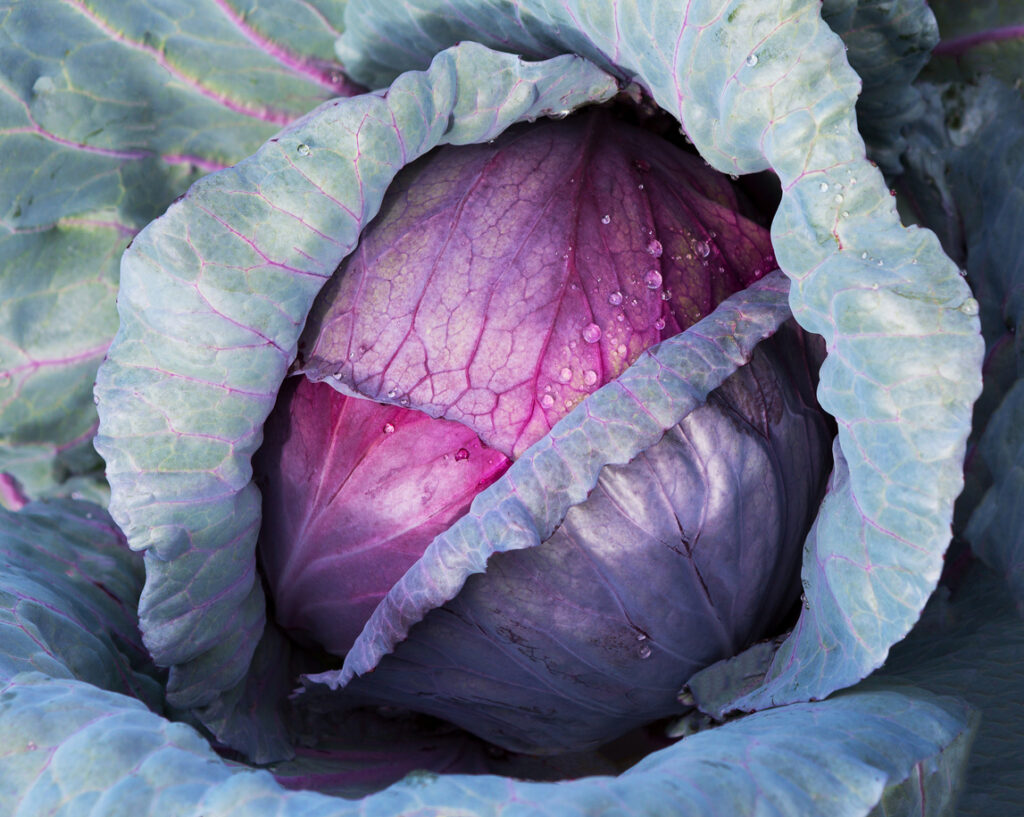
Cabbage might not seem like the type to get tastier in winter, but it does. The outer leaves toughen a little in the cold, but the inner layers become sweeter and juicier. Some varieties, like Savoy cabbage, are particularly good after frost.
The sugar shift gives cabbage a cleaner, less sulphurous taste, which makes it lovely for winter slaws or hearty braised dishes. A few frosty nights toughen it up in all the right ways, both in flavour and resilience.
6. Leeks
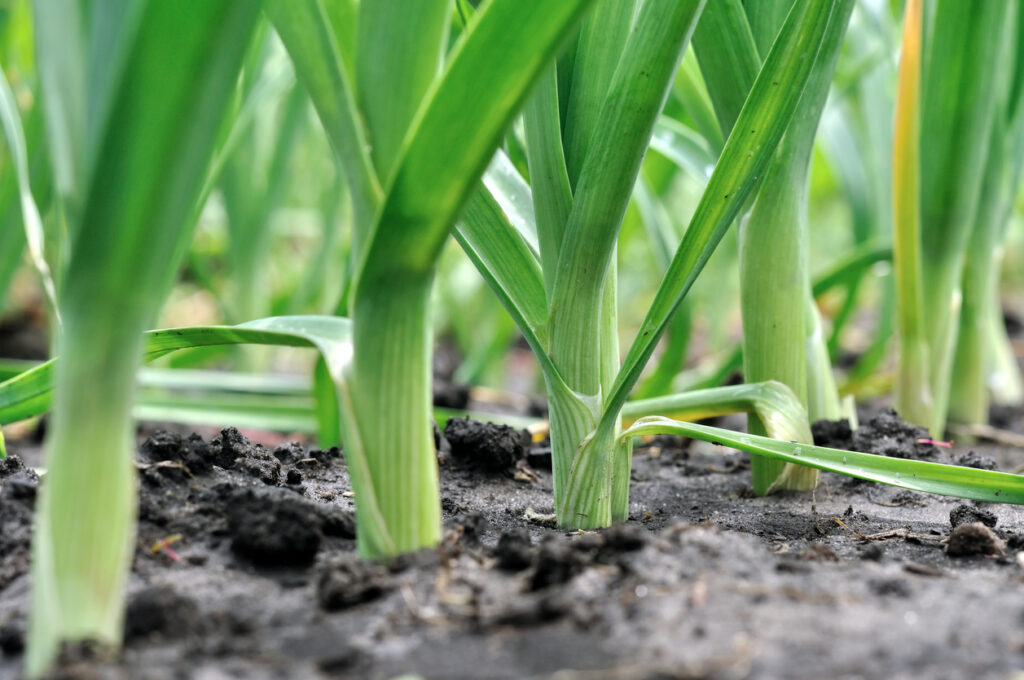
Leeks take cold weather in their stride. The first frost helps concentrate their natural sugars, giving them a milder, sweeter taste. It’s one of the reasons leeks grown through winter taste far better than those harvested in early autumn.
They’ll also hold beautifully in the ground for months, so there’s no need to rush. The combination of cold air and slow growth brings out their best: rich, sweet, and perfect for soups, pies, or just grilled with butter.
7. Swedes (Rutabagas)
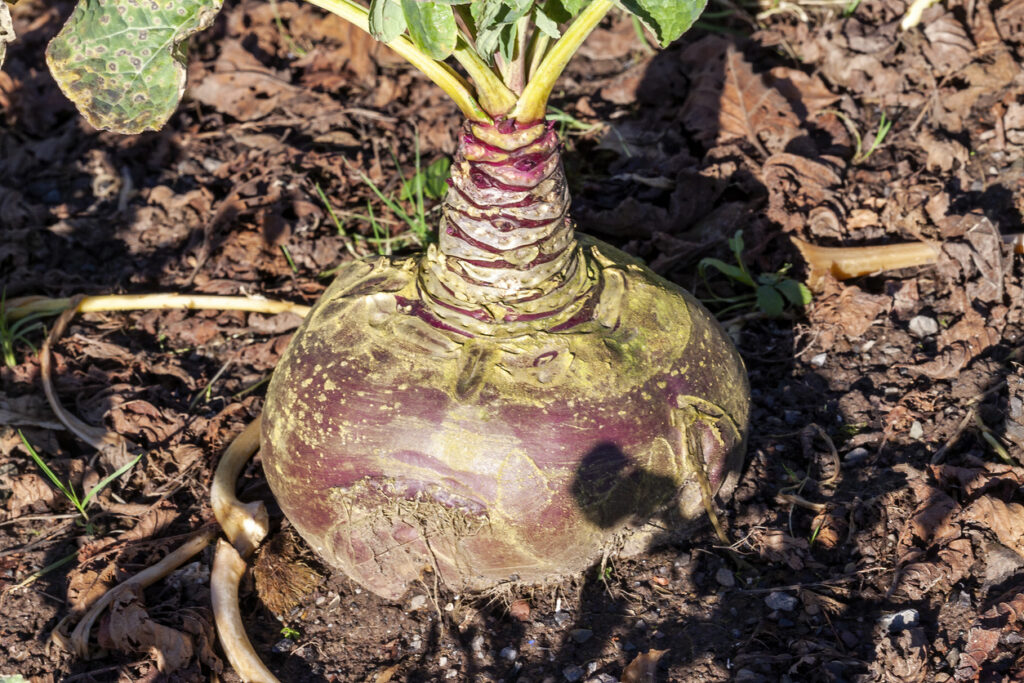
Swedes are another root that loves the cold. Frost improves their flavour in much the same way it does for carrots and parsnips, turning them from earthy and starchy to mellow and sweet.
Their firm texture also stands up well to freezing temperatures, which means you can leave them in the ground long after other veg has given up. A frost-bitten swede mashed with butter and pepper is one of the simplest, most satisfying winter sides you can make.
8. Turnips
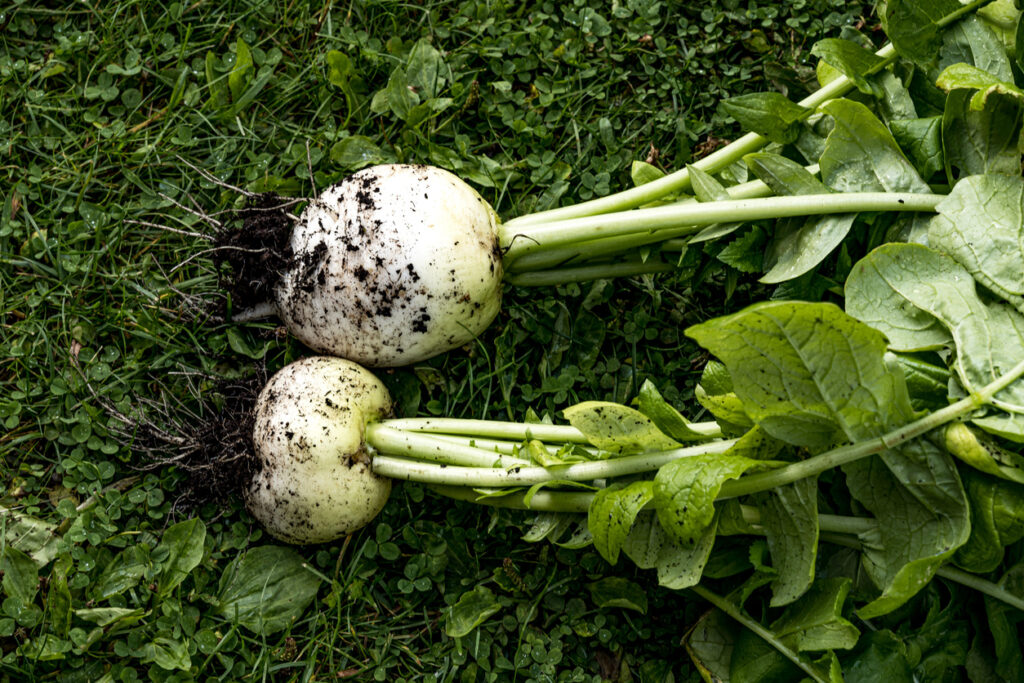
Turnips can taste a bit sharp when grown in summer, but a frost softens their flavour beautifully. The chill boosts the sugar levels, giving them a pleasant sweetness that balances out their natural peppery bite.
The younger, smaller ones are especially nice after a cold snap. Roast them, mash them, or slice them into stews. Frost gives them that gentle sweetness that turns them from a filler into a highlight.
9. Spinach
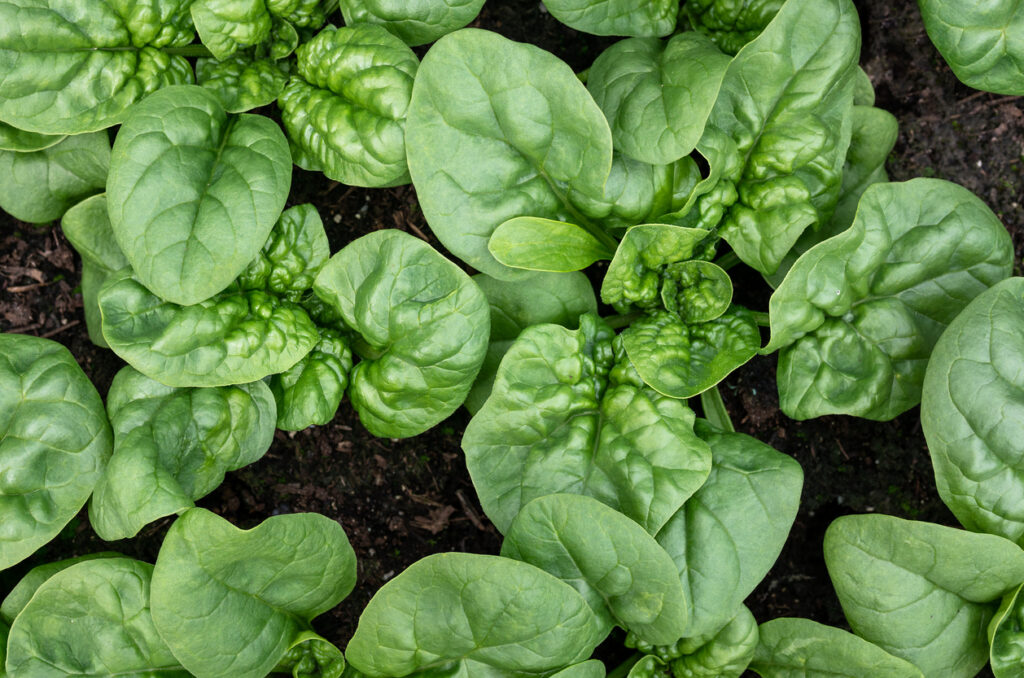
Spinach thrives in cooler weather anyway, but a touch of frost takes it up a notch. When temperatures drop, it produces extra sugars to protect its leaves, giving it a richer, less metallic taste than warm-weather spinach.
Winter spinach also tends to be thicker and more substantial. It holds up better in cooking, which means it’s great for sautéing or adding to soups without falling apart.
10. Beetroot
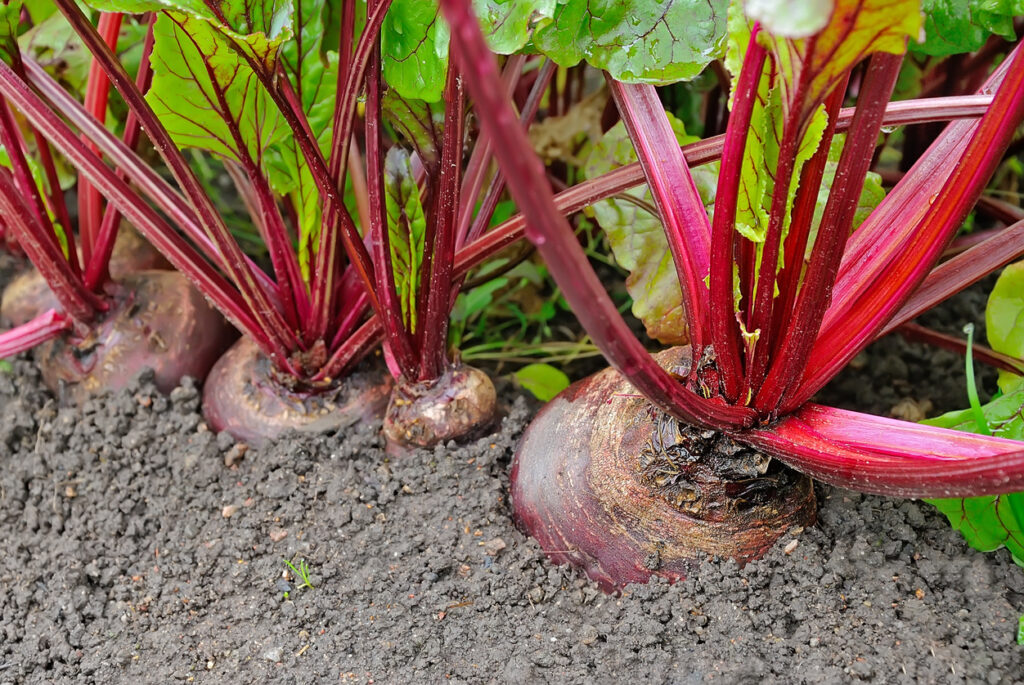
Beetroot is one of those vegetables that can handle frost surprisingly well. In fact, the cold boosts its natural sweetness, enhancing that earthy flavour people either love or hate.
If you’ve ever roasted beetroot after a few frosty nights, you’ll know the difference. The flavour deepens, the texture improves, and even the colour seems more intense. It’s one of those crops that quietly proves how adaptable nature can be.
11. Collard greens
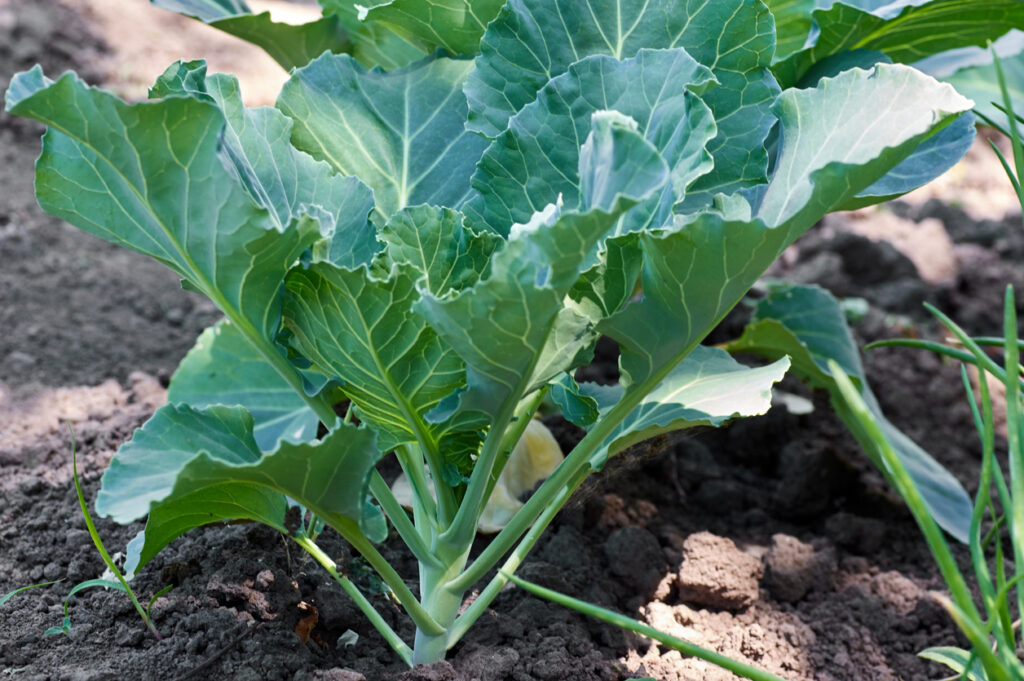
They’re not as common in British gardens as kale or cabbage, but collard greens handle frost like pros. The cold tenderises their leaves and removes some of the bitterness, turning them into something far more flavourful and easy to cook.
A few frosty mornings can change them from tough and slightly bitter to sweet and mild. If you’ve got space, they’re worth growing, as frost actually makes them taste fresher.
Frost might look like nature’s way of shutting down your garden, but for these vegetables, it’s more like a finishing touch.
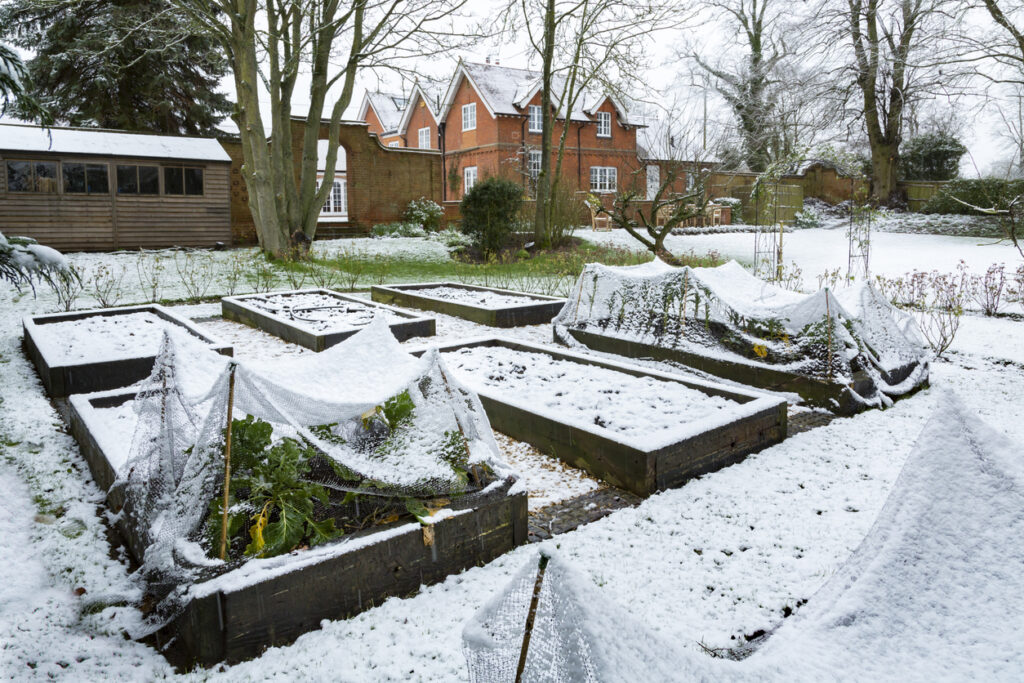
The cold triggers natural defences that bring out flavour, texture, and sweetness in ways no fertiliser or watering routine ever could.
So, before you write off your winter garden, leave a few hardy crops in the ground and let the frost do its quiet magic. Come harvest time, you’ll be rewarded with richer, sweeter, and far tastier veg than you might expect from the chill of winter.