Cat owners have always suspected their pets were doing something to their brains, and it turns out they might be right.
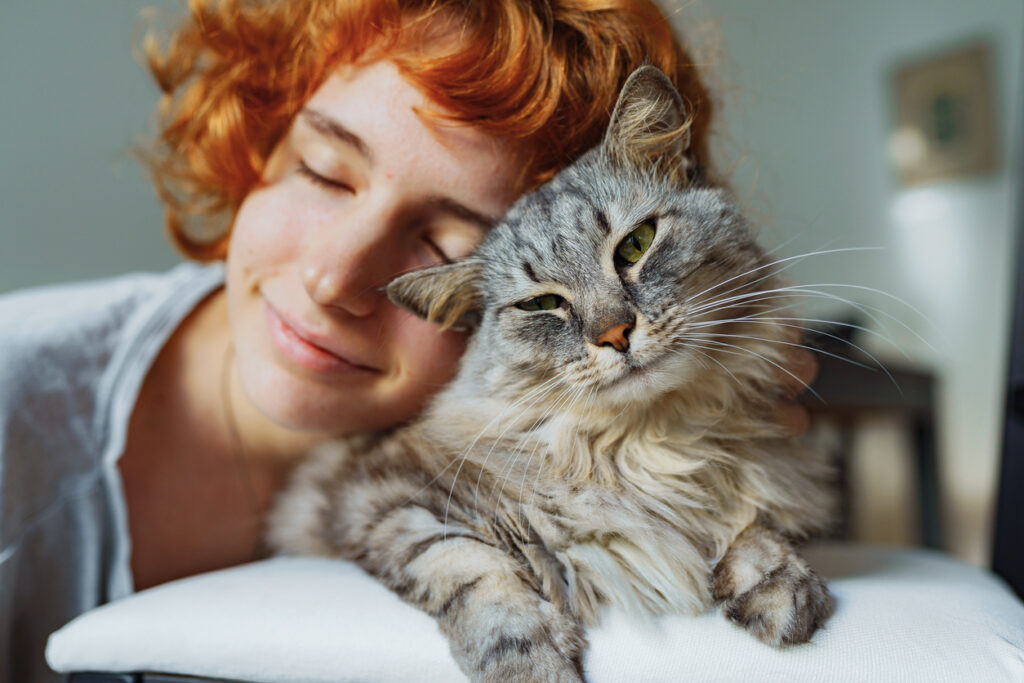
Scientists are finding genuine evidence that living with cats creates measurable changes in human brain chemistry and behaviour. Some of it’s lovely and beneficial, whilst other bits are properly unsettling. Your cat isn’t just a pet sitting on your sofa, it’s potentially rewiring how your brain works in ways you’d never notice on your own.
Their purring might reduce your stress hormones.

That rumbling sound cats make isn’t just pleasant, it might actually lower cortisol levels in your body. Studies show the frequency of cat purrs falls within a range that promotes healing and reduces stress in humans.
Your body responds to those vibrations on a physical level. The purring creates a calming effect that goes beyond just finding the sound nice. Your brain registers it as soothing and your stress response actually decreases when you’re around a purring cat.
Toxoplasma gondii changes how you process fear.
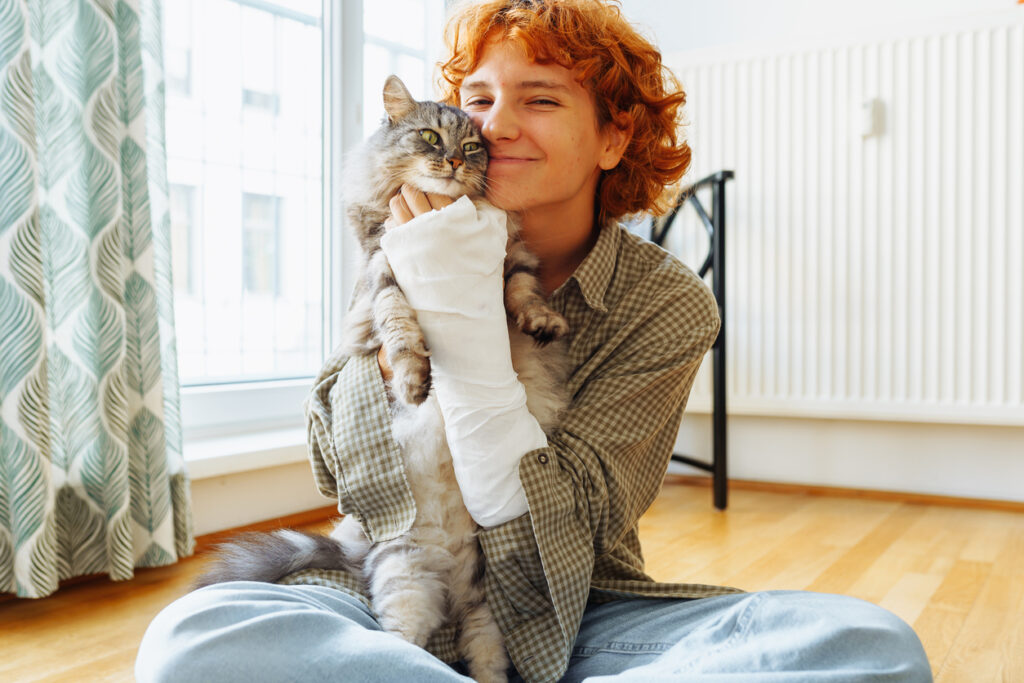
Loads of cat owners carry this parasite without knowing it. It lives in cat faeces and gets into humans pretty easily. Once it’s in your brain, it actually alters the areas that process fear and anxiety.
This parasite’s been linked to reduced fear responses and increased risk-taking behaviour. It literally changes your brain chemistry to make you less cautious. Some studies suggest it might even affect personality traits in the long run, making infected people more impulsive or less anxious about danger.
Looking at cats triggers oxytocin release.
When you look at your cat, your brain releases oxytocin, the same bonding hormone that gets released with human babies. It’s the chemical that makes you feel love and attachment. Your brain treats your cat like family.
This creates a genuine chemical bond between you and your cat. It’s not just that you like them, your brain’s actively rewarding you for being near them. That oxytocin release reinforces the attachment and makes you want to care for them more.
Their presence might lower your blood pressure.
Having a cat around has been shown to reduce blood pressure in some people. Just petting them or having them nearby creates a measurable drop. It’s not massive, but it’s real and consistent.
Your nervous system responds to the cat’s presence by shifting into a more relaxed state. The combination of physical touch, their warmth, and the general calm they project helps regulate your body’s stress response. Your brain interprets the cat as a sign everything’s safe.
You might develop toxoplasma-related personality changes.
Long-term toxoplasma infection has been associated with subtle personality changes. Infected people sometimes become more outgoing, more trusting, or less concerned with social rules. The changes are small but measurable.
The parasite affects the areas of your brain involved in decision-making and social behaviour. It’s not turning you into a different person, but it might be nudging your personality in certain directions. You’d never notice it happening because it’s so gradual.
Cat videos genuinely improve your mood.
Watching cat content online isn’t just mindless entertainment, it actually triggers positive emotional responses in your brain. Studies show people feel happier and more energised after viewing cat videos, even if they were procrastinating.
Your brain finds cat behaviour rewarding to watch. The playfulness, the unpredictability, the cuteness all activate pleasure centres. It’s a quick hit of positive feelings that your brain starts to crave, which is why cat content is so addictive online.
Living with cats might affect your immune system.
Being around cats exposes you to various microbes and allergens that train your immune system. Some research suggests this might reduce allergies and improve immune function, whilst other studies show it can create sensitivities.
Your body’s constantly adapting to the cat’s presence. The exposure changes how your immune system responds to potential threats. It’s learning what to react to and what to ignore based on living with the cat long-term.
Their nocturnal activity disrupts your sleep patterns.

Cats are naturally active at night, and many owners end up matching that schedule to some degree. Your sleep gets fragmented by their movement, noises, or demands for attention. As time goes on, this affects your brain’s sleep chemistry.
Disrupted sleep means your brain doesn’t get proper rest cycles. The constant light waking affects how your brain processes memories and regulates emotions. You adapt to broken sleep, but it still impacts your brain’s functioning, you just get used to feeling slightly off.
You might become more tolerant of parasites.
Regular exposure to cat-related parasites and bacteria might make your immune system less reactive over time. Your body stops seeing these things as major threats. You’re essentially building tolerance to stuff that would bother non-cat owners.
This changes your baseline for what your body considers normal. Your immune response gets recalibrated around the presence of cat-related microbes. It’s not necessarily bad, but it does mean your body’s operating with different standards than before you had cats.
Their independence affects your attachment style.

Unlike dogs, cats don’t need constant attention. This trains your brain to find satisfaction in less obvious displays of affection. You learn to read subtle signals and feel rewarded by small gestures.
Your brain adapts to getting affection on the cat’s terms. You become more comfortable with independence in relationships and better at reading minimal cues. The cat’s teaching your brain that love doesn’t have to be demonstrative to be real.
You develop a heightened awareness of subtle sounds.

Living with cats makes you hyper-aware of small noises. You’re constantly listening for them moving about, getting into trouble, or needing something. Your brain stays slightly more alert even when you’re trying to relax.
This creates a low-level state of vigilance that becomes normal. Your auditory processing shifts to pick up quieter sounds. You’re never fully switched off because your brain’s always monitoring for cat-related cues, which affects how deeply you can rest.
Their routine creates structure for your brain.

Cats are creatures of habit, and they train you to be the same. Feeding times, play times, their expectations create a schedule. Your brain starts to rely on this structure and feels unsettled when it’s disrupted.
This routine affects your dopamine system. Your brain anticipates the cat’s schedule and releases reward chemicals when you meet their expectations. You’re being conditioned by the cat’s needs, and your brain chemistry adjusts to maintain their routine.
You might experience reduced loneliness, even in isolation.
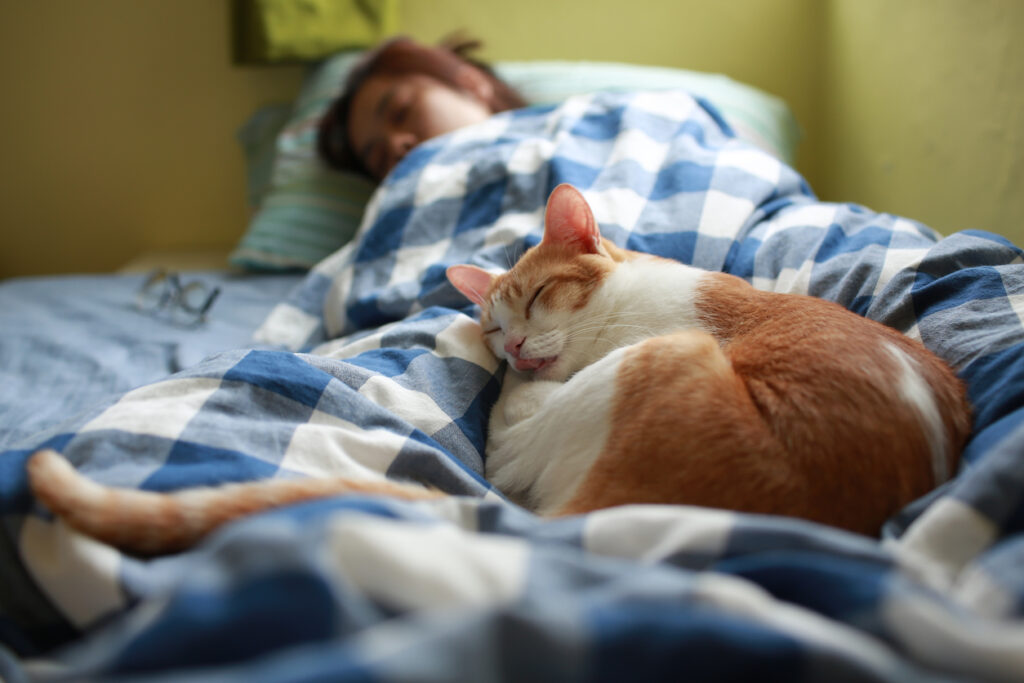
Having a cat tricks your brain into feeling less alone. Even though they’re not human company, your brain still registers their presence as social interaction. The loneliness response gets dampened by having them around.
Your brain’s social needs are partially met by the cat’s presence. It’s not the same as human connection, but it does reduce the negative effects of isolation. Your brain treats caring for them as a form of social engagement that keeps you more balanced.
Their unpredictability keeps your brain alert.
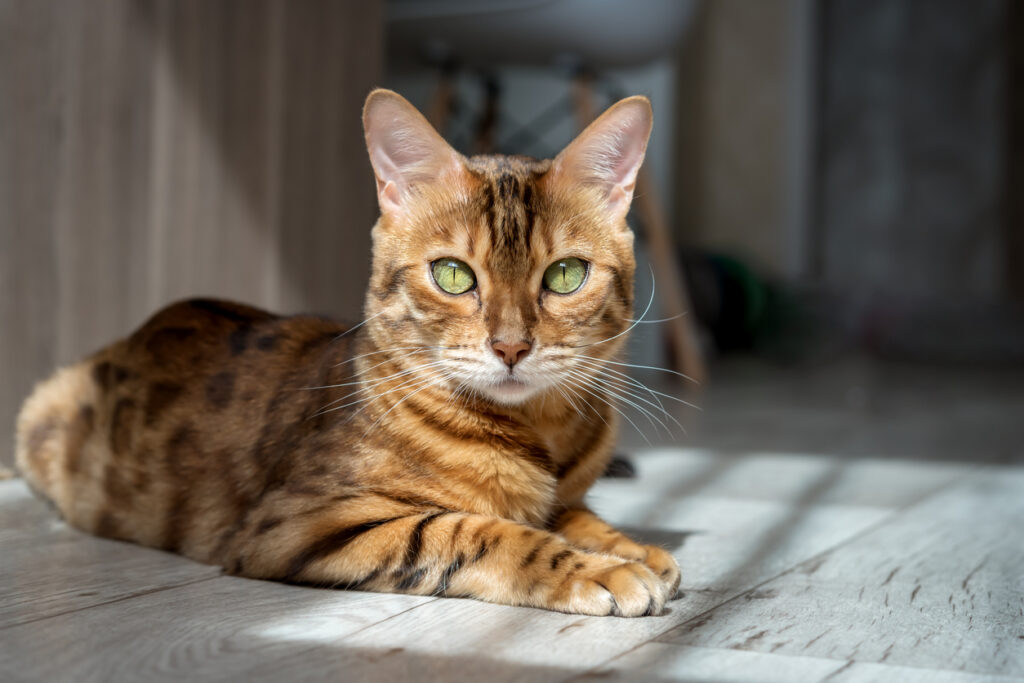
You never quite know what a cat’s going to do next. This unpredictability keeps your brain engaged and reactive. You’re always slightly prepared for them to do something unexpected, which maintains a level of mental alertness.
This constant mild surprise keeps your brain from getting too comfortable. The unpredictability triggers small releases of adrenaline and dopamine. Your brain finds their randomness stimulating, which is part of why living with cats never gets boring, even after years.