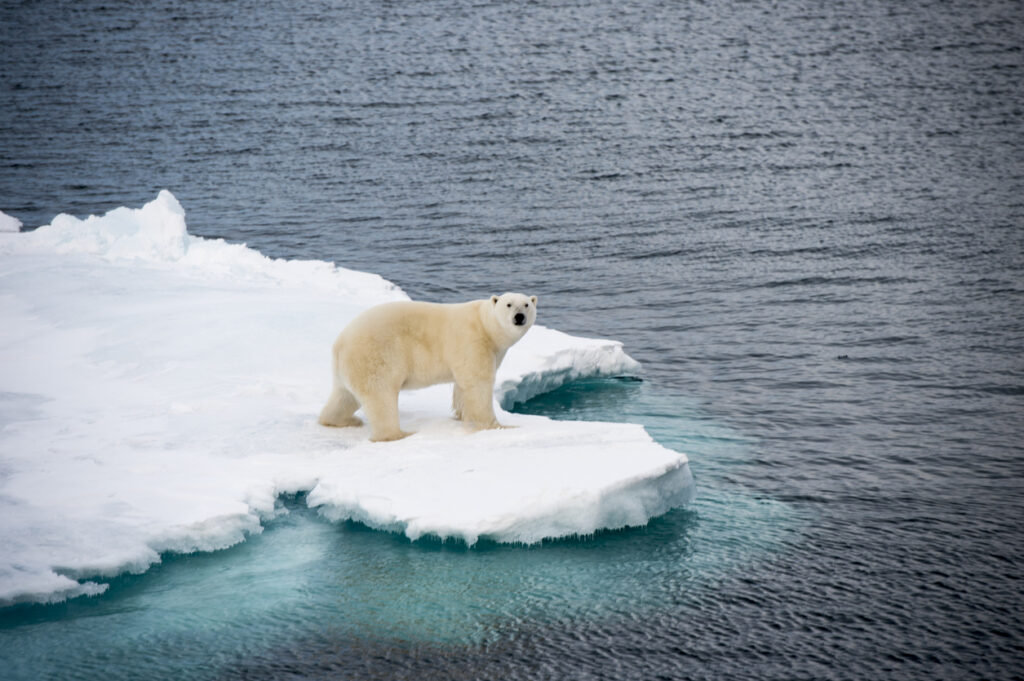
For years, polar bears have stood as the symbol of climate change: powerful, majestic creatures clinging to shrinking ice.
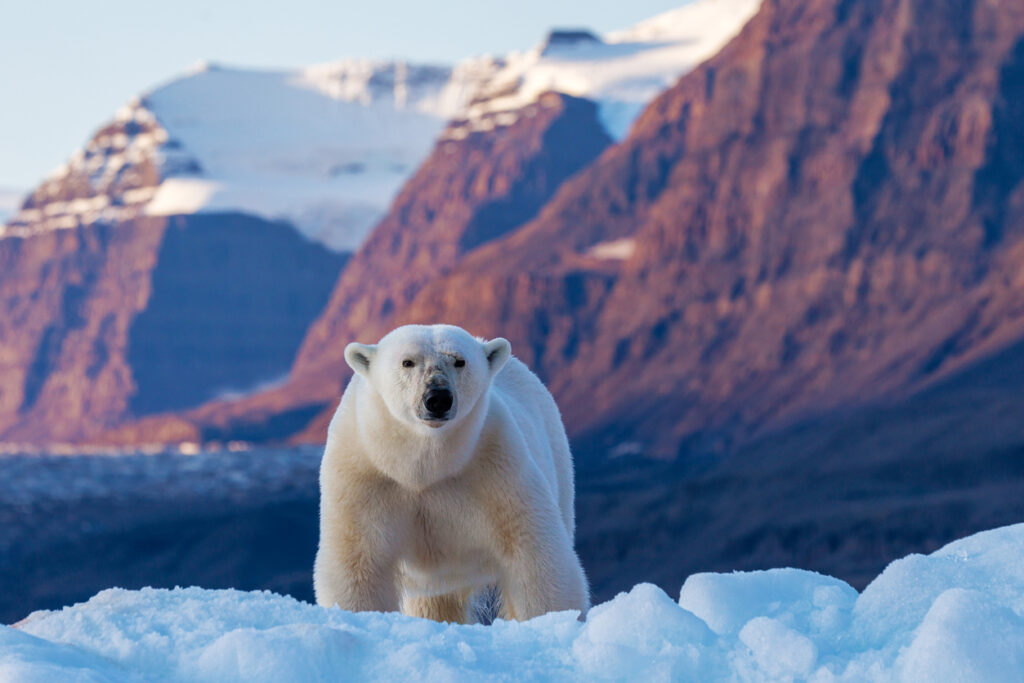
However, the situation is now even more dire than most realise. Melting sea ice, longer hunting seasons without food, and collapsing ecosystems are pushing these animals to the brink faster than scientists once predicted.
What’s unfolding in the Arctic isn’t just a slow decline; it’s a crisis happening in real time. Polar bears are starving, wandering into towns in search of food, and struggling to raise cubs in an environment that no longer supports them. Behind every haunting image of a bear on melting ice lies a much bigger story about how fragile their survival has become, and what their future depends on.
Hudson Bay’s polar bear population has halved since the 1990s.
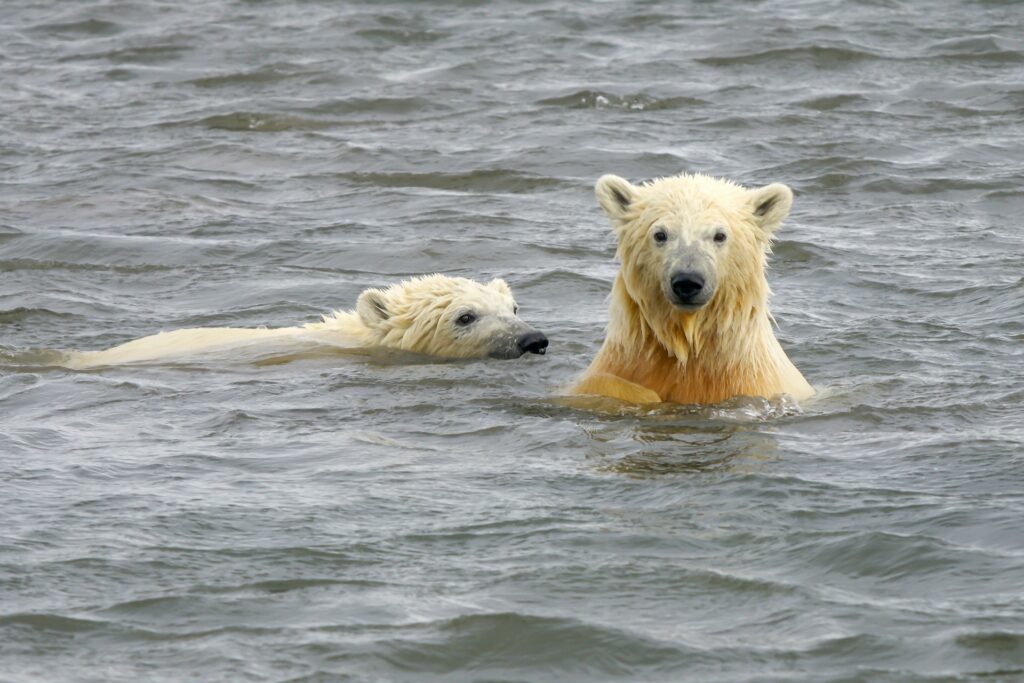
The most studied polar bear population in the world, living in Canada’s Western Hudson Bay, has declined by 50% since the mid-1990s. Research published in January 2025 directly links this massive population crash to shrinking sea ice caused by climate change. These aren’t projections or estimates, this is documented decline that’s already happened. The Hudson Bay bears are basically a preview of what will happen to other polar bear populations as the Arctic continues warming.
They’re in energy deficit for longer every year.
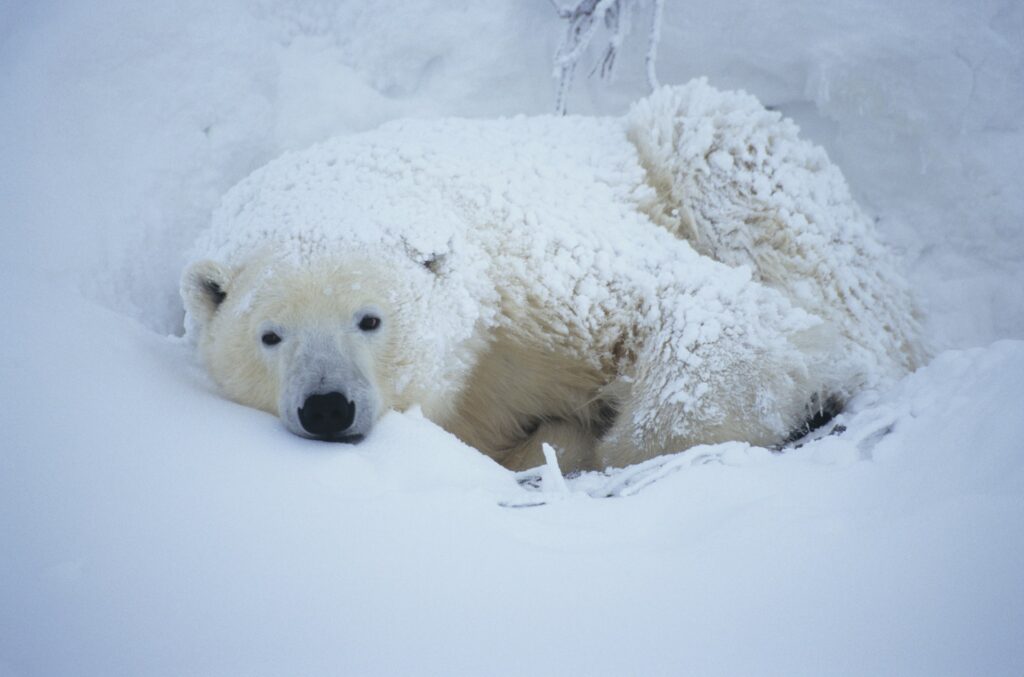
Scientists have developed a model that tracks exactly how much energy polar bears get from hunting versus how much they need to survive and reproduce. The results are grim. Bears are spending less time on ice hunting seals and more time fasting on land, creating an energy deficit that’s getting worse every year. This isn’t about bears being slightly peckish, it’s about them not getting enough calories to maintain their body weight, reproduce successfully, or keep their cubs alive.
Cubs are bearing the brunt of climate change.

Young polar bear cubs face the worst impacts of shortened hunting seasons. When mothers can’t get enough food, they produce less milk, and cubs either starve or grow up smaller and weaker than they should. Researchers have directly observed cubs getting progressively weaker until their mothers and siblings abandon them to die. Cub survival rates are plummeting in affected populations, which means even if adult bears survive, the population can’t replace itself.
Some populations could be gone by the 2030s.
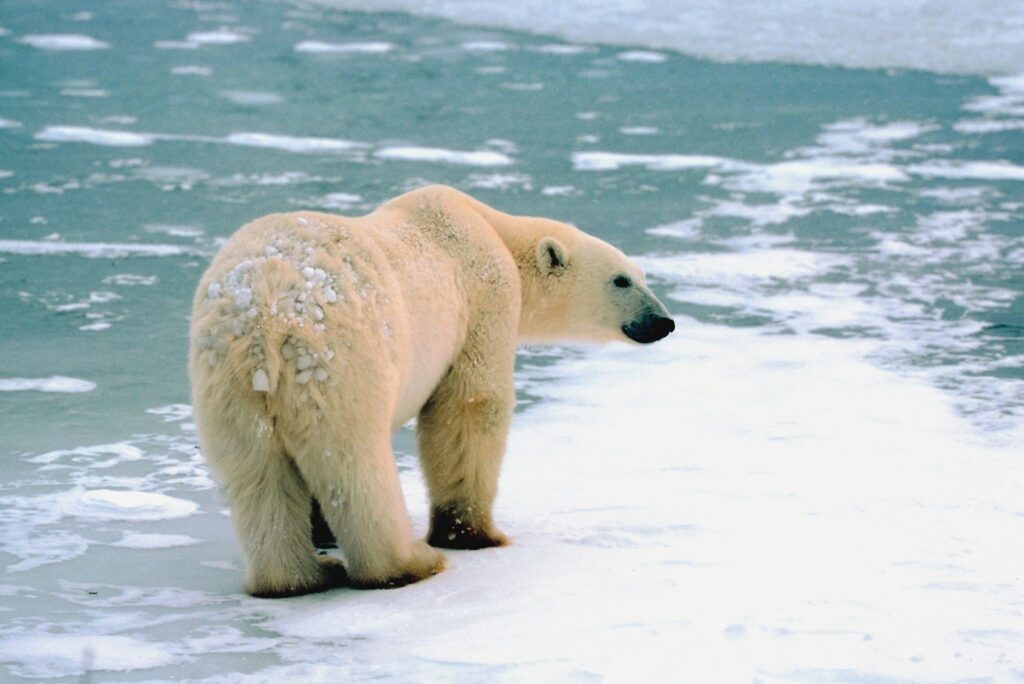
Scientists predict that polar bears in Southern Hudson Bay could face local extinction as early as the 2030s, with Western Hudson Bay not far behind. That’s less than a decade away. Between 2030 and 2060, researchers warn, these populations may no longer be able to hang on. This isn’t distant future stuff, this is happening in our lifetime, and some populations are already past the point of no return.
They’re loaded with toxic industrial chemicals.
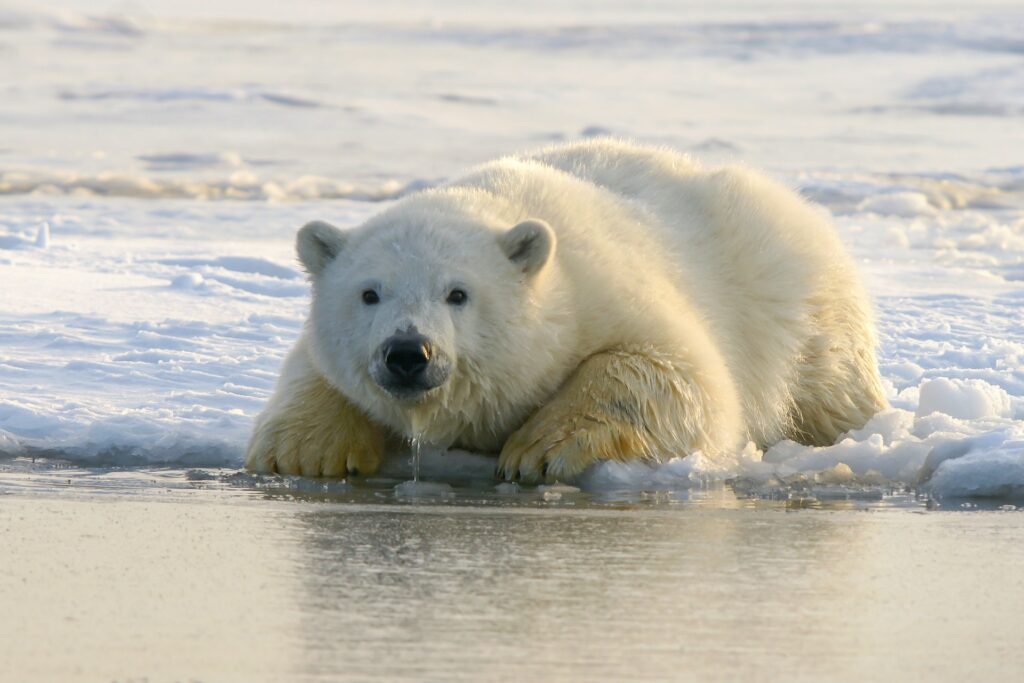
Even though polar bears live thousands of miles from cities and factories, they carry shockingly high levels of toxic pollutants in their bodies. Chemicals like PCBs, pesticides, flame retardants, and mercury travel to the Arctic on wind and ocean currents, then concentrate as they move up the food chain. When polar bears eat seal blubber, they’re getting a massive dose of these toxins. There’s literally no such thing as an unpolluted polar bear anymore.
The chemicals are causing brain damage and reproductive problems.
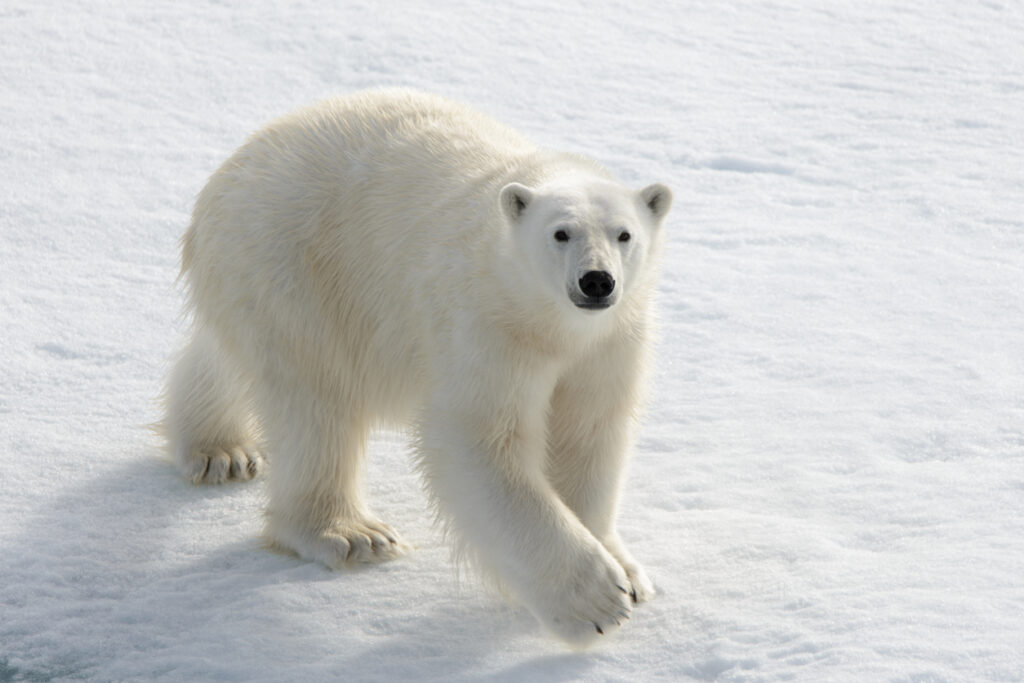
These industrial pollutants aren’t just sitting harmlessly in polar bears’ bodies. Research shows they’re causing actual brain damage, disrupting hormones, weakening immune systems, and causing reproductive problems. Perfluorinated compounds mess with signal molecules and enzymes in bears’ brains, potentially affecting their behaviour, memory, and ability to survive. Cubs face chemical exposure levels 1,000 times higher than what’s considered safe for humans.
Bears lose up to 11% of body mass when stuck on land.
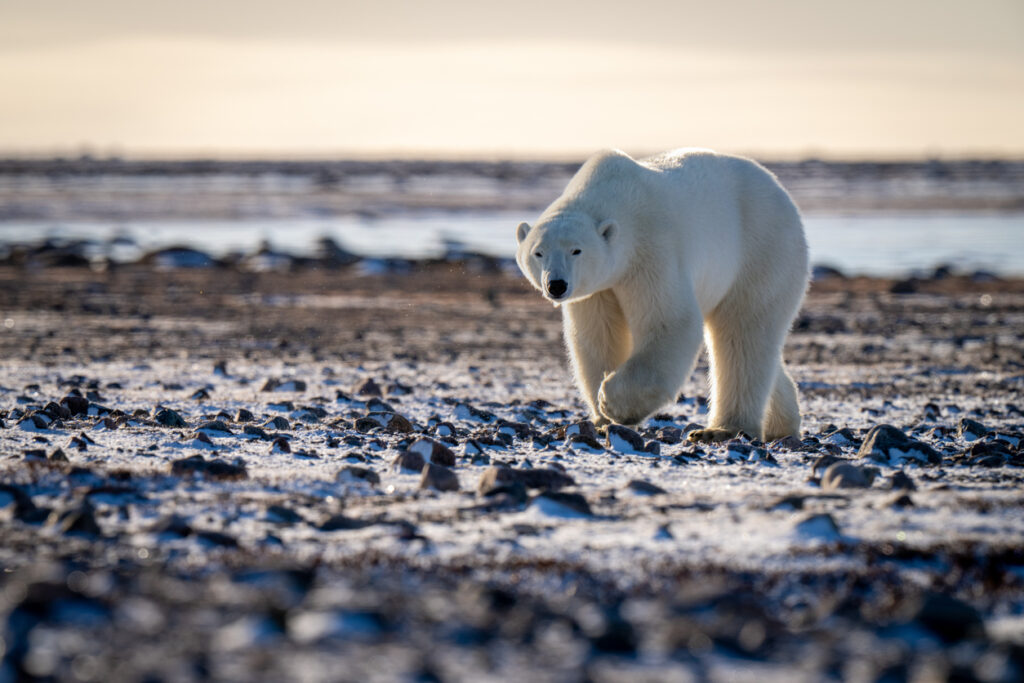
Studies in Manitoba found that polar bears forced to spend extended periods on land lost up to 11% of their body mass. Their attempts to find food by resting more, foraging for vegetation and berries, or swimming to hunt have been largely unsuccessful. There’s simply no land-based food source that comes close to the calories they get from seals. The longer they’re stuck on land, the more weight they lose, and eventually, they can’t survive.
The Arctic is warming four times faster than the rest of the planet.
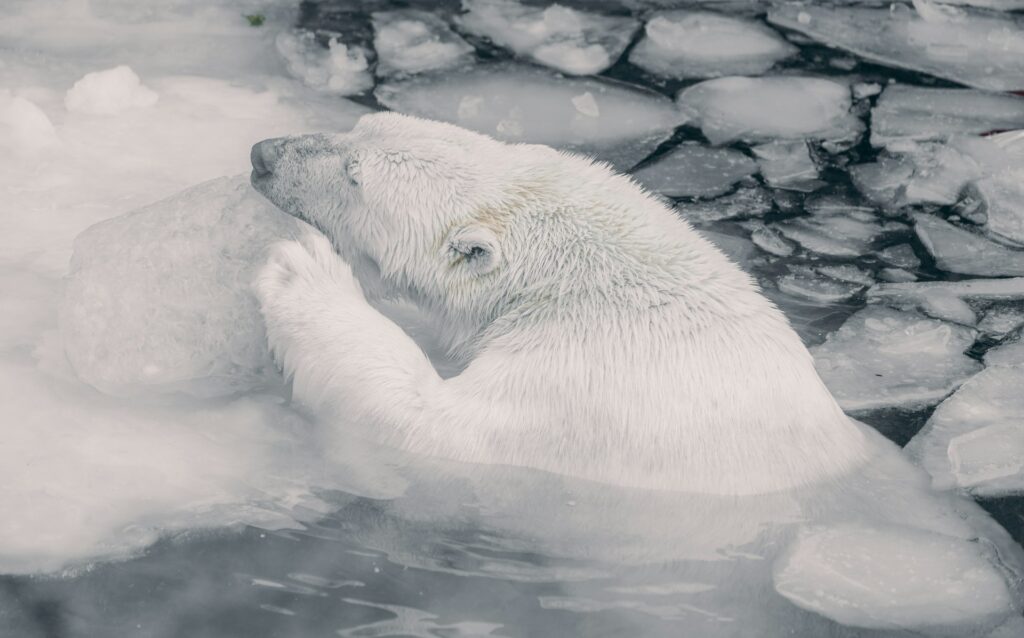
Whilst global temperatures are rising, the Arctic is warming at four times the global average rate. This means sea ice is disappearing faster than climate models originally predicted. What scientists thought would happen over decades is happening in years. The speed of change is so rapid that polar bears simply can’t adapt or evolve fast enough to cope with their transformed environment.
Seals are struggling too, creating a cascading problem.
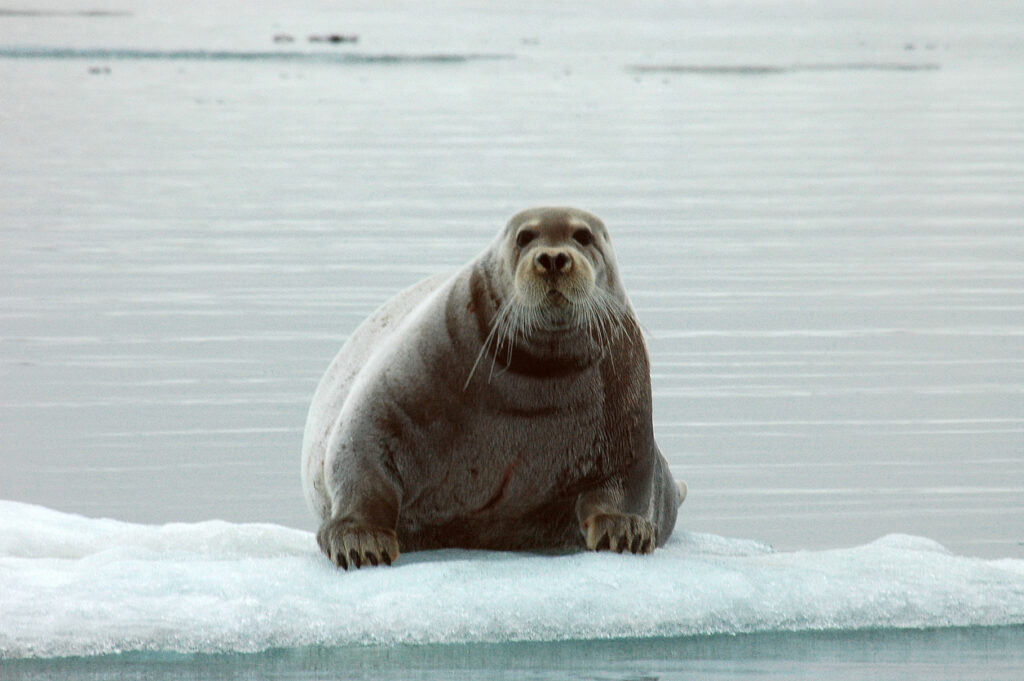
It’s not just polar bears affected by melting ice. Ringed seals, their primary prey, rely on sea ice to give birth and create dens for their pups. Warmer temperatures mean more rain instead of snow, which washes away seal dens. Fewer seal pups means less food for polar bears. The entire Arctic food web is collapsing from the bottom up, and polar bears are at the top of a crumbling pyramid.
They can’t hunt effectively in open water.
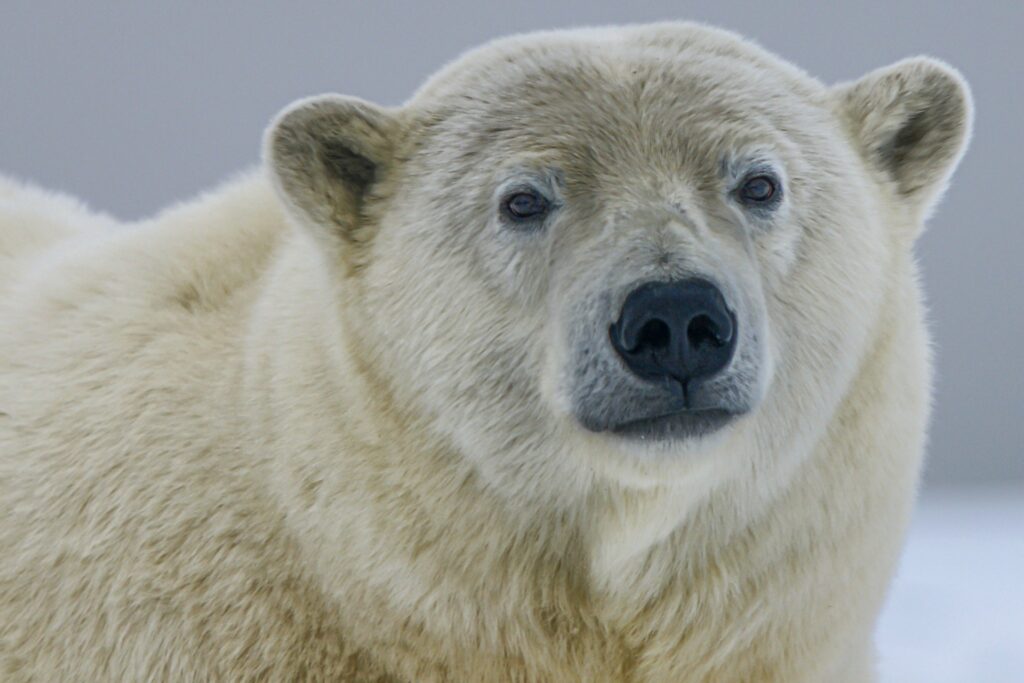
Polar bears are ambush predators who catch seals on ice platforms. When they try to hunt in open water, seals outswim them almost every single time. Without ice, polar bears lose their fundamental hunting advantage. Some bears have tried adapting by hunting beluga whales or catching birds, but these alternatives provide nowhere near enough calories. Evolution built them to hunt on ice, and that’s the only way they can really survive.
Increased shipping and industrial activity are making things worse.

As Arctic ice melts, it’s becoming more accessible for industrial development including oil drilling, mining, and shipping. Between 2013 and 2023, Arctic shipping increased by 37% and the distance travelled doubled. This industrial activity disturbs polar bears, destroys habitat, introduces more pollution, and increases dangerous encounters between bears and humans. The very thing destroying their habitat is also bringing more human activity into what’s left of it.
New diseases and viruses are emerging in the warming Arctic.
Scientists have found that thawing permafrost is releasing bacteria and viruses that have been locked in frozen Arctic ecosystems. Polar bears are now at risk of exposure to diseases they’ve never encountered before and have no immunity against. Climate change isn’t just destroying their habitat and food supply, it’s potentially exposing them to entirely new health threats they’re not equipped to handle.
Climate models suggest most populations will be gone by 2100.
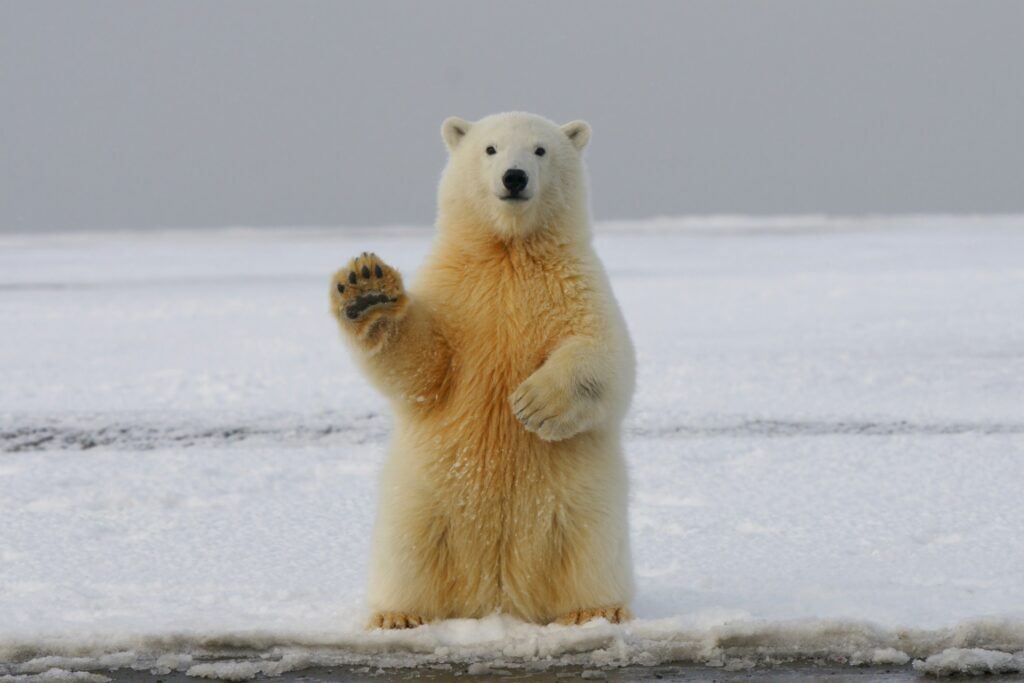
Under current greenhouse gas emission trajectories, research shows that most polar bear populations will cease to exist by 2100. Some high Arctic populations might hang on longer, but polar bears in southern Arctic regions are already facing inevitable extinction. Without massive, immediate cuts to carbon emissions, we’re not talking about whether polar bears will survive, we’re talking about watching one of the planet’s most iconic species disappear within our children’s lifetimes.