
The idea of being exposed to the vacuum of space sounds like something straight out of a sci-fi film, but the reality is far more fascinating, and much more brutal. Without air, pressure, or protection, the human body reacts in ways most people never imagine. It’s a reminder that space isn’t just vast and beautiful, it’s one of the most hostile environments we could ever enter.
Despite what the movies show, you wouldn’t explode or instantly freeze, but the truth isn’t any less shocking. Every cell, every breath, and every drop of moisture in your body would start reacting to the sudden emptiness around you. Understanding what really happens in those few exposed moments gives a whole new appreciation for why space travel is such a precise (and dangerous) science.
You wouldn’t explode like in the movies.
Films often show astronauts puffing up and bursting, but that’s not how physics works. The human body is surprisingly durable, and skin acts like a natural pressure suit that keeps everything in place. You’d swell a little, but nowhere near enough to pop. The real problem isn’t explosion, it’s pressure loss. The gases and fluids in your body would expand slightly, causing swelling and tissue stress, but you’d stay in one piece for at least a short time.
You’d lose consciousness in about 15 seconds.
Without air pressure, the oxygen in your lungs would rush out almost instantly, and your brain would be starved of oxygen. You’d pass out within 10 to 15 seconds and wouldn’t wake up again without immediate rescue. Your body wouldn’t die straight away, though. You’d still have around a minute or two before serious, irreversible damage began, which is just enough time for a crewmate to pull you back inside and revive you if they acted fast.
Your blood wouldn’t boil, but gases would expand
In space, liquids exposed to vacuum can boil at body temperature because there’s no air pressure holding them down. That sounds terrifying, but your blood is contained in a closed system, which stops it from boiling outright. However, gases inside your body, like in your lungs or stomach, would expand rapidly. That’s why holding your breath would be the worst thing you could do. Your lungs would tear from the pressure difference almost immediately.
Your body fluids would start to evaporate.

The moisture on your tongue, eyes, and skin would begin to boil away almost instantly. You wouldn’t feel heat, but the sudden loss of moisture would make your mouth and eyes dry out painfully fast. As fluids evaporate, your skin would puff up slightly, and your outer layers would begin to freeze-dry. It’s not pretty, but your body wouldn’t disintegrate. The process would happen quietly, not explosively.
You’d experience rapid decompression sickness.
The lack of pressure causes nitrogen bubbles to form in your blood and tissues, the same thing divers call “the bends.” You’d feel severe joint pain and dizziness, though unconsciousness would arrive so quickly you might not even register it. That decompression effect is one reason astronauts follow strict pressurisation procedures. Space suits and airlocks are designed to keep transitions slow and safe, preventing the painful effects of gas expansion in the body.
Your skin would turn blue within seconds.
As oxygen leaves your blood, your skin would lose colour and start turning blue, then grey. The change would happen shockingly fast, a visible sign of your body running out of oxygen completely. Within 30 seconds, you’d look lifeless, even if your heart was still faintly beating. It’s one of the most immediate and obvious effects of vacuum exposure.
You wouldn’t freeze instantly.
Space is cold, but it doesn’t work like a freezer. Without air, heat can’t transfer through conduction or convection, so your body would lose warmth slowly through radiation instead. You wouldn’t freeze solid straight away. It would take several hours for your body to cool completely. The faster effects, such as loss of air, swelling, and dehydration, would happen long before the temperature change became fatal.
You’d get severe sunburn on one side.
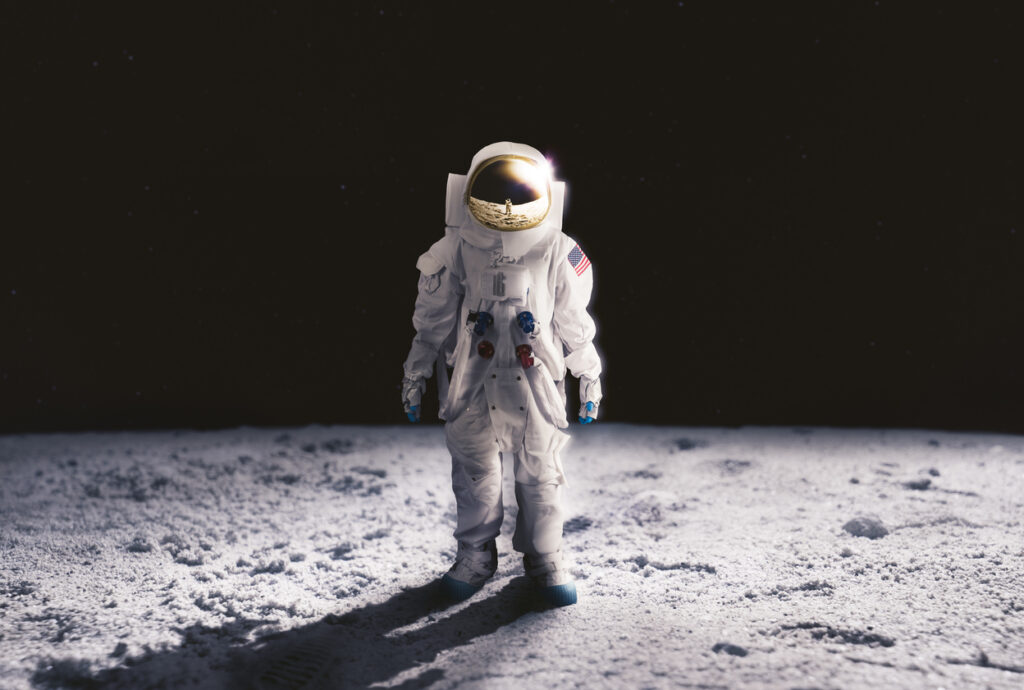
Space exposure means full, unfiltered sunlight. Without the protection of Earth’s atmosphere, ultraviolet radiation would scorch any skin directly facing the Sun within seconds. The shaded side of your body would experience the opposite problem: freezing cold. The temperature contrast between the sunlit and shadowed sides could be hundreds of degrees, tearing at your skin as it expands and contracts unevenly.
Your saliva would start to bubble.
Because saliva isn’t under pressure, it would begin to boil on your tongue almost immediately. It wouldn’t be hot, just fizzing away like soda. You wouldn’t have long to notice before blacking out, but it would be one of the strangest sensations imaginable. This effect also happens with moisture in your eyes, making your tears evaporate instantly. Your body would essentially be drying itself out from the outside in.
Radiation would start damaging your cells.
Outside the protection of Earth’s magnetic field, the radiation levels are extreme. Even brief exposure would start damaging DNA and cells, though death from radiation takes much longer than from oxygen loss. If your body remained in space for hours or days, radiation would cause long-term cellular breakdown, increasing the risk of cancers or severe organ damage, not that you’d survive long enough to feel it.
Your heart would stop after about 90 seconds.
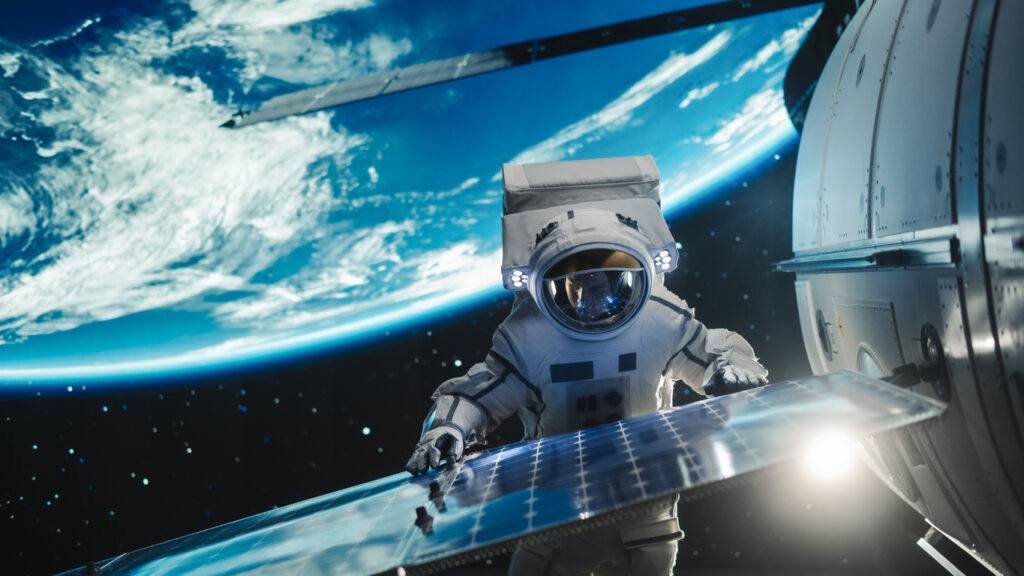
Once oxygen runs out, your heart struggles to maintain rhythm. Within a minute or so, it would stop completely, cutting off circulation and brain activity. The vacuum itself doesn’t kill you; suffocation does. In experiments with animals during early space testing, those recovered within about 60 seconds often survived, but any longer and the damage became permanent. Humans would follow the same timeline.
You’d eventually freeze-dry in space.
If your body stayed in space, it wouldn’t decay the way it would on Earth. With no oxygen or bacteria, decomposition can’t happen. Instead, you’d gradually freeze-dry, turning into a mummified version of yourself. Your body would drift endlessly, preserved by the vacuum, potentially for millions of years. There’s nothing poetic about it, but it’s scientifically fascinating. Space doesn’t let go of what it takes.
Your final moments would be strangely calm.
After the panic of losing air, your brain would shut down from oxygen loss. You’d likely experience confusion or euphoria before passing out, with no pain once unconsciousness took over. Despite how terrifying it sounds, the human body shuts down quickly enough that you wouldn’t suffer long. Space is merciless, but at least in this one respect, it’s mercifully brief.