Some dogs fetch, sit, and stay, but others seem to actually think.

They problem-solve, read your moods, and find ways to outsmart you when you’re not looking. Intelligence in dogs isn’t about tricks or obedience; it’s about awareness, adaptability, and creativity. Here are the signs your dog might be operating on genius level, even if people are reluctant to believe it.
1. They understand new words quickly.

If your dog picks up on new words after hearing them just once or twice, that’s a clear sign of advanced intelligence. Most dogs can learn around 100 words, but the exceptionally smart ones go way beyond that, recognising tone, phrasing, and even context.
You might notice they understand words like “walk” or “vet” even when you try spelling them out or saying them quietly. It might seem like a coincidence, but it’s a sign of comprehension, and it means they’re genuinely processing human language patterns.
2. They problem-solve on their own.
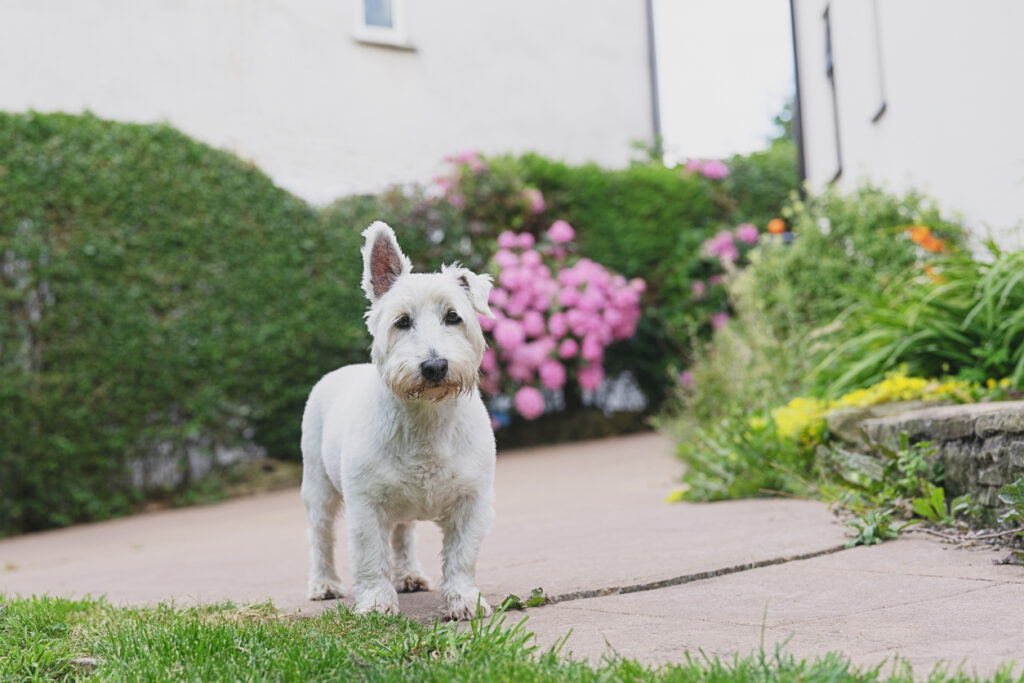
Dogs that can open doors, find hidden toys, or figure out where you’ve hidden treats aren’t just being cheeky; they’re showing advanced problem-solving ability. They’re capable of trial and error and even learning from previous mistakes. If your dog seems to approach challenges like a puzzle rather than giving up, that’s the same kind of thinking used by highly intelligent species like dolphins and chimpanzees. It’s proof your dog’s brain doesn’t just react, it reasons.
3. They make eye contact to communicate.

Smart dogs don’t just stare for affection; they use eye contact intentionally to communicate needs or emotions. Having the ability to hold your gaze and read your expression shows they understand connection and empathy. When a dog looks to you before acting, as if checking your reaction first, that’s higher-order thinking. It means they recognise you as a partner in their decision-making process rather than just a source of commands.
4. They adapt their behaviour around different people

If your dog behaves one way with you but differently with strangers, kids, or other dogs, that’s not inconsistency, that’s social intelligence. They’re reading the room and adjusting their energy based on who they’re with. Being so flexible means they can manage complex social cues, which is rare in animals. It’s also why clever dogs tend to be especially good at comforting upset owners or charming new people instantly.
5. They remember routines without prompting.

Dogs who seem to know when it’s walk time, dinner time, or when you’re due home are using a sharp internal clock. Some dogs can even anticipate your actions before you move, recognising patterns so subtle you don’t realise you’re giving cues. Routine memory shows long-term learning. If your dog knows the sound of your car, the route to their favourite park, or the difference between a workday and weekend, their brain’s processing time and sequence, not just instinct.
6. They fake you out to get what they want.

If your dog pretends to need the toilet just to get you to open the door, or barks at nothing so you’ll move from your seat, congratulations, you’ve been outsmarted. Manipulative behaviour means they understand cause and effect, and how to use it. Being able to plan and deceive shows emotional intelligence as well as problem-solving. They’re not being naughty; they’re using strategy, which puts them in rare company among animals.
7. They show empathy when you’re upset.

When you’re sad or stressed, a highly intelligent dog will change their behaviour. They might nudge you gently, rest their head on you, or stay close without being asked. That’s not instinct, it’s emotional awareness. Studies show that dogs capable of emotional attunement often have higher cognitive function overall. They’re not just reacting to tone of voice, they’re recognising emotional patterns and choosing comfort as a response.
8. They find creative ways to get attention.

Smart dogs don’t just bark when they want something; they innovate. They might drop toys in your lap, bring you random household objects, or even vocalise in a specific way to grab your focus. If they experiment with different methods until one works, that’s problem-solving behaviour. They’re essentially testing hypotheses in their head, which is far beyond simple training-level intelligence.
9. They can recognise themselves in reflections or photos.

Most dogs ignore mirrors because they don’t connect the reflection to themselves. If yours reacts differently by adjusting their position, checking their face, or recognising familiar people in photos, they might possess a rare form of self-awareness. That level of cognition is considered advanced even in humans and great apes. A dog who understands that “that’s me” is showing complex mental mapping usually associated with higher intelligence.
10. They seem to understand emotions in your voice.
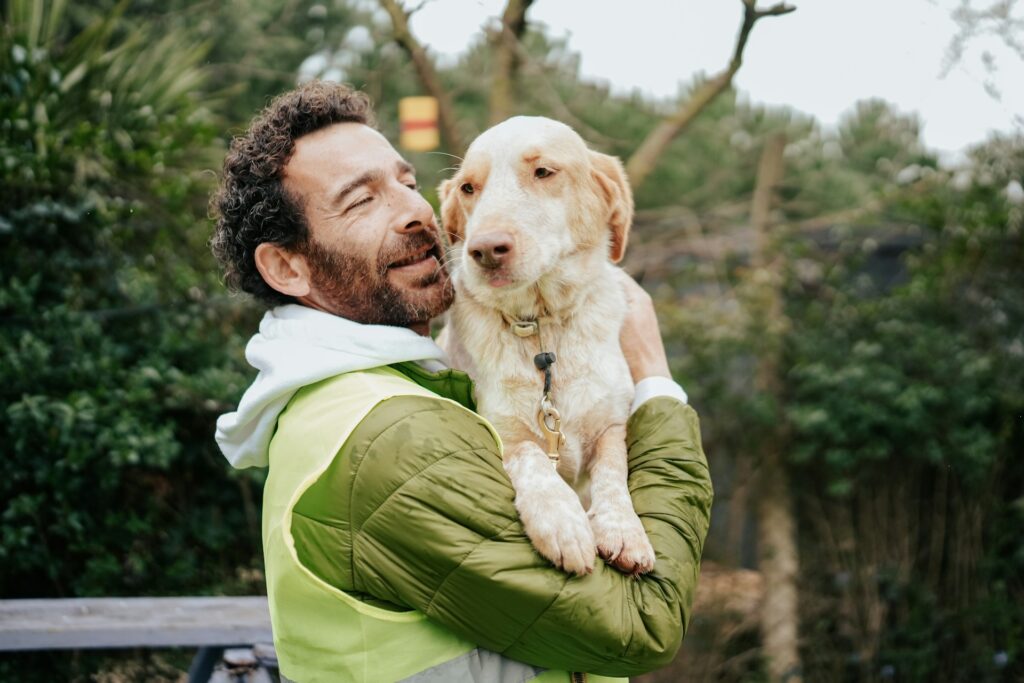
If your dog reacts differently to your tone even when the words stay the same, they’re interpreting emotion, not just sound. This emotional decoding means they’re actively reading human communication, not just following commands. They might wag their tail when you sound cheerful, but lower their ears when you’re frustrated, even if you’re saying identical phrases. That level of sensitivity shows an intuitive grasp of context and empathy.
11. They solve boredom creatively.

Highly intelligent dogs need stimulation. If they start inventing games, hiding toys, or figuring out new ways to entertain themselves, it’s not mischief. Really, it’s mental energy overflowing. When left unstimulated, clever dogs often become “naughty” because their brains crave problem-solving. If you come home to find they’ve unzipped a bag, opened a cupboard, or rearranged their toys, that’s boredom management.
12. They respond to pointing or gestures.

Dogs who can follow a pointed finger or understand what you’re indicating are demonstrating symbolic thinking, which is a major cognitive leap. It means they understand that your gesture represents direction or focus rather than just random movement. That high level of non-verbal communication is something even young human children take time to learn. A dog who gets it is operating on impressive mental awareness.
13. They learn from watching other dogs or humans.

If your dog observes another dog opening a gate or a human performing a trick, then copies it later, they’re learning through observation rather than repetition. That’s a sign of advanced social and cognitive processing. It shows they don’t need direct instruction, and they can model behaviour based on watching outcomes. That’s the same kind of intelligence used by primates, and it’s extremely rare in most species.
14. They seem to anticipate what you’ll do next.
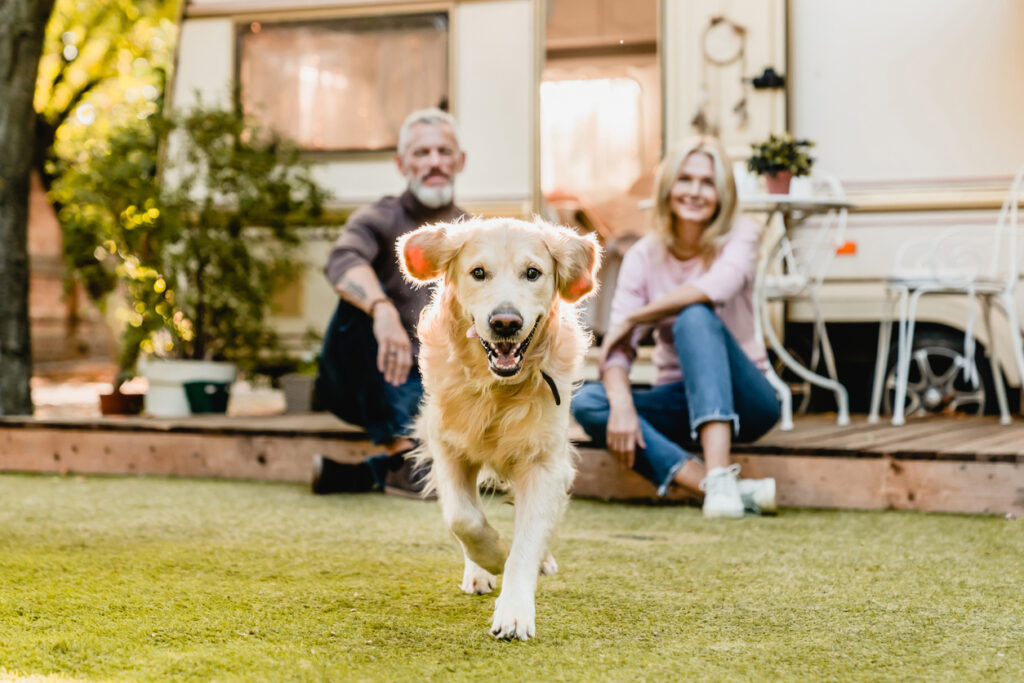
Smart dogs are predictive thinkers. They pick up on your routines so accurately that they seem almost psychic, appearing by the door before you’ve said “walk” or heading to bed as soon as you switch off the TV. It seems like magic, but it’s really just exceptional pattern recognition. If your dog always seems one step ahead of you, it’s because they’re paying closer attention than you realise. That’s not obedience. That’s genius.