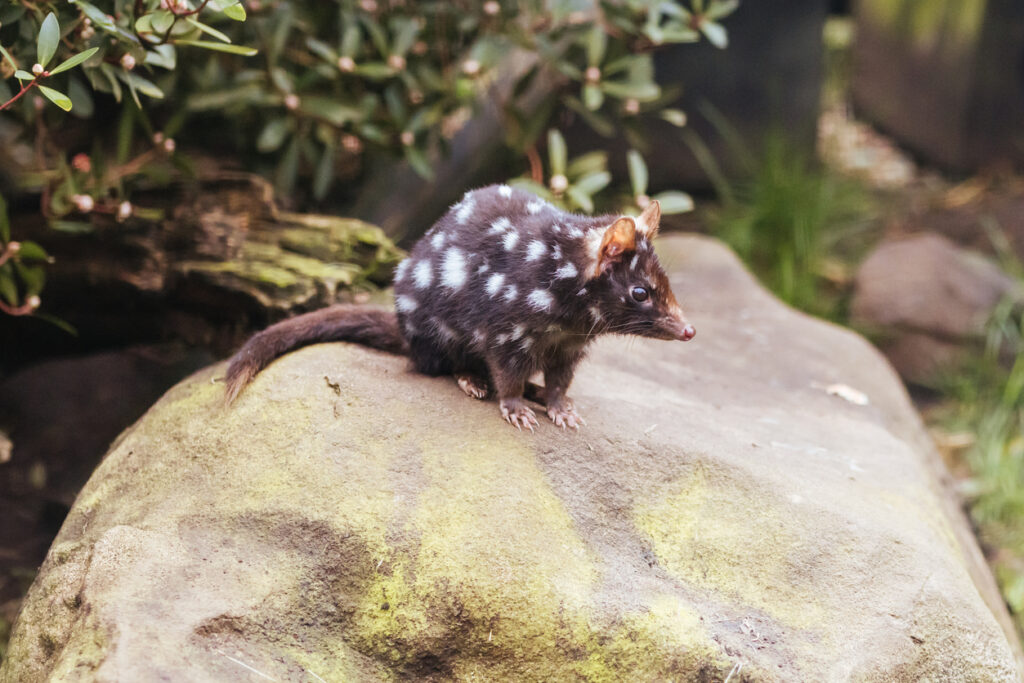
Quolls look like someone tried to design a cat but gave up halfway and made it a marsupial instead.
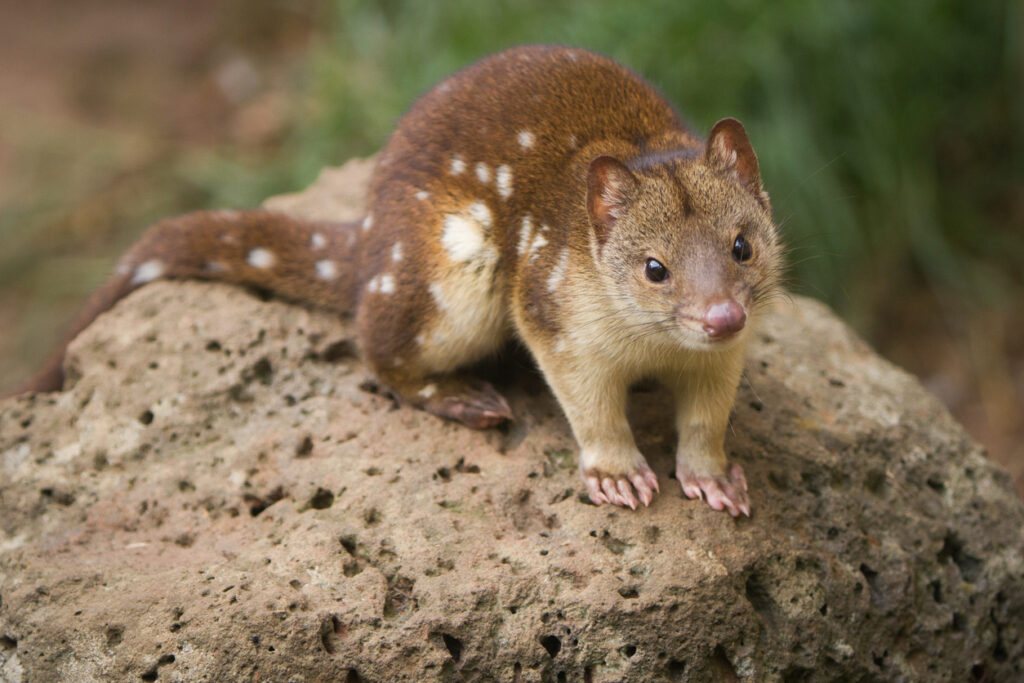
They’re small, spotted, carnivorous, and native to Australia and New Guinea, which means most people outside those regions have never heard of them. They’re also in serious trouble, which is a shame because they’re genuinely fascinating little creatures. Here’s everything you should know about this adorable little creature, including how you might be able to help them thrive.
They’re marsupials, not rodents.
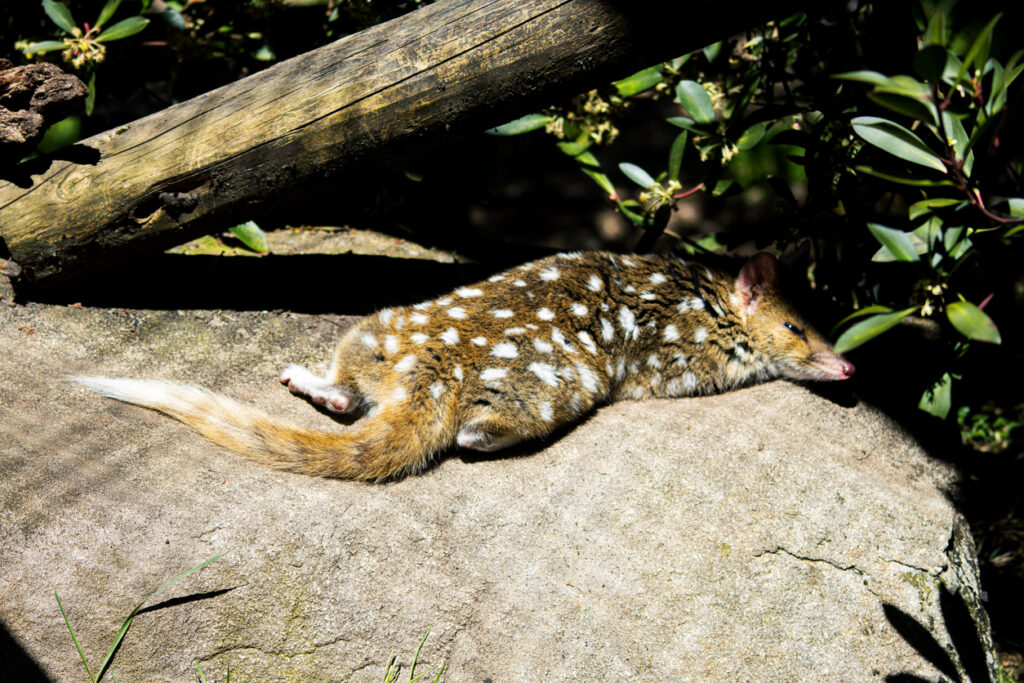
Quolls are often mistaken for rodents or small cats because of their size and appearance, but they’re marsupials, which means they carry their young in pouches like kangaroos. There are six species of quoll, ranging from the size of a small cat down to something closer to a large mouse. The spotted-tail quoll is the largest, weighing up to 7 kilograms, while the northern quoll is barely 900 grams when fully grown.
Being marsupials means their babies are born incredibly underdeveloped, about the size of a grain of rice, and they crawl into the mother’s pouch where they attach to a teat and continue developing for weeks. Female quolls have between six and eight teats, and they can produce more babies than they have teats, which creates a grim lottery where only the first arrivals survive. It’s brutal evolutionary efficiency at work.
They’re covered in white spots.
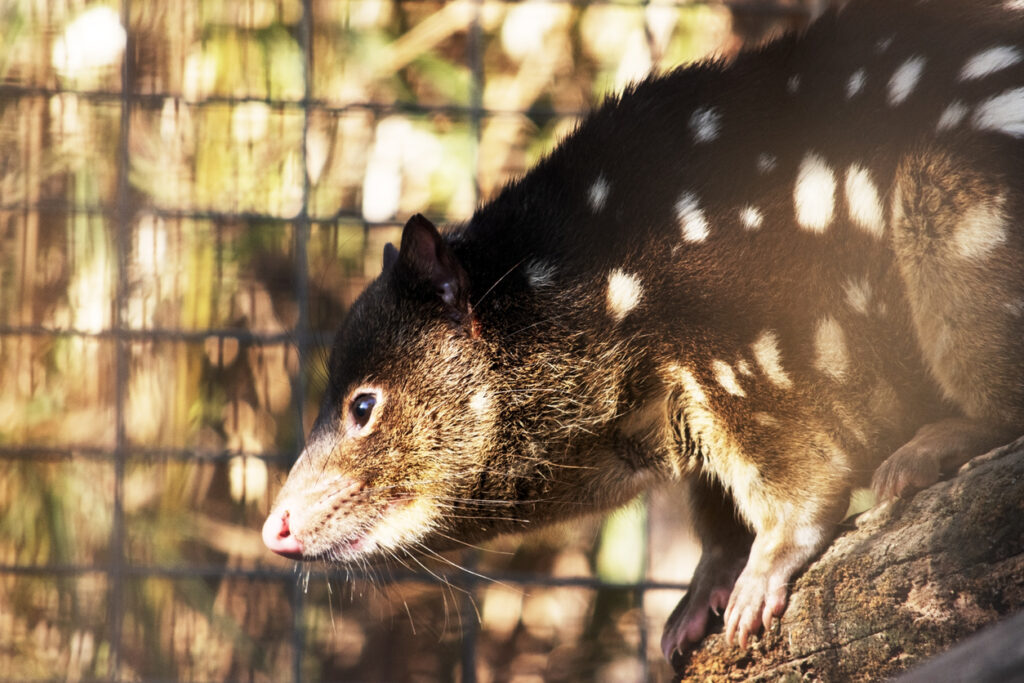
All quoll species have distinctive white spots on brown, grey, or black fur, giving them an appearance that’s genuinely striking if you see one in person. The spots continue down onto their tails in some species, which is how the spotted-tail quoll got its name. The pattern varies between individuals, and some researchers use spot patterns to identify specific animals in the wild, similar to how leopards are identified by their rosettes.
The spotted pattern likely provides camouflage in the dappled light of forests and woodland, where they hunt at night. They’re nocturnal predators that need to remain hidden from both prey and larger predators, and the spots break up their outline effectively in low light. It’s also made them popular in Australian culture, appearing on coins and conservation campaigns because they’re photogenic enough to generate public sympathy.
They’re vicious little predators.
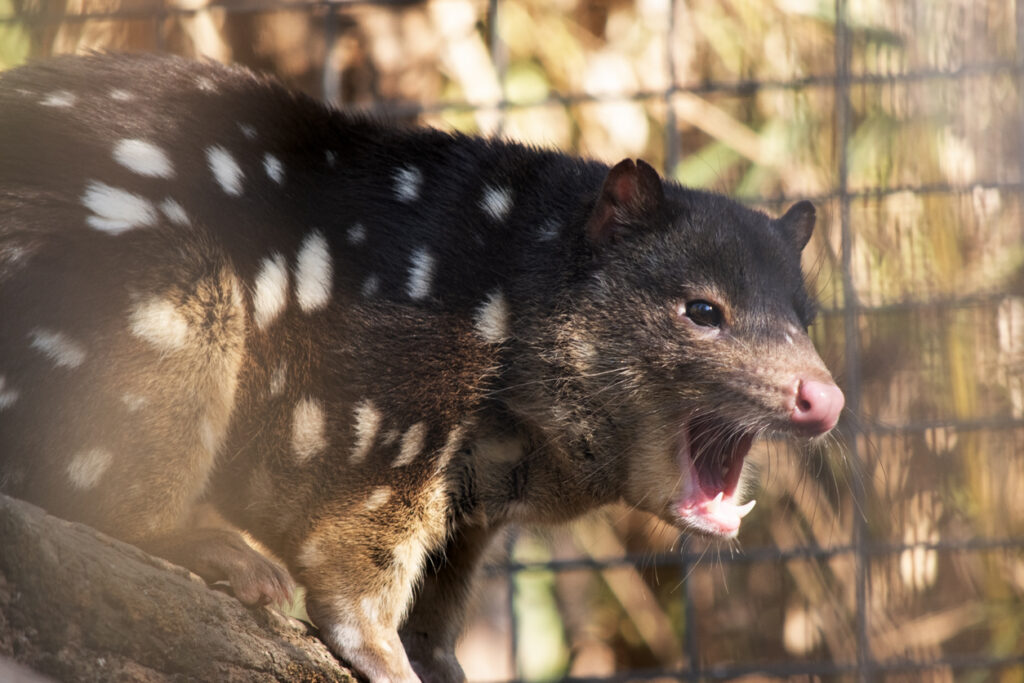
Quolls are carnivores with a taste for anything they can overpower, including insects, birds, small mammals, reptiles, and carrion. They’re opportunistic hunters that will eat whatever’s available, and they’re surprisingly fierce for their size. Spotted-tail quolls have been documented killing animals as large as possums and young wallabies, punching well above their weight class in terms of prey size.
They have sharp teeth, powerful jaws for their size, and a hunting style that’s been described as frantic and aggressive. They’re not subtle stalkers like cats. They’re more like tiny, spotted wolverines that attack with enthusiasm rather than precision. They’ll also scavenge roadkill and raid chicken coops when the opportunity arises, which hasn’t made them popular with farmers despite their ecological importance.
Males die after mating season.
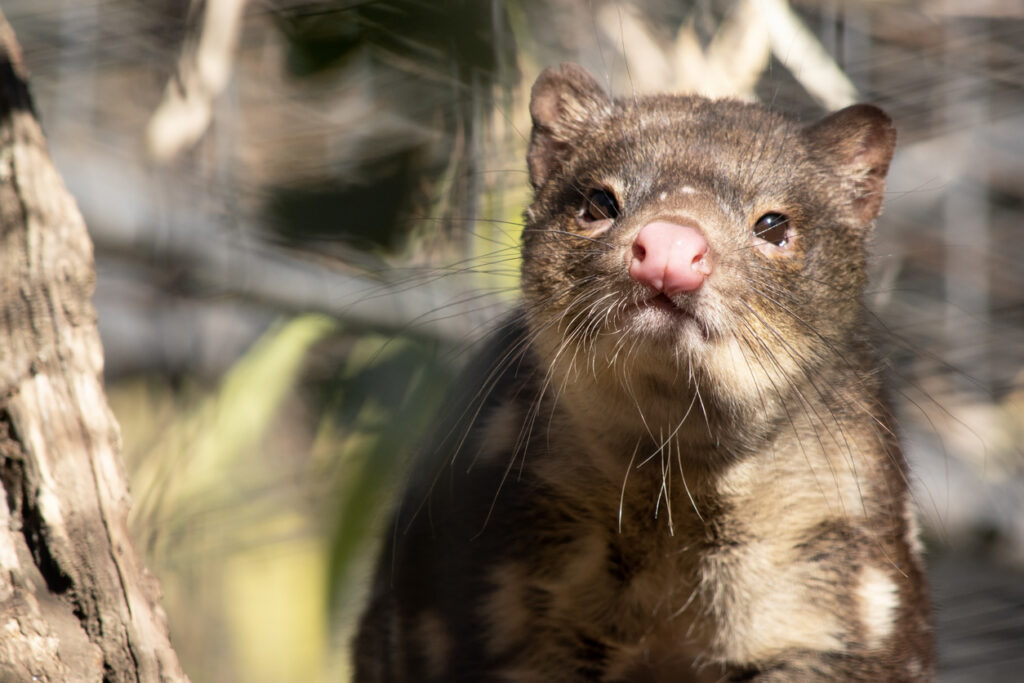
Male quolls, particularly northern quolls, experience something called semelparity where they die en masse after their first breeding season. The males become so focused on mating that they stop eating properly, run themselves ragged competing for females, and suffer from stress-induced immune system collapse. Within weeks of the breeding season ending, most males are dead from exhaustion and disease.
This doesn’t happen to the females, who can breed multiple times over several years. It’s an extreme reproductive strategy that only makes sense in environments where surviving to breed a second time is unlikely anyway. The males are essentially gambling everything on one breeding season, producing as many offspring as possible before inevitable death. It’s evolutionarily successful but individually catastrophic, and it means quoll populations are heavily female-biased outside of breeding season.
They’re excellent climbers despite being ground hunters
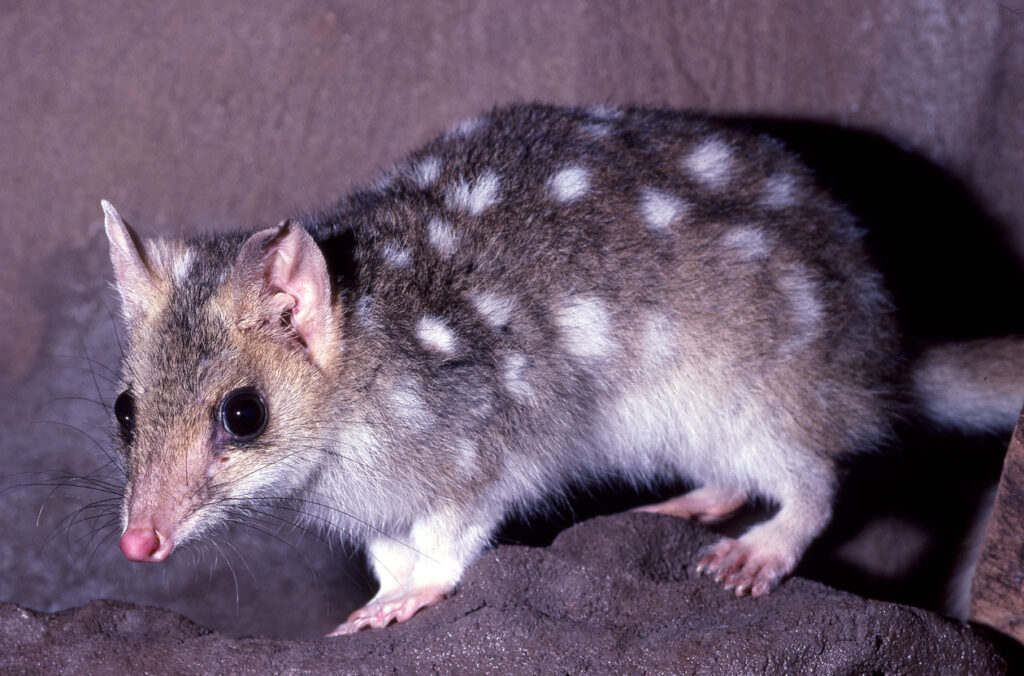
Quolls are primarily ground-dwelling hunters, but they’re surprisingly good at climbing trees when they need to. They’ve got sharp claws and a long tail that helps with balance, and they’ll climb to escape danger, raid bird nests, or hunt arboreal prey. Spotted-tail quolls in particular are semiarboreal, spending significant time in trees and even denning in tree hollows.
This climbing ability gives them access to food sources that other ground predators can’t reach, and it’s part of why they’re such successful hunters. They’re not specialised like possums or koalas that live exclusively in trees, but they’re competent enough to exploit vertical space when it benefits them. In a predator’s world, versatility is often more valuable than specialisation, and quolls have versatility in abundance.
They have a ridiculously strong bite for their size.
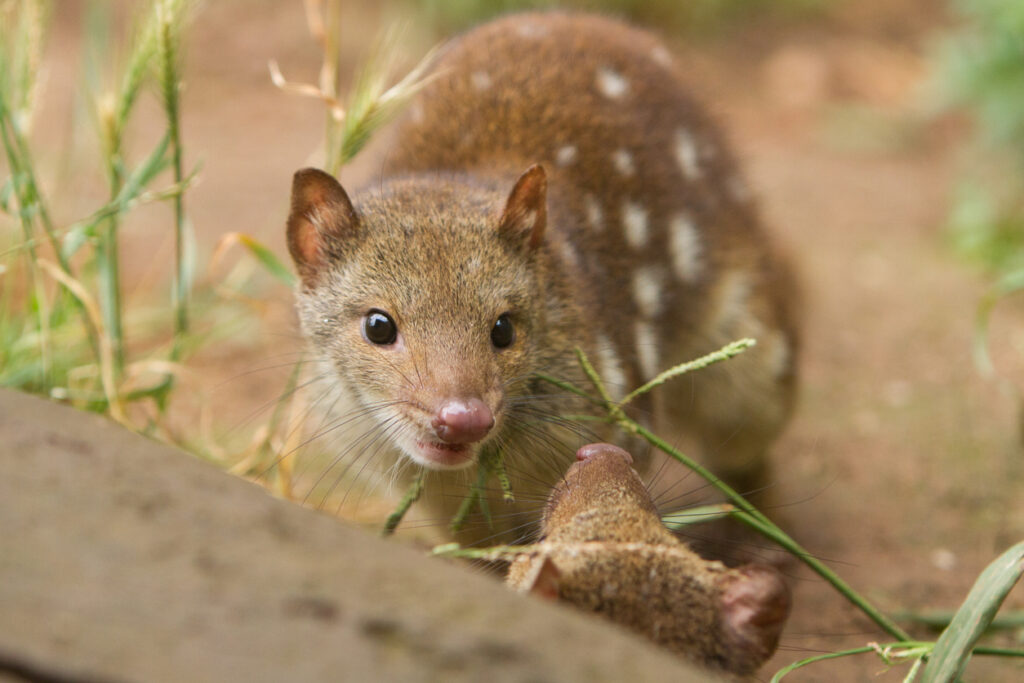
Pound for pound, quolls have one of the strongest bites of any mammal their size. Their jaw muscles are disproportionately large, and their skull structure is built to withstand the forces generated when they bite down on struggling prey. A spotted-tail quoll can exert a bite force comparable to animals several times its size, which is part of how they manage to kill prey much larger than themselves.
This powerful bite also means they can crush bones and access marrow that other small predators can’t reach. They’re not just eating the soft tissue of their prey. They’re consuming everything, extracting maximum nutrition from every kill. It’s an adaptation to environments where food can be scarce and unpredictable, and it’s made them formidable little predators despite their cute, spotted appearance.
They’re being wiped out by cane toads.
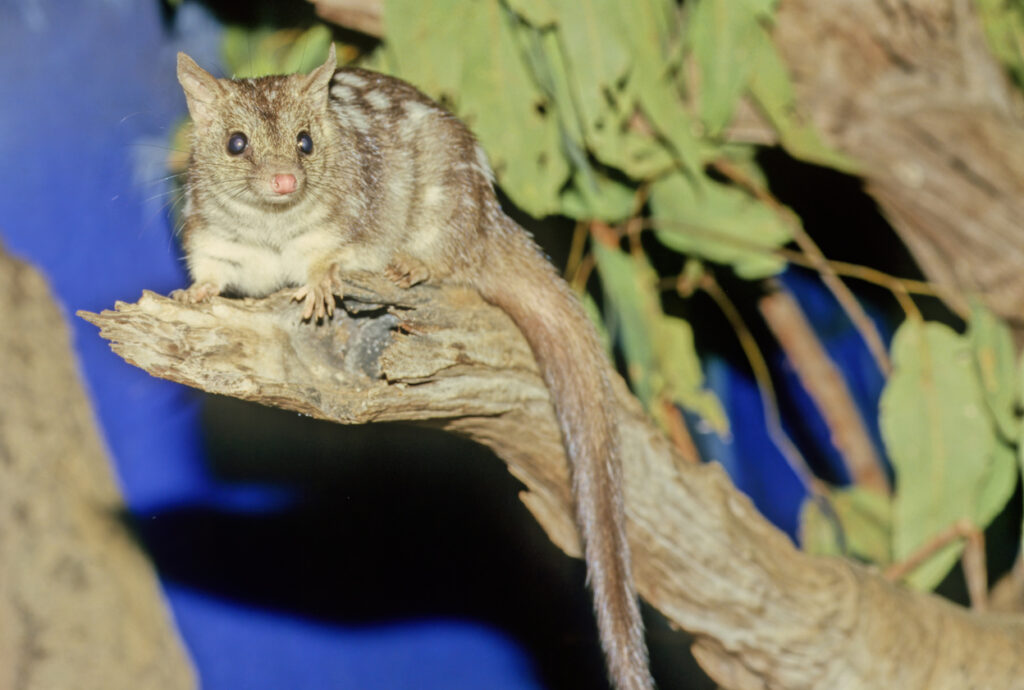
Cane toads were introduced to Australia in 1935 to control cane beetles, and they’ve become an ecological disaster. They’re toxic to native predators that try to eat them, and quolls are particularly vulnerable because they’re opportunistic predators that investigate anything that might be food. When a quoll bites a cane toad, the toad’s poison kills the quoll within minutes.
Northern quoll populations have crashed by up to 95% in areas where cane toads have arrived, and the toads are still spreading. Some quoll populations are learning to avoid cane toads through natural selection, with toad-averse behaviour being passed down through generations, but it’s not happening fast enough. Conservation groups are trying to teach quolls to avoid toads by offering them toad-flavoured food laced with nausea-inducing chemicals, essentially giving them food poisoning to create an association between toads and sickness.
They use communal latrines.
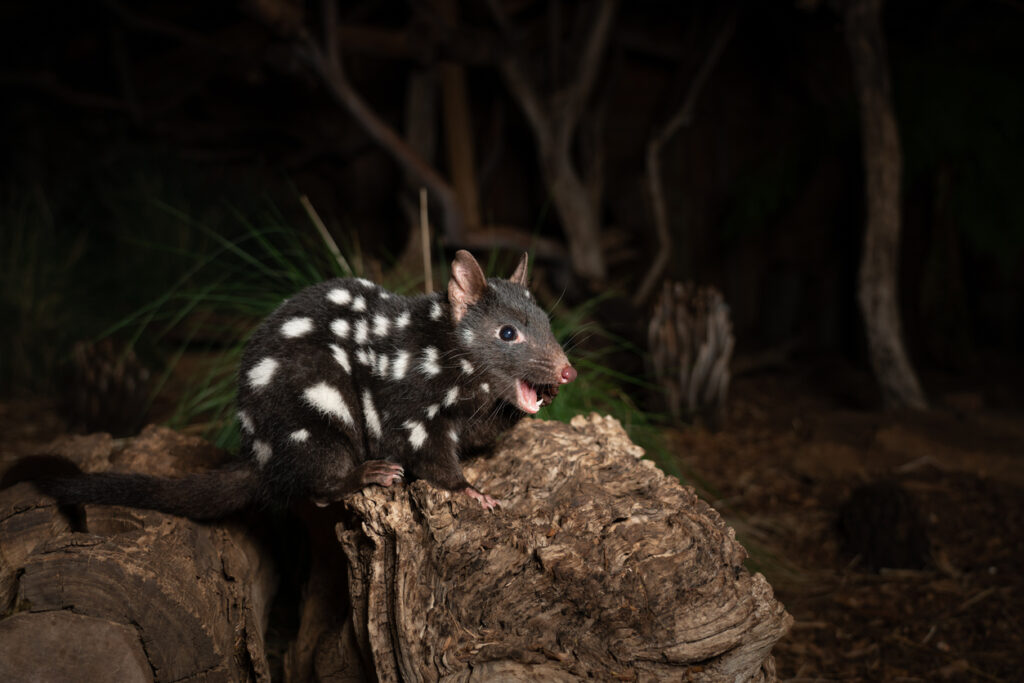
Quolls are territorial animals that mark their ranges using scent, and one of their more unusual behaviours is the use of communal toilet sites. Multiple quolls will use the same latrine areas repeatedly, creating concentrated piles of droppings that serve as communication hubs. These latrines are thought to help quolls identify other individuals in the area and possibly communicate reproductive status.
The latrines are usually located on rocks, fallen logs, or other prominent features in their territory. Researchers have learned to locate quoll populations by finding these latrine sites and analysing the droppings for DNA. It’s not glamorous work, but it’s one of the most effective ways to monitor quoll populations without having to trap the animals themselves. The communal aspect suggests quolls have more complex social structures than previously thought, even though they’re largely solitary outside of breeding season.
They’re one of the few marsupial carnivores left.
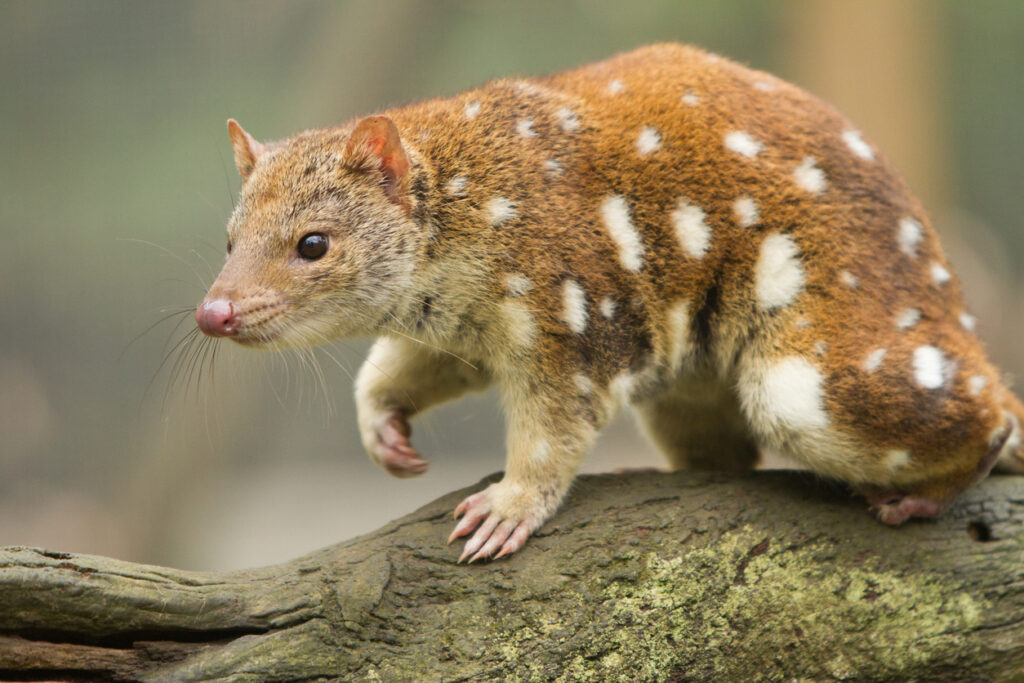
Australia used to have a diverse range of marsupial carnivores, from the massive thylacine down to tiny mouse-sized hunters. Most have become extinct since European colonisation, driven out by habitat loss, introduced predators, and competition with placental mammals. Quolls are among the few remaining marsupial carnivores, filling ecological roles that used to be occupied by a much wider variety of species.
This makes them ecologically important beyond their immediate role as predators. They’re living representatives of an evolutionary lineage that’s been decimated, and losing them would mean losing an entire category of predator from Australian ecosystems. They control populations of rodents, insects, and small marsupials, and their presence indicates healthy forest ecosystems. Their decline isn’t just about losing a species, it’s about losing a functional group that’s already been catastrophically reduced.
They can live in surprising proximity to humans.
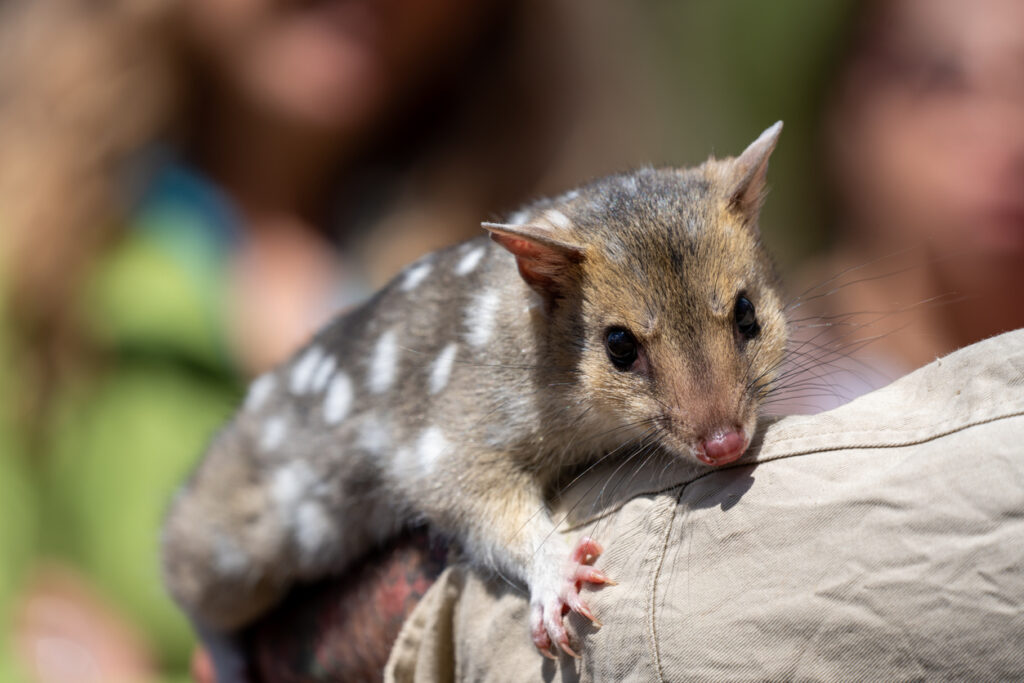
While quolls prefer wild habitats, they’re adaptable enough to survive in suburban areas if there’s sufficient vegetation and food. They’ve been spotted in gardens on the outskirts of Australian cities, raiding compost bins and hunting around streetlights where insects congregate. They’re not as bold as urban foxes or raccoons, but they’re not completely wilderness-dependent either.
This adaptability is both helpful and problematic for conservation. It means quolls can potentially survive in fragmented habitats and disturbed areas, which gives them more options as wilderness shrinks. But it also puts them in contact with domestic cats and dogs, roads, rat poison, and other urban hazards. The quolls that survive near humans are usually the larger species, like spotted-tails. The smaller northern quolls are too vulnerable to compete with cats and too attractive as prey for domestic dogs.
They’re apex predators in some ecosystems.
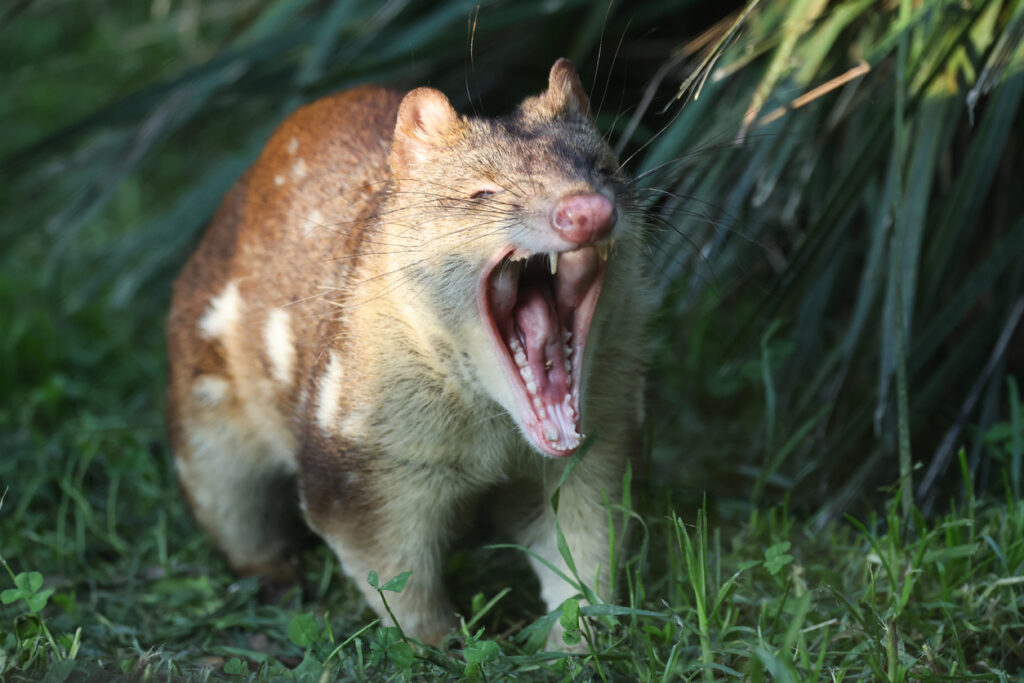
In areas where dingoes and large birds of prey are absent, quolls function as apex predators despite their small size. The spotted-tail quoll in particular dominates forest food chains in parts of Tasmania and mainland Australia where larger predators have been eliminated. They’re controlling populations of smaller mammals and birds, influencing vegetation through trophic cascades, and generally fulfilling the ecological role that larger carnivores would occupy elsewhere.
This apex status is precarious because quolls aren’t really built to be top predators. They’re mesopredators that have been promoted beyond their natural role because humans removed the actual apex predators. It makes them vulnerable to any changes in their environment, and it means losing quolls from these ecosystems would leave a predator vacuum that invasive species like foxes and cats would eagerly fill. They’re important precisely because they’re the best option left in degraded ecosystems.
Conservation efforts are slowly working.
Several quoll species are listed as endangered or vulnerable, and conservation programs are attempting to reverse population declines through predator control, habitat protection, and captive breeding. Some programs have successfully reintroduced quolls to areas where they’d been locally extinct, creating insurance populations in case mainland populations collapse entirely. Islands free from foxes and cats have become refuges where quoll populations can recover.
The toad-aversion training mentioned earlier has shown promise, with trained quolls surviving in toad-infested areas at higher rates than untrained animals. Genetic studies are identifying populations with natural toad resistance, and these individuals are being prioritised for breeding programs. It’s slow work with uncertain outcomes, but quoll populations have stabilised in some areas, and a few have even shown modest increases. They’re not saved yet, but they’re not necessarily doomed either, which is better than the trajectory looked a decade ago.