Every new gardener starts somewhere, and sometimes that “somewhere” involves choosing plants that look beautiful in the shop but have no real chance of surviving once you bring them home.
It’s easy to be won over by colourful blooms or fancy labels promising “low maintenance,” only to discover they’re anything but. Those early choices often say a lot about how new you are to the gardening game. From plants that demand constant care to ones that wilt at the first sign of a cloudy day, beginners tend to make the same mistakes.
There’s nothing to be ashamed of, of course; it’s about learning which plants are trickier than they look. Once you know which choices give you away, you can skip the disappointment and grow a garden that actually thrives.
1. Venus flytraps
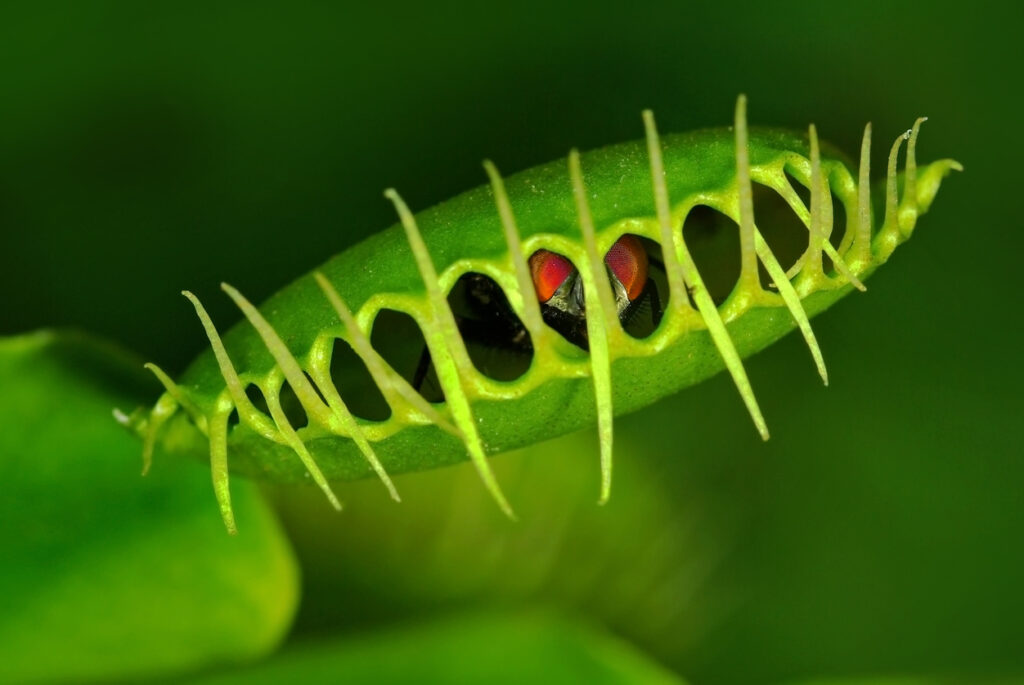
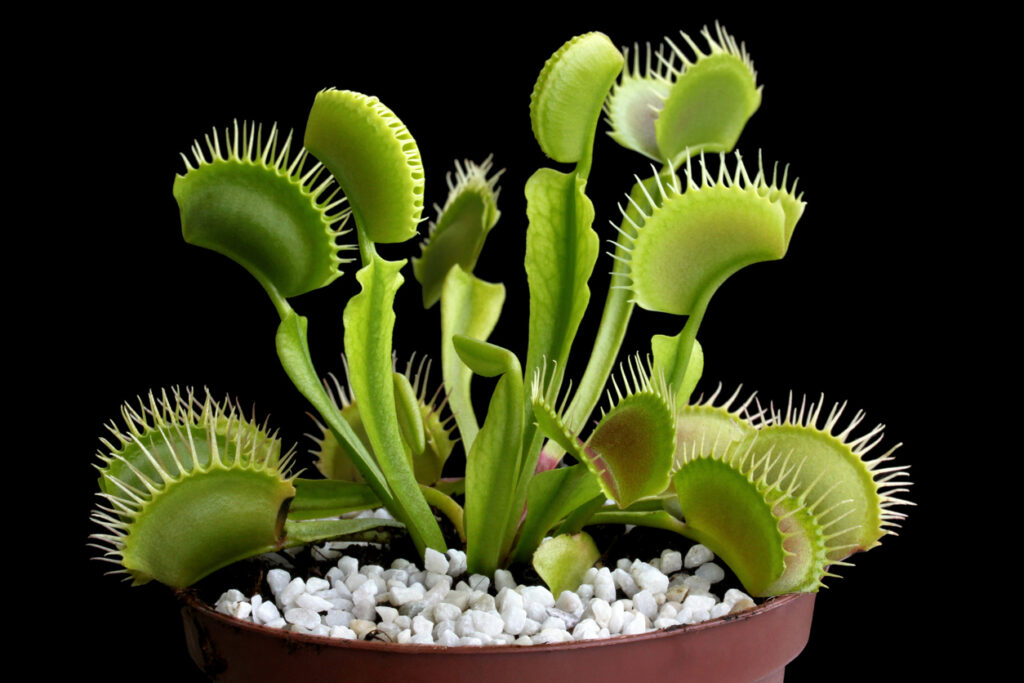
Venus flytraps are fascinating, which is why every beginner wants one. They look dramatic, they move, they eat insects, what’s not to love. The problem is that they’re surprisingly difficult to keep alive. They need distilled water only, specific soil conditions, high humidity, and a winter dormancy period. Most people kill them within months by treating them like normal houseplants.
The appeal is obvious, but the reality is harsh. You can’t just water them with tap water because the minerals will kill them. You can’t keep them warm all year because they need cold dormancy. You can’t feed them regular food because it has to be live insects. Experienced gardeners know Venus flytraps are specialist plants that need specialist care, not impulse purchases.
2. Orchids from the supermarket
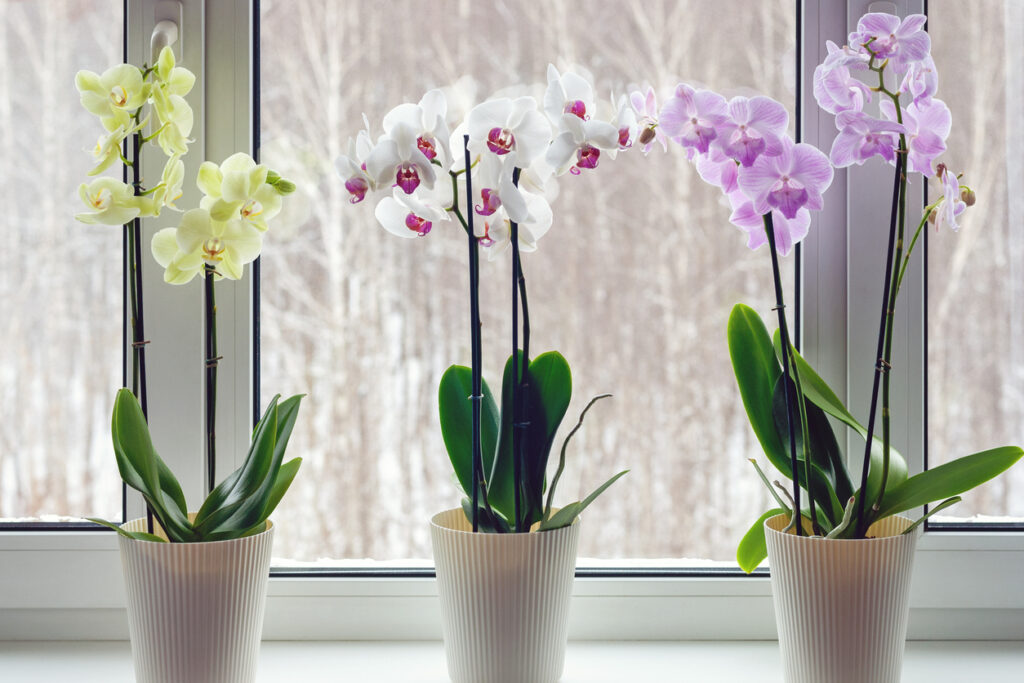
Supermarket orchids are cheap, they’re pretty, and they come in full bloom. Beginners buy them thinking they’ve got a bargain on a stunning plant. Then the flowers drop off after a few weeks and the plant sits there doing nothing for months or years. Most people assume it’s dead and throw it out, not realising orchids need specific conditions to rebloom.
Orchids aren’t beginner friendly despite being sold that way. They need specific light levels, humidity, temperature drops to trigger flowering, and understanding of their growth cycles. Experienced gardeners either avoid them entirely or know exactly what they’re getting into. Buying an orchid because it’s pretty in the shop is the most beginner move possible.
3. Bonsai trees
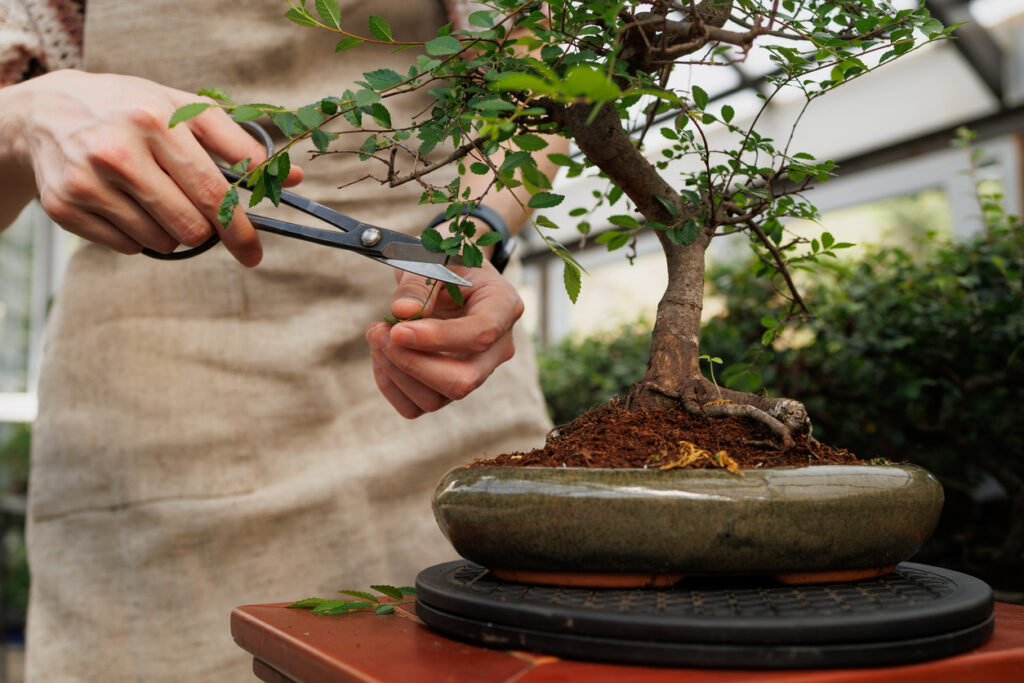
Bonsai trees look like they should be easy because they’re small and contained. Beginners see them as low maintenance decorative objects, basically living ornaments. The reality is bonsai requires years of knowledge, constant attention, specific pruning techniques, and understanding of tree biology. Most beginners kill their bonsai within the first year through overwatering, underwatering, or just not understanding what the tree needs.
Real bonsai enthusiasts spend decades learning the craft. The cheap bonsai kits and mall bonsai sold to beginners are usually low-quality plants that were forced into shape quickly for profit. Experienced gardeners know bonsai is an art form that requires commitment, not something you pick up because it looks cute on a shelf.
4. Cacti and succulents in decorative pots with no drainage
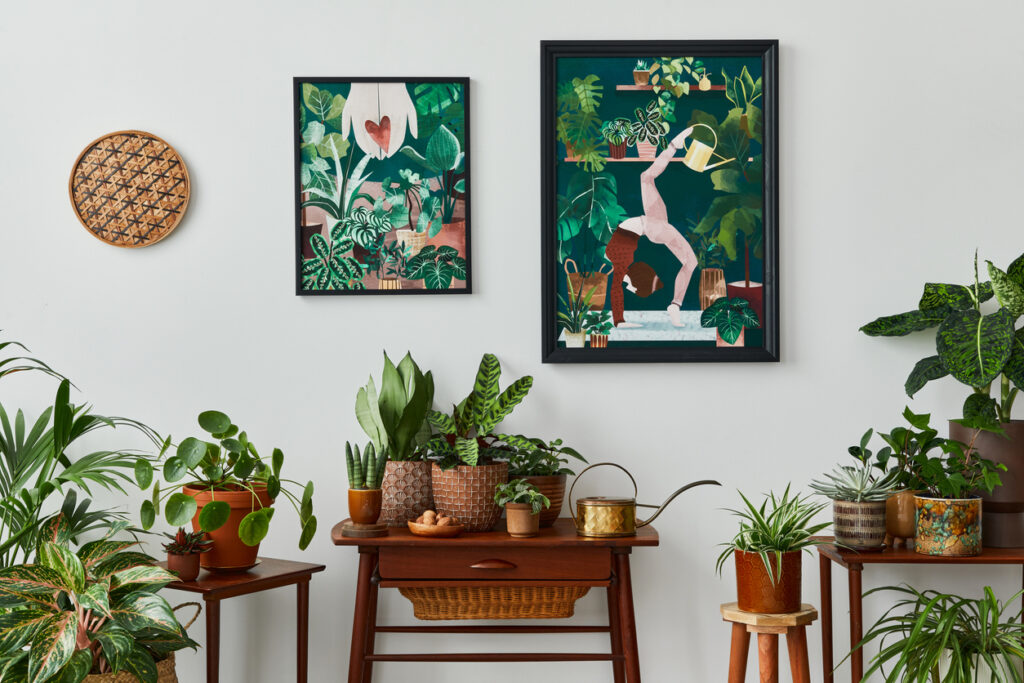
Beginners love cacti and succulents because they’ve heard they’re indestructible and need no care. They buy them planted in cute ceramic pots with no drainage holes, thinking they’ll be perfect low maintenance plants. Then they water them like regular plants and wonder why they rot and die within months.
Cacti and succulents are easy if you understand their needs, but most beginners don’t. They need very infrequent watering, excellent drainage, and bright light. Planting them in pots with no drainage is basically a death sentence. Experienced gardeners know drainage is non-negotiable and that “low maintenance” doesn’t mean “no maintenance”. The decorated pot with no holes is the biggest beginner tell.
5. Lavender as a houseplant

Lavender smells amazing and looks beautiful, so beginners often try to keep it as a houseplant. The problem is that lavender is a Mediterranean outdoor plant that needs full sun, excellent drainage, and good air circulation. Indoors, it gets leggy, stops flowering, and eventually dies from lack of light or overwatering.
Experienced gardeners know lavender belongs outside in the ground or in large containers with full sun exposure. Trying to keep it alive on a windowsill is fighting against the plant’s basic biology. If someone’s got struggling lavender indoors, they’re definitely a beginner who bought it based on smell without researching its actual needs.
6. Air plants displayed without any care knowledge
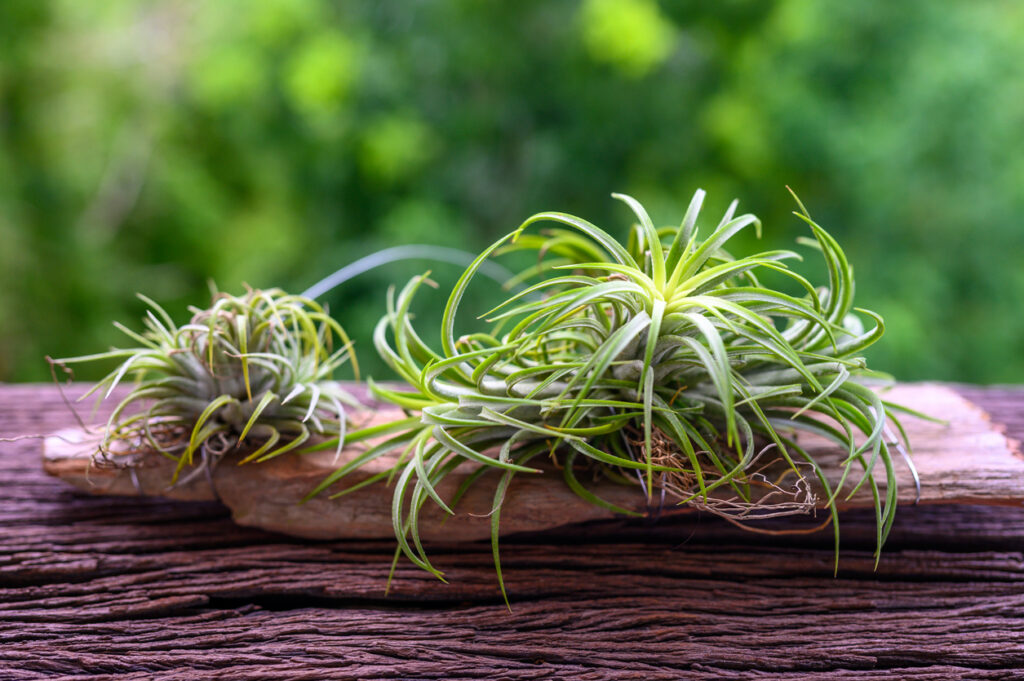
Air plants are marketed as the ultimate low maintenance plant because they don’t need soil. Beginners buy them, stick them in decorative holders or glue them to things, and assume that’s it. Then the plants slowly desiccate and die because nobody told them air plants still need regular watering, humidity, air circulation, and bright indirect light.
The name “air plant” is misleading, and beginners fall for it every time. They’re not surviving on air alone, they need water and nutrients just like any other plant. Experienced gardeners know to soak them weekly and ensure they can dry properly afterward. Displaying them glued inside glass orbs or sealed terrariums is a beginner mistake that kills them slowly.
7. Herbs from the supermarket planted together
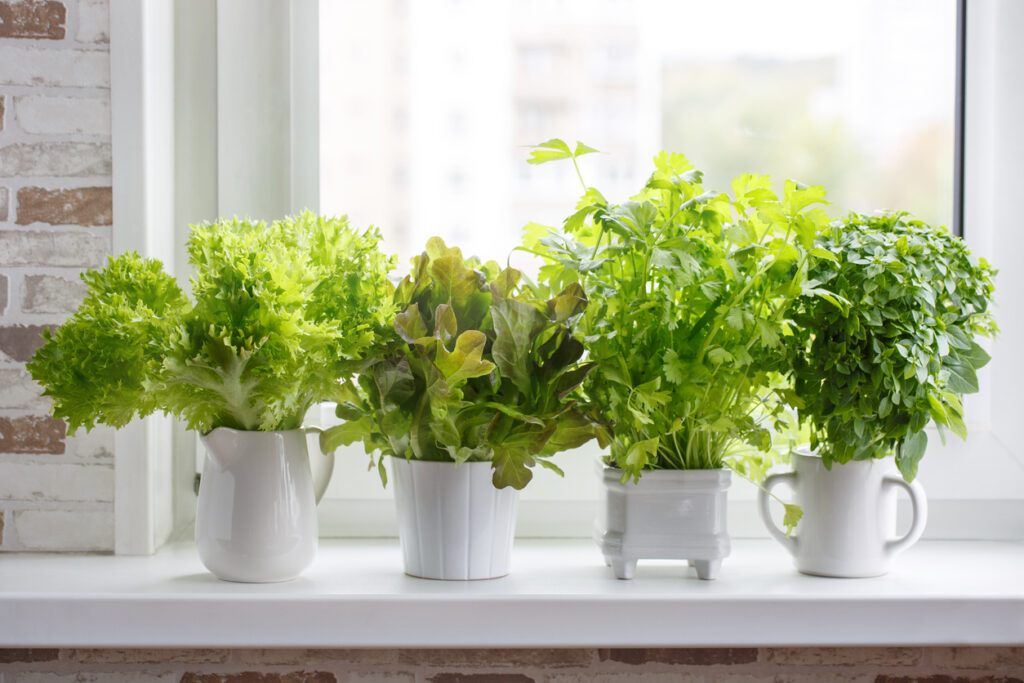
Beginners see those mixed herb pots in supermarkets with basil, parsley, and coriander all crammed together and think it’s a ready-made herb garden. They take it home, keep watering it, and watch it gradually decline and die. The issue her is that those pots are designed for short-term harvest, not long-term growth. The plants are overcrowded, rootbound, and stressed.
Experienced gardeners know to separate those herbs immediately into individual pots with proper space and drainage. They also know different herbs have different water and light needs, so keeping them together long term doesn’t work. Buying a supermarket herb pot and expecting it to last is pure beginner behaviour.
8. Plants chosen purely for Instagram aesthetics
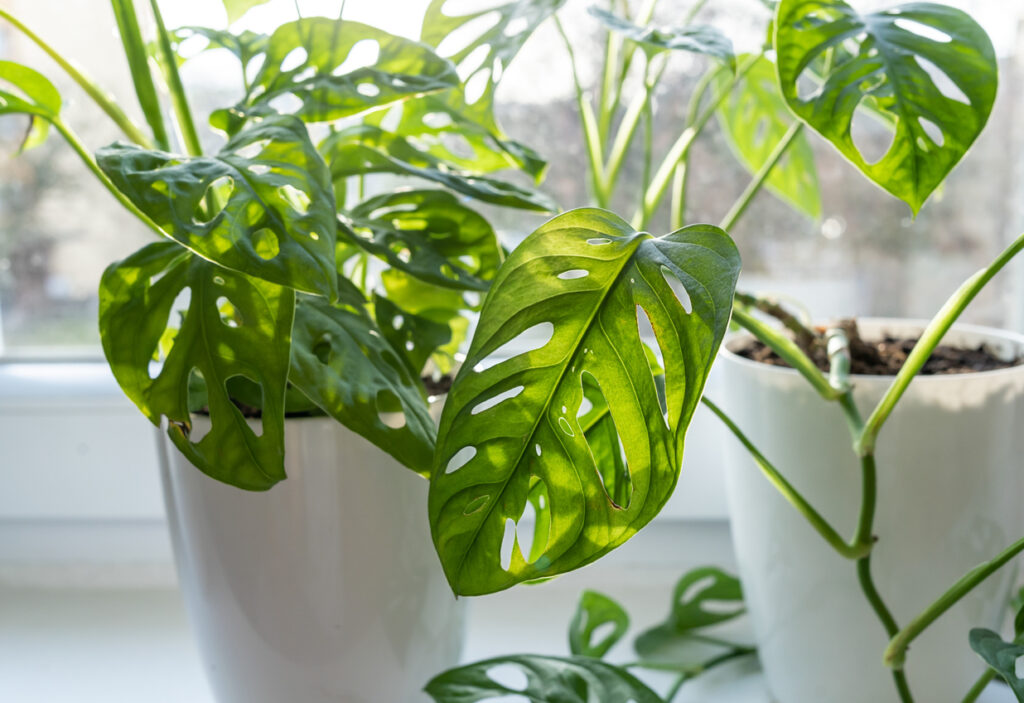
Monstera deliciosa, fiddle leaf figs, and pilea peperomioides became Instagram famous, so beginners buy them because they want that aesthetic in their homes. They don’t research care requirements, lighting needs, or space considerations. They just want the look. Then they’re confused when the fiddle leaf fig drops all its leaves or the monstera doesn’t produce split leaves.
These plants aren’t necessarily difficult, but they have specific needs that don’t match most beginners’ homes. Fiddle leaf figs are notoriously dramatic about changes. Monsteras need space and support to climb. Experienced gardeners choose plants that suit their conditions, not plants that look good in photos. Buying for aesthetics first is a guaranteed beginner move.
9. Anything labelled “lucky bamboo”
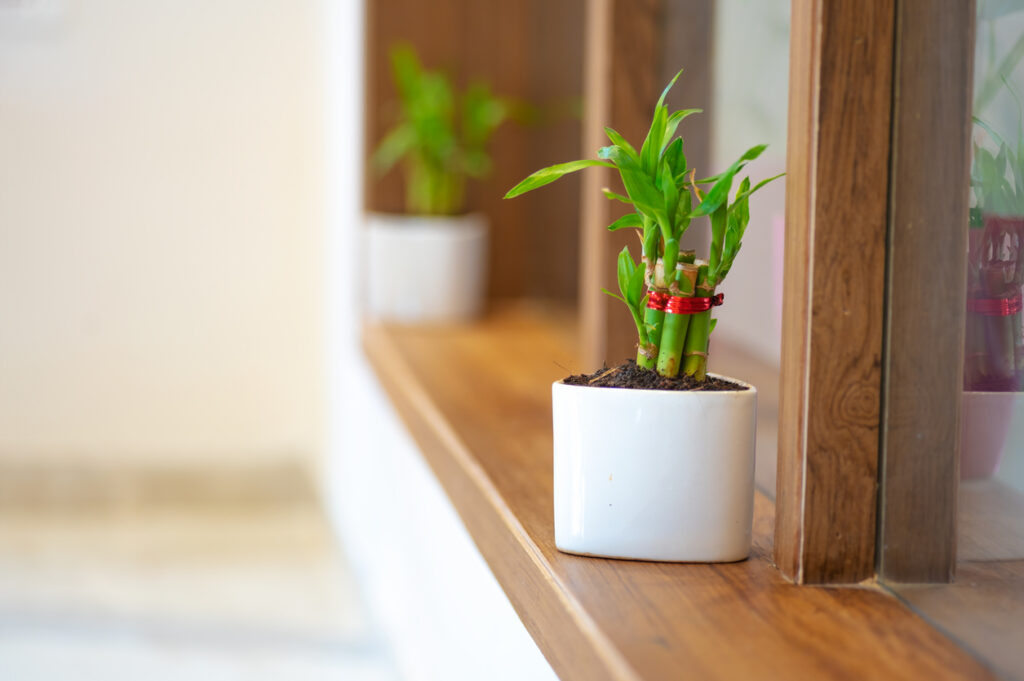
Lucky bamboo isn’t bamboo at all, it’s a type of dracaena. Beginners buy it thinking it’s indestructible because it’s often displayed growing in just water. While it’s relatively easy compared to some plants, people still manage to kill it by using tap water with too much chlorine or fluoride, not changing the water regularly, or giving it too much direct sun.
It’s marketed as a foolproof plant for beginners, which sets unrealistic expectations. When it starts yellowing or rotting, beginners assume they’ve somehow failed at the easiest plant possible. Experienced gardeners know “easy” plants still have requirements and that marketing claims about plants being lucky or indestructible are just sales tactics.
10. Roses as a first garden plant
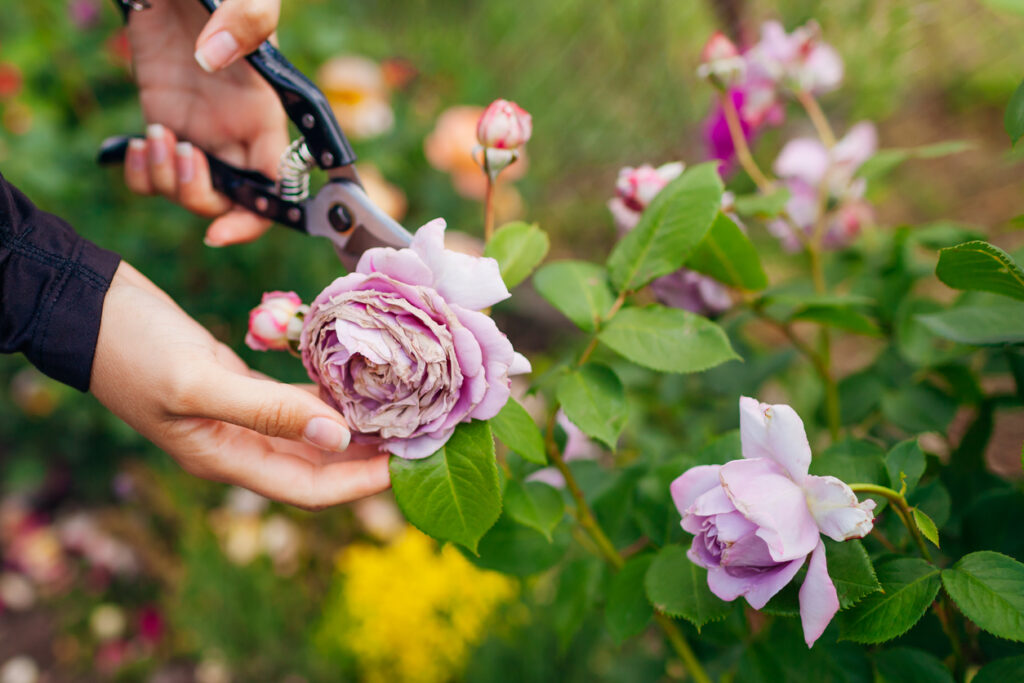
Roses are beautiful and romantic, so beginners often choose them as their first proper garden plant. Then they discover roses are actually quite demanding. They need specific pruning, regular feeding, disease prevention, pest management, and often struggle with black spot, aphids, and various other problems.
Experienced gardeners either avoid roses entirely or know they’re taking on a high maintenance plant that requires commitment. Starting with roses shows optimism and ambition, but also total lack of awareness about what beginner friendly actually means. There are much easier flowering plants to start with, but roses have that aspirational appeal that beginners can’t resist, despite the inevitable frustration ahead.