Most spiders in Britain are harmless, but a few deserve a little more respect than they get.
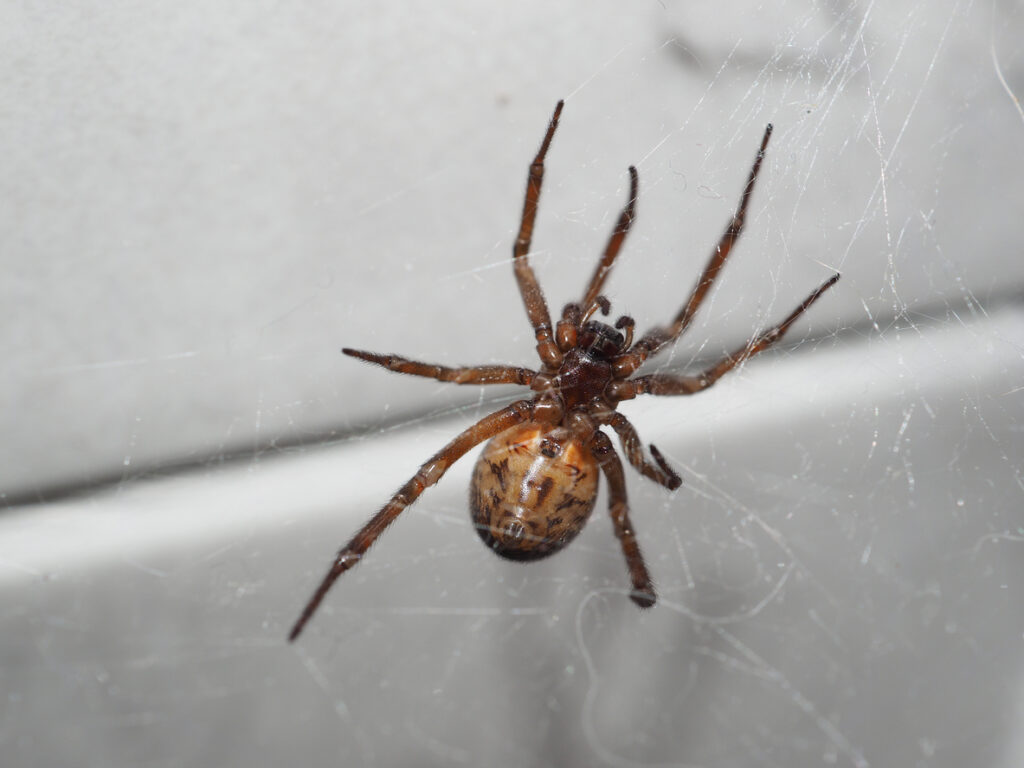
They might not be deadly, but some can deliver a bite that’s painful, irritating, and occasionally serious if you’re unlucky. These species often look ordinary, which makes them easy to overlook until one shows up in your house or garden.
While they’re not out to harm anyone, it helps to know which spiders can actually cause trouble if provoked. From sneaky biters to surprisingly tough web-spinners, these are the British spiders that are a little more dangerous than most people realise.
1. The noble false widow
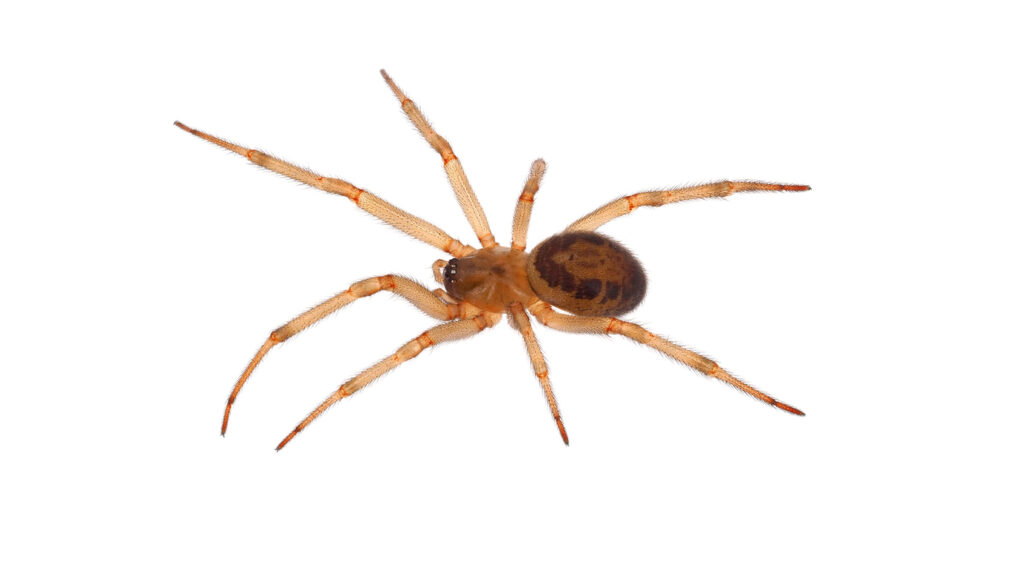
This is Britain’s most famous “scary” spider, and for good reason. The noble false widow looks a bit like the deadly black widow, though it’s smaller and less dangerous. Its bite can cause pain, swelling, and sometimes numbness that lasts for days.
They’re often found in sheds, garages, or corners of houses. While they’re not aggressive, they’ll bite if trapped against the skin, so it’s best to move them with care rather than your hand.
2. The woodlouse spider
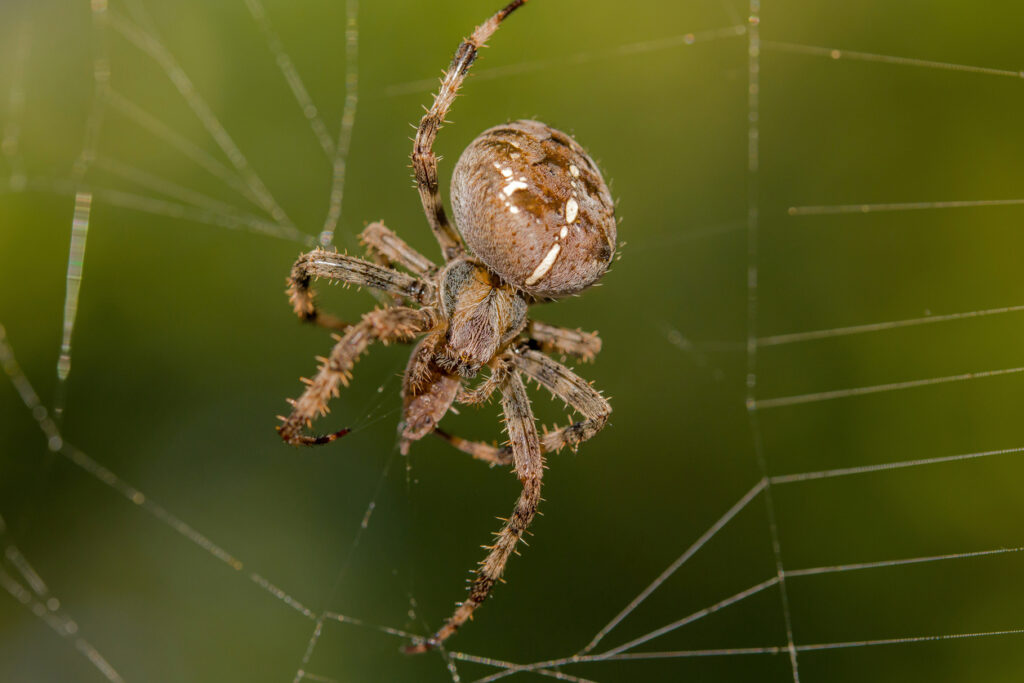
Recognisable by its reddish body and shiny head, the woodlouse spider is common across the UK. It hunts woodlice under logs, stones, and plant pots, using its large fangs to pierce their shells. Its bite is rare but can be painful, similar to a bee sting. The area may swell or become itchy for a day or two, though it’s not medically serious. Still, it’s one to avoid handling directly.
3. The tube web spider
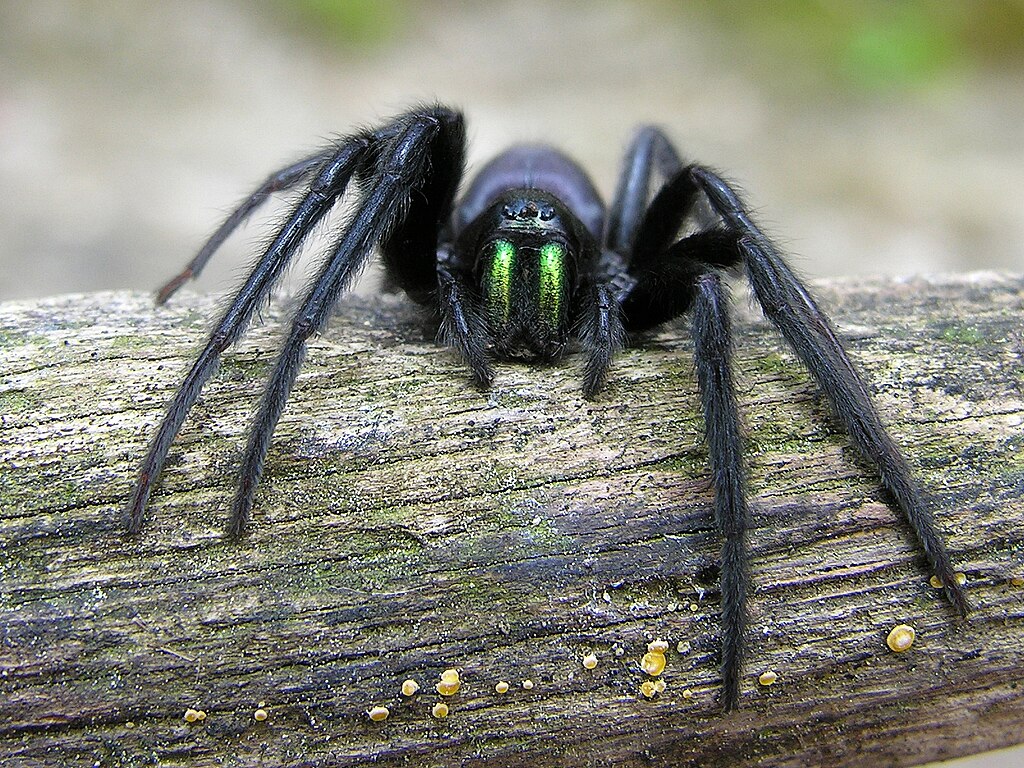
This dark, glossy spider is often found in southern England. It builds tunnels in walls or cracks and guards them fiercely. Its greenish fangs are strong enough to break human skin. The bite is sharp and immediate, sometimes followed by swelling or mild dizziness. It’s not dangerous, but it’s one of the few spiders in the UK that can genuinely draw blood, so keep your distance if you spot one.
4. The cardinal spider
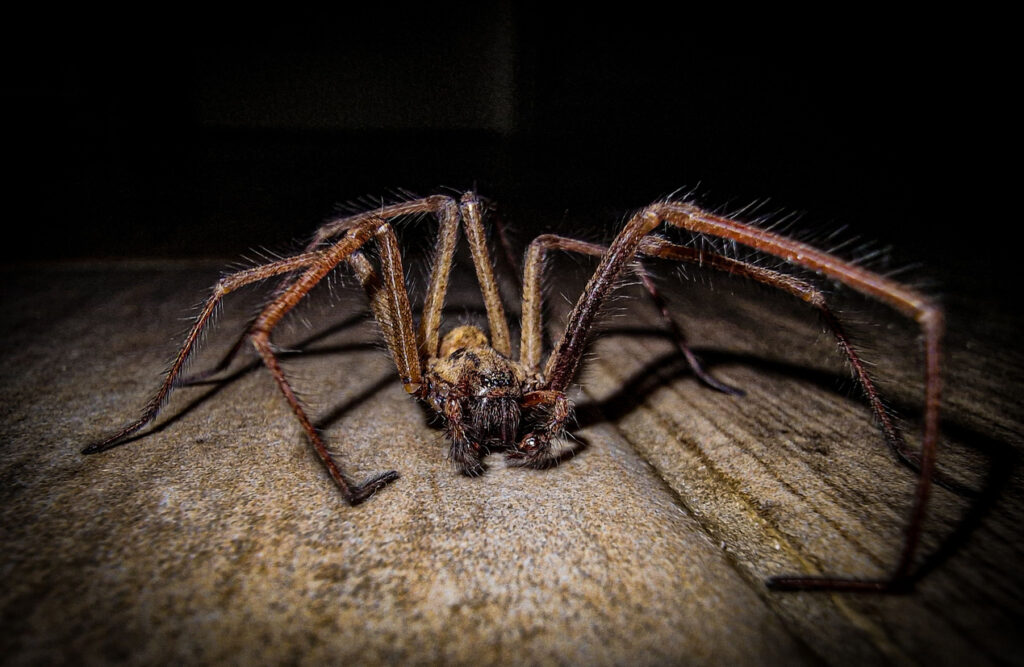
Known as Britain’s largest spider, the cardinal can grow up to 12 cm across. Its size alone is enough to make people nervous, but it’s usually harmless unless cornered. If it does bite, it can cause minor pain and redness. They prefer old buildings and are often found near windows or basements. They might look frightening, but they’d rather run than fight.
5. The walnut orb-weaver
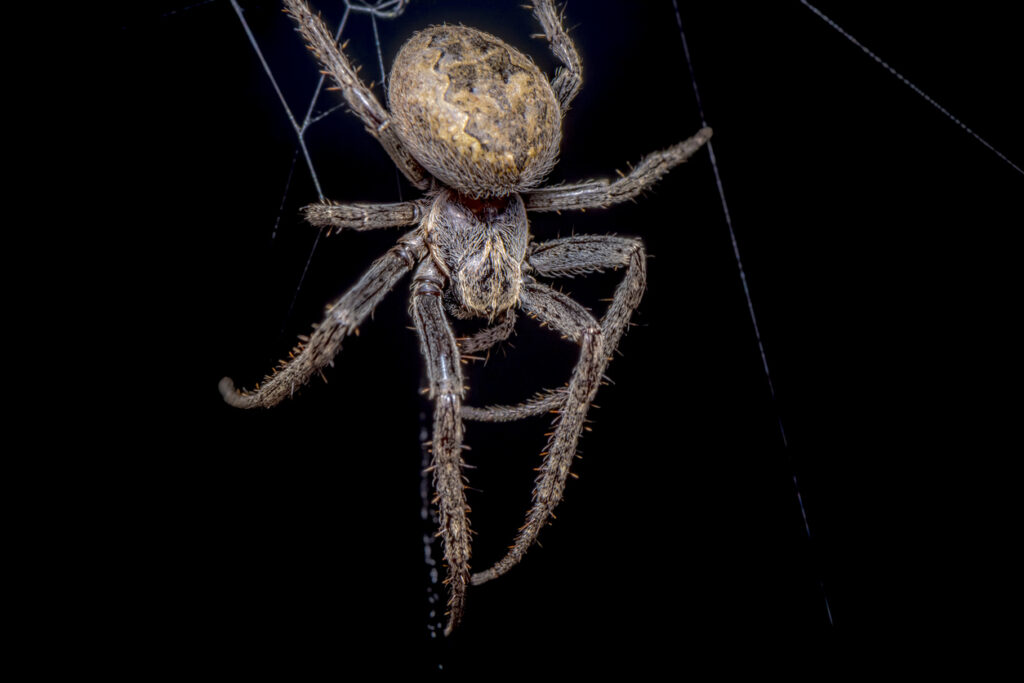
These chunky little spiders live in gardens and spin their webs on fences or sheds. They’re easy to spot thanks to their round, dimpled bodies that look like walnuts. Their bites are uncommon, but when they happen, they can cause redness and mild swelling. They’re not aggressive and usually only bite when pressed against the skin accidentally.
6. The black lace-weaver
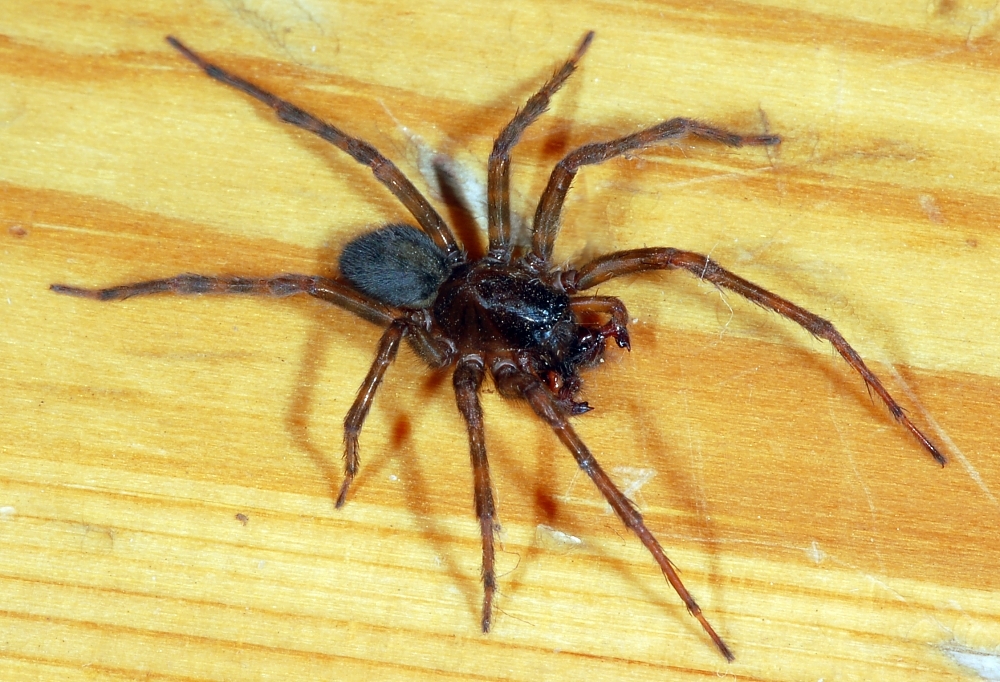
This small, dark spider often turns up in houses during autumn. It’s fast-moving and defensive, which can make it seem more threatening than it is. Its bite feels like a sharp prick, followed by mild soreness or a red mark. While not dangerous, the reaction can last a few days, especially for those with sensitive skin.
7. The cellar spider
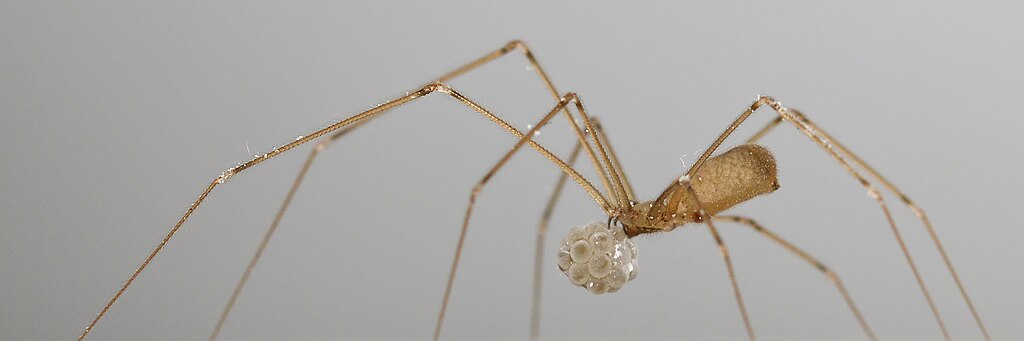
Often mistaken for “daddy long legs,” these spiders are harmless but can bite if provoked. Their long legs make them look more intimidating than they are. Most people won’t react to a bite, though a few might feel minor itching or irritation. They’re actually useful housemates, feeding on smaller spiders and pests.
8. The wasp spider
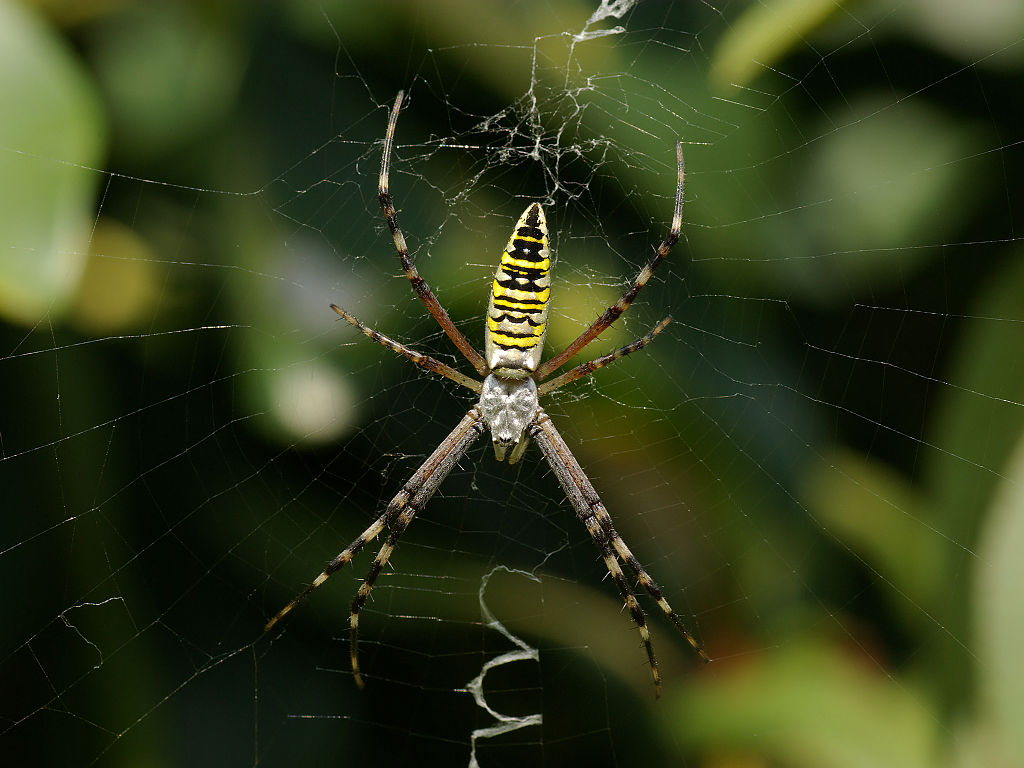
This bright yellow and black spider looks exotic but has become more common in southern Britain. It weaves large webs in long grass and fields and preys on flying insects. Its bite is very rare and usually only causes mild pain, similar to a nettle sting. It’s striking to look at, but not one to fear, just admire from a safe distance.
9. The garden spider
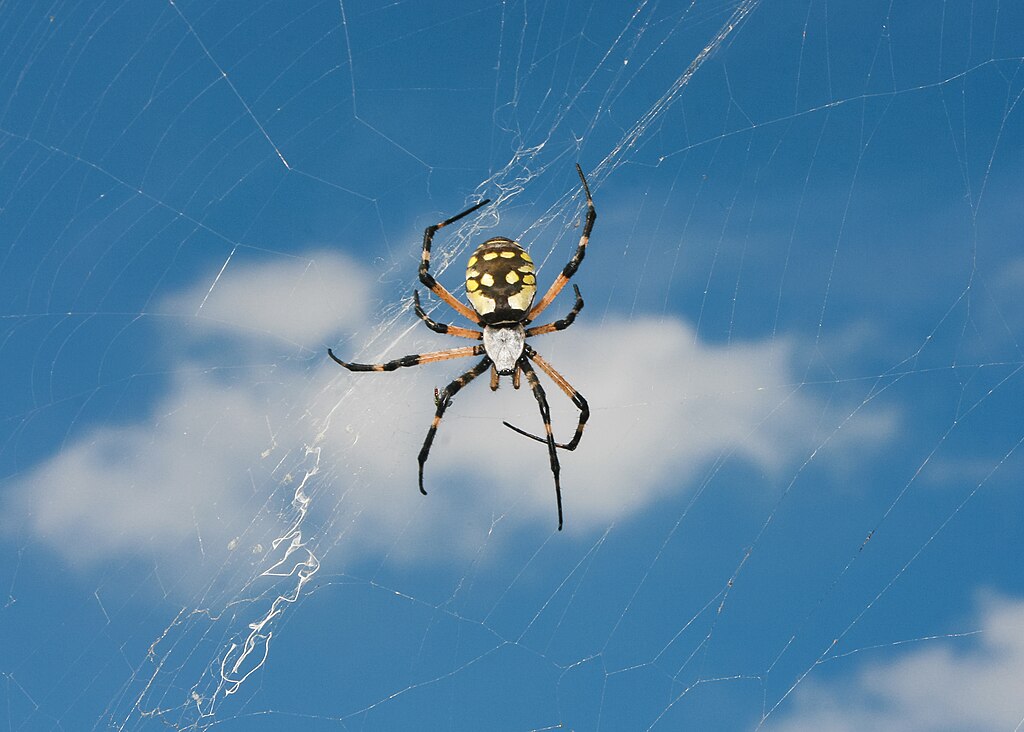
With its cross-shaped markings, the garden spider is one of the most familiar species in the UK. They’re gentle and unlikely to bite unless handled roughly. When they do, the pain is mild and over quickly, though swelling can appear in sensitive skin. They play a big part in keeping flies and mosquitoes under control, so it’s best to let them be.
10. The zebra jumping spider
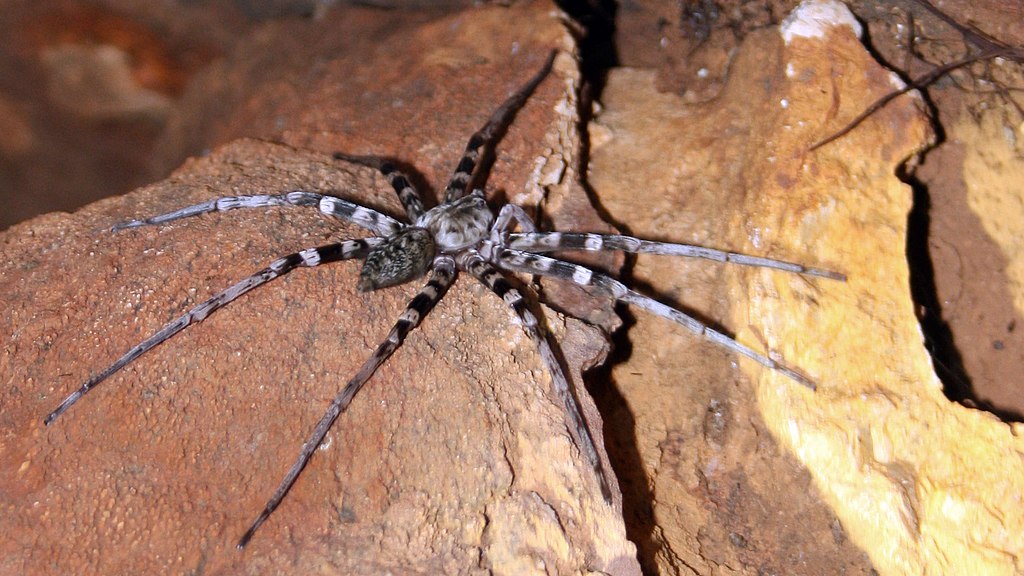
These small, black-and-white spiders are often seen on sunny walls or windowsills. They move in short jumps and have surprisingly good eyesight. Their bites are extremely rare and only cause mild irritation, but their speed can startle people. They’re harmless hunters that keep your home free of smaller bugs.
11. The mouse spider
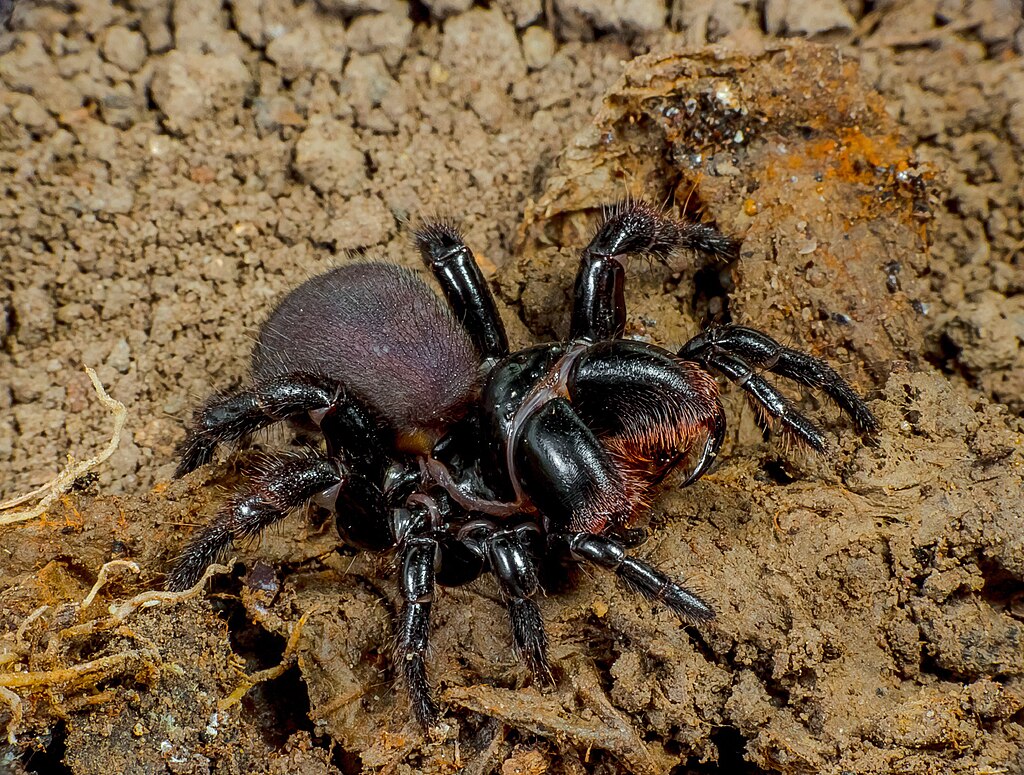
This spider’s velvety body and dark colour make it look more dangerous than it is. It gets its name from its soft, mouse-like texture rather than anything to do with rodents. Its bite is uncommon but can cause brief pain and a red patch. They prefer to hide under debris or in dark corners and are not naturally aggressive.
12. The house spider
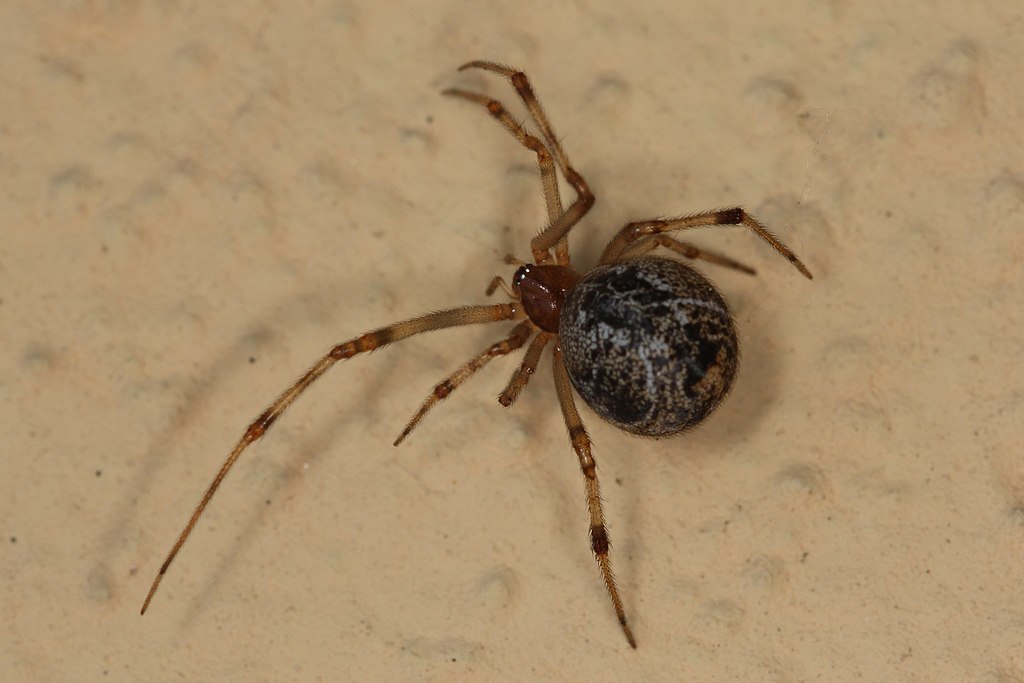
Every autumn, they seem to appear from nowhere, racing across the carpet or hiding in the bath. House spiders are common and mostly harmless, though their size makes them alarming. In rare cases, their bite can cause mild irritation or swelling. They’re harmless pest controllers that keep your home clear of insects, so it’s better to guide them outside than squash them.
13. The marbled orb-weaver
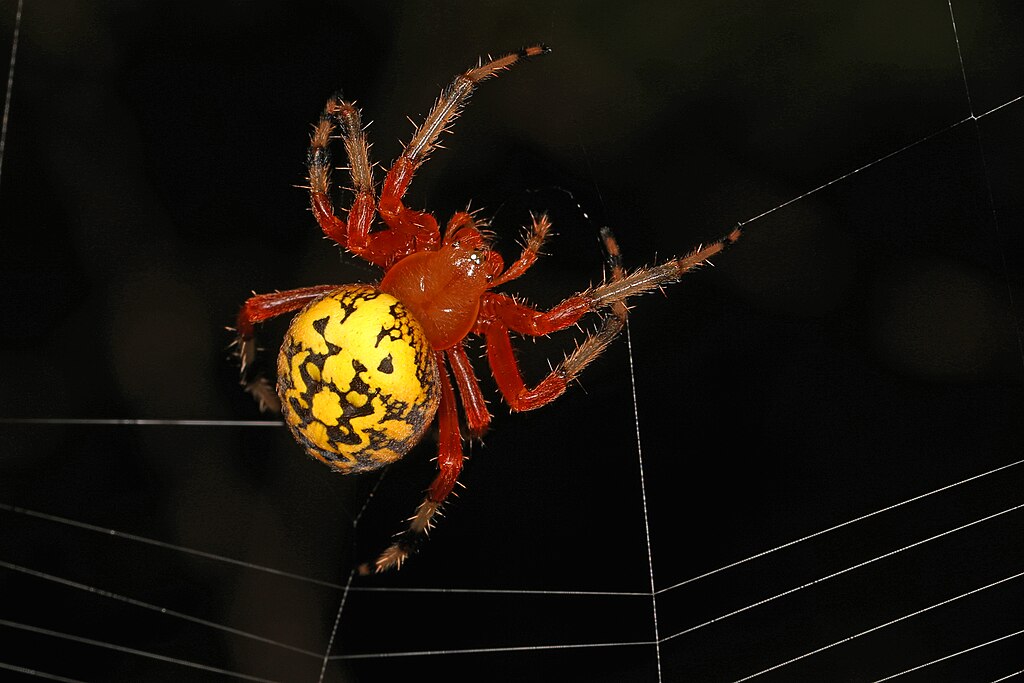
With its colourful, patterned body, this spider looks tropical but is native to the UK. It usually lives in gardens, spinning large webs between trees or fences. Its bite is rare but can sting for a few minutes before fading. It’s not aggressive and only bites when pressed against the skin accidentally.
14. The false widow lookalikes
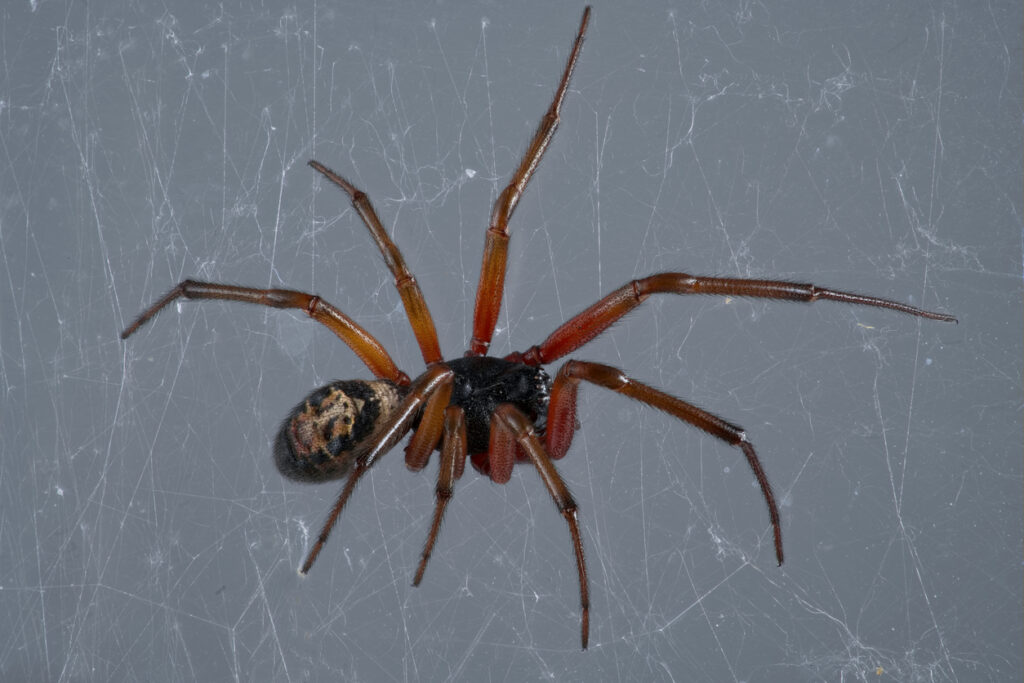
Many British spiders get mistaken for the false widow, including the cupboard spider and the black lace-weaver. While they look similar, most are less venomous and less likely to bite. Still, their bites can cause short-term redness or itching. It’s smart to be cautious, but not every dark, shiny spider is as risky as people think.
Most British spiders aren’t dangerous, but a few can bite hard enough to leave a mark. If you ever get bitten and notice swelling, pain, or signs of infection, wash the area and see a doctor if it doesn’t settle down. For the most part, though, the spiders in your home are harmless, and often more scared of you than you are of them.