Most gardeners think about colour, sunlight, and soil, not the law.
However, in the UK, there are certain plants you can’t legally grow, no matter how striking or exotic they look. Some are banned because they’re invasive and destroy native habitats, while others are toxic, dangerous, or linked to environmental damage.
It might seem harmless to add a rare species to your garden, but a few of these plants can spread fast, cause harm to wildlife, or even land you with a fine. Knowing which ones to avoid isn’t just about staying on the right side of the law; it’s about protecting the balance of Britain’s ecosystems.
1. Japanese knotweed
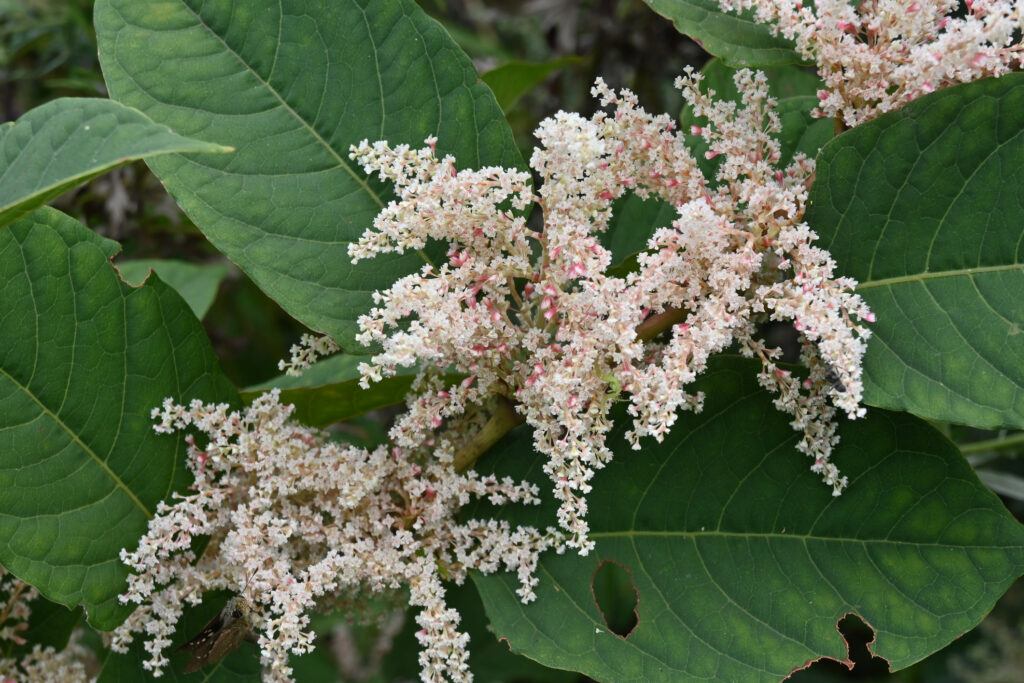
Japanese knotweed is so aggressively invasive that it’s illegal to plant it or allow it to spread from your property. It can grow through concrete, tarmac, and building foundations, causing thousands of pounds worth of structural damage. If it spreads from your garden to neighbouring properties or public land, you can be prosecuted and fined up to £5,000, or face unlimited fines and even prison for more serious cases.
Even if you want it gone, you’re legally responsible for disposing of it properly. You can’t just chuck it in your garden waste bin or dump it somewhere. The roots can regenerate from tiny fragments, so any soil containing knotweed is classified as controlled waste. You need licensed contractors to remove it, which can cost thousands. If you’ve got it on your property, you need to deal with it immediately before it spreads further.
2. Giant hogweed

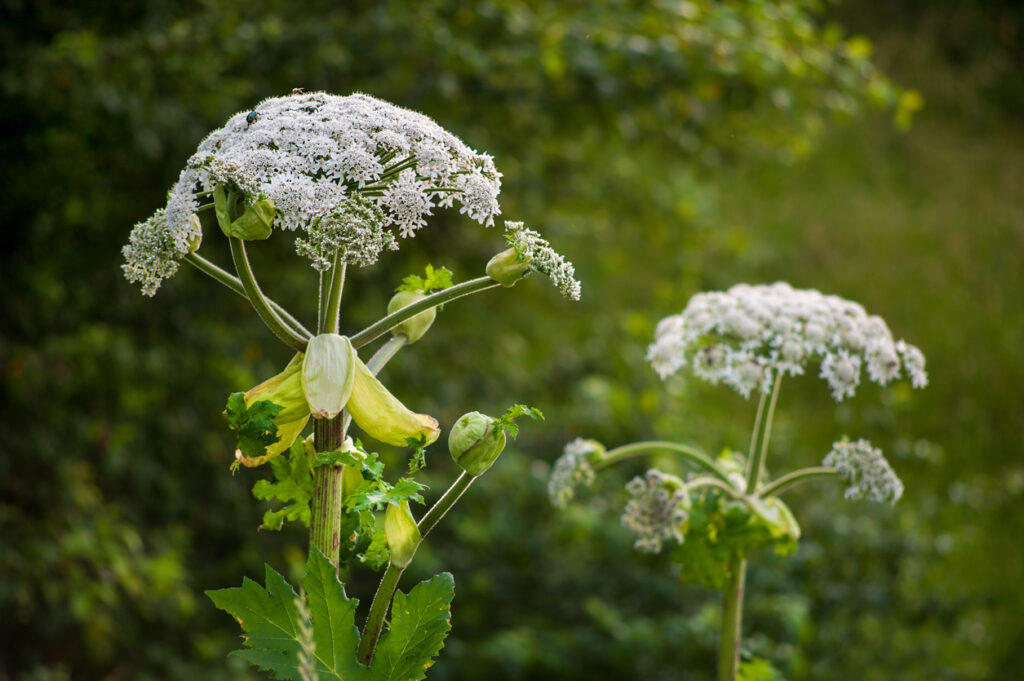
Giant hogweed looks dramatic and architectural, which is why Victorian gardeners originally brought it to the UK. But its sap contains toxic chemicals that cause severe burns and blisters when exposed to sunlight. The burns can last for months and leave permanent scarring. It’s illegal to plant it, and you’re required to prevent it spreading from your property under the Wildlife and Countryside Act.
If you’ve got giant hogweed growing, you need to remove it while wearing full protective clothing, including gloves and face protection. Even brushing against it can cause serious injury. Children are particularly vulnerable because they don’t know to avoid it. If it spreads to public footpaths or areas where people walk, you could face prosecution. It’s genuinely dangerous, not just problematic.
3. Cannabis

This one’s obvious but worth stating. Growing cannabis is illegal in the UK regardless of whether it’s for personal use, medical purposes, or just because you think it looks nice. You can be prosecuted for cultivation even if you’ve only got a single plant on your windowsill. The maximum penalty is 14 years in prison and an unlimited fine, though sentences for small scale personal cultivation are usually less severe.
Some people genuinely don’t realise that growing it is treated more seriously than possession. Even if you’re growing it for CBD oil or because you think it has medicinal properties, it’s still illegal without a Home Office licence. The plant itself is controlled, so you can’t argue you were growing it for any legitimate purpose. If you’re caught, you’ll get a criminal record at minimum.
4. Opium poppies (Papaver somniferum)
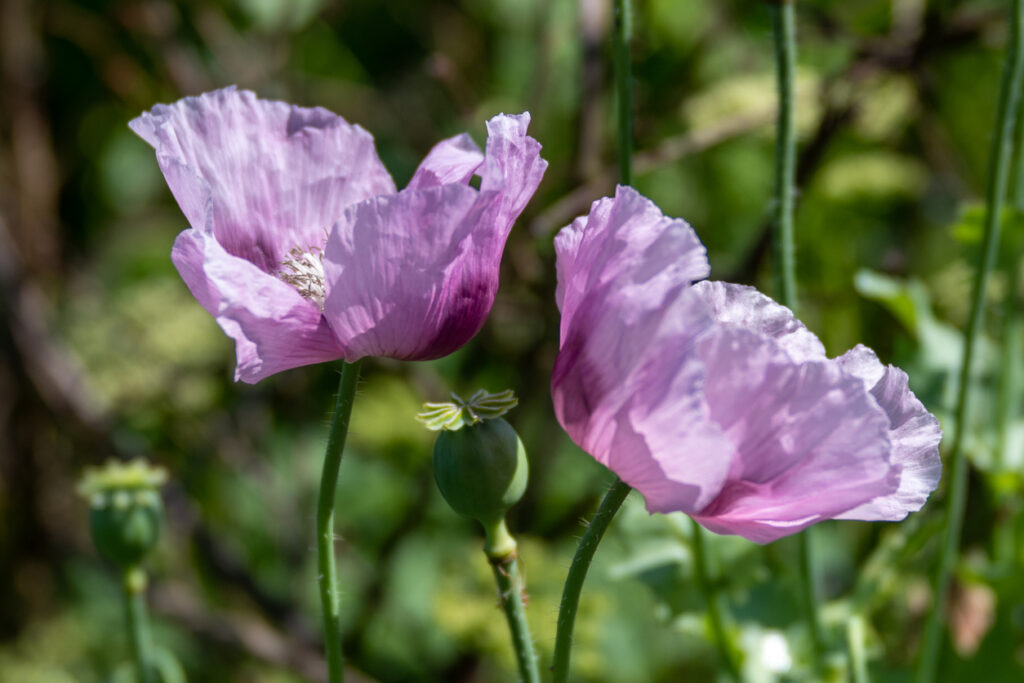
The ornamental poppies that produce opium are technically illegal to grow if you’re intending to extract opium from them, but the law’s a bit fuzzy. You can buy the seeds legally, and they’re sold in garden centres. Growing them as ornamental plants is generally tolerated. But if there’s evidence you’re cultivating them for drug production, you’re breaking the Misuse of Drugs Act and face up to 14 years in prison.
The confusion comes because these poppies are genuinely beautiful garden plants and lots of people grow them innocently. You won’t get prosecuted for having a few in your flower border. But if you’ve got fields of them or equipment suggesting extraction, you’re in trouble. It’s one of those technically illegal things that’s prosecuted based on intent rather than the mere presence of the plant.
5. Himalayan balsam

Himalayan balsam is illegal to plant or cause to grow in the wild under the Wildlife and Countryside Act. It’s a massively invasive species that outcompetes native plants and causes erosion along riverbanks. The seeds can spread up to seven metres from the parent plant, and a single plant can produce up to 800 seeds. Once it’s established in an area, it’s incredibly difficult to control.
If you’ve got it growing in your garden, you’re required to control it and prevent it from spreading. You can’t just leave it because it looks pretty or because you like the flowers. If seeds from your garden spread to neighbouring properties or into the wild, you could face prosecution. The good news is it’s relatively easy to pull up because the roots are shallow, but you need to do it before it sets seed.
6. Floating pennywort
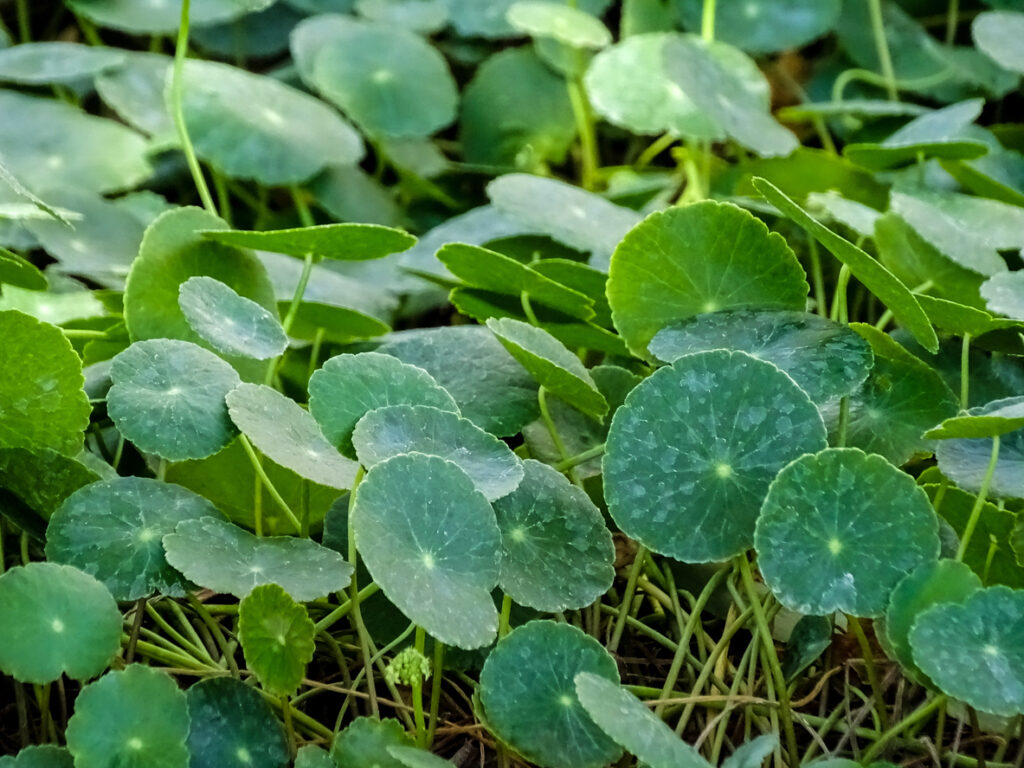
Floating pennywort is an aquatic plant that’s illegal to plant or allow to grow in the wild. It forms dense mats on the surface of ponds, rivers, and canals, blocking light and oxygen to everything below. It kills fish, destroys native water plants, and can completely choke waterways. It spreads from tiny fragments, so even a small piece can start a new infestation.
If you’ve got a garden pond, you absolutely cannot use floating pennywort even though it might look nice. If any of it escapes into natural waterways, either through flooding or being dumped, you’re liable for prosecution. Councils spend hundreds of thousands clearing it from waterways, and it just keeps coming back. Keep it out of your pond entirely, and report it if you see it growing in local water.
7. Rhododendron ponticum
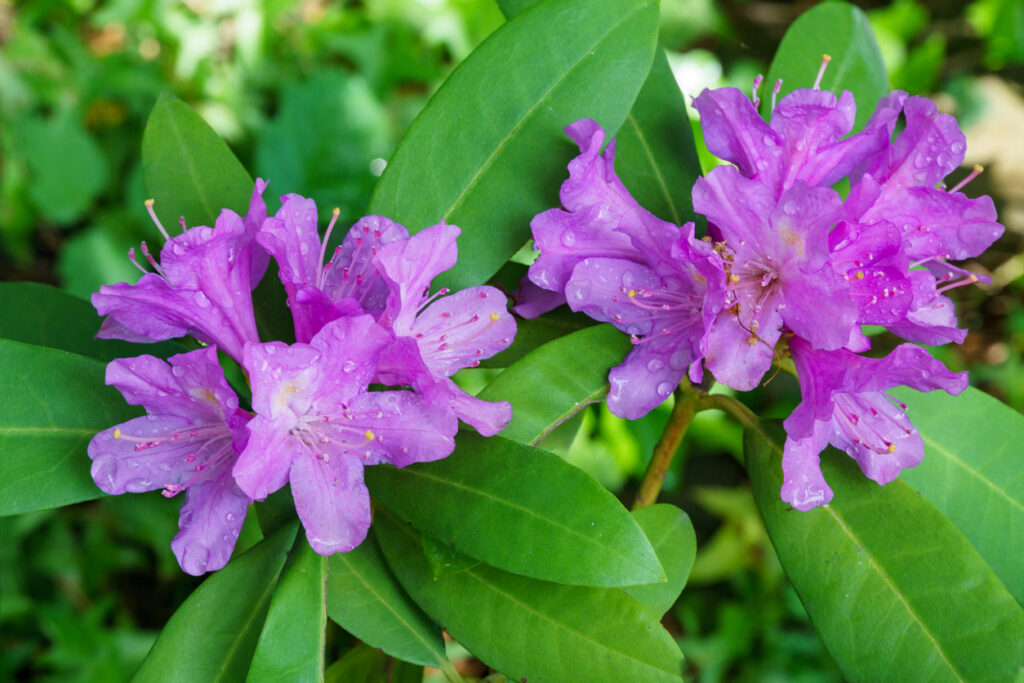
This specific rhododendron species is invasive and toxic to livestock and wildlife. While it’s not illegal to have existing plants, there are controls on planting it in certain areas, particularly near woodlands and conservation sites. It forms dense thickets that nothing else can grow through, shading out native plants and creating dead zones for wildlife.
If you’ve got Rhododendron ponticum on your property near protected areas or Sites of Special Scientific Interest, you might be required to control or remove it. The plant contains toxins that contaminate soil and water, and even honey made from its flowers is poisonous. Many conservation areas are fighting expensive battles to clear it. Check with your local authority before planting any rhododendrons near natural areas.
8. New Zealand pigmyweed (Australian swamp stonecrop)
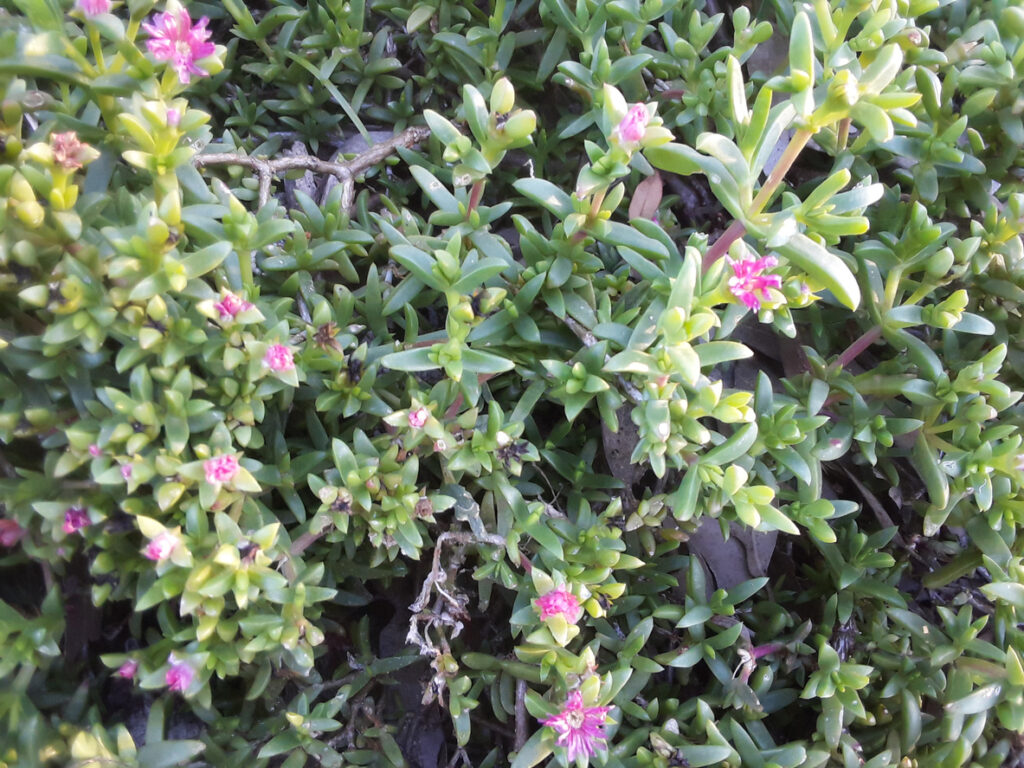
This aquatic plant is banned from sale and illegal to plant in the wild. It was originally sold for garden ponds and aquariums, but it escapes easily and completely takes over water bodies. It grows incredibly quickly, doubling its mass in four days under good conditions. It chokes out everything else and creates impenetrable mats.
If you’ve got it in your pond, you cannot dispose of it in natural waterways or compost it. Even tiny fragments can regenerate, so you need to bag it and bin it or burn it once it’s dried out. If you’re selling or giving away pond plants, you need to make absolutely sure this isn’t mixed in with them. Spreading it, even accidentally, can result in prosecution.
9. Ragwort near grazing land
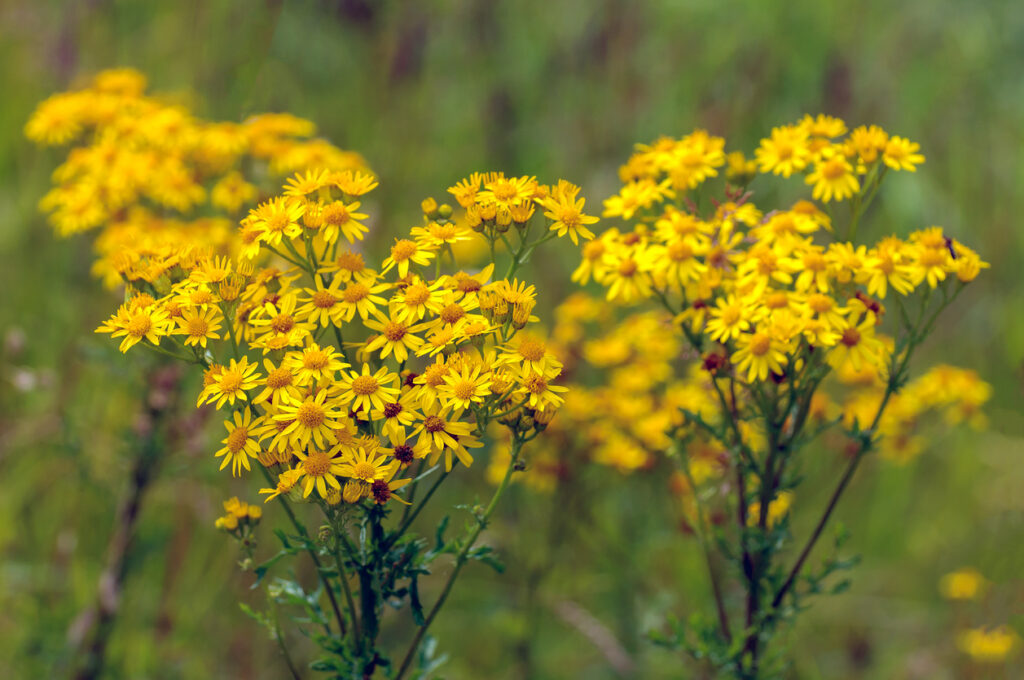
Ragwort isn’t completely illegal, but if you’ve got it growing on your land near where horses or livestock graze, you’re required to control it under the Weeds Act 1959 and the Ragwort Control Act 2003. It’s highly toxic to horses and cattle, causing irreversible liver damage. Even dried in hay, it remains poisonous, and animals will eat it when they wouldn’t touch it fresh.
If your local council issues you with a notice to control ragwort, and you don’t comply, you can be prosecuted. You need to pull it up before it flowers and sets seed, making sure to wear gloves because the plant can cause skin irritation. You cannot compost it because it can still spread. Bag it and dispose of it in general waste. If you’ve got horses or livestock, or you’re near land that does, check your boundaries regularly.
10. Skateboarding plant (Parrot’s feather)
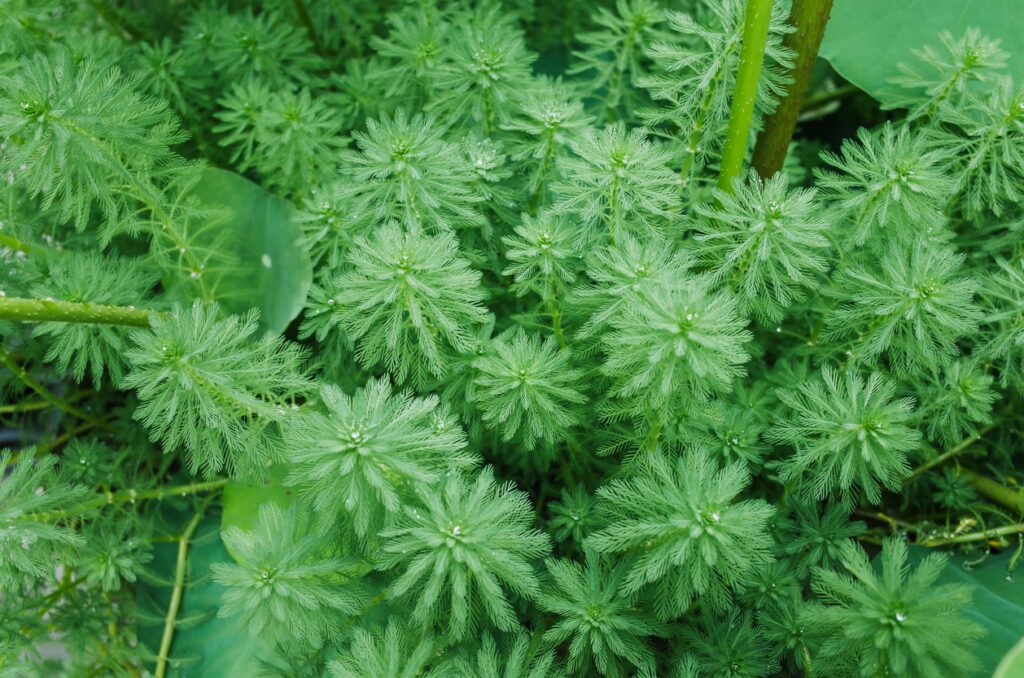
Parrot’s feather is another aquatic plant that’s illegal to plant in the wild or sell. It’s often found in garden centres sold for ponds, but it’s a controlled invasive species. It forms dense mats on water surfaces and along margins, outcompeting native plants and disrupting ecosystems. It spreads easily from fragments and can survive in damp soil as well as water.
If you’ve got it in your garden pond, you’re technically allowed to keep it contained there, but you’re responsible for making sure it never escapes into natural waterways. This means being extremely careful about how you dispose of pond waste and what happens during flooding. Most guidance now recommends removing it entirely and replacing it with native pond plants. If you’re buying pond plants, make sure this isn’t included because sellers shouldn’t be offering it.