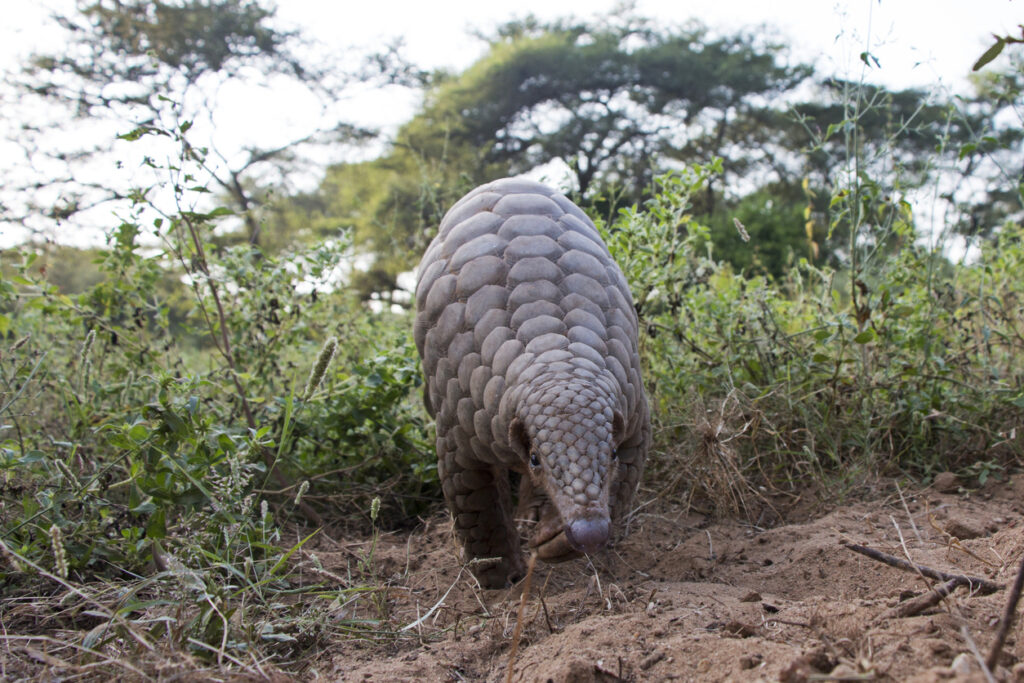
At first glance, the pangolin looks like something out of a fairy tale.
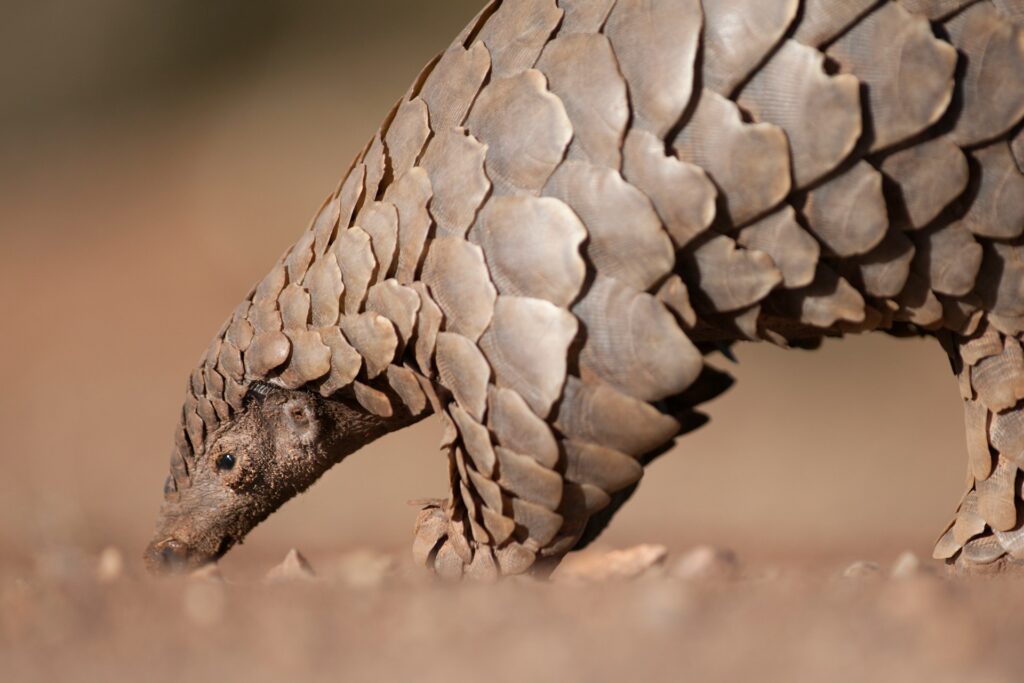
It’s basically a walking pinecone with scales that shimmer in the light and a shy, almost prehistoric charm. It’s the only mammal on Earth completely covered in protective armour, curling into a tight ball when threatened. However, that very defence mechanism has become its downfall.
Across Asia and Africa, pangolins are hunted at alarming rates for their meat and scales, making them the most trafficked animal in the world. Despite global bans and rising awareness, illegal trade continues to push them toward extinction. Their story is a heartbreaking reminder of how beauty and rarity can turn a species into a target.
They’re covered in scales made from the same stuff as your nails.
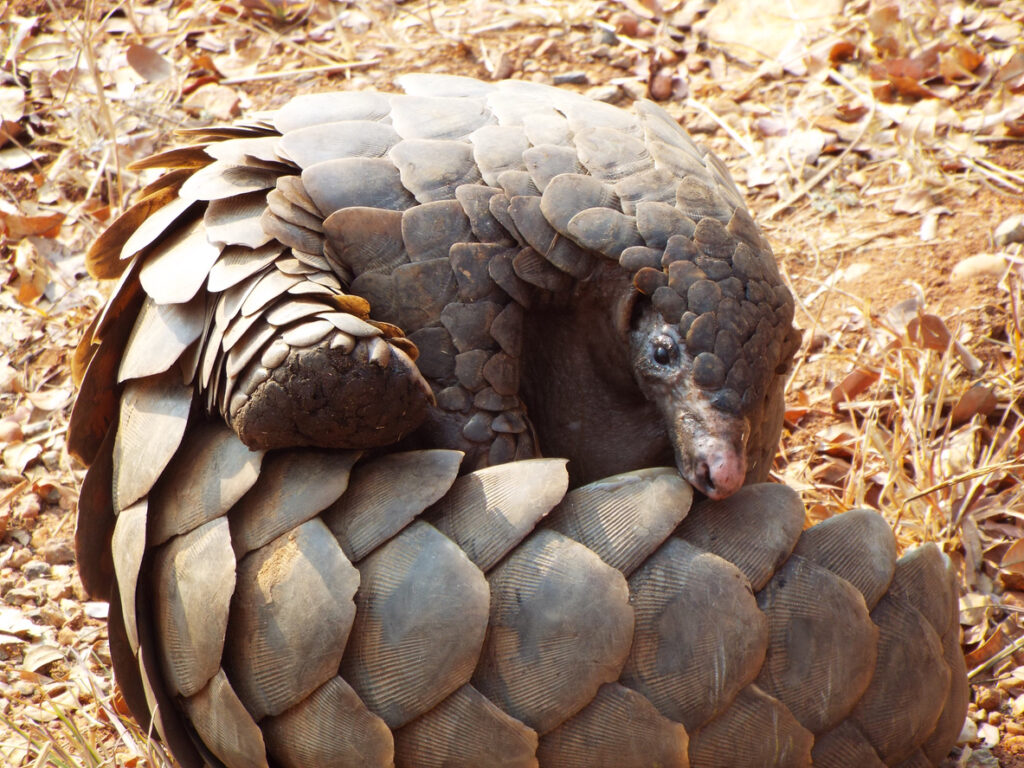
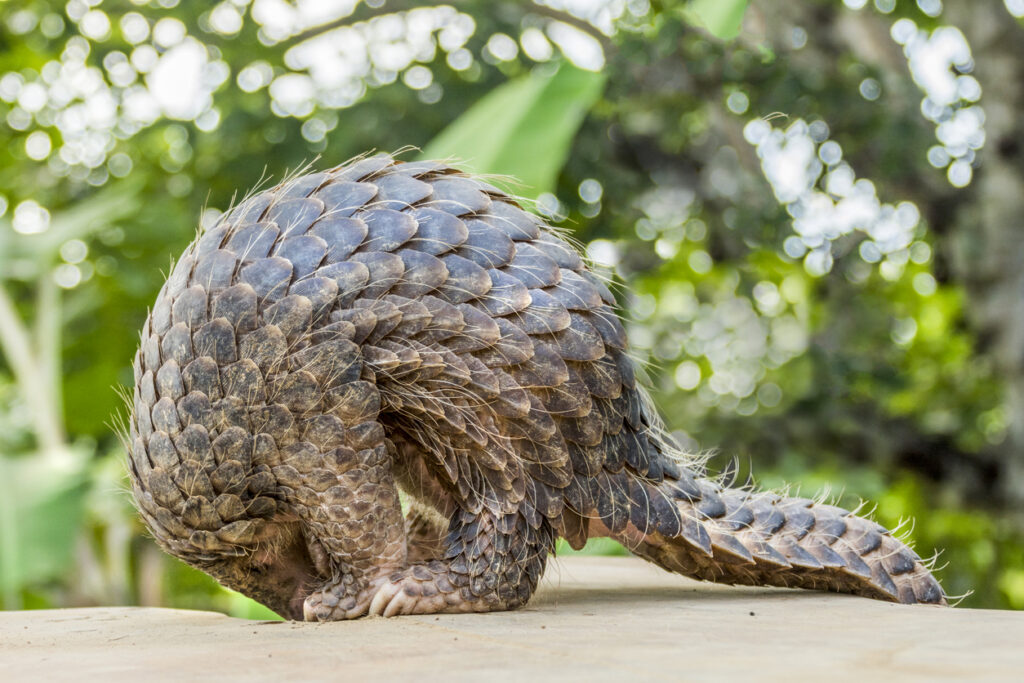
Pangolin scales are made from keratin, which is the exact same thing your fingernails are made from. They’re not like reptile scales at all, they’re basically modified hairs that evolved into hard plates. A pangolin has between 400 and 1000 scales covering its whole body except its belly, and the scales make up about a fifth of its total weight.
When something threatens them, pangolins roll into a tight ball with their scales facing out. This creates an armoured sphere that predators like leopards can’t break through. It works perfectly against natural predators but makes them stupidly easy for humans to catch. They just roll up and sit there waiting, which means poachers can literally just pick them up.
They only eat ants and termites.
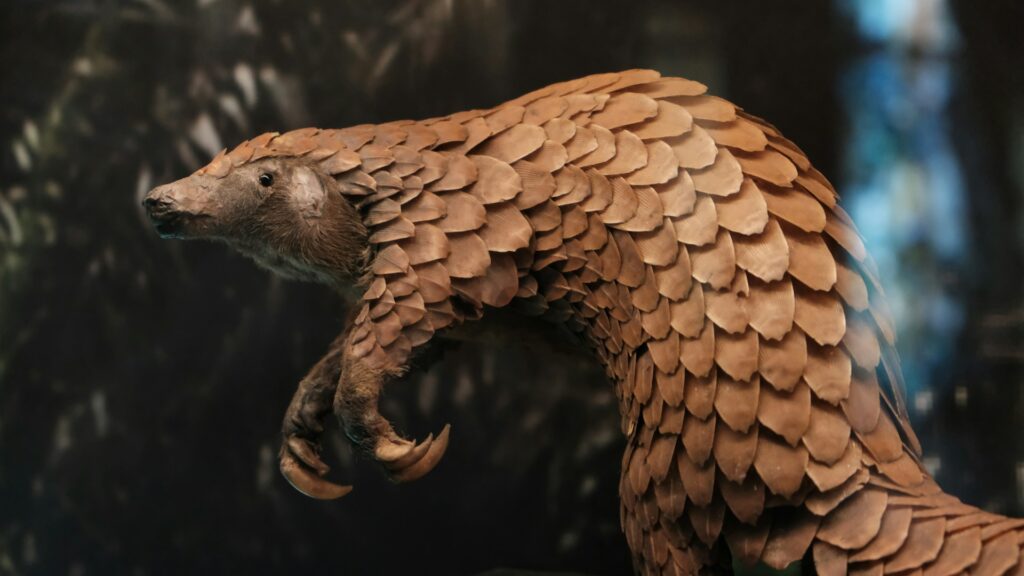
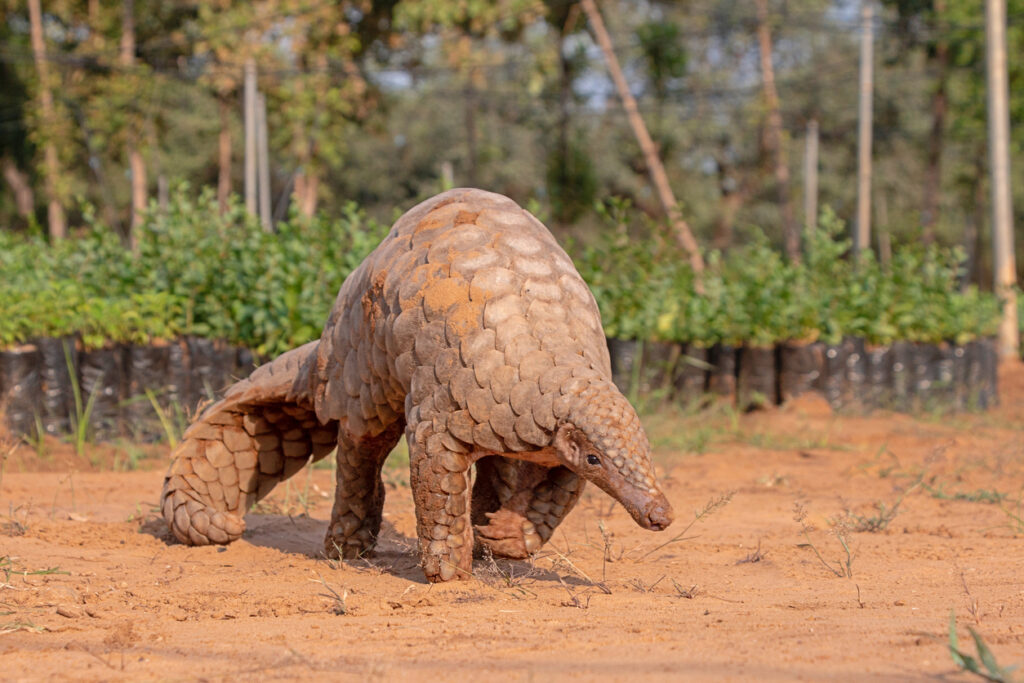
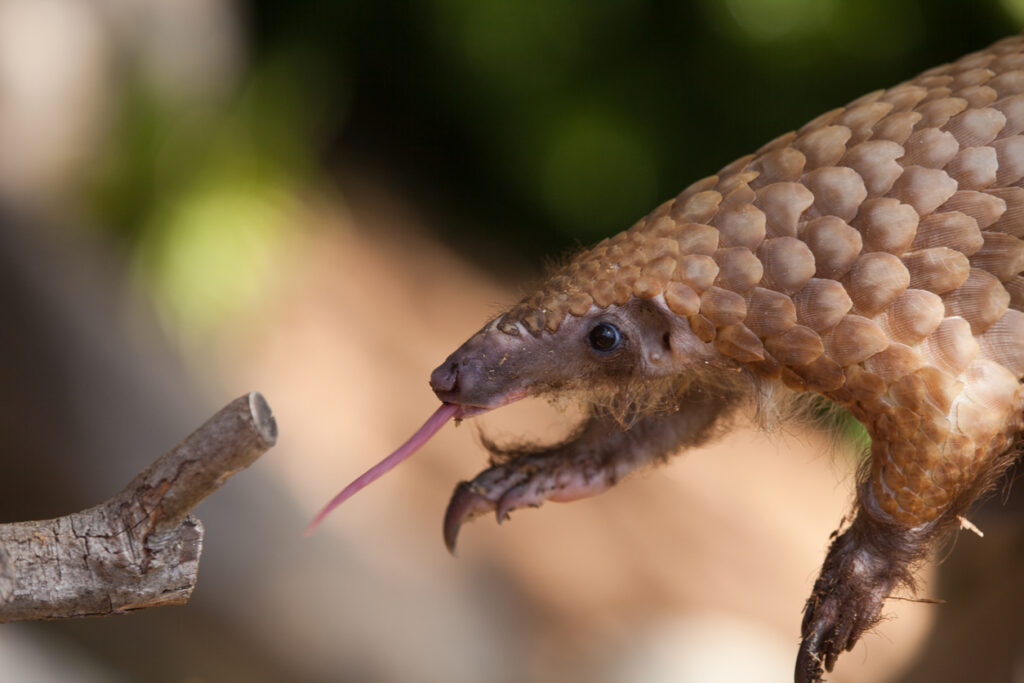
Pangolins eat nothing but ants and termites. That’s it. A single pangolin eats up to 70 million insects every year. They’ve got no teeth, just a ridiculously long, sticky tongue that can reach 40 centimetres into nests. The tongue is so long it’s attached near their pelvis and stored in their chest when they’re not using it.
This means you can’t keep them in zoos or rescue centres because they refuse to eat anything except live ants and termites. Most rescued pangolins die within months because getting their diet right is nearly impossible. They also can’t adapt to habitat loss by eating other things like most animals can. If their food disappears, they die.
All eight species are dying out.
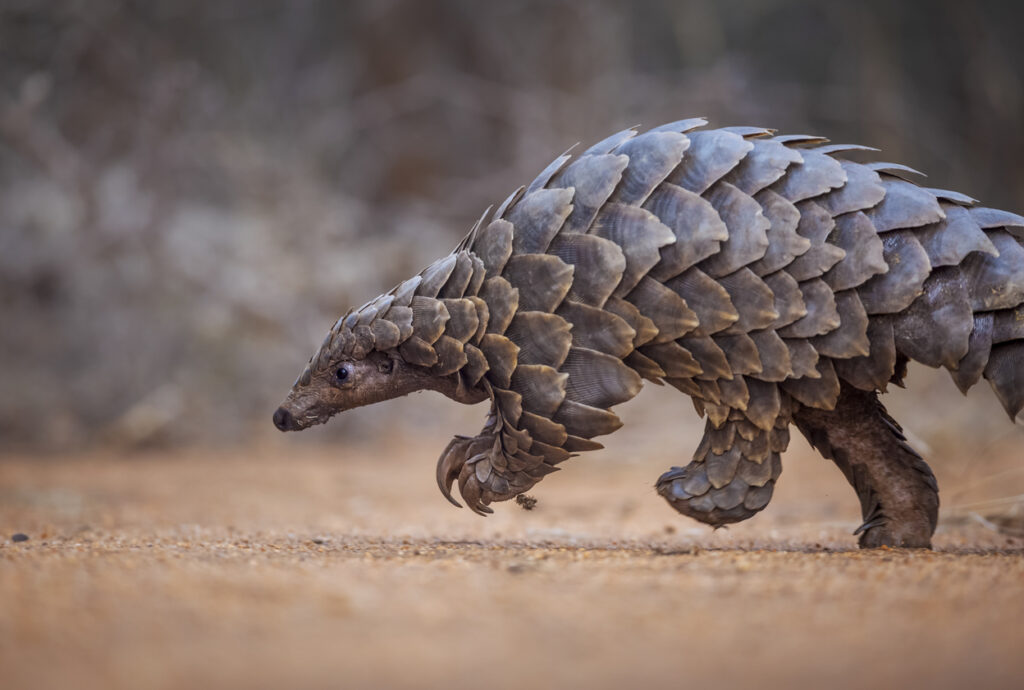
There are four pangolin species in Asia and four in Africa. Every single one is listed as vulnerable, endangered, or critically endangered. Some have lost 80% of their population in recent decades. Experts think pangolins could be completely extinct in the wild within 10 years if the hunting continues at this rate.
They range in size from about 1.5 kilograms to 35 kilograms, depending on the species. Even though they’re spread across two continents, they all face the same problem of being hunted relentlessly. There’s no safe population anywhere. Even in protected areas, they’re still being poached constantly.
They’re shy and have babies very slowly.
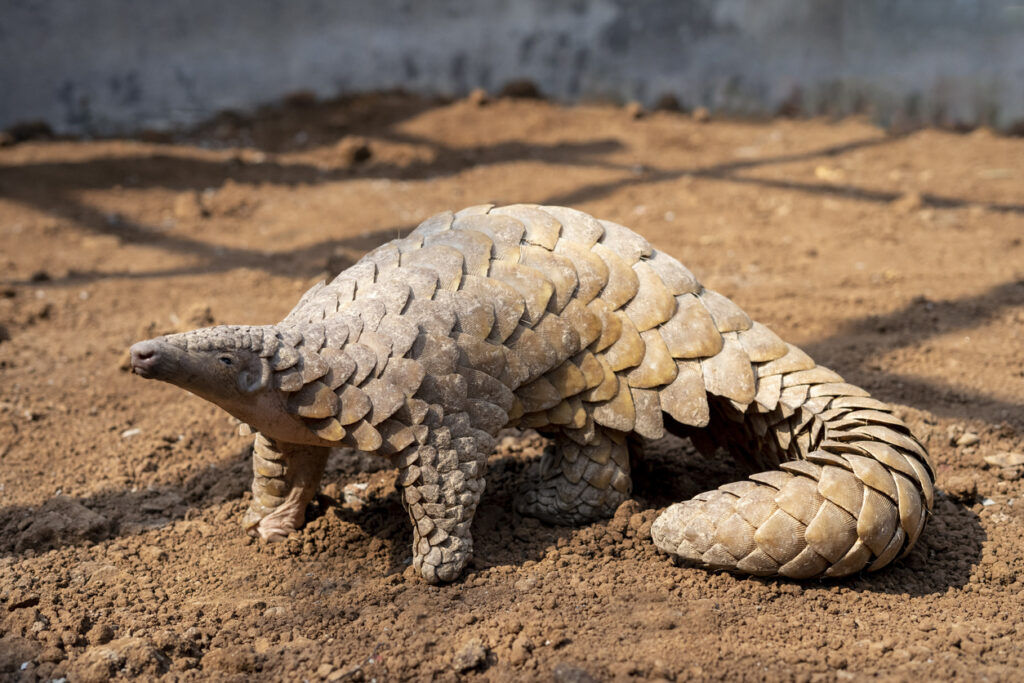
Pangolins are shy animals that come out at night and live alone. They only meet up to mate, then go back to being solitary. They’re so secretive that we still don’t know much about how they live in the wild, even though scientists are now studying them urgently because they’re disappearing.
Females only have one baby per year, and that baby stays with mum for months before it can survive alone. When populations get wiped out by poaching, it takes decades for them to recover, even if all hunting stops. Slow breeding plus heavy hunting equals extinction. The maths doesn’t work in their favour.
Their scales are completely useless, but people think they’re medicine.
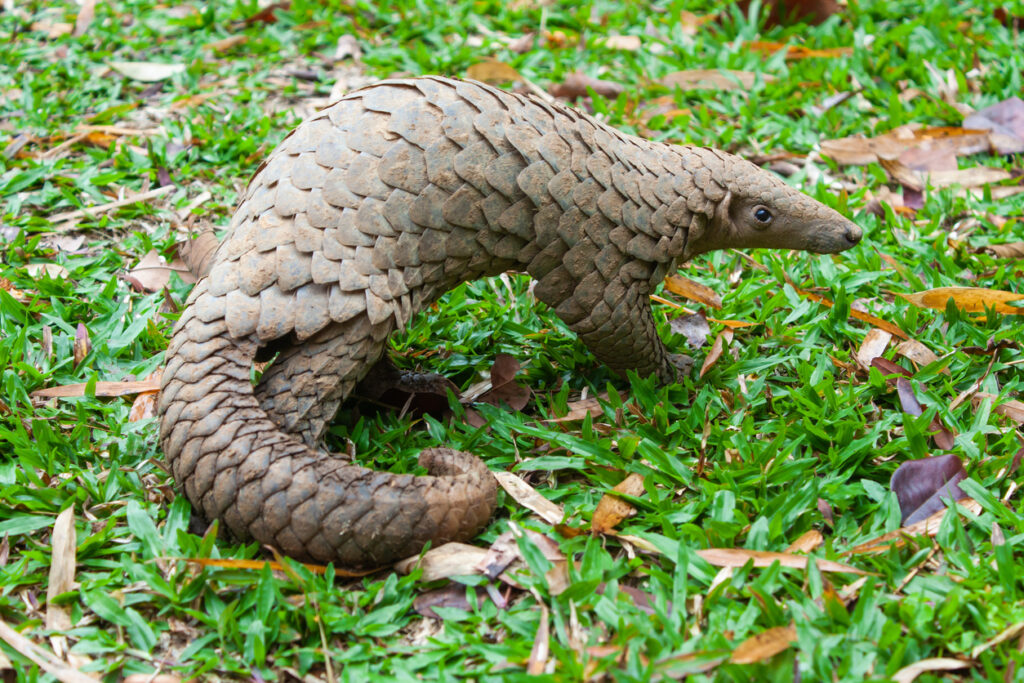
Pangolin scales have zero medical benefit. They’re made of keratin, exactly like your fingernails. Eating pangolin scales is literally the same as chewing your own nails, which is to say it does absolutely nothing medically. But traditional Chinese medicine claims they cure everything from cancer to acne, despite there being no scientific proof whatsoever.
This false belief drives the entire illegal trade. Scales sell for hundreds of pounds per kilogram on the black market. One pangolin can be worth thousands to poachers. The demand is so massive that Asian pangolins have nearly disappeared, so now African ones are being targeted instead. We’re wiping out an entire group of animals for something that scientifically doesn’t work.
Rich people eat them to show off.
In parts of Asia and Africa, eating pangolin meat is a status symbol for wealthy people. There’s no reason to eat it nutritionally, it’s purely about showing off money and status. Pangolin dishes cost hundreds of pounds in illegal restaurants. The meat is apparently quite tough and not even tasty, but that’s not the point. It’s about being rich enough to afford something rare and illegal.
The meat trade combined with the scale trade means every part of the pangolin gets sold. Nothing is wasted, which makes them incredibly valuable. In poor rural areas, one pangolin represents months of normal wages. As long as rich city people will pay stupid prices, poor people will keep hunting them. The economics make it nearly impossible to stop.
Over a million have been trafficked in 10 years.
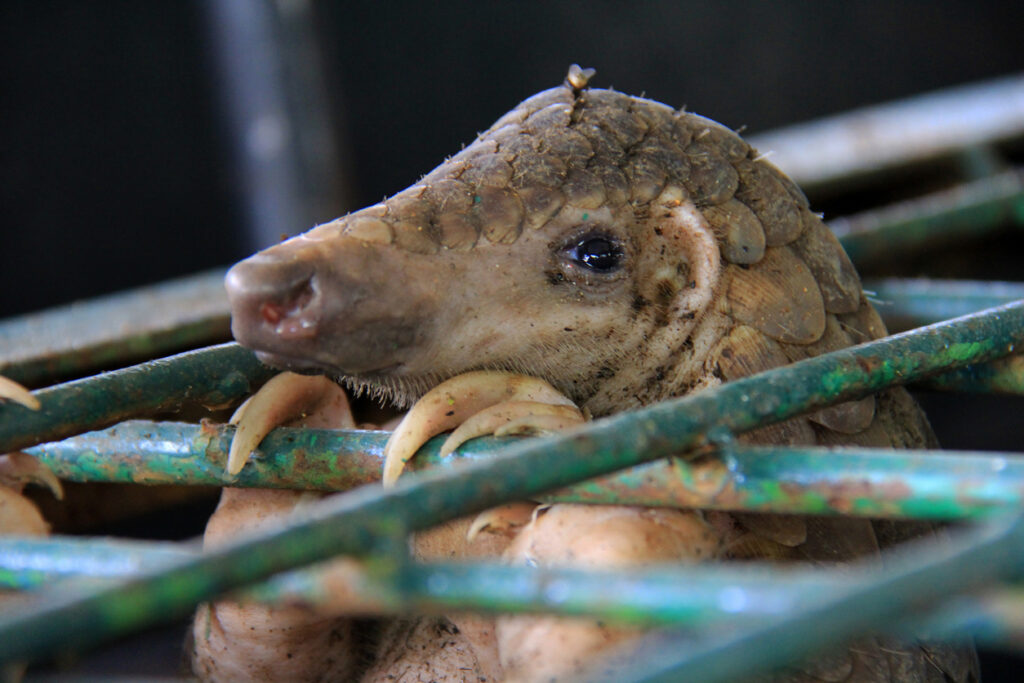
More than a million pangolins have been illegally traded in the last decade. That’s more than elephants, rhinos, and tigers combined. When authorities seize shipments of pangolin scales, it’s often multiple tonnes representing thousands of dead animals. In 2019, Singapore seized nearly 13 tonnes of scales from about 36,000 pangolins in just one shipment.
For every shipment that gets caught, many more get through. Experts think seizures only represent about 10 to 20% of the actual trade. The trafficking is industrial scale. Criminal gangs ship containers full of scales across continents using the same methods as drug trafficking. It’s organised crime, not just local poachers, which makes it incredibly hard to stop.
They might have been involved with coronavirus.
Pangolins were investigated as a possible link in how COVID-19 jumped from animals to humans. Pangolins sold at Chinese wildlife markets were carrying coronaviruses similar to the one that causes COVID. Whilst they’re probably not the main source, it showed how wildlife trafficking creates disease risks for everyone globally.
Wildlife markets where live pangolins are crammed in cages next to other stressed, sick animals create perfect conditions for viruses to jump between species. Eventually, one jumps to humans and you get a pandemic. Even if pangolins didn’t cause COVID, the trafficking trade is a ticking time bomb for the next disease outbreak that could kill millions of people.
They dig burrows that other animals use.
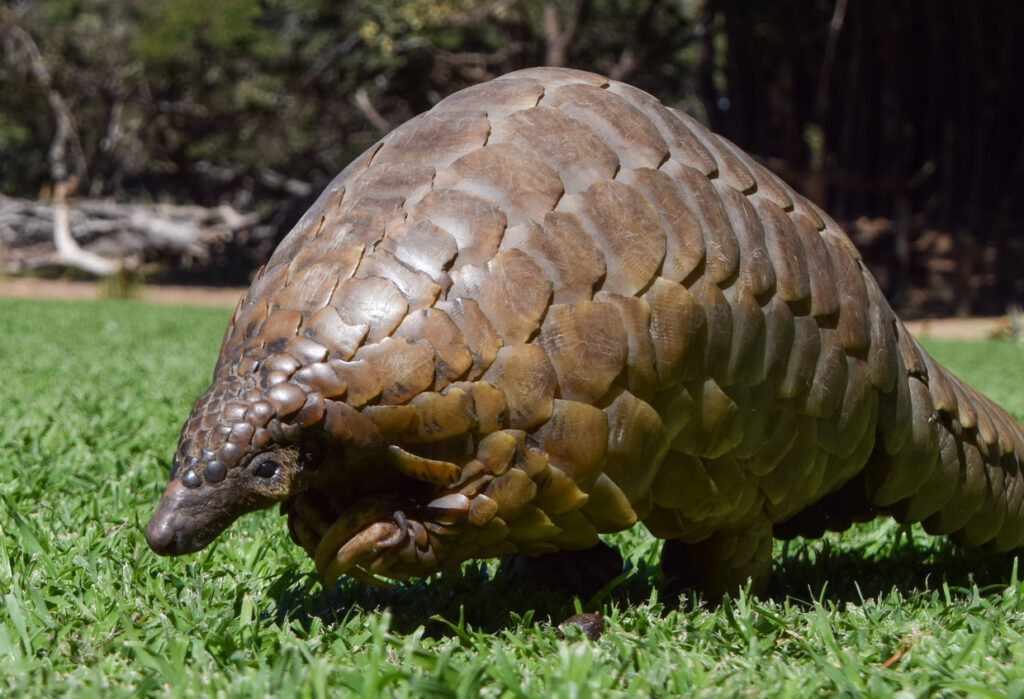
Pangolins are excellent diggers with strong claws for breaking into termite mounds. Some dig burrows over 3 metres deep where they sleep during the day. When they abandon these burrows, other animals move in and use them. They’re helping create homes for loads of other species without meaning to.
Their digging also helps soil quality and spreads nutrients around. When they smash open termite mounds, other insect eating animals benefit too. They’re doing way more for their ecosystems than just eating bugs. Losing pangolins affects loads of other animals in ways we’re only starting to understand. They’re more important to nature than they look.
Babies ride on their mum’s tail.
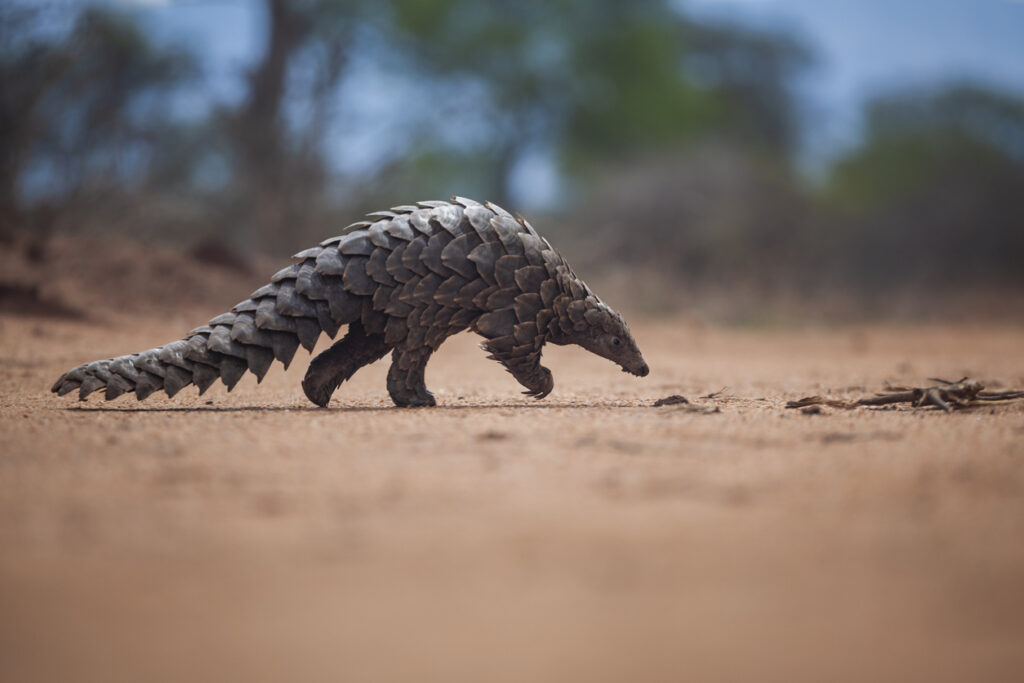
Baby pangolins are born with soft scales that harden after a few days. For the first few months, the baby rides on its mother’s back or tail whilst she looks for food. If danger appears, the mother curls around her baby to protect it with her armoured body. This level of parental care is quite unusual for animals that normally live alone.
When a mother gets killed by poachers, her baby dies too because it can’t survive alone yet. This means each adult female killed represents at least two pangolins lost, sometimes more if she was pregnant. The slow breeding and intensive baby care means populations can’t recover from heavy hunting. Every poached pangolin has knock-on effects beyond just that one animal.
Conservation isn’t working fast enough.
Pangolins are protected by international law and all commercial trade is banned, but trafficking keeps increasing anyway. The laws exist, but enforcement is weak, penalties are often pathetic, and demand keeps growing. Conservation groups are overwhelmed trying to rescue trafficked pangolins whilst fighting organised crime networks with massive resources.
There are some success stories. Anti poaching patrols in certain areas have reduced hunting. Public awareness campaigns are slowly changing attitudes, especially among younger people in Asia, who don’t want pangolin products. But these efforts are tiny compared to the scale of the problem. Without massive international action and serious punishments for traffickers, pangolins are heading for extinction, despite everyone trying to save them.
Once they’re gone, they’re gone forever.
Pangolins represent millions of years of unique evolution. They’re the only mammals with scale armour like this, the only ones with this specialised ant eating lifestyle. If they become extinct, there’s no other animal that can replace what they do in nature. The loss would be permanent. We can never get them back.
We’re also losing them before we’ve properly studied them. Their immune systems, how they digest insects, how their scales develop, all of this could teach us things useful for human medicine and science. We’re driving them to extinction for reasons that are completely avoidable and based on beliefs that are scientifically proven false. It’s not just sad, it’s stupid and unnecessary.