Britain’s pet laws might be strict, but there are more exotic species you can legally own than most people realise.
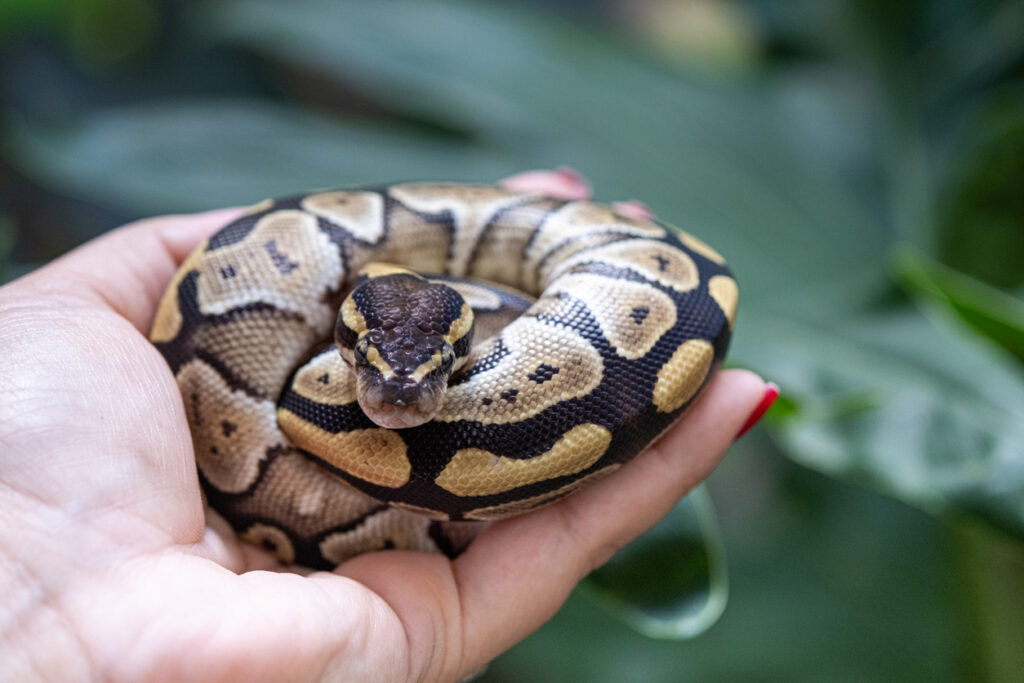
From snakes to sugar gliders, some surprisingly wild animals are allowed as pets, as long as you meet proper care and welfare standards. Here are the exotic animals you can legally keep in the UK, plus what to know before bringing one home. After all, just because you can do something doesn’t particularly mean you should, particularly if you lack the experiences and resources to care for creatures that just aren’t your standard.
1. Bearded dragons
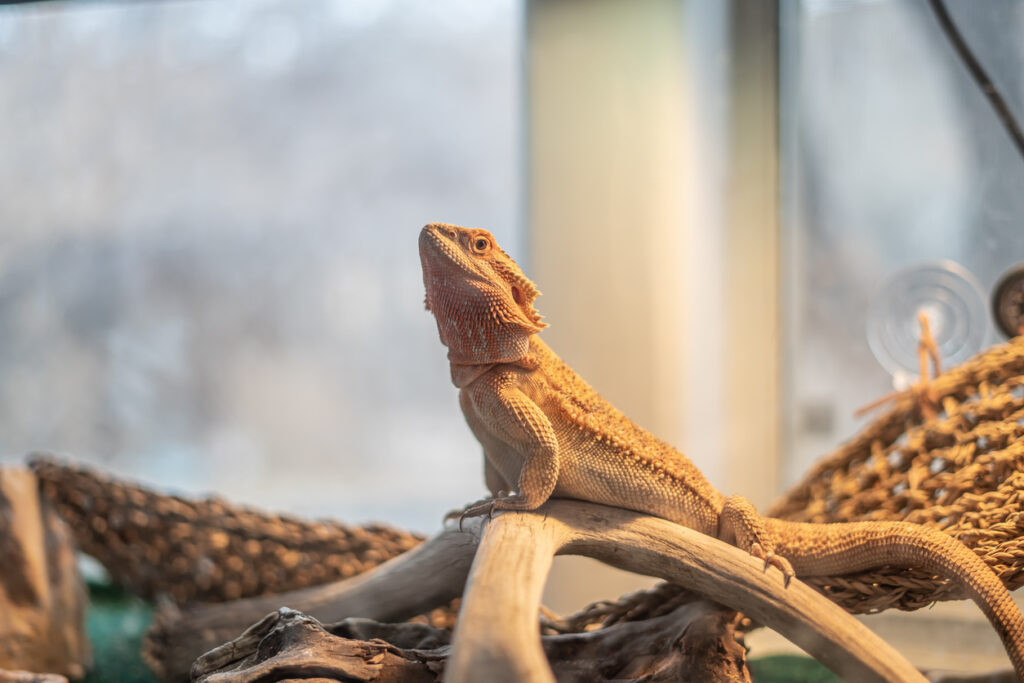
Bearded dragons are one of the most popular exotic pets in Britain. They’re friendly, calm, and don’t mind being handled once they’re used to people. They need a heated terrarium, UV lighting, and a balanced diet of insects and vegetables to stay healthy. These reptiles don’t need a special licence, but owners are still responsible for proper welfare. With the right setup, they can live for up to 15 years and make gentle, low-stress pets for patient owners.
2. Corn snakes and royal pythons
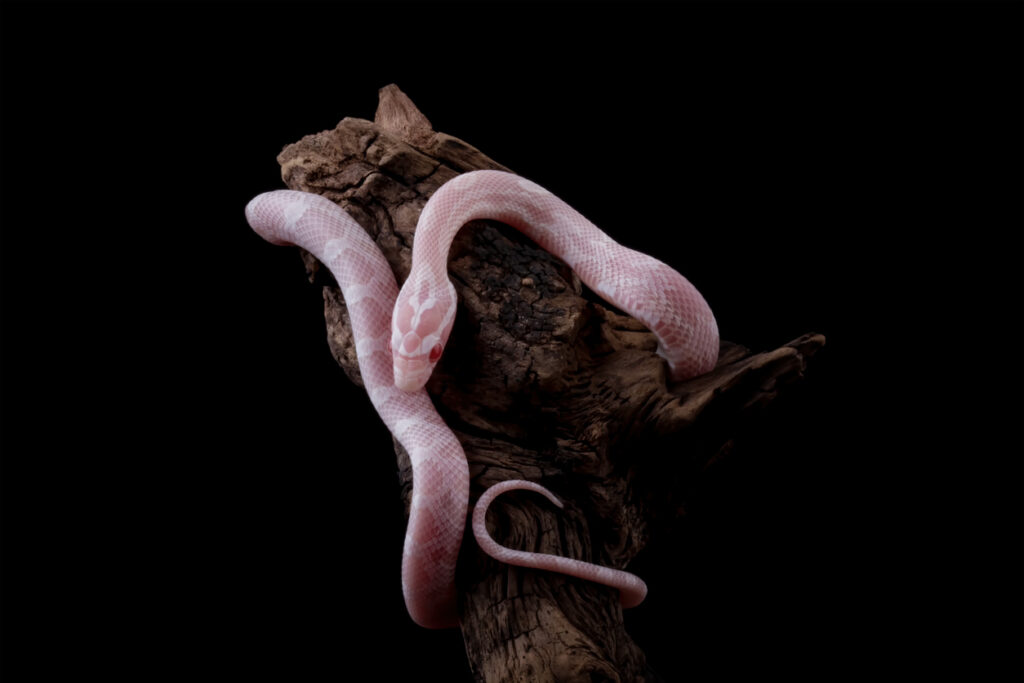
Non-venomous snakes like corn snakes and royal pythons are legal to own and surprisingly docile. They don’t need huge enclosures, but they do need secure tanks, heating, and a diet of pre-frozen mice. They’re great for beginners who want to care for reptiles without dealing with aggressive or dangerous species. Just make sure to check your local council rules, since venomous snakes always require a licence.
3. Leopard geckos
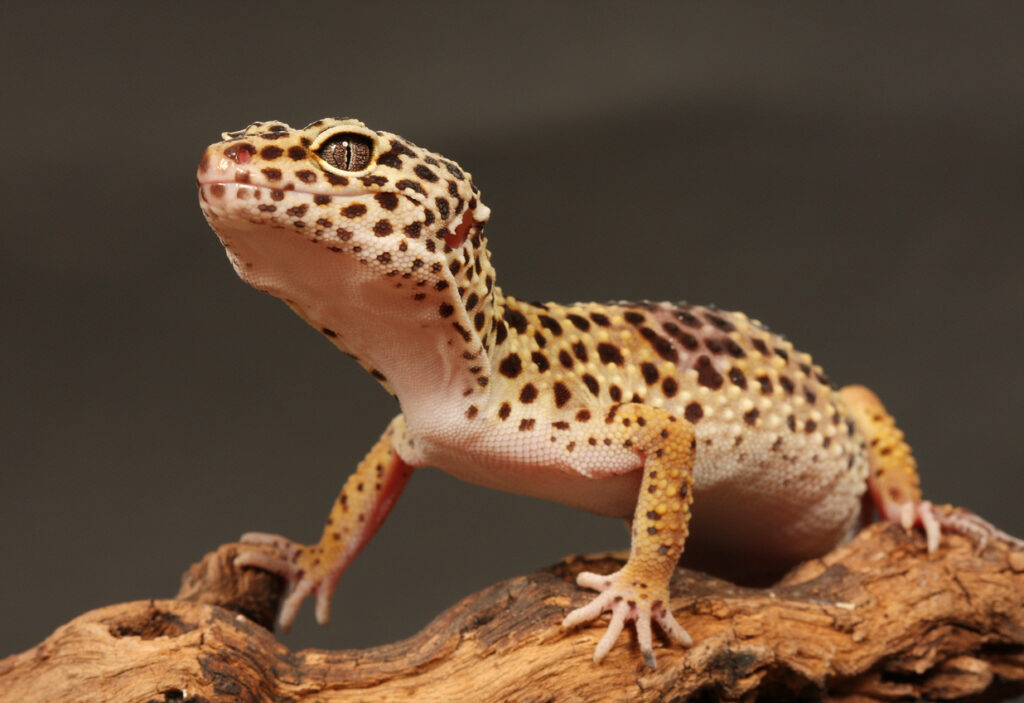
Leopard geckos are easy-going reptiles that make good first-time exotic pets. They’re small, quiet, and easier to care for than many other lizards, needing only proper heating, shelter, and a diet of insects. Because they don’t require as much UV light as some reptiles, they’re more manageable for beginners. With gentle handling and good care, they often become tame and curious companions.
4. Terrapins and certain turtles
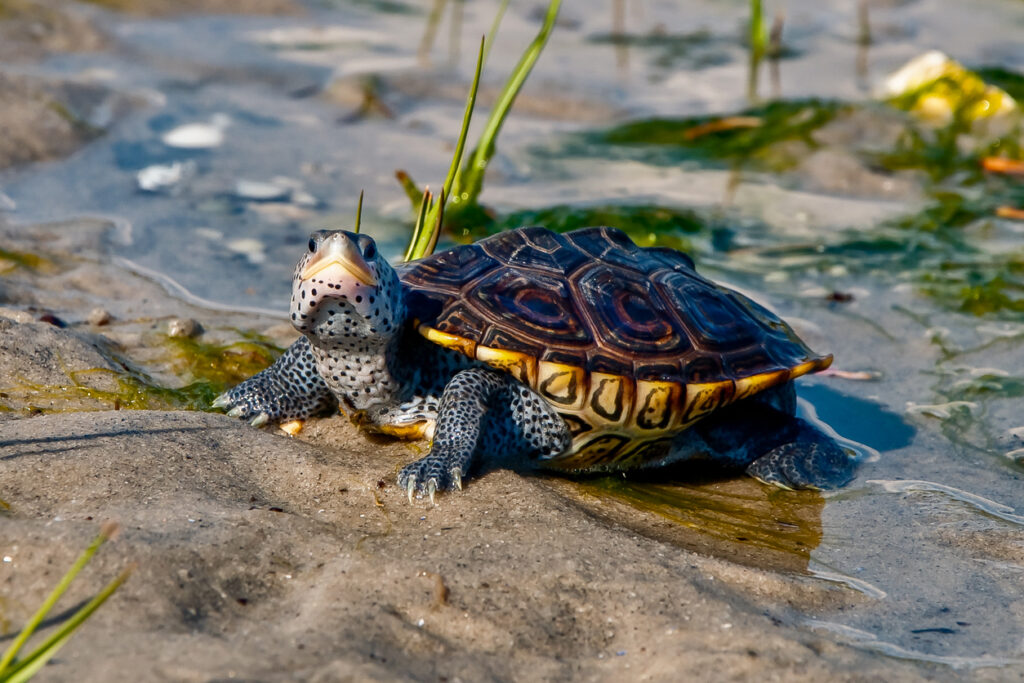
Some species of turtles and terrapins are legal to keep in the UK, though there are restrictions. They need large tanks with clean water, basking lights, and heating to mimic their natural environment. They live for decades, so owning one is a long-term commitment. Always double-check that your chosen species isn’t listed as invasive or restricted before buying.
5. Sugar gliders

These small gliding marsupials are legal in the UK, though they need specialist care. They’re highly social and happiest when kept in pairs or small groups. Their diet includes fruit, insects, and nectar, and they require a large enclosure for climbing and gliding. They’re nocturnal, meaning they’re most active at night. While cute, they’re a challenge to care for, so it’s best to research their needs carefully before getting one.
6. Capybaras
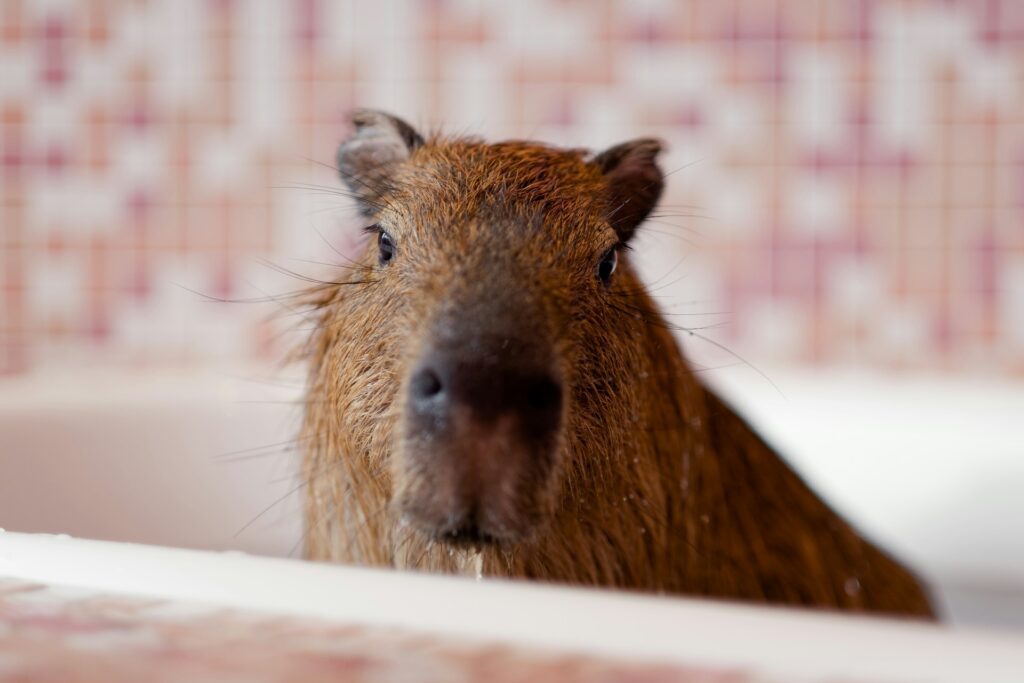
The world’s largest rodent might sound like a strange pet, but capybaras are legal to own in Britain. They’re semiaquatic and need a large outdoor space with a pond or pool to swim in. They’re social animals, so they shouldn’t be kept alone. While friendly, they need plenty of attention and care, and that’s not ideal for small gardens or busy owners.
7. African pygmy hedgehogs
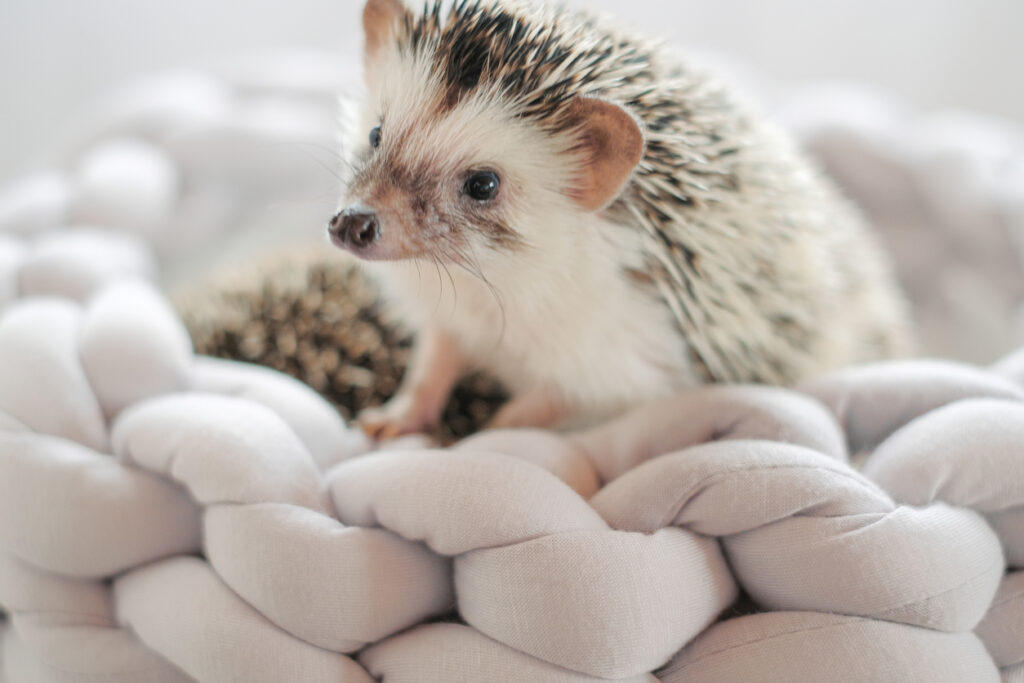
African pygmy hedgehogs have become increasingly popular as pets in the UK. They’re small, solitary, and relatively easy to care for, needing a warm enclosure, insect-based food, and safe bedding. They’re legal to keep, but not all hedgehog species are, so make sure yours is bred for pet ownership. With regular handling, they can become affectionate and easy to manage.
8. Octopuses
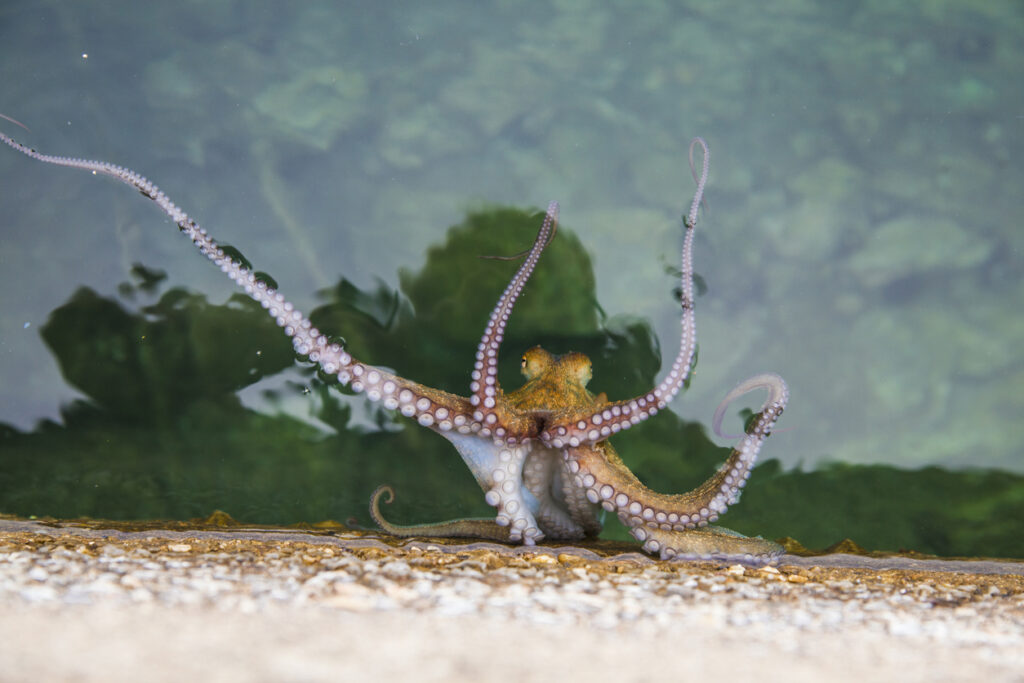
It might surprise you, but it’s legal to keep an octopus in the UK. However, they’re one of the hardest exotic pets to care for. They need saltwater tanks with perfect temperature and chemistry control, and plenty of enrichment to keep them from getting bored. They’re extremely intelligent and can escape through the smallest openings, so secure housing is essential. They’re fascinating to observe, but definitely not for beginners.
9. Tarantulas

Many species of tarantulas are legal to own and often kept as pets in the UK. They’re low-maintenance compared to reptiles or mammals, but need carefully controlled temperature and humidity. They eat live insects and prefer to be left alone most of the time. Though they look fearsome, most species are harmless to humans and rarely bite unless provoked.
10. Axolotls
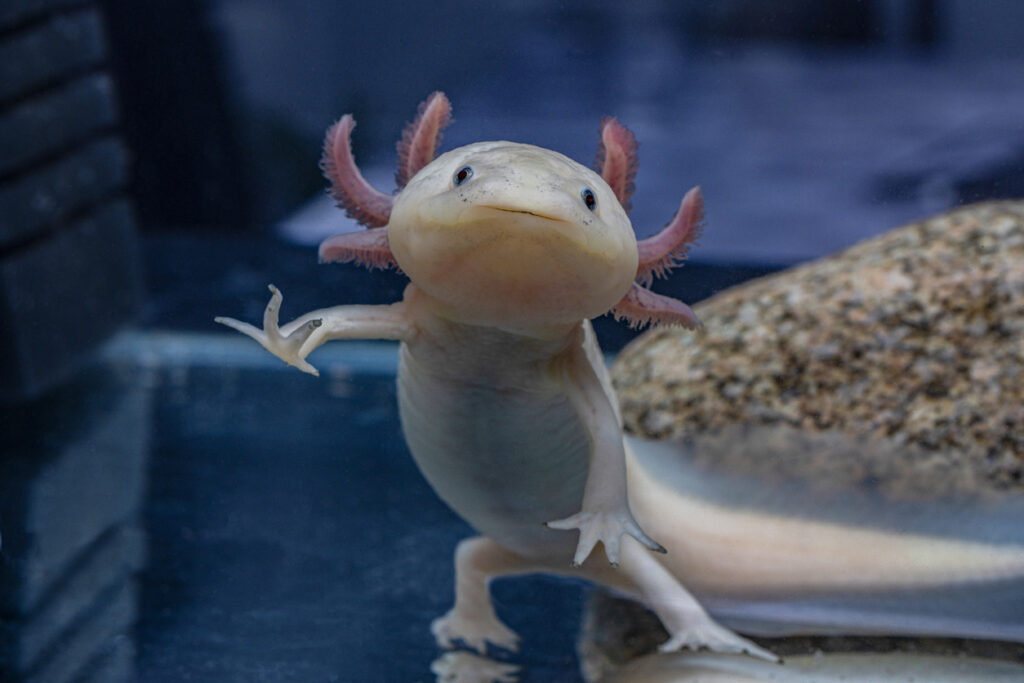
Axolotls are unusual amphibians known for their frilly gills and permanent “smile.” They’re legal in the UK and kept in cool, freshwater tanks with gentle filtration. They prefer live or frozen food like worms and shrimp. They’re fascinating to watch and stay underwater for their entire lives. However, they’re sensitive to temperature changes, so careful monitoring is key to keeping them healthy.
11. Small primates (with a licence)
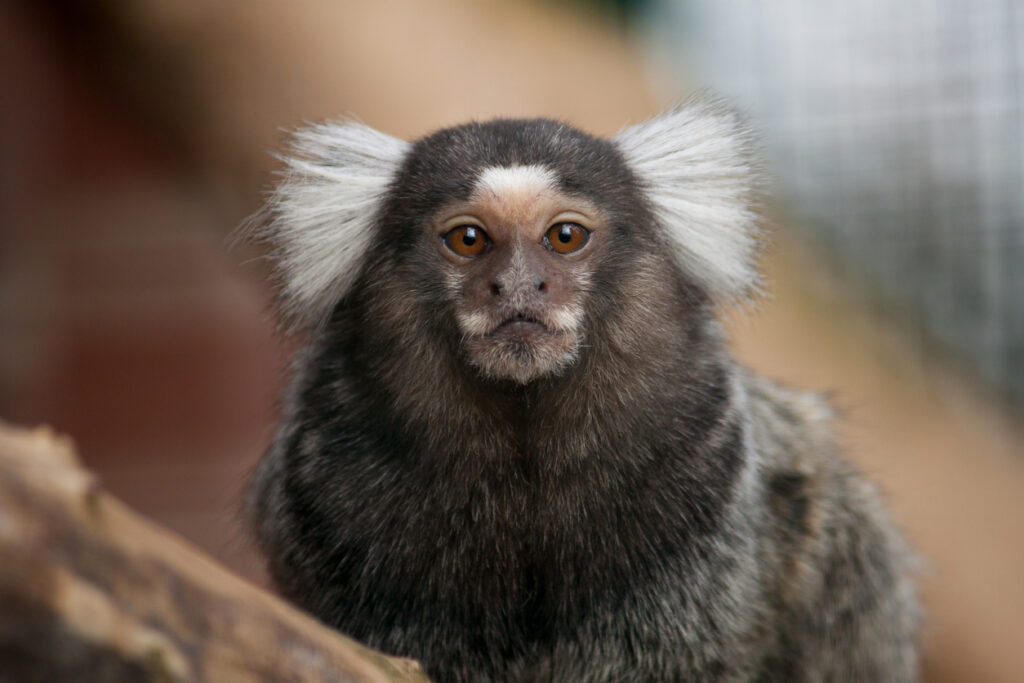
Some small species of primates, such as marmosets, can be kept legally under strict licence conditions. Owners must provide large, enriched enclosures, constant companionship, and specialist care. Rules for keeping primates are tightening across the UK due to welfare concerns. Anyone considering one must research local laws, as many councils discourage or ban private ownership altogether.
12. Scorpions
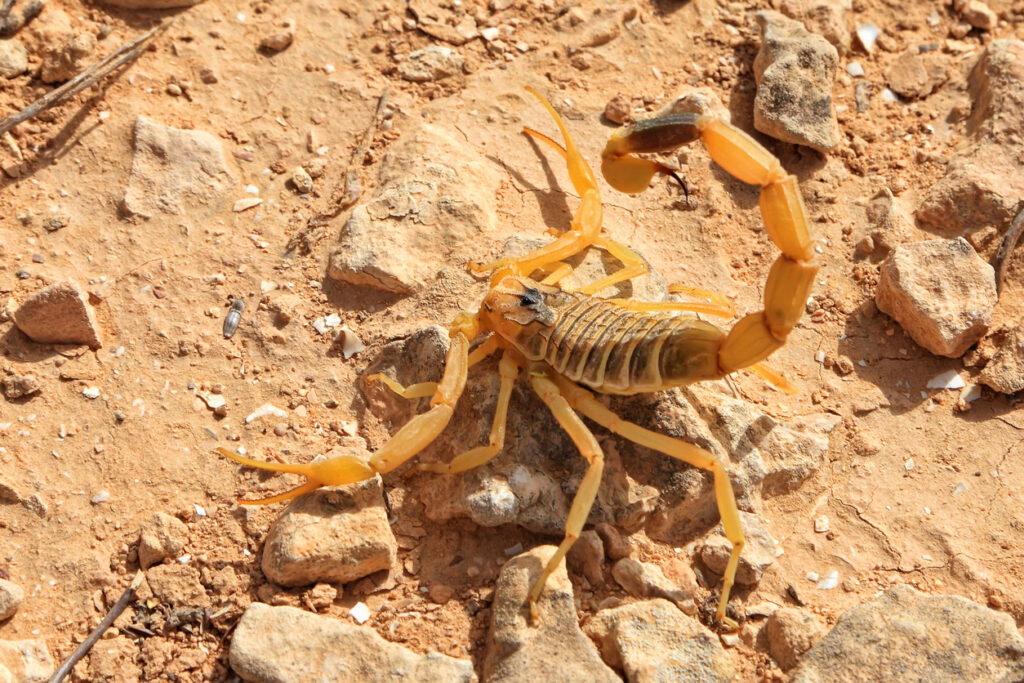
Certain non-venomous scorpion species can be kept in Britain without a special licence. They need a heated, humid terrarium and a diet of insects. Despite their intimidating look, they’re quiet and rarely aggressive. Handling them is not advised, but they’re fascinating to observe. As with all exotics, research the species carefully, as some scorpions can still deliver a painful sting.
13. Parrots and macaws
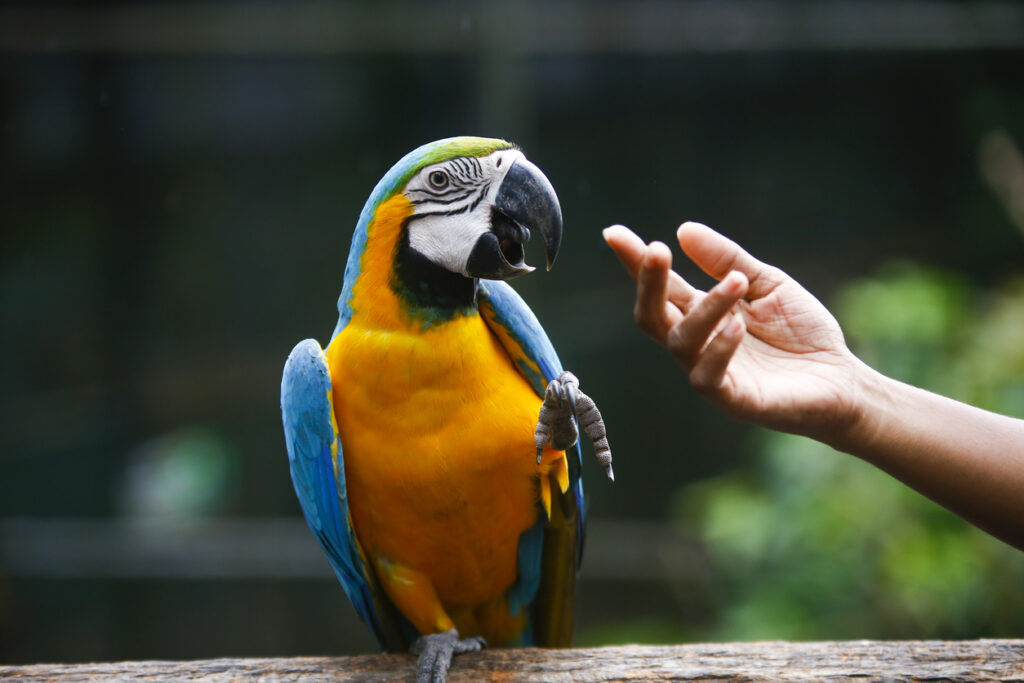
Large exotic birds like parrots and macaws are legal to keep, provided they come from licensed breeders. They’re social, intelligent, and can live for decades, sometimes outliving their owners. They need a spacious cage, toys, and plenty of human interaction to stay healthy and happy. Owning one is a serious, long-term responsibility that should never be taken lightly.
14. Meerkats
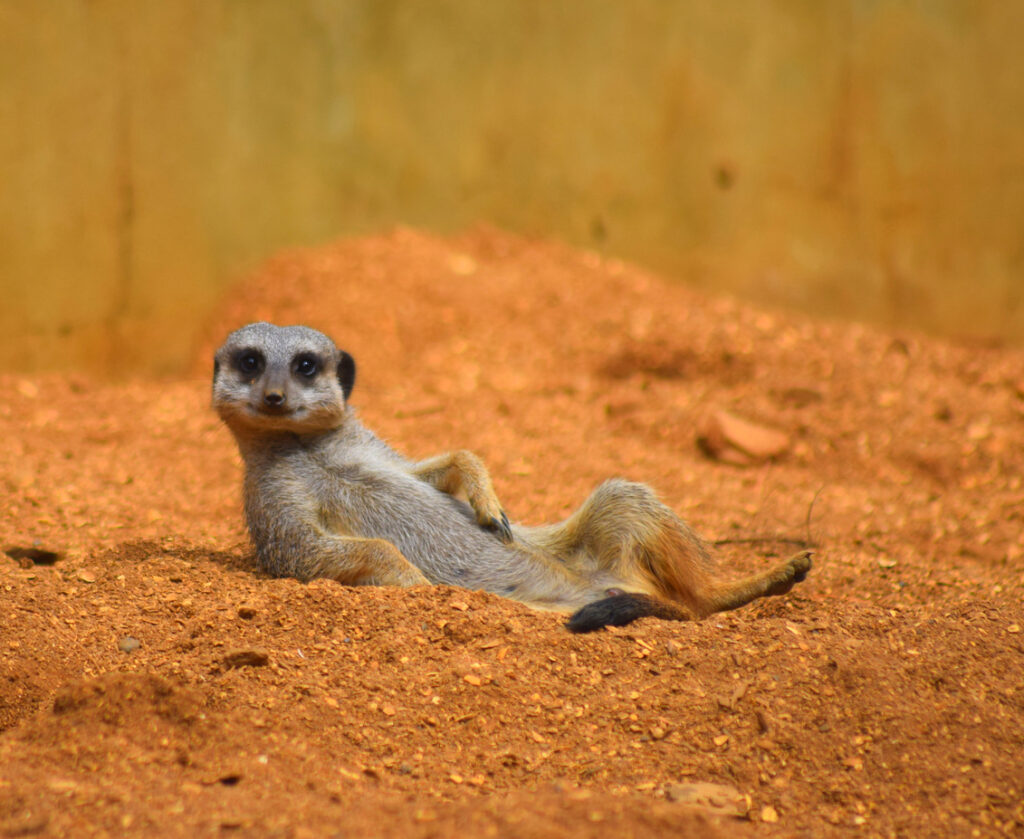
It’s legal to own meerkats in the UK, though it’s not recommended for most people. They’re social animals that live best in groups, and they need lots of space, stimulation, and digging opportunities. They can become aggressive or destructive if bored or lonely. While cute to watch, they’re far better suited to professional sanctuaries or wildlife parks than small homes.
15. Wallabies
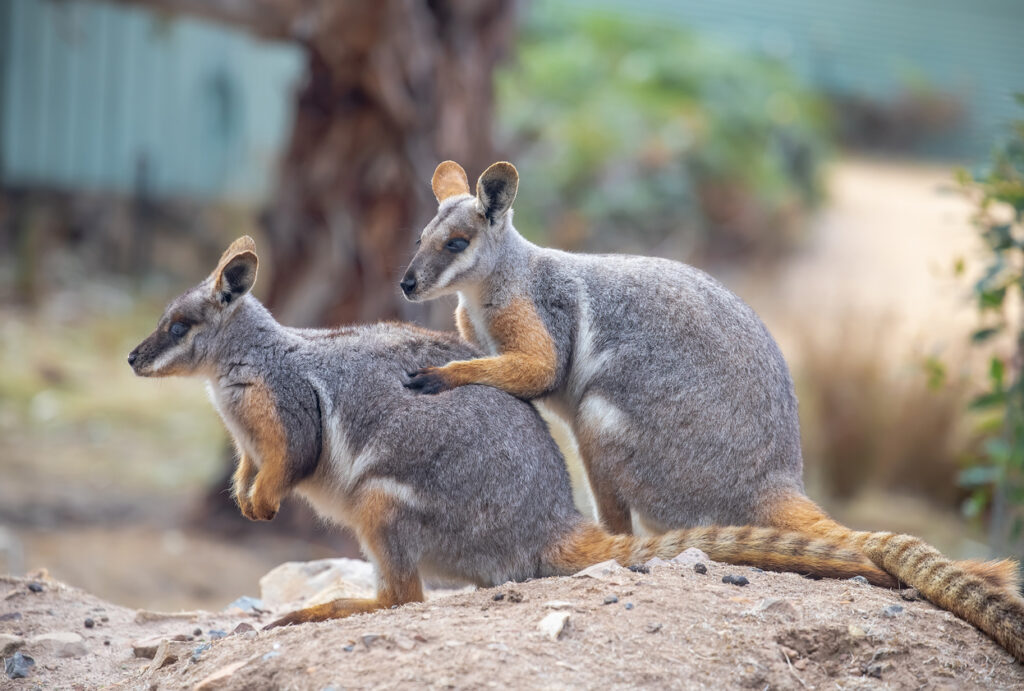
Wallabies, smaller relatives of kangaroos, are legal to keep under licence. They need large outdoor areas and a diet of grasses, vegetables, and special feed. They’re shy but can become gentle with regular care. Because of their size and needs, wallabies require owners who have experience with farm or exotic animals. They’re not ideal for urban settings but can live happily on private land with proper supervision.
16. Chinchillas
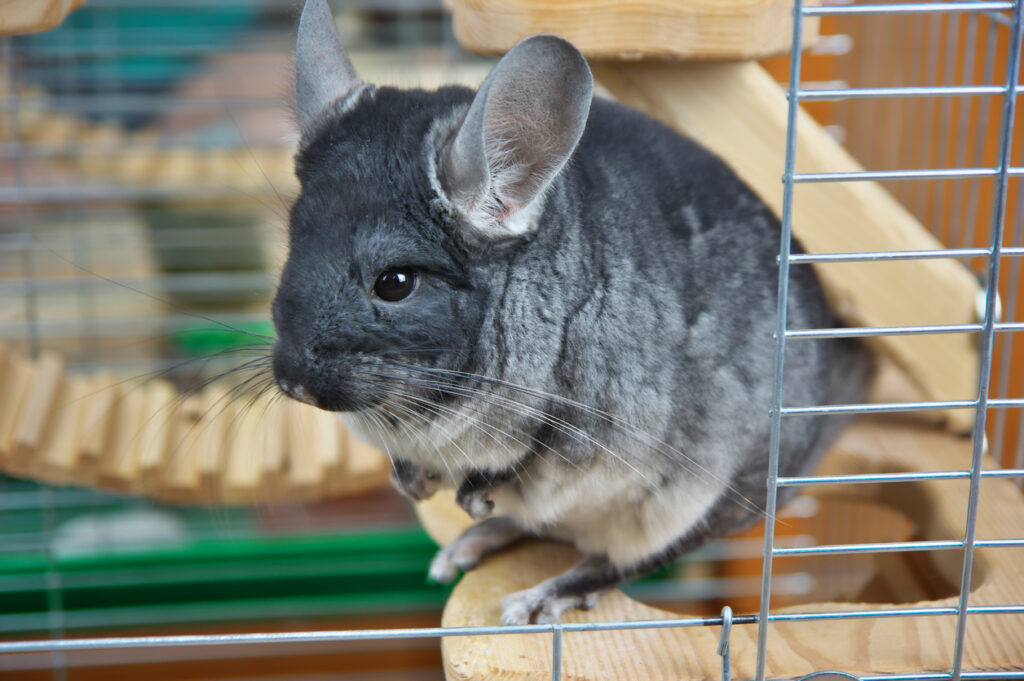
Chinchillas are legal, soft-furred rodents that are often mistaken for rabbits. They’re intelligent, quiet, and require dust baths instead of water to stay clean. They need cool rooms, large cages, and plenty of chew toys to prevent boredom. They can live up to 20 years, so they’re a long-term commitment. With gentle handling and care, they make affectionate and entertaining pets.
Before you get an exotic pet
Always check whether your chosen animal falls under the Dangerous Wild Animals Act 1976 or needs a local licence. Make sure you can meet its care needs, from space and diet to enrichment and medical attention. Exotic pets can be rewarding, but they’re also demanding. Owning one means committing to a lifetime of learning and responsibility.