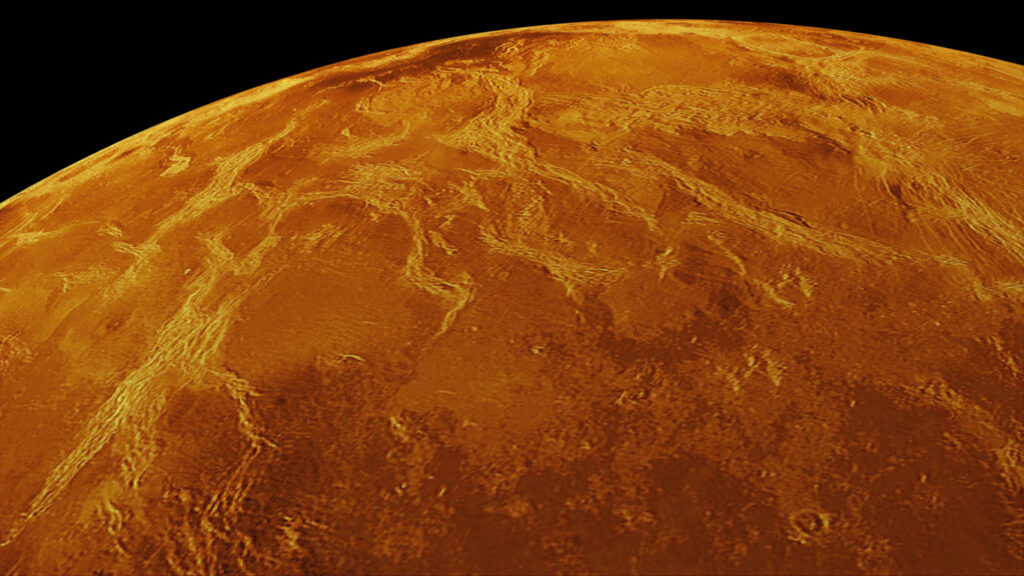
For decades, when people have imagined alien life, their minds have drifted to Mars or distant exoplanets far beyond our solar system. Venus rarely gets a mention, mostly because it seems completely inhospitable, a planet wrapped in thick clouds, scorching heat, and an atmosphere full of acid. On the surface, it looks like the last place anything could possibly survive.
However, scientists have started looking at Venus differently. Beneath the hostile exterior, there are hints that something unexpected might be happening high above the planet’s surface. It’s led researchers to ask a question that once seemed impossible: could there really be signs of life in one of the most extreme places in the solar system?
Venus was once more Earth-like.
Billions of years ago, Venus may have had oceans, mild temperatures, and an atmosphere that could support life. Studies of its surface suggest the planet might have stayed habitable for hundreds of millions of years before turning hostile. If that’s true, early microbial life could have developed before the atmosphere thickened. The idea that a world now so extreme was once gentle makes scientists wonder whether traces of that life might still exist high above its surface.
The surface is too harsh for survival.
Today, Venus is one of the most unforgiving places in the Solar System. Temperatures reach nearly 475 °C, hot enough to melt lead, and the pressure is over 90 times stronger than on Earth. Any living organism exposed to those conditions would be destroyed instantly. That’s why attention has transferred from the planet’s surface to its atmosphere, where temperatures and pressure are far less extreme.
The clouds might hold the right conditions.
About 50 kilometres above the surface, Venus’s thick cloud layers have temperatures similar to those on Earth. In that region, sunlight still reaches the atmosphere and conditions may be mild enough for microscopic life to survive. The idea is that microbes could float inside droplets of sulphuric acid, using sunlight and surrounding chemicals for energy. It’s an extreme environment, but not impossible compared with what life has adapted to on Earth.
The phosphine discovery reignited interest.
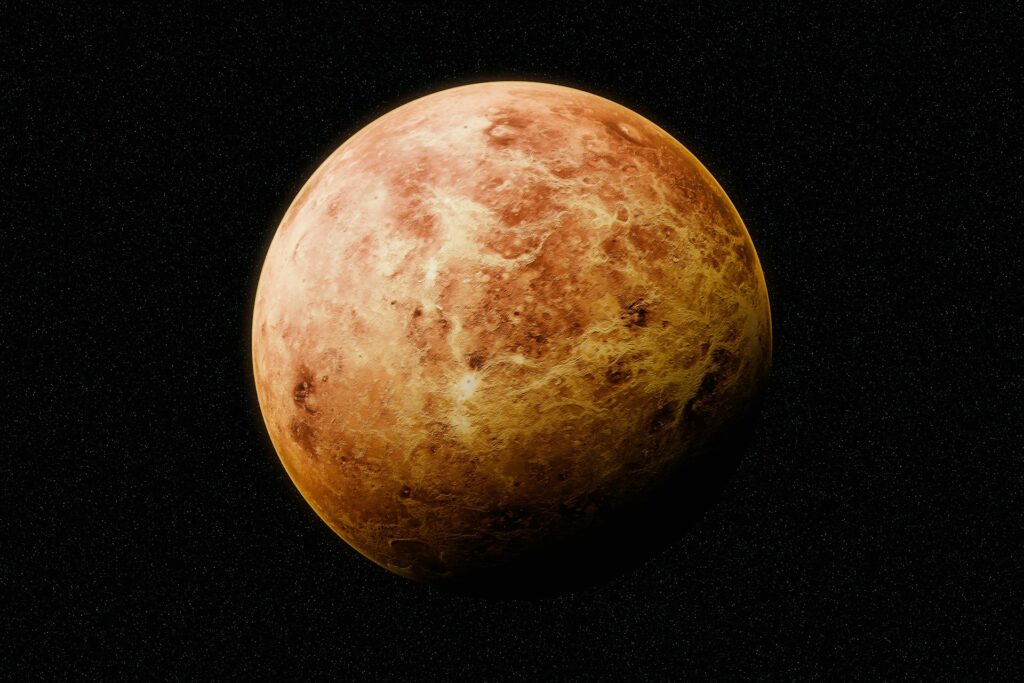
In 2020, scientists detected phosphine gas in Venus’s clouds, a molecule often produced by living organisms on Earth. The finding was unexpected and sparked debates across the scientific community about what could be creating it. Later studies questioned whether the gas was really there or simply a misreading of data. Even so, the discovery reminded researchers that Venus deserves as much attention as its red neighbour when hunting for possible life.
Some life on Earth already thrives in acid.
Venus’s atmosphere is loaded with sulphuric acid, which sounds completely uninhabitable. Yet on Earth, certain microbes live happily in volcanic vents, acidic lakes, and even inside chemical waste, and those are places once thought to be lifeless. These tiny organisms, known as extremophiles, prove that life can survive far beyond normal limits. Their existence strengthens the case that something similar might endure in the gentler upper atmosphere of Venus.
Spacecraft have already visited Venus.
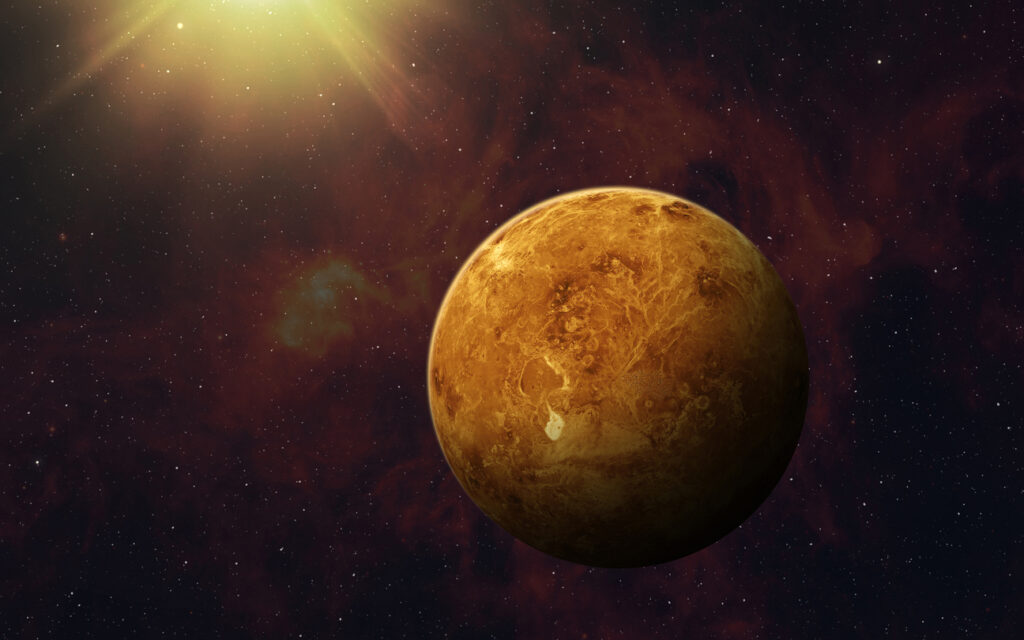
The Soviet Venera missions in the 1970s and 1980s sent several probes that landed briefly before being destroyed by heat and pressure. They sent back the first and only photos of the planet’s surface. Although those missions didn’t search directly for life, they showed that Venus is a world worth studying again with modern instruments. New probes could explore the upper atmosphere, where life is more likely to exist.
Future missions will test the theory.
NASA and other space agencies are planning new missions to Venus within the next decade. One project, called DAVINCI, will send a probe through the atmosphere to measure its chemistry in detail. Another, VERITAS, will map the planet’s surface with radar to learn how it changed over time. Together, these missions could reveal whether Venus still has conditions suitable for life or clues about how it lost them.
Venus helps us understand Earth’s future.
Studying Venus isn’t just about finding aliens. It’s also a warning about what can happen to a planet that gets too hot. Scientists think Venus experienced a runaway greenhouse effect that turned it from calm to catastrophic. By comparing the two worlds, researchers hope to understand how climate systems collapse. That knowledge could help predict and possibly prevent similar damage to our own planet in the future.
If life exists, it would look nothing like ours.
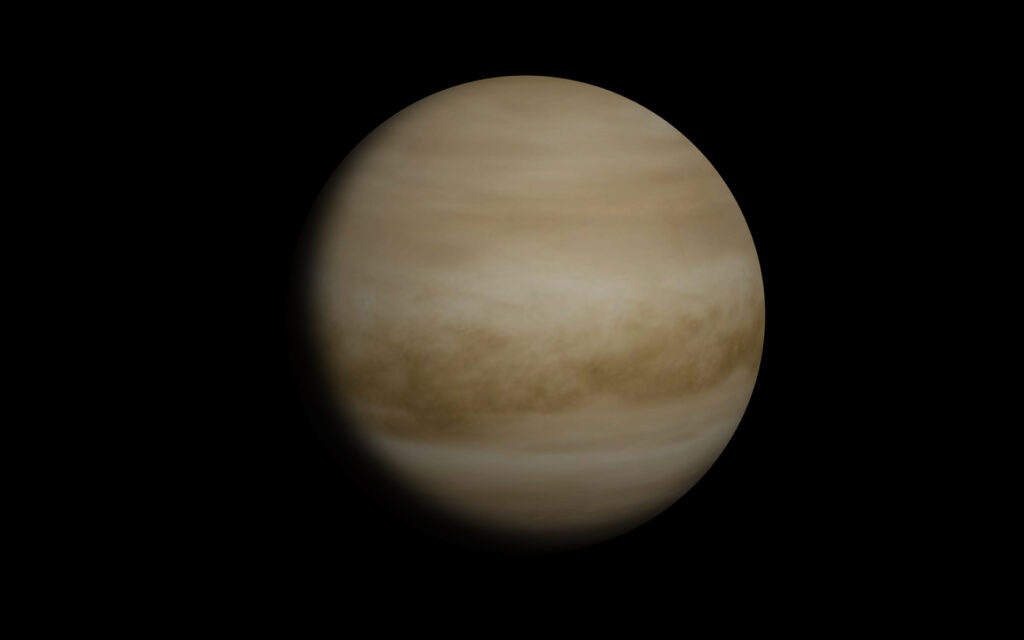
Even if microbes do exist in the clouds of Venus, they wouldn’t resemble anything on Earth. They’d have to survive acid, radiation, and a lack of oxygen, using chemistry no human has fully imagined yet. Finding such life would change science completely. It would mean life can evolve in places far more extreme than we ever believed, widening the list of possible homes for biology across the universe.
The question keeps science humble.
Whether or not life exists on Venus, the search itself matters. Every discovery reminds us that our understanding of habitability is still small compared with the universe’s creativity. Venus challenges assumptions about where life can thrive. It shows that even the most hostile worlds might still hold secrets, waiting for the right mission to uncover them.