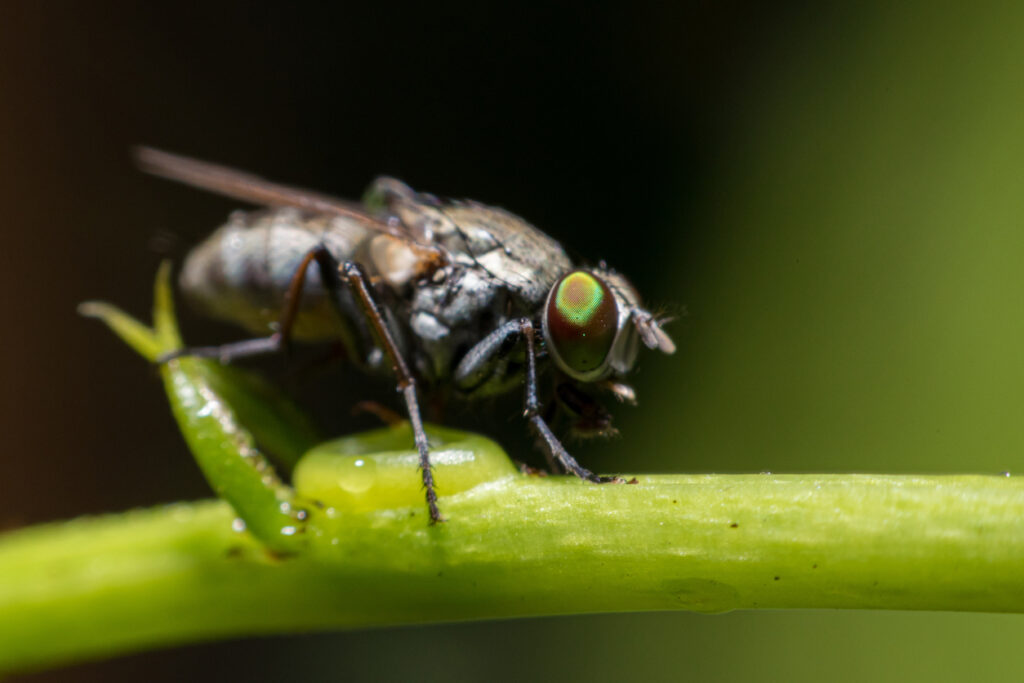
The tsetse fly might look like an ordinary insect at first glance, but it’s responsible for spreading one of Africa’s most notorious diseases: sleeping sickness. Found across parts of sub-Saharan Africa, this bloodsucking fly carries a parasite that can cause severe illness in both humans and animals. Its bite may seem harmless at first, but the consequences can be devastating if left untreated.
What makes the tsetse fly particularly concerning is how persistent it is. It feeds exclusively on blood and targets anything warm-blooded it can find. Scientists and health organisations have spent decades trying to control its spread, but the battle is ongoing. Learning about this tiny but dangerous insect helps explain why it’s been such a long-standing threat to health and livelihoods across the region.
It looks just like a harmless fly at first.
At a glance, the tsetse fly doesn’t seem special. It’s about the size of a housefly, with brown wings and a long mouthpart for sucking blood. You’d never guess it’s responsible for spreading a deadly disease. Because it looks so normal, people often don’t realise when they’ve been bitten. The bite can feel like a small sting, but what happens afterward depends on whether the fly was carrying the sleeping sickness parasite or not.
It feeds on blood like a tiny vampire.
Both male and female tsetse flies need blood to survive. They feed on humans, cattle, and wild animals, piercing the skin with a sharp tube-like mouth. Once they’ve found a host, they drink until their bellies swell up. Feeding on blood makes them strong enough to reproduce, but it’s also how the parasite spreads. If a tsetse bites an infected animal, it picks up the parasite and can pass it on to the next thing it bites.
It carries a parasite that causes sleeping sickness.
The disease carried by the tsetse fly is caused by a tiny organism called Trypanosoma brucei. When the fly bites, the parasite enters the bloodstream and starts to multiply, spreading through the body. At first, people feel feverish, tired, or get headaches. Over time, the parasite affects the brain, causing confusion, sleep problems, and eventually coma or death if not treated. That’s why it’s called “sleeping sickness.”
Africa’s had a long battle with the tsetse fly.
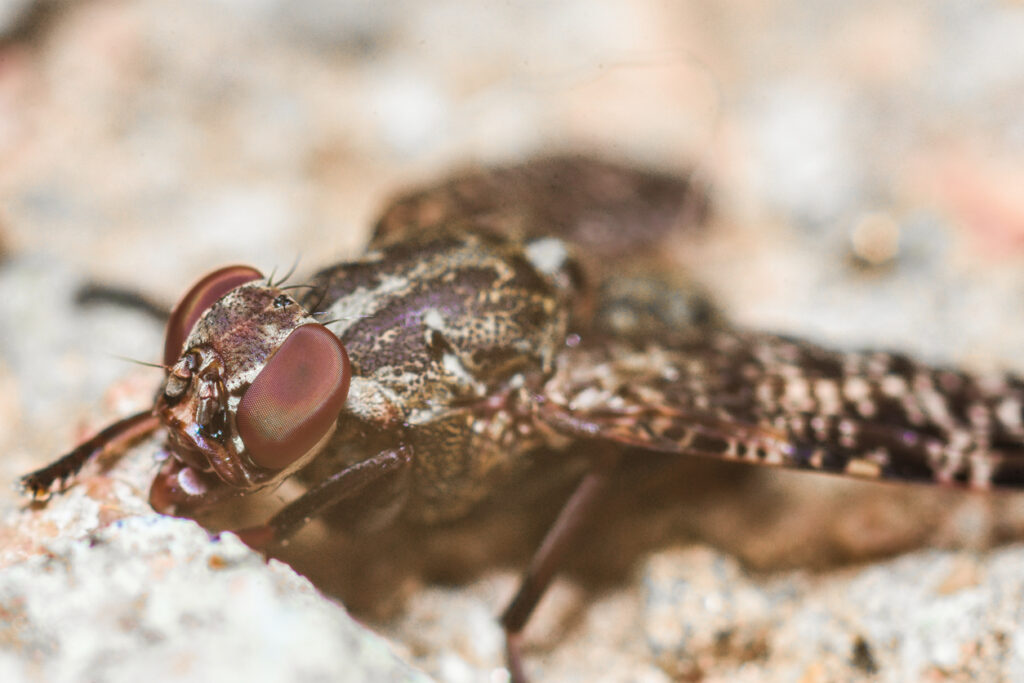
The tsetse fly is found only in parts of sub-Saharan Africa, but it’s had a massive impact on life there. It kills livestock, weakens communities, and limits where people can farm or raise animals safely. For decades, scientists and governments have tried to control it using traps, insecticides, and sterile male releases. The fight is tough, but every small victory helps protect both people and animals from its bite.
It gives birth to live young.
Most flies lay hundreds of eggs, but the tsetse fly does something unusual. It gives birth to one fully developed larva at a time, feeding it with milk-like fluid inside its body until it’s ready to pupate. That slow way of reproducing means the fly population doesn’t explode as fast as other insects. That gives scientists a small advantage when trying to control it, since every new generation takes longer to appear.
Scientists have various methods to try to stop it.
Controlling the tsetse fly isn’t easy, but several clever methods are in use. One is to release sterilised male flies so that females can’t produce offspring after mating with them. Another is setting up blue fabric traps coated with insecticide. These traps attract the flies because they mistake the colour for the movement of large animals. When they land, they die, helping to reduce the spread of sleeping sickness in nearby villages and farms.
Its bite isn’t always deadly.
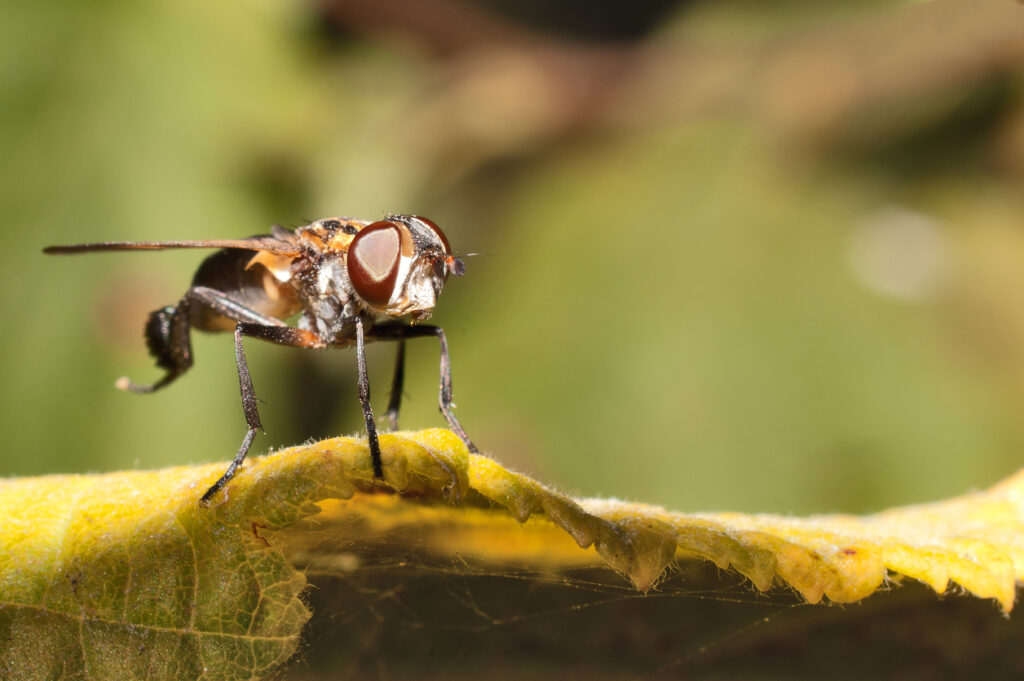
Not every tsetse fly carries the parasite. Only certain species spread sleeping sickness, and even then, not every fly within that group is infected. Many bites cause just a painful bump and mild swelling. Still, in areas where sleeping sickness exists, every bite is a risk. That’s why health workers encourage people to wear long sleeves, use insect repellents, and avoid resting in shaded areas where tsetse flies wait for prey.
It plays a role in nature too.
As harmful as it is, the tsetse fly still has a purpose in its ecosystem. By spreading disease among animals, it keeps wild populations in balance. Without it, some grazing animals might grow too numerous and damage their habitats. That doesn’t make it a friend to humans, but it does show how even the most annoying creatures can have a role in nature’s system. It’s a harsh balance that keeps Africa’s wildlife in check.
It’s important to notice the signs of sleeping sickness in humans.
Sleeping sickness starts with tiredness, fever, or body aches. As it gets worse, people struggle to concentrate or stay awake, and their sleep cycle completely changes. In advanced stages, it can lead to confusion or unconsciousness. Treatment is possible if caught early, but in remote villages, it’s often diagnosed too late. That’s why public health campaigns focus on awareness, testing, and reducing contact with the tsetse fly altogether.
There’s still hope for a future without sleeping sickness.
In recent years, infection rates have dropped thanks to better screening and control programs. Scientists believe sleeping sickness could eventually be wiped out, but only if prevention continues long term. It’s a reminder of how something so small can cause so much damage, and how determined people can be to fight back. The tsetse fly may still buzz across Africa, but its grip on human life is slowly weakening.