Birds are often underestimated, written off as creatures that just sing, build nests, and fly south when the weather turns.
However, beneath those feathers are some of the sharpest minds in the animal kingdom. From solving complex puzzles to recognising faces and even using tools, many bird species show a level of intelligence that surprises even scientists.
What’s fascinating is how different their intelligence looks from ours. It’s not about language or technology, but creativity, problem-solving, and memory that rival some mammals. Here are thirteen birds that prove being “bird-brained” might actually be a compliment.
Crows hold grudges for years.

They don’t just remember faces, they remember specific people who wronged them and will recognise that person years later. They’ll even teach other crows to distrust that same individual, passing on the grudge socially.
That’s not instinct, that’s memory and social learning combined. You’re looking at a bird that can coordinate group responses to threats based on shared information, which puts them closer to primate intelligence than most people expect.
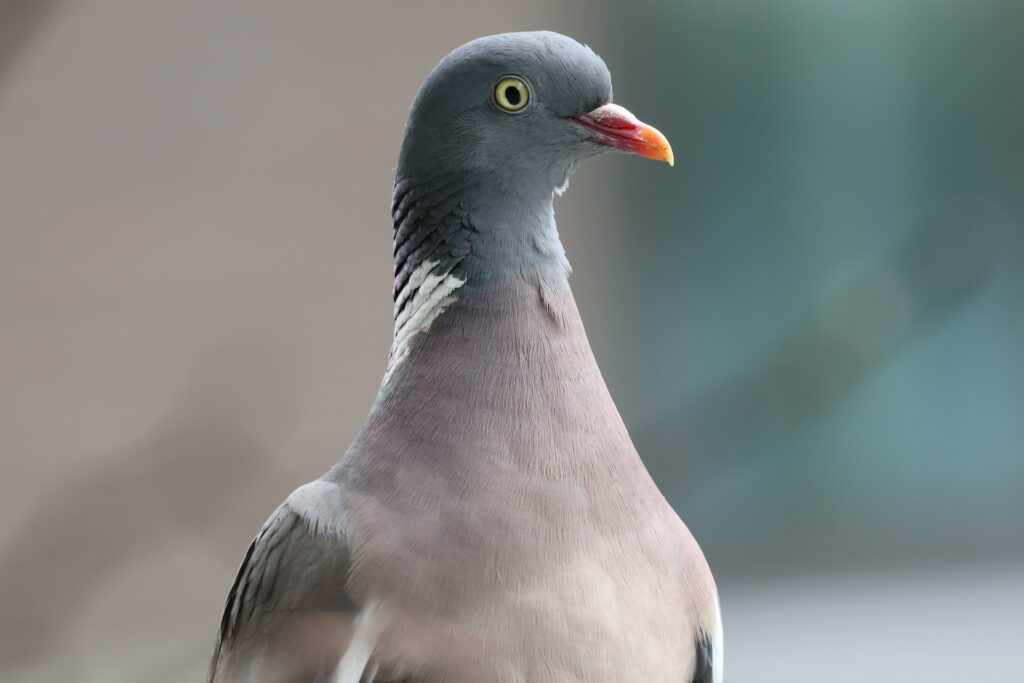
Pigeons can recognise themselves in mirrors.

Self-awareness is rare in the animal kingdom, usually limited to great apes, dolphins, and elephants. Pigeons pass the mirror test, meaning they understand the reflection is them, not another bird.
That level of self-recognition requires abstract thinking most people assume birds don’t have. It changes how you see them when you realise that pigeon you’re looking at knows it exists as an individual entity.
African grey parrots understand zero as a concept.
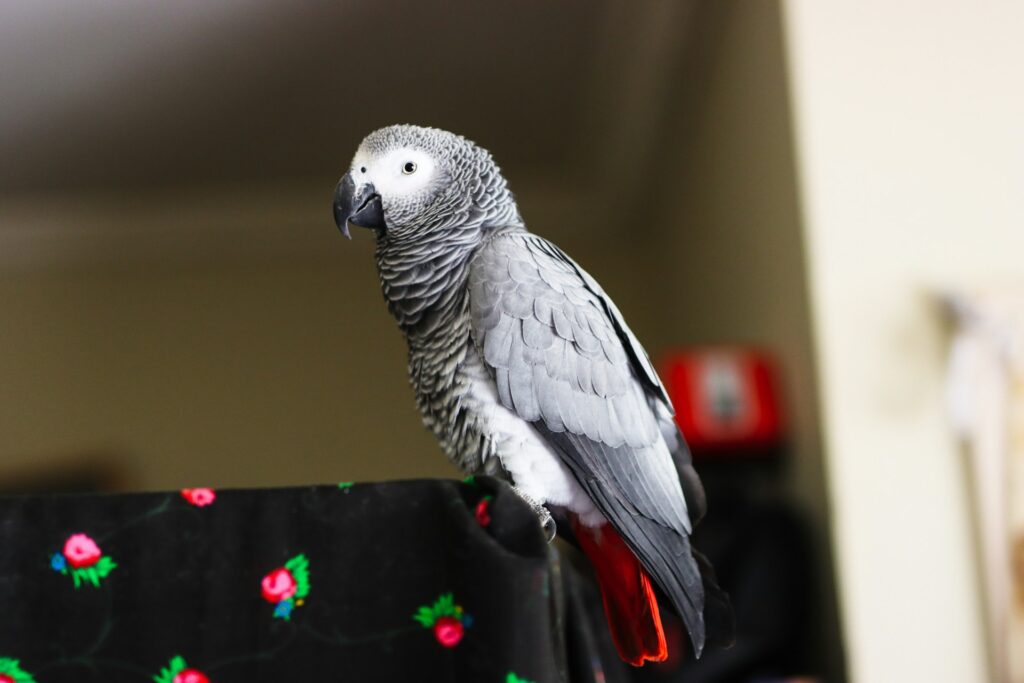
They don’t just count objects, they grasp the idea of nothing, which is abstract mathematical thinking. Some can identify when there are zero items in a group and communicate that accurately.
Human children don’t understand zero until around age four. The fact that a bird can comprehend absence as a quantity puts their cognitive ability somewhere most people wouldn’t expect from something with a brain the size of a walnut.
Kea parrots understand probability.
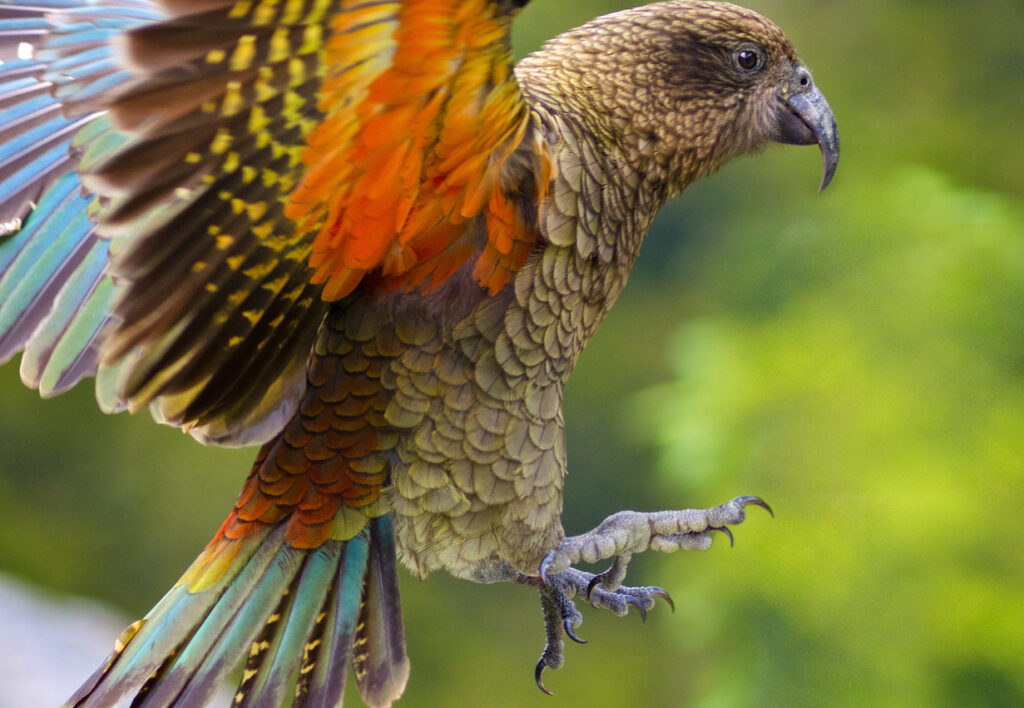
In experiments, kea parrots predicted outcomes based on statistical likelihood, choosing options that had better odds of reward. They weren’t guessing randomly, they were calculating probability in real time.
That’s reasoning, not trial and error. They’re assessing information and making informed predictions about future events, which is the kind of thinking you’d associate with much larger-brained animals, not a mountain parrot from New Zealand.
Magpies have been observed holding funerals.
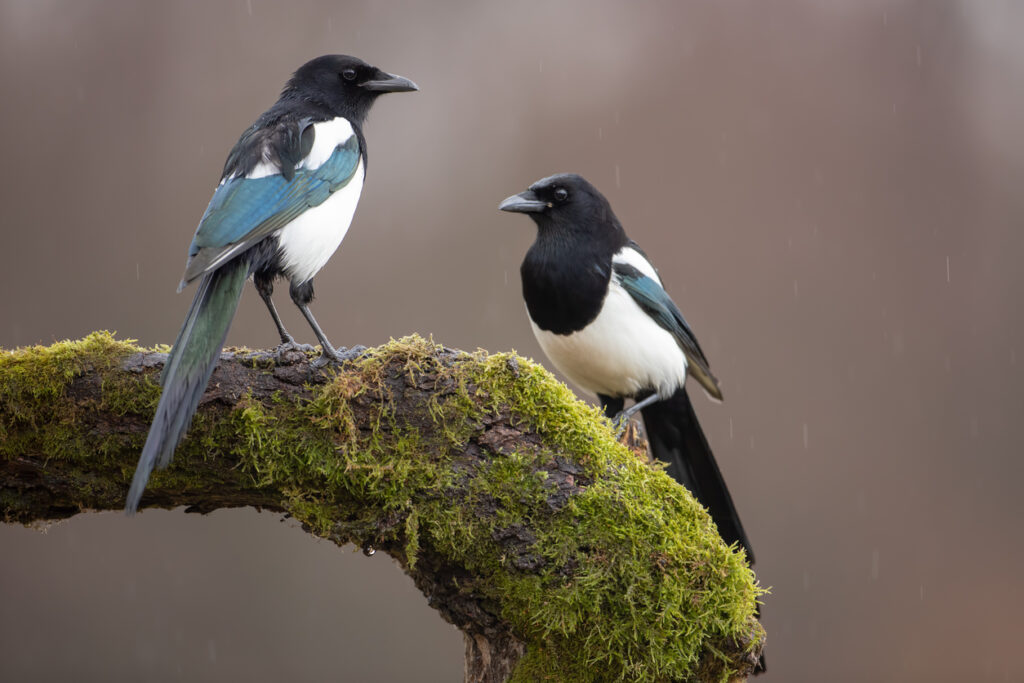
When a magpie dies, others will gather around the body, bringing grass and laying it near the deceased. They’ll stand silently for a period before dispersing, behaviour that looks remarkably like mourning.
Whether it’s genuine grief or something else entirely, the ritual suggests emotional complexity and social bonding that goes beyond basic survival. They’re processing death in a way that implies understanding, not just reacting to absence.
New Caledonian crows make tools they’ve never seen.
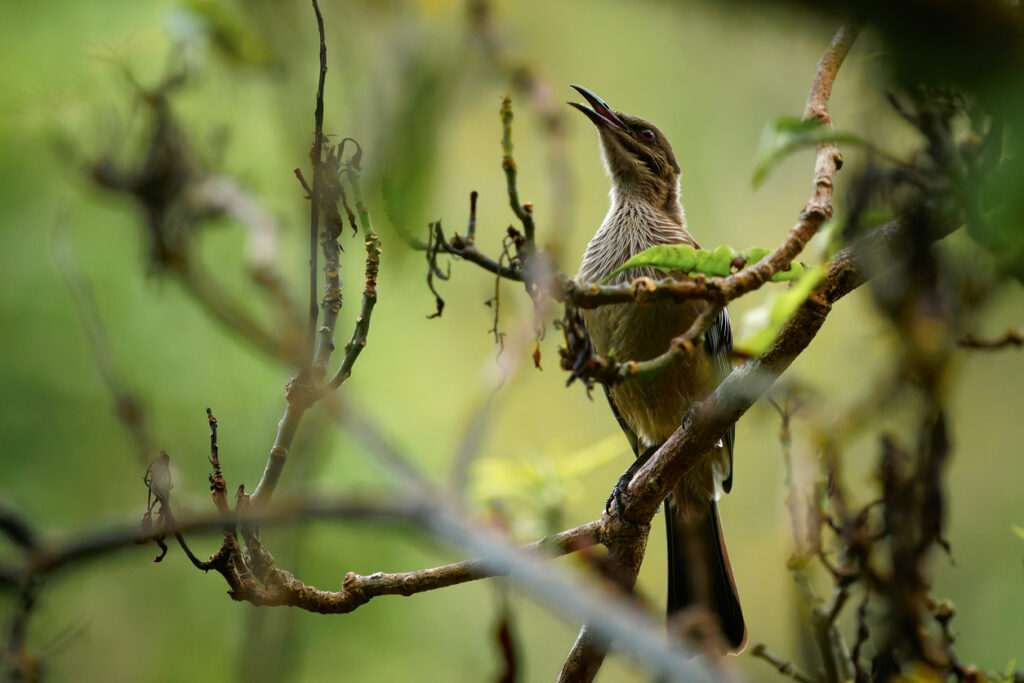
They don’t just use sticks they find, they craft hooks from materials, bending them into specific shapes to fish out food from tight spaces. Some do this without ever seeing another crow demonstrate the technique.
That’s innovation, not imitation. They’re solving problems with engineering principles, creating tools based on understanding how objects work, which is a level of intelligence most people reserve for primates and humans.
Cockatoos can pick locks.
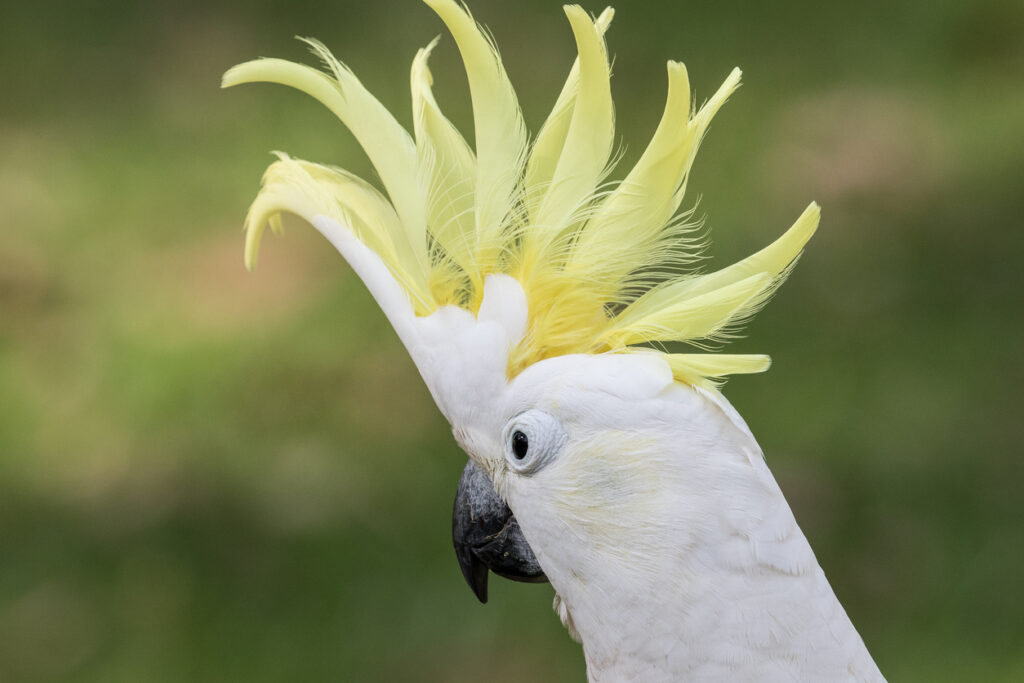
In experiments, cockatoos figured out how to remove multiple types of locks in sequence to access food. They’d observe the mechanism, work out the order of operations, then execute it methodically without random trial.
That’s not persistence, that’s comprehension. They understood causality, that one action leads to another in a specific sequence, and they applied that logic deliberately, which requires planning and memory working together.
Jays plan for the future.
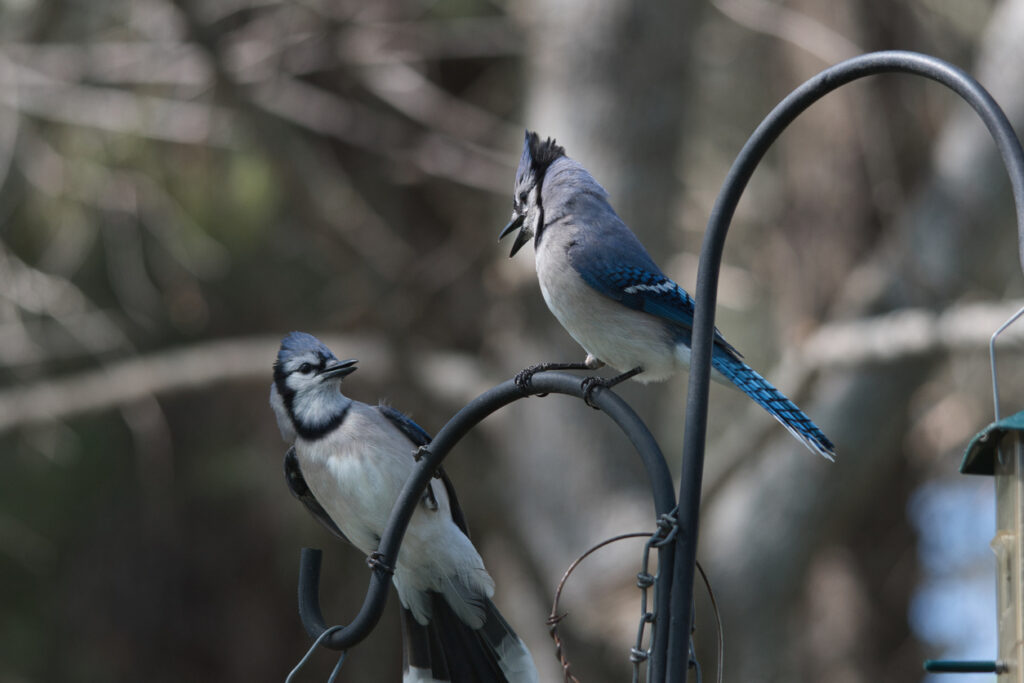
Western scrub jays cache food in different locations and remember not just where they hid it, but what type of food and when. If enough time passes, they’ll prioritise checking non-perishable caches, understanding decay without needing to check.
That’s mental time travel, thinking about future states based on current knowledge. It’s not instinct driving storage, it’s genuine planning with an understanding of time passing and conditions changing, which is shockingly sophisticated.
Ravens can negotiate and trade.
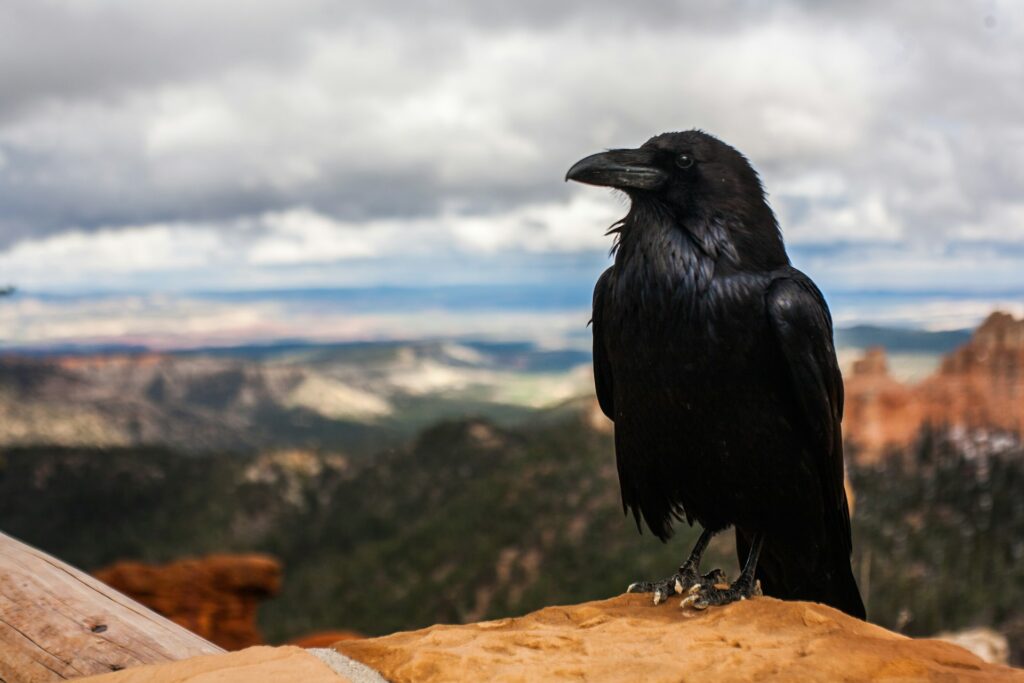
In the wild, ravens have been observed trading favours, sharing food with non-relatives who later reciprocate. They track who’s helped them and adjust their behaviour accordingly, maintaining social contracts over time.
That requires memory, fairness assessment, and delayed gratification, all working together. They’re not just responding to immediate need, they’re investing in relationships with the expectation of future benefit, which is complex social intelligence.
Parrots understand “same” and “different.”
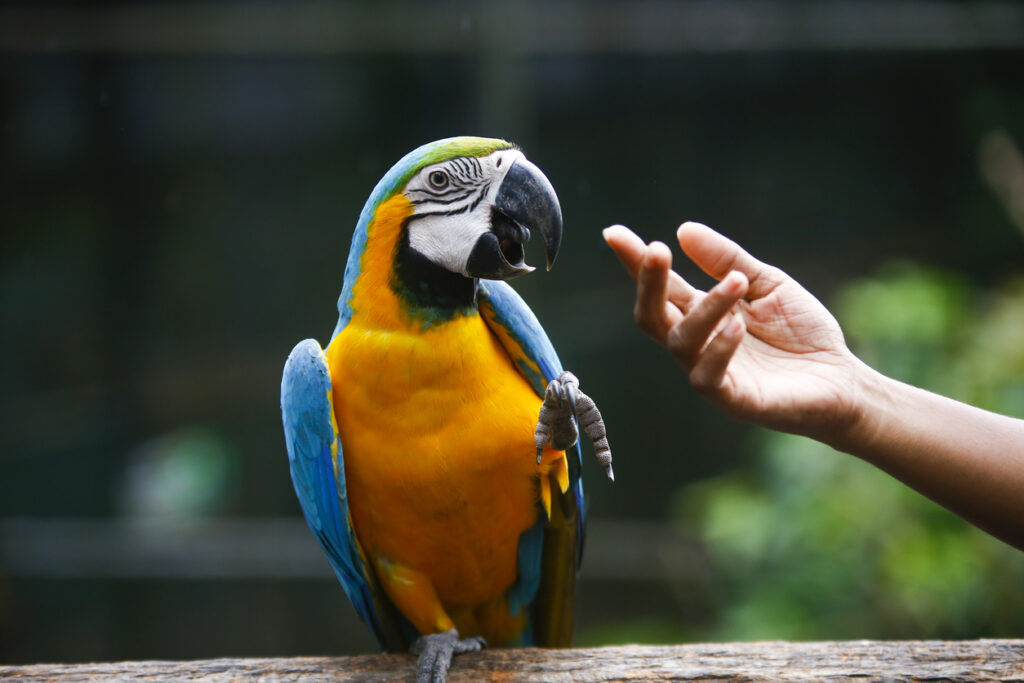
African grey parrots can categorise objects based on abstract concepts like colour, shape, and material, then tell you if two objects are the same or different across those categories. They’re not matching visually, they’re thinking conceptually.
That abstraction is what language is built on, the ability to group and compare using categories that don’t physically exist. The fact they can do this suggests their brains process information in ways closer to human cognition than people assume.
Crows understand water displacement.

In Aesop’s fable, a crow drops stones into a pitcher to raise the water level and drink. That’s not just a story, crows actually do this in experiments, understanding that adding mass to liquid raises its level without trial and error.
They grasp cause and effect with physics, which is Archimedes’ principle being applied by a bird. That level of understanding about how the physical world works isn’t instinctual, it’s learned and reasoned through observation.
Bowerbirds create art for attraction.
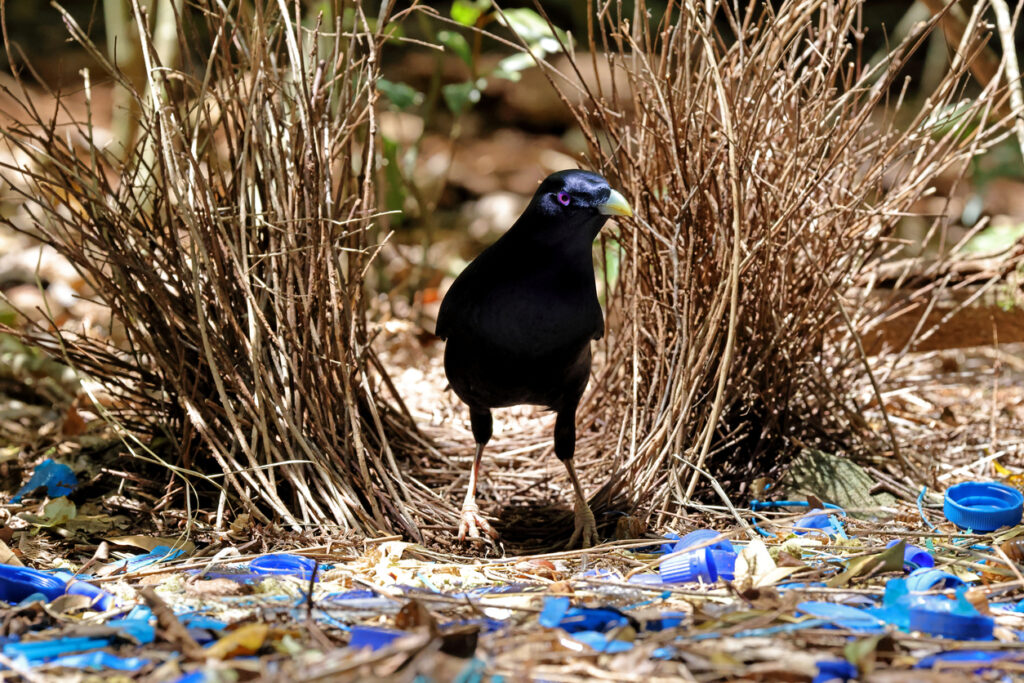
Male bowerbirds build elaborate structures and decorate them with coloured objects, arranging them by size and hue with genuine aesthetic consideration. They’re not random, they’re designed with visual balance and colour theory applied.
That’s creative expression with intent. They’re not just displaying, they’re curating, which suggests an understanding of beauty and presentation that goes beyond basic mate attraction into something closer to artistic sensibility.
Chickens can do basic arithmetic.
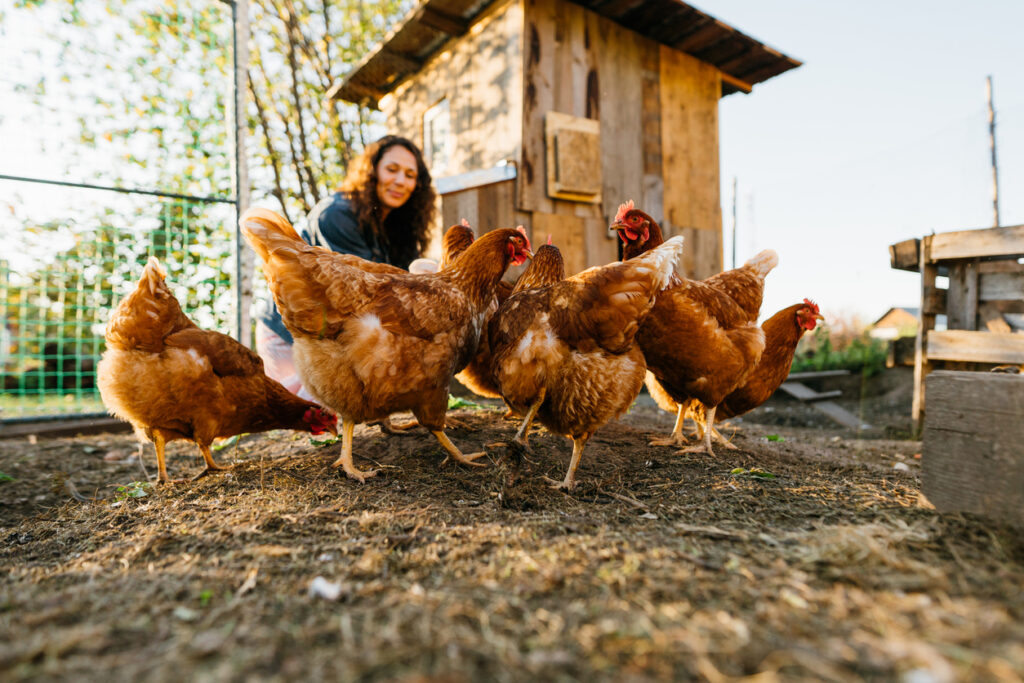
Even domestic chickens can add and subtract small quantities, understanding more or less in ways that require numerical processing. Chicks only days old can track quantities and make decisions based on which group has more.
That means mathematical thinking isn’t something that evolved recently or only in complex animals. If chickens have it, numerical cognition is far more fundamental to animal intelligence than anyone expected, which reframes how we think about bird brains entirely.