The Earth has never been a still or gentle place.
From the moment it formed, it’s been sculpted by violent forces: collisions, eruptions, quakes, and storms that reshape its surface again and again. What we see as solid and permanent is actually in constant motion, shifting under the weight of nature’s raw power.
Some disasters leave scars that last only a few years. Others permanently alter coastlines, carve out mountain ranges, or wipe entire regions from maps. These moments of destruction have shaped the planet as we know it, creating the landscapes we take for granted today.
1. The asteroid that wiped out the dinosaurs
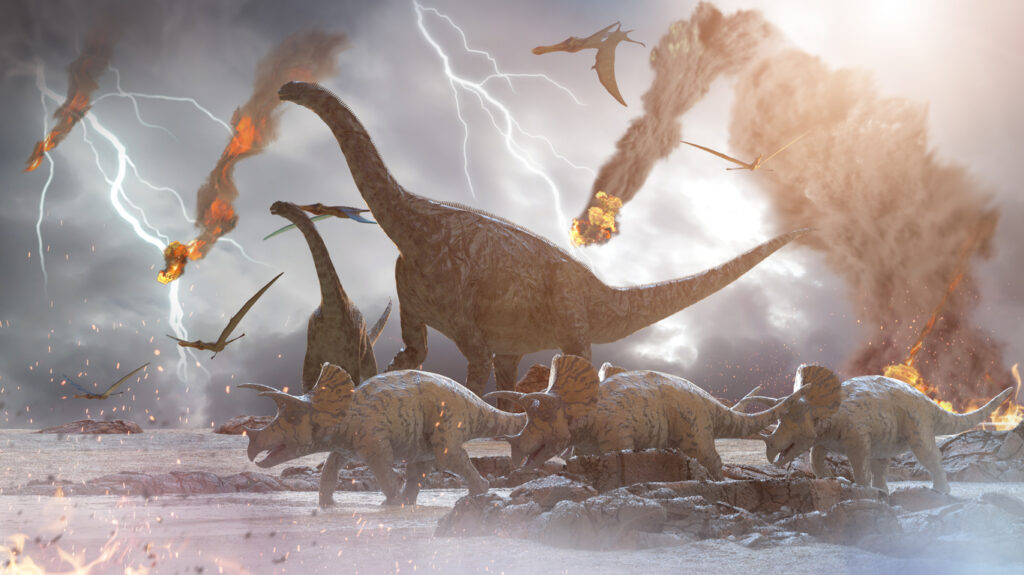
Sixty-six million years ago, a massive asteroid hit what’s now Mexico’s Yucatán Peninsula. The explosion released more energy than billions of nuclear bombs, triggering fires, tsunamis, and a global winter that wiped out most life. The crater it left behind, called Chicxulub, permanently changed Earth’s climate and ecosystem. Without that impact, mammals, including humans, might never have taken over the planet.
2. The eruption of Mount Toba
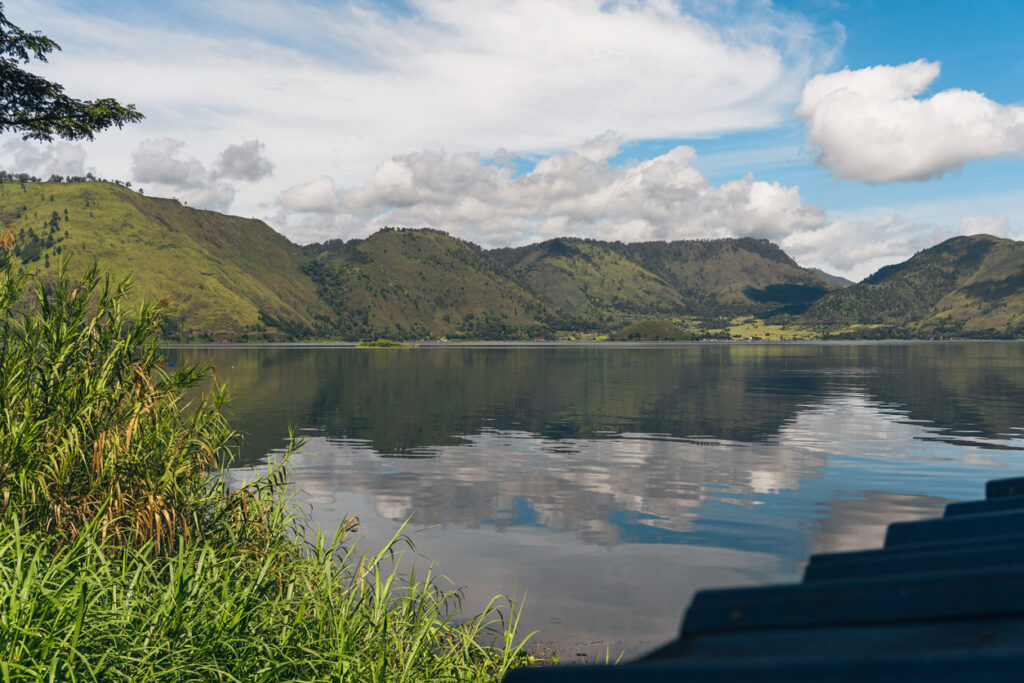
About 74,000 years ago, Indonesia’s Mount Toba erupted in one of the largest volcanic events in history. The blast covered parts of Asia in ash and may have cooled the planet for years. Scientists believe this eruption reshaped weather patterns and may have caused a population bottleneck in early humans. The landscape around Toba is still marked by a massive lake formed in the volcano’s collapsed crater.
3. The 2004 Indian Ocean tsunami
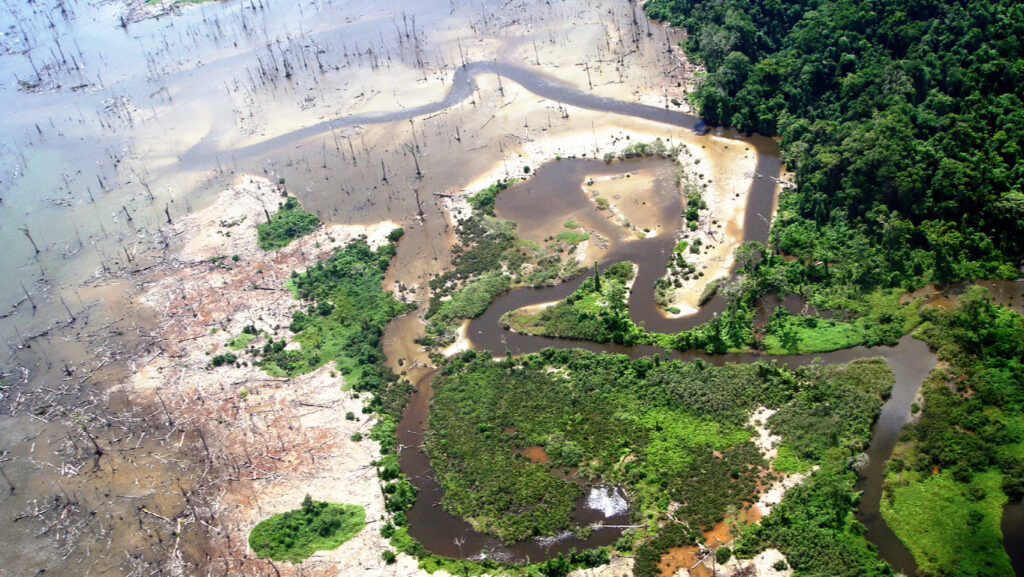
Triggered by a massive undersea earthquake near Sumatra, this tsunami changed coastlines across Asia and Africa. Entire communities were swept away, and whole stretches of beach vanished beneath the sea. The seafloor itself shifted several metres during the quake, proving that even a few seconds of tectonic movement can permanently alter the planet’s shape. Some islands were left smaller, while others grew due to the rearranged sediment.
4. The 2011 Japan earthquake and tsunami
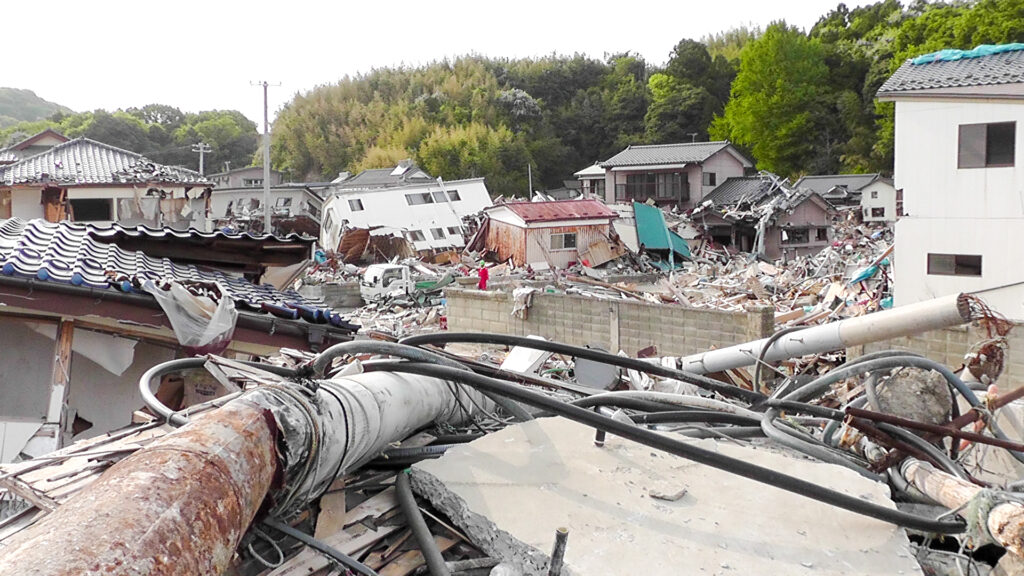
When a magnitude 9.0 earthquake struck off Japan’s east coast, it didn’t just shake the ground, it moved it. Parts of Japan’s main island shifted more than two metres east, and the whole country sank slightly. This disaster was so strong it even tilted Earth’s axis by a tiny amount and shortened the length of our days by a fraction of a second. It reminded the world just how alive and dynamic the planet really is.
5. The 1980 eruption of Mount St. Helens
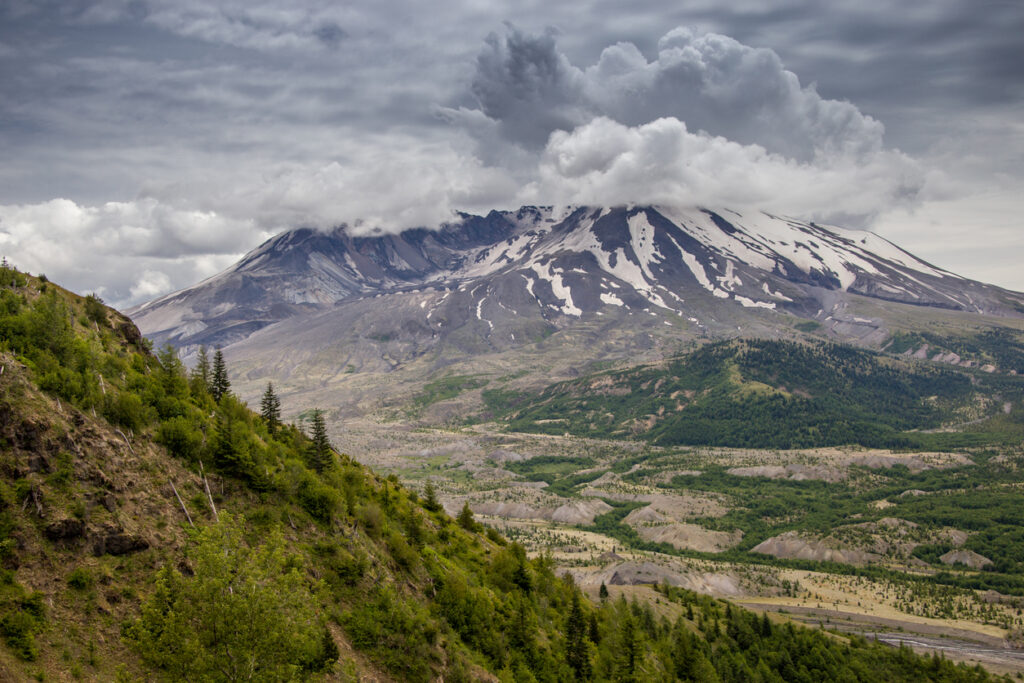
Before it erupted, Mount St. Helens was known as the “Mount Fuji of America” for its perfect cone shape. After the blast, the top of the mountain was gone, replaced by a huge crater and a flattened wasteland. The eruption completely changed the surrounding ecosystem, destroying forests but also giving birth to new habitats. Over time, nature reclaimed the scarred landscape, showing how destruction can also lead to renewal.
6. The 1815 Mount Tambora eruption
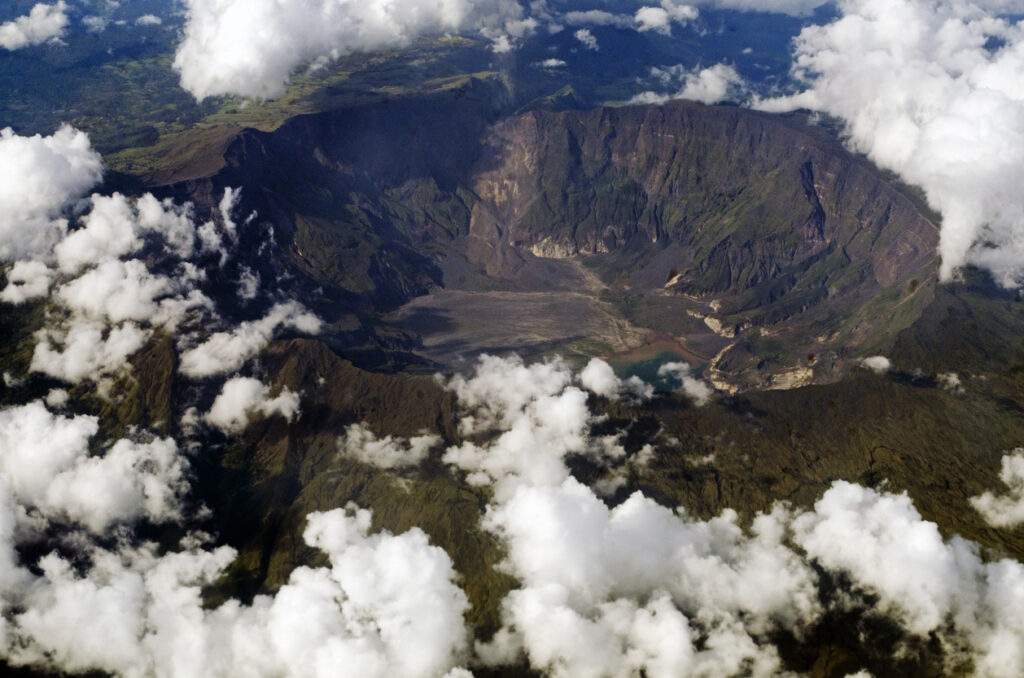
Mount Tambora, also in Indonesia, exploded with such force that it created the “year without a summer” in 1816. Ash in the atmosphere blocked sunlight, causing crops to fail and temperatures to drop worldwide. The eruption lowered the mountain’s height by around 1,500 metres and formed a massive crater still visible today. It’s one of the few times in history when a single volcanic event reshaped both land and global weather.
7. The Icelandic Laki eruption
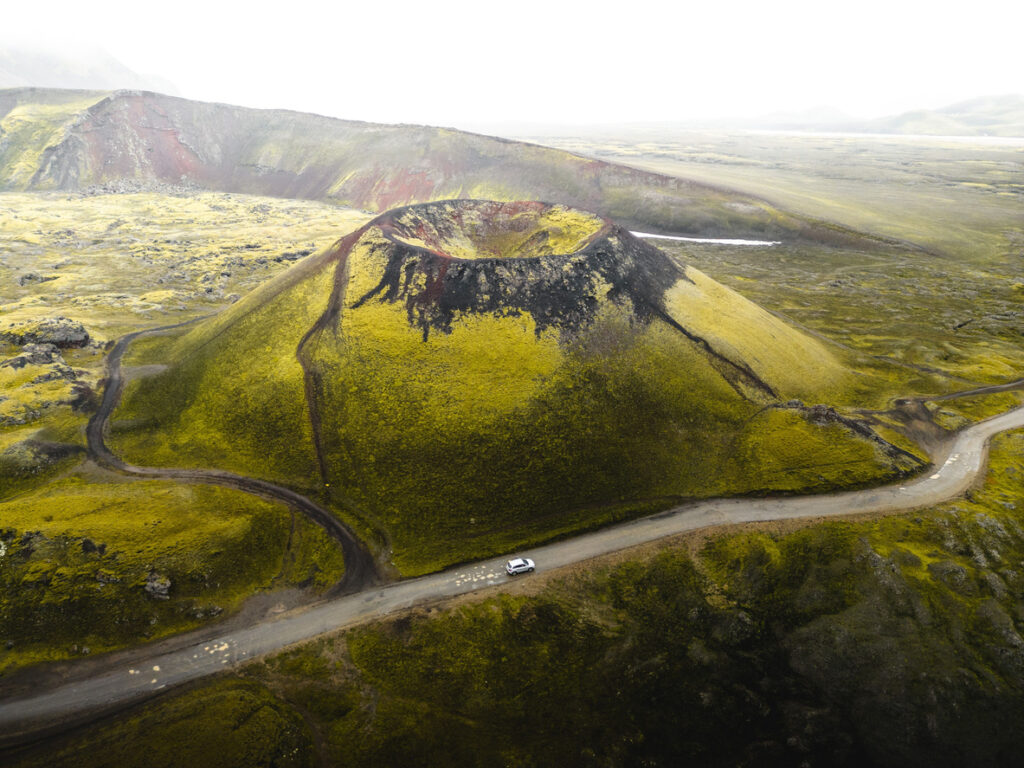
In 1783, a volcanic fissure in Iceland spewed gas and lava for eight months, covering farmland and releasing clouds of poisonous gas across Europe. Crops failed, livestock died, and the famine that followed killed tens of thousands. The eruption filled entire valleys with hardened lava, forever changing Iceland’s landscape. It also sent so much sulphur into the atmosphere that it cooled parts of the Northern Hemisphere for years afterward.
8. The 1960 Chile earthquake
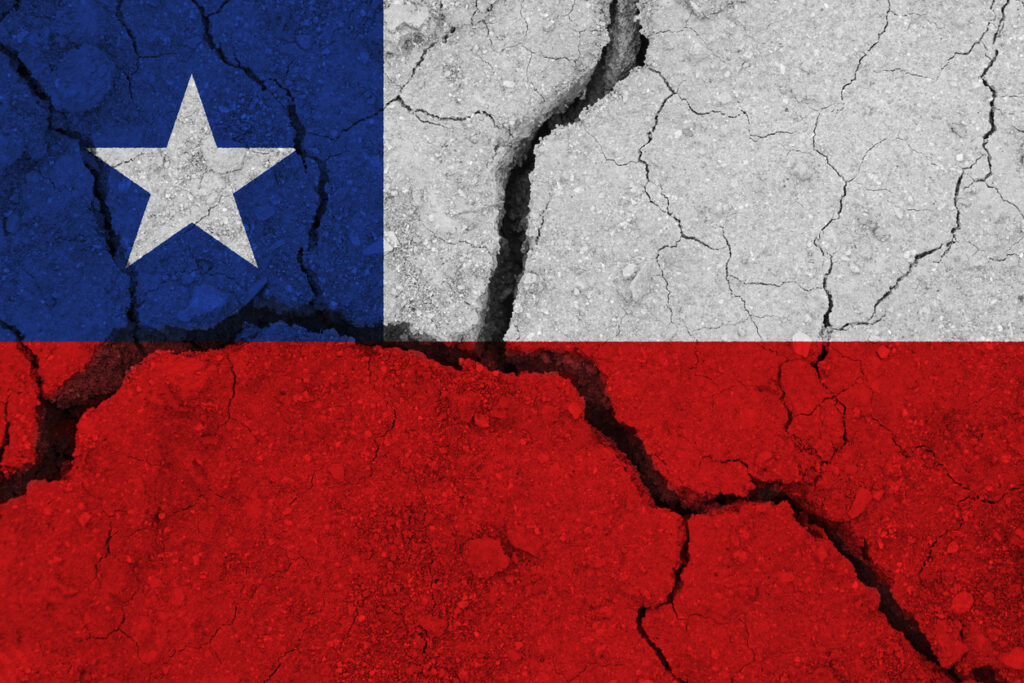
The most powerful earthquake ever recorded, this 9.5-magnitude event struck southern Chile and altered the shape of South America. The ground rose by up to ten metres in some places and sank in others. It also caused tsunamis that reached as far as New Zealand and Japan. Even today, geologists can still trace the uplifted land and fault lines that formed during that single event.
9. The creation of the Hawaiian Islands
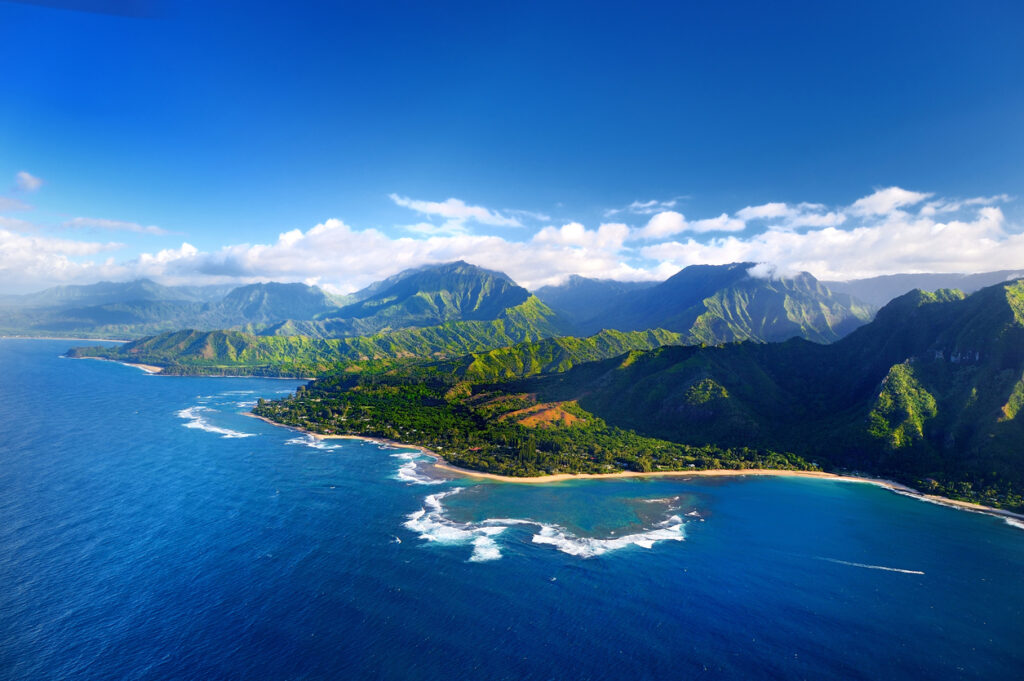
The Hawaiian Islands didn’t appear overnight, but they were born from one long-running natural process. Hot magma rising from beneath the Pacific Plate built volcanic islands over millions of years. Each eruption added new layers of rock, slowly forming the chain we see today. The process continues, with an underwater volcano called Loihi already growing into what could become the next island in the chain.
10. The breakup of the supercontinent Pangaea
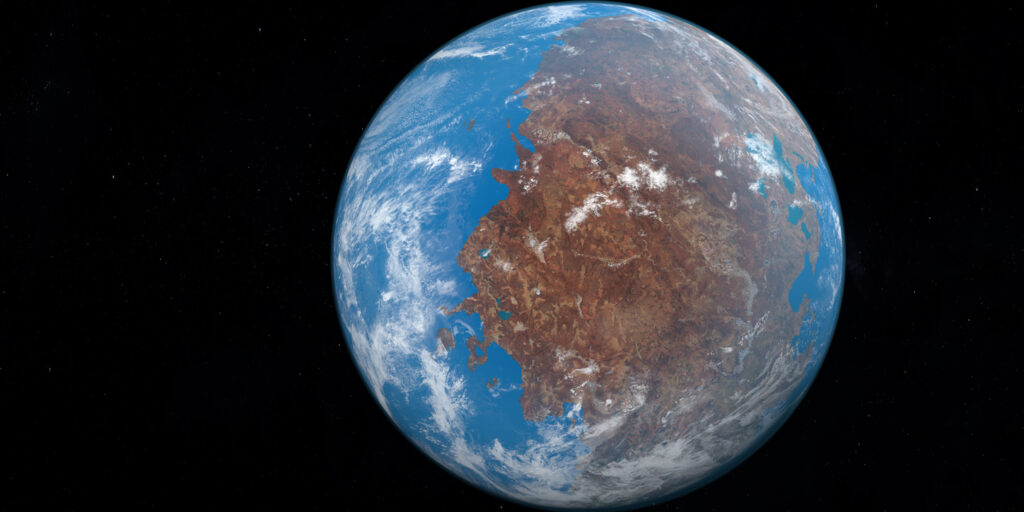
Two hundred million years ago, all Earth’s landmasses were joined together in one giant continent called Pangaea. Over time, the slow movement of tectonic plates pulled it apart into the continents we know today. This wasn’t a sudden disaster, but the forces behind it—think volcanic rifts, earthquakes, and shifting plates—were immensely destructive. Without Pangaea’s breakup, the world’s geography would look completely different.
11. The 1883 Krakatoa eruption
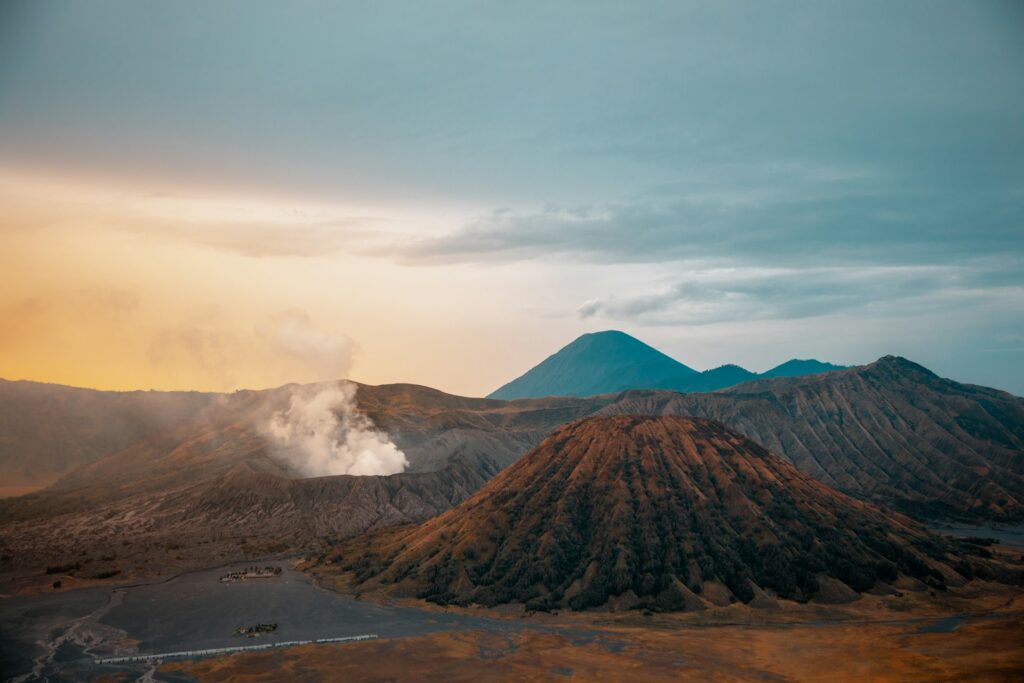
The eruption of Krakatoa in Indonesia was one of the loudest sounds in human history. The explosion destroyed most of the island and caused tsunamis that reached nearby countries within hours.
The blast sent so much ash into the air that sunsets around the world turned red for months. Decades later, a new island called Anak Krakatau, meaning “child of Krakatoa,” rose from the sea in its place.
12. The Great Flood that shaped the Black Sea
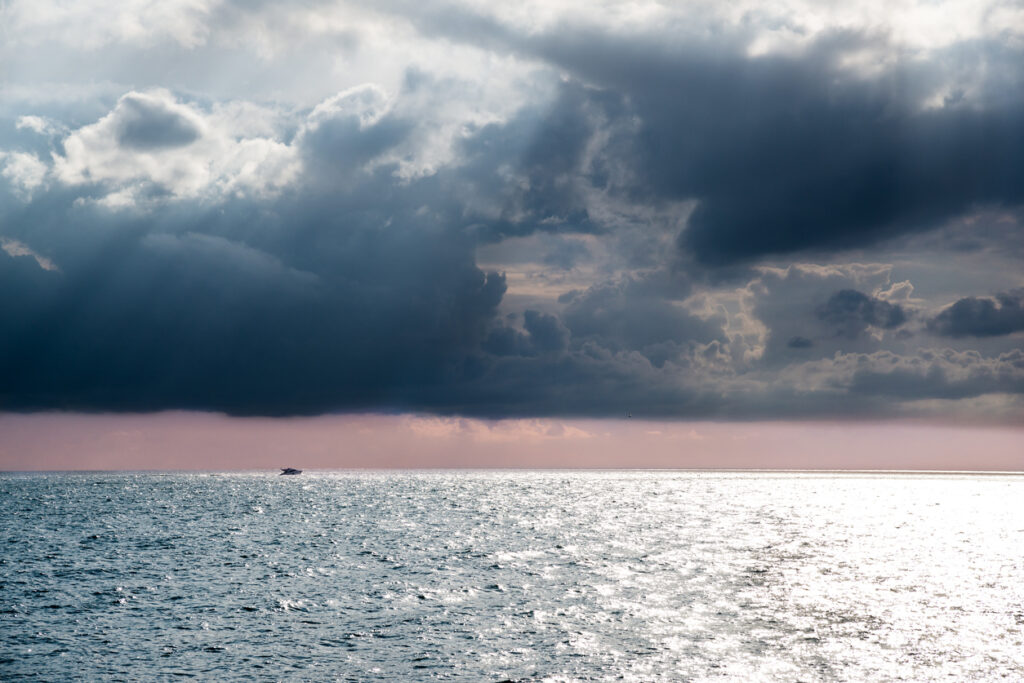
Thousands of years ago, melting glaciers caused sea levels to rise so fast that water from the Mediterranean flooded into what’s now the Black Sea basin. The sudden flood swallowed coastlines and displaced ancient communities. This event permanently expanded the sea and changed its salinity, transforming it from a freshwater lake into a saltwater body. Many researchers believe it inspired ancient flood myths, including stories from the Bible.
13. The shifting of the Himalayas
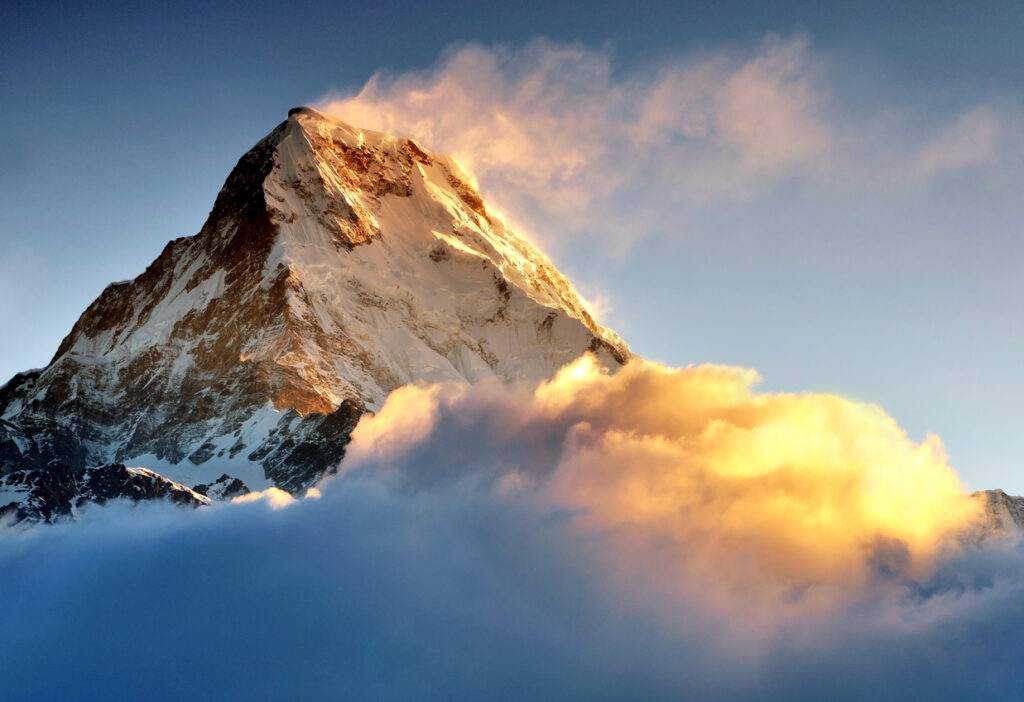
The Himalayas exist because India collided with Asia about 50 million years ago. That collision pushed land upward to form the world’s tallest mountains, and the process still hasn’t stopped. Each year, the mountains grow slightly taller as the tectonic plates continue to press together. The earthquakes that sometimes hit the region are reminders of that ongoing, powerful movement.
14. The Yellowstone supervolcano eruptions
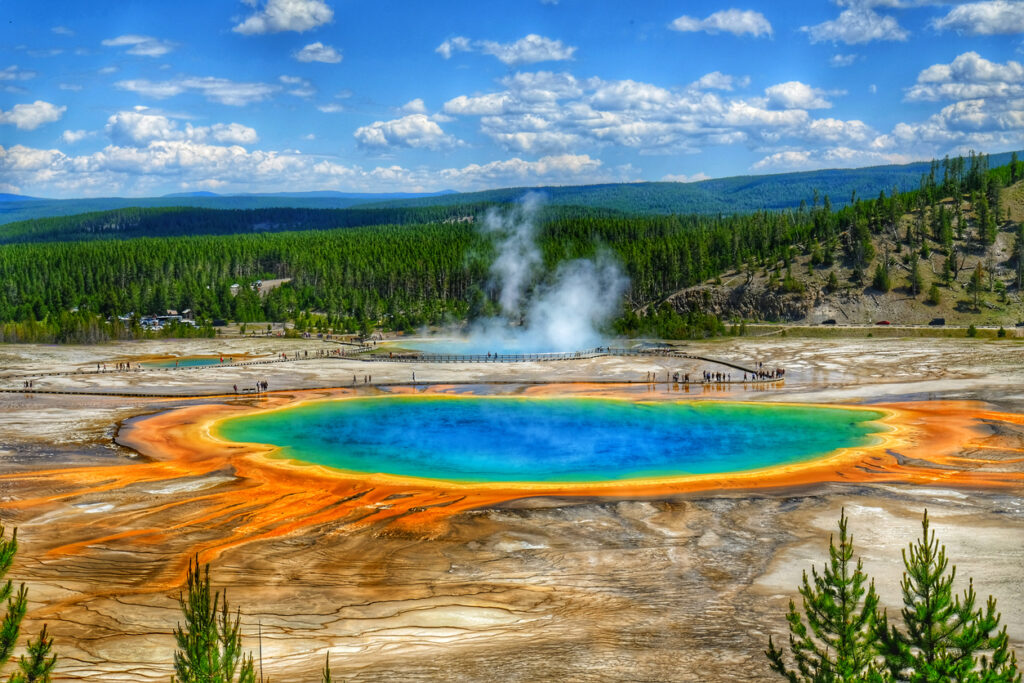
Long before Yellowstone became a national park, it was home to one of Earth’s largest supervolcanoes. Massive eruptions millions of years ago reshaped the entire region, leaving behind huge calderas and hot springs. Scientists say Yellowstone’s eruptions released enough ash to blanket half of North America. The land that now draws millions of tourists was once a centre of total destruction and rebirth.