The UK might not be known for its deadly wildlife, but that doesn’t mean it’s completely harmless.
Beneath the calm countryside and rocky coastlines live a few creatures you really wouldn’t want to cross paths with. Some carry venom, others pack a nasty bite, and a few can cause serious trouble if you’re unlucky enough to disturb them.
Most encounters are rare and rarely life-threatening, but it’s still surprising how many genuinely dangerous animals call Britain home. From silent hunters in the sea to toxic insects in your own back garden, these are the UK’s most unexpectedly risky residents.
Adders are the only venomous snake we have.
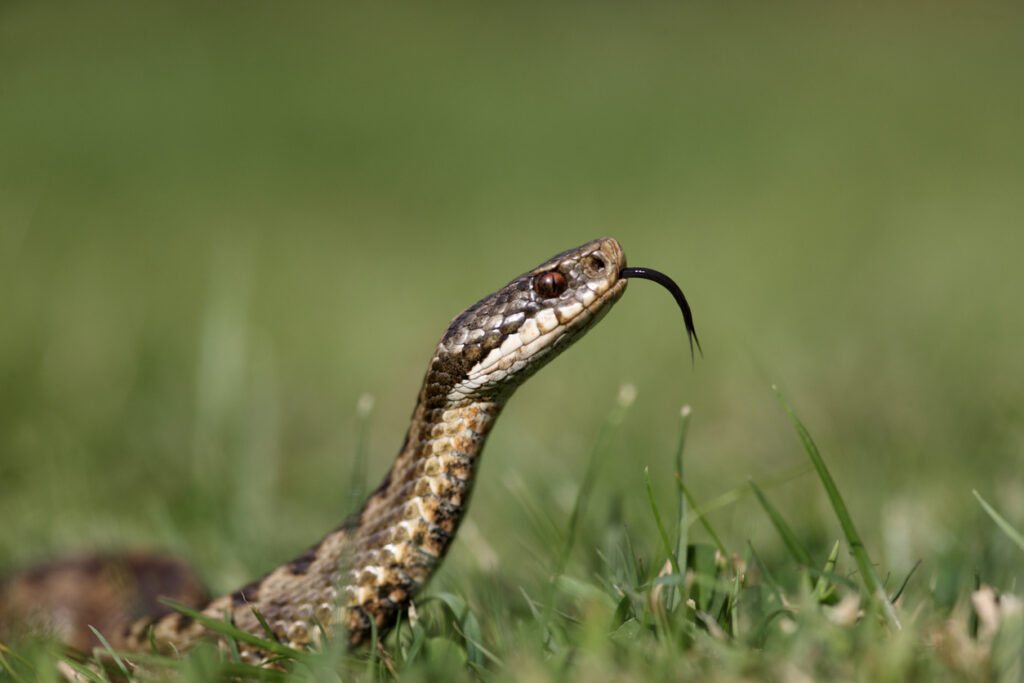
Adders are the UK’s only poisonous snake. They’re usually found in woodland, heathland, and moorland areas. You can spot them by the dark zigzag pattern down their back. They’re not aggressive and will slither away if they hear you coming.
Bites are rare and usually happen when people try to pick them up or accidentally step on them. The venom can make you sick with swelling, dizziness, and nausea. Deaths are extremely rare, but you should get to hospital if bitten.
Ticks carry Lyme disease.
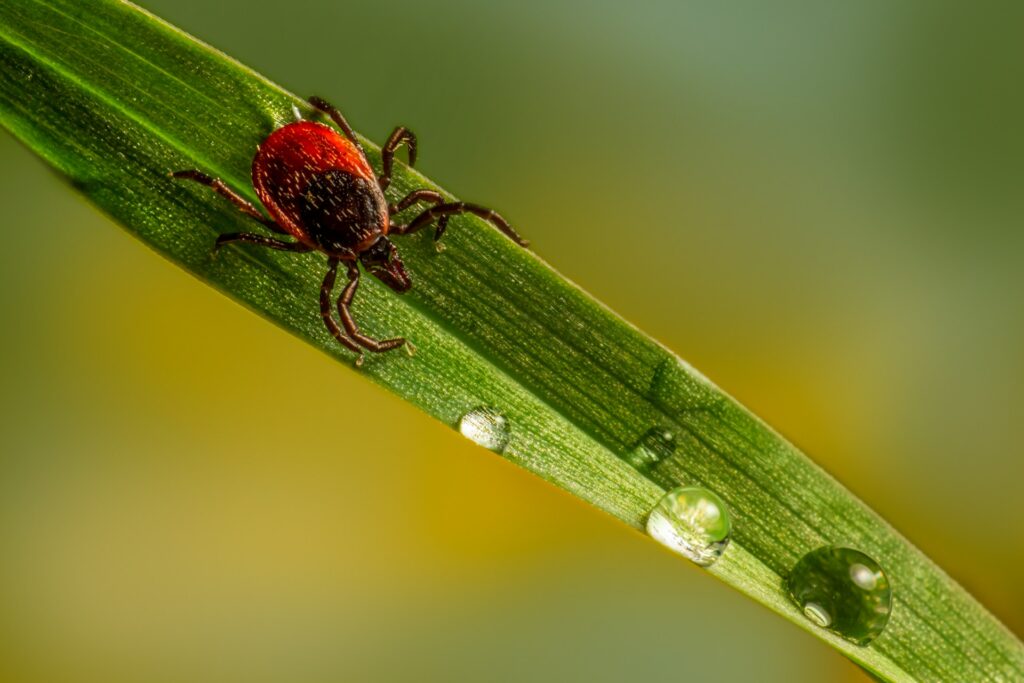
Ticks are tiny spider-like creatures that bite and attach to your skin to feed on blood. They live in forests, grassland, and areas with deer or sheep. You won’t feel them bite because they inject something that numbs the area first.
The danger is they can carry Lyme disease, which causes serious health problems if untreated. Check yourself after walking in long grass or woodland. If you find one attached, remove it carefully with tweezers and watch for a circular rash.
Wasps and bees kill more people than any other UK creature.

Most people don’t realise wasps and bees are statistically the UK’s deadliest creatures. They cause several deaths each year, mainly from allergic reactions. Wasps are more aggressive than bees and can sting multiple times without dying.
If you’re allergic, a sting can cause anaphylactic shock, which kills quickly without treatment. Even if you’re not allergic, disturbing a nest can lead to multiple stings, which is dangerous. Leave nests alone and call professionals to remove them.
False widow spiders have a painful bite.
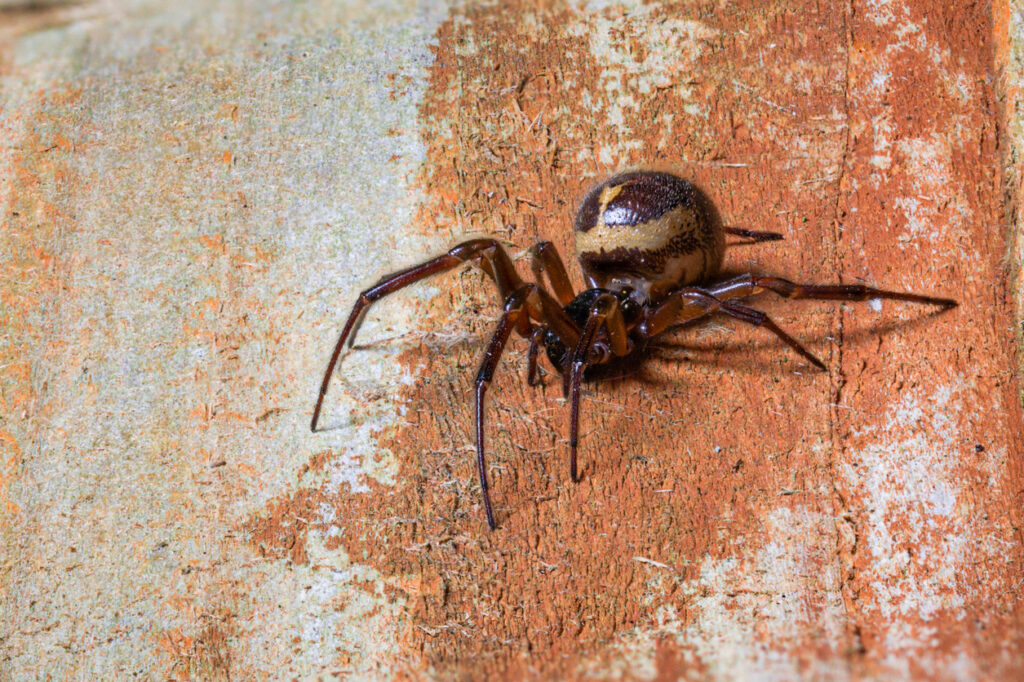
False widows are Britain’s most venomous spider. They’re about the size of a 50p coin, with a dark brown body and cream markings. They’re becoming more common, especially in southern England, and like hiding in sheds, garages, and houses.
Their bite feels like a wasp sting and can cause swelling, pain, and sometimes nausea or fever. It’s rarely serious but can get infected if not cleaned properly. They’re not aggressive and only bite if threatened or squashed.
Cows kill more people than you’d think.
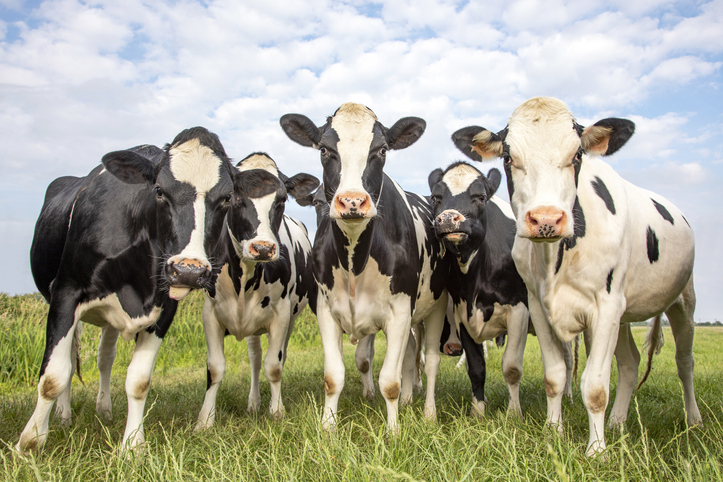
Cows cause several deaths in the UK every year, more than any wild animal. They’re huge, can weigh over 500 kg, and can be aggressive if they have calves or feel threatened. Bull attacks are particularly dangerous, but even dairy cows can hurt you.
Most deaths happen when walkers cross fields with cows and dogs. Cows see dogs as predators and will charge to protect their young. If cows start moving towards you, let go of your dog and leave the field immediately without running.
Deer can attack during rutting season.
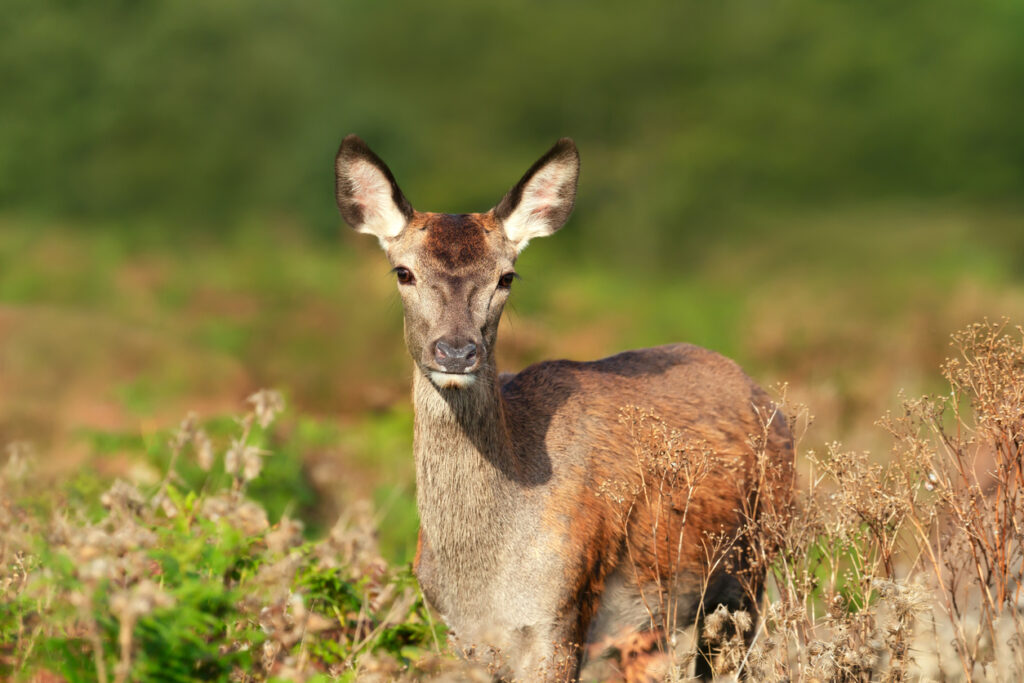
Deer seem gentle, but stags become aggressive during mating season in autumn. They’ll charge at people who get too close, using their antlers as weapons. Red deer stags are particularly dangerous as they’re massive and territorial when competing for females.
Most attacks happen when people try to photograph deer or don’t realise they’re too close. Keep at least 50 metres away, especially in autumn. If a stag lowers its head and stares at you, back away slowly without turning your back.
Jellyfish washed up on beaches can still sting.
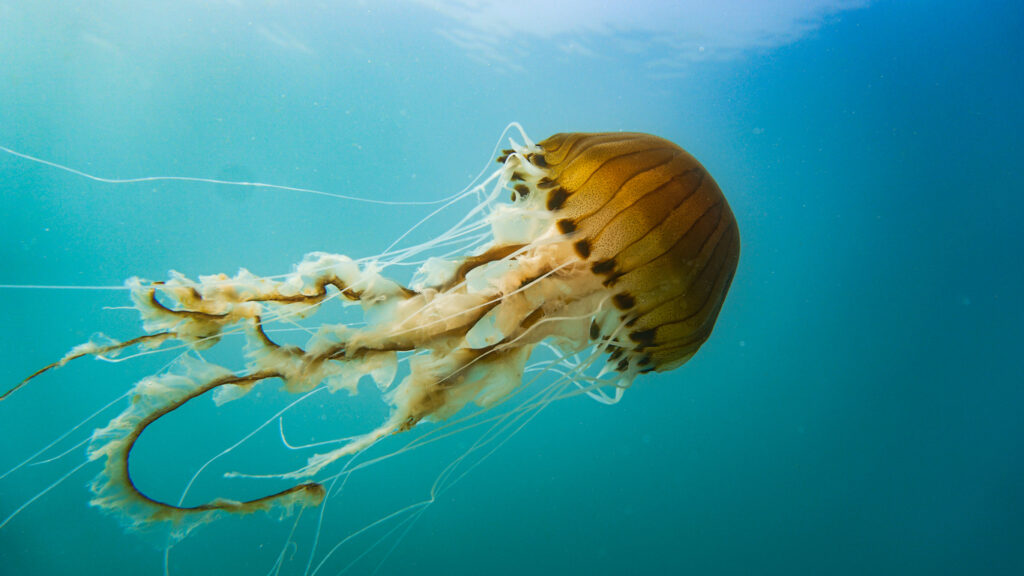
Several jellyfish species in UK waters can sting, with the lion’s mane jellyfish being the worst. Even dead jellyfish on the beach can sting you if you touch them because the tentacles stay active for hours after they die.
Stings cause burning pain, redness, and sometimes muscle cramps or breathing difficulties. Don’t pee on stings, that’s a myth. Rinse with seawater, not fresh water, and remove any tentacles with tweezers or a card without touching them directly.
Weever fish hide in shallow water.
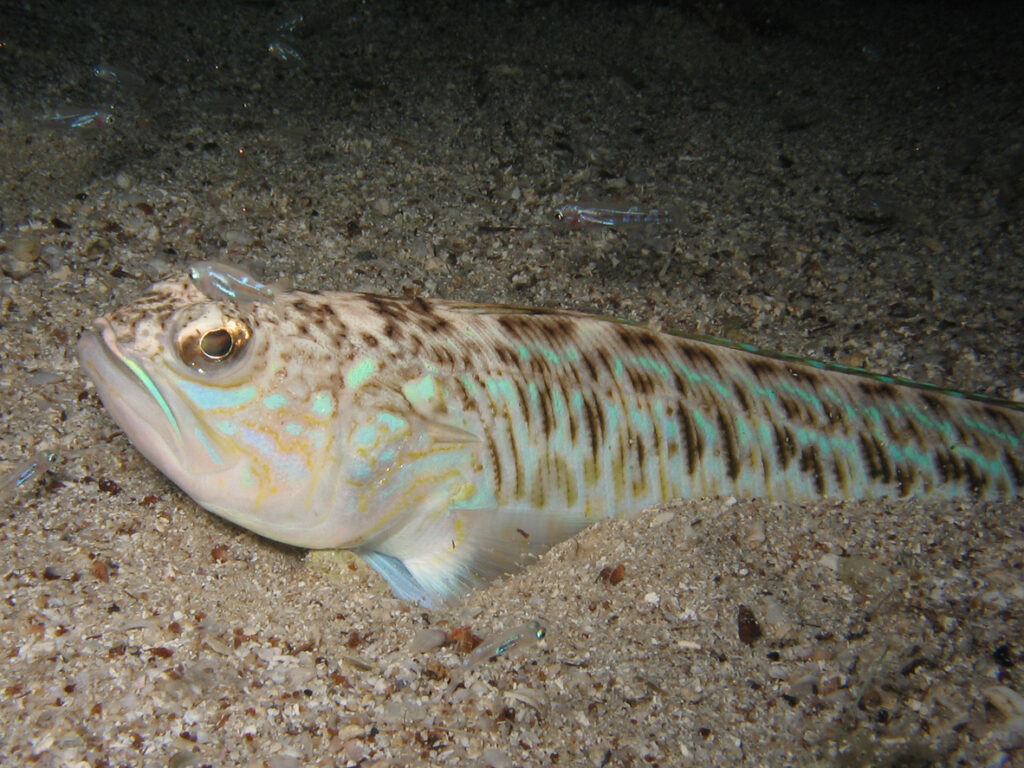
Weever fish bury themselves in sand in shallow water around UK beaches. They have venomous spines on their back that stick up. Most people step on them whilst paddling because they’re completely hidden except for their spines.
The sting is incredibly painful, causing intense burning that can last for hours or days. The area swells up and throbs. Put the affected foot in hot water as hot as you can stand because heat breaks down the venom.
Rats carry serious diseases.
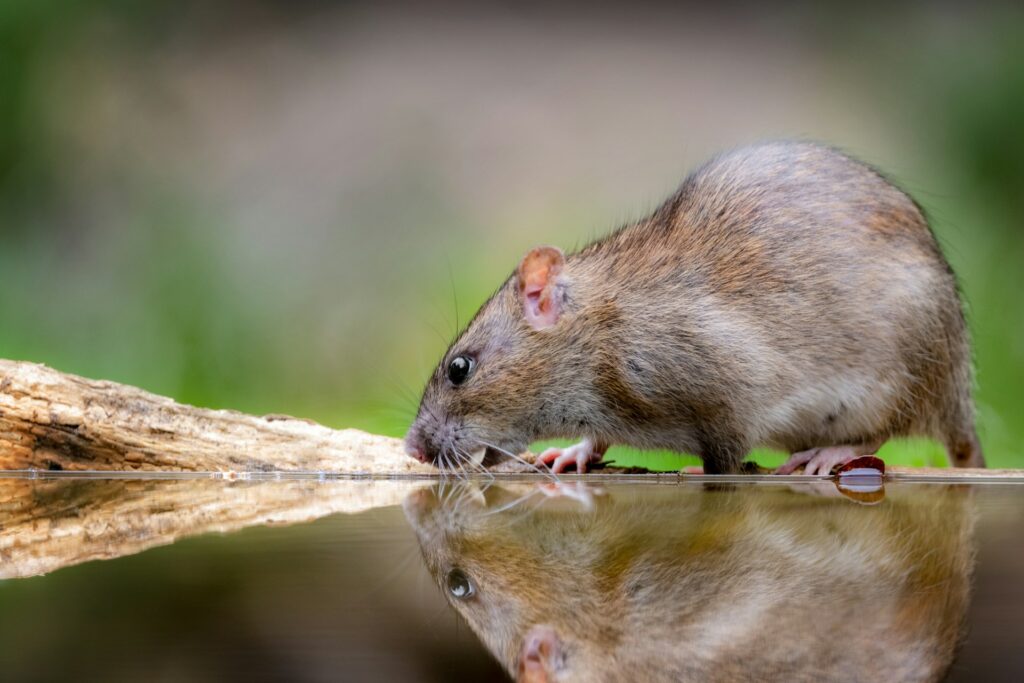
Rats are common in cities and countryside across the UK, as you’re probably already well aware. They carry diseases like leptospirosis, which you can catch from rat urine in water or soil. The disease causes flu-like symptoms but can damage kidneys and liver if severe.
Rats also carry fleas that spread other diseases. Avoid areas with lots of rat droppings, wear gloves when clearing infestations, and cover any cuts before working in areas where rats might have been. Rat bites can also get badly infected.
Wild boar are making a comeback and they’re aggressive.
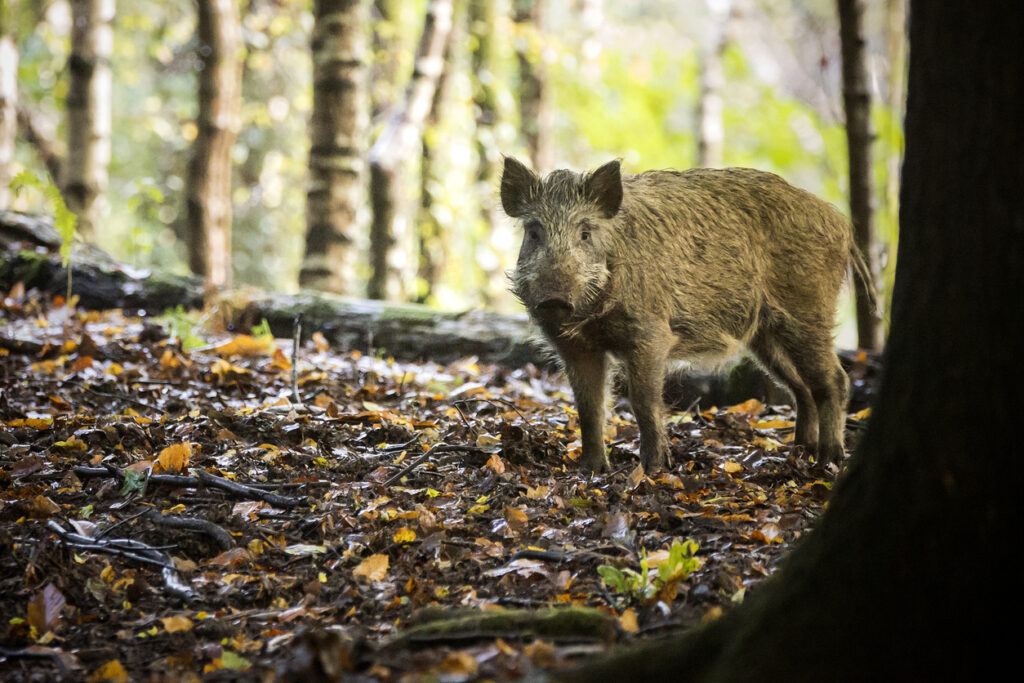
Wild boar escaped from farms and are now breeding in forests, particularly in the Forest of Dean and Kent. They’re not small like farm pigs. Adult males can weigh 150 kg and have sharp tusks they use to fight and defend themselves.
They’re usually shy, but females with piglets or males during mating season are dangerous. They’ll charge if they feel threatened. Don’t approach them, don’t feed them, and keep dogs on leads in areas where wild boar live.
Horseflies leave nasty bites that get infected.
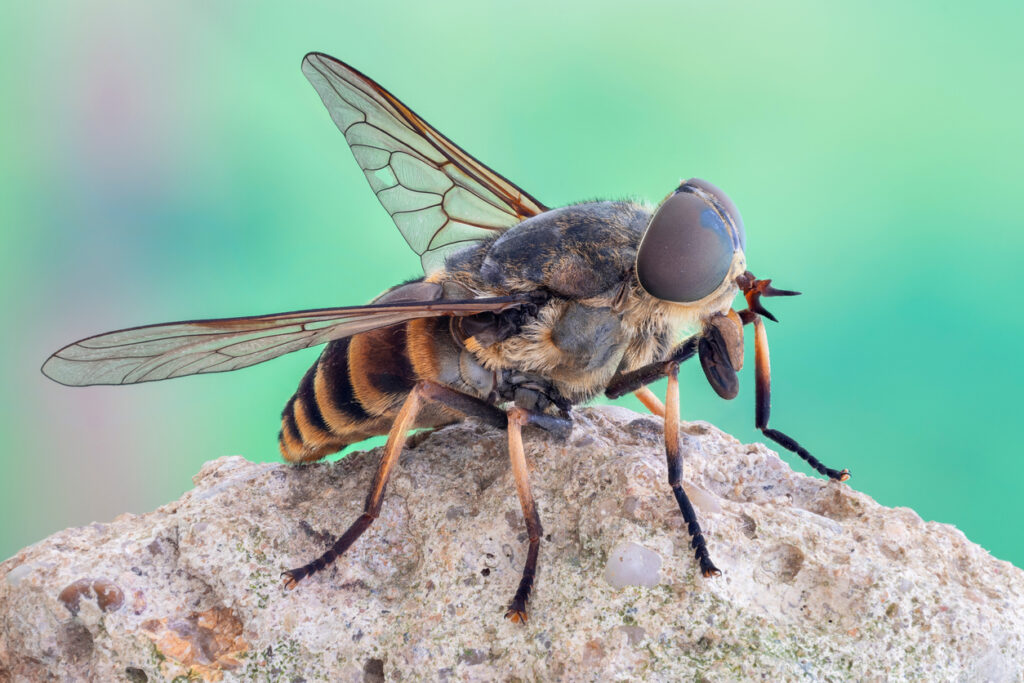
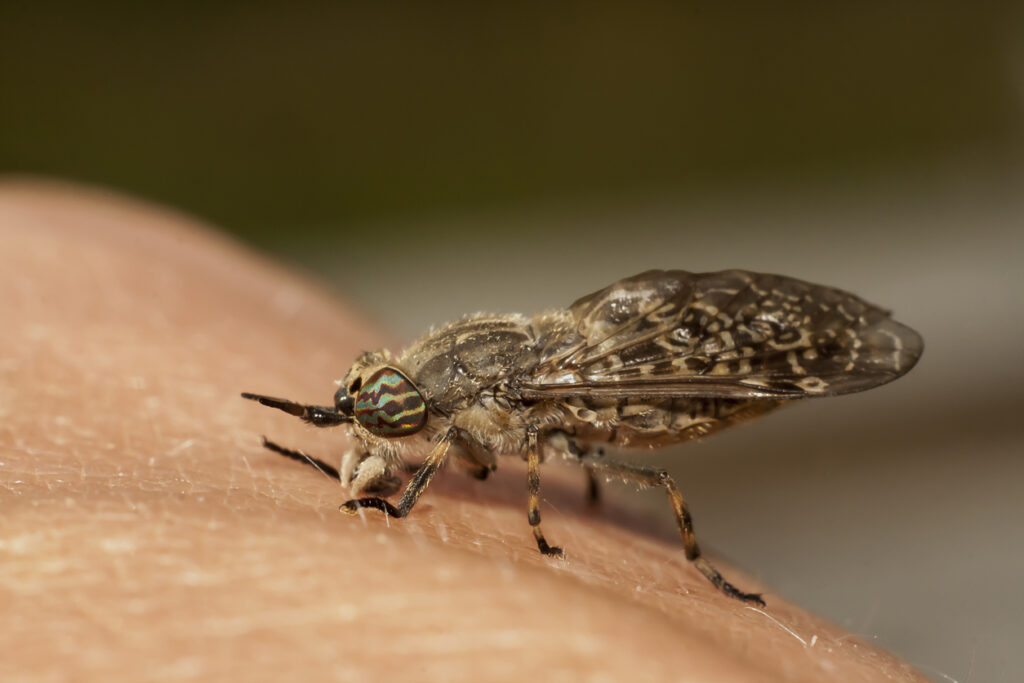
Horseflies are large flies that cut into your skin and drink blood. Unlike mosquitoes that inject anticoagulant, horseflies slice your skin open with scissor-like mouthparts. The bite hurts immediately and often bleeds because the cut is quite deep.
The bites swell up, itch badly, and easily get infected because of the bacteria on the fly’s mouthparts. Clean bites thoroughly with antiseptic. They’re most common near water and livestock during summer, especially in hot weather.
Badgers are protected but dangerous if cornered.
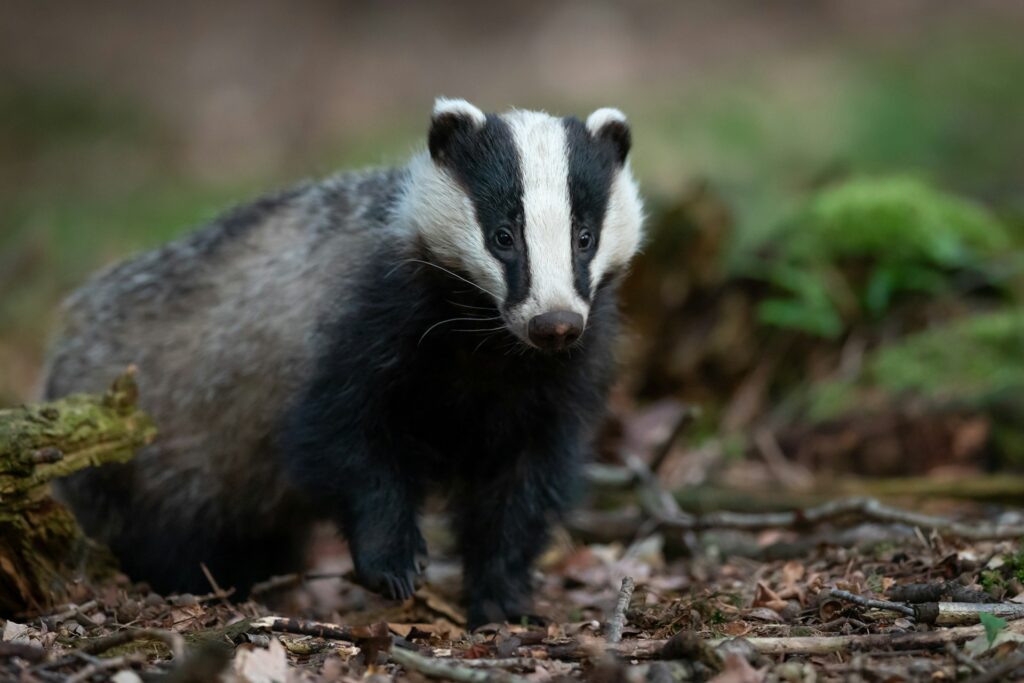
Badgers are protected by law, but they’re not cuddly. They have powerful jaws and sharp claws designed for digging. If cornered, injured, or protecting their young, they’ll attack viciously. Badger bites can cause serious injuries requiring hospital treatment.
Most attacks happen when people find injured badgers and try to help, or when dogs corner badgers in their setts. Never approach a badger, especially if it seems unwell. Call the RSPCA instead of trying to handle it yourself.
Giant hogweed causes severe burns.

Giant hogweed is a plant, not an animal, but it’s one of the most dangerous things you can encounter in the UK. It grows up to five metres tall along riverbanks and wasteland. The sap contains chemicals that react with sunlight to cause severe burns.
If sap gets on your skin, and you go in sunlight, you’ll get painful blisters that can scar permanently. The burns can be bad enough to need hospital treatment. Never touch giant hogweed. If you do get sap on you, wash immediately and stay out of sunlight.
Foxes rarely attack but carry diseases.

Foxes are common in cities and countryside, but attacks on humans are extremely rare. The bigger risk is diseases like toxoplasmosis from their droppings, and rabies if bitten whilst abroad then returning to the UK carrying the virus.
Urban foxes have become bolder and will come into gardens. Don’t feed them or encourage them to lose their fear of humans. Most fox bite cases involve people trying to handle fox cubs or injured foxes. Leave them alone and call wildlife rescue if needed.