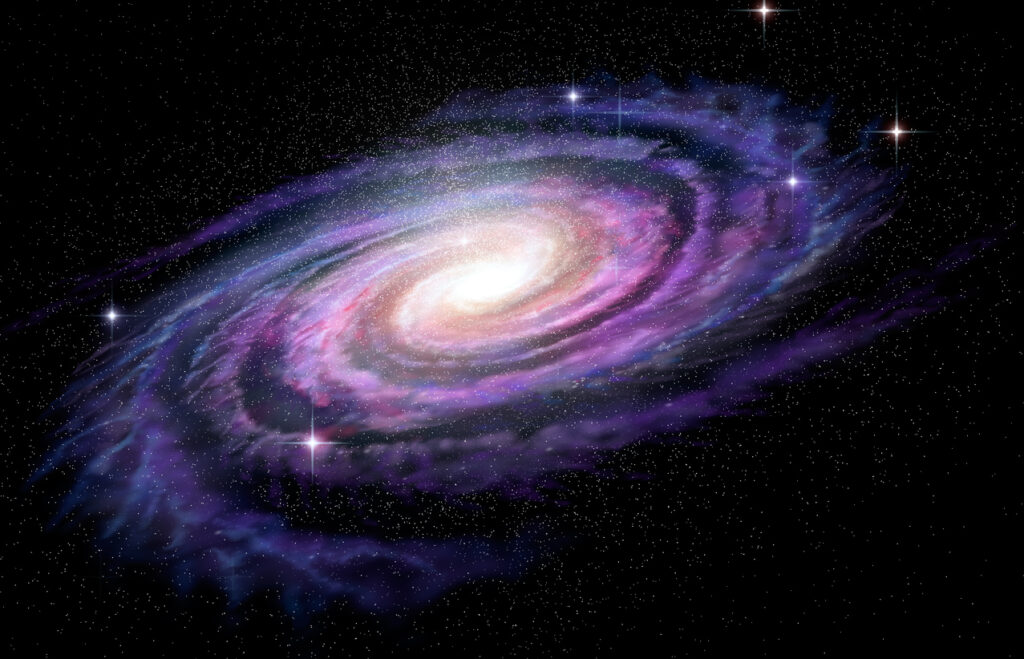
Earth might seem ancient, but compared to the age of the universe, it’s surprisingly young. Our planet formed about 4.5 billion years ago, long after countless stars, galaxies, and cosmic structures were already in place. Some things in space are so old they were here before the Sun even existed. These are just some of the fascinating things that formed long before Earth ever came to be.
1. The first generation of stars
Before our Sun existed, the universe was home to the very first stars, known as Population III stars. These massive stars formed just a few hundred million years after the Big Bang. They burned intensely, lived briefly, and ended their lives in enormous explosions that spread elements across space.
Those explosions made heavier elements like carbon and iron, which would later form new stars, planets, and eventually life. Even though none of these first stars remain today, everything around us is built from the materials they created.
2. The oldest star still shining
There’s a star in our galaxy called SMSS J0313-6708 that’s believed to be around 13.6 billion years old. That means it formed only a few hundred million years after the universe began, billions of years before our Sun appeared. This faint, long-lasting star is a rare survivor from the universe’s early days. By studying it, scientists can learn what space was made of before galaxies, planets, or solar systems existed.
3. Ancient black holes from the early universe
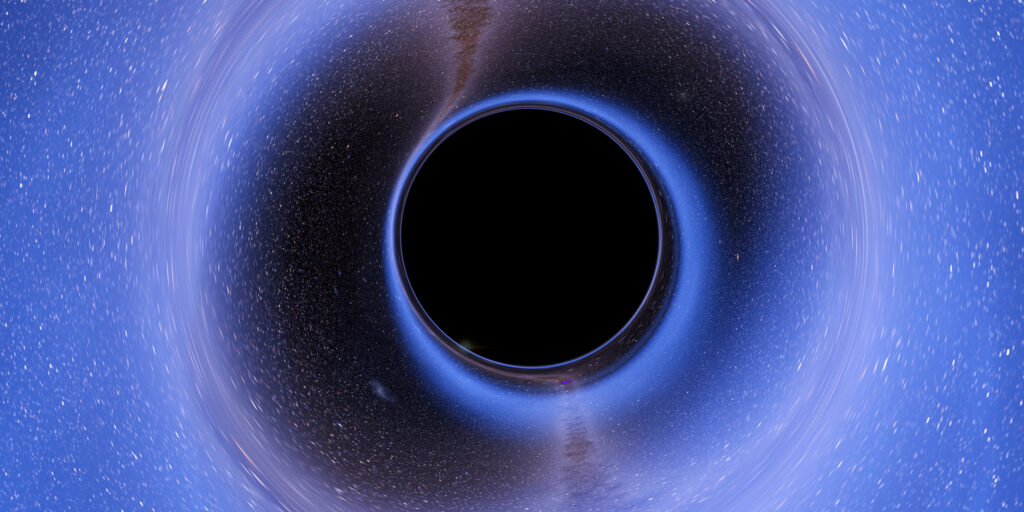
Some black holes date back almost to the beginning of time. They formed as the first stars collapsed and grew quickly by pulling in nearby gas and dust. These early black holes became the centres of young galaxies, shaping their growth and structure. Even today, astronomers find enormous black holes that have existed for more than 13 billion years. They continue to influence their surroundings, proving that some of the universe’s oldest objects are still active today.
4. Cosmic dust older than the solar system
Not all dust in space is new. Tiny grains found inside meteorites have been traced back to dying stars that existed billions of years before Earth formed. These microscopic particles are known as presolar grains. When the solar system began forming, that ancient dust drifted into the cloud of gas that became the Sun and planets. Pieces of it are still trapped in meteorites that fall to Earth, giving us direct evidence of material older than our own world.
5. The Milky Way’s oldest stars
Many of the stars in the outer regions of our galaxy are much older than the Sun. Some of them are over twelve billion years old and formed before the Milky Way took its current shape. They shine with a dim, reddish light and contain very few heavy elements. These ancient stars are like fossils of the early universe. By studying them, astronomers can piece together how galaxies evolved and what conditions were like long before Earth appeared.
6. Globular clusters filled with ancient stars
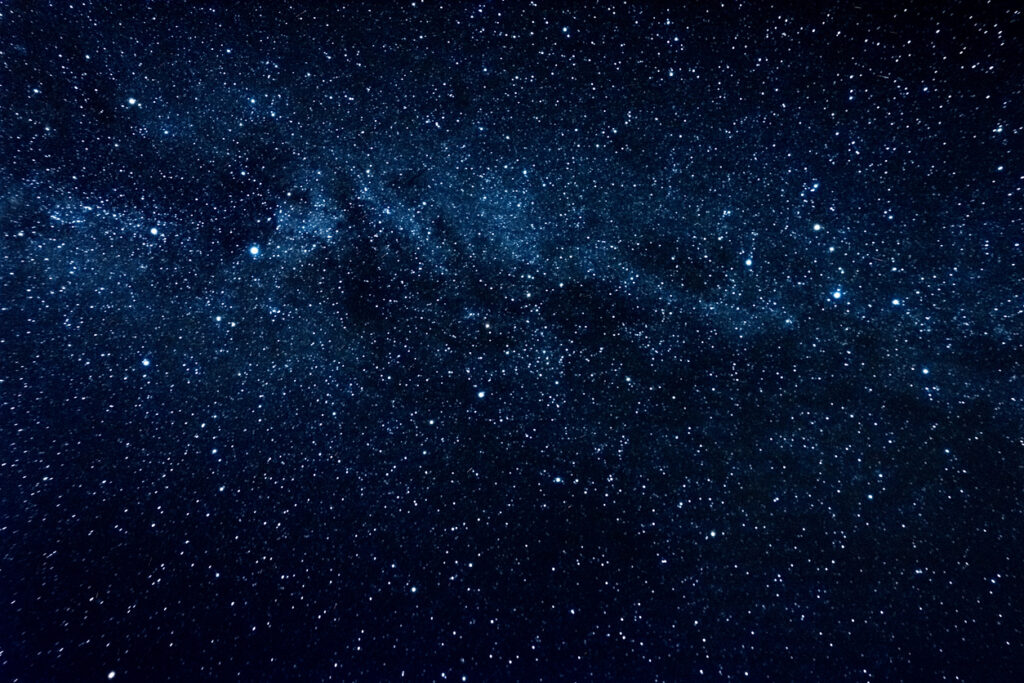
Globular clusters are huge, tightly packed groups of stars that orbit galaxies like satellites. Many of them, such as M15 and M92, are more than twelve billion years old. That means they formed billions of years before our planet even existed. These clusters are incredibly stable. Their stars have stayed together for nearly the entire history of the universe, providing a living record of how early stars formed and survived for so long.
7. Distant galaxies from the dawn of time
The Hubble Space Telescope has captured images of galaxies so far away that their light has been travelling for more than 13 billion years. These galaxies formed when the universe was less than half a billion years old, long before our solar system appeared. Looking at them is like looking back in time. Their faint light shows how the first galaxies began forming from clouds of gas, offering a glimpse into what space looked like before stars like our Sun even existed.
8. Neutron stars left behind by early supernovas
When massive stars explode, they sometimes leave behind incredibly dense cores called neutron stars. Some of these formed in the early universe, billions of years before the Sun. Even though they’re only a few kilometres wide, they can weigh more than our entire solar system.
These ancient neutron stars still spin rapidly and emit radio waves that we can detect as pulses of light. They act like cosmic timekeepers, marking the passing of billions of years since the first generations of stars burned out.
9. Galaxies older than the Milky Way

Our galaxy isn’t among the oldest in the universe. Some galaxies formed only a few hundred million years after the Big Bang, making them far older than ours. These early galaxies were small, chaotic, and full of young stars that burned through fuel quickly.
As time went on, many of those smaller galaxies merged to form larger ones, including the Milky Way. That means parts of our own galaxy came from systems that existed billions of years before Earth began to form.
10. The leftover glow from the Big Bang
The oldest thing in the universe is the cosmic microwave background, which is faint radiation left over from the Big Bang itself. This glow fills all of space and has been travelling through the universe for almost 13.8 billion years.
It’s the earliest light we can detect, a snapshot of when the universe first cooled enough for atoms to form. Every time scientists study it, they’re looking at the very beginning of everything, long before the Sun, the Earth, or life had even started to exist.