Polar bears are often described as massive, the kings of the Arctic, but most people still underestimate just how big they really are.
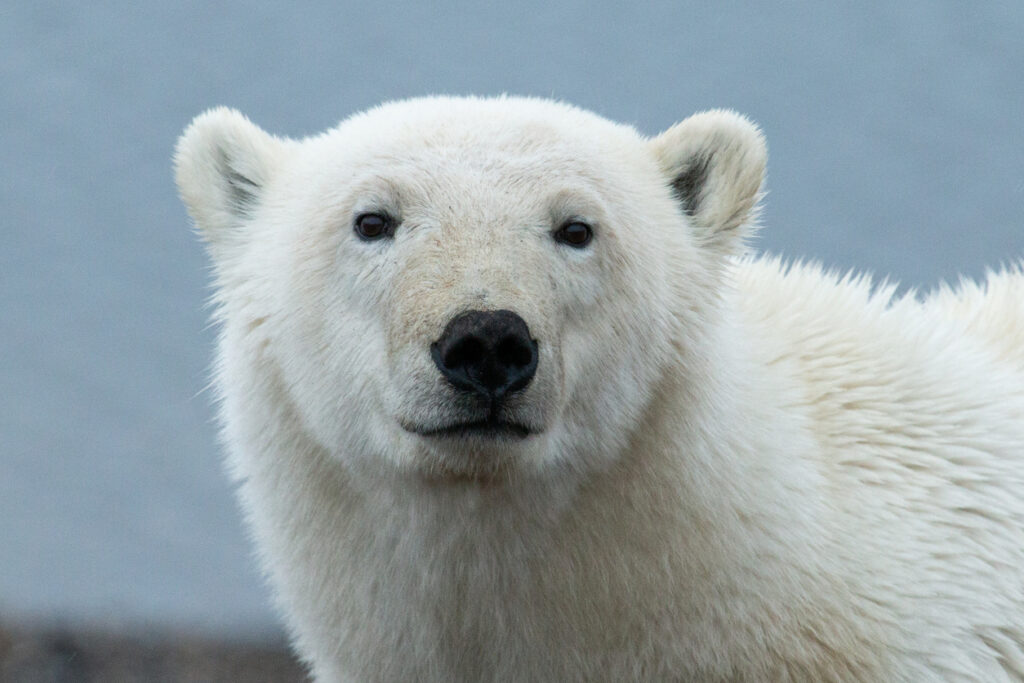
These animals aren’t just large; they’re among the most powerful land predators on Earth, built to survive one of the harshest environments imaginable. Their size isn’t just about muscle or bulk, either; it’s a perfect balance of strength, endurance, and adaptation to freezing conditions.
From the thickness of their fur to the sheer weight they can reach after a good hunting season, everything about a polar bear’s body is designed for dominance. So, how big do they actually get? The answer depends on gender, age, and even the season, but when you hear the real numbers, you’ll understand why nothing else in the Arctic dares to challenge them.
Male polar bears are proper giants.
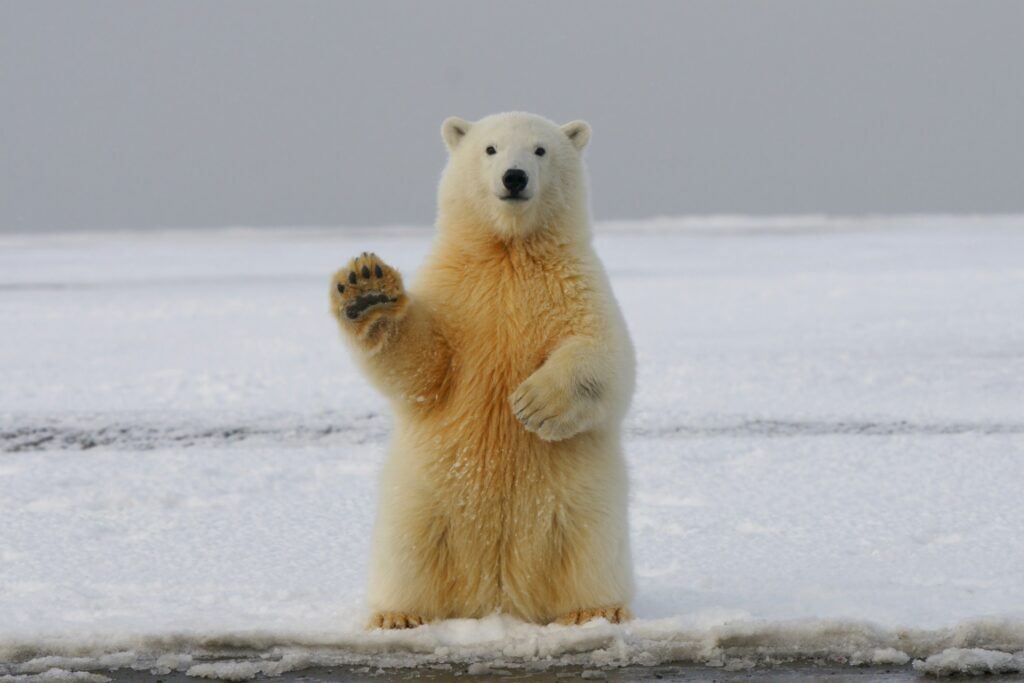
A fully grown male polar bear can weigh anywhere from 350 to 700 kilograms, which is roughly the same as five to ten adult humans combined. That’s not just big, that’s genuinely terrifying when you think about it as an actual living thing.
That weight doesn’t tell the full story, though. When a male polar bear stands on its hind legs, it can reach heights of 3 meters or more. That’s basically looking up at a second-story window, except the window is a bear that could absolutely destroy you.
The females are smaller but still massive.
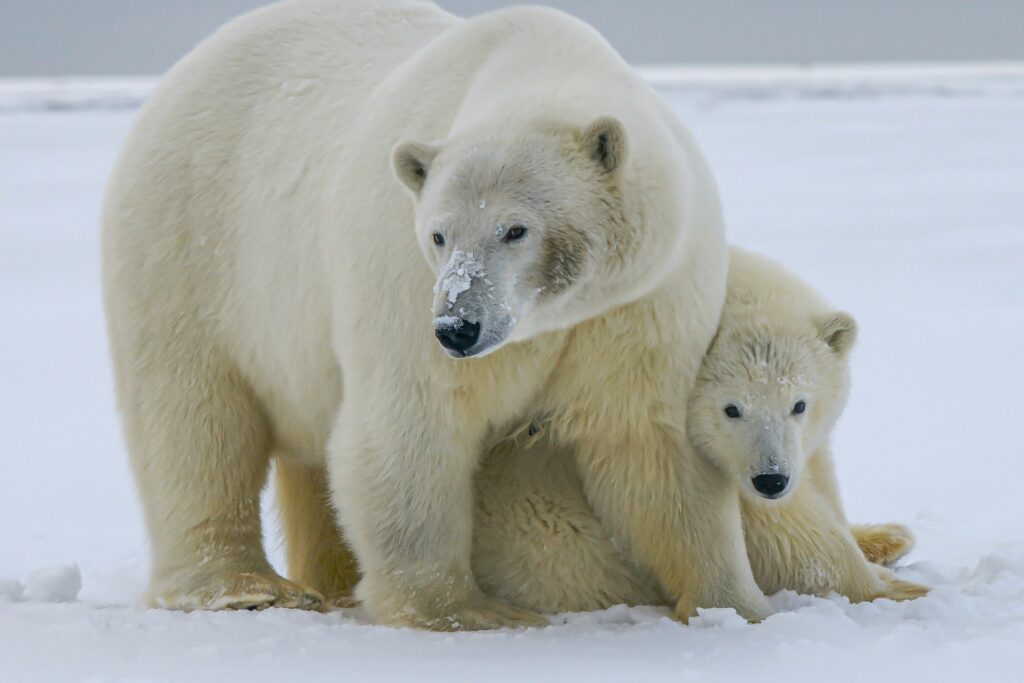
Female polar bears are considerably smaller than males, usually weighing between 150 and 250 kilograms. That sounds much more manageable until you realize that’s still roughly twice the size of a large adult man.
The size difference between males and females is one of the most extreme in any bear species. But don’t let the word “smaller” fool you into thinking female polar bears aren’t absolutely massive and dangerous in their own right.
Their paws are ridiculously huge.
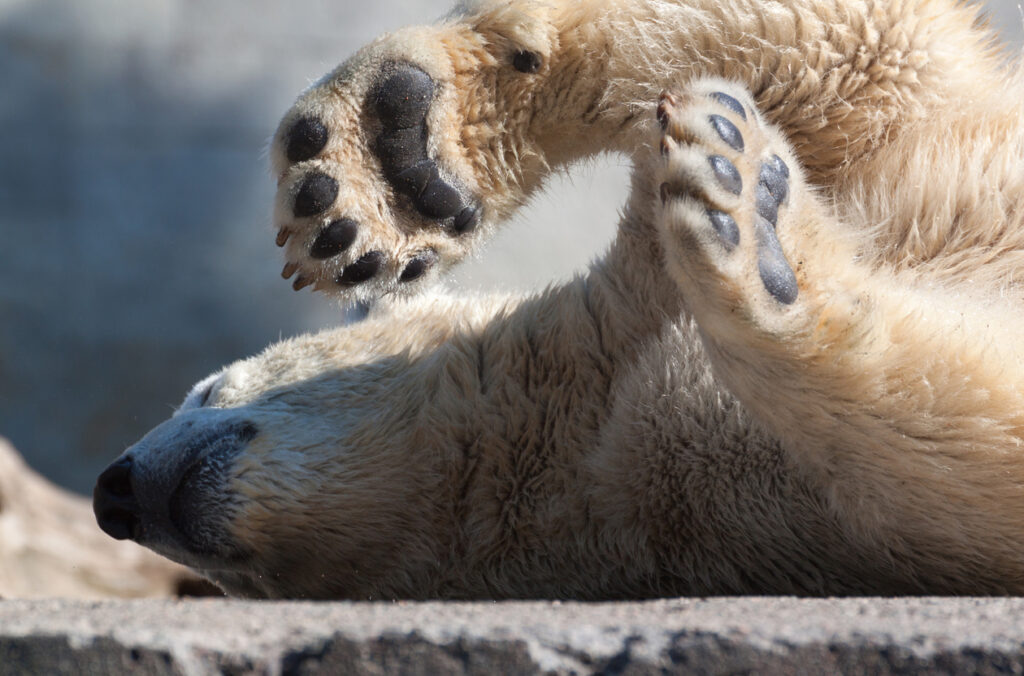
A polar bear’s paw can measure up to 30 centimetres across, which is roughly the size of a dinner plate. Those massive paws work like snowshoes, distributing their weight so they can walk on thin ice without falling through.
That paw size also means their claws are enormous, up to 9 centimetres long and curved. They use them for gripping ice and catching seals, but they’d also go through you like you’re made of paper if it came to that.
They’re the largest land carnivores on earth.
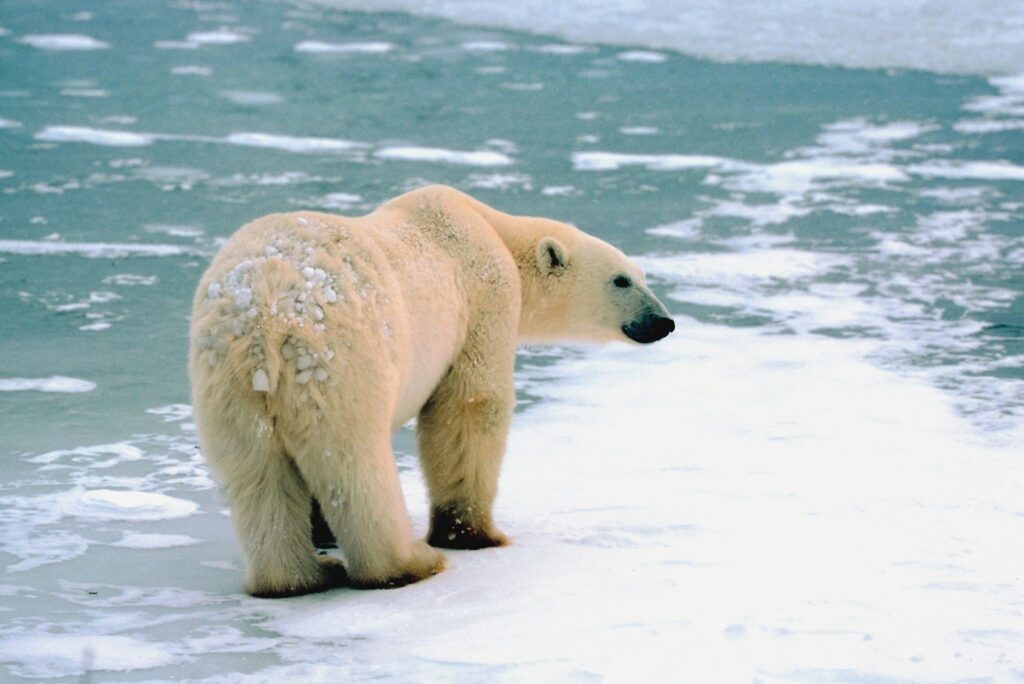
Polar bears share this title with Kodiak bears, but polar bears edge them out in terms of overall size. No other land-based meat-eating animal gets bigger than these absolute units roaming around the Arctic.
That makes them apex predators with basically no natural enemies except humans and orcas. When you’re that big and that high up the food chain, nothing else in your environment poses a threat to you as an adult.
They can run faster than you’d think possible.
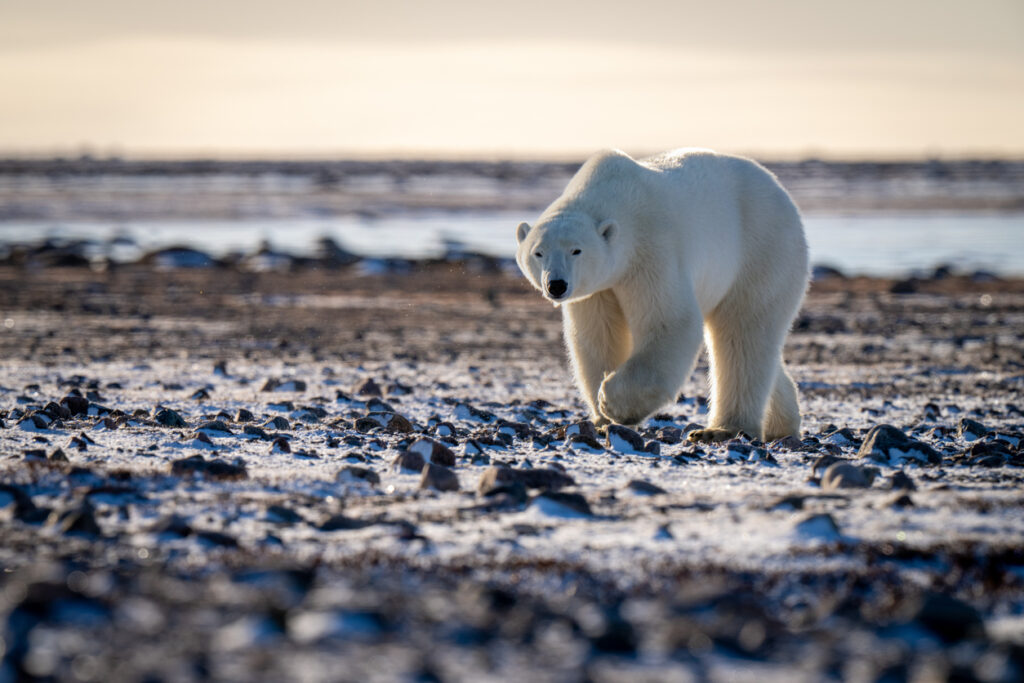
Despite their size, polar bears can sprint at speeds of up to 40 kilometres per hour on land. That’s faster than Usain Bolt, and they can maintain that speed for short bursts while you’re absolutely gassed after about ten seconds.
That speed is terrifying when you consider how massive they are. Something that big shouldn’t be able to move that fast, but evolution decided polar bears needed to be both enormous and quick, which seems a bit unfair, honestly.
Their heads alone are massive.
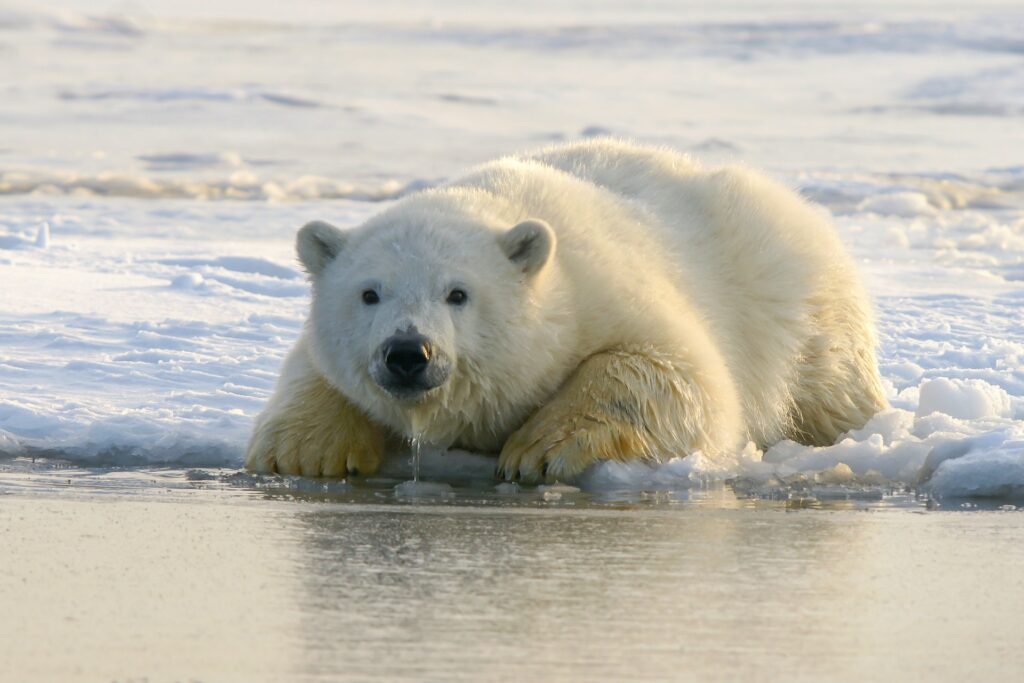
A polar bear’s skull can measure up to 40 centimetres long and 20 centimetres wide. That’s roughly the size of a microwave, except it’s attached to a neck that’s incredibly powerful and designed for killing seals through ice.
That head size houses a brain that’s relatively large for a bear, which explains why they’re such effective hunters and problem solvers. They’re not just big and strong, they’re also clever, which makes them even more formidable.
They’re getting smaller due to climate change.
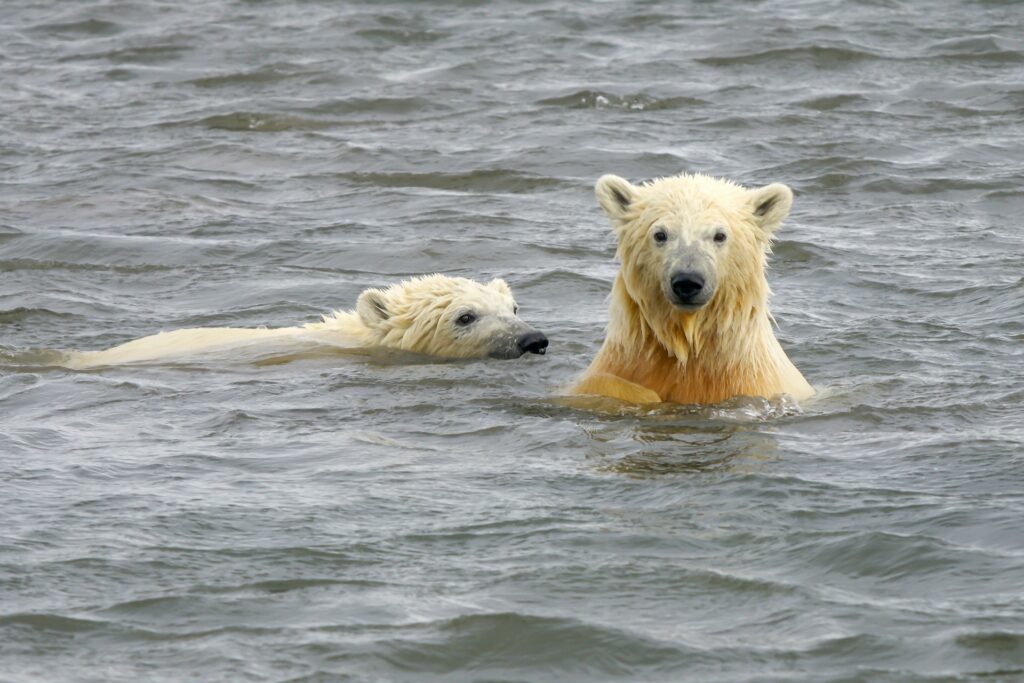
Research shows that polar bears in some populations are actually getting smaller over time because they have less access to seals as sea ice disappears. They’re spending more energy hunting for less food, which affects their overall size.
That shrinking is worrying because it’s a clear sign of how climate change is affecting them. When the biggest land carnivore on earth starts getting smaller because it can’t find enough food, that’s a massive red flag for the Arctic ecosystem.
Cubs are born absolutely tiny.

Polar bear cubs are born weighing only about 600 grams, roughly the size of a guinea pig. They’re blind, nearly hairless, and completely helpless, which is wild when you consider how massive they’ll eventually become.
That tiny start makes their growth even more impressive. In just a few months, they’ll grow rapidly on their mother’s incredibly fat-rich milk, which is about 30% fat compared to cow’s milk at around 4%. That’s what turns guinea pig-sized cubs into giants.
Their necks and shoulders are insanely muscular.
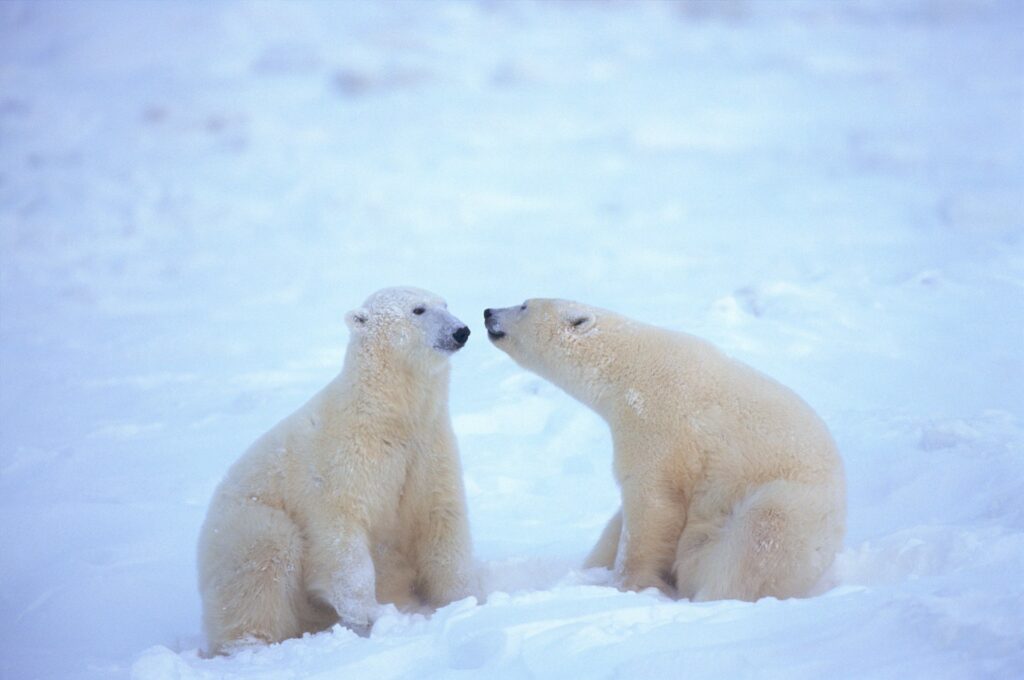
A polar bear’s neck can be as thick as its head, and their shoulders are packed with muscle needed for hauling themselves out of water and dragging seals that weigh hundreds of kilograms across the ice.
That upper body strength is what makes them such effective hunters. They can smash through ice, swim for days, and pull prey twice their weight. The muscle mass in their front half is absolutely ridiculous for an animal that spends so much time just looking like a big fluffy carpet.
They’ve got a thick layer of fat underneath all that fur.
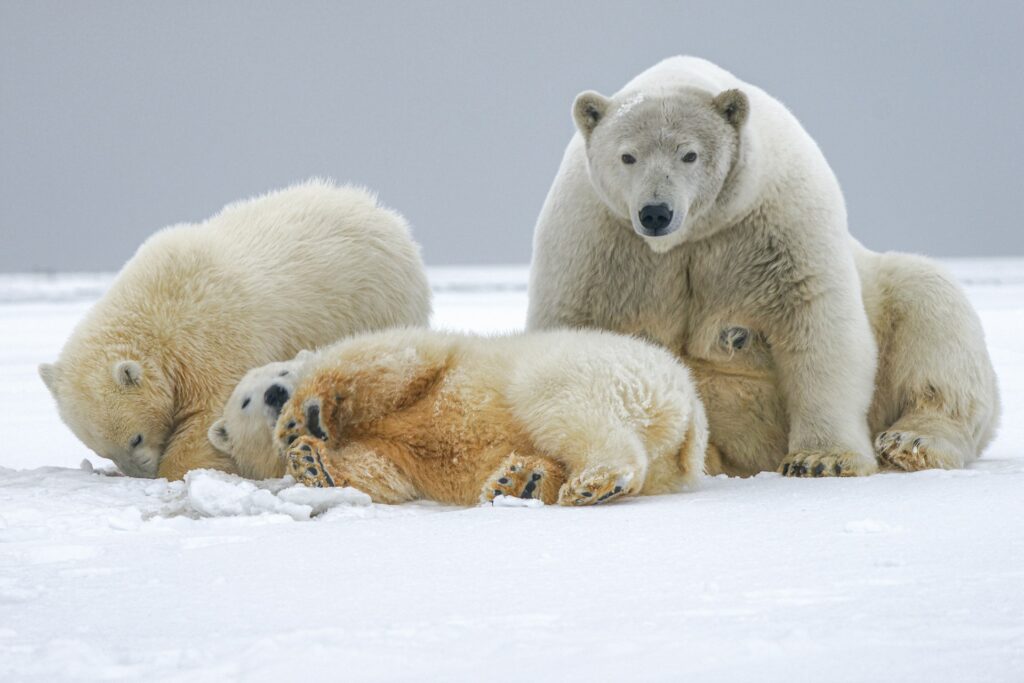
Underneath their fur, polar bears have a layer of blubber that can be up to 11 centimetres thick. That fat is essential for insulation in Arctic temperatures and also serves as an energy reserve when food is scarce.
That blubber layer adds significantly to their overall size and weight. When you see a polar bear, you’re not just looking at muscle and bone, there’s a substantial amount of fat that makes them even more massive and helps them survive in one of the harshest environments on earth.
Their bite force is absolutely mental.
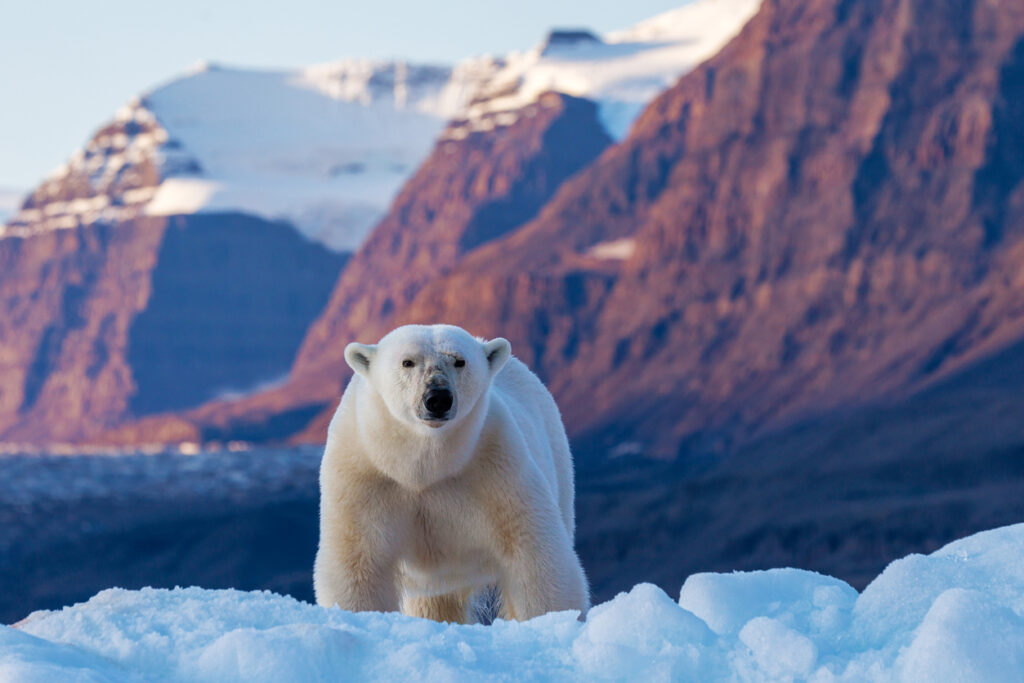
A polar bear’s bite force is estimated at around 1,200 pounds per square inch. That’s enough to crush a bowling ball or go straight through seal skulls and whale bones like they’re nothing.
That bite force combined with their size means they’re basically unstoppable predators. Those massive jaws attached to that enormous head on that giant body make them one of the most powerful animals on the planet, and they’re perfectly evolved for their environment.
The biggest one ever recorded was an absolute monster.
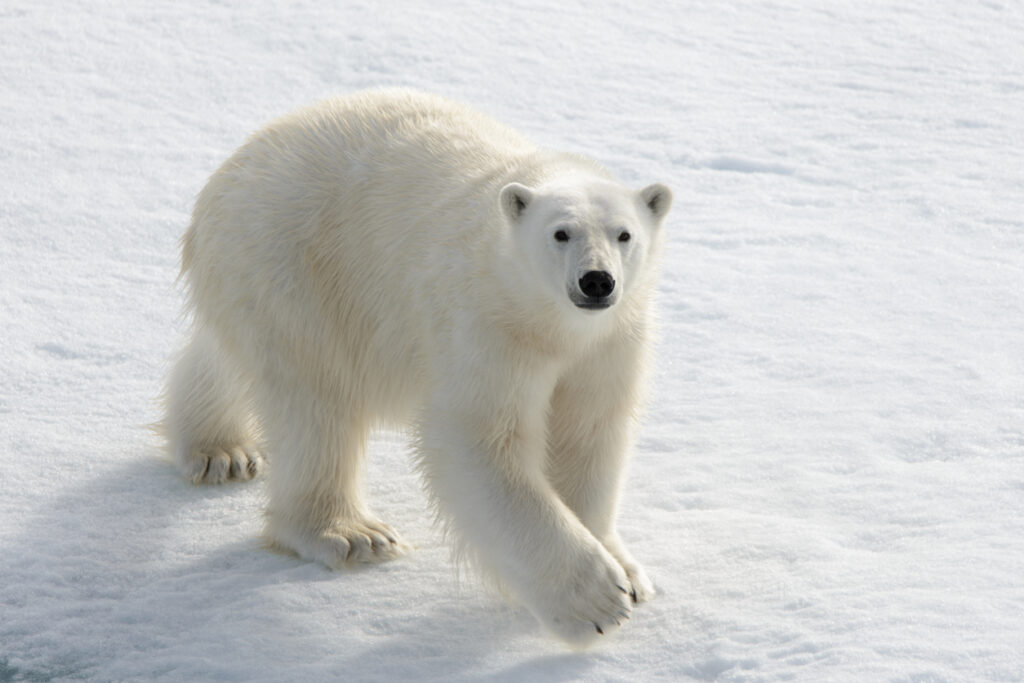
The largest polar bear ever recorded was shot in Alaska in 1960 and weighed over 1,000 kilograms. It stood over 3.3 meters tall on its hind legs, which is basically the height of a single-story building with teeth and claws.
That record holder shows just how big these animals can get in ideal conditions. Most polar bears today don’t reach that size anymore, partly because of hunting pressure in the past and partly because changing conditions mean they can’t bulk up like they used to.