Becoming a truly good gardener doesn’t require having the biggest garden, the fanciest greenhouse, or knowing every Latin plant name by heart.
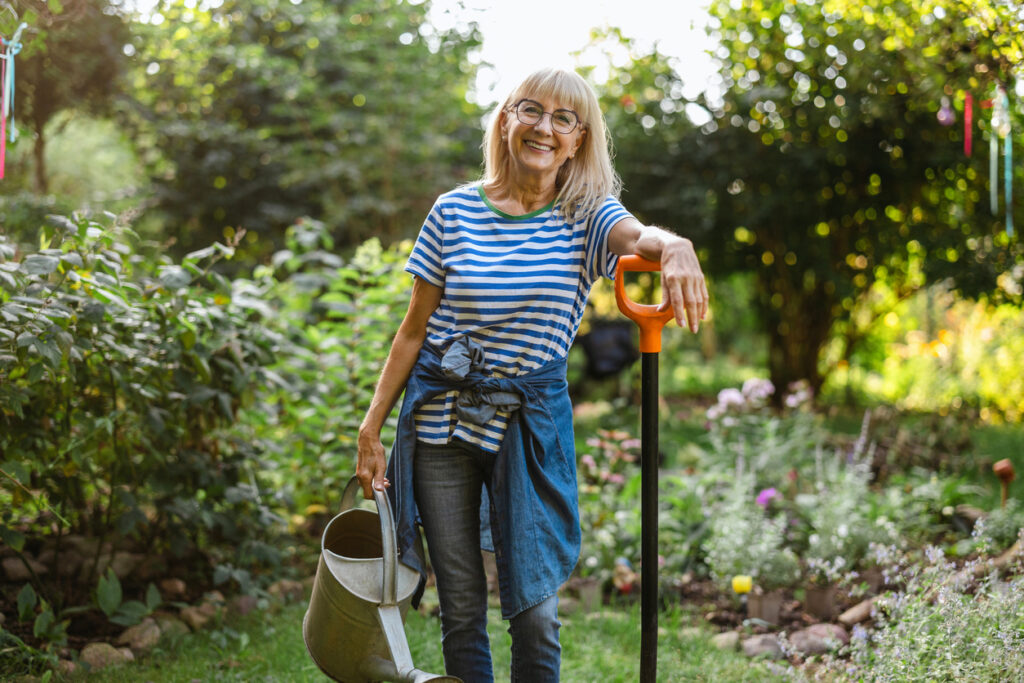
It’s about patience, curiosity, and learning through experience, and that means the kind that only comes from muddy hands and a few wilted plants along the way. Gardening is one of those things you get better at slowly, and that’s exactly what makes it so rewarding. Each season teaches something new, and the best gardeners are simply the ones who never stop paying attention.
Whether you’re just getting started or want to turn a decent patch into something you’re proud of, these are the habits and skills that separate the casual dabblers from the people who really know what they’re doing.
Learn how to read your soil.
A good garden starts below the surface. Understanding your soil type, whether it’s clay-heavy, sandy, or rich and loamy, is the single best shortcut to better results. Certain plants thrive in certain soils, and once you figure out what you’ve got, you can stop fighting nature and start working with it.
Testing your soil once a year is worth the small effort. You’ll learn about its pH, drainage, and nutrient levels, which means no more guessing why certain plants just won’t grow. When you start planting based on what your soil actually supports, everything suddenly gets easier, and our garden starts thriving naturally instead of surviving under stress.
Get comfortable with failure.
No gardener, no matter how skilled, avoids disappointment. Seeds don’t germinate, a heatwave scorches your plants, or slugs destroy your prize lettuce overnight. It’s frustrating, but it’s also part of the process. Failure teaches more than success ever will.
Professional gardeners have simply made more mistakes than most people, which means they’ve learned how to adapt. They don’t panic when something dies; they take note, adjust, and move on. The more you treat mistakes as lessons rather than disasters, the faster your confidence and skill grow.
Understand your light levels.
Plants don’t all want the same amount of sunshine. The trick is learning how light moves through your space: what gets morning sun, what bakes in the afternoon, and what stays in shadow. Spend a few days observing before you plant anything.
Knowing where to place each plant makes an enormous difference. You’ll save yourself countless hours trying to revive plants that were simply put in the wrong spot. Healthy growth isn’t about luck; it’s about matching the right plant to the right conditions.
Invest in decent tools.
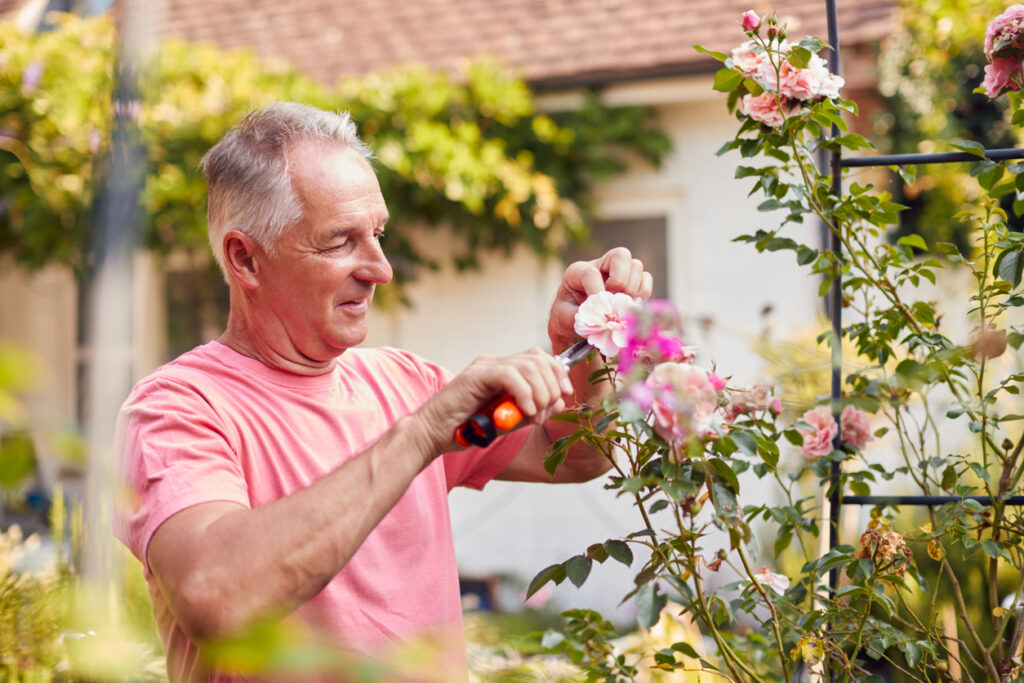
You don’t need a shed full of equipment, but the tools you do have should feel comfortable, sturdy, and reliable. A good trowel, sharp secateurs, and a well-balanced spade make every task easier and far less tiring.
Cheap tools might seem fine at first, but they break easily and make jobs harder than they need to be. Think of quality tools as an investment. With the right care, they’ll last for decades and make gardening a joy rather than a chore.
Learn the rhythm of the seasons.
Gardening isn’t a sprint; it’s a cycle. Each season has its own personality: spring for planting, summer for maintaining and harvesting, autumn for tidying and preparing, and winter for rest. When you start working with that rhythm instead of against it, everything becomes more natural.
It’s important to pace yourself. The best gardens aren’t built in one season; they evolve slowly. Understanding the seasonal flow helps you plan ahead, stay patient, and appreciate the subtle changes happening all year long.
Get to know your plants properly.
A plant isn’t just a pretty face. The more you learn about what each one needs—how much space, sunlight, and water it wants—the better results you’ll see. That little bit of research before planting saves a lot of frustration later.
Every plant has its quirks, and part of becoming a skilled gardener is recognising them. Once you understand those personalities, your garden starts to feel alive. It’s not just a collection of plants, but a community that works together naturally.
Focus on consistency, not perfection.
Even professional gardens have weeds, dead leaves, and the odd wonky stem. What makes them impressive is the consistency behind the scenes. Think regular watering, trimming, and gentle maintenance that keeps everything balanced.
You don’t need to dedicate whole weekends to catch up. Fifteen minutes a day, whether it’s watering or pulling a few weeds, keeps things ticking along. Gardening is about rhythm, not intensity.
Keep learning from other people.

Every gardener you meet knows something you don’t. Whether it’s a neighbour who’s mastered tomatoes or someone online sharing clever compost tricks, there’s always more to learn, and that’s something to be excited about, not embarrassed.
Don’t be afraid to ask questions or swap tips. Even experienced gardeners borrow ideas constantly. It’s part of what keeps gardening exciting and evolving.
Pay attention to watering properly.
Watering is simple in theory, but it’s easy to get wrong. The goal isn’t to keep the surface damp; it’s to encourage roots to grow deep. That means watering thoroughly but less often, especially during warm months.
Morning or evening watering works best, when the sun’s not strong enough to evaporate moisture immediately. Plants will develop stronger root systems and withstand dry spells far better.
Know when to prune and why.
Pruning feels harsh at first, especially since you feel like you’re cutting off growth that looks healthy, but it’s vital for keeping plants strong. It removes dead or diseased parts, improves airflow, and encourages new, healthier growth.
Each plant has its own ideal time for pruning, and learning that timing makes all the difference. Once you see how plants respond, pruning stops feeling scary and starts feeling like fine-tuning.
Don’t fight the wildlife.

Gardens aren’t meant to be sterile. The insects, birds, and even the so-called pests all have roles in the ecosystem. Trying to eliminate every bug usually backfires and disrupts that natural balance.
Encourage the good ones, such as ladybirds, bees, frogs, and birds, and they’ll handle many of the problems for you. Planting pollinator-friendly flowers or leaving a water source out for wildlife makes your garden stronger and more self-sustaining.
Compost everything you can.
Good soil is living soil, and compost is its best fuel. Turning kitchen scraps, fallen leaves, and garden clippings into compost closes the loop. It feeds your plants, improves drainage, and keeps waste out of the bin.
Once you start composting, you’ll see the difference. Plants look healthier, soil feels richer, and you spend less money on fertilisers. It’s one of the most satisfying habits any gardener can develop.
Keep a simple garden diary.
A diary sounds old-fashioned, but it’s one of the most powerful tools you’ll ever use. Write down what you plant, when you plant it, how the weather was, and what worked or failed. It seems silly, but you’ll be shocked at how helpful it is.
As time goes on, you’ll start spotting patterns, such as which varieties thrive, which don’t, and when pests tend to appear. It’s like building your own personalised gardening manual.
Enjoy the process, not just the results.
Gardening isn’t about perfection or control. It’s about connection to nature, to the seasons, and to yourself. The best gardeners don’t just admire the end result; they find joy in the small moments: the first seedling sprouting, the smell of rain on soil, the quiet time spent outdoors.
When you start appreciating those moments, gardening stops being a chore and becomes something grounding, calming, and deeply rewarding. That’s when you know you’ve gone from beginner to true gardener.