We grow up hearing all kinds of supposed “facts” about animals that are actually completely false.
They get repeated so often that they sound like truth, but most of them are pure myth. These stereotypes have stuck around for centuries, passed on through stories, cartoons, and old misunderstandings that science has long since corrected.
The reality is far more interesting, of course. Many of the animals we think we know best are far more complex, intelligent, and misunderstood than their reputations suggest. Here are some of the most common animal stereotypes that people still believe, and what the actual truth is.
1. Ostriches bury their heads in sand.
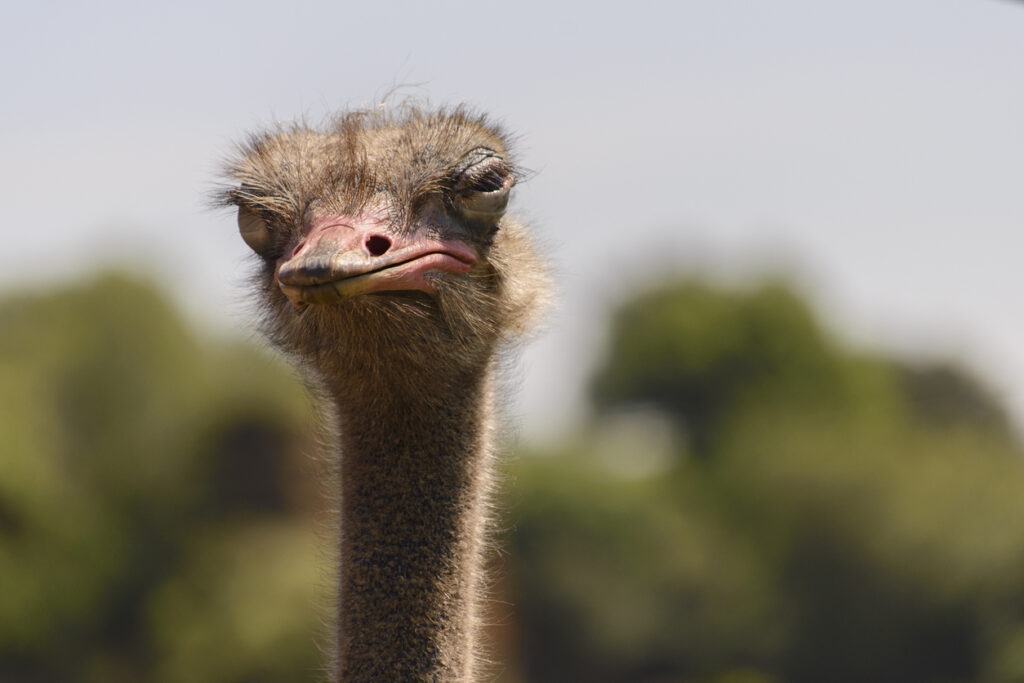
This is one of the most famous animal myths out there, but it’s total nonsense. If ostriches actually buried their heads in sand, they’d suffocate pretty quickly. What they actually do is dig shallow holes for their eggs, then stick their heads down to turn them.
From a distance, that looks like they’re burying their heads. Also, when threatened, ostriches sometimes lie flat on the ground with their necks stretched out to blend in with vegetation. Way less dramatic than the hiding-from-danger story, but infinitely more sensible.
2. Bulls hate the colour red.

Matadors wave red capes, bulls charge, everyone assumes it’s the colour that makes them angry. Plot twist: bulls are actually colourblind. They can’t even see red. What they’re reacting to is the movement of the cape, not the colour of it at all.
Matadors use red capes for a much grimmer reason than riling up the bull. The red colour masks the blood when they stab the animal. So next time someone says, “like a red flag to a bull,” you can be that person who corrects them.
3. Goldfish have three-second memories.
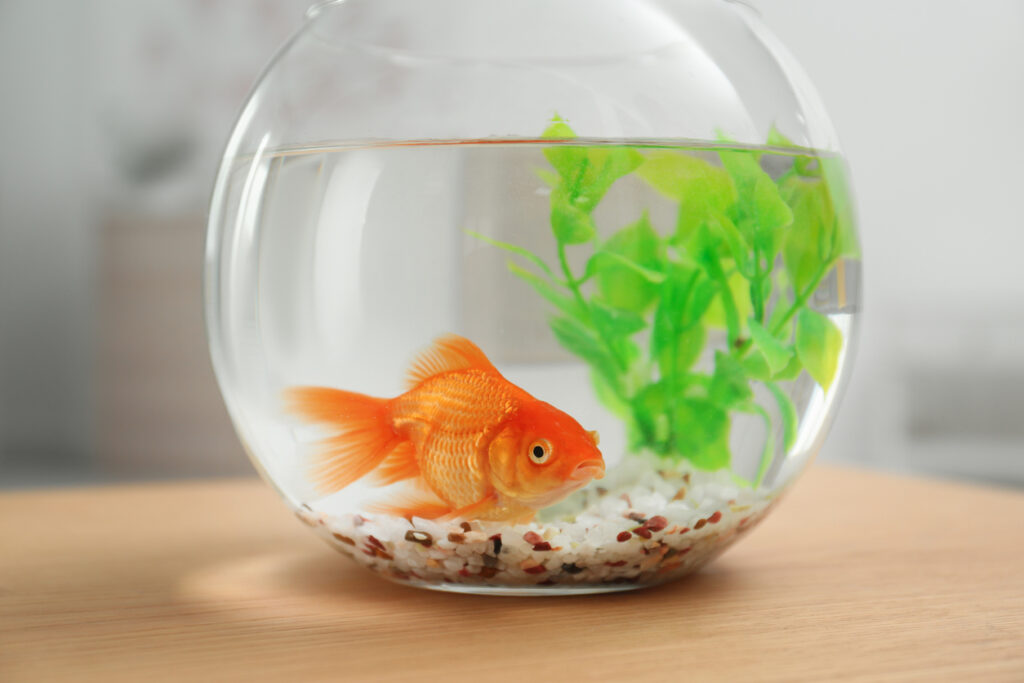
This myth has given people permission to keep fish in tiny bowls for decades. Truth is, goldfish can remember things for months. They can be trained to recognise shapes, sounds, and even feeding times. Some studies suggest their memory spans at least three months.
The three-second thing probably started because goldfish seem to forget they’ve just eaten and will beg for more food constantly. That’s not memorloss,ss though, that’s just being greedy. Fair play to them, honestly.
4. Bats are blind.
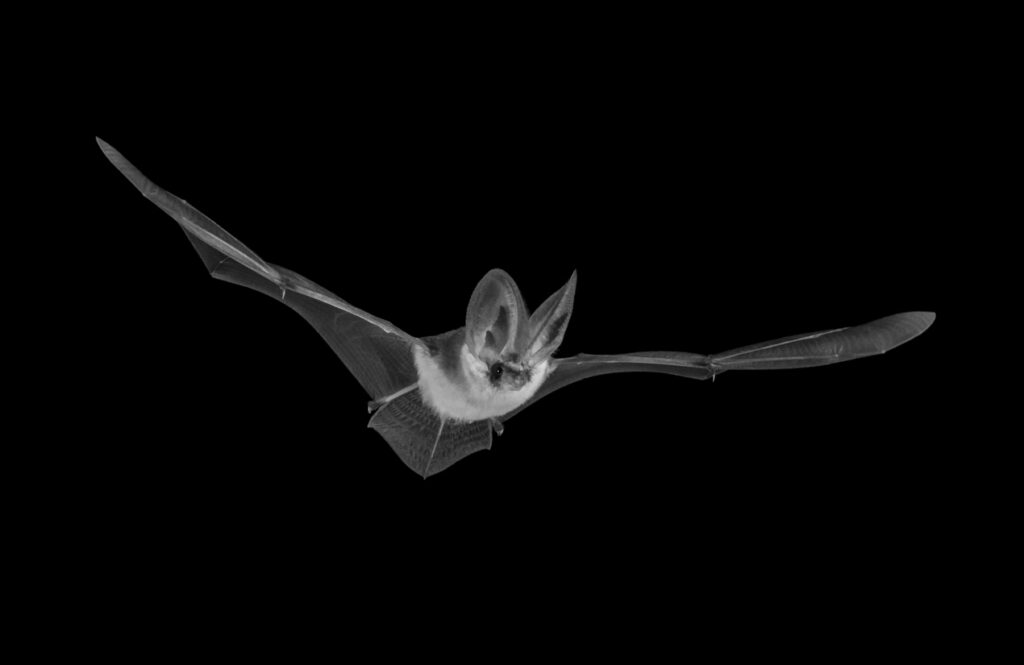
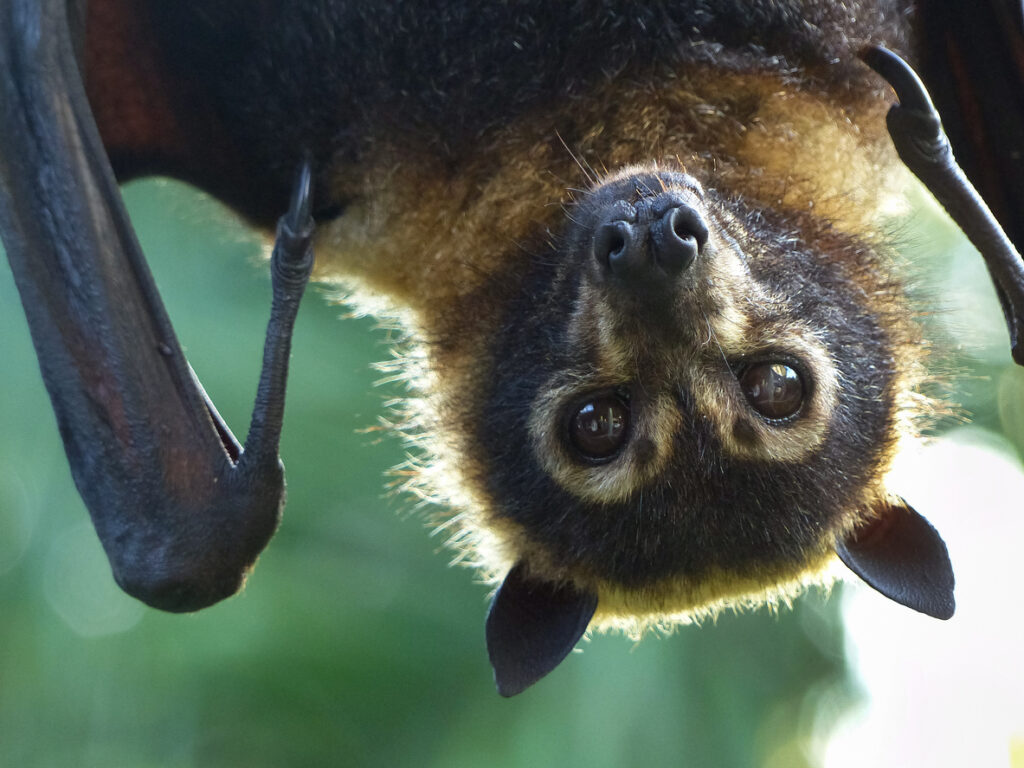
The phrase “blind as a bat” has a lot to answer for. Bats can see perfectly fine, some species see as well as humans do. They use echolocation at night because it’s more effective than eyesight in the dark, not because they can’t see.
It’s like assuming you’re deaf because you use your phone’s torch in a dark room. Just because you’re using a different sense doesn’t mean the other one doesn’t work. Bats are actually quite clever, despite the bad press.
5. Touching a baby bird means mum will reject it.
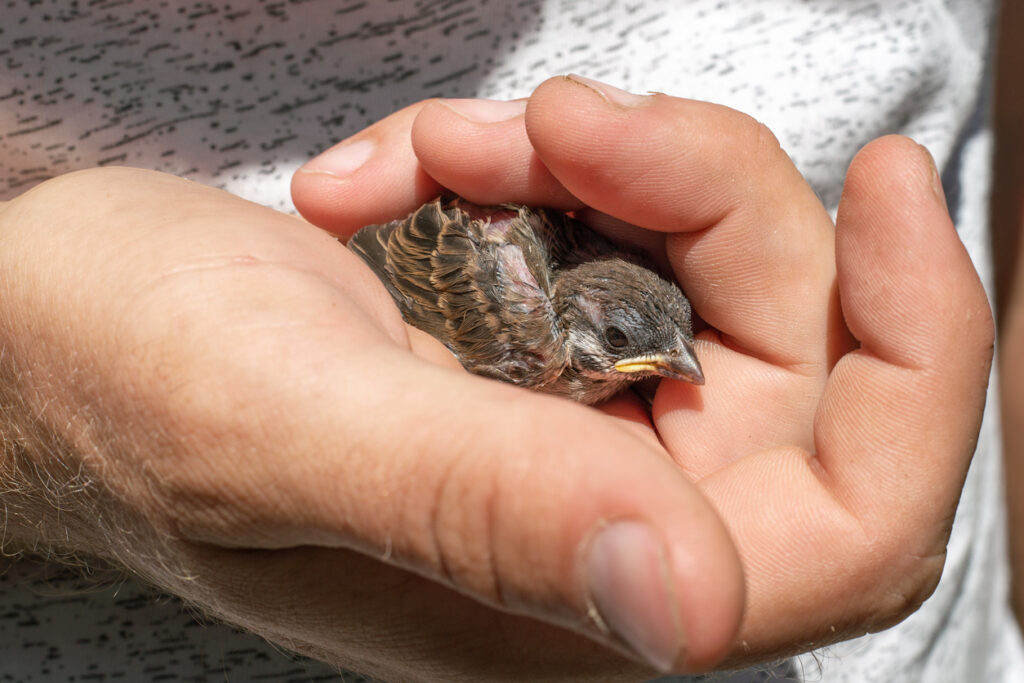
Parents have been using this one for years to stop kids from grabbing every fallen chick they find. But it’s not true at all. Most birds have a terrible sense of smell and wouldn’t notice human scent even if they could. Mother birds don’t recognise their babies by smell anyway.
The real reason not to touch baby bird is that you might accidentally hurt them, and also because they’re probably fine where they are. If they’ve got feathers, they’re likely just learning to fly and the parents are still feeding them on the ground.
6. Dogs see in black and white.

Dogs don’t see the full rainbow of colours humans do, but they’re not living in a film noir either. They can see yellow and blue, which makes them colourblind in the same way some humans are. They’ve got two types of colour receptors in their eyes compared to our three.
So your dog’s world is more muted than yours, but it’s definitely not greyscale. They can distinguish between colours, just not as many as you can. Still explains why they’re so excited about that yellow tennis ball, though.
7. Camels store water in their humps.
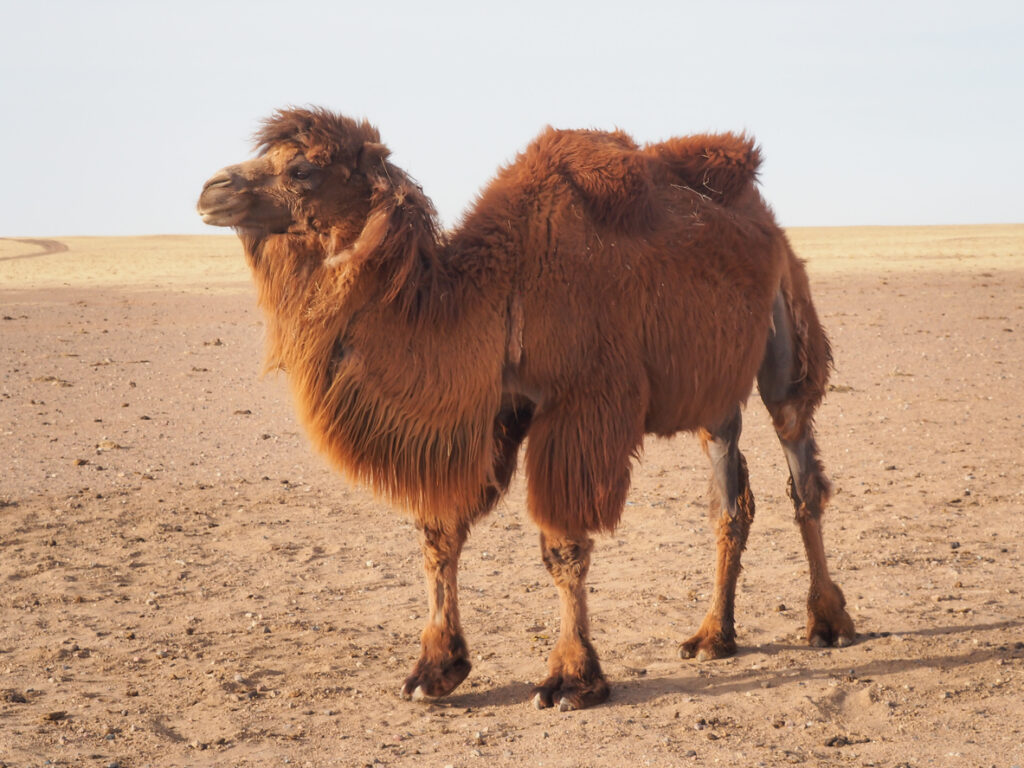
Makes perfect sense, right? Desert animal with humps that can go ages without water must be storing it somewhere. Except those humps are full of fat, not water. Up to 80 pounds of it, which they live off when food and water are scarce.
Camels can go long periods without drinking because they’re brilliant at conserving water in their bloodstream and organs, not because they’re walking around with water tanks on their backs. The humps help with temperature regulation too, which is pretty clever when you think about it.
8. Lemmings commit mass suicide.
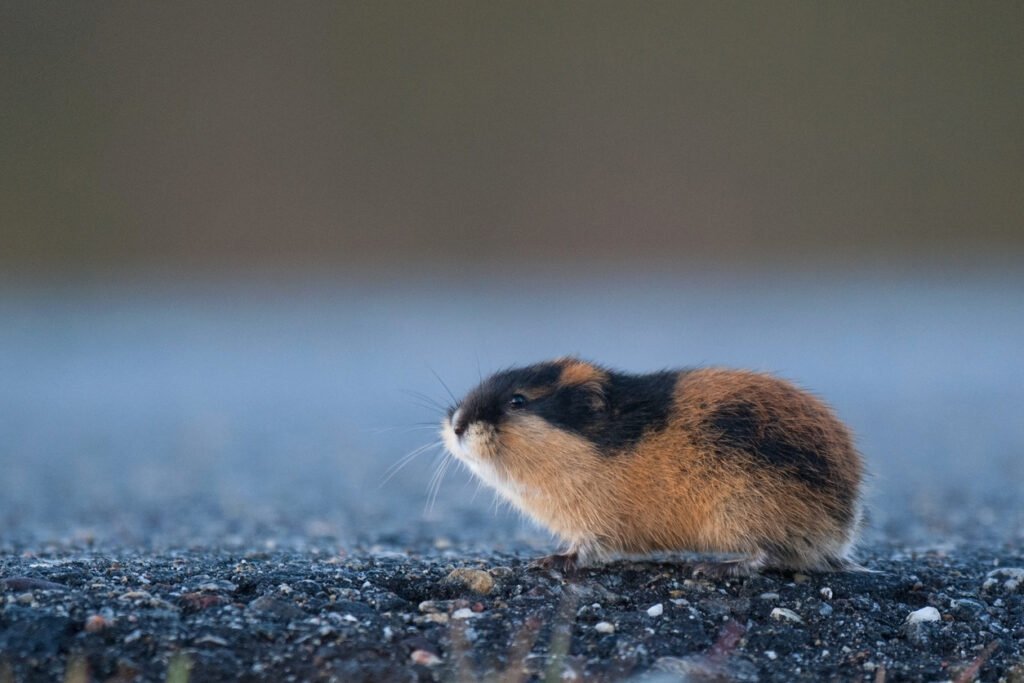
This myth is so widespread that “like lemmings” has become shorthand for mindlessly following crowds to disaster. It’s completely false. Lemmings don’t throw themselves off cliffs in groups. This whole idea came from a staged Disney documentary from 1958 where filmmakers literally threw lemmings off cliffs.
Lemmings do migrate in large groups and sometimes accidentally fall off cliffs or drown while crossing rivers, but that’s just bad luck, not a death wish. The fact that this myth came from animal cruelty makes it even worse, to be honest.
9. You can tell a rattlesnake’s age by its rattles.
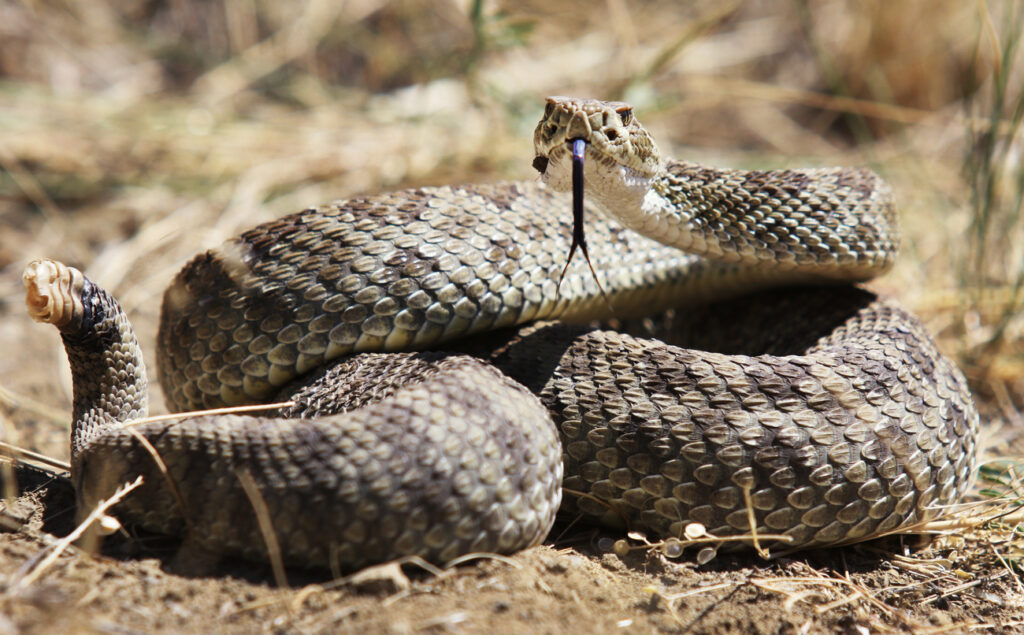
Each time a rattlesnake sheds its skin, it adds a rattle segment. So logically, you’d think you could count the rattles and work out how old it is. Except rattlesnakes can shed multiple times a year, especially when they’re young and growing fast.
They also lose rattles sometimes through damage or wear. So those rattles tell you absolutely nothing reliable about age. It’s like trying to work out someone’s age by counting how many haircuts they’ve had. Completely pointless.
10. Sharks can smell blood from miles away.
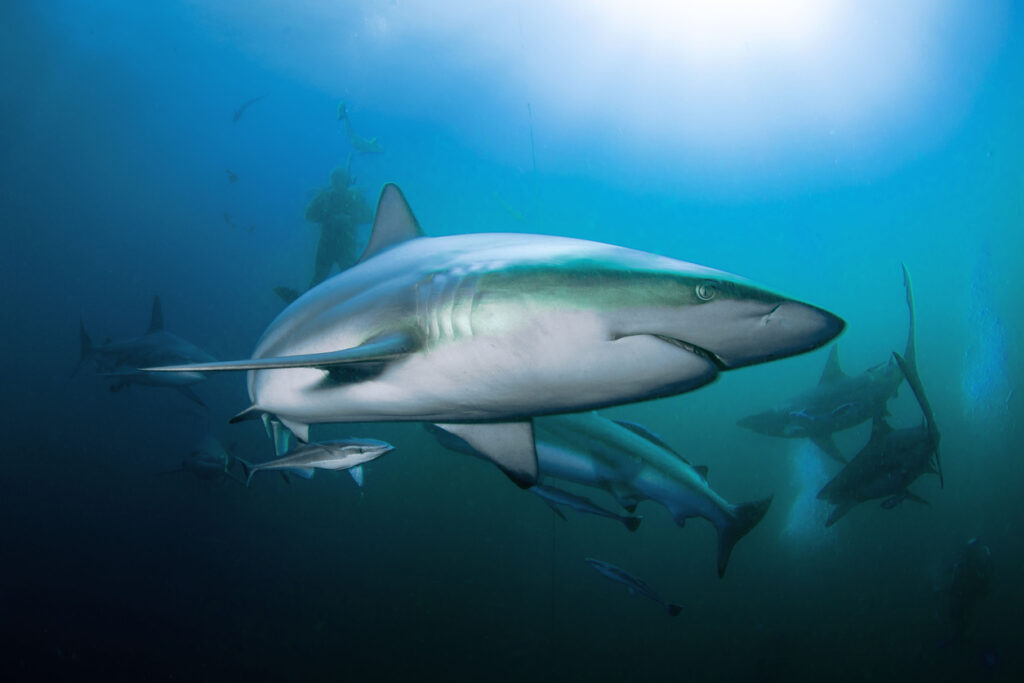
Every beach panic about a paper cut attracting sharks from across the ocean stems from this myth. Sharks do have excellent smell, but they can detect blood from a few hundred metres away at most. Still impressive, but not the supernatural ability films make it out to be.
Think of it like smelling something strong in a swimming pool versus smelling it from across town. Sharks are brilliant hunters with great senses, but they’re not magic. You’re probably safe with that tiny cut, though maybe don’t test it.
11. Porcupines shoot their quills.
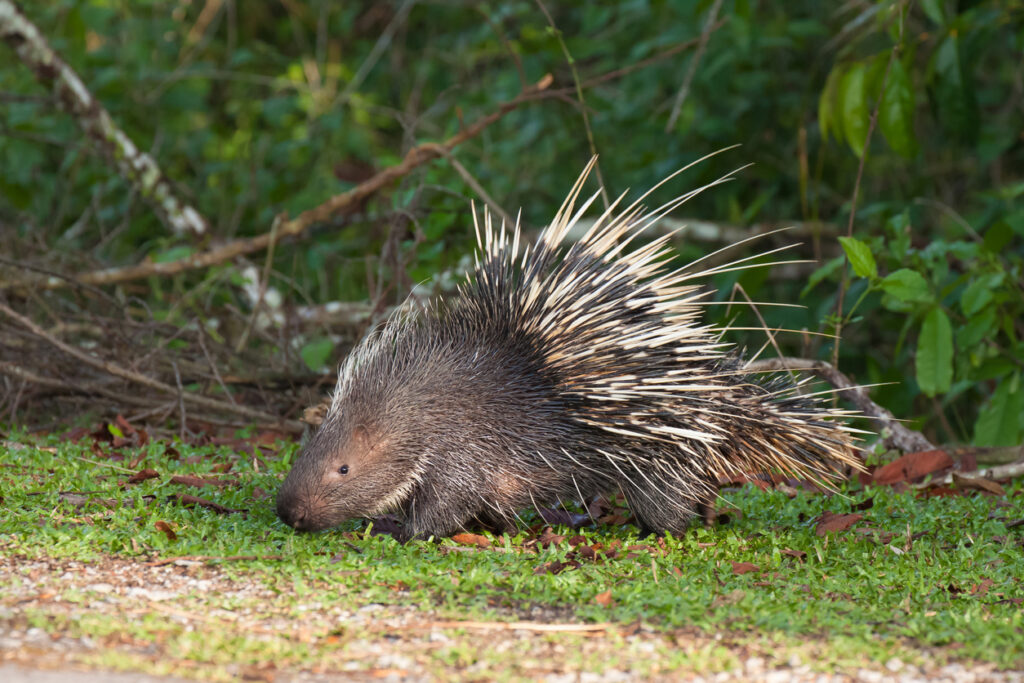
Porcupines look threatening enough without needing projectile weapons, but somehow this myth persists. They can’t shoot their quills like arrows. What actually happens is the quills have tiny barbs that make them easy to detach when something touches them.
When a porcupine feels threatened, it puffs up its quills to look bigger and scarier. If you’re daft enough to touch it, the quills stick in your skin and pull free from the porcupine. That easy detachment is probably where the shooting myth came from.
12. Giraffes only sleep 30 minutes a day.

This one’s doing the rounds on social media constantly. Giraffes supposedly barely sleep because they need to stay alert for predators. In reality, they sleep about four and a half hours a day, which still isn’t much but is way more than half an hour.
They do it in lots of short power naps, sometimes standing up, sometimes lying down for less than 11 minutes at a time. So the myth isn’t entirely wrong, they just don’t sleep much in one go. Still more than some new parents get!
13. Owls are incredibly wise.

From ancient Greek mythology to Winnie the Pooh, owls have been painted as the intellectuals of the bird world. Turns out they’re no smarter than your average sparrow. They look wise because of their forward-facing eyes and serious expressions, but that’s just their face.
Owls are excellent hunters with brilliant night vision and hearing, but they’re not sitting around pondering the meaning of life. They’re just birds doing bird things. We’ve basically given them a personality based on looking a bit thoughtful, which is pretty funny, to be fair.