
When most people picture animals, they tend to think of the big, familiar ones: dogs, birds, fish, maybe elephants or whales. The thing is, creatures like that are a tiny minority. Around 97% of all animal species on Earth don’t have backbones at all. These are the invertebrates, everything from jellyfish and insects to snails and squid, and they’re the real rulers of the animal kingdom.
Having no backbone doesn’t mean being simple or weak. In fact, many invertebrates are some of the most adaptable, diverse, and downright bizarre life forms on the planet. Their bodies have evolved in incredible ways to move, eat, and survive without a rigid skeleton. From the strength of an ant to the intelligence of an octopus, these creatures prove that structure isn’t everything. In fact, flexibility can be the key to thriving on Earth.
Backbones are costly to build and maintain.
Growing and maintaining a skeleton takes loads of calcium and energy that could go towards other survival stuff. Invertebrates skip all that investment and use their resources for reproduction, growth, or other adaptations instead.
Not having bones means you need less food to fuel your body, which is huge when resources are limited. That efficiency advantage lets invertebrates thrive in environments where vertebrates would struggle to get enough nutrition.
You can be way smaller without a skeleton.
Vertebrates hit a size limit on the small end because you need a certain amount of space for a functioning skeleton and organs. Invertebrates can be absolutely tiny, opening up entire ecological niches that vertebrates physically can’t access.
Mites, springtails, and loads of other invertebrates exist at scales where having bones would be pointless or impossible. Being small lets you live in leaf litter, inside other organisms, or in microscopic water films between soil particles.
Moulting lets you grow in spurts.
Invertebrates with exoskeletons just shed their outer layer and grow a new, bigger one when needed. It’s way simpler than the constant remodelling vertebrate skeletons go through, and it works perfectly fine for their lifestyle.
This growth method also means they can completely change body form between life stages. A caterpillar and butterfly are the same animal, which is impossible with an internal skeleton that has to work throughout development.
No bones means you can squeeze anywhere.
Octopuses can fit through any gap larger than their beak because they’ve got no rigid skeleton. Loads of worms and other soft bodied invertebrates can navigate through soil, sand, or tight crevices that would trap anything with bones.
That flexibility opens up hiding spots and hunting grounds that vertebrates simply can’t reach. Being squishy is a massive survival advantage when predators or prey are around.
Exoskeletons double as armour.
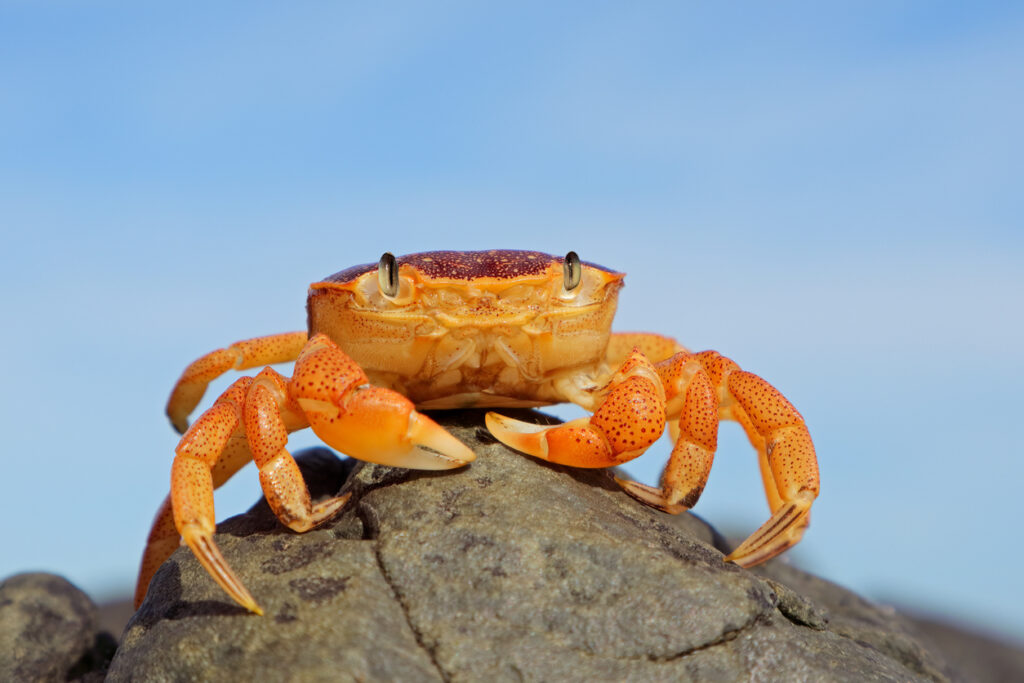
Beetles, crabs, and other invertebrates have their skeleton on the outside where it actually protects them. Vertebrates have to grow separate armour like scales or shells if they want protection, which is extra effort and resources.
Having your structural support also function as defence is ridiculously efficient. You’re getting two major survival needs met with one body system instead of having to build and maintain both separately.
Simple body plans reproduce faster.
Making babies is way quicker when you don’t need to build complex internal skeletons for each one. Many invertebrates can pump out hundreds or thousands of offspring in the time it takes a vertebrate to produce a handful.
That reproductive speed means invertebrates can adapt to changing environments faster through sheer numbers. Even if most die, enough survive to keep the species going and evolving.
You need less brain power without bones.
Coordinating a skeleton and the muscles attached to it requires serious neural processing. Invertebrates can get by with much simpler nervous systems, which takes less energy and develops faster.
Simpler doesn’t mean stupid, though; octopuses and some insects are shockingly clever with relatively small brains. They’ve just optimised for different types of problem-solving that don’t need vertebrate level processing power.
Water supports your body instead.
Most invertebrates live in oceans or moist environments where water pressure helps maintain their body shape. They don’t need internal support structures because the surrounding water does that job for free.
This is why soft bodied sea creatures look deflated and weird on land. They evolved in an environment where external support was always available, so internal skeletons would’ve been redundant.
Invertebrate body plans evolved first.
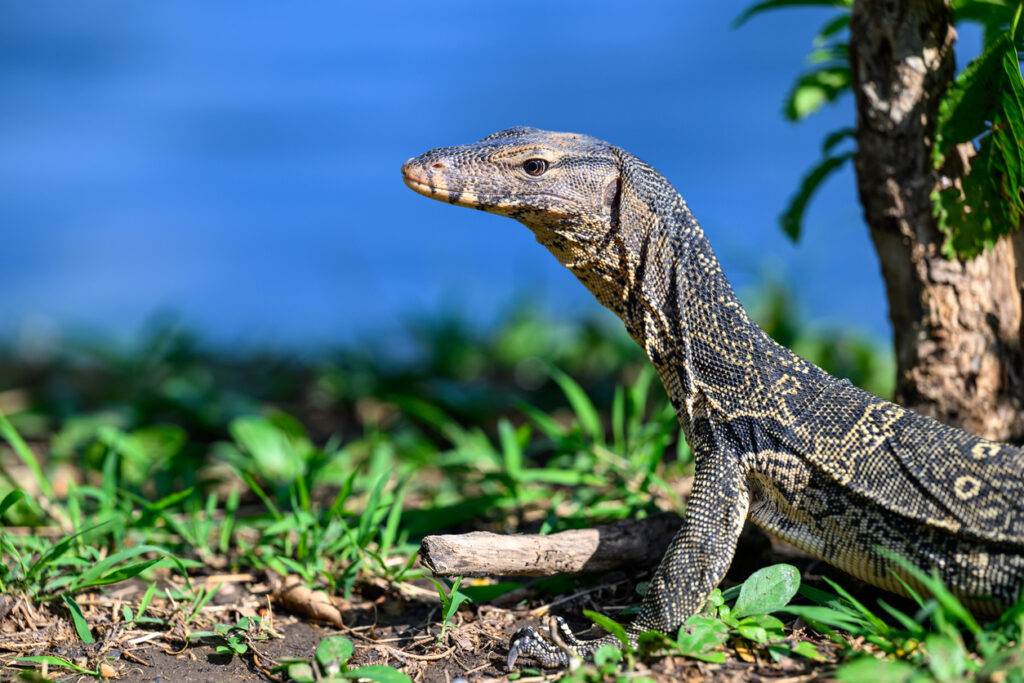
Backbones are a relatively recent invention in evolutionary terms. Invertebrates had already diversified into thousands of successful forms before vertebrates even showed up, and they’re still going strong.
Being first means they’ve had more time to adapt and spread into every available niche. Vertebrates are impressive, but they’re basically newcomers trying to compete with groups that have hundreds of millions of years head start.
Different environments favour different solutions.
Vertebrates dominate on land and in open water, where size and speed matter. However, in soil, leaf litter, coral reefs, and countless other habitats, being small and flexible beats being big and bony.
There’s way more ecological niches suited to invertebrate body plans than vertebrate ones. The planet’s mostly made of environments where being tiny and adaptable is better than being large and structured.
Mass matters less without gravity support needs.
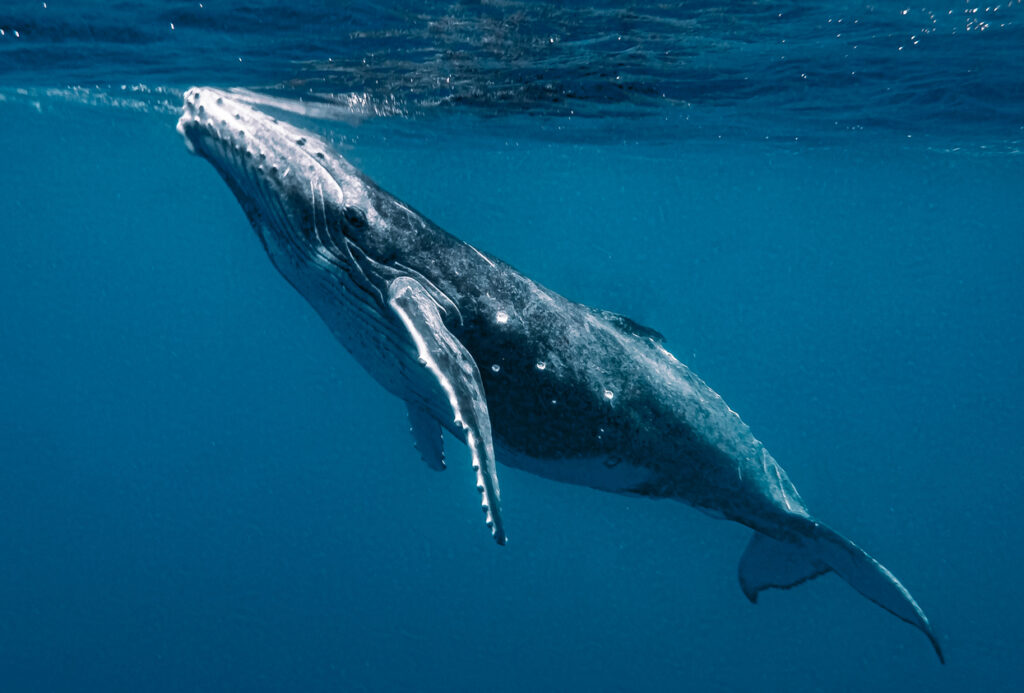
In water or when you’re tiny, gravity isn’t the massive challenge it is for large land animals. Invertebrates don’t need the structural support that makes skeletons so important for big terrestrial vertebrates.
Whales only get as massive as they do because water supports their weight. On land, you need serious skeletal structure to hold up bulk, but most invertebrates never need to solve that problem.
Success doesn’t always require complexity.
We think of vertebrates as more advanced, but that’s just bias because we are one. Invertebrates have absolutely nailed survival and diversification without needing our body plan, which suggests backbones aren’t actually necessary for success.
Evolution doesn’t aim for complexity, it aims for whatever works. Invertebrates work brilliantly, which is why they’ve been the dominant animals on Earth for hundreds of millions of years and will probably outlast vertebrates entirely.