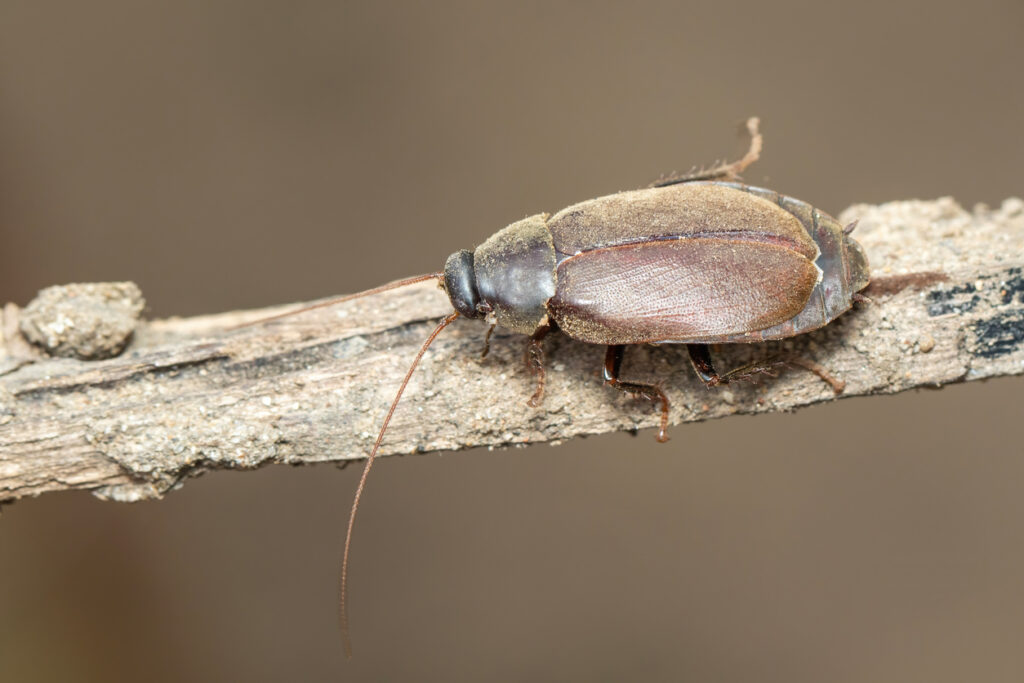
The very idea of cockroach milk sounds like the start of a bad joke, but scientists are completely serious about it. Deep inside a species of Pacific beetle cockroach (Diploptera punctata), researchers discovered something remarkable: a protein crystal “milk” that contains more than three times the energy of cow’s milk. Unlike the pests that scuttle across kitchen floors, this species gives birth to live young and produces a nutrient-rich substance to feed them, packed with essential amino acids, sugars, and fats.
While the idea might turn your stomach, scientists are fascinated by what this discovery could mean for the future of nutrition. In fact, they believe it could be the next superfood. Cockroach milk isn’t something you can pick up at the supermarket (at least not yet), but its potential as a sustainable, high-protein food source has sparked serious interest in the scientific community. It’s another example of nature quietly solving problems we’re still trying to figure out, even if it comes from one of the most unlikely creatures imaginable.
It comes from one special species.
Not every cockroach produces milk, unfortunately. As previously mentioned, the species Diploptera punctata in particular, a Pacific beetle cockroach, is unusual because it gives birth to live young instead of laying eggs, and it produces milk crystals to feed them inside its body.
Those crystals are where the discovery comes from. They’re not liquid like cow’s milk, but solid and nutrient-packed, which means every piece carries far more nutrition than it looks at first glance.
The crystals are protein-rich.
When analysed, the crystals turned out to be astonishingly high in protein. Gram for gram, they contain more than cow’s milk, making them one of the most concentrated natural protein sources ever studied by researchers. It’s not just about quantity, but quality, too. The protein structure is dense and slow-releasing, which means it provides longer-lasting energy compared to quicker-digesting foods.
It’s also loaded with amino acids.
Proteins are made up of amino acids, and cockroach milk contains all the essential ones humans need to survive. That makes it a “complete” protein source, something not every natural food can claim. It’s this completeness that grabbed scientists’ attention. It means that, at least in theory, cockroach milk could match or even beat many foods we already consider protein-rich.
It holds sugars and fats too.
These crystals aren’t just protein bombs. They also contain healthy fats and sugars, giving a balanced profile designed to fuel baby cockroaches as they grow. Evolution shaped them to be perfect survival food. That balance is what makes them interesting. In tiny amounts, the milk delivers the full nutritional range, something that takes far larger portions of other foods to match.
It’s far more concentrated than cow’s milk.
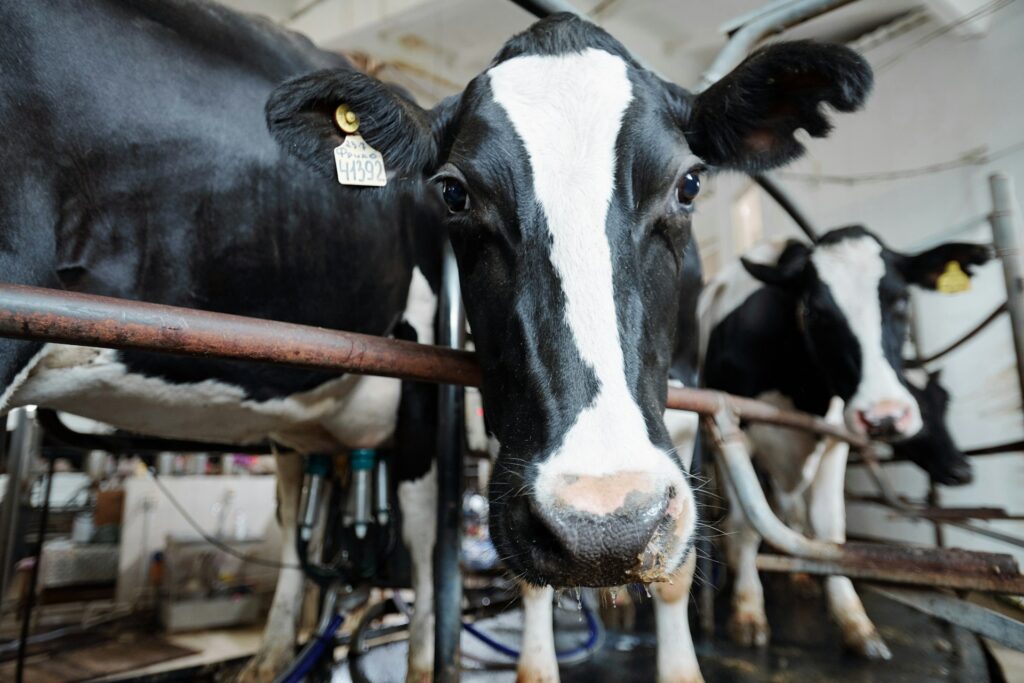
Cow’s milk is nutritious, but it’s mostly water. Cockroach milk, being crystallised, is much denser, which explains why the protein and nutrients are packed in such staggering amounts compared to liquid milk. So, while a single drop of cockroach milk isn’t much, its nutritional weight is far greater. That concentration is what makes it headline-worthy in scientific discussions.
It could inspire future supplements.
Researchers don’t expect anyone to start farming cockroaches for milk. The amounts are far too tiny. Instead, the goal is to understand the protein structure and recreate it synthetically in labs as a sustainable food option. If scientists can copy it, we could one day see supplements or food products inspired by cockroach milk, offering concentrated nutrition without anyone needing to touch an insect.
It’s not available commercially, obviously.
Despite the media buzz, you won’t find cockroach milk in shops. Harvesting it naturally is impossible on a meaningful scale, since each insect produces only a trace amount for its young. That’s why the focus has switched to biotechnology. Lab replication is far more realistic, and if it works, the milk’s structure could inspire efficient, sustainable alternatives for human nutrition.
It shows how surprising nature can be.
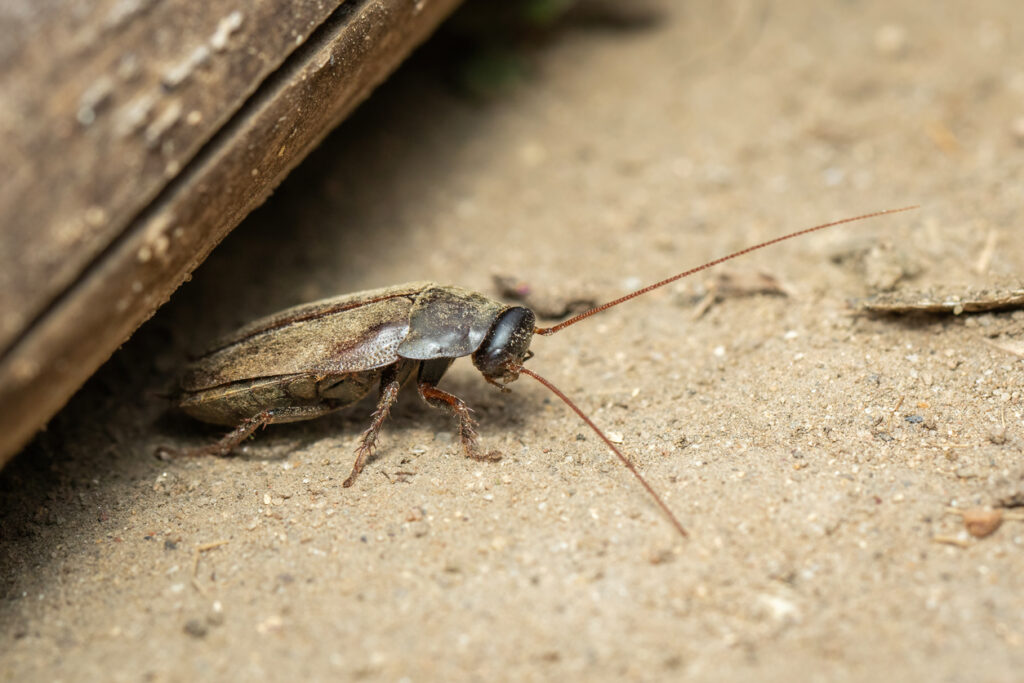
Most people think of cockroaches as dirty pests, not sources of nourishment. Discovering something so valuable inside them is a reminder of how evolution often hides remarkable solutions in unexpected places. This is one of the reasons science keeps investigating unlikely species. Sometimes the things we dismiss turn out to hold lessons or resources that could benefit us in the long run.
It leads to conversation about food security.
As the world’s population grows, food scientists look for alternative protein sources that don’t strain land or water. Cockroach milk raises the question of whether unusual solutions might be part of the answer. Even if it’s never used directly, the idea pushes research forward. Exploring it opens the door to more sustainable, lab-based ways of producing high-quality protein.
It’s proof appearances can mislead.
The thought of cockroach milk sounds unpleasant, and most people’s first reaction is disgust. However, underneath that shock factor lies serious research that shows it’s more nutritious than many traditional foods. It reminds us that instinct isn’t always accurate. Sometimes the strangest discoveries carry the biggest potential, and dismissing them too quickly means missing new opportunities.