Anyone who owns a cat knows just how special they are.
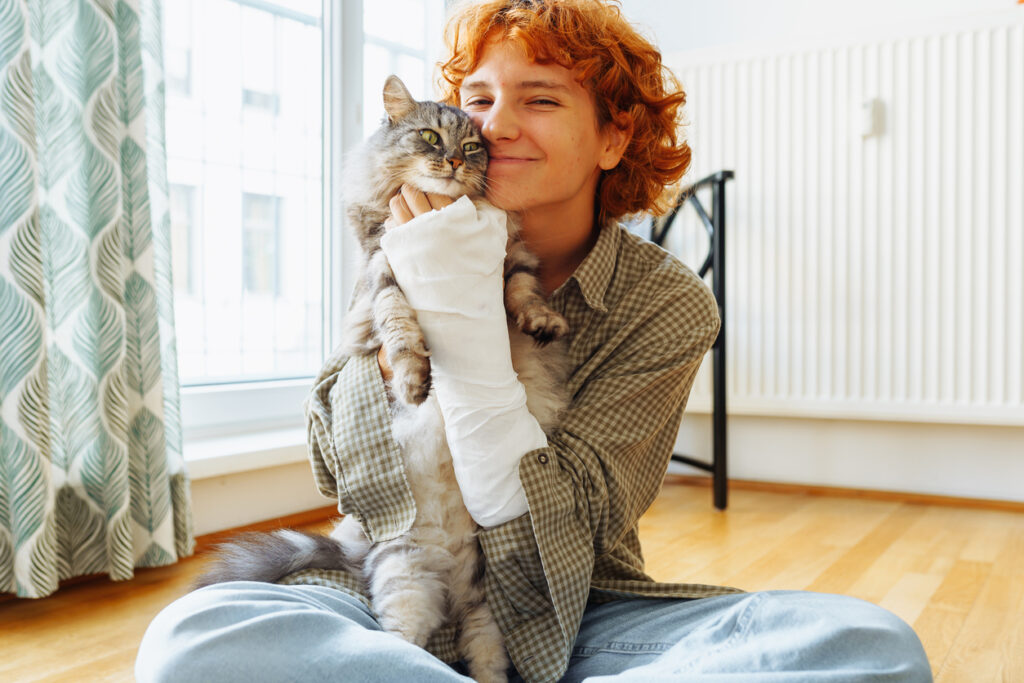
However, believing they’re magical isn’t all in your head, it seems. It might sound completely mental, but there’s actually some real science behind the idea that your cat purring on you might help injuries heal quicker. Don’t believe me? Here’s what’s going on with those rumbling vibrations.
Cat purrs vibrate at a healing frequency range.
Cats purr at frequencies between 25 and 150 Hertz, which happens to be the exact range that’s been shown in studies to promote bone density and healing. It’s not random, that specific vibration frequency does something to cells that helps them repair and grow stronger.
This isn’t just cat owner wishful thinking, either. Medical equipment that uses similar frequencies gets used in hospitals to help heal fractures and strengthen bones, so the concept’s got actual scientific backing behind it, not just folklore.
The vibrations stimulate bone growth at a cellular level.
When bones get exposed to these low frequency vibrations, it triggers cells called osteoblasts that build new bone tissue. Your cat’s purr essentially acts like a tiny natural bone growth stimulator when they’re lying on or near you when you’re injured.
It’s mad to think about, but those vibrations travel through your body and can actually reach deeper tissues. It’s why the frequency matters so much, lower vibrations penetrate further than higher ones, getting to where the healing needs to happen.
Purring might reduce pain and inflammation too.
The same frequencies that help bones also seem to reduce swelling and ease pain in soft tissues around injuries. It’s a bit like how vibration therapy gets used for muscle recovery, except your cat’s doing it for free while having a nap on you.
People with broken bones or joint problems often say they feel better when their cat purrs on them. Admittedly, some of that’s probably comfort and stress relief, but there’s a decent chance the actual vibrations are doing physical work reducing inflammation and pain levels.
Cats might’ve evolved this as a self-healing mechanism.

Cats sleep and rest for most of the day, which isn’t great for keeping bones and muscles strong. The theory is they developed purring partly as a way to keep their skeletons healthy without having to move around loads constantly throughout the day.
It’s basically nature’s version of physiotherapy. When cats purr, they’re potentially maintaining their own bone density and muscle tone while they’re lying about doing nothing, which is clever as anything when you think about it really.
It could explain why cats heal from falls and injuries faster.

Vets have noticed for ages that cats recover from fractures and surgeries surprisingly quickly compared to other animals their size. The purring might be a big part of why they bounce back so fast from injuries that would take other animals much longer.
Cats literally vibrate themselves better, which sounds ridiculous but makes sense. They’re constantly giving themselves low-level healing therapy just by doing what comes naturally to them, accelerating their recovery without needing any external help from anyone.
The stress relief from having a purring cat helps to heal, too.
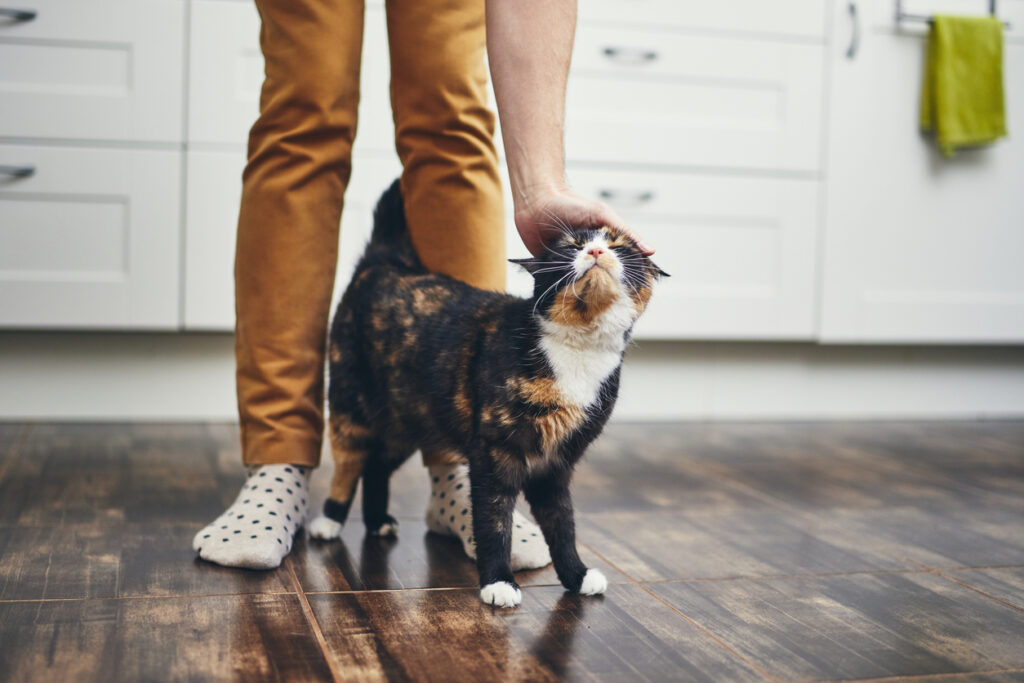
Being injured is stressful, and stress actively slows down healing by messing with your immune system and inflammation responses. Having a warm purring cat on you reduces stress hormones like cortisol, which lets your body focus energy on actually healing instead of being anxious.
So even if the vibrations themselves weren’t doing anything physical, the psychological benefit of having a cat purr on you would still help you heal faster. The combination of both the physical vibrations and emotional comfort is probably what makes it most effective.
It’s not a replacement for actual medical treatment, obviously.

Your cat purring on your broken arm isn’t going to fix it by itself, you still absolutely need proper medical care and treatment. But as a complementary thing that might speed up recovery slightly, it’s basically free with zero side effects.
Think of it as a nice bonus rather than a cure. If you’ve already got a cat, and you’re recovering from an injury, having them purr near the affected area probably isn’t hurting and might genuinely be helping a bit alongside proper treatment.
Other animals might benefit from similar vibration therapy.
The research into healing frequencies has led to vibration therapy being used on horses, dogs, and even humans for bone and tissue healing. It’s becoming more mainstream in veterinary and human medicine because the science actually backs it up now.
Your cat’s been doing this naturally for millions of years of evolution. We’re only just catching up and realising that what seemed like a weird coincidence about purring frequencies is actually a legitimate therapeutic mechanism that we can learn from and apply.
Different purr frequencies might do different things.
Cats don’t always purr at exactly the same frequency. Some studies suggest they vary their purr depending on what they want or need, and different frequencies within that healing range might target different types of tissue or healing.
It’s possible cats instinctively adjust their purr when they’re injured versus when they’re content, potentially targeting the specific healing frequency their body needs. We don’t know for certain yet, but it’s a fascinating area that’s still being researched.
The warmth from your cat probably helps as well.
Beyond the vibrations, having a warm cat lying on an injury increases blood flow to that area, which brings more oxygen and nutrients needed for healing. The combination of heat and vibration together is probably more effective than either alone.
It’s why heating pads and vibration together get recommended for muscle injuries. Your cat’s basically a living version of that therapeutic equipment, except they’re also keeping you company and making you feel better emotionally while they’re at it.
You can’t force your cat to purr on command for healing.

Cats purr when they want to, not when you need them to for medical purposes. You can’t exactly prescribe “30 minutes of cat purring twice daily” as treatment because cats do whatever they fancy and won’t cooperate just because you’ve broken something.
The best you can do is make yourself comfortable and hope your cat decides to join you. If they do, and they start purring near your injury, brilliant, potential bonus healing. If they don’t, you’re still getting better the normal way without cat assistance.
More research is still needed to prove it definitively.
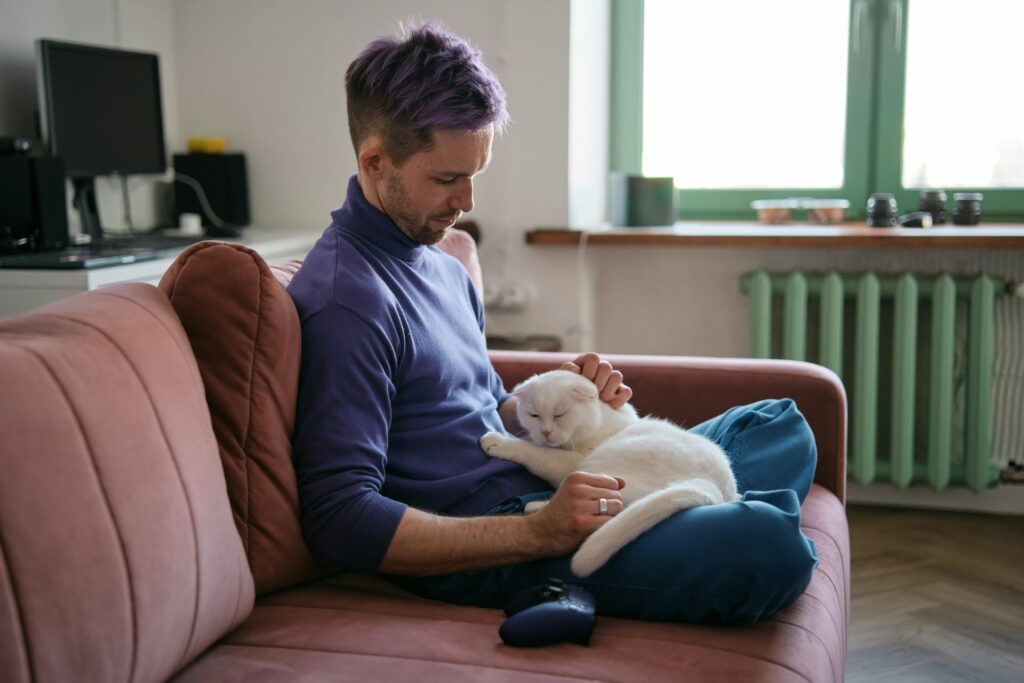
While the frequency thing is solid science and the anecdotal evidence is strong, there haven’t been huge controlled studies specifically on cat purrs healing human bones. Most research is on vibration therapy in general, rather than cats specifically doing the healing.
That said, the mechanism makes sense and there’s enough evidence that it’s probably doing something helpful, even if we don’t know exactly how much. It’s one of those lovely areas where traditional beliefs about cats being healing animals might actually have proper science behind them.