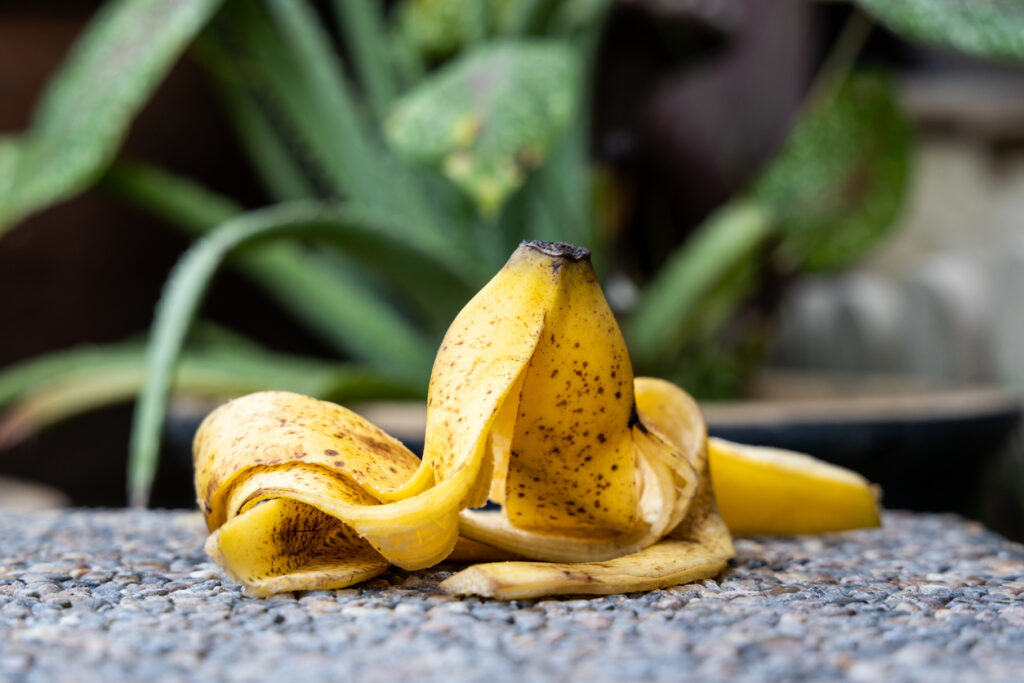
If you spend any time on gardening TikTok, you’ve probably seen the endless banana peel hacks, with people swearing they’ll make your plants thrive, bloom faster, and grow like mad. Of course, for every person raving about them, there’s another calling it complete nonsense. So, what’s the truth? Can banana peels really replace proper plant care, or are they just another social media myth that sounds better than it actually is?
Before you start blending fruit into fertiliser, it’s worth separating fact from fiction. Here’s what banana peels actually do for your plants, and what good, old-fashioned care still does better.
Banana peels do contain some nutrients.
There’s potassium, phosphorus, and a bit of nitrogen in there, which plants technically need. People see those nutrients listed and assume chucking peels in soil must be brilliant for growth. The problem is that those nutrients are locked inside the peel structure and don’t break down quickly enough to actually feed your plants. It’s not that they’re useless, it’s that they’re not doing what people think they’re doing.
Burying fresh peels can attract pests.
Sticking whole or chopped banana peels in your soil creates rotting organic matter that flies and other pests absolutely love. You might be trying to feed your plants, but you’re also setting up a pest buffet. If you’re going to use peels at all, composting them properly first breaks them down safely. Just tossing them straight in creates more problems than it solves for most indoor or garden situations.
The nutrient release is incredibly slow.
Even if peels do eventually break down, it takes months for those nutrients to become available to plant roots. Your plant’s probably dying of hunger waiting for that banana peel to decompose into something useful. Actual plant fertiliser is formulated to release nutrients at rates plants can actually use. Banana peels are essentially delayed release fertiliser that takes so long it might miss the growing season entirely.
Most plants need balanced nutrition.
Banana peels are relatively high in potassium but low in nitrogen, which means they’re not providing balanced nutrition. Plants need multiple nutrients in specific ratios, not just whatever happens to be in your breakfast scraps. Using proper fertiliser gives you control over what nutrients your plants get and when. Relying on kitchen scraps is basically guessing and hoping it works out, which isn’t a great strategy.
Composting them is the smarter approach.
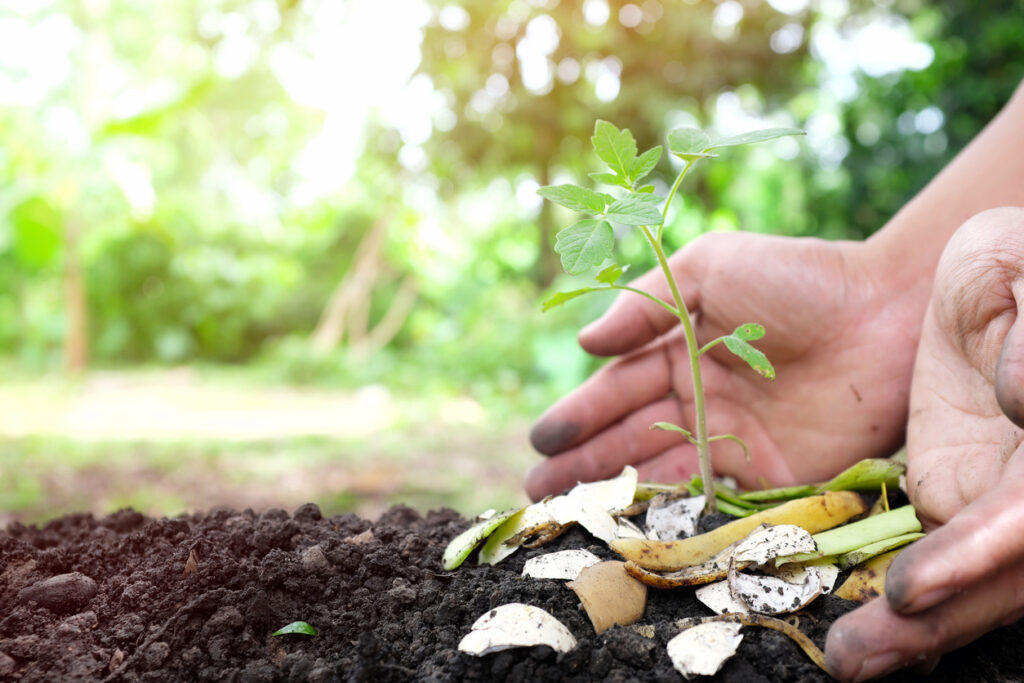
Adding banana peels to a compost bin along with other organic matter actually makes sense. The composting process breaks everything down properly and creates nutrient rich material that plants can use. Hot composting kills potential pathogens and pests while making nutrients available. It’s the difference between tossing rubbish at your plants and actually feeding them something useful.
Banana peel tea is mostly hype.
People soak peels in water and use the liquid as fertiliser, claiming it’s packed with nutrients. The reality is that very little actually leaches out into the water, so you’re basically watering plants with slightly banana flavoured water. The concentrations are so low that it’s not doing much of anything. If you want liquid fertiliser, buy actual liquid fertiliser that’s got measurable nutrients instead of steeping kitchen scraps.
They can change soil pH unpredictably.
Decomposing organic matter affects soil acidity, but with banana peels, you’ve got no idea what’s happening. Some plants are picky about pH and random decomposing peels can throw things off without you realising. Proper soil amendments let you adjust pH deliberately based on what your specific plants need. Kitchen scraps introduce too many variables when pH balance actually matters for plant health.
Your plants probably need nitrogen more.
Most soil deficiencies involve nitrogen because plants use loads of it for growth. Banana peels don’t provide much nitrogen, so you’re potentially addressing the wrong problem entirely with this hack. A balanced NPK fertiliser gives you nitrogen, phosphorus, and potassium in ratios designed for actual plant growth. Focusing on potassium from peels when your plants are nitrogen starved won’t fix anything.
Store-bought fertiliser is more reliable.
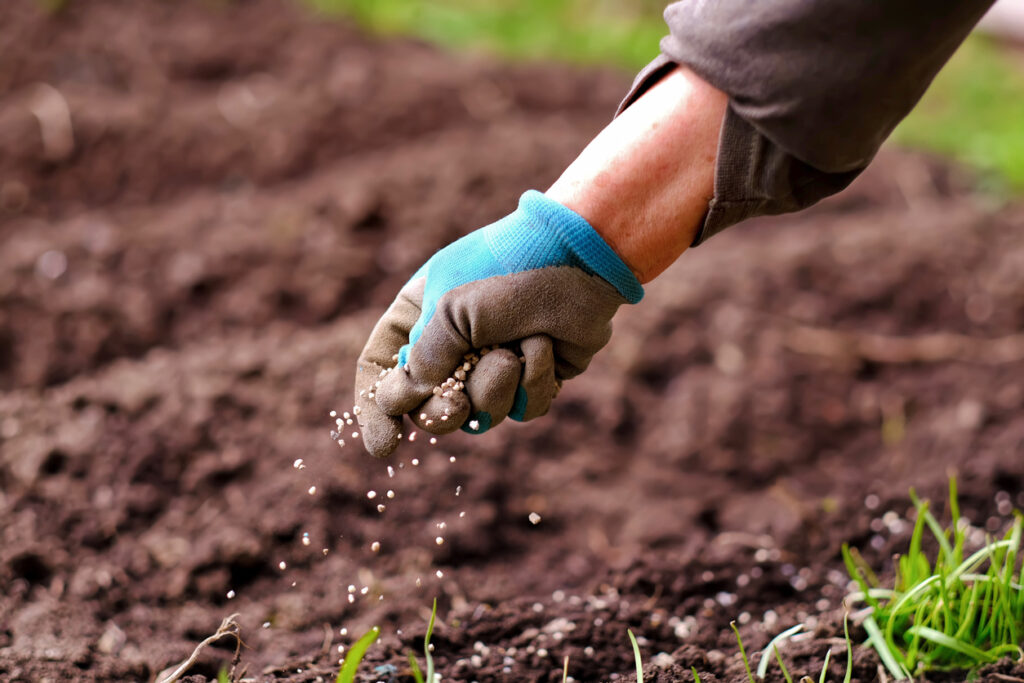
You know exactly what’s in it, how much to use, and when to apply it. There’s no guessing about nutrient content or worrying about attracting pests or diseases. The predictability matters when you’re trying to keep plants healthy. Kitchen hacks sound appealing, but they introduce uncertainty that makes troubleshooting problems way harder.
Some plants react badly to decomposing matter.
Fresh organic material can harbour fungi or bacteria that certain plants are sensitive to. You might think you’re helping, but you’re actually introducing pathogens that stress or damage the plant. Sterile growing conditions matter for some species, and banana peels definitely aren’t sterile. Using them around sensitive plants is risking their health for a nutrient boost they probably won’t even get.
The effort doesn’t match the results.
Drying peels, grinding them, burying them, making tea, all of it takes time for questionable benefits. You could just use actual fertiliser in a fraction of the time with guaranteed results. Garden hacks are fun until you realise you’re spending more effort than just doing things the normal way. Sometimes the traditional method exists because it actually works better.
Proper care beats any hack.
Consistent watering, appropriate light, good drainage, and occasional feeding with real fertiliser will always outperform kitchen experiments. Plants aren’t that complicated, they just need the basics done reliably. Chasing trendy hacks often distracts from actually learning what your plants need. Getting the fundamentals right matters more than any supposed shortcut involving fruit scraps.