Your house, your rules, right? Well, not exactly.

It’s tempting to think you can build whatever you like in your own garden, but in the UK the rules are stricter than many realise. Some projects fall under permitted development, while others need official approval. Here are the things you can’t just build without checking first.
Large outbuildings or sheds that exceed height rules
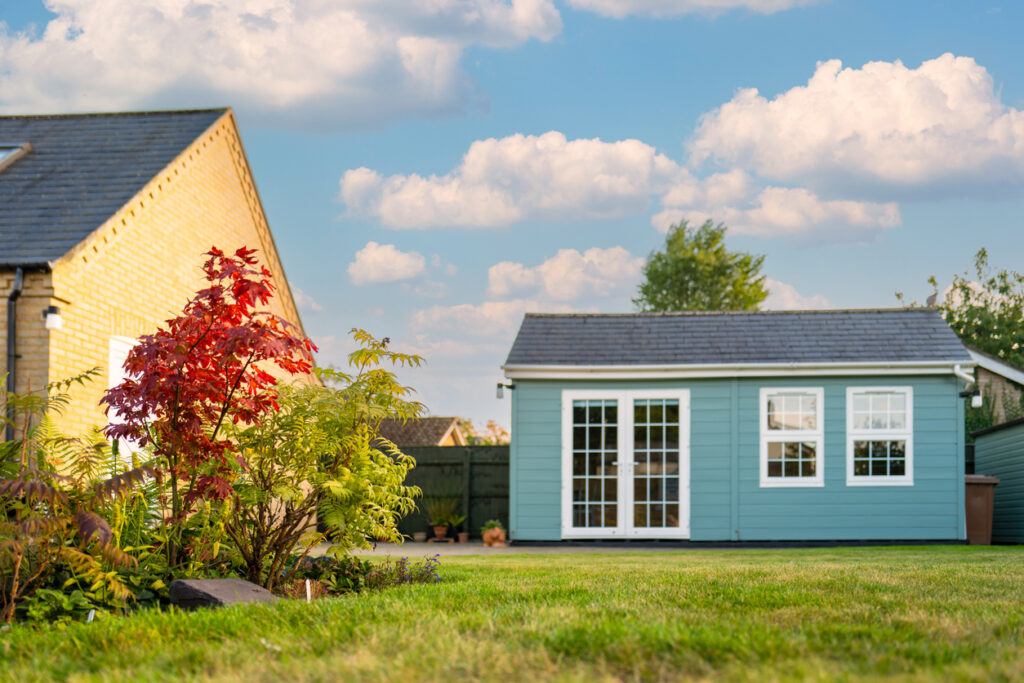
Putting up a shed or summerhouse is usually fine, but only if it meets certain size limits. If it’s too tall or too close to your boundary, it falls outside permitted development. That’s when you’ll need planning permission.
Before starting, measure carefully and check how close it is to fences or walls. Staying within limits saves hassle, but if your plans are bigger or higher, apply for approval before building.
Turning a garden building into a home
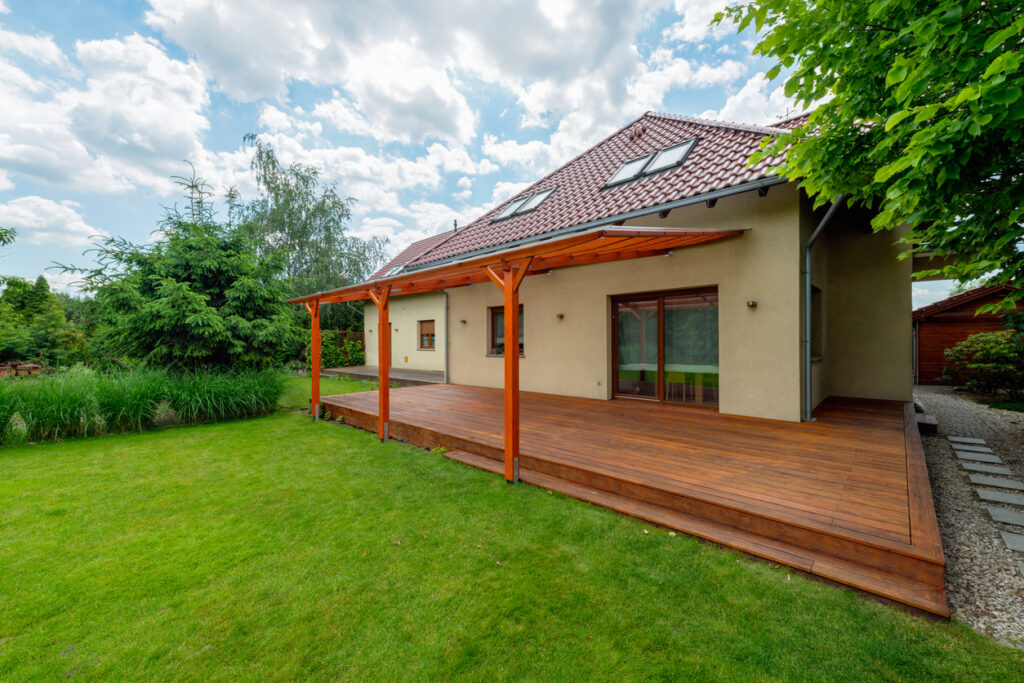
A garden office or gym is normally allowed, but turning it into a fully self-contained flat with its own kitchen and bathroom is a different story. That kind of change counts as creating a new dwelling, which isn’t permitted automatically.
If you want living space in the garden, you’ll need proper planning permission. Without it, you risk enforcement action from the council and problems if you ever sell the property.
Verandas, balconies or raised decking over 30 cm
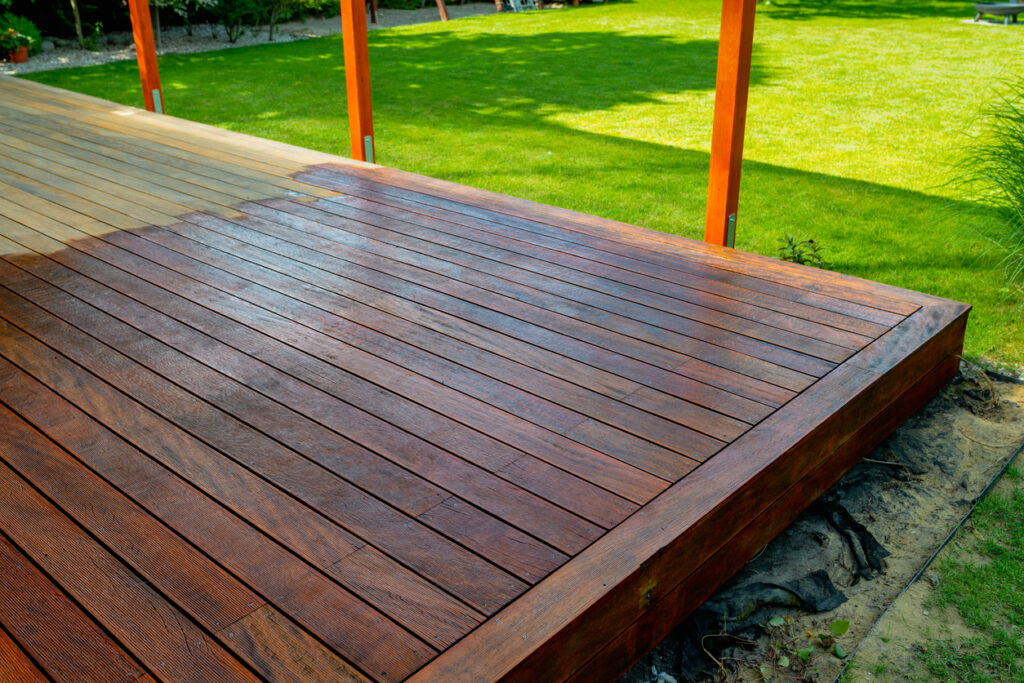
Adding a place to sit outside sounds harmless, but verandas, balconies, and high decking aren’t included in permitted development rights. These are considered bigger changes and can affect neighbours’ privacy.
If you want raised areas higher than 30 cm, check with your council first. Keeping outdoor structures low avoids issues, but for anything larger, approval is needed.
Buildings in your front garden
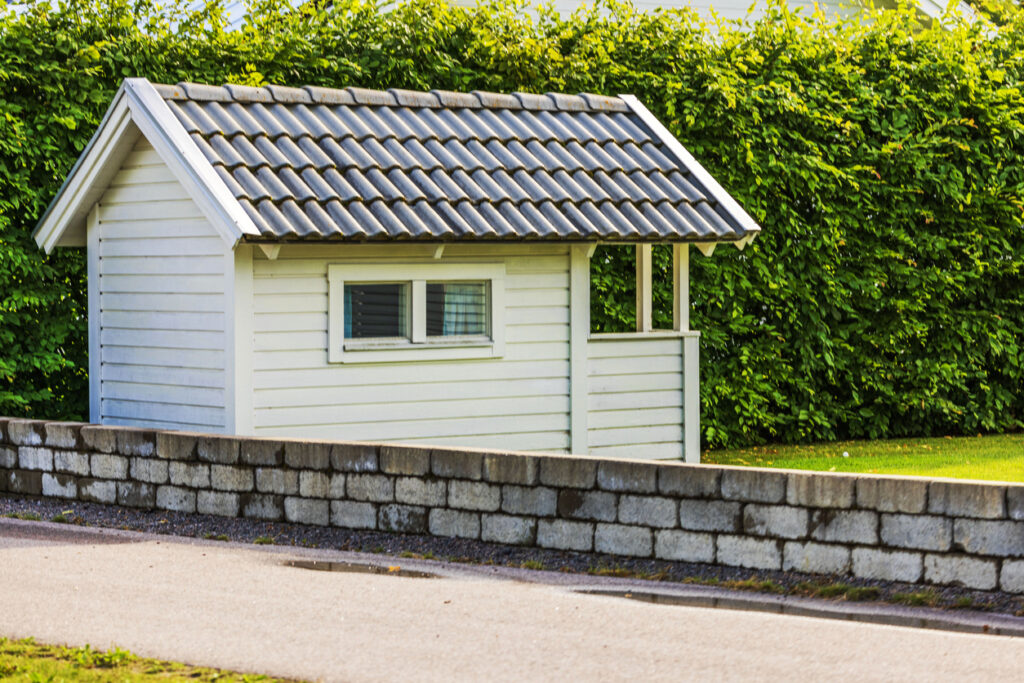
While back gardens are often more flexible, front gardens come with tighter rules. Putting a shed, office, or greenhouse in front of your house usually isn’t allowed without planning permission.
If you’re thinking of building near the street, always check first. It avoids wasting time and money on something the council could ask you to remove later.
Covering more than half your garden with buildings
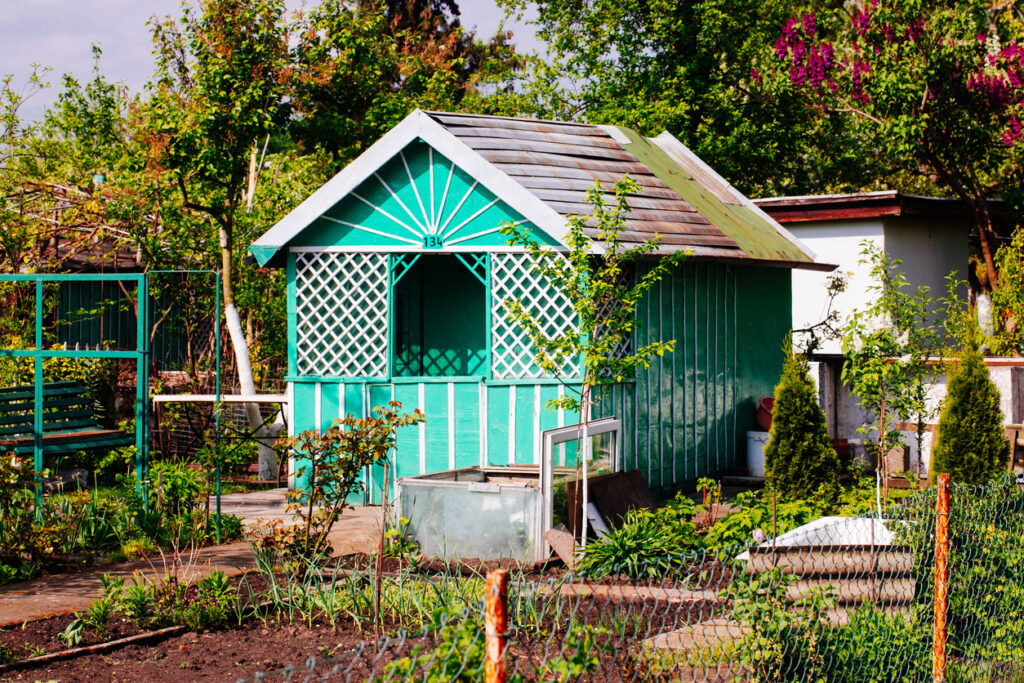
There’s a limit on how much of your garden you can build on. If more than 50% of the land around your house becomes covered by outbuildings or hard structures, you’ll need permission.
Think about how much space is already taken up before adding new structures. Staying under the half-garden rule means you’re less likely to run into problems.
Projects in conservation areas or protected zones
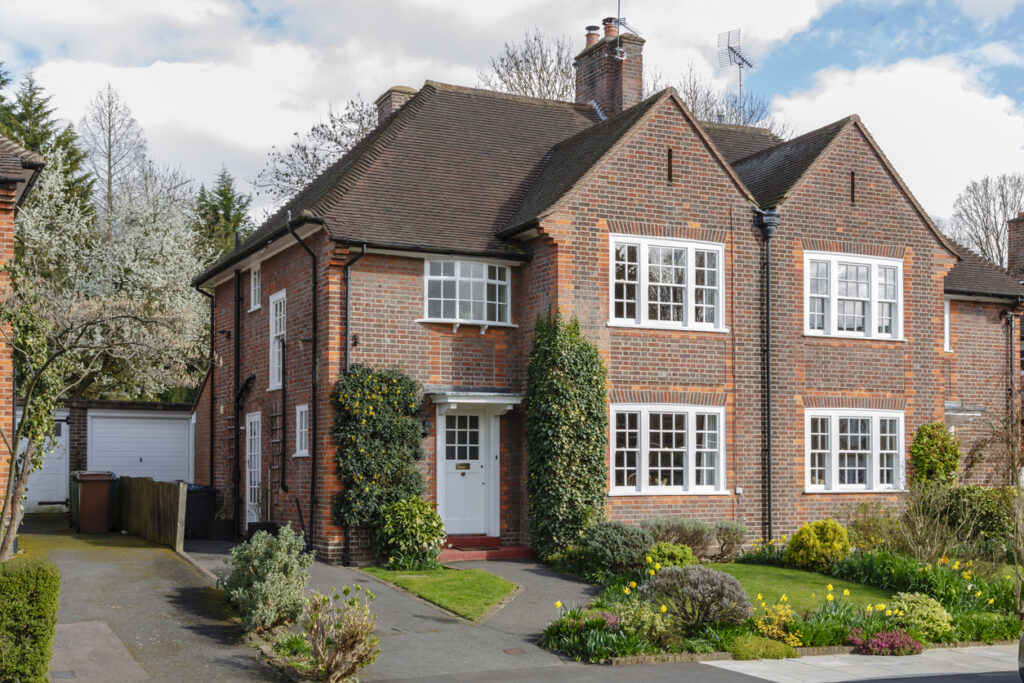
If your home is in a conservation area, a National Park, or another specially protected location, the usual freedoms don’t apply. Even small outbuildings could need approval because of stricter rules.
Check your property’s status before building. If you’re in one of these areas, expect to apply for permission for most changes, no matter how minor they seem.
High garden walls, fences, and gates
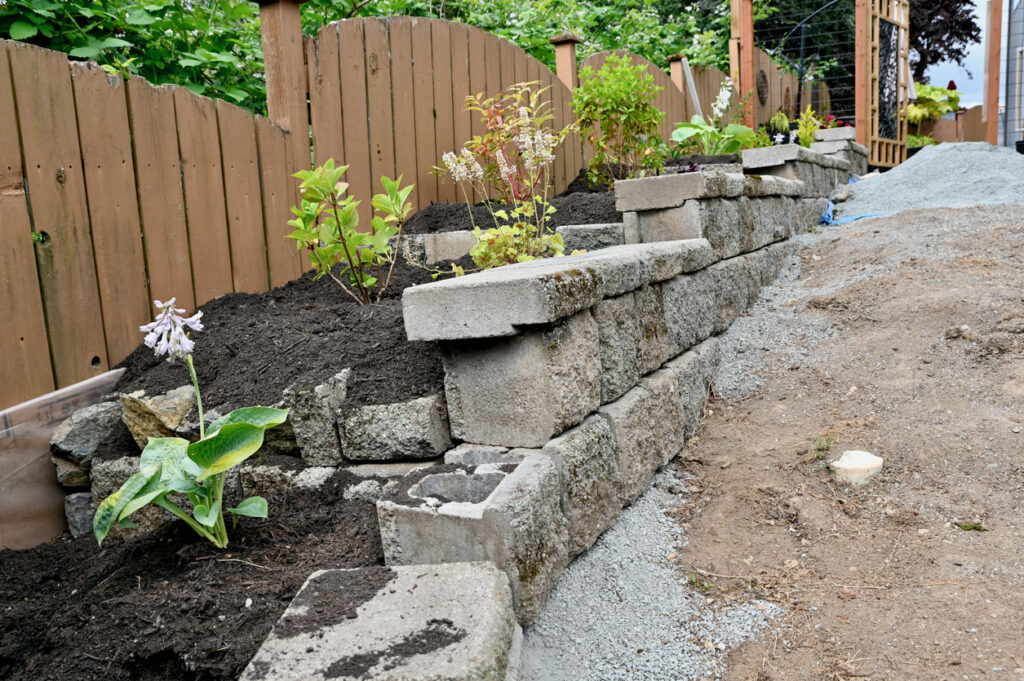
You can usually put up boundaries, but there are limits. Anything over two metres high in a back garden, or over one metre near a road, could require permission. Exceeding those limits puts you at risk of enforcement.
Measure carefully before adding height. If you want taller boundaries, apply to the council first, rather than risk being told to take them down later.
Hot tubs, large ponds or noisy water features
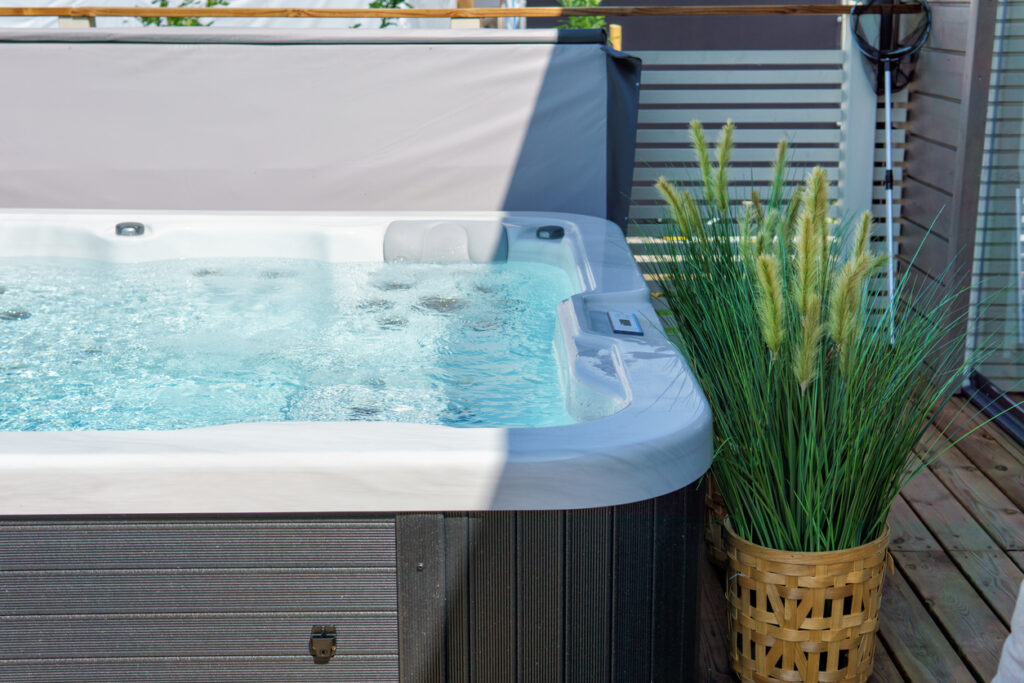
While you can install water features or tubs, if they cause a nuisance through noise, overflow, or smell, the council may step in. Bigger projects could fall under regulations and require permission before going ahead.
Think about the impact on neighbours. Keeping features modest avoids issues, but for larger builds, it’s safer to check with your council before spending money.
Using a garden building as a business base
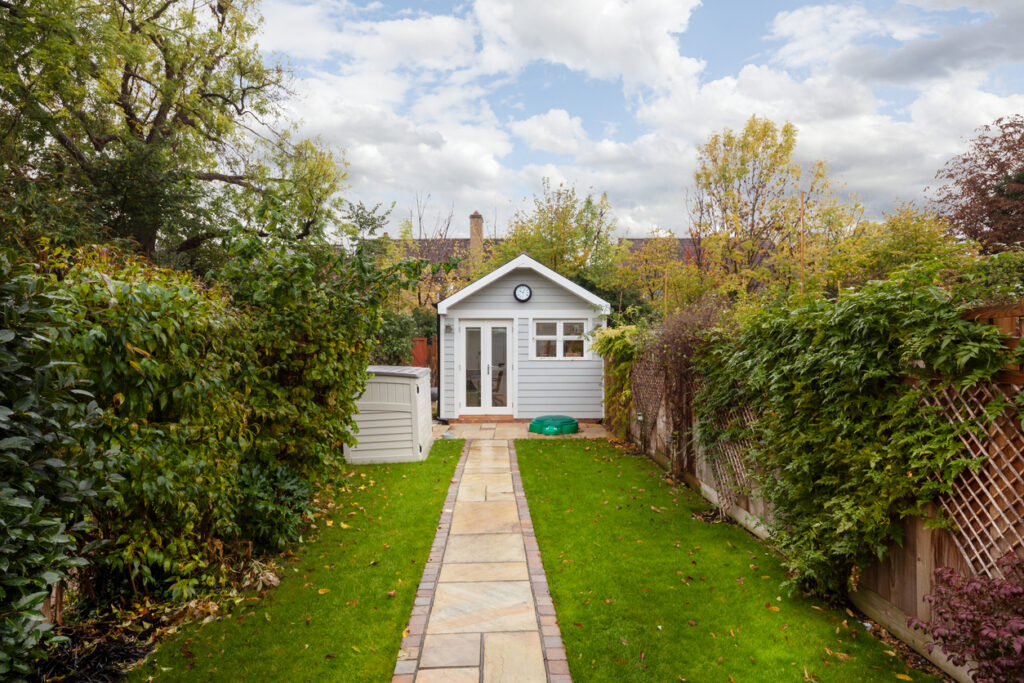
A hobby space or home office is fine, but running a full-time business from your garden isn’t always covered by permitted development. If clients visit regularly, or it causes extra traffic, permission is often required.
If you’re planning business use, be upfront with the council. It avoids complaints from neighbours and the risk of being ordered to stop trading from the property.
Building near listed properties
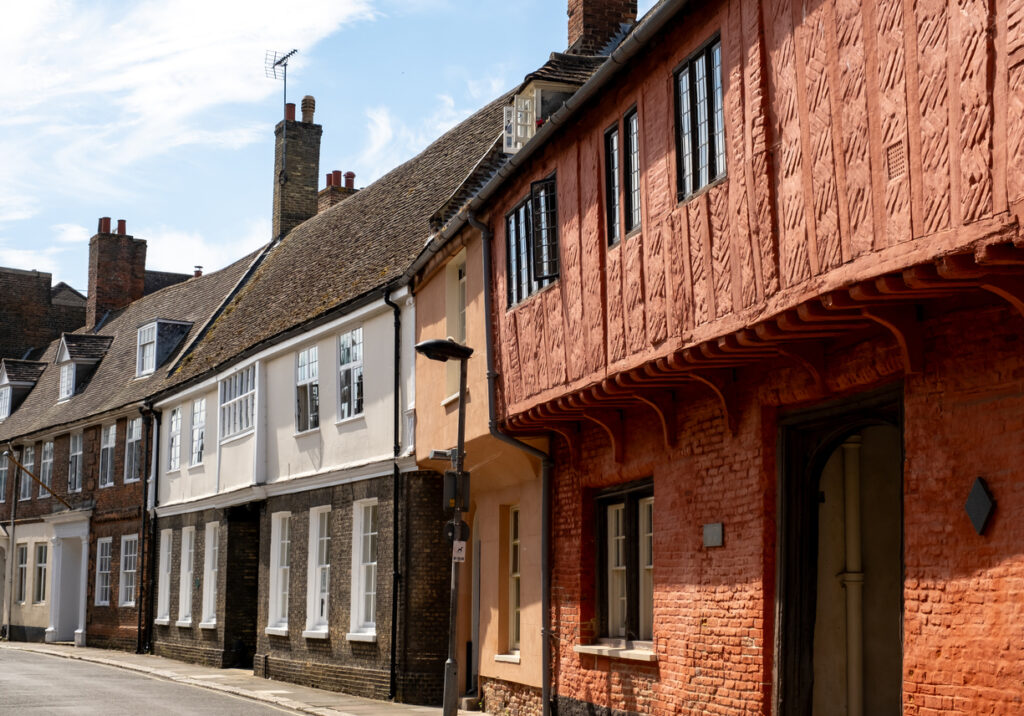
If your home is listed, the rules are even stricter. Outbuildings, walls, or alterations within the garden often require listed building consent as well as planning permission. Ignoring this can bring heavy penalties.
Check your property’s listed status before making changes. If it is listed, expect to need approval for almost any work within the garden boundaries.
Raised play structures
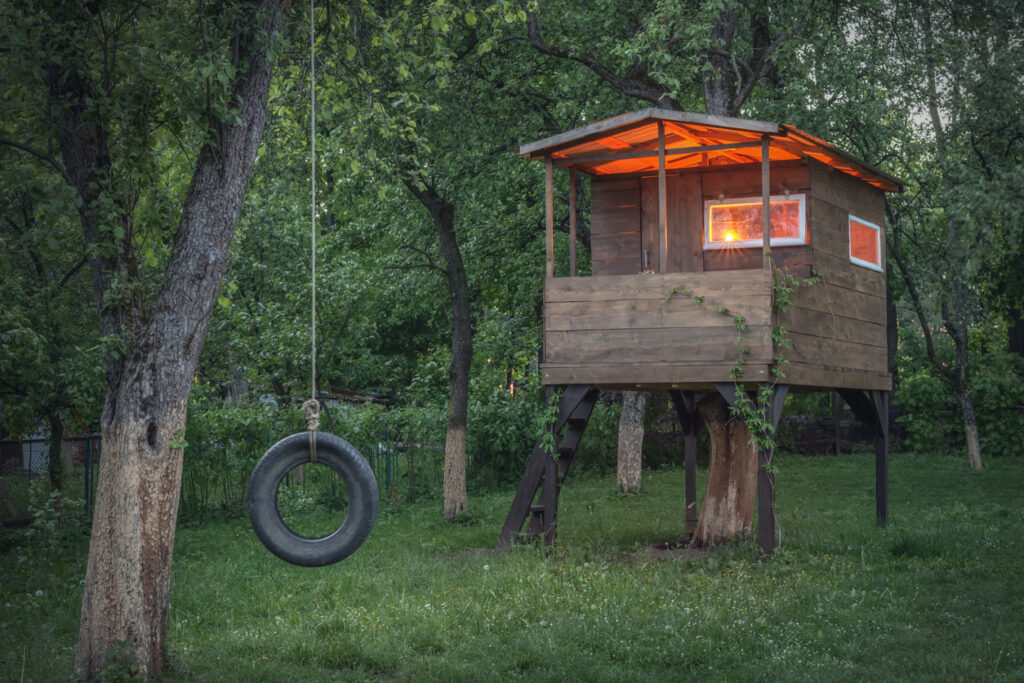
Climbing frames, treehouses, or other raised platforms for children can exceed height restrictions. If they overlook neighbours’ gardens or breach the 30 cm rule, they’ll often need planning permission.
Keep children’s play areas low to the ground to avoid issues. If you’re planning something bigger, check first to make sure it won’t cause complaints or force you to alter it later.
Projects where Article 4 applies
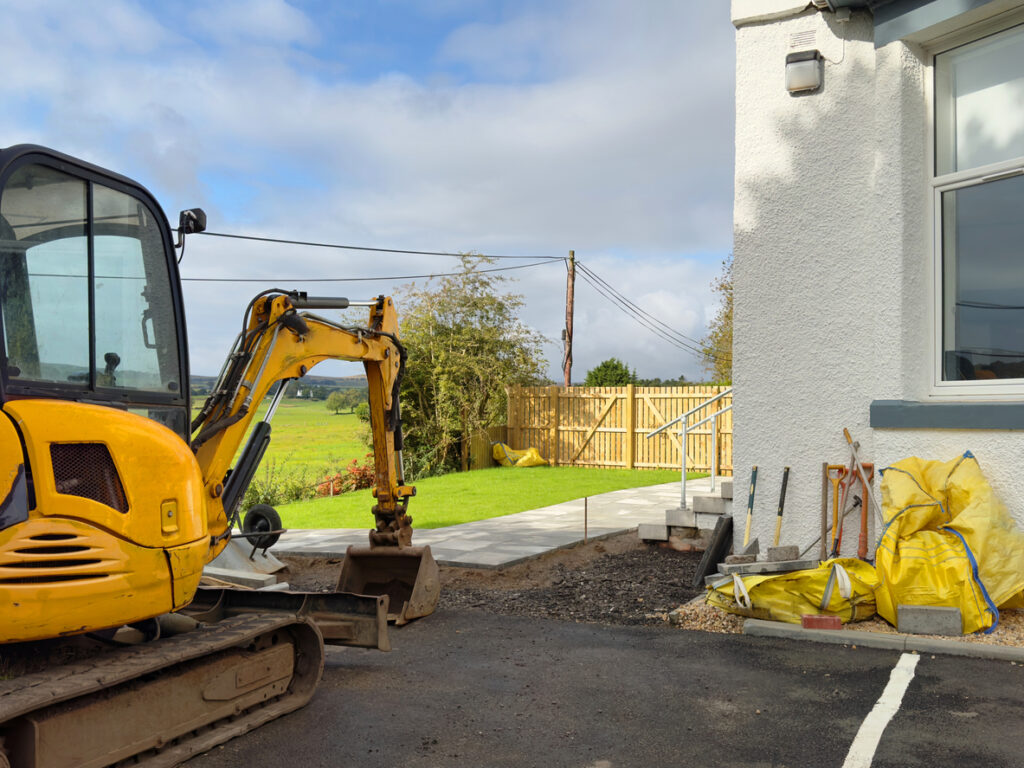
Some councils issue what’s called an Article 4 direction, which removes permitted development rights in certain areas. If your property falls under one, even small garden builds could need permission.
Always check with your council before starting work. An Article 4 area means the usual rules don’t apply, and ignoring it could cause major headaches later on.
Extensions that count as new buildings
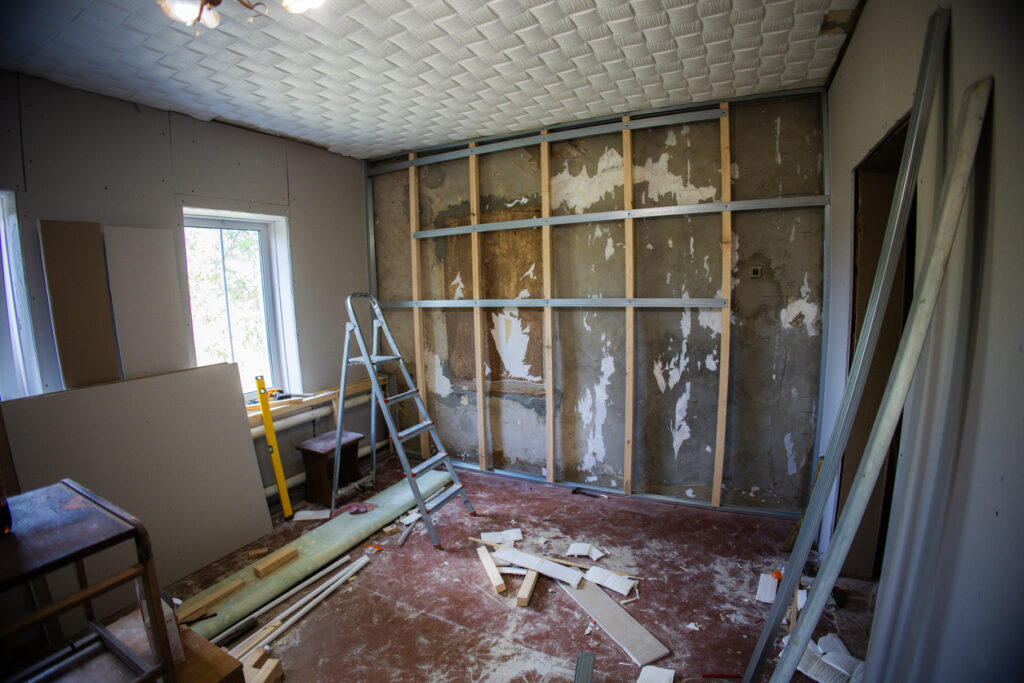
Extending into your garden with something that looks more like a house extension than a shed often needs planning permission. Bigger garden rooms, home gyms, or workshops can cross this line easily.
Keep structures small and clearly separate from the main house if you want to stay within permitted development. For anything larger, go through the proper approval process to avoid problems.