The seasons are changing, and that means your garden is too. However, not in the ways you might think.
You know how your gran always had loads of rules about what you should and shouldn’t do in the garden during autumn? Well, it turns out that quite a few of these old gardening traditions are actually complete nonsense that can do more harm than good to your plants.
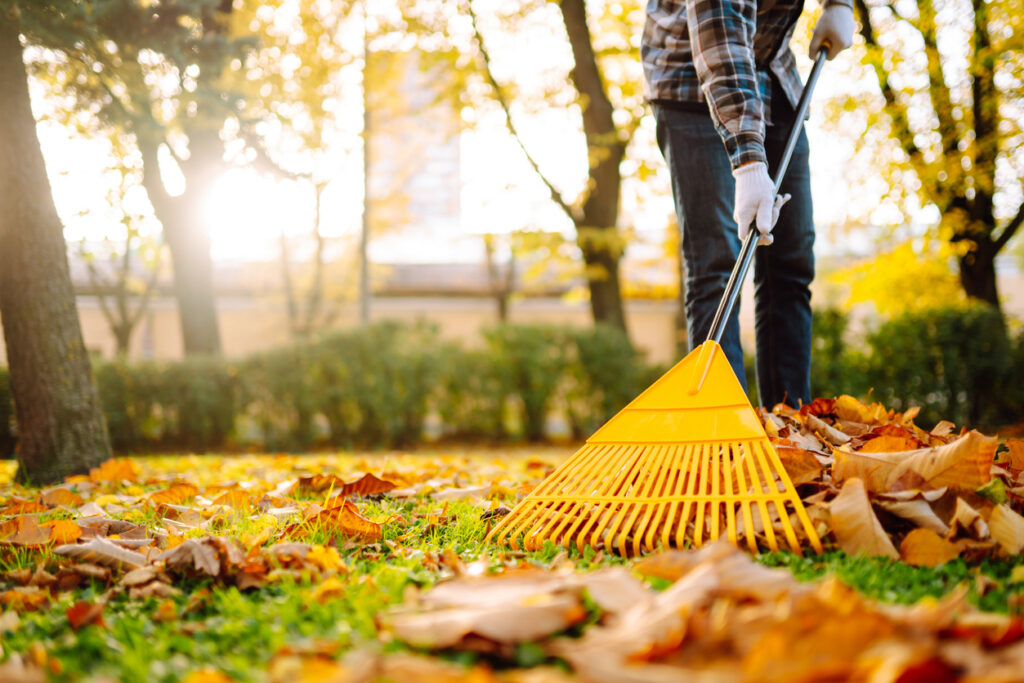
1. You must rake up every single fallen leaf.
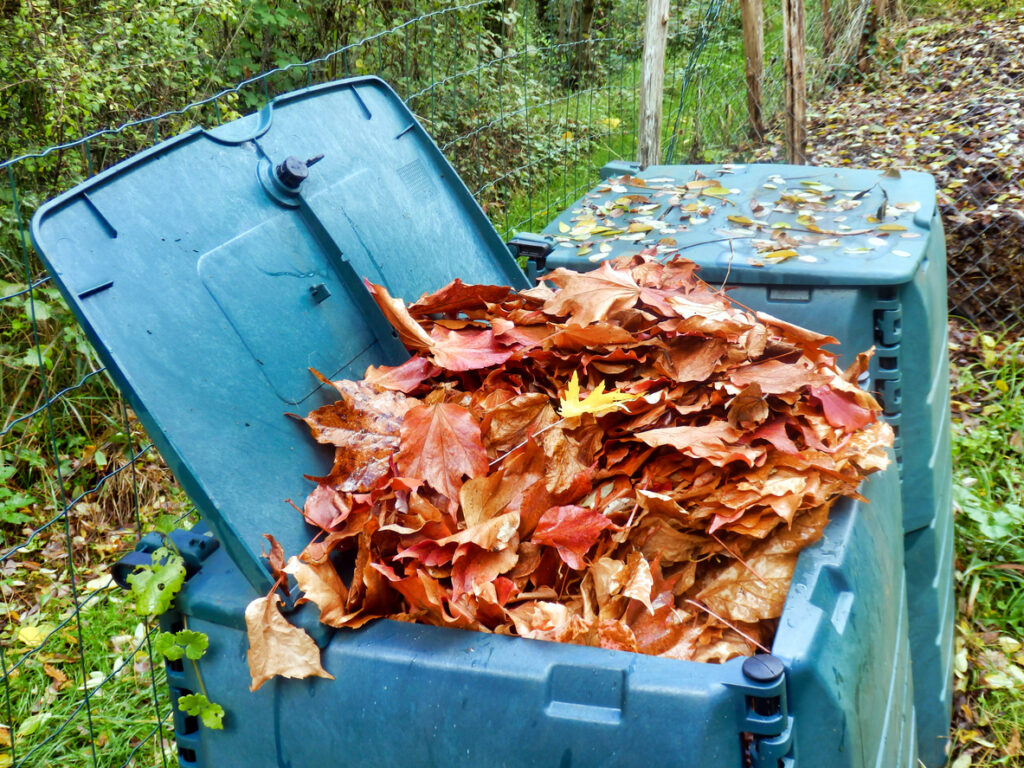
There’s this obsession with having a perfectly tidy garden where every leaf gets raked up and bagged, like leaving them on the ground is somehow letting the side down. People spend hours every weekend frantically clearing their lawns because they think fallen leaves will kill the grass underneath.
Actually, a light layer of leaves can protect your plants and provide food for wildlife, plus they break down naturally to improve your soil. Only rake them up if they’re really thick and smothering things; otherwise, you’re just creating extra work for yourself while throwing away free compost.
2. All plants need to be cut back hard in autumn.

The traditional advice is to chop everything back to the ground once the growing season’s over, like you’re giving your garden a military haircut before winter arrives. This supposedly helps plants survive the cold and makes everything look neat and tidy.
But many plants actually benefit from keeping their stems and seed heads over winter because they provide shelter for insects and food for birds. Ornamental grasses, perennials with interesting structure, and anything that looks good covered in frost should be left alone until spring.
3. You should stop watering plants once the weather turns cold.

People assume that because it rains more in autumn and winter, their plants don’t need any additional watering, especially evergreens and newly planted things. The thinking is that plants go dormant so they don’t need water, plus overwatering in cold weather will rot the roots.
Evergreen plants still need water through winter because they keep their leaves and can dry out on windy days, and newly planted trees and shrubs need regular watering for their first year regardless of season. Check the soil regularly and water when it’s dry, just do it in the morning, so plants aren’t sitting wet overnight.
4. Mulching too early will make plants soft and vulnerable.
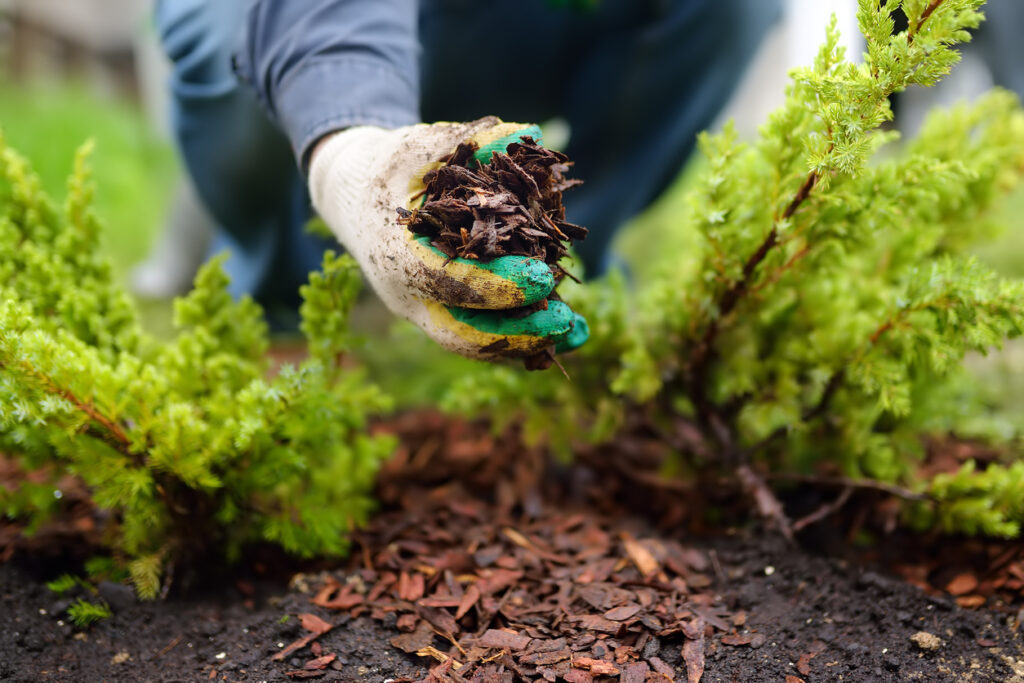
There’s this idea that if you mulch around plants too early in autumn, it’ll trick them into thinking it’s warmer than it is, and they won’t properly harden off for winter. People worry that mulch acts like a duvet that keeps plants too cosy and unprepared for harsh weather.
Mulch actually helps regulate soil temperature and protects roots from freeze-thaw cycles that can heave plants out of the ground. Apply it once the soil starts cooling down, but before it freezes hard, and keep it a few inches away from plant stems to prevent rot.
5. Compost bins should be left alone until spring.
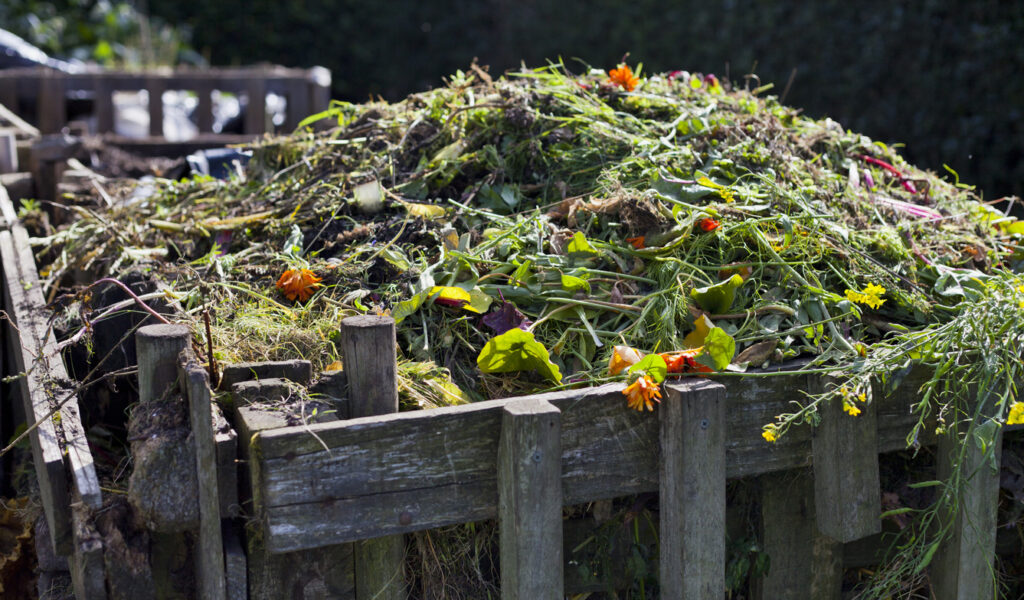
Lots of people think their compost bin goes to sleep in winter and shouldn’t be disturbed, so they stop adding kitchen scraps and definitely don’t turn it because cold weather slows everything down. The assumption is that nothing’s happening in there during the colder months.
Your compost heap can keep working through autumn and winter, especially if you balance green materials like kitchen scraps with brown materials like fallen leaves. Turning it occasionally and keeping it slightly moist helps the process continue, just at a slower pace than summer.
6. Tender plants are doomed if you don’t bring them indoors.

The moment temperatures start dropping, people panic about their marginally hardy plants and assume they’ll definitely die if left outside. Everything gets dragged into heated conservatories or spare rooms, often where it struggles in the warm, dry indoor conditions.
Many plants are tougher than you think and can survive outdoors with a bit of protection like fleece, or by moving them to a sheltered spot rather than indoors. Some plants actually need a cold period to flower well next year, so bringing them inside can mess up their natural cycle.
7. Autumn fertilising will make plants grow soft growth that gets damaged by frost.
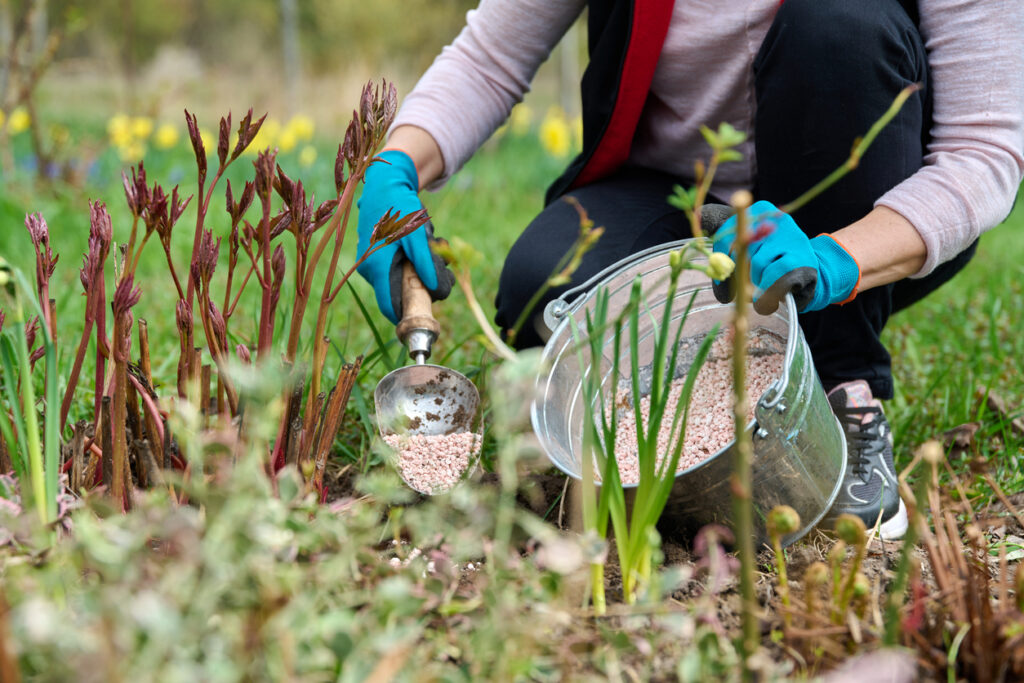
Garden centres sell autumn fertilisers, but lots of people avoid them because they’ve been told that feeding plants in autumn encourages soft, sappy growth that’ll get zapped by the first frost. The logic is that plants should be winding down, not being encouraged to keep growing.
Autumn fertilisers are specifically formulated to be low in nitrogen but high in potash, which actually helps plants harden up and become more frost-resistant. They strengthen root systems and improve winter survival rather than encouraging soft growth, so they’re actually beneficial for most plants.
8. Pruning in autumn will weaken plants and invite disease.
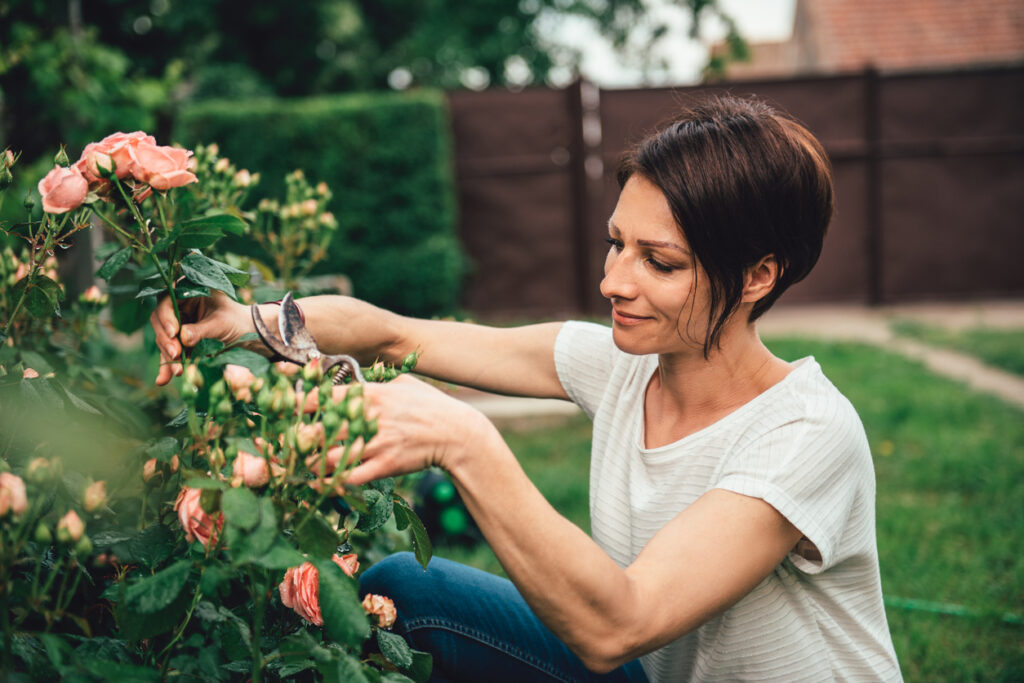
Traditional wisdom says never prune in autumn because cuts won’t heal properly in cold weather and will become entry points for diseases and pests. People wait until spring to do any cutting back, even removing obviously dead or damaged growth.
While it’s true that major pruning is better done in late winter, removing dead, diseased, or damaged wood any time of year is good practice. Light autumn pruning of summer-flowering shrubs and removing weak growth can actually help plants focus their energy on surviving winter rather than maintaining unnecessary branches.
9. Grass stops growing so you can put the mower away.
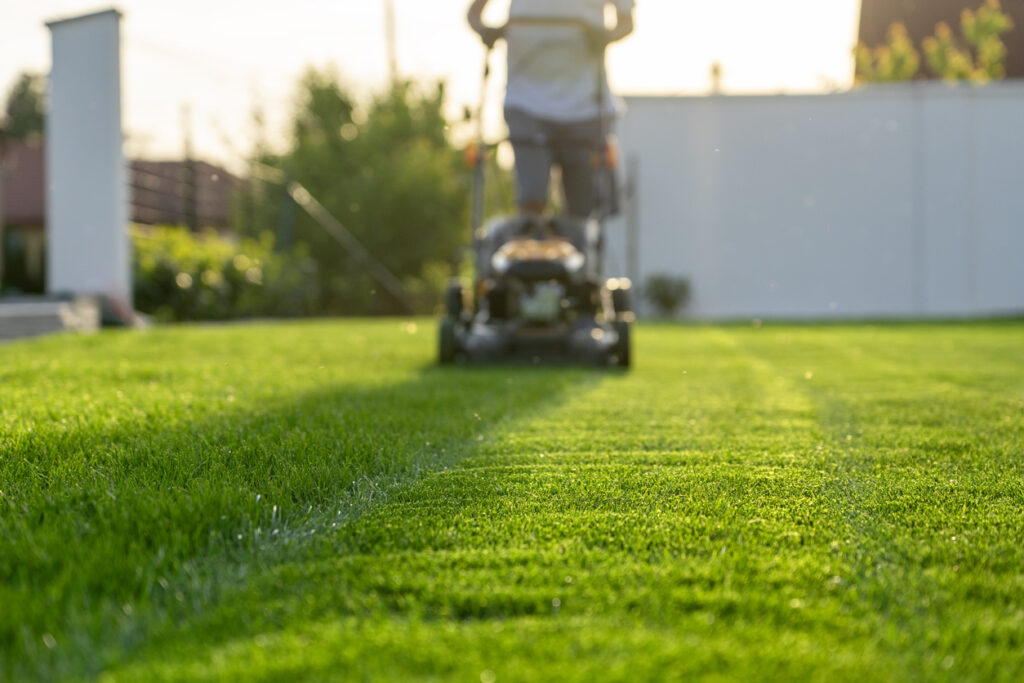
Once the weather turns cooler, people assume grass goes completely dormant and doesn’t need cutting until spring returns. Mowers get cleaned and stored away, and lawns are left to their own devices regardless of what they look like.
Grass actually keeps growing slowly through autumn and into winter during mild spells, so you might need to give it an occasional trim on dry days. Keeping it slightly shorter going into winter prevents it from getting matted down under snow and developing fungal problems.
10. All bulbs must be planted by a specific date, or they won’t flower.
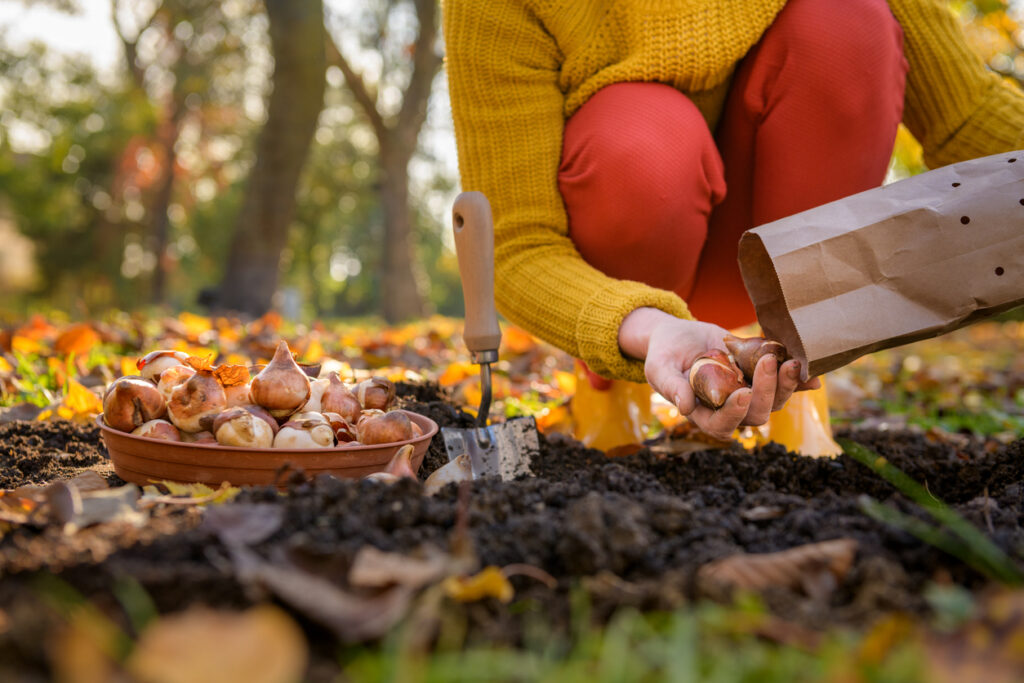
There’s always panic about getting spring bulbs in the ground by some arbitrary date in October or November, with the assumption that planting them later means they won’t have enough time to develop properly. People rush to plant them even if conditions aren’t ideal.
Most spring bulbs can be planted any time from October through December, as long as the ground isn’t frozen solid. They need a period of cold to flower properly, but they’re quite flexible about when they get planted, so it’s better to wait for good planting conditions than rush them in.
11. Greenhouse plants don’t need ventilation in cold weather.

People seal up their greenhouses completely once temperatures drop, thinking that keeping all the cold air out and warm air in is the best way to protect plants. Windows stay shut, and any gaps get blocked up to create a cosy environment.
Even in cold weather, greenhouses need some ventilation to prevent condensation and fungal diseases that thrive in stagnant, humid air. Opening windows slightly on mild days and ensuring some air circulation helps keep plants healthier than sealing everything up tight, just avoid cold draughts directly hitting tender plants.
12. Ponds need to be completely cleared of leaves and debris.
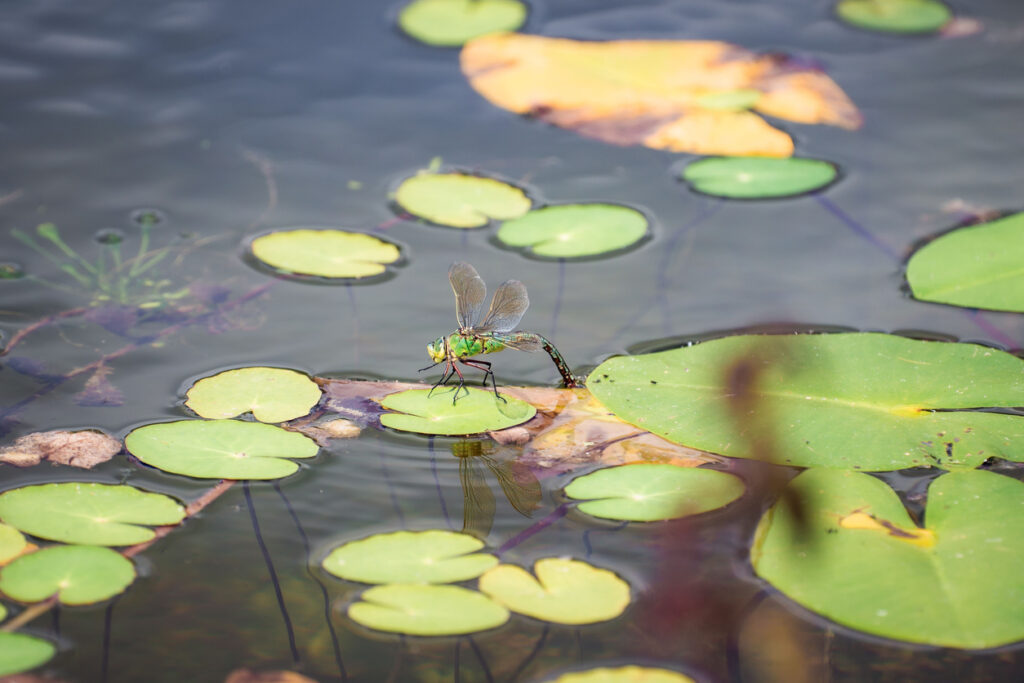
The traditional approach to autumn pond care involves fishing out every single leaf and bit of organic matter, with the belief that leaving any debris will pollute the water and harm fish over winter. People spend ages with nets trying to keep their ponds spotlessly clean.
A few leaves in your pond aren’t a disaster and actually provide shelter for pond creatures and beneficial bacteria, it’s only a thick layer that causes problems by using up oxygen as it decomposes. Regular removal of excess debris is sensible, but obsessive cleanliness isn’t necessary and can disrupt the pond’s natural balance.
The key thing to remember is that nature’s been managing perfectly well without our interference for millions of years, so sometimes the best gardening advice is to relax a bit and let plants do what comes naturally, rather than following every old wives’ tale you’ve ever heard.