If there’s one place in the world with some seriously fascinating wildlife, it has to be Australia.
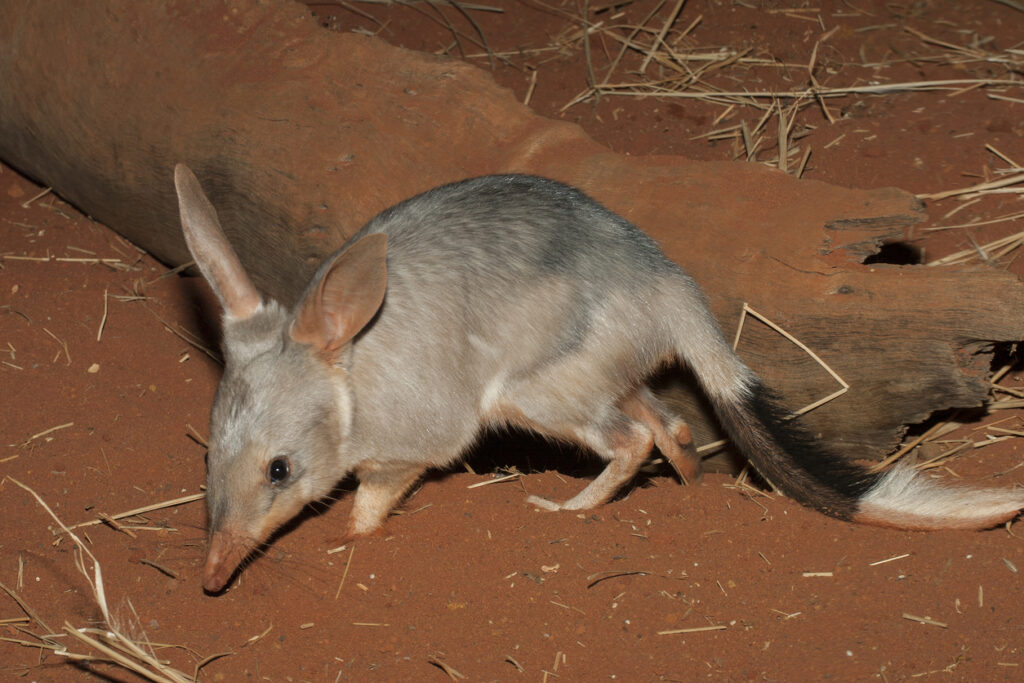
Everyone goes on about pandas and tigers when talking about endangered animals, but there’s this absolutely adorable Australian marsupial called a bilby that’s fighting for survival. To be honest, it’s criminal that more people don’t know about these little legends because they’re basically the perfect mix of rabbit, kangaroo, and teddy bear. Here’s what you should know about them.
They look like someone designed the perfect cute animal.
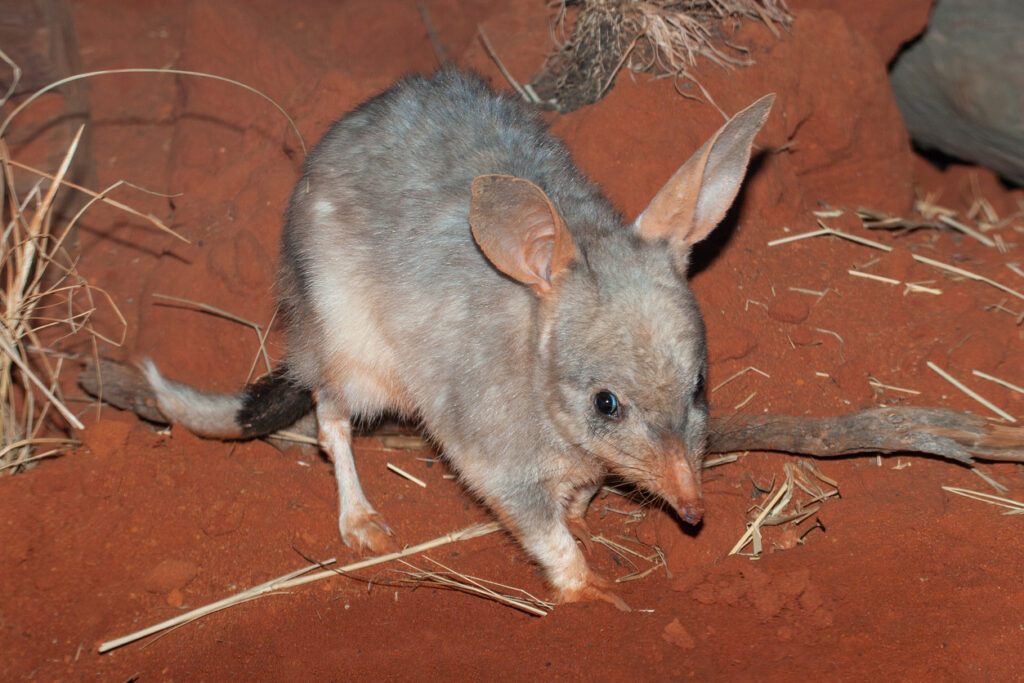
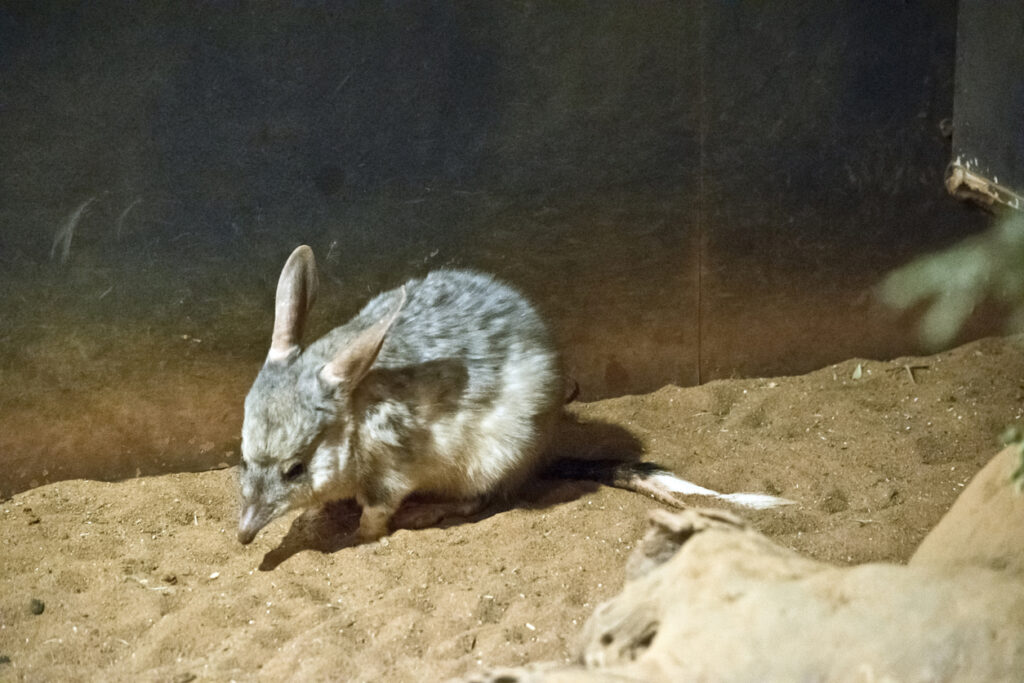
Bilbies have these massive rabbit-like ears, a long pointed snout, and silky grey fur with a black and white striped tail that’s longer than their entire body. They’re about the size of a small cat, but move like tiny kangaroos, hopping around on their powerful hind legs.
Their oversized ears aren’t just for show though, they help them hear predators and prey in the desert, plus they help regulate their body temperature in the harsh Australian heat. Nature gave them built-in air conditioning and surround sound.
They’re Australia’s answer to the Easter bunny.
Some Australians have started replacing chocolate Easter bunnies with chocolate bilbies to raise awareness about these endangered natives. It’s actually a brilliant idea because European rabbits are an invasive pest in Australia, while bilbies are precious native animals that need our help.
The Easter Bilby campaign has been running since the 1990s and has raised loads of money for bilby conservation. It’s one of those rare cases where marketing and conservation work together perfectly.
They’re ecosystem engineers that transform the landscape.
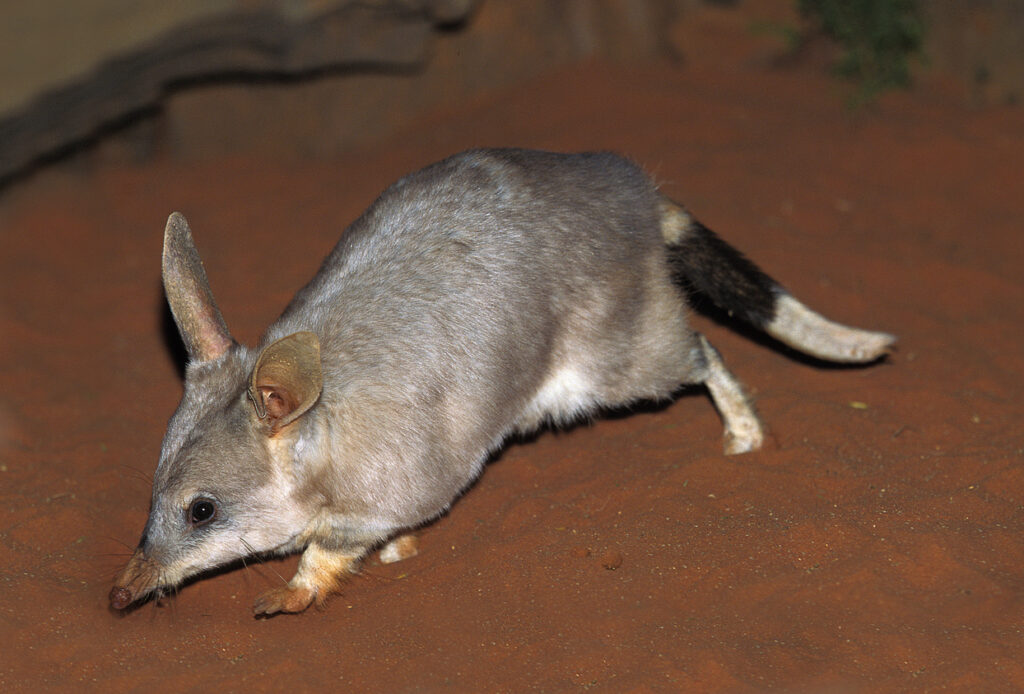
Bilbies are absolutely obsessed with digging and can create burrows up to three metres deep and 20 metres long. A single bilby can dig around 20 holes per night, which might sound destructive but is actually essential for desert ecosystems.
Their digging aerates soil, helps rainwater soak in, and creates homes for other animals like lizards and spiders. They’re landscape gardeners of a sort, working the night shift to keep Australian deserts healthy.
European settlement absolutely devastated their populations.
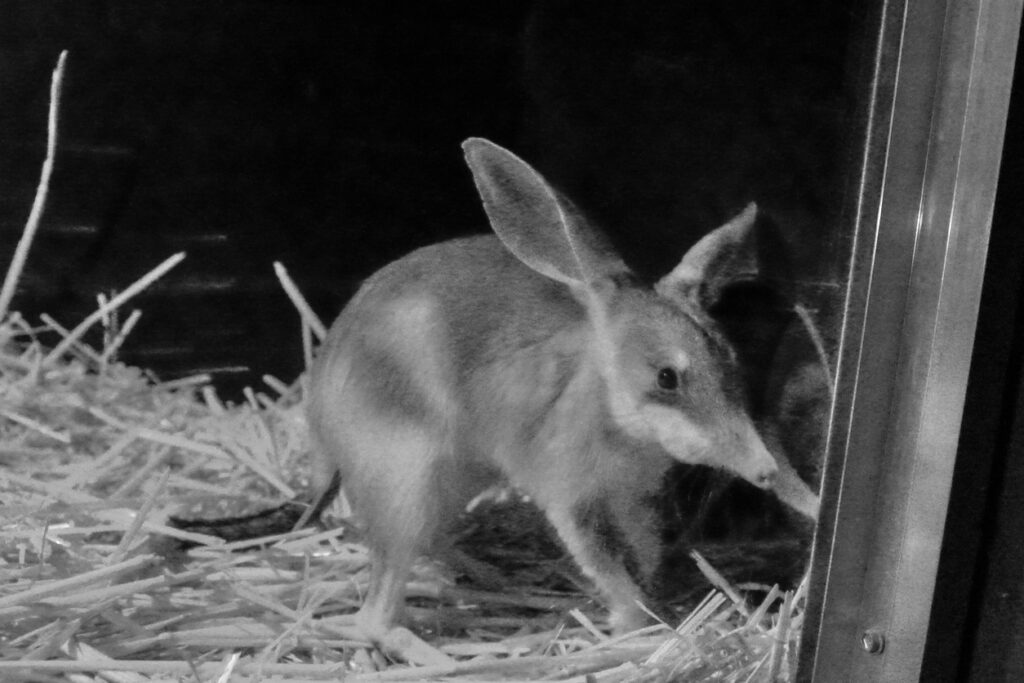
Before Europeans arrived, bilbies lived across about 70% of Australia, from deserts to grasslands to woodlands. But land clearing, introduced predators like cats and foxes, and competition from rabbits and livestock pushed them to the brink of extinction.
The lesser bilby actually became extinct in the 1950s, and the greater bilby now only survives in small pockets of Queensland, Western Australia, and the Northern Territory. It’s one of the most dramatic population crashes of any Australian native animal.
Cats and foxes are their biggest threats.

Feral cats and European red foxes hunt bilbies relentlessly, and because bilbies evolved without these predators, they have no natural defences against them. A single cat can wipe out an entire local bilby population in just a few years.
Predator-proof fencing around bilby habitat is now essential for their survival. These fences keep cats and foxes out, while allowing bilbies to live and breed safely inside protected areas.
They have some seriously weird reproductive habits.
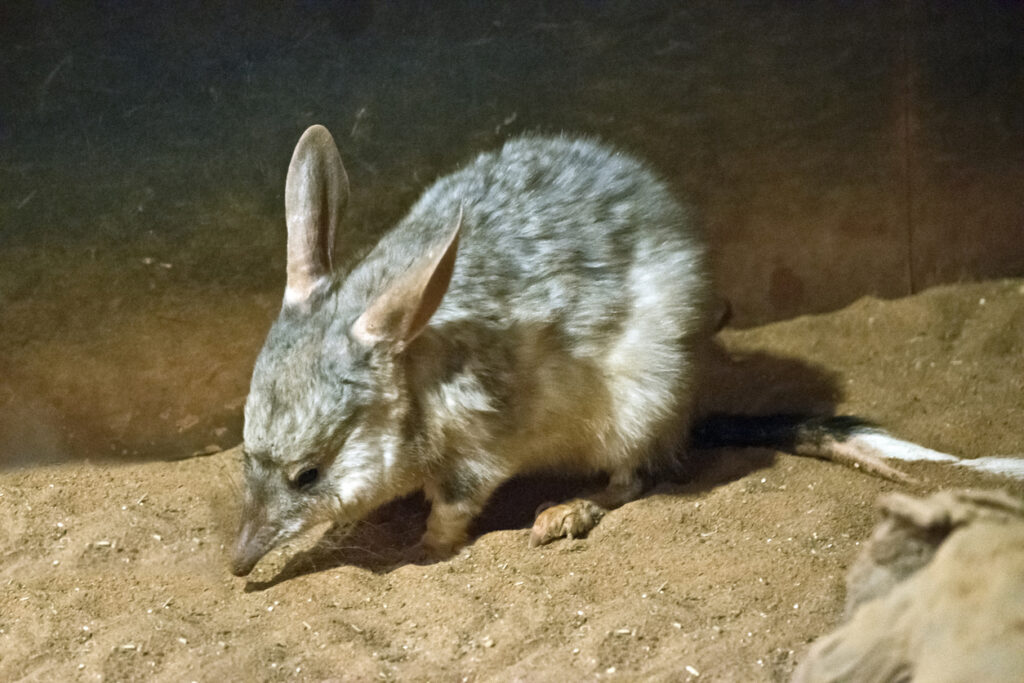
Female bilbies have backwards-facing pouches, so dirt doesn’t get in when they’re digging, which is pretty clever when you think about it. They can also delay the development of their babies if conditions aren’t right for raising young.
Bilbies can breed year-round if there’s enough food and water, and females can actually be pregnant with one baby while already carrying another in their pouch. It’s nature’s version of efficient family planning.
They’re basically living water bottles.
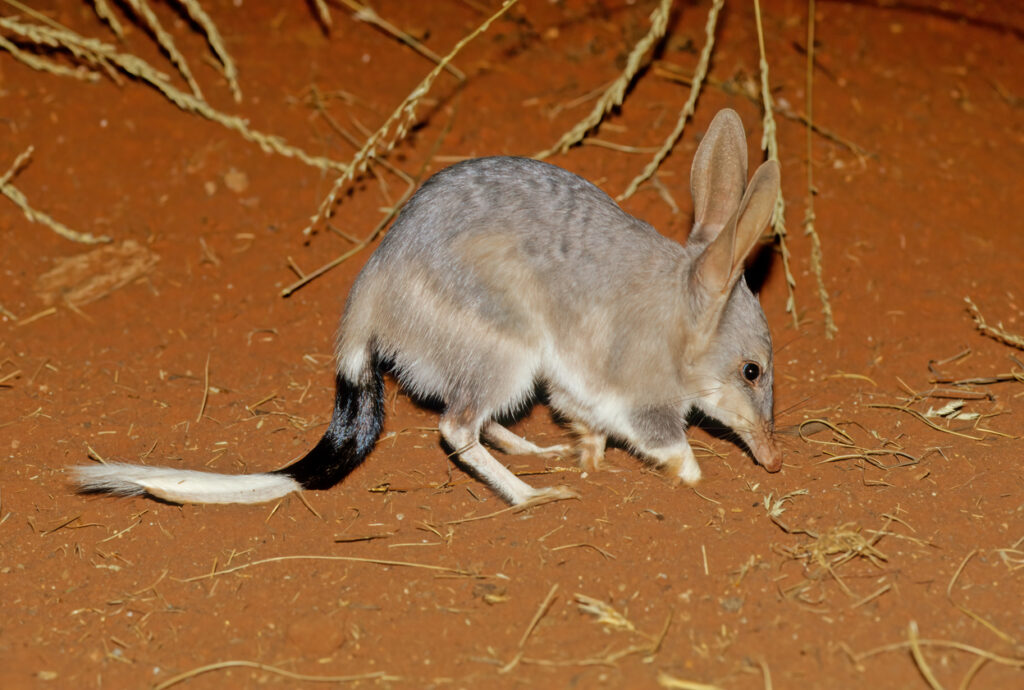
Bilbies rarely drink water and get most of their moisture from the insects, seeds, and roots they eat. They have incredibly efficient kidneys that concentrate their urine to conserve every drop of water possible.
This adaptation helped them thrive in Australia’s arid interior for millions of years, but it can’t help them against introduced predators or habitat destruction. Being drought-proof doesn’t make you cat-proof, unfortunately.
Their burrows are like underground flat complexes.
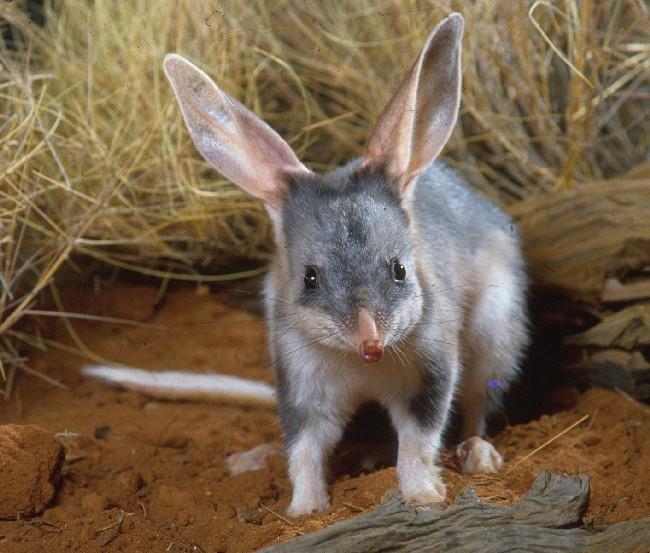
A bilby burrow system can have multiple entrances, nursery chambers, and storage areas for food. They’re surprisingly sophisticated structures that maintain stable temperatures and humidity levels year-round.
Other animals often move into abandoned bilby burrows, including echidnas, goannas, and various smaller creatures. Bilbies are totally providing free housing for half the desert community without even realising it.
They’re incredibly shy and secretive.
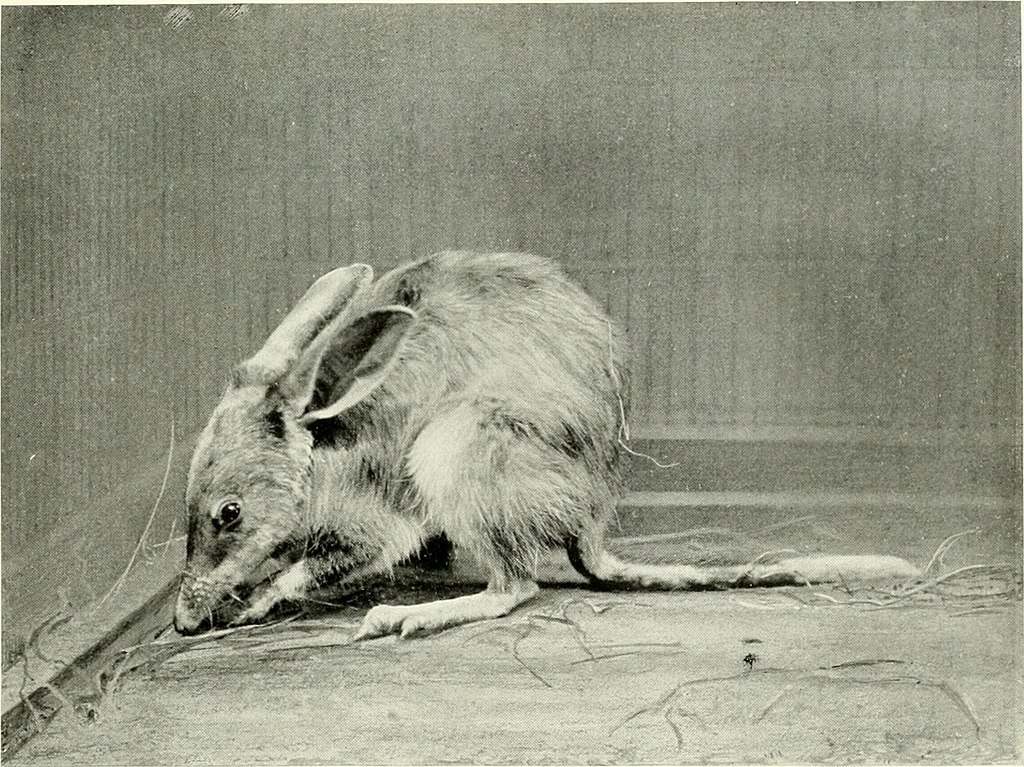
Bilbies are strictly nocturnal and spend their days sleeping in their burrows, which makes studying them quite challenging. They’re also naturally wary of humans and will bolt at the first sign of danger.
This secretive nature means many people living in bilby habitat areas have never actually seen one, even though they might be living right underneath their feet. They’re pretty much the ninjas of the marsupial world.
Captive breeding programs are keeping the species alive.
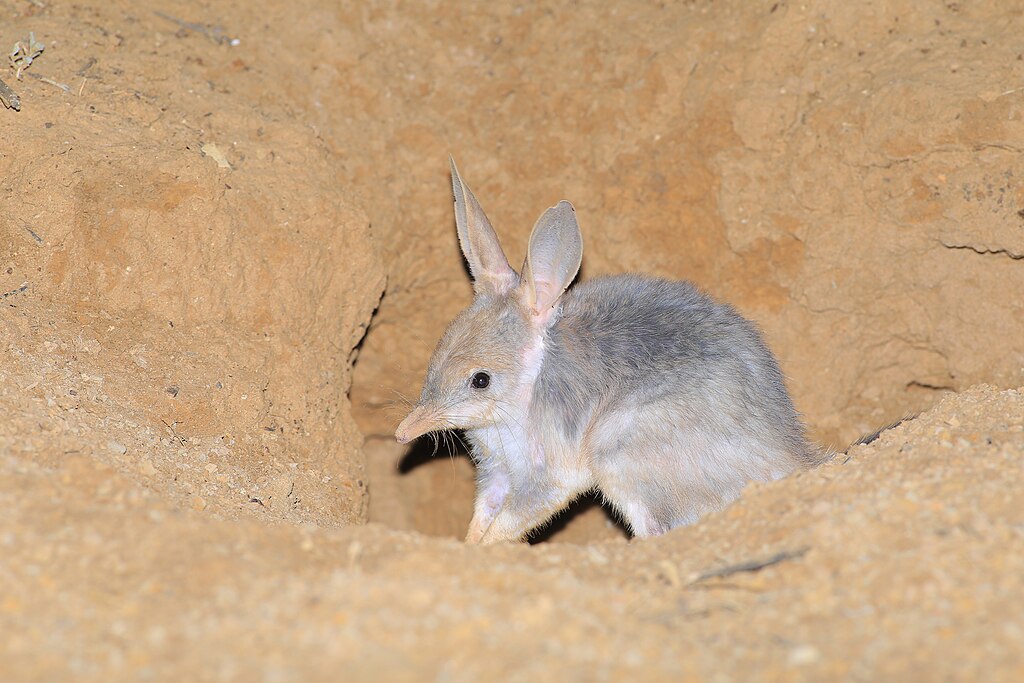
Several wildlife parks and conservation organisations run breeding programs to maintain genetically diverse bilby populations. These programs have been crucial for understanding bilby biology and developing conservation strategies.
Some captive-bred bilbies have been successfully released into predator-proof sanctuaries, where they’re slowly rebuilding wild populations. It’s painstaking work, but it’s the only way to prevent bilbies from going the way of their extinct cousin.