Space is full of weird objects that don’t make sense according to what scientists thought they knew about the universe, and the last couple of years have been amazing for finding completely bonkers stuff. These discoveries are making astronomers scratch their heads and wonder if they know as much as they think they do about what’s going on outside of our immediate galactic area.
1. Tiny red blobs that might be something totally new
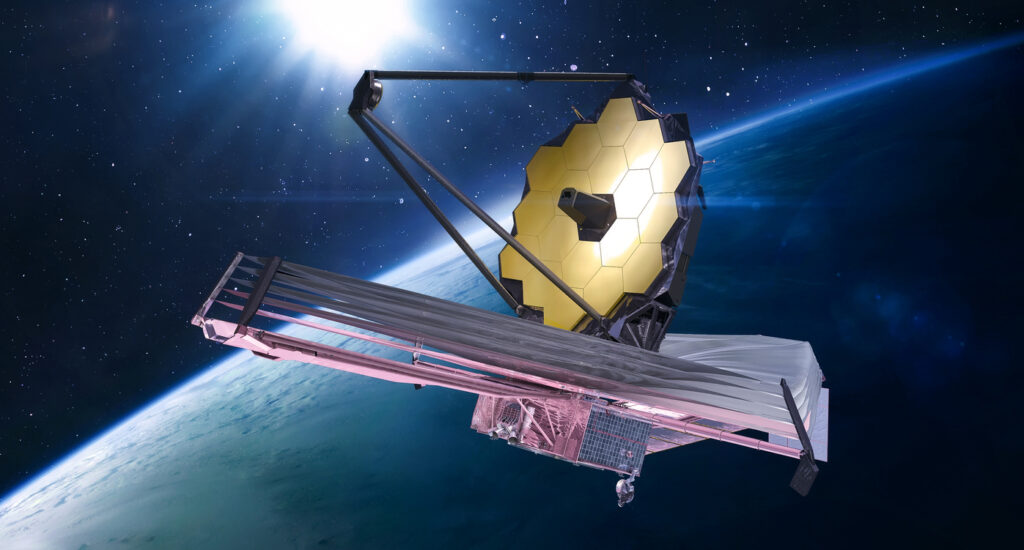
The James Webb Space Telescope found hundreds of small red dots scattered across images of the early universe, and nobody can figure out what they are. They’re too small to be normal galaxies but way too bright to be regular stars, which leaves scientists completely puzzled.
The best guess right now is that these might be “black hole stars”—basically giant balls of hot gas with a black hole in the middle instead of normal fusion. If that’s true, it would change everything we think we know about how black holes first formed billions of years ago.
2. A weird comet from another star system
In July 2025, astronomers spotted only the third visitor from another star system ever seen, called Comet 3I/ATLAS. However, this comet behaves nothing like the ones from our solar system, and it’s got scientists completely baffled by its strange chemistry.
It has way more carbon dioxide than water compared to normal comets, and it was already glowing and active when it was incredibly far from the Sun. Most comets only start doing interesting things when they get close to our star, but this one broke the rules from day one.
3. A massive black hole floating around by itself
Astronomers found a black hole that’s 50 million times heavier than our Sun just floating around in empty space without a galaxy around it. According to everything scientists know, this shouldn’t be possible because black holes are supposed to form inside galaxies.
That “homeless” black hole is so old that its light took 12 billion years to reach us, which means it was there when the universe was still very young. This discovery suggests that maybe black holes existed before galaxies did, which is the complete opposite of what we thought happened.
4. Powerful radio signals from dead galaxies
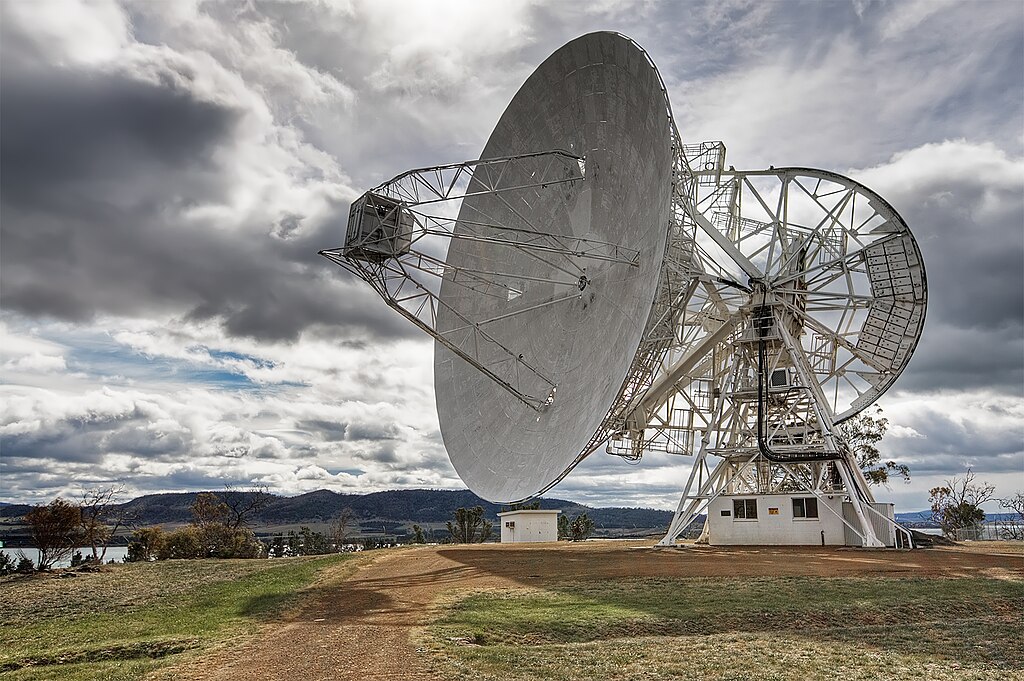
Radio telescopes picked up incredibly powerful bursts of energy coming from ancient galaxies that stopped making new stars billions of years ago. Scientists thought these “fast radio bursts” only came from young, active galaxies where new stars are constantly being born.
Finding these signals in cosmic graveyards suggests there are completely different ways to create these mysterious radio flashes, possibly using much older leftover bits from dead stars that have been sitting around for ages.
5. A cosmic optical illusion with one extra image
Sometimes the gravity from massive objects bends light from distant galaxies, creating four copies of the same galaxy arranged in a cross shape. But astronomers found one case with five images instead of four, which Einstein’s equations say shouldn’t happen.
The only way to explain the extra image is if there’s a huge invisible clump of dark matter weighing trillions of times more than our Sun sitting right where you can’t see it. It gives scientists a rare chance to actually study the mysterious dark matter that makes up most of the universe.
6. The brightest radio flash anyone’s ever seen
In March 2025, telescopes detected the most powerful radio burst ever recorded, nicknamed “RBFLOAT” because it was the brightest flash of all time. It was so intense that scientists initially thought it must be interference from something on Earth rather than a real space signal.
What makes it even weirder is that the galaxy it came from had been watched continuously for seven years without producing any bursts, then suddenly exploded with this record-breaking signal. It’s like watching a completely quiet house for years, then having it suddenly explode with fireworks.
7. Baby galaxies that grew up way too fast

The Webb telescope found galaxies from the early universe that are almost as big as our entire Milky Way, even though they formed less than a billion years after the Big Bang. According to current theories, there simply wasn’t enough time for galaxies to grow that large so quickly.
These oversized baby galaxies suggest that either our timeline of how the universe evolved is completely wrong, or there were unknown turbo-charging processes that made things grow much faster than anyone thought possible.
8. Mystery signals that don’t match anything we know
A space telescope called the Einstein Probe detected X-ray signals that don’t fit any known pattern of cosmic explosions or events. Most space objects produce signals across different types of light, but this one only showed up in X-rays and lasted for weeks instead of seconds.
Scientists have no idea what could produce this type of signal, and it’s forcing them to consider completely new types of cosmic events that they’d never imagined before. It’s like hearing a completely new type of music that doesn’t fit any known genre.
9. Homeless planets wandering between galaxies
Astronomers discovered planet-sized objects floating around in the vast empty space between galaxies, completely cut off from any star system. These “rogue planets” shouldn’t exist in intergalactic space because something would have needed to kick them out of their home galaxies with incredible force.
The discovery suggests that violent cosmic events—probably involving supermassive black holes or galaxy crashes—can literally punt planets across millions of light-years of empty space. It’s like cosmic football, but with entire worlds as the ball.
10. Stars with impossible chemistry
The Webb telescope found stars in the early universe that contain heavy elements that shouldn’t have existed yet. According to our understanding, the first stars had to create these elements and spread them around before other stars could use them to form.
But these stars seem to have formed from material that already contained heavy elements before the first generation of stars had time to make them. It’s like finding a cake made with ingredients that haven’t been invented yet.
11. Cosmic structures that organised themselves too quickly

Observations show fully formed galaxy clusters and cosmic web structures that existed when the universe was only a few hundred million years old—way too early for such massive organisation to have happened through normal processes.
These discoveries suggest the universe either evolved much faster than we thought, or there were unknown speed-boosting mechanisms in the early days. It’s like finding a fully built city in a place where construction started yesterday.
12. Objects moving impossibly fast
Astronomers found stars and other objects zooming around at speeds that should be impossible given the gravitational environment they’re in. Some are moving so fast they could potentially escape not just their home galaxies, but possibly the entire observable universe.
These extreme speeds suggest incredibly violent cosmic events that we don’t fully understand—possibly involving interactions with pairs of supermassive black holes or physics that we haven’t discovered yet. It’s like finding cars doing 500mph on a residential street.
13. Magnetic fields that break the rules
Scientists discovered magnetic fields in space that are thousands of times stronger than theoretical limits suggest should be possible. These ultra-strong magnetic fields might explain some of the universe’s most energetic and mysterious phenomena.
The discovery that such extreme magnetic fields can exist opens up completely new possibilities for understanding cosmic energy and particle acceleration. It’s like finding electromagnets powerful enough to pick up entire buildings when the maximum should be paper clips.
14. Events that seem to happen backwards in time
Some cosmic observations appear to show effects happening before their causes when you account for how long light takes to travel. While scientists don’t think time is actually running backwards, these observations show how little we understand about extreme gravitational environments.
These temporal puzzles are pushing the boundaries of both observational astronomy and our understanding of how time and space work near the universe’s most extreme objects. It’s like watching a movie where the explosion happens before someone lights the fuse.