You probably think you’re doing a good deed by leaving food out for the birds, but what you feed them matters.
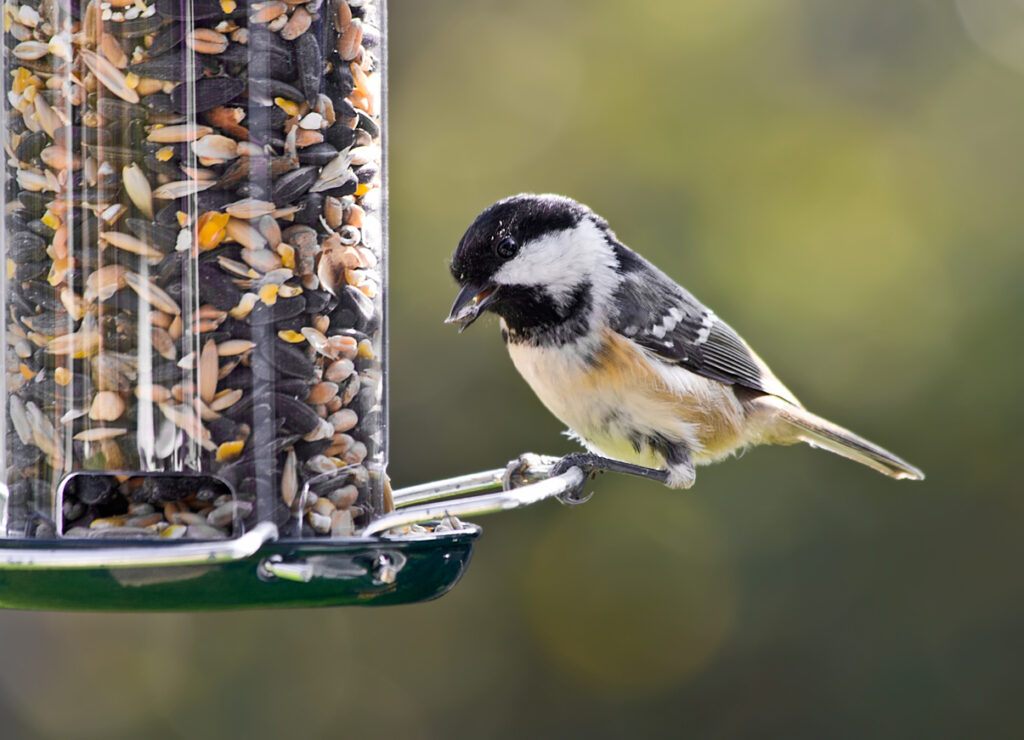
After all, there are loads of things that seem like they’d be harmless or even nutritious for birds that can actually make them really sick or even kill them. With that in mind, it’s obviously worth knowing what to avoid before you accidentally poison the little guys. Avoid putting these foods in your bird feeder (or anywhere else birds can access) if you want what’s best for them.
Admittedly, some of these aren’t ones you’d naturally give to birds, but even if they accidentally ingest them, they could be in big trouble.
1. Bread is basically junk food for birds.
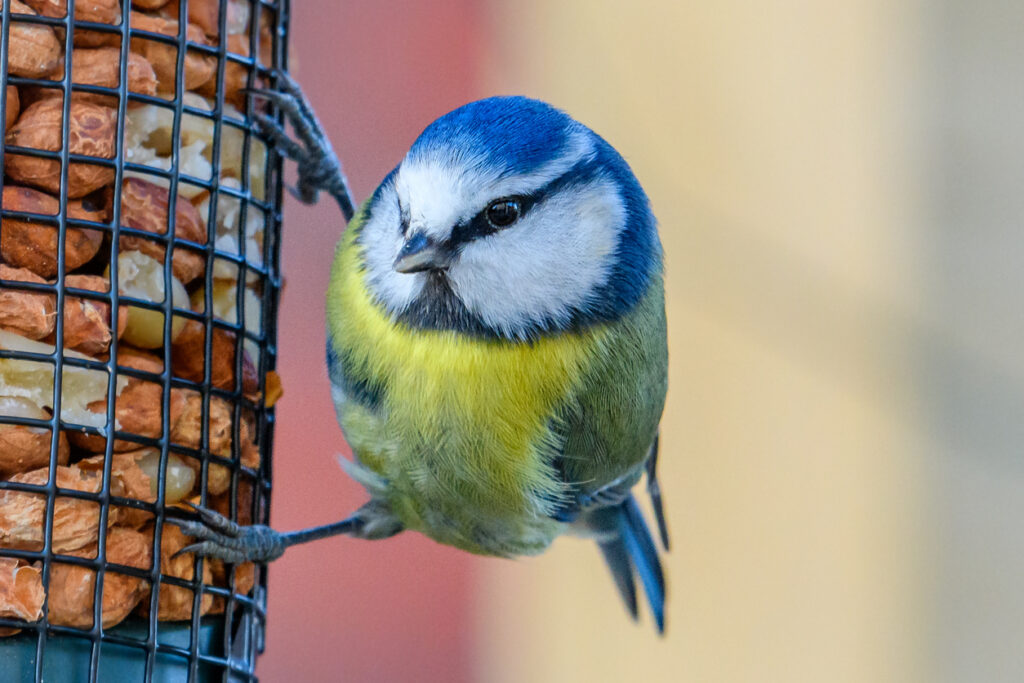
Everyone thinks birds love bread, and they do eat it, but it’s got zero nutritional value and fills them up so they don’t eat the good stuff they actually need. It’s like giving a kid sweets for dinner: they’ll scoff it down, but they’re not getting any of the nutrients they need to stay healthy.
Stale bread can also go mouldy really quickly, especially when it gets wet, and mouldy bread can make birds seriously ill. Instead of bread, give them proper bird seed, nuts, or mealworms that’ll actually help them rather than just filling their bellies with empty calories.
2. Chocolate will poison them.
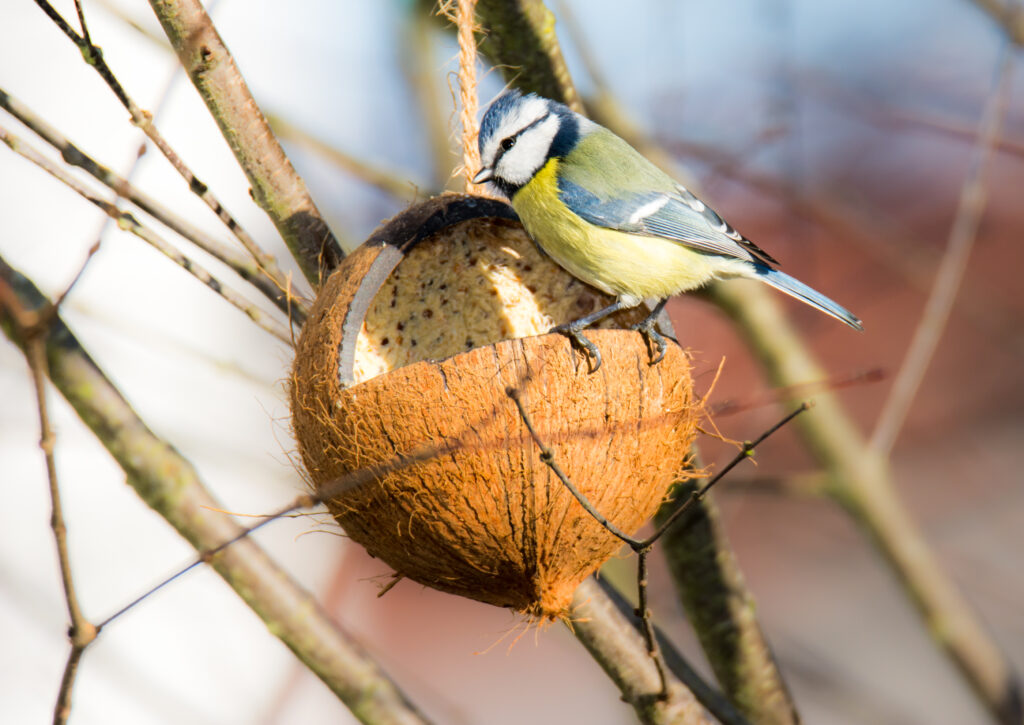
Just like with dogs, chocolate contains compounds that birds can’t process properly, and even small amounts can cause heart problems, seizures, and death in birds. You might think a few chocolate cake crumbs won’t hurt, but birds are much smaller than us so it doesn’t take much to cause serious problems.
Dark chocolate is even worse than milk chocolate because it contains higher levels of the toxic compounds, but honestly, just avoid giving them any chocolate at all. There are loads of bird-safe treats you can offer instead that they’ll love just as much without the risk.
3. Avocado is surprisingly deadly.
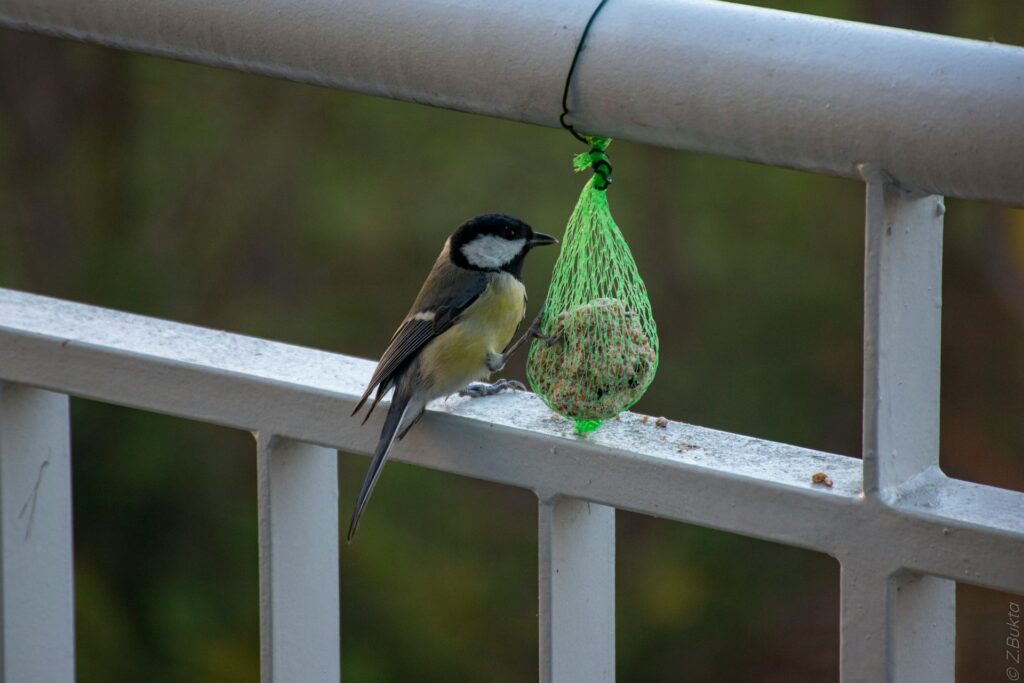
The skin, pit, and even the flesh of avocados contain a compound called persin that’s toxic to most birds and can cause breathing problems, heart failure, and death. Even small amounts can be dangerous, so don’t think you can just give them a tiny bit.
This includes guacamole or anything else that contains avocado, so if you’re having a garden party and dropping food, make sure to clean up any avocado-based snacks that might fall where birds can get to them.
4. Salted nuts and crisps are too much for their systems.
Birds can’t handle high levels of salt the way we can, and salted snacks can cause dehydration, kidney problems, and even death in birds. Those fancy salted peanuts or crisps that fell off your plate might seem like a treat, but they’re actually dangerous.
Stick to unsalted nuts if you want to give birds something nutty to eat, and make sure they’re not coated in any flavourings or seasonings. Plain, unsalted peanuts, sunflower seeds, or mixed nuts are much safer options that birds will still go mad for.
5. Fruit pits and seeds can be toxic.
Apple seeds, cherry pits, apricot stones, and similar fruit seeds contain cyanide compounds that can poison birds. While the fruit flesh is usually fine, those seeds and pits are concentrated with toxins that can be lethal to small birds.
If you want to give birds fruit, stick to things like berries, grapes cut in half, or apple slices with all the seeds removed. Most birds love fruit, so there’s no need to risk giving them the dangerous bits when the safe parts are just as popular.
6. Onions and garlic mess with their blood.
These contain compounds that can damage birds’ red blood cells and cause anaemia, weakness, and breathing problems. Even small amounts of onion or garlic powder can be harmful, so avoid giving them any leftover food that’s been seasoned with these ingredients.
This includes things like leftover pizza, pasta with garlic, or any cooked food that’s been prepared with onions. Birds don’t need seasoned food anyway. They prefer their meals plain and simple without all the flavourings we like.
7. Caffeine will give them heart problems.
Coffee grounds, tea leaves, chocolate, and anything else with caffeine can cause hyperactivity, heart palpitations, and cardiac arrest in birds. Their little hearts can’t cope with stimulants the way ours can, and even small amounts can be dangerous.
Some people think used coffee grounds are good for the garden, but if you’re scattering them around where birds feed, they could accidentally ingest them while foraging for insects or seeds. It’s better to keep caffeine away from areas where birds hang out.
8. Mouldy or spoiled food can make them seriously ill.
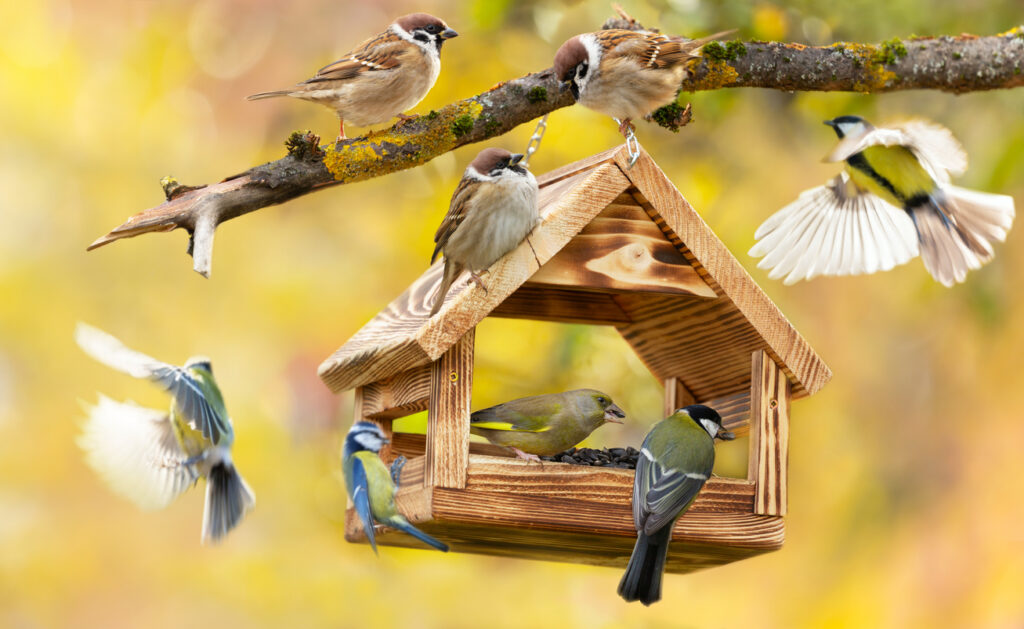
Birds are much more sensitive to mould and bacteria than we are, so food that’s just starting to go off can cause respiratory problems, digestive issues, and infections. That slightly stale seed that looks okay to you might already be developing harmful moulds.
Always check bird food before putting it out, and clean your feeders regularly to prevent mould building up. If something smells off or looks dodgy, bin it rather than risking making the birds sick. They’ll thank you for keeping things fresh.
9. Cooked beans can be toxic.
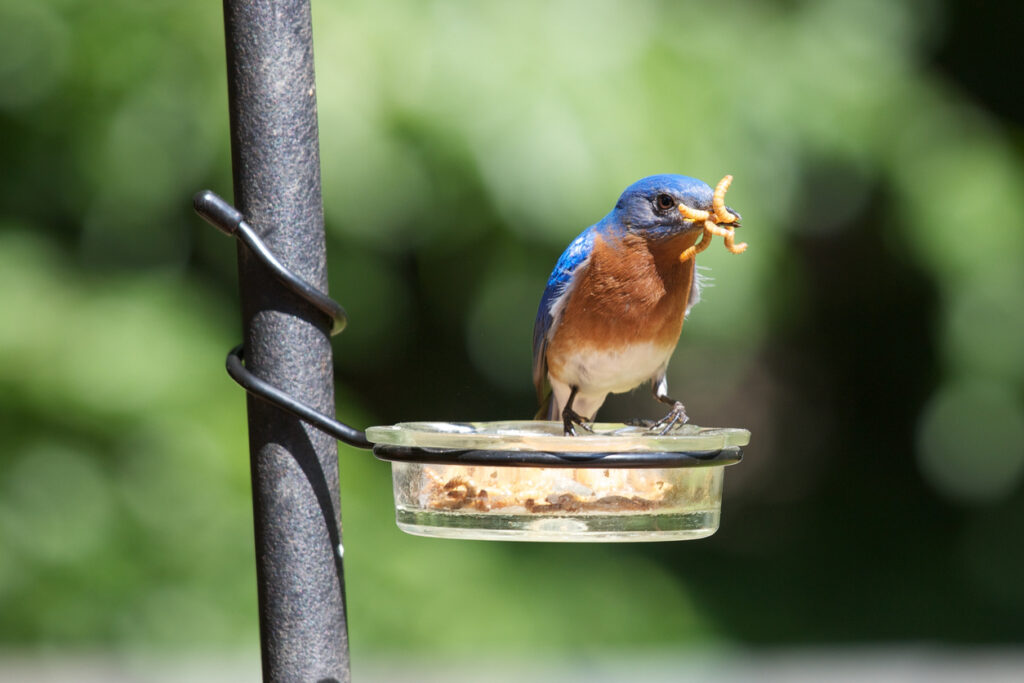
While raw beans are fine for birds, cooked beans often contain salt, spices, and other seasonings that can be harmful. Plus, certain types of cooked beans can actually be toxic to birds even without added seasonings.
If you want to give birds beans, stick to raw ones or specifically prepare plain, unseasoned beans without salt or spices. However, there are so many other safer options that it’s probably easier to just avoid beans altogether.
10. Sugary foods rot their teeth equivalent.
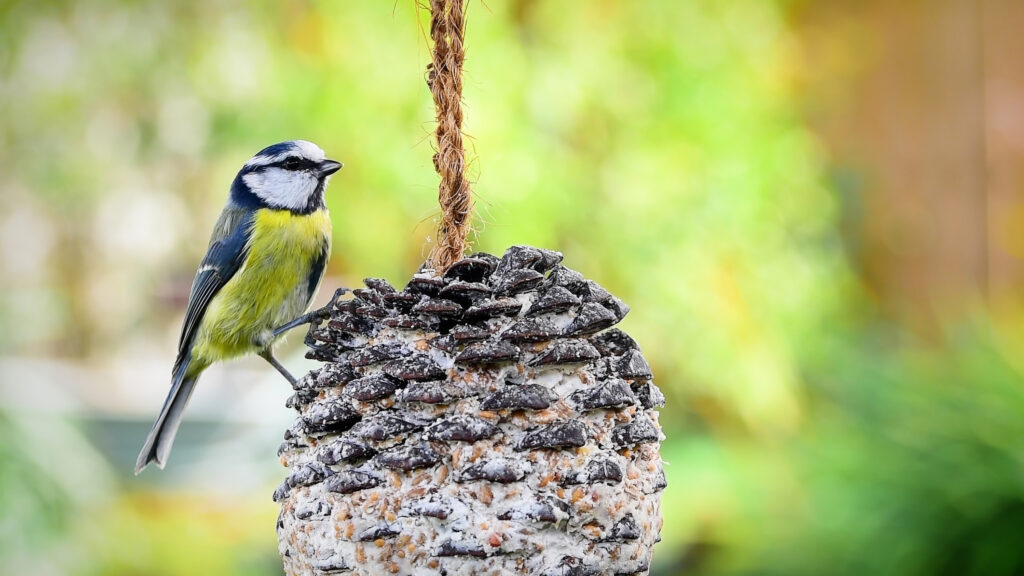
Birds don’t have teeth, but sugary foods can still cause problems with their digestive systems and can lead to fungal infections in their crops and beaks. Sweet treats like biscuits, cake, and sweets are as bad for birds as they are for us, just with more serious consequences.
High sugar foods can also ferment in their digestive systems, causing painful gas and bloating that can be dangerous for birds. Stick to natural foods that birds would actually encounter in the wild, rather than processed human snacks.
11. Raw rice won’t explode them, but isn’t great either.
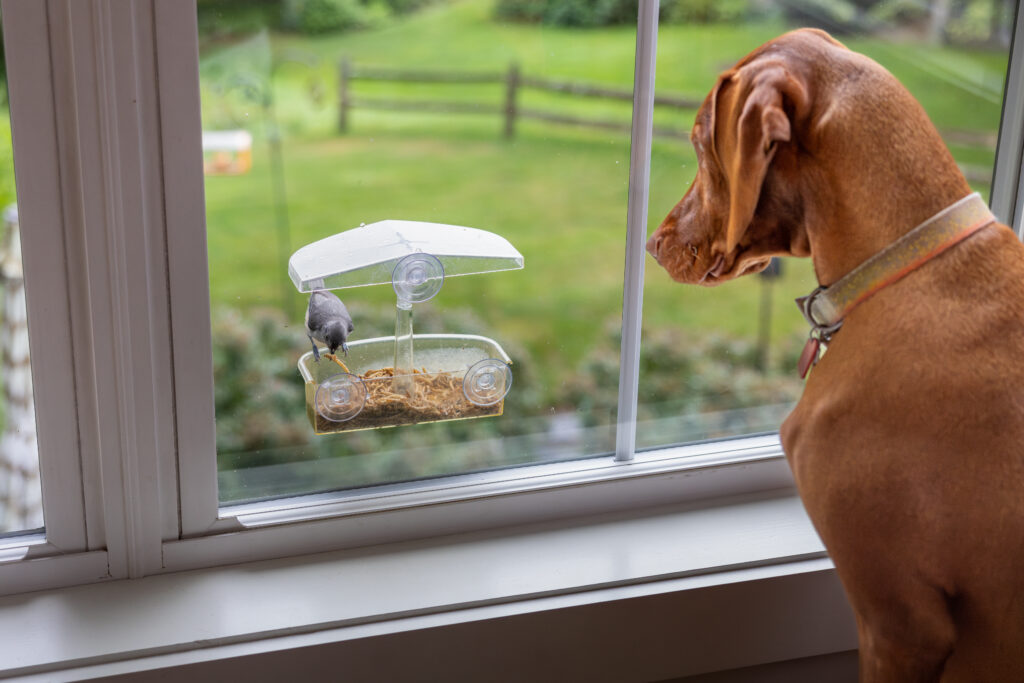
The old myth about rice making birds explode isn’t true, but raw rice isn’t particularly good for them either because it’s hard to digest and doesn’t provide much nutrition. Cooked rice is better if you want to give them rice, but there are loads of better options available.
If you do give them rice, make sure it’s plain and not seasoned with anything. However, birds prefer seeds, nuts, and insects to rice anyway, so you’re better off sticking to foods they actually choose to eat in the wild.
12. Milk and dairy products will upset their stomachs.
Birds are lactose intolerant and can’t digest dairy products properly, which can cause diarrhoea, stomach cramps, and digestive problems. This includes milk, cheese, yoghurt, and anything else made with dairy ingredients.
Some people think birds might like cheese, but it’ll just make them feel awful and could lead to dehydration from digestive upset. Birds get all the protein and fats they need from seeds, nuts, and insects without needing any dairy products.
13. Anything with artificial sweeteners is dangerous.
Artificial sweeteners like xylitol can be extremely toxic to birds and can cause liver failure and death even in tiny amounts. Diet foods, sugar-free gum, and anything marketed as low-calorie often contain these dangerous sweeteners.
Even if you’re not intentionally feeding birds these products, make sure to clean up any dropped sugar-free snacks or drinks that birds might accidentally consume while foraging around your garden or patio area.
14. Processed meats are too salty and fatty.
Things like bacon, sausages, ham, and other processed meats are loaded with salt, preservatives, and fats that birds can’t handle properly. The high salt content alone can cause serious health problems, and the preservatives can be toxic.
If you want to give birds protein, cooked plain chicken or turkey without seasoning is much safer, or better yet stick to their natural protein sources like mealworms, insects, or high-quality bird food that’s specifically designed for their nutritional needs.