Everyone gets excited about spring bulbs like daffodils and tulips, but loads of people miss out on autumn bulbs.
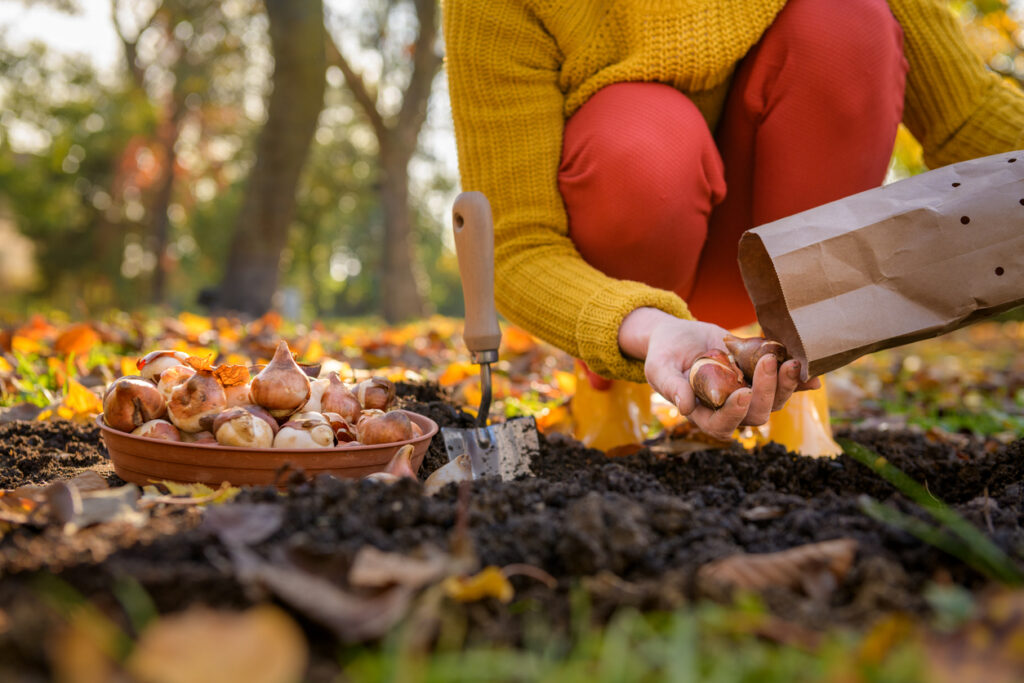
It’s a shame, really, especially since popping them in the ground at the right time can give you gorgeous flowers when most other plants are looking a bit sad and dying back for winter. If you want to keep a bit of vibrancy in your garden over the colder months, these are some good choices, but you’ll have to act soon.
1. Colchicum will surprise you with naked flowers.
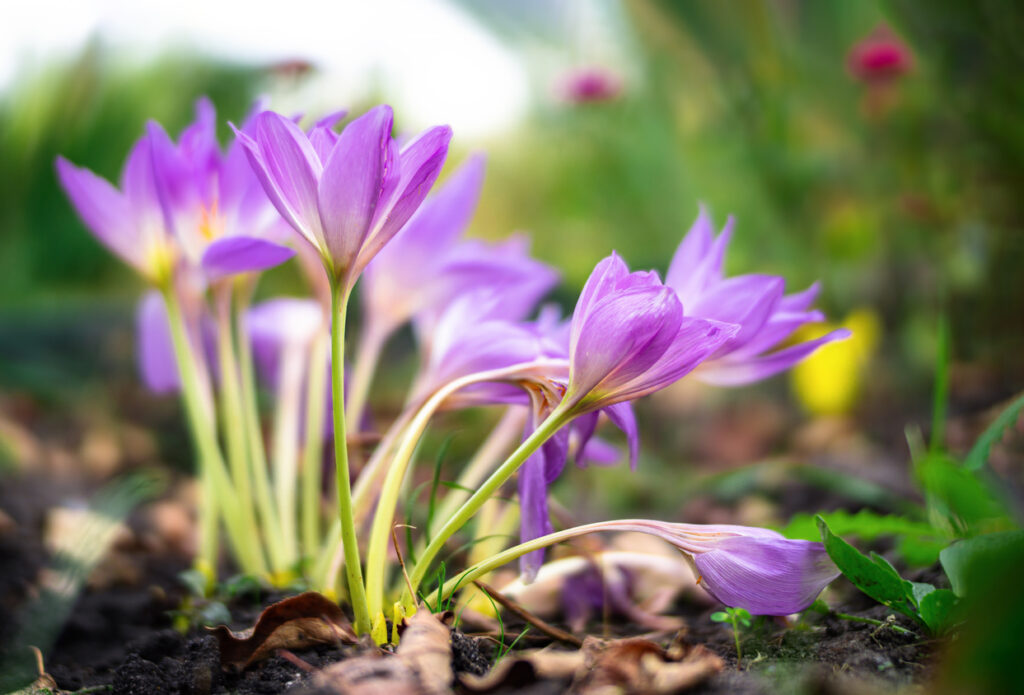
These weird and wonderful bulbs send up their flowers in autumn without any leaves, which is why they’re called naked ladies or autumn crocus. The flowers just pop up from bare soil in shades of pink, purple, or white, looking like they’ve appeared from nowhere.
Plant them in late summer, and they’ll flower within weeks, giving you a lovely surprise when you think the garden’s finished for the year. The leaves don’t appear until spring, so don’t panic when the flowers die back and there’s nothing there. That’s actually completely normal for these quirky plants.
2. Cyclamen coum brightens winter months.
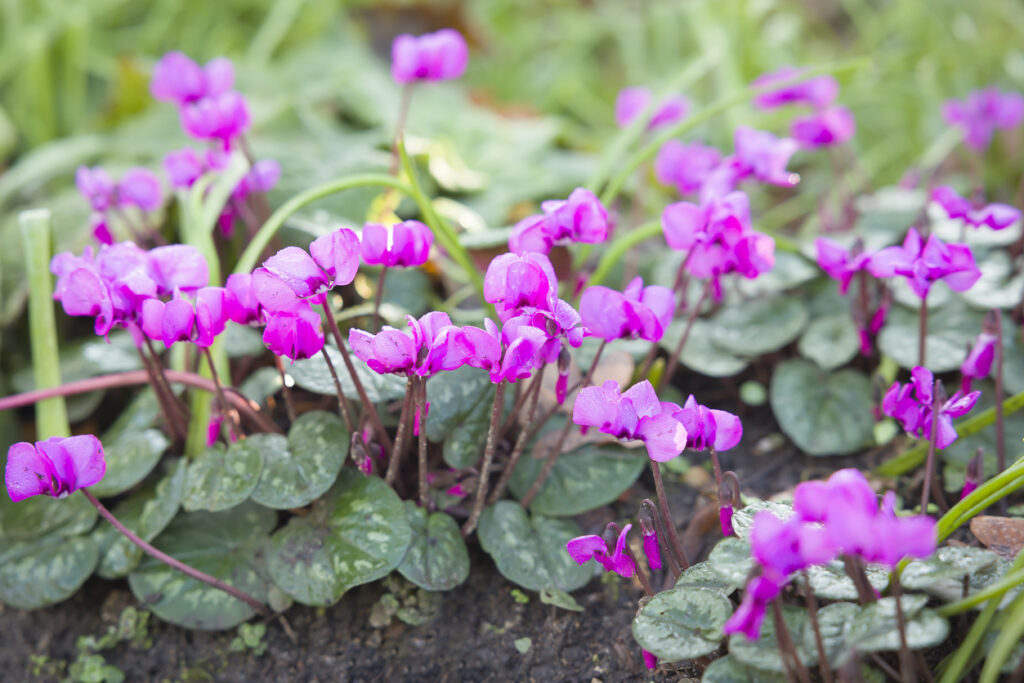
These hardy little cyclamen are nothing like the delicate houseplants you see in shops. They’re tough outdoor bulbs that flower through winter and early spring when everything else looks dead. The flowers are tiny but incredibly cheerful, usually pink or white with darker markings.
They’re brilliant for naturalising under trees or in shady spots where not much else will grow, and once established they’ll spread slowly to create lovely drifts of colour. Plant the tubers in autumn, and they’ll start flowering around Christmastime, giving you something beautiful to look at during the gloomiest months.
3. Sternbergia looks like yellow crocuses.
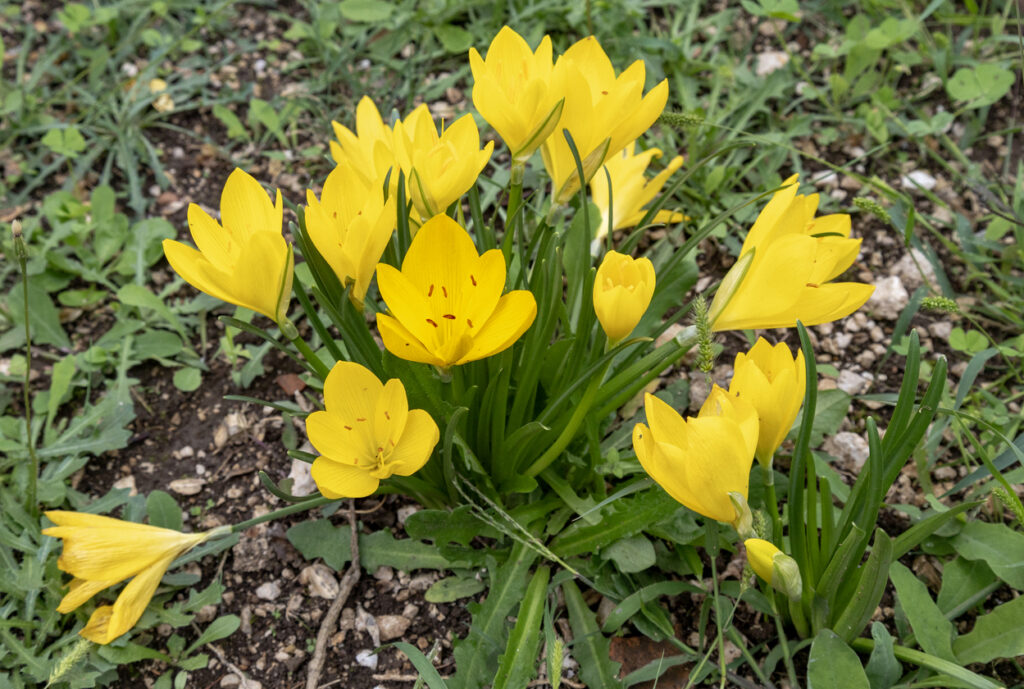
If you want something that’ll give you bright yellow flowers in autumn that look exactly like crocuses, sternbergia is your answer. They’re sometimes called autumn daffodils or lily of the field, and they produce gorgeous golden flowers that really stand out against autumn’s browns and oranges.
These Mediterranean bulbs like well-drained soil and a sunny spot, and they’re perfect for rock gardens or raised beds where the drainage is good. Once they’re settled in, they’ll come back year after year, gradually forming nice clumps that get more impressive over time.
4. Amaryllis belladonna produces dramatic pink trumpets.
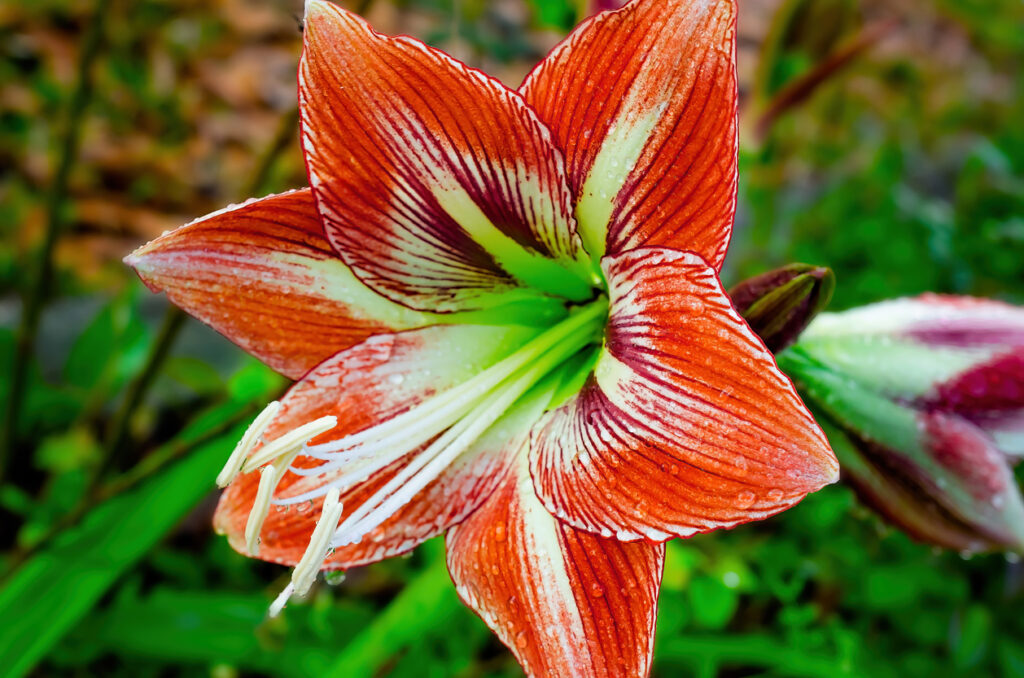
Don’t confuse this with the indoor amaryllis you get at Christmas. This outdoor version is a completely different plant that sends up tall stems with clusters of large pink trumpet flowers in late summer and autumn. The flowers appear on completely bare stems, which creates quite a dramatic effect in the garden.
These bulbs need a really warm, sheltered spot to do well in the UK, ideally against a south-facing wall where they can get plenty of heat. They can be a bit temperamental about flowering in cooler areas, but when they do perform, they’re absolutely stunning and worth the effort.
5. Nerine bowdenii gives you sparkly autumn colour.
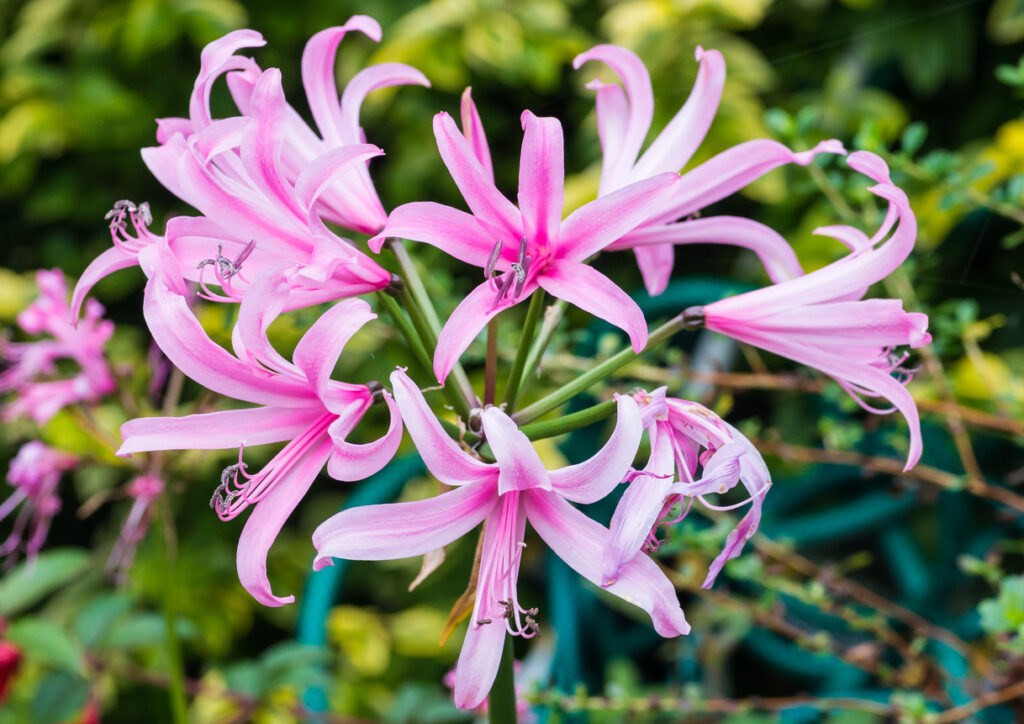
These South African bulbs produce clusters of bright pink flowers on tall stems in autumn, and the petals have this lovely sparkly quality that catches the light beautifully. They’re one of the most reliable autumn-flowering bulbs for UK gardens and will come back year after year.
Plant them in a sunny, well-drained spot, and they’ll gradually multiply to give you bigger and better displays. The flowers are brilliant for cutting and last ages in a vase, so you can bring some of that autumn sparkle indoors when the weather gets grim.
6. Galanthus reginae-olgae flowers before Christmas.

Most people think of snowdrops as early spring flowers, but this particular variety flowers in autumn and winter, often appearing in November or December. The flowers look just like regular snowdrops, but they come up without leaves, creating an unusual and charming display.
These are perfect for naturalising in grass or under deciduous trees, where they’ll gradually spread to create drifts. They like the same conditions as regular snowdrops—think partial shade and moist but well-drained soil—and they’re completely hardy once established.
7. Crocus speciosus brings purple to autumn.
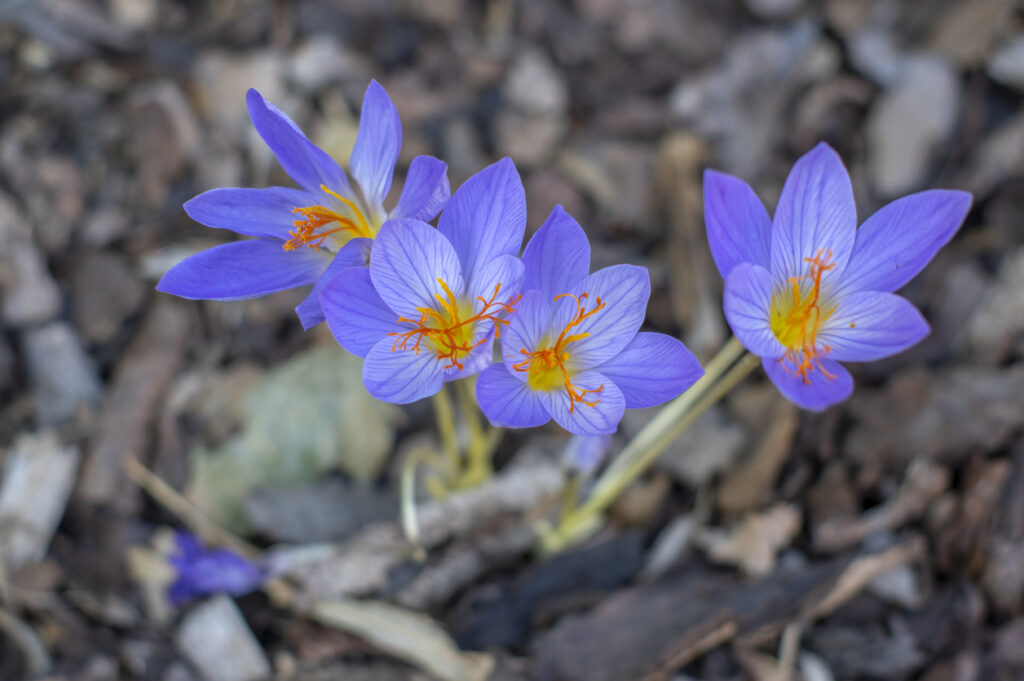
While most crocuses flower in spring, this variety produces lovely purple flowers in autumn that are larger and more showy than many spring varieties. The flowers have distinctive orange stamens and often appear before the leaves, creating quite a striking effect.
These crocuses are brilliant for naturalising in grass or under trees, and they’ll multiply freely once they’re happy. The flowers are also great for bees and other pollinators who are looking for late nectar sources before winter sets in.
8. Leucojum autumnale gives you tiny white bells.
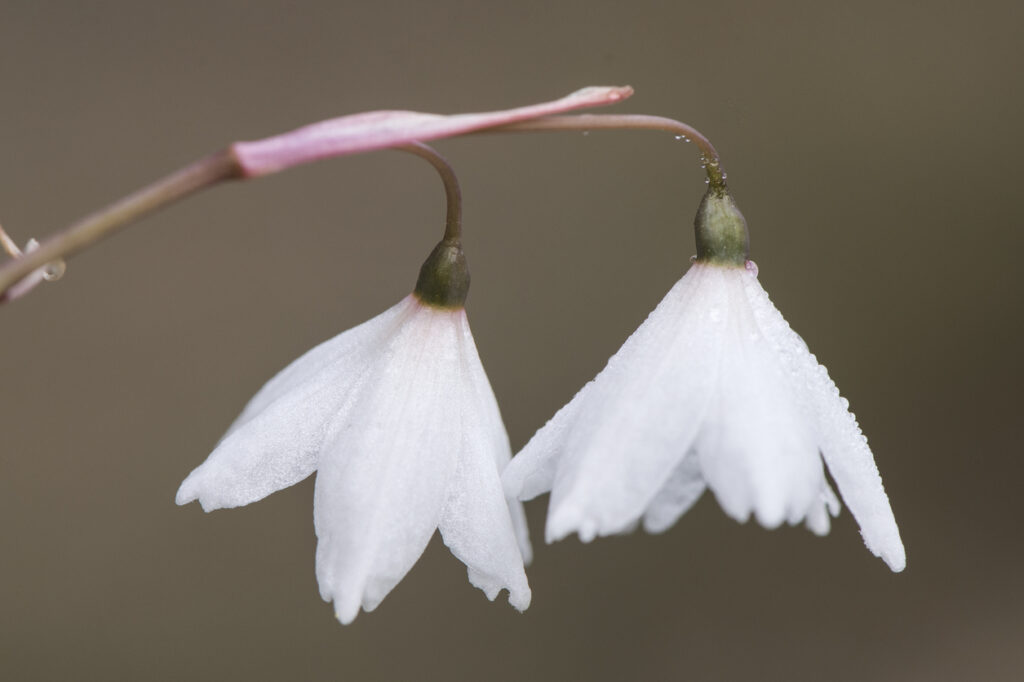
This autumn snowflake produces delicate white bell-shaped flowers on slender stems, usually in September or October. The flowers are much smaller and more delicate than spring snowflakes, but they have a lovely, graceful quality that’s perfect for rock gardens or front of borders.
These bulbs like well-drained soil and will gradually form small colonies if they’re happy. They’re quite subtle compared to some autumn bulbs, but that delicate quality makes them perfect for mixing with other autumn flowers or using in more naturalistic plantings.
9. Scilla autumnalis produces masses of tiny blue flowers.
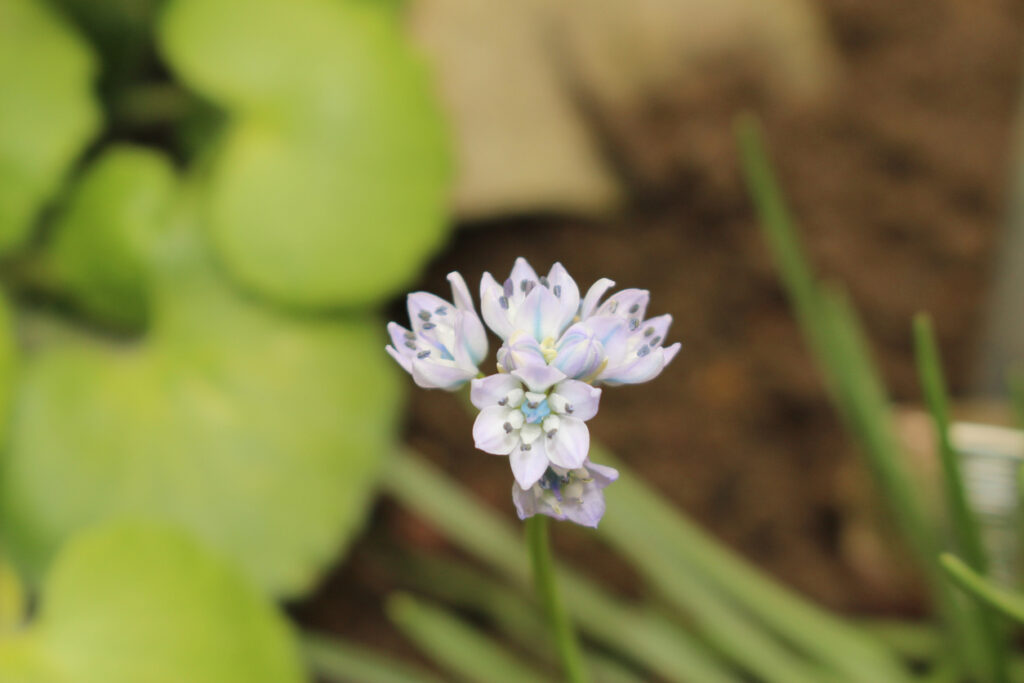
This little bulb produces spikes of small blue or sometimes white flowers in late summer and autumn, usually appearing without leaves. The flowers are tiny, but they’re produced in such quantities that they create quite a display, especially when planted in groups.
They’re perfect for naturalising in grass or growing in gravel gardens, and they’ll self-seed around if they’re happy with conditions. The bulbs are quite small so you need to plant loads of them to get a good effect, but they’re usually quite affordable to buy in bulk.
10. Zephyranthes candida produces pure white stars.
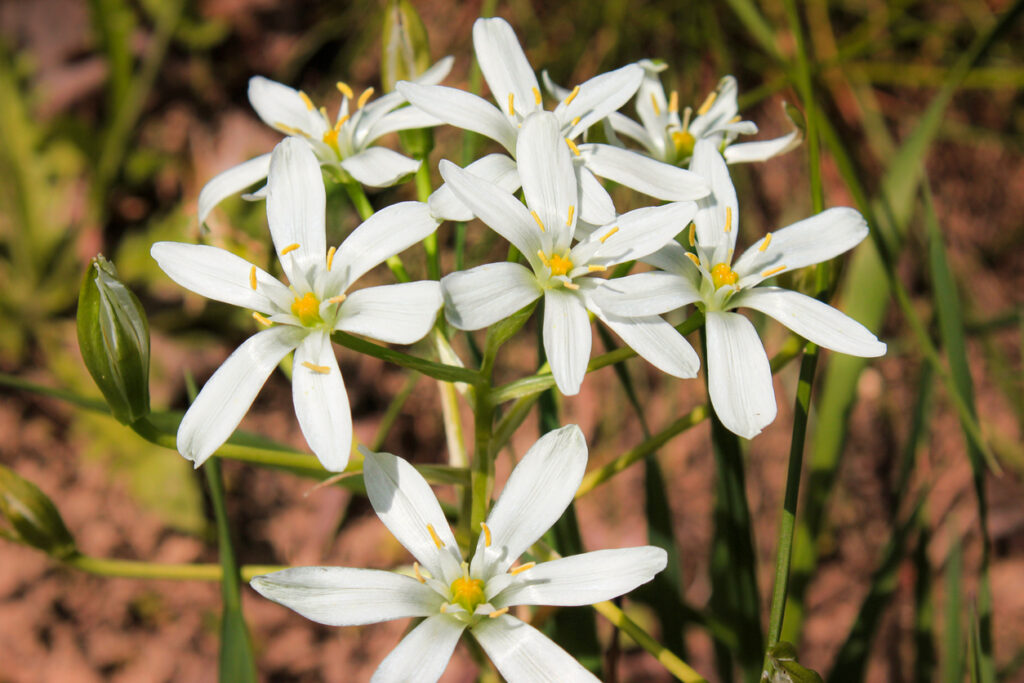
These rain lilies produce pure white star-shaped flowers in autumn, often after periods of rain, which is how they got their common name. The flowers appear on short stems above narrow grassy leaves, and each flower only lasts a day or two, but they’re produced in succession over several weeks.
These bulbs need really good drainage and a warm sunny spot to flower well in the UK, so they’re perfect for containers or raised beds where you can control the conditions. In mild areas, they might be hardy outdoors, but it’s safer to grow them in pots that you can protect in winter.
11. Allium thunbergii extends the garlic season.
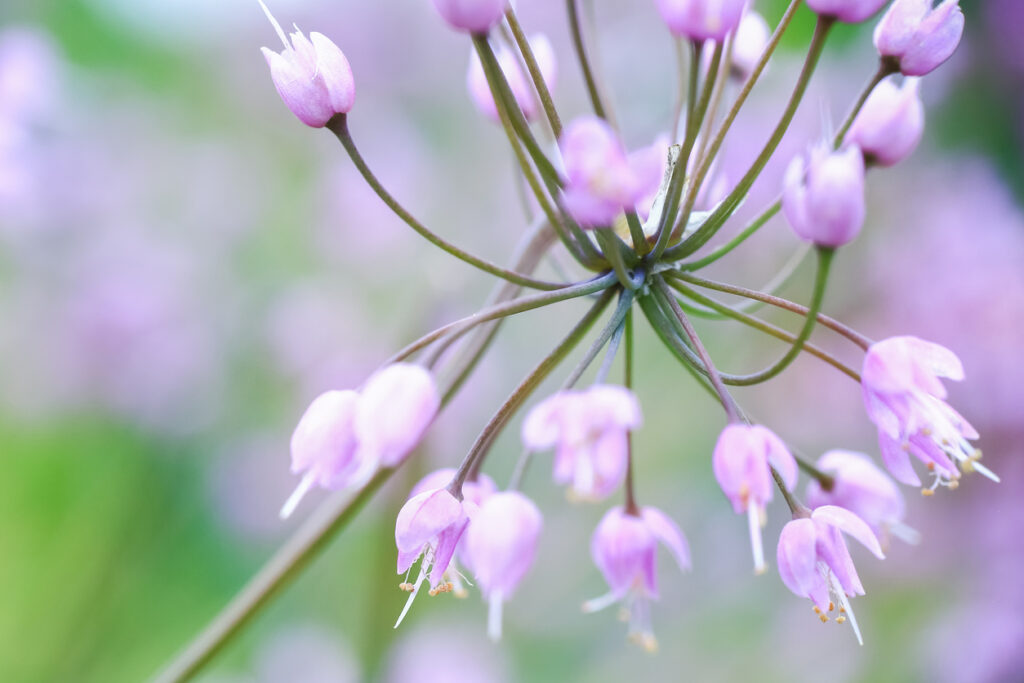
Most ornamental alliums flower in early summer, but this late-flowering variety produces clusters of purple flowers in autumn on relatively short stems. The flowers aren’t as large or dramatic as some summer alliums, but they’re perfectly formed and appear when most other bulbs have finished.
These are great for adding late colour to herbaceous borders or for naturalising in grass, and like most alliums they’re brilliant for pollinators. The bulbs are quite small so plant them in groups for the best effect, and they’ll gradually multiply over time.
12. Oxalis bowiei covers the ground with pink flowers.
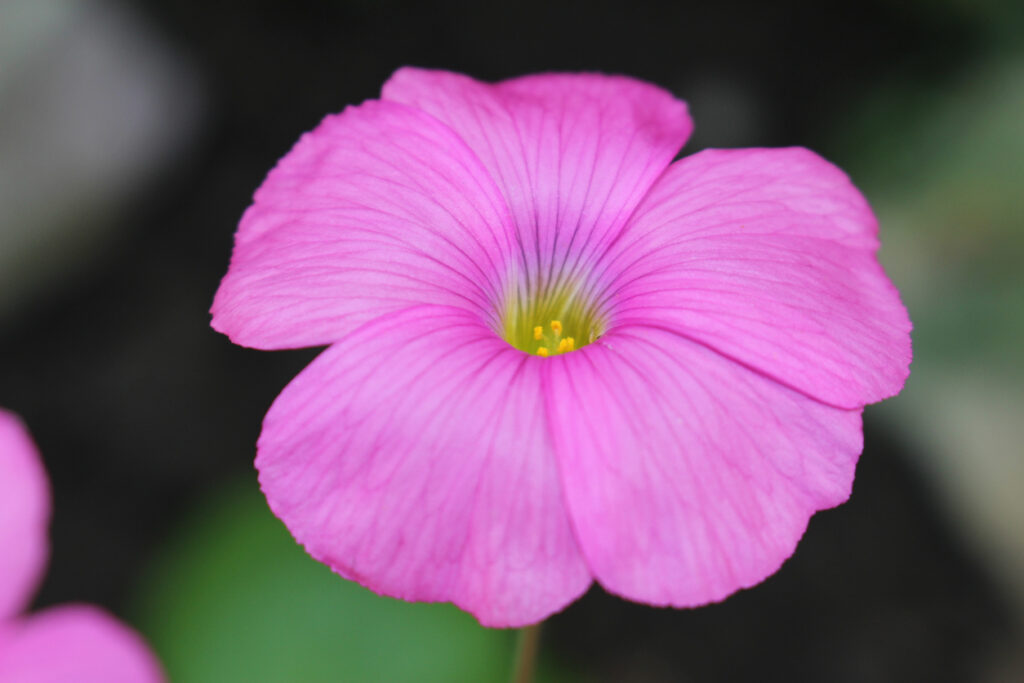
This South African bulb produces masses of bright pink flowers over several months in autumn and winter, along with attractive clover-like leaves. The flowers close up in dull weather but open wide in sunshine, creating quite a cheerful display during the darker months.
Be warned that this oxalis can be quite vigorous and might spread more than you want, so it’s best planted where it can ramble freely or in containers where you can control it. In mild areas, it might even flower through winter, giving you colour when everything else has given up.