Autumn doesn’t mean the sowing season is over. In fact, plenty of hardy plants actually thrive when started now.
By giving seeds time to settle before winter, you’ll enjoy stronger growth and earlier flowers that brighten your garden right at the start of spring. If you’re desperate to still be out in your garden, and you’d like to prepare for a vibrant spring ahead, here are some things you should consider planting now.
1. Sweet peas
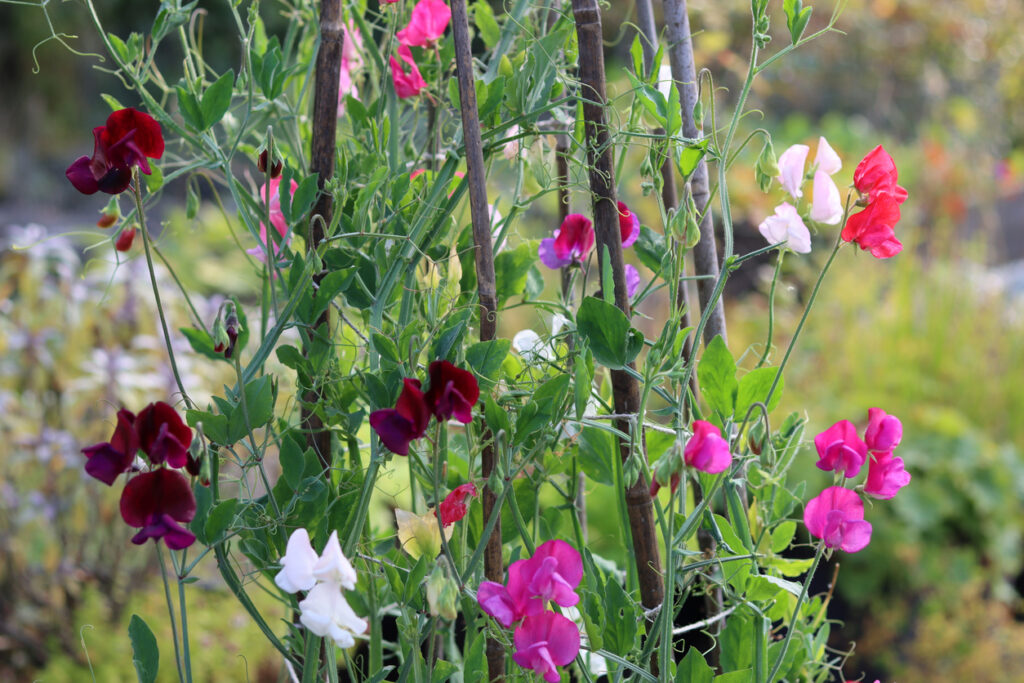
Sowing sweet peas in autumn gives them a serious advantage because their roots establish during the cooler months and set them up for vigorous growth in spring. By the time days start to lengthen, they’re already ahead of seedlings planted later, and that’s why autumn-sown varieties flower weeks earlier. They’re also sturdier, since roots developed over winter can handle dry spells better once the heat returns. Many gardeners love them for their pastel shades and rich fragrance, which makes them an easy favourite for cutting and displaying indoors.
To get the best results, sow sweet peas into pots and keep them in a cold frame or unheated greenhouse so they’re sheltered from frost but still experience cool temperatures. Pinching out the growing tips when seedlings reach about ten centimetres encourages bushier plants with more stems. By spring, you’ll have strong young plants ready to climb supports, producing armfuls of blooms right when you most want colour and scent after a dull winter.
2. Poppies
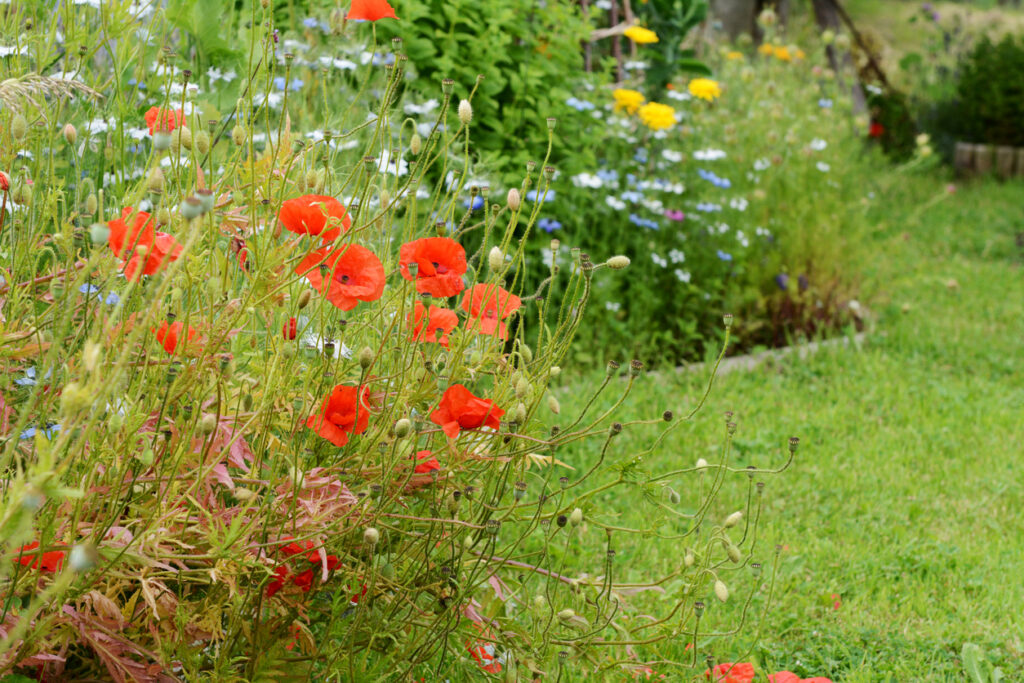
Poppies are some of the simplest flowers to grow, yet they offer dramatic results. Autumn sowing allows the seeds to rest in the soil through winter, and when the weather warms, they’re quick to germinate. This natural cold treatment toughens them up, giving sturdier plants with larger blooms. Poppies suit almost any type of garden, whether you’re aiming for a traditional cottage look or a wildflower-style meadow, and they’re a great way to bring instant impact without much effort.
The trick with poppies is to sow them directly where you want them to flower—they don’t like being transplanted. Scatter seeds thinly over well-prepared soil and cover them lightly with a dusting of earth. Since they’re self-seeding, once you establish a patch you’ll likely see them return year after year without needing to repeat the process. Their scarlet, pink, or white blooms provide an early burst of colour that signals the start of spring.
3. Cornflowers
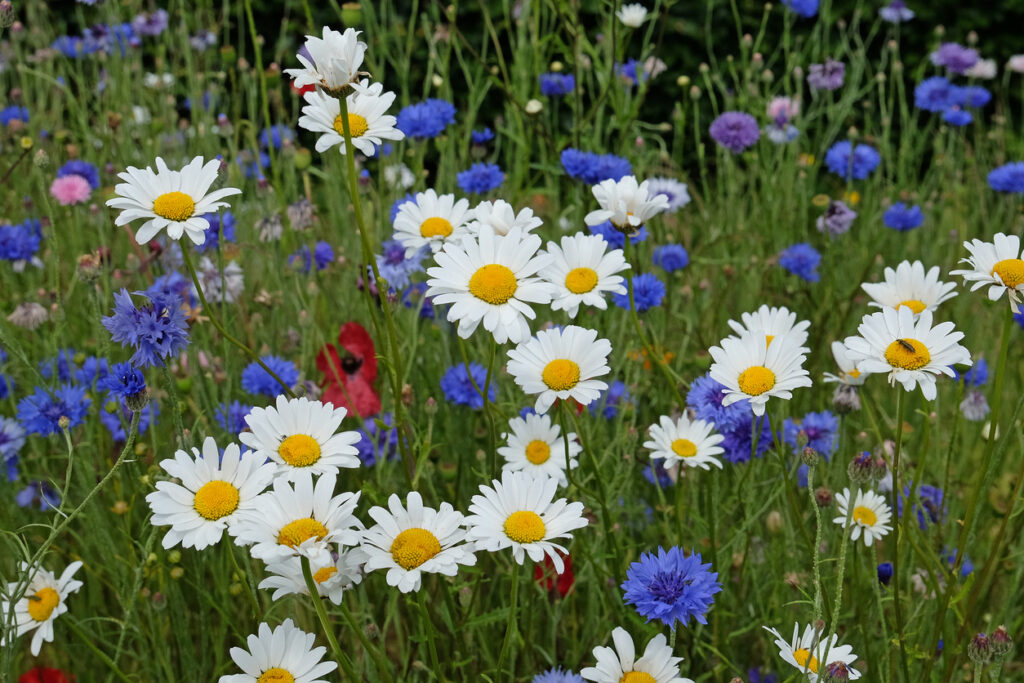
Cornflowers are hardy annuals that handle autumn sowing well. Giving them this head start creates stronger plants with earlier flowers, and their brilliant blue petals really stand out in borders and wildflower mixes. They’re also great for pollinators, attracting bees and butterflies at a time when food sources are still limited. Their upright shape means they look striking in mixed planting, especially alongside red poppies and golden marigolds, creating a cheerful spring palette with little effort.
You can sow cornflowers directly into prepared soil, or if you want more control, start them in trays and transplant once they’re stronger. They prefer sunny spots and well-drained ground, and thinning out crowded seedlings gives them space to grow properly. Since they’re long-flowering once established, planting in autumn means you’ll get a generous display earlier in the year and a season of colour that lasts into summer.
4. Calendula
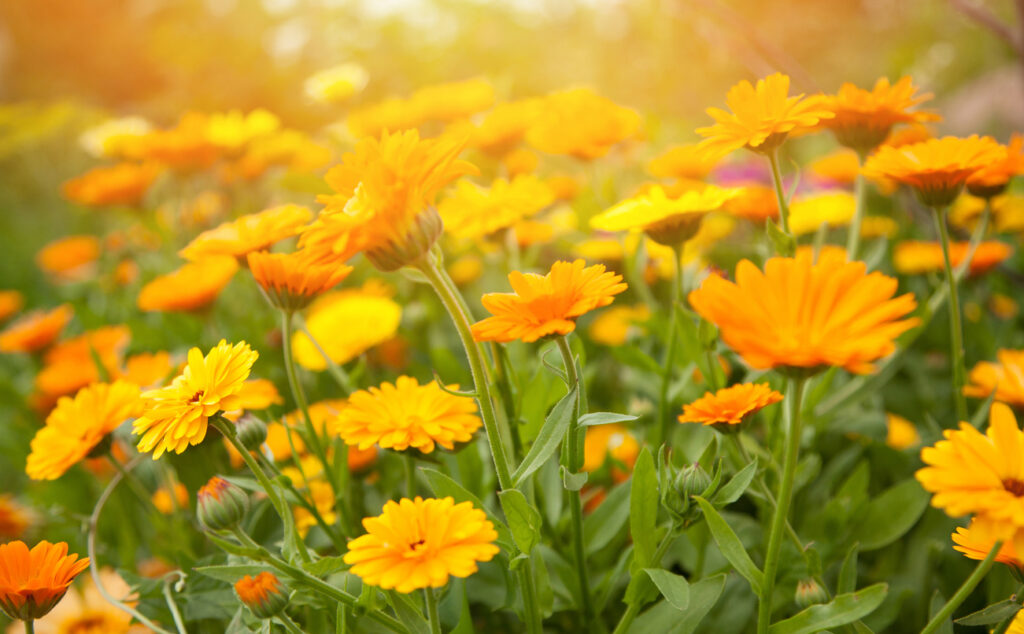
Calendula, often called pot marigold, thrives in cooler weather and loves an autumn sowing. Starting now means plants develop over winter, so by spring you’ll see cheerful orange and yellow flowers right when gardens usually look bare. They’re tough, reliable, and forgiving, which makes them ideal for newer gardeners who still want success. Plus, they’re edible and often used in salads or teas, adding even more value beyond their bright appearance.
Scatter seeds directly where you want them, as calendula isn’t fussy about soil. Thin seedlings once they appear to stop overcrowding, and they’ll quickly fill space with bushy growth. They cope well in borders, containers, and even neglected patches of garden. Since they’re hardy, they’ll carry on flowering right into summer if you deadhead regularly, making them one of the most rewarding choices for autumn sowing.
5. Hardy geraniums
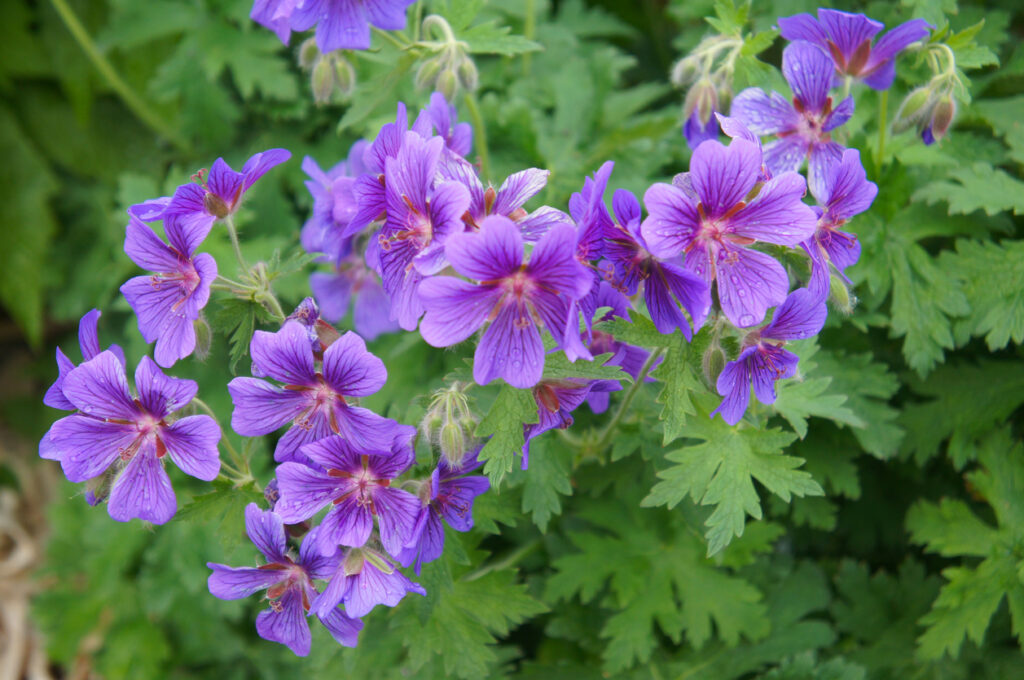
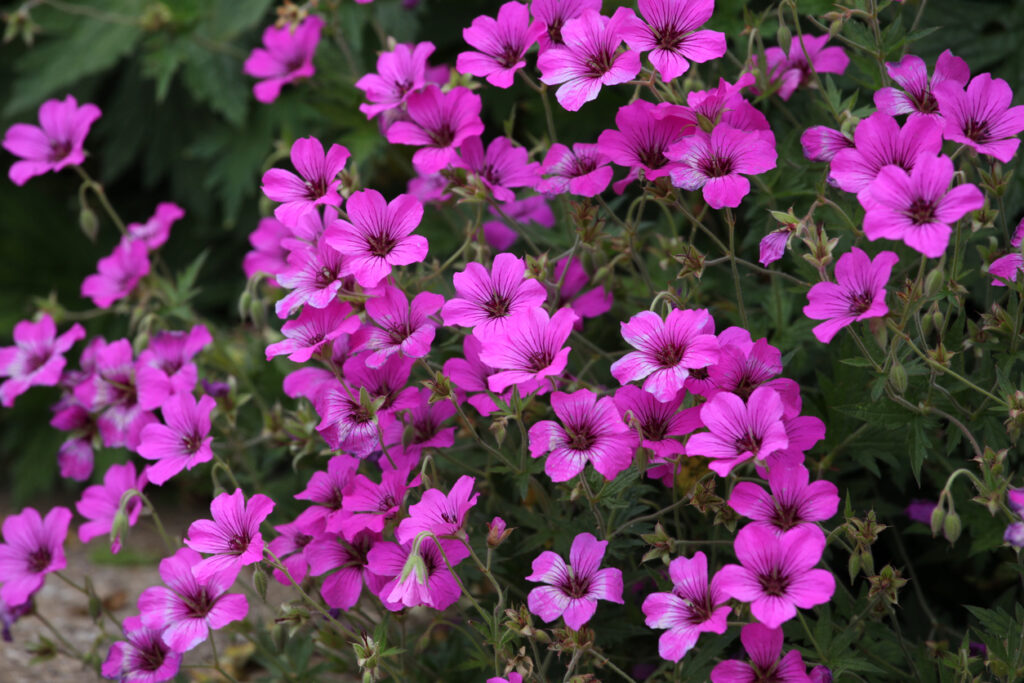
Unlike tender bedding geraniums, hardy types survive British winters well and benefit from autumn sowing. By putting them in now, they spend winter establishing roots underground, and they’ll be ready to produce their soft purple, pink, or blue blooms earlier than expected in spring. They’re also brilliant ground cover plants, spreading to fill gaps and suppress weeds naturally, which saves you work later in the year.
Sow hardy geranium seeds in trays and keep them somewhere sheltered outdoors so they still feel the winter cold. Once seedlings are ready, you can plant them out in spring to settle into their permanent spots. With minimal care, they’ll return year after year, making them one of the easiest ways to guarantee reliable colour each spring without constant replanting.
6. Nigella (love-in-a-mist)
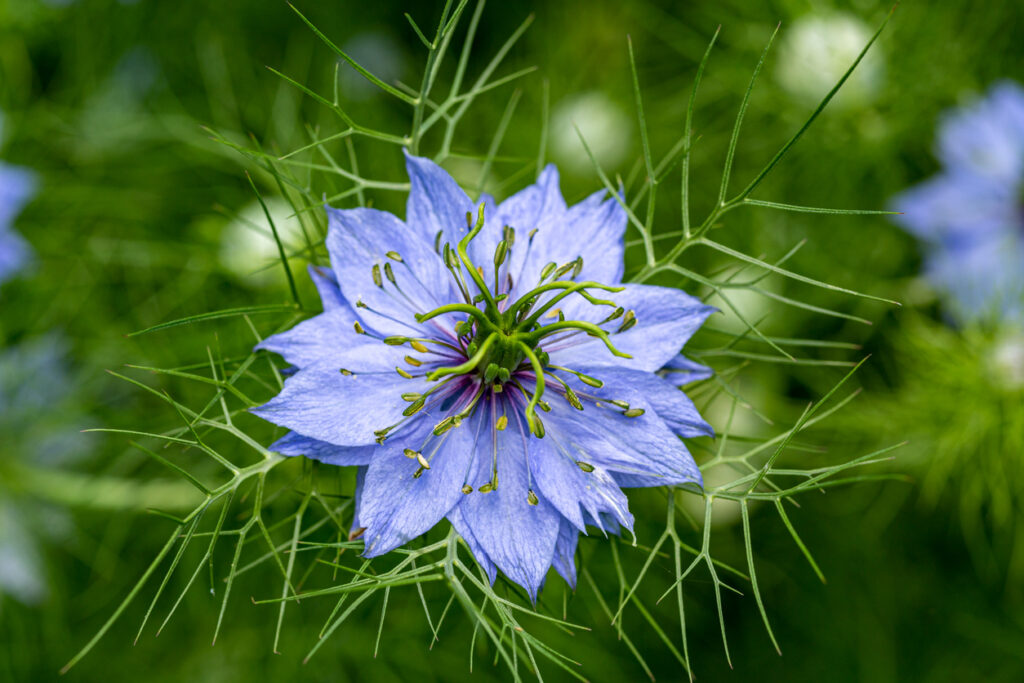
Nigella, with its feathery leaves and delicate flowers, is perfect for adding charm to spring borders. Autumn sowing lets seeds overwinter in the soil, so they’re already primed to germinate as soon as warmth returns. The flowers, usually shades of blue or white, bring a soft, romantic look that suits cottage gardens and wilder planting styles alike. Their unusual seed pods also add interest after the flowers fade, making them valuable long past blooming.
Sow nigella directly into prepared ground where you want them to grow, as they dislike transplanting. Rake the soil lightly after scattering seeds, and thin seedlings to give them space. Once established, they often self-seed freely, so you’ll likely enjoy them year after year with very little input. Starting in autumn means you’ll see blooms weeks earlier than those sown in spring.
7. Lupins
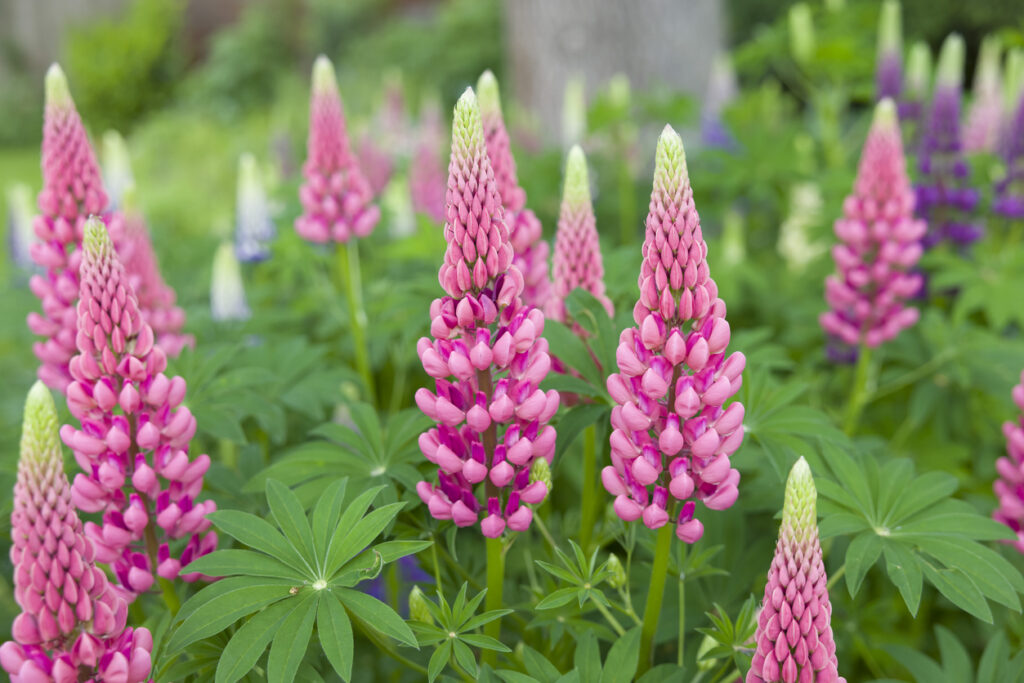
Lupins are showstoppers thanks to their tall spires of bold flowers, and autumn sowing makes them even more impressive. Giving them time to develop roots over winter sets them up for stronger, earlier growth. By spring, they’re ready to shoot up quickly, and their bright colour combinations add drama to borders. Their ability to fix nitrogen in the soil also improves conditions for nearby plants, so they’re as practical as they are striking.
Sow seeds in pots rather than straight into the soil, as they need protection until they’re large enough to handle frost. Plant them out once spring arrives, choosing sunny positions with well-drained soil. Lupins are perennials, so with this head start, you’ll enjoy their return every year with less waiting around.
8. Aquilegia
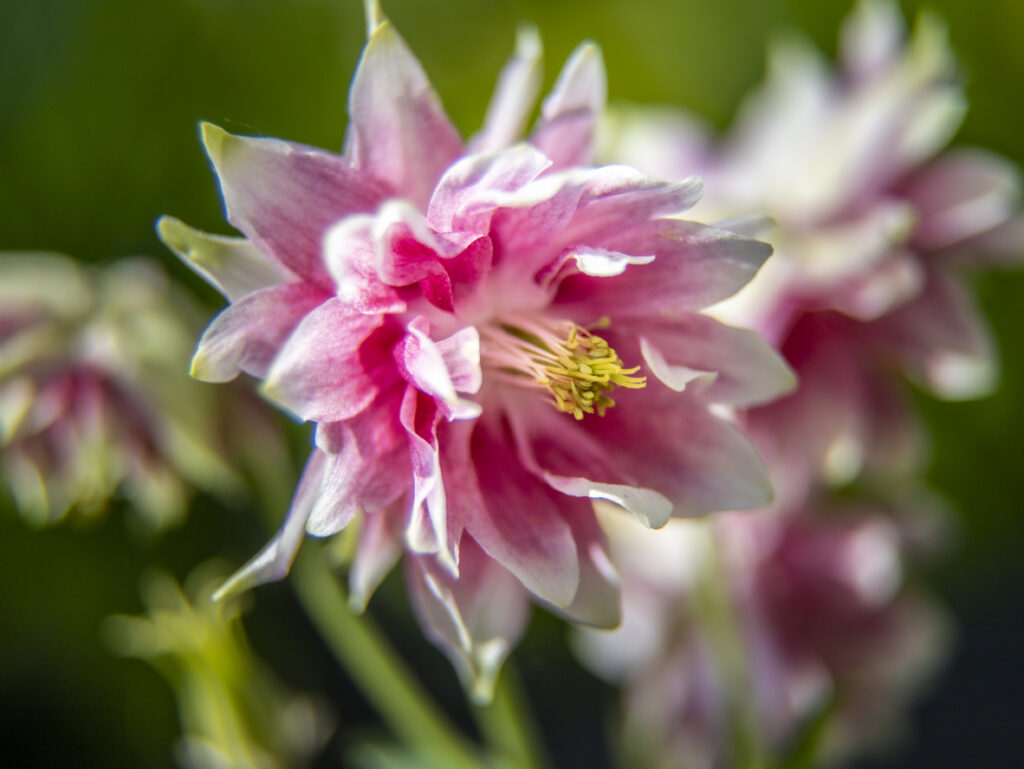
Aquilegia, also known as columbine, is a reliable spring bloomer that thrives when sown in autumn. Its seeds actually benefit from cold weather, which triggers better germination. The flowers, with their unique spurred petals, add elegance to borders, and they come in a wide range of colours. They’re also loved by pollinators, giving your garden an early boost of buzzing life when other plants are still waking up.
To grow aquilegia, sow into trays and leave them outside in a sheltered spot through winter. By spring, seedlings will be ready to prick out and plant into beds. Once established, aquilegia tends to self-seed, ensuring colourful surprises in the garden for years to come.
9. Forget-me-nots
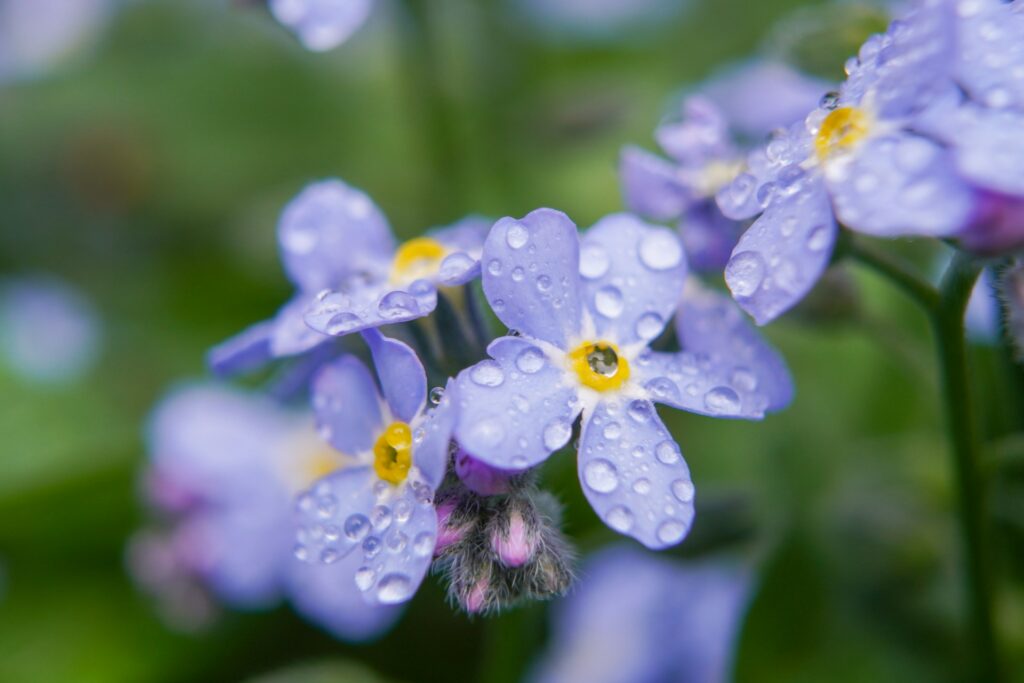
Forget-me-nots are small but mighty when it comes to creating a soft spring display. Their clusters of tiny blue flowers are simple but charming, and they fill space quickly. Autumn sowing means you’ll see them bloom earlier, and their resilience makes them perfect for edging pathways or filling gaps between taller plants.
Scatter seeds directly into soil and rake lightly, as they don’t need deep planting. They’re low-maintenance and often self-seed, ensuring they return without much work. Their carpet of flowers makes an excellent companion for tulips and daffodils, creating striking spring displays with little effort.
10. Hardy wallflowers
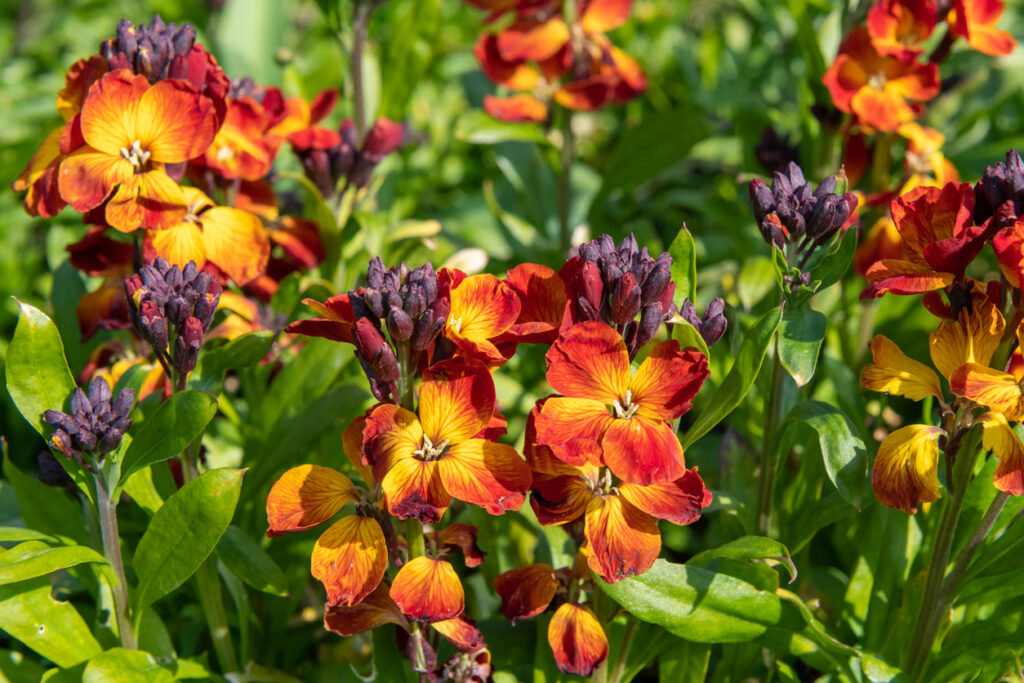
Wallflowers are an old favourite for autumn sowing because they flower earlier and more strongly than spring sowings. Their warm tones of red, orange, and yellow bring rich colour when gardens need it most. They’re also tough plants, coping well with poor soil and cooler conditions, so they’re reliable even for beginners.
Start them in trays or modules now, then transplant into borders once seedlings are sturdy. They’re especially effective when grown alongside tulips, as the combination of colours makes for stunning spring displays. Autumn sowing gives them the time to bulk up properly before flowering.
11. Primroses
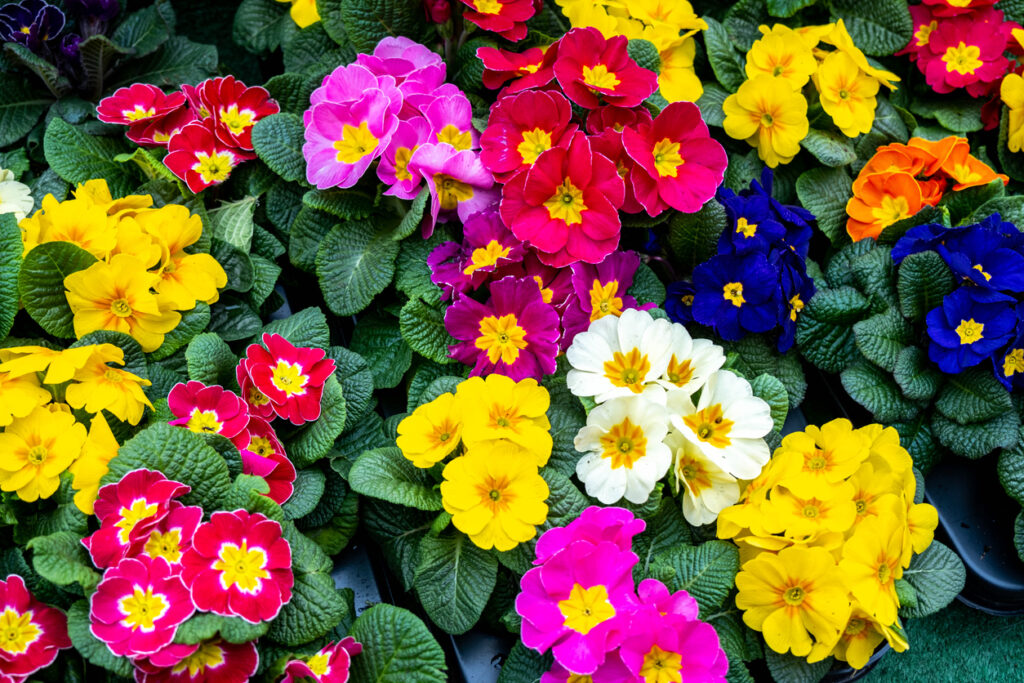
Primroses are among the first flowers to bloom in spring, and autumn sowing gives them the best chance to show off early. Their soft shades of yellow, pink, and purple brighten shady corners, and they’re perfect for woodland-style planting. They’re hardy and dependable, making them a reassuring presence in the garden each year.
Sow into trays and keep them sheltered through winter, then plant into beds or pots in early spring. They spread naturally once established, and with regular division, you’ll have healthy clumps that return reliably every year. They’re a simple but rewarding choice for anyone wanting guaranteed colour at the start of the season.
12. Foxgloves

Foxgloves bring dramatic height with their tall spikes of purple, pink, or white flowers, and autumn sowing sets them up for earlier and stronger growth. While they usually take a year to flower, starting now means they’ll bulk up quicker and put on a show much earlier in the season. Their tubular blooms are also magnets for bees, so they’re great for encouraging pollinators back into the garden.
Sow seeds into trays and keep them in a sheltered outdoor spot, then plant them into borders once seedlings are strong. Foxgloves prefer part shade and thrive in woodland-style gardens. With autumn sowing, you’ll enjoy more robust plants that dominate borders with colour as spring moves into summer.