While you’d pass out in minutes without oxygen, some animals can survive for months or even years without taking a single breath.
The assumption is that all living things need oxygen to survive, and that’s true. However, there are plenty of creatures who need a lot less of it than humans do in order to not only survive, but actually thrive. These are some of the most impressive.
1. Tardigrades can survive decades in the vacuum of space.
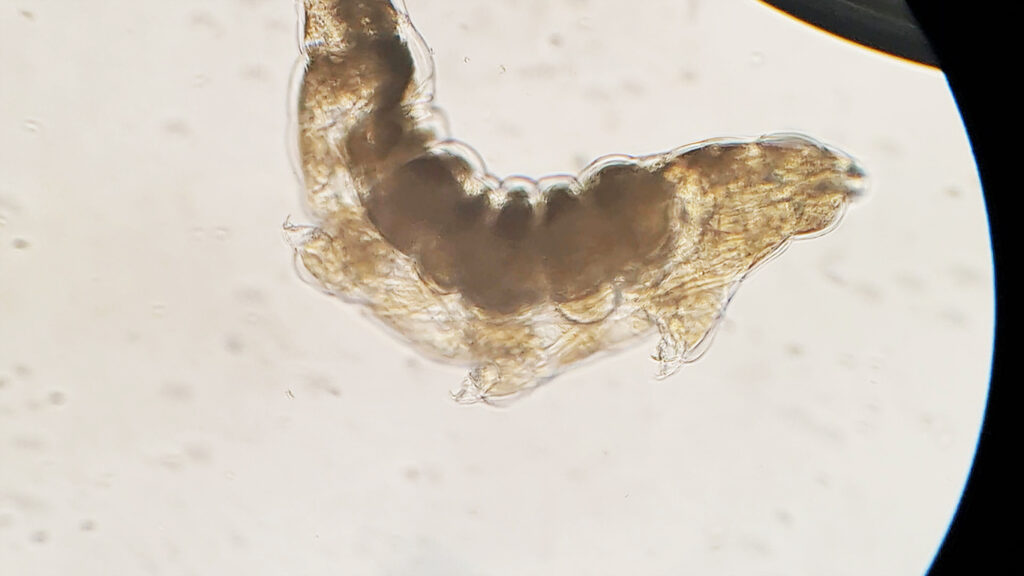
These microscopic water bears are basically indestructible and can shut down their entire metabolism when there’s no oxygen around. They curl up into a dried-out ball called a tun and wait it out for years until conditions improve.
Scientists have shot them into space, frozen them, boiled them, and exposed them to radiation that would kill anything else, but tardigrades just shrug it off. They’re like nature’s ultimate survival experts who’ve figured out how to pause their own existence until things get better.
2. Brine shrimp can hibernate for over 25 years without air.
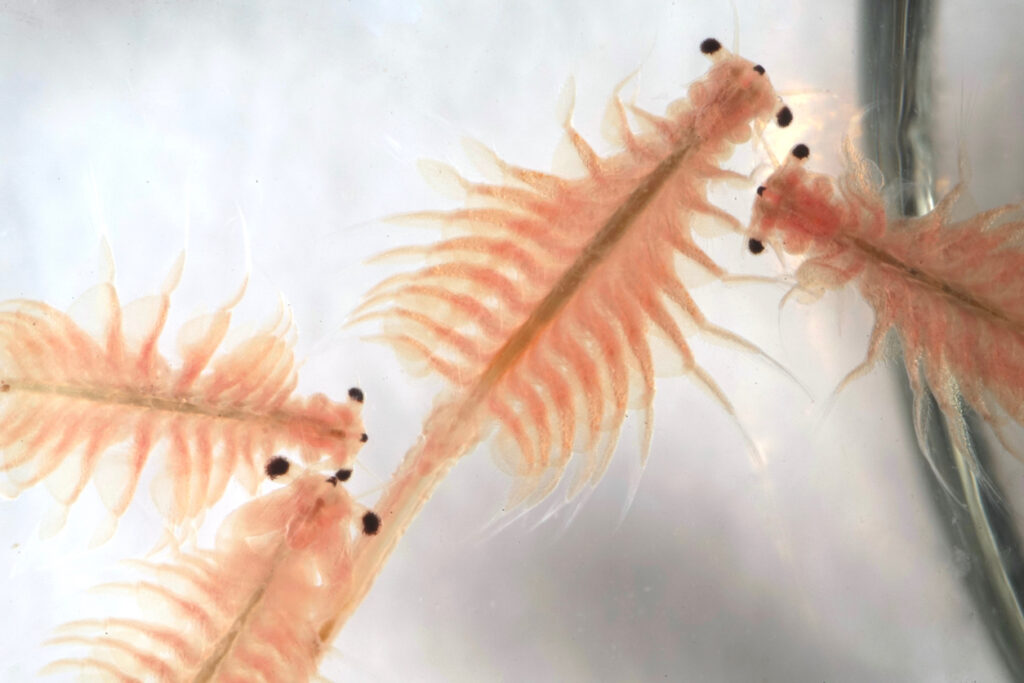
These tiny crustaceans produce special cysts that can survive completely without oxygen for decades. The baby shrimp inside these cysts basically stop all biological processes and wait in suspended animation until they detect water and oxygen.
You can literally buy packets of these dried brine shrimp cysts in pet shops, add water, and watch 25-year-old shrimp come back to life like nothing happened. They’re like biological time capsules that can sit on a shelf for decades and still hatch when conditions are right.
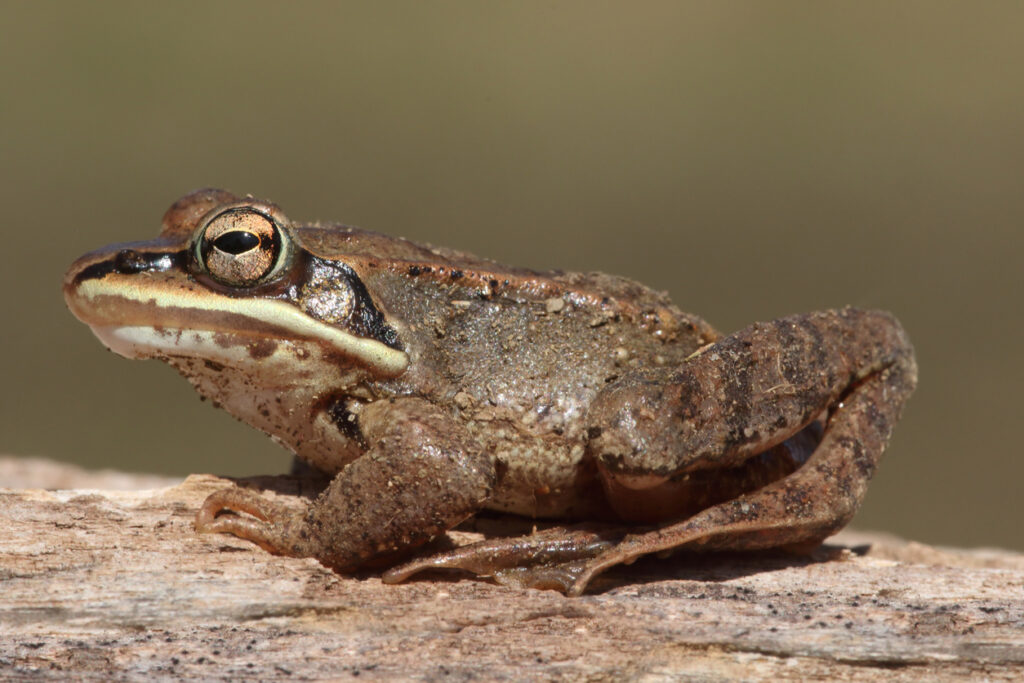
3. Wood frogs freeze solid every winter and survive without breathing.
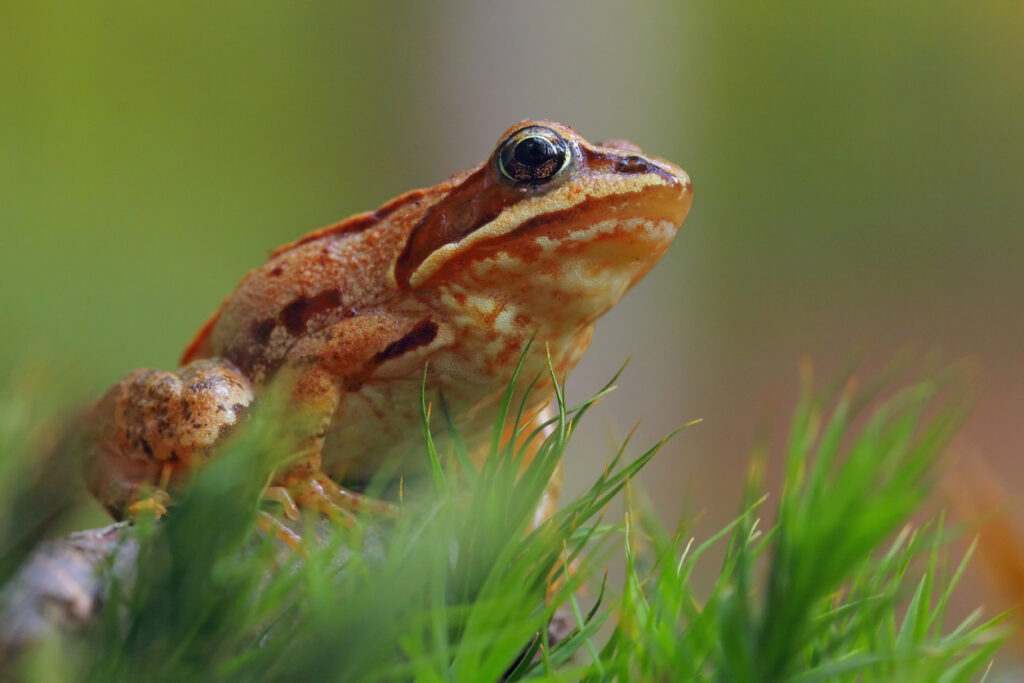
These frogs let themselves freeze completely solid during winter, with ice crystals forming throughout their bodies. Their hearts stop beating, they stop breathing, and they’re technically dead until spring thaws them out.
They produce natural antifreeze proteins that prevent cellular damage whilst they’re frozen, and when the temperature rises, they just thaw out and hop away like nothing happened. It’s like having a biological pause button that works for months at a time.
4. Some fish can survive buried in mud for years.
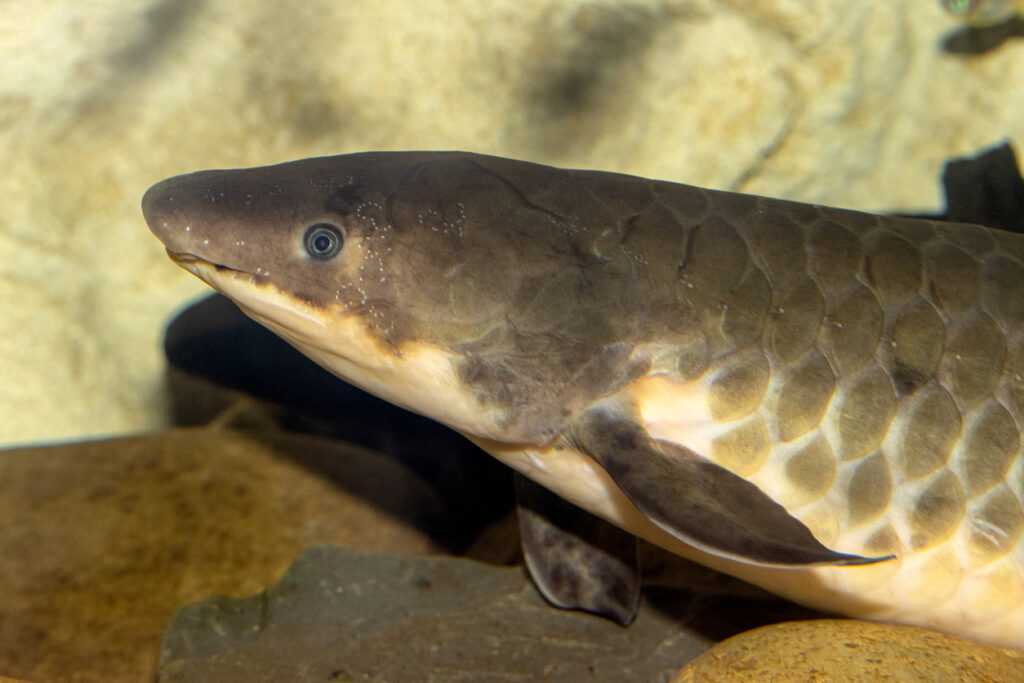
Lungfish and certain other species can burrow into mud during droughts and enter a state called aestivation, where they barely use any oxygen at all. They slow their metabolism down to almost nothing and wait for the rains to return.
African lungfish have been found alive after being buried in dried mud for over four years without access to water or normal air. They’re like living fossils that have perfected the art of waiting out bad times by essentially pausing their lives.
5. Painted turtle hatchlings survive frozen ponds all winter.
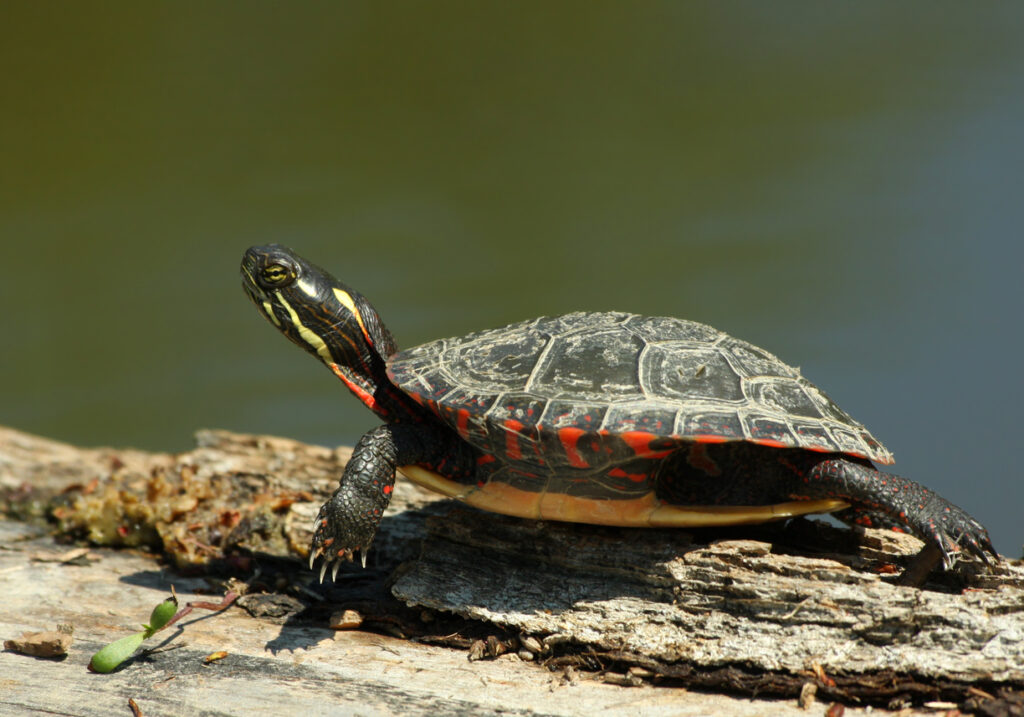
Baby painted turtles that hatch too late in the year don’t try to reach water before winter. Instead, they stay in their underground nests and let themselves partially freeze, surviving months without breathing normally.
These tiny turtles can handle having up to 58% of their body water turn to ice whilst maintaining just enough cellular activity to stay alive. They’re basically newborns who’ve already mastered extreme survival techniques that would kill most animals.
6. Arctic ground squirrels become living popsicles.
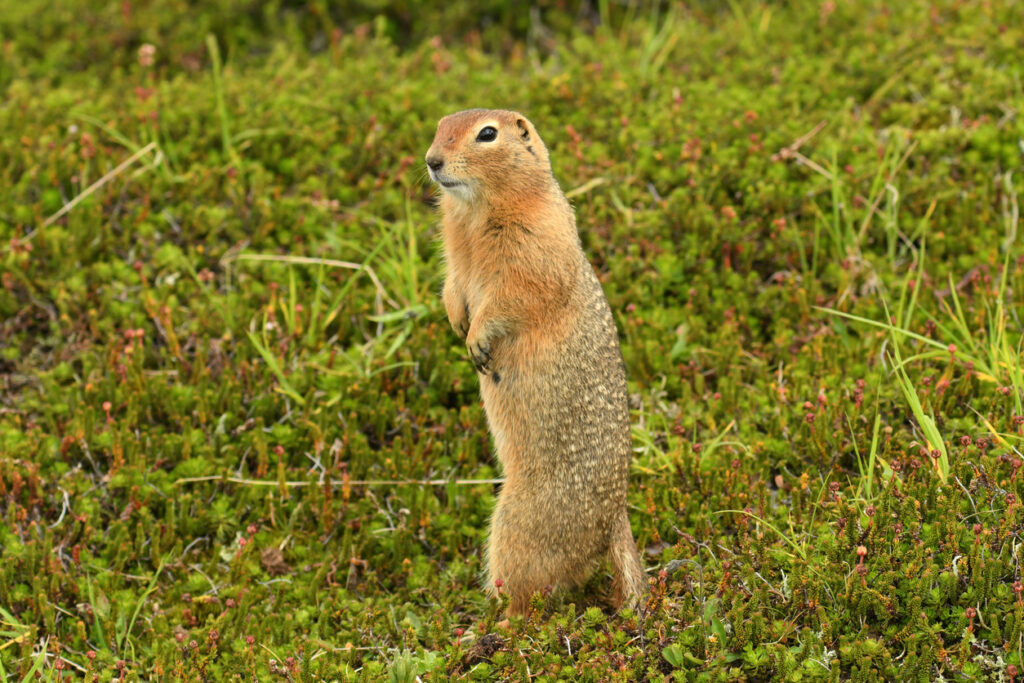
During hibernation, Arctic ground squirrels drop their body temperature below freezing and dramatically reduce their oxygen consumption. Their metabolism slows down so much that they barely need to breathe for months.
They’re the only mammals that can survive with a body temperature below freezing, and they do it by essentially becoming furry popsicles that occasionally wake up just enough to shiver themselves back to life before going back to sleep.
7. Sea turtles can hold their breath for over 10 hours
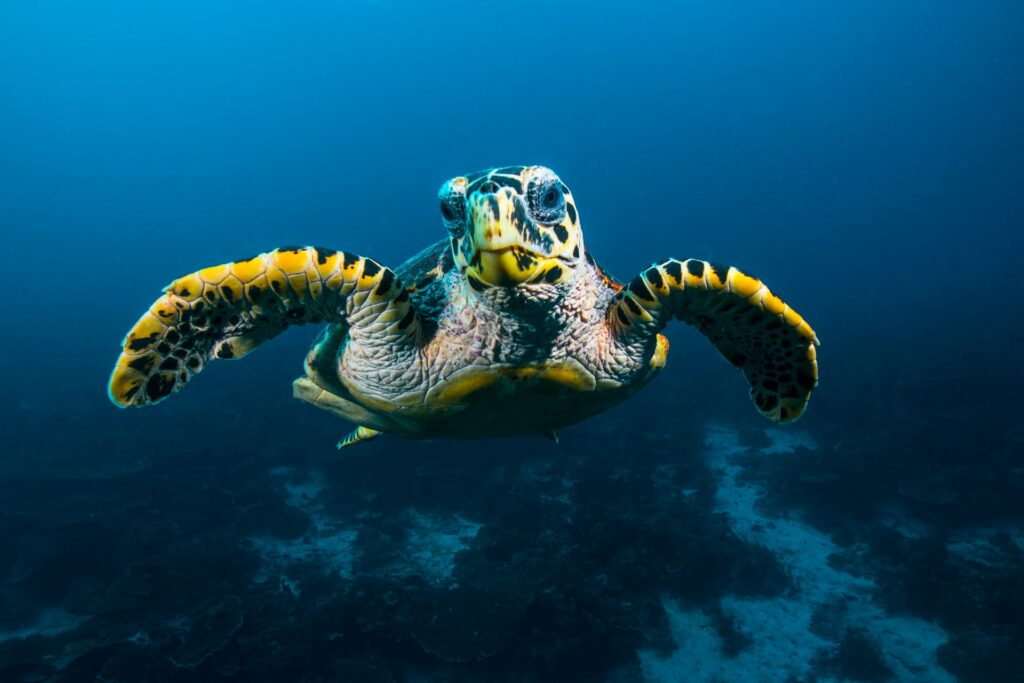
While not technically living without oxygen, sea turtles can slow their heart rate down to one beat every nine minutes and survive underwater for incredibly long periods. Some species can stay submerged for half a day without surfacing.
They do this by switching their metabolism to run on stored energy instead of oxygen, essentially running on biological batteries whilst they sleep on the ocean floor. It’s like they’ve got built-in life support systems for extended underwater naps.
8. Nematode worms can survive in outer space.
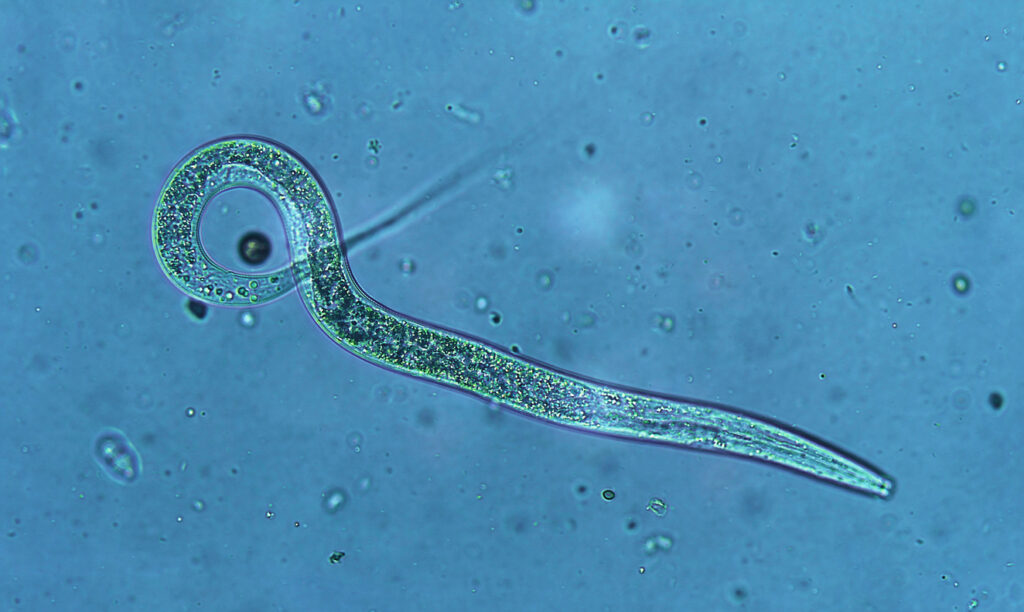
These microscopic worms can enter a state called cryptobiosis where they lose almost all their water content and stop virtually all biological activity. In this state, they don’t need oxygen, water, or food and can survive the vacuum of space.
Scientists have revived nematodes that were frozen in Antarctic ice for over 40,000 years, proving that these tiny worms are basically biological time machines. They’re so good at shutting down that they can literally survive geological time periods.
9. Some jellyfish reverse their ageing when oxygen runs low.
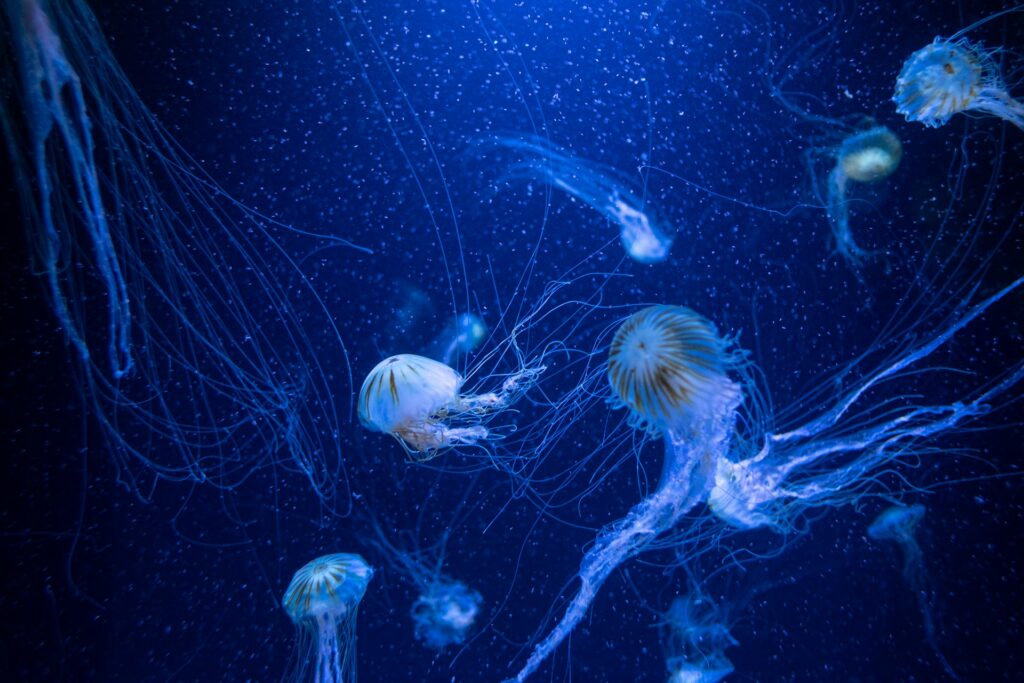
The immortal jellyfish can essentially reverse its life cycle when environmental conditions get tough, including low oxygen situations. It transforms back into its juvenile polyp stage and starts growing up all over again.
This isn’t just about surviving without oxygen, it’s about cheating death entirely by rewinding their biological clock. They’re like cosmic reset buttons that can start their lives over whenever things get difficult, potentially living forever.
10. Antarctic midge larvae survive being frozen solid.
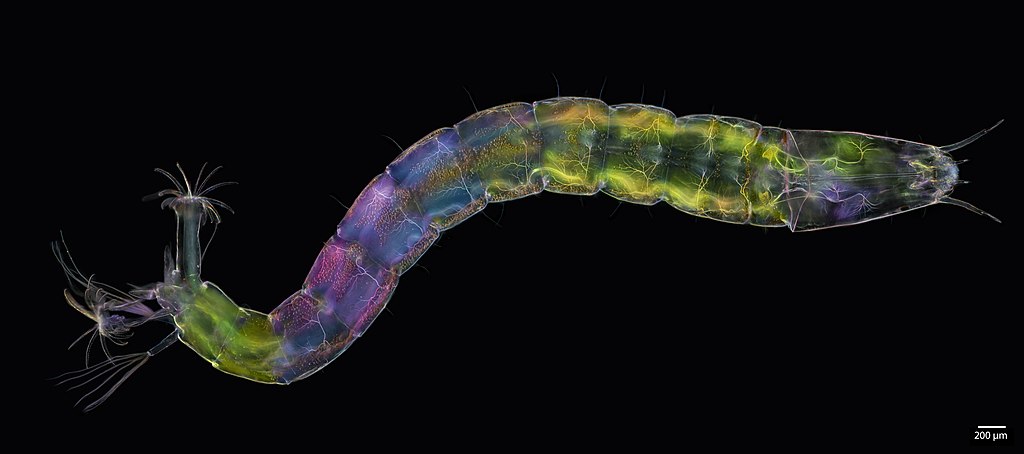
These insect larvae can survive temperatures down to -35 °C whilst frozen solid, with no liquid water in their bodies and no ability to breathe normally. They produce special proteins that act like biological antifreeze to prevent cellular damage.
They spend most of their two-year life cycle frozen solid in Antarctic ice, only becoming active for a few weeks each summer. They’re like nature’s own cryogenic preservation system, but they do it naturally without any fancy technology.
11. Some bacteria can survive millions of years without oxygen.
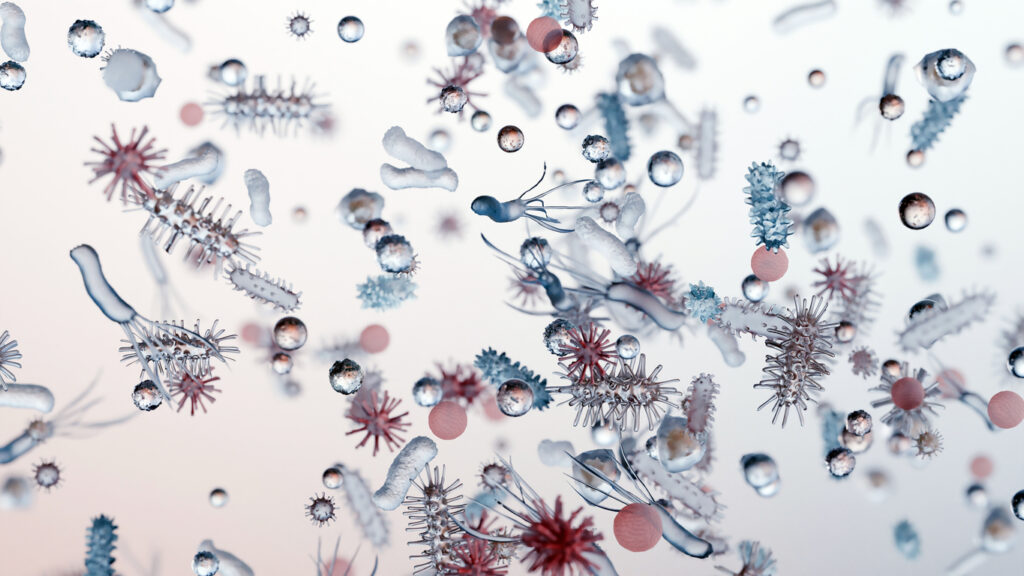
Certain bacteria can form endospores that are virtually indestructible and don’t require oxygen to survive. These spores have been revived after being dormant for millions of years in salt crystals and amber.
These bacterial time capsules are so resilient that they could probably survive the end of the world and still be around to colonise whatever comes next. They’re like biological archives that preserve life across geological epochs.
12. Olms can slow their metabolism to almost nothing.
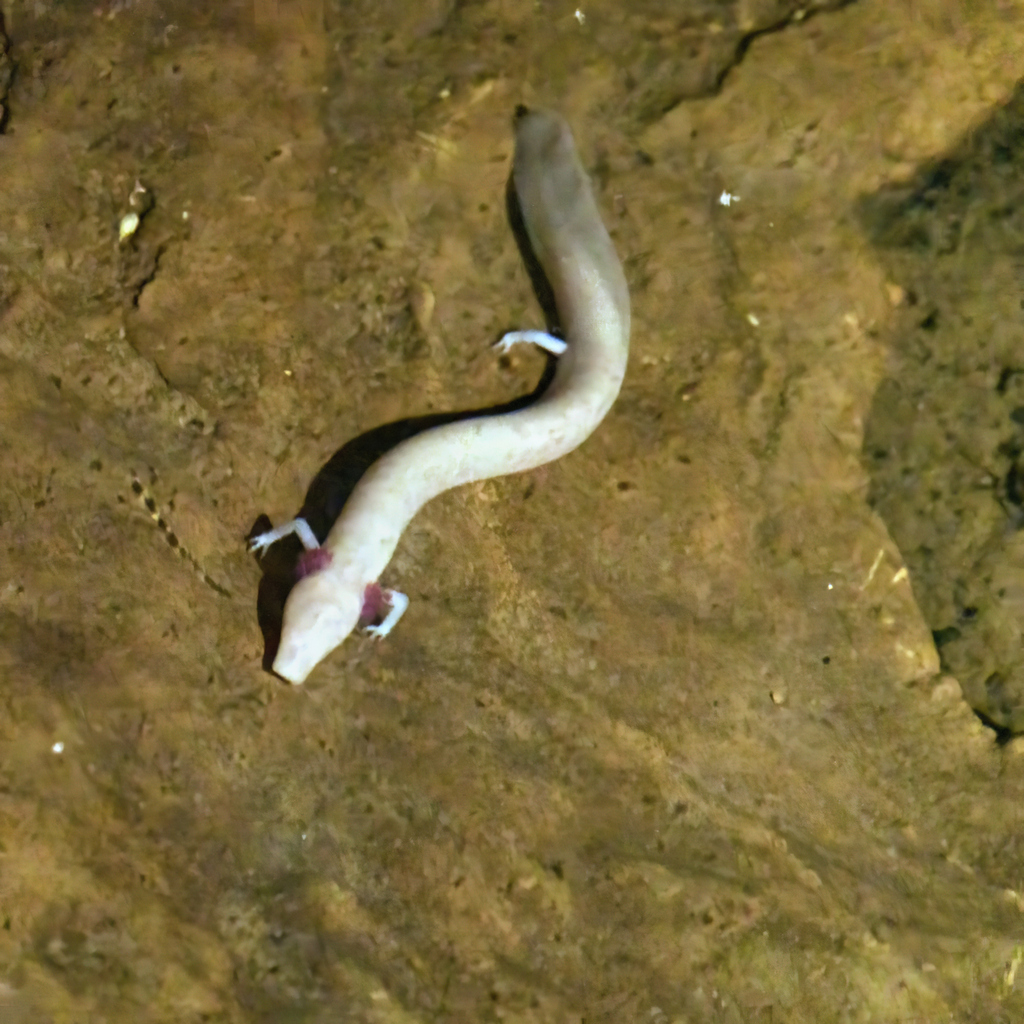
These cave-dwelling salamanders can slow their metabolism down so dramatically that they barely need any oxygen at all. They can survive for over 10 years without eating and can hold their breath for hours whilst barely moving.
Olms live in complete darkness in underwater caves and have evolved to survive on almost no energy or oxygen. They’re like living ghosts that exist in slow motion, perfectly adapted to an environment where resources are incredibly scarce.