We might not have as many deadly fungi in Britain as other places in the world, but that doesn’t mean we don’t have any.
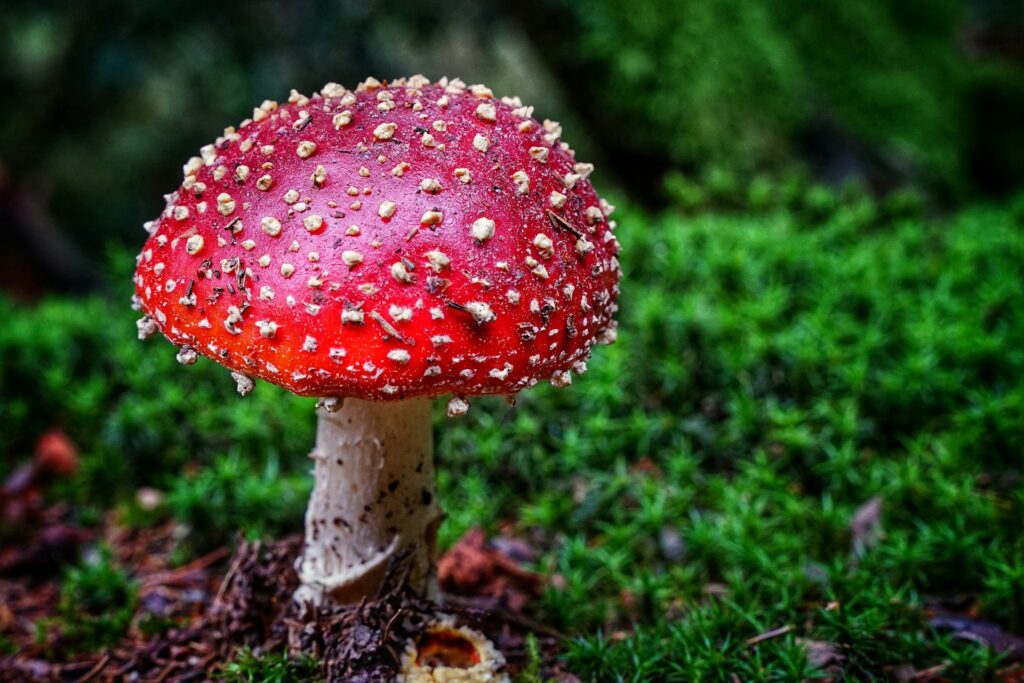
Our mushrooms might look charming in woodland walks or even in your garden, but not all of them are safe to handle or consume. Some species look harmless, but they contain toxins that can make you very ill, so it’s vital to know which ones to avoid. If you spot these, you’re better off avoiding them completely (and making sure kids and pets do, too).
1. Death cap (Amanita phalloides)
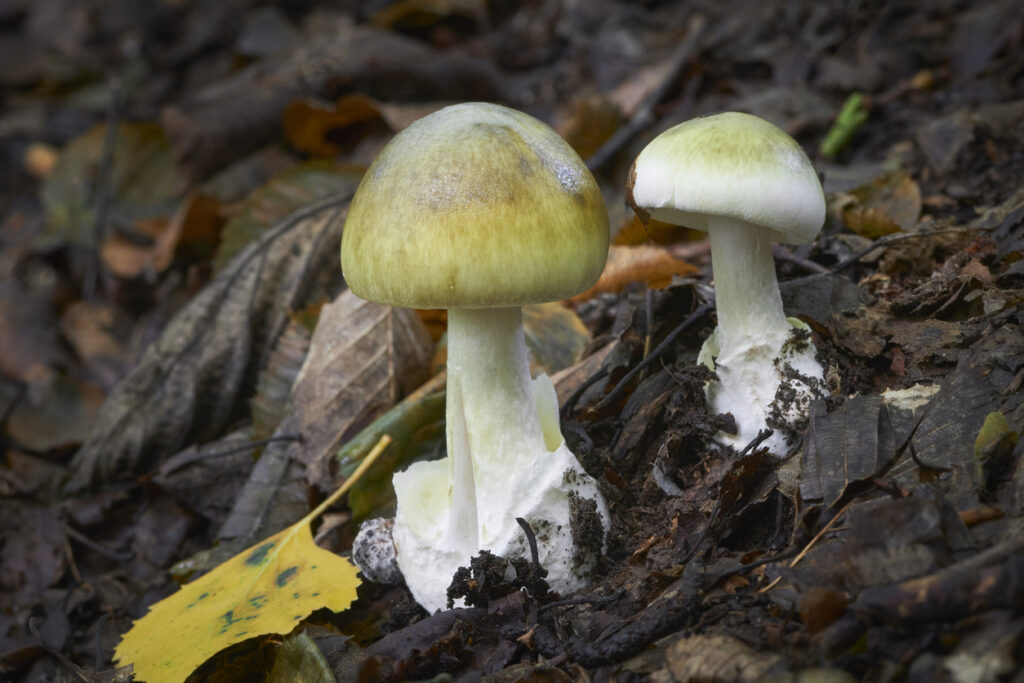
At first glance, the death cap doesn’t look threatening. It’s pale green or yellowish with a smooth cap and often gets mistaken for edible species. The danger is that eating just a small piece can cause liver and kidney failure.
Spotting the bulbous base and white gills underneath helps identify it. Because it looks so ordinary, it’s one of the most dangerous mushrooms in the UK countryside.
2. Destroying angel (Amanita virosa)
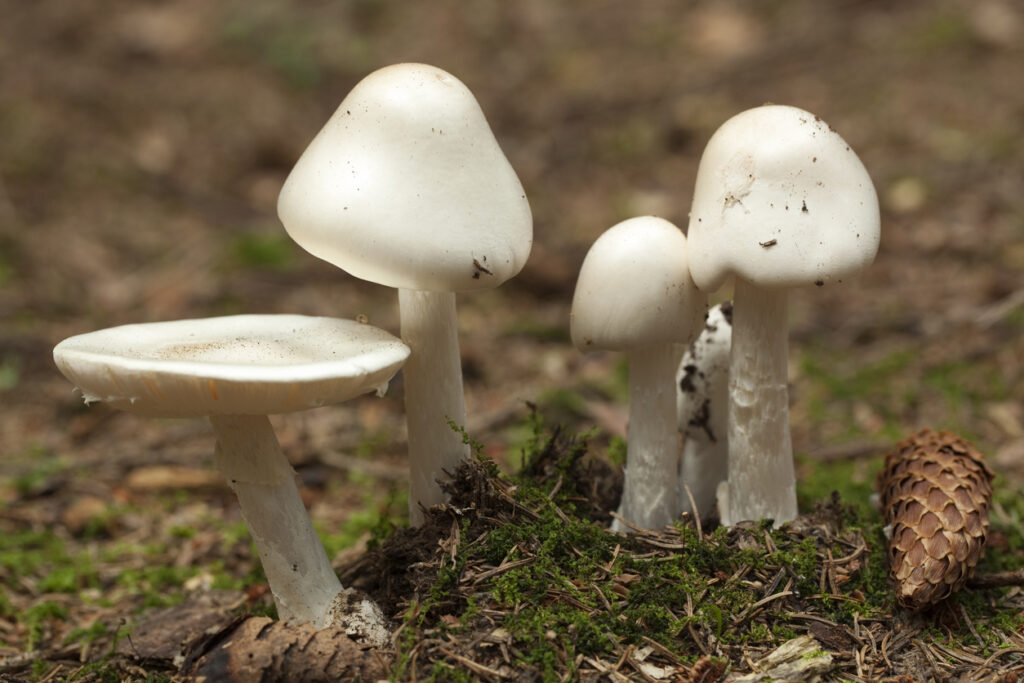
The destroying angel looks delicate and pure white, which is why many walkers assume it’s harmless. In reality, it’s loaded with toxins that are just as deadly as the death cap. Even handling it with food preparation in mind can be risky.
It’s often found in woodland, blending with other fungi. Its clean white colour makes it striking, but it’s exactly the type you should never touch or taste.
3. Fly agaric (Amanita muscaria)
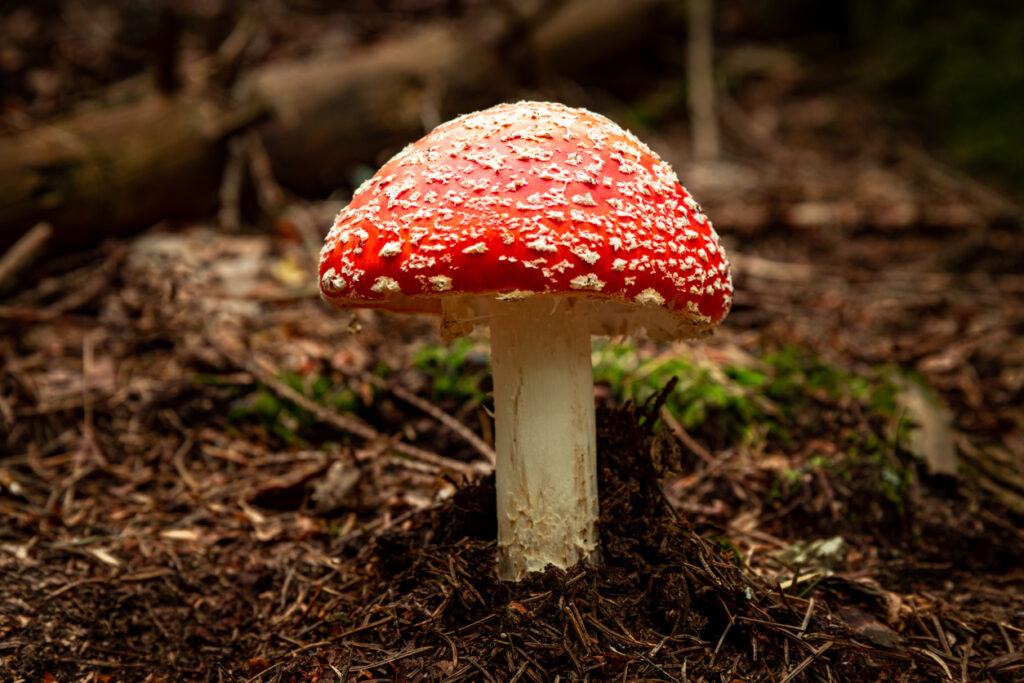
This one looks magical with its bright red cap dotted with white spots. While it’s famous in fairy tales, it’s actually toxic if eaten raw. Symptoms can include nausea, hallucinations, and confusion, which makes it far from harmless.
Some people think it’s only mildly dangerous, but its toxins can be severe. It’s beautiful to look at, but it belongs firmly on the “do not eat” list.
4. Fool’s mushroom (Amanita verna)
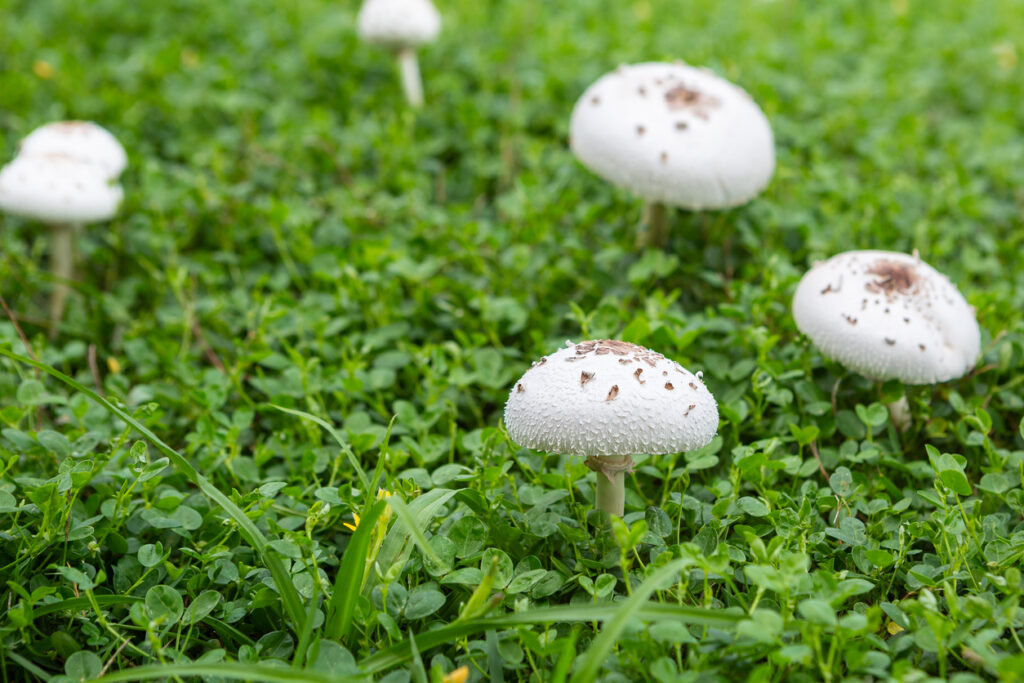
With its smooth white cap and thin stem, this species looks similar to edible button mushrooms. That’s where the name comes from because many people have been fooled into thinking it’s safe. Eating it can cause fatal organ damage.
It’s found in spring and early summer, and its resemblance to edible species makes it particularly dangerous. Recognising the ring on its stem is a key giveaway.
5. Panther cap (Amanita pantherina)
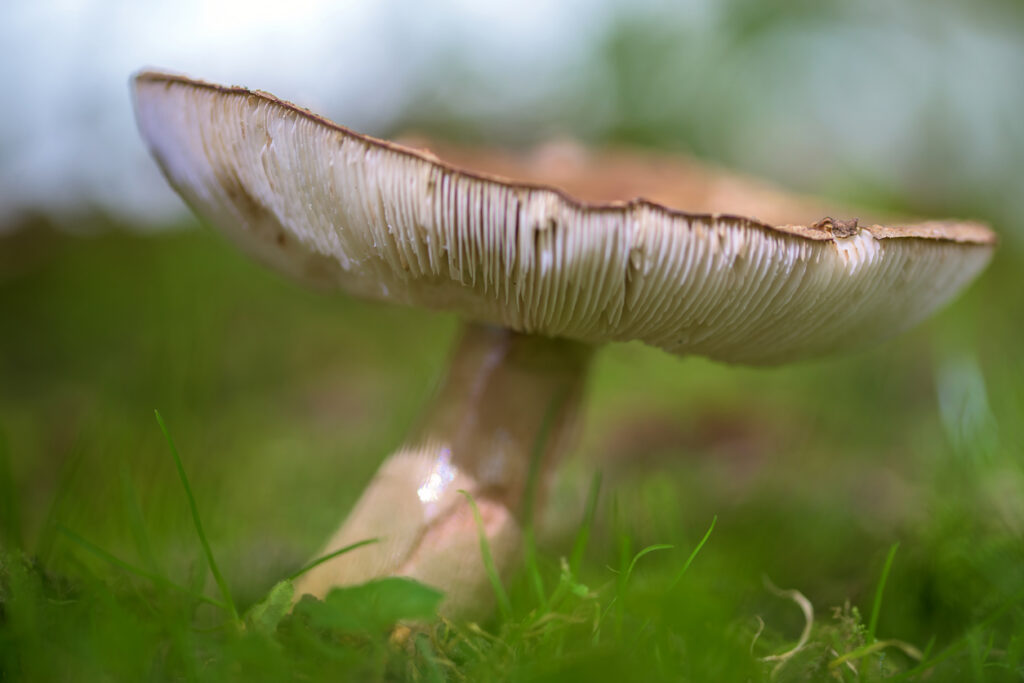
This mushroom has a brown cap with white spots, and it looks similar to its red cousin, the fly agaric. The toxins inside can cause delirium, stomach upset, and in rare cases, life-threatening reactions. It’s a good example of a “looks safe” trap.
Spotting the ring on its stem and the wart-like spots helps distinguish it. It’s common across woodland, so hikers should know its appearance well.
6. Brown roll-rim (Paxillus involutus)
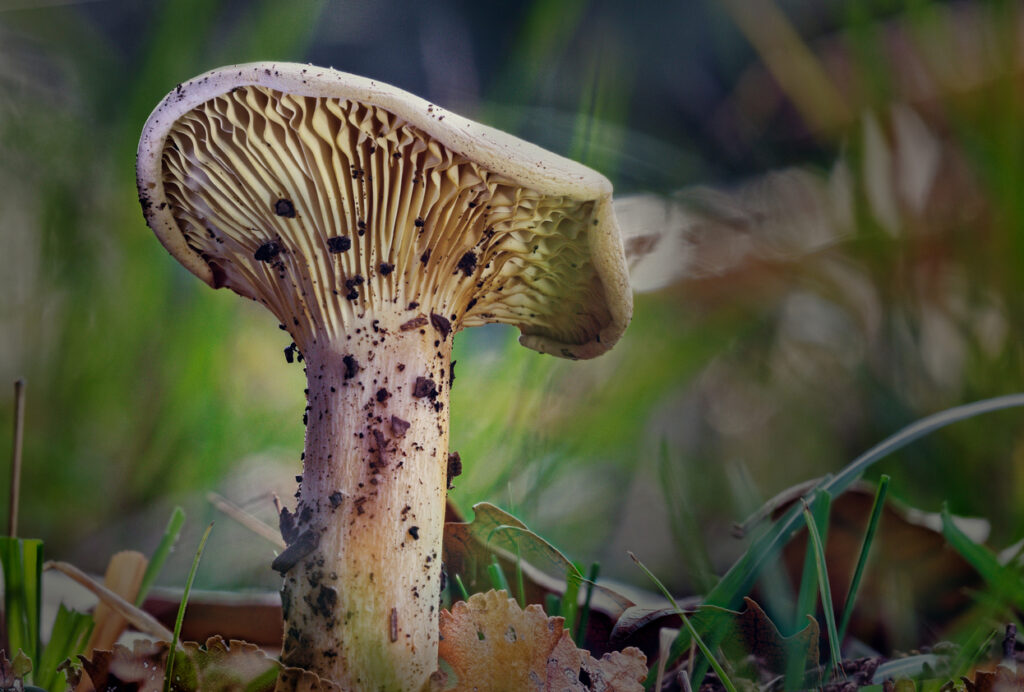
For many years, this mushroom was thought to be edible, but repeated eating can cause a dangerous immune reaction. The cap looks harmlessly brown and wrinkled, and people once picked it without worry.
Now it’s known to be toxic, and poisoning cases continue to surface. Its dull appearance proves that not all dangerous mushrooms stand out.
7. Deadly webcap (Cortinarius rubellus)
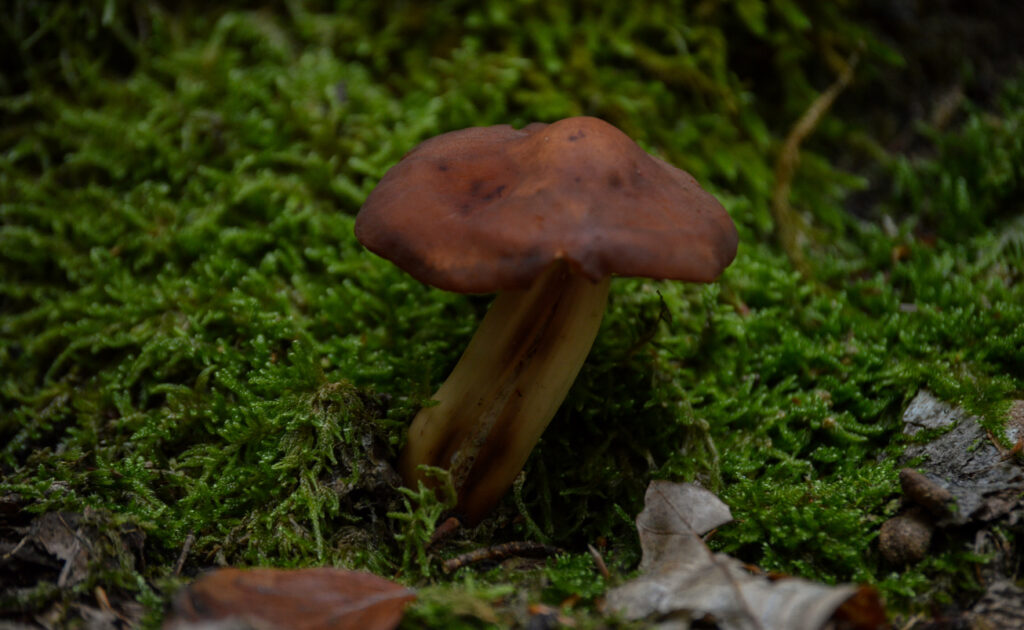
This mushroom looks ordinary with its rusty-brown cap and stem. The danger lies in its toxin, orellanine, which damages kidneys slowly over days. People sometimes mistake it for chanterelles, which makes it especially deceptive.
The risk is high because symptoms don’t appear straight away. By the time you feel unwell, serious damage may already be done.
8. Fool’s funnel (Clitocybe rivulosa)
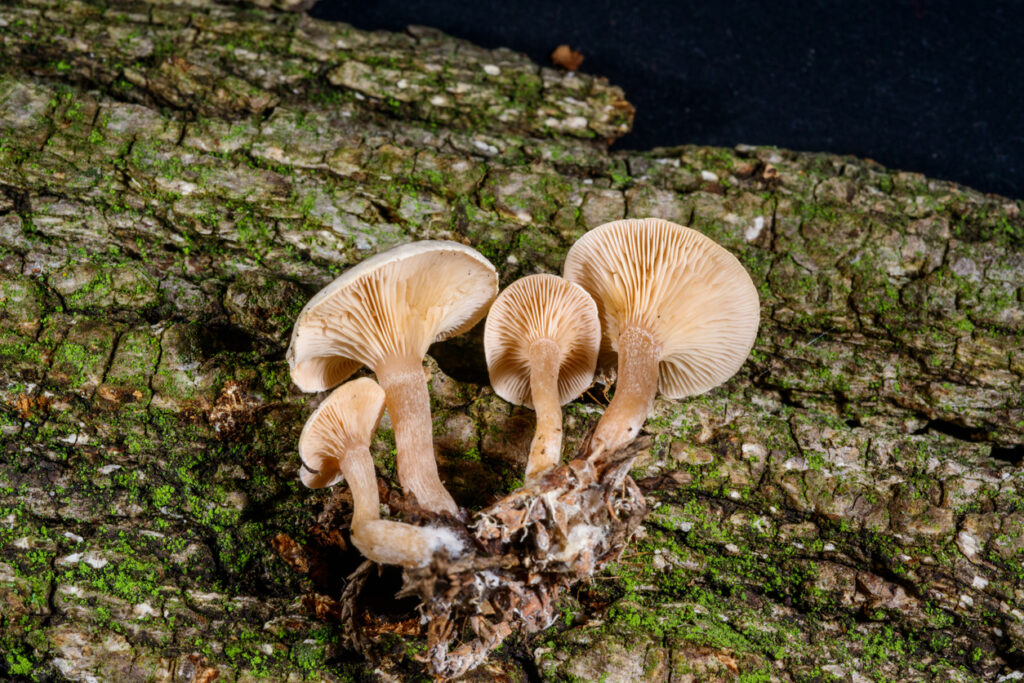
Also known as the sweating mushroom, this small white fungus looks like a harmless field mushroom. Eating it causes excessive sweating, stomach cramps, and in bad cases, breathing difficulties. Its size makes it easy to miss, which adds to the danger.
It often grows in rings on lawns and meadows. Because it appears in familiar places, people sometimes pick it by mistake.
9. Sulphur tuft (Hypholoma fasciculare)
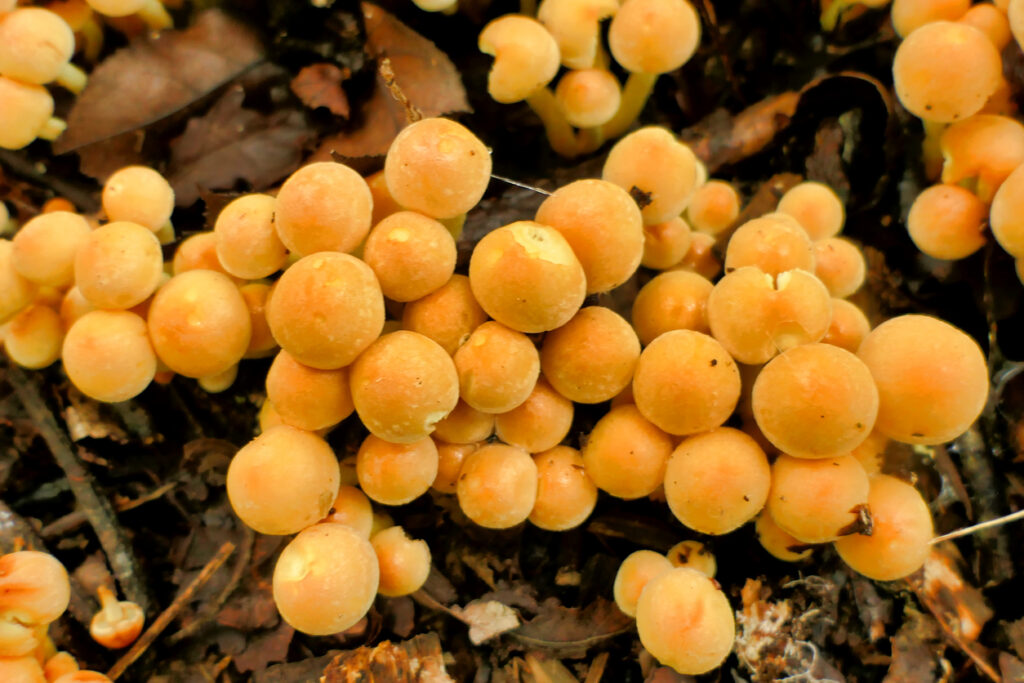
This mushroom grows in clumps on rotting wood, with caps that range from bright yellow to greenish. It might look edible, but eating it causes severe vomiting and stomach pain. Its cheerful colour hides how unpleasant it really is.
It’s often found in woodlands and is common across the UK. Recognising its bitter smell and clustered growth can help keep you safe.
10. False morel (Gyromitra esculenta)
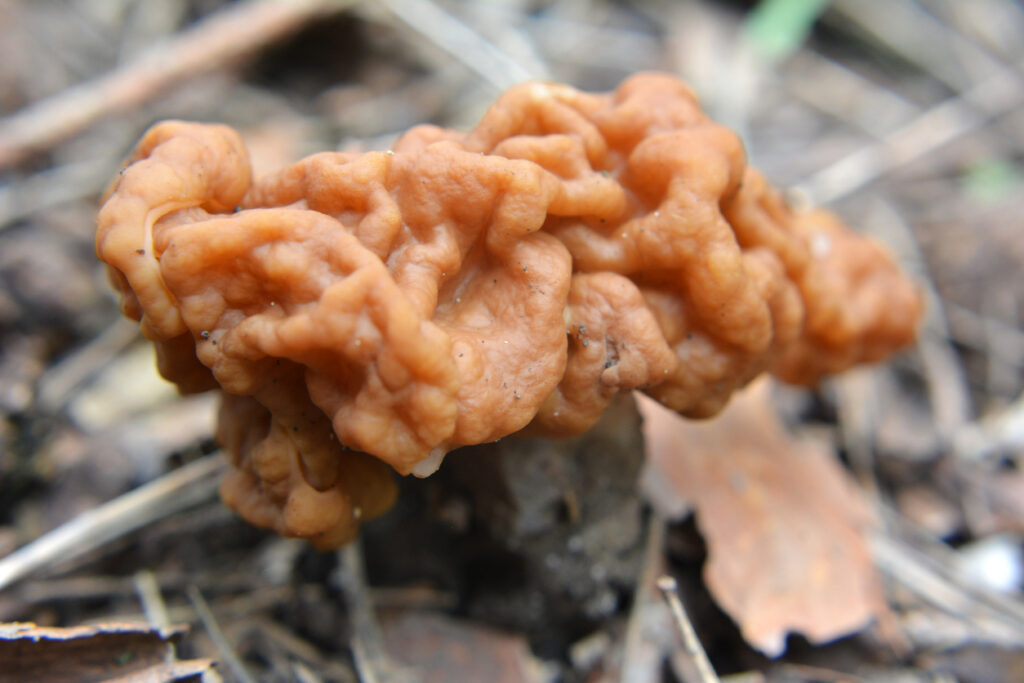
The false morel looks wrinkled and brain-like, and it’s sometimes mistaken for the edible morel. The problem is that it contains a toxin that’s as deadly as rocket fuel, damaging the liver and nervous system.
Cooking doesn’t always remove the poison fully, so it’s never safe to eat. Even small amounts can be enough to cause serious illness or worse.
11. Ivory funnel (Clitocybe dealbata)
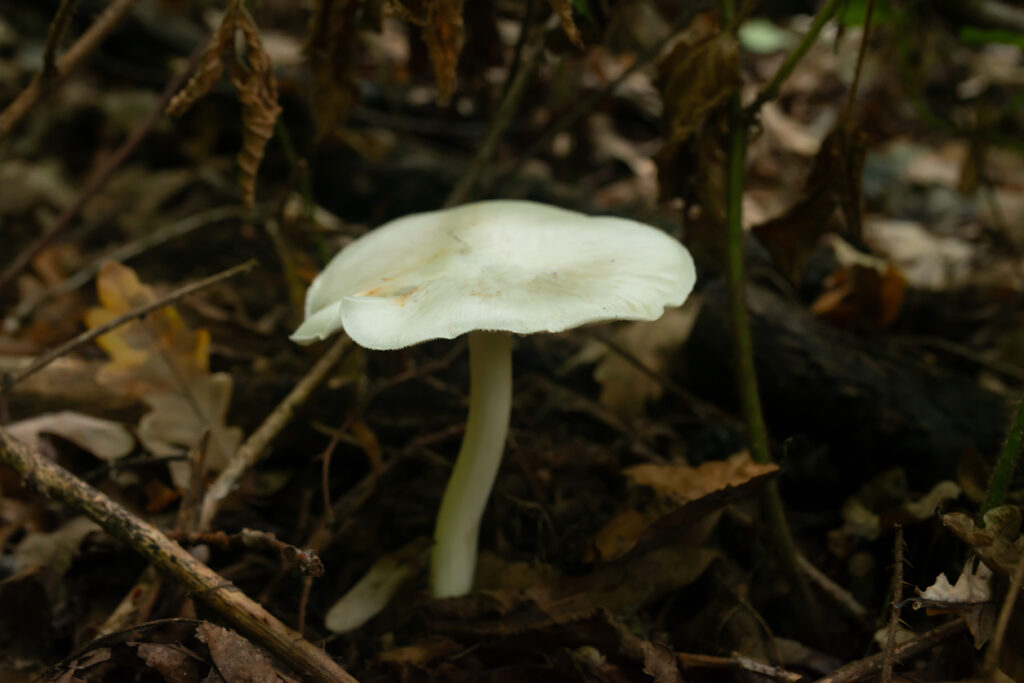
This small white mushroom grows in grassy areas and is easy to confuse with edible field mushrooms. Eating it causes nausea, sweating, and blurred vision, with symptoms kicking in quickly after ingestion.
Because it grows on lawns, it’s one of the more dangerous mushrooms for pets and children. Its innocent appearance is part of what makes it so risky.
12. Yellow stainer (Agaricus xanthodermus)
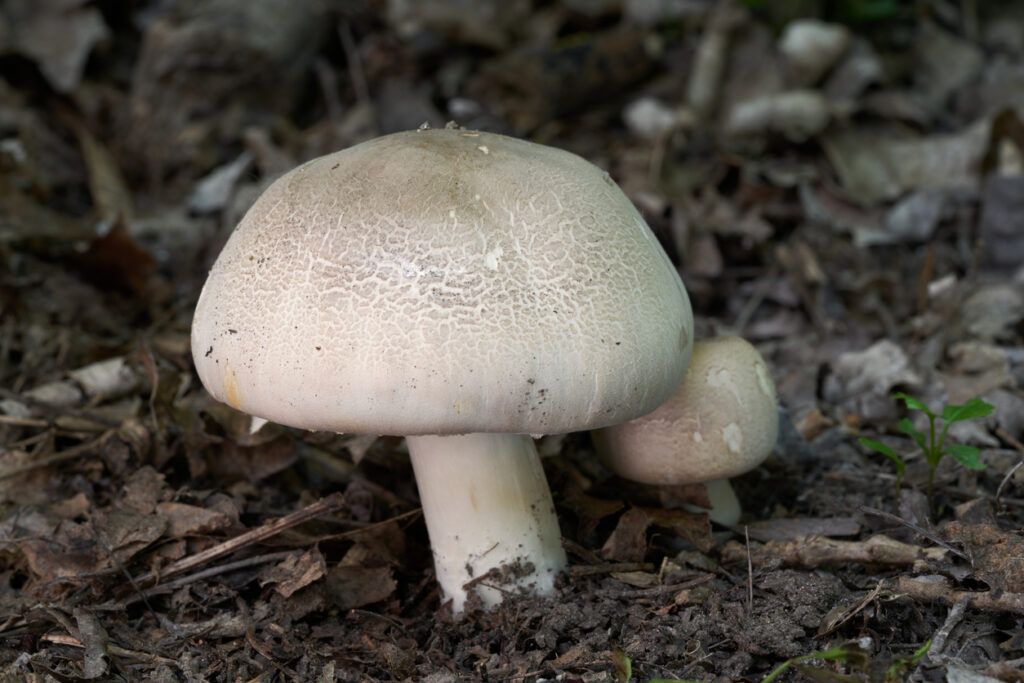
At first glance, this looks almost identical to the shop-bought mushrooms you cook with. The difference is that it bruises yellow when cut and gives off a strong chemical smell. Eating it can cause stomach pain and vomiting.
It shows why even familiar-looking mushrooms shouldn’t be picked casually. Knowing the small details is essential to avoid confusion with safe species.