Harvest festivals across Britain have long marked the end of summer and the arrival of autumn with baskets of produce carried into churches, schools, and village halls.
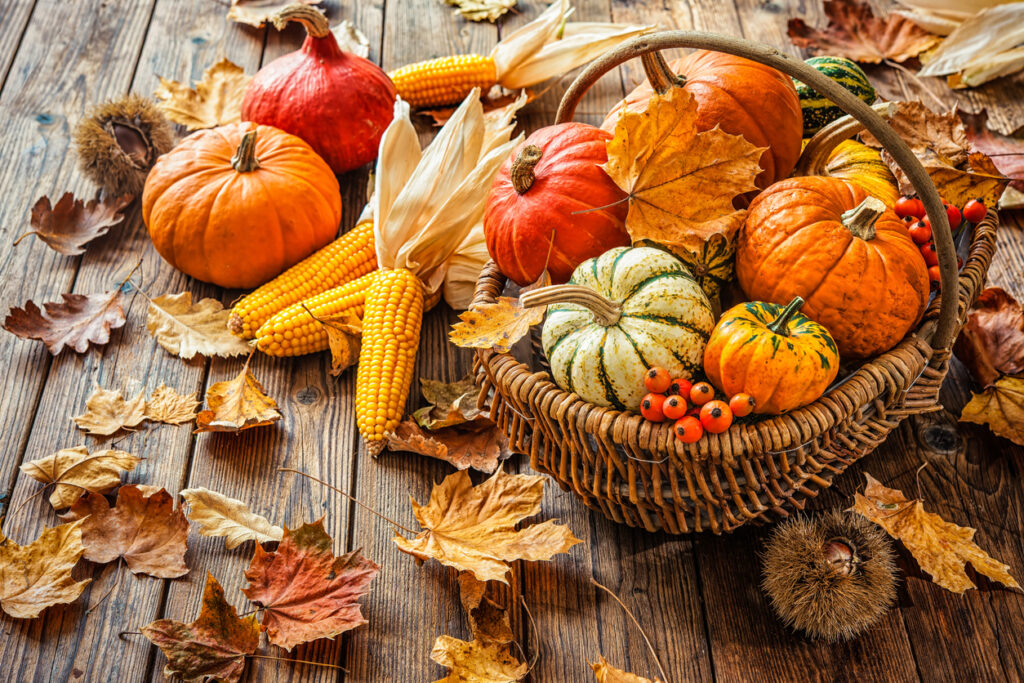
While grains and fruit take their place, it’s the vegetables that often carry the season. Grown through the long light of summer, they reach their best flavour and quality just as communities gather to give thanks. These are the vegetables that shine brightest at harvest festival time, both on the table and in the garden.
1. Pumpkins
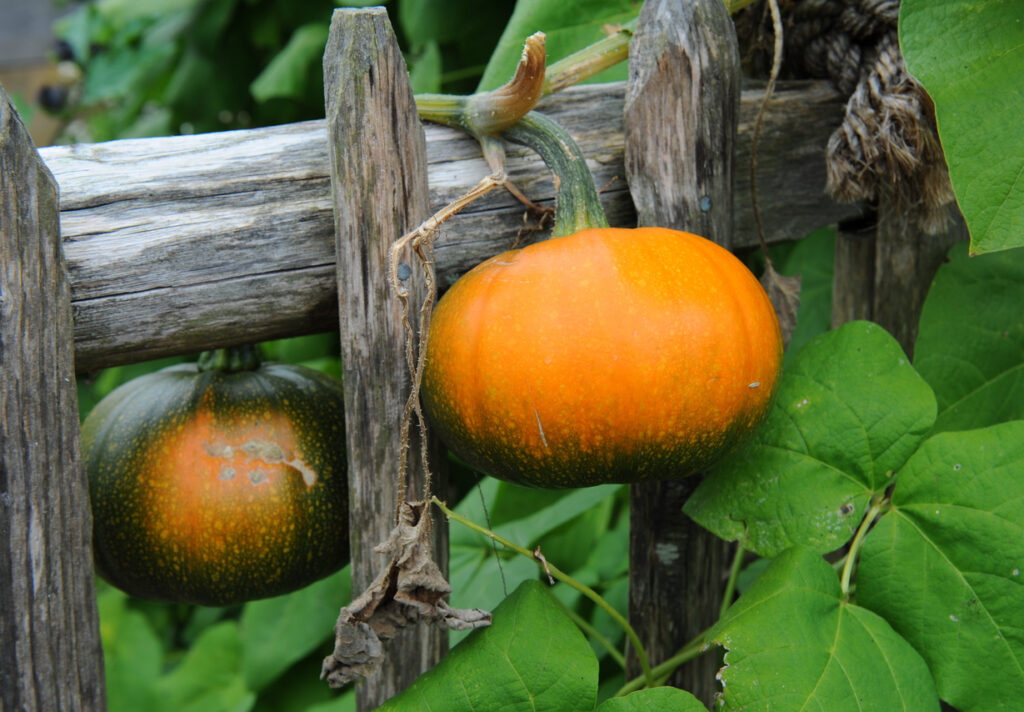
When most people think of harvest season, pumpkins are the first vegetable that comes to mind. They need long, warm summers to develop properly, and if picked too early, the skins are soft and the flavour underwhelming. Leave them too long, though, and frost can ruin the flesh, leaving them useless for either display or cooking.
Smart gardeners harvest when the skin is hard and the stem has turned woody. That timing gives a rich, nutty flavour and ensures they store well into winter. Pumpkins at their peak are not only centrepieces for displays but also perfect for soups, roasts, and pies once the festival is over.
2. Carrots
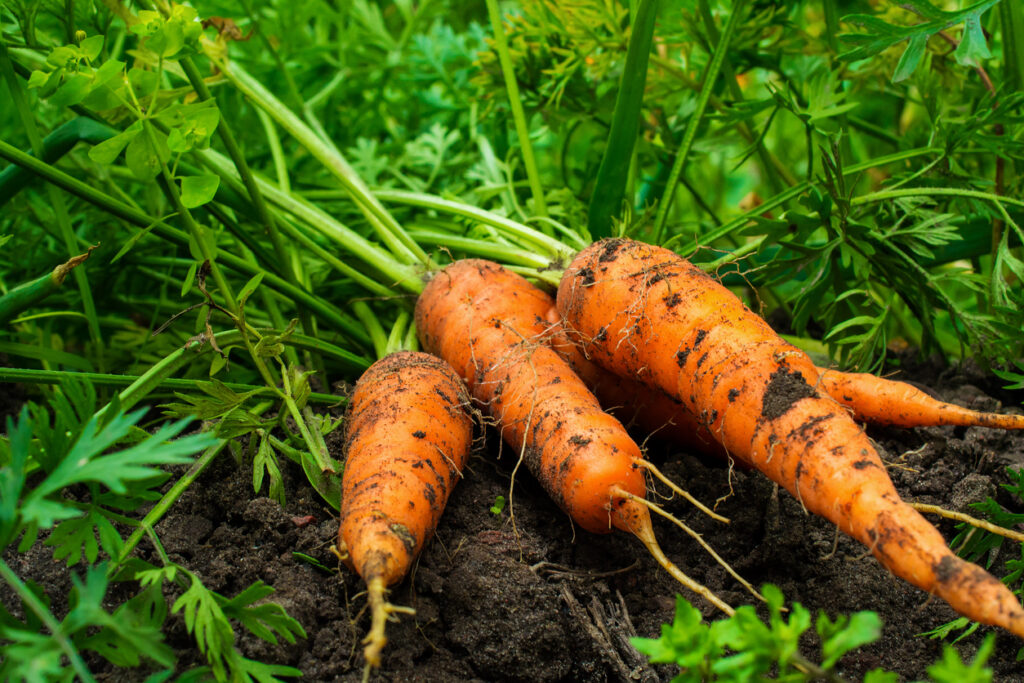
Carrots are versatile, but their peak sweetness often arrives just as harvest festivals begin. Pulled too soon, they’re thin and lack depth of flavour. Left too long, they become woody and lose the crisp bite that makes them so appealing. The balance between patience and timing is what gives them their charm in late September and October.
Gathering them at their prime means maximum sweetness and crunch. At festivals, carrots are displayed in bright bunches, their greens still attached for colour. In the kitchen, they’re ideal for hearty stews or simply roasted, where their natural sugars caramelise beautifully.
3. Cabbages
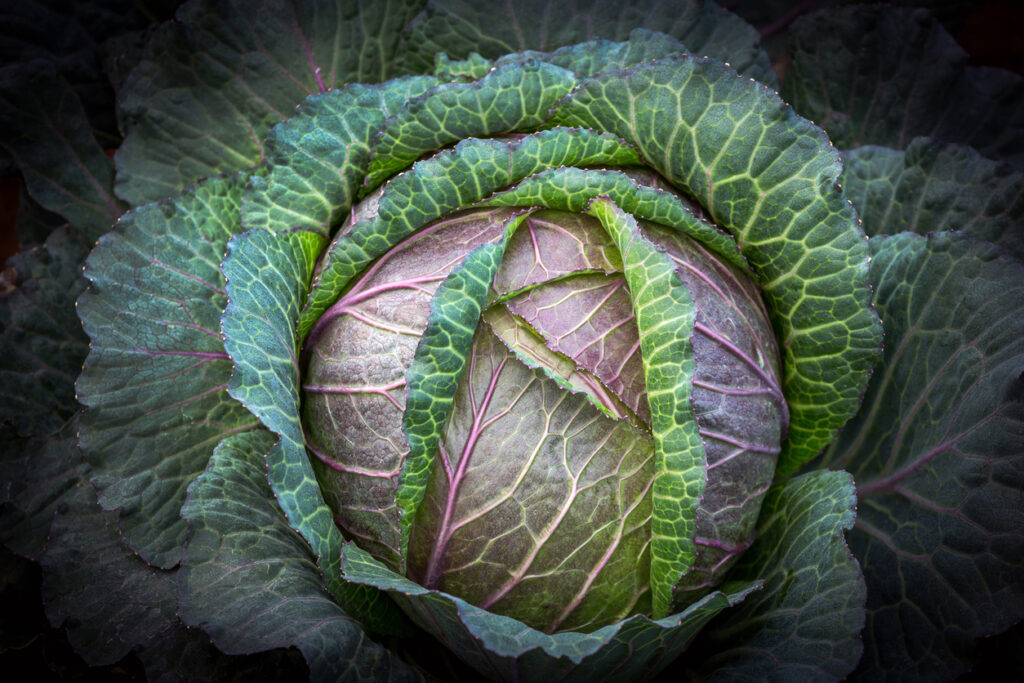
Autumn cabbages have always been a staple at British harvest festivals, but their timing is crucial. Harvest too early and the heads don’t firm up, leaving you with loose leaves. Leave them too late, and heavy frosts or pests can spoil the crop, making them less appealing to eat or display.
Picked at the right stage, cabbages are crisp and packed with flavour. They store well for weeks, which makes them practical as well as symbolic of abundance. They’re often shredded for slaws, boiled for traditional dishes, or layered into hearty pies as the season cools.
4. Leeks
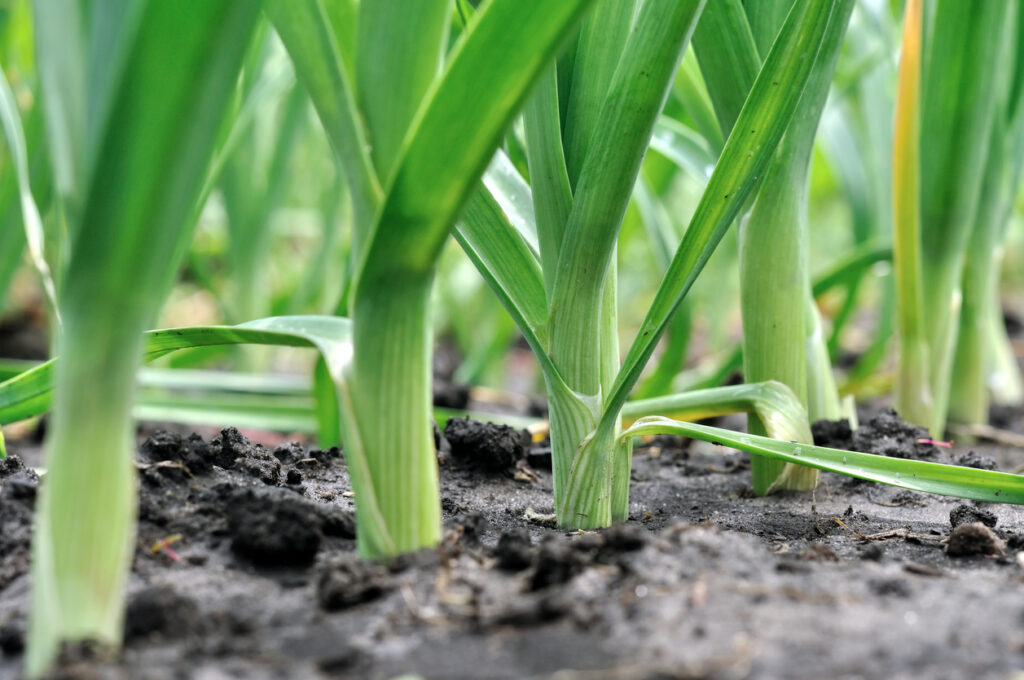
Leeks are a vegetable tied closely to autumn, but they need time to thicken before harvest. Pulled too early, they’re thin and watery. Left in waterlogged ground for too long, they risk rotting, especially when heavy autumn rains arrive. Timing them properly keeps them strong and flavourful.
Harvested at their best, leeks are sweet, tender, and sturdy enough for soups and casseroles. At festivals, their tall green leaves stand proudly in displays, and in kitchens they bring a mellow onion flavour that fits perfectly with other autumn produce.
5. Potatoes
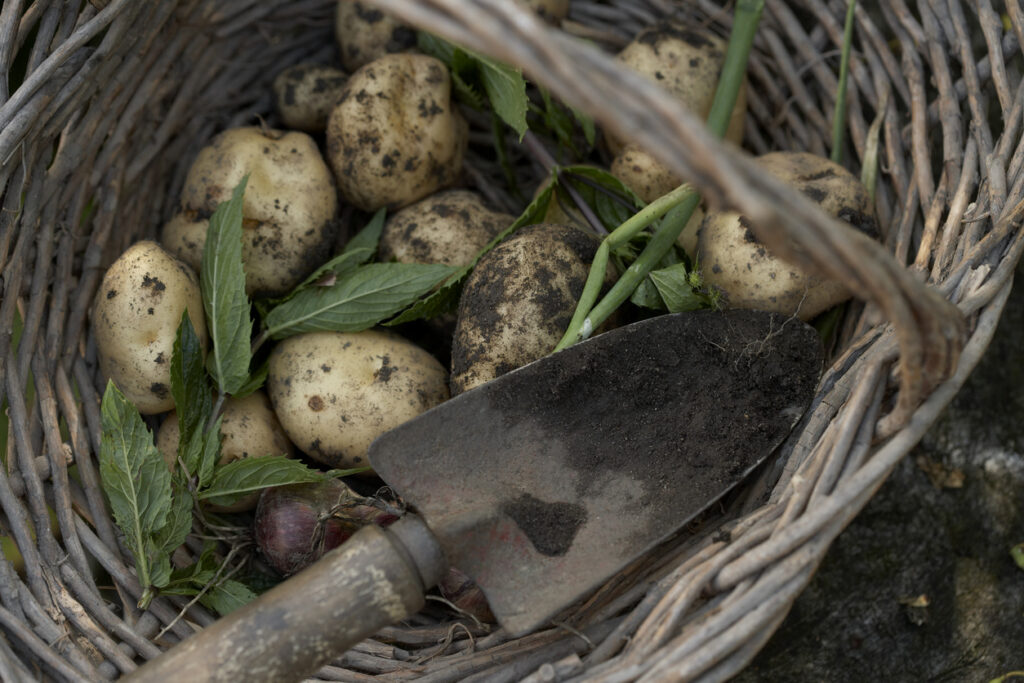
Maincrop potatoes are ready in late summer, but their true value comes when lifted in early autumn. Leave them too long and disease, rot, or frost can ruin the harvest. Take them too soon and they won’t cure properly, shortening their storage life.
When dug at the right moment, potatoes dry well and store for months. They’re piled high in baskets at festivals, symbolising sustenance and stability. In the kitchen, they’re the backbone of comfort food season, turning into mash, roasts, or baked dishes that stretch well into winter.
6. Parsnips
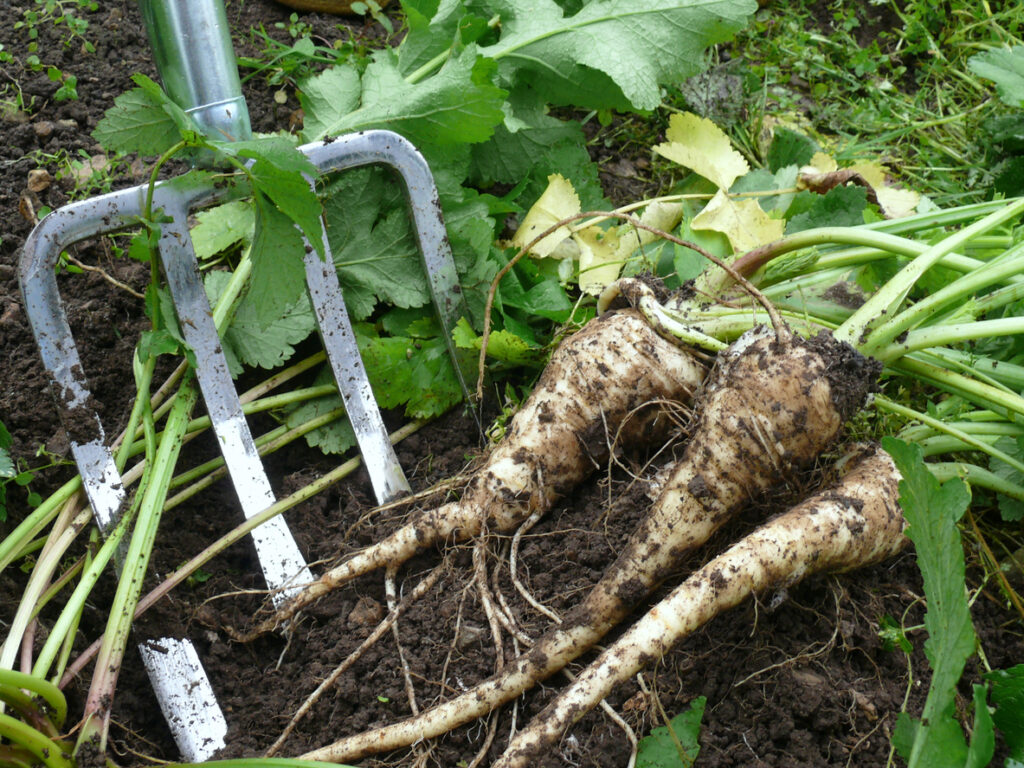
Parsnips don’t show their best until they’ve had a touch of frost. Harvest them too soon, and they taste bland, with little of the sweetness they’re known for. Their reputation for flavour comes from cold snaps that trigger starches to turn into sugars.
Leaving them in the ground until autumn chills arrive ensures depth and richness. At festivals, parsnips symbolise patience rewarded. At home, they’re best roasted, where their caramelised edges showcase why they’re such an autumn treasure.
7. Beetroot
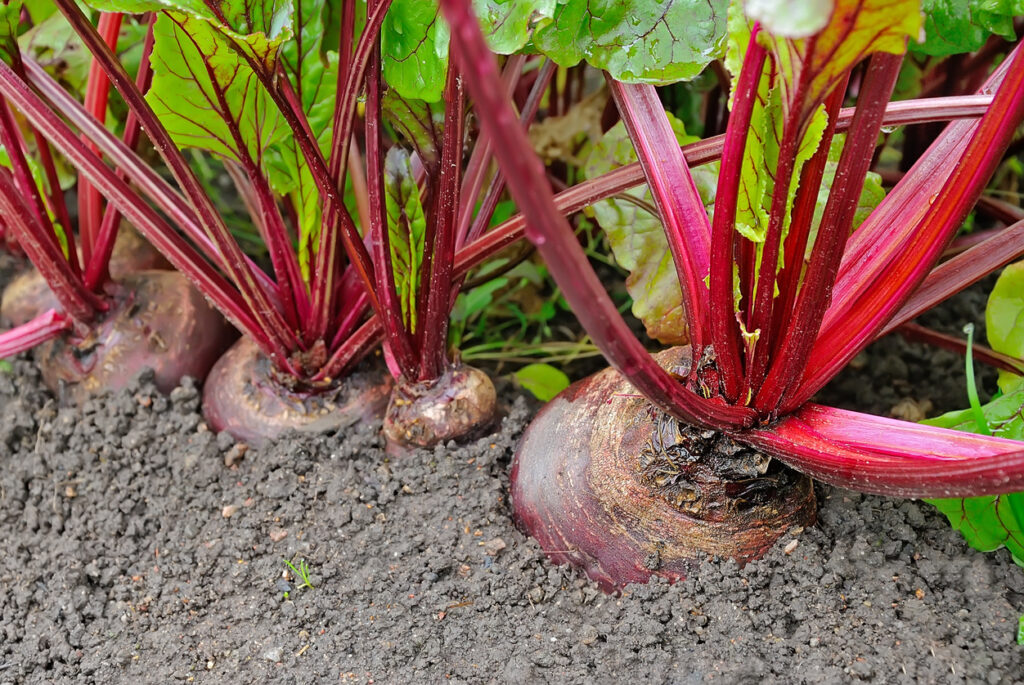
Beetroot thrives in British summers, but reaches its best flavour just as autumn begins. Pulling them too early gives you small, pale roots with little taste. Wait too long, and they turn woody and difficult to cook. Striking the right balance makes all the difference.
Picked on time, beets are sweet, earthy, and deeply coloured. At festivals, they add a splash of purple-red to the harvest table. In the kitchen, they’re roasted, pickled, or grated into salads, carrying flavour and colour into the colder months.
8. Onions
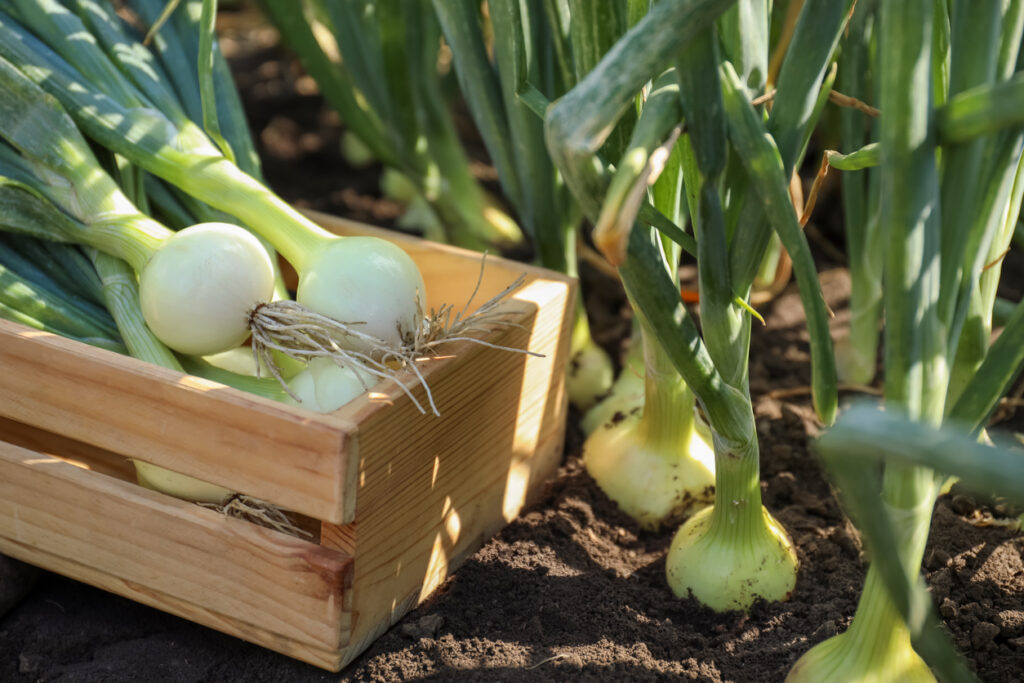
Onions planted in spring mature in early autumn, but timing the harvest is key. Lift them before their tops have naturally dried, and they won’t store well. Leave them too long in damp weather, and they quickly rot, wasting the crop.
Collected at the right moment, onions cure well and store for months in a cool, dry space. At harvest festivals, they’re often braided and hung for display. In kitchens, they’re a foundation ingredient for countless autumn meals, making them indispensable.
9. Kale
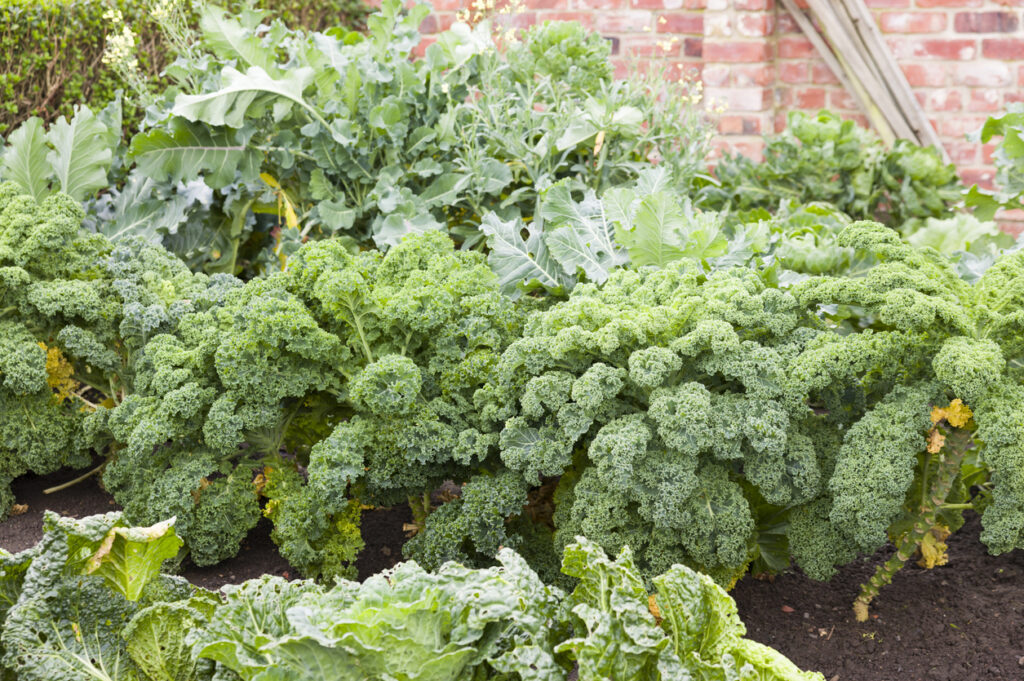
Kale tolerates heat, but its best flavour and texture appear as temperatures drop. Grown through hot months, it turns bitter and tough. Waiting until autumn cools the air produces tender leaves full of earthy sweetness, making it a seasonal highlight.
Harvesting kale in autumn gives cooks a versatile green that works in soups, stews, or sautés. At festivals, it represents resilience, continuing to grow even after other crops fade. It also provides ongoing harvests into winter, long after other vegetables are gone.
10. Turnips
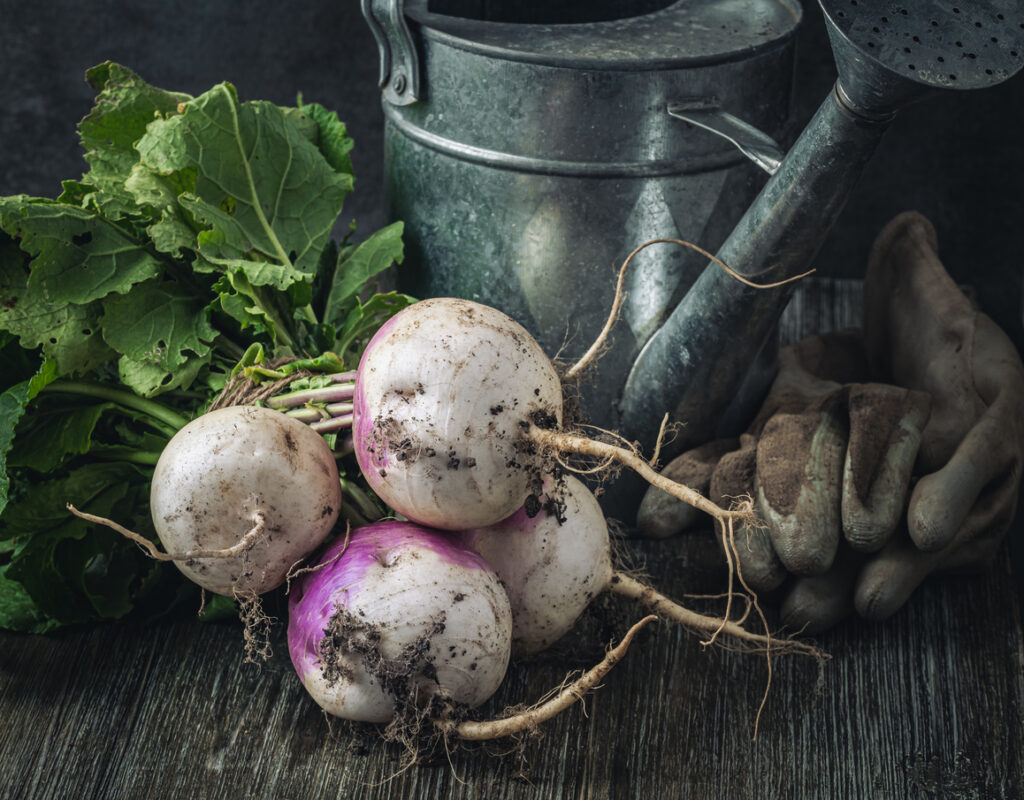
Turnips are ready for harvest in autumn when they’ve built up size and sweetness. Pulling them early gives small, bland roots. Leave them too long, and they become woody, stringy, and unappealing to eat, which means wasted effort at the worst time.
Picked at peak, they’re tender, mild, and reliable. At festivals, they’re one of the traditional staples laid out in baskets. Cooked in soups, stews, or mashed, they embody the practicality and heartiness of the harvest season.