We think we’re pretty sophisticated with our five senses, and in many ways, we are.

However, compared to what some animals can pick up on, we’re basically stumbling around blind and deaf. These are some of the most incredible abilities of creatures around the world that make humans look downright elementary.
1. Sharks can detect electrical fields from heartbeats.
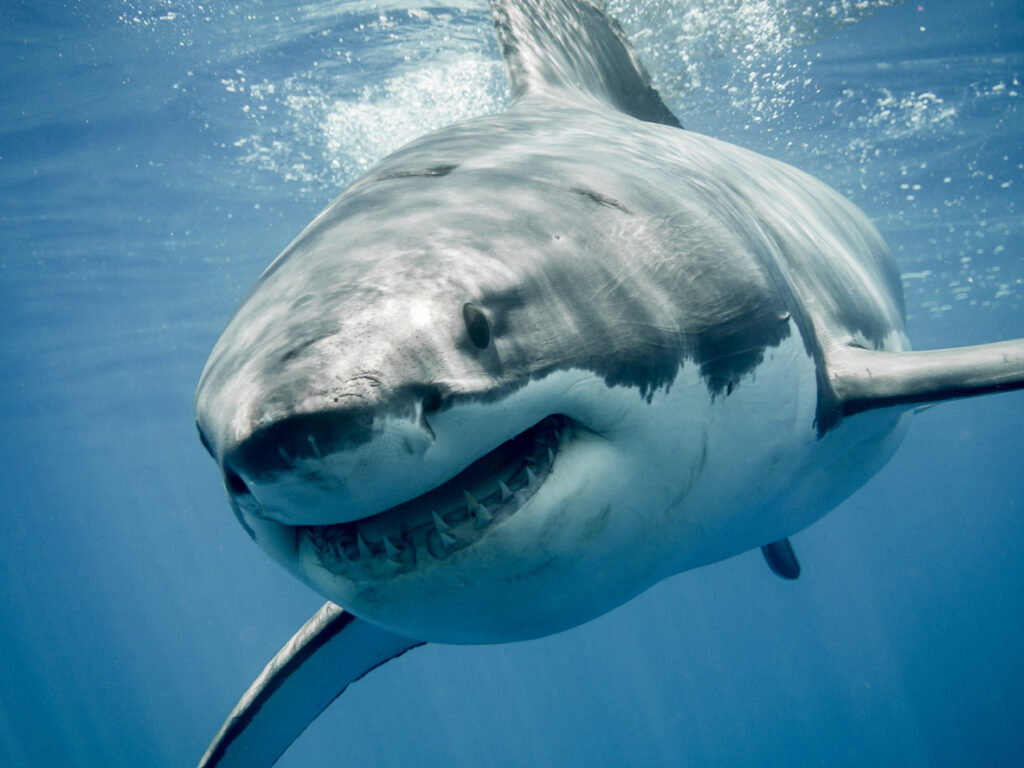
Sharks have organs called ampullae of Lorenzini that pick up the electrical fields generated by other animals’ muscles and nervous systems. They can sense the electrical activity from a fish’s gills or your beating heart from several metres away.
Their electroreception is so sensitive that sharks can hunt in complete darkness or murky water, where vision is useless. They’re essentially living metal detectors that can find prey based on bioelectricity alone, making our reliance on sight seem incredibly limited.
2. Elephants communicate through ground vibrations.

Elephants can detect infrasound—sound waves below human hearing range—through specialised cells in their feet and trunks. They pick up vibrations travelling through the ground from other elephants up to 10 kilometres away.
This seismic communication network lets elephant herds coordinate across vast distances, sharing information about food, water, and danger. We need mobile phones to stay in touch across long distances, but elephants have been doing it through their feet for millions of years.
3. Mantis shrimp see colours we can’t even imagine.
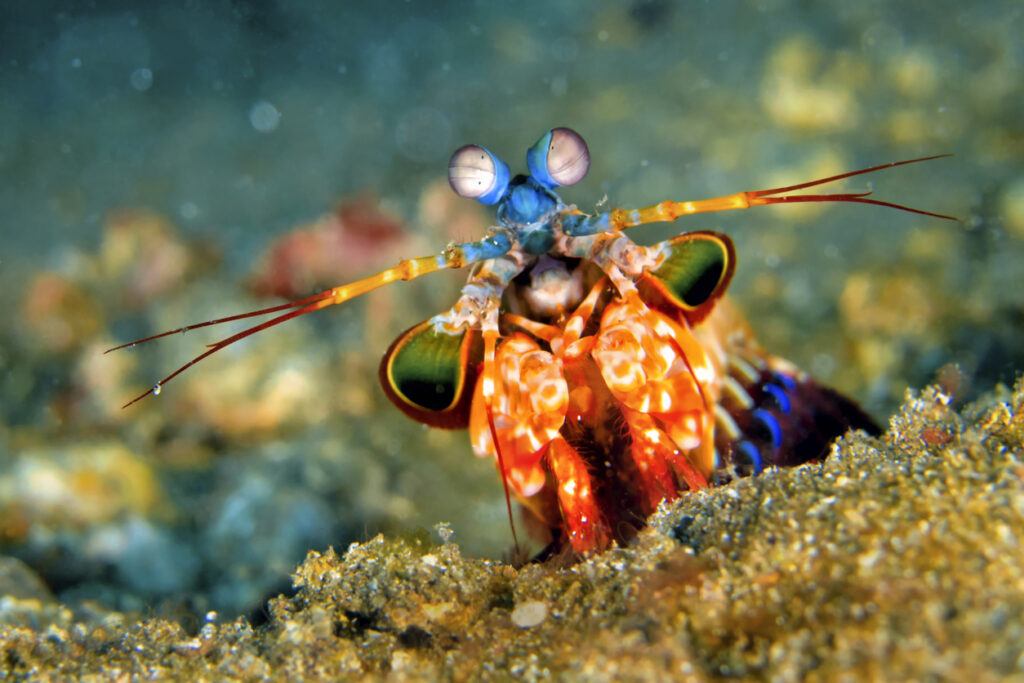
While humans have three types of colour receptors, mantis shrimp have sixteen different types, allowing them to see ultraviolet, infrared, and polarised light. They can distinguish between colours that would look identical to us.
Their colour vision is so advanced that they can see cancerous tissue in ways that might help medical science. We’re essentially colour-blind compared to these marine crustaceans, who live in a visual world we can’t even comprehend.
4. Bats navigate using sound maps.
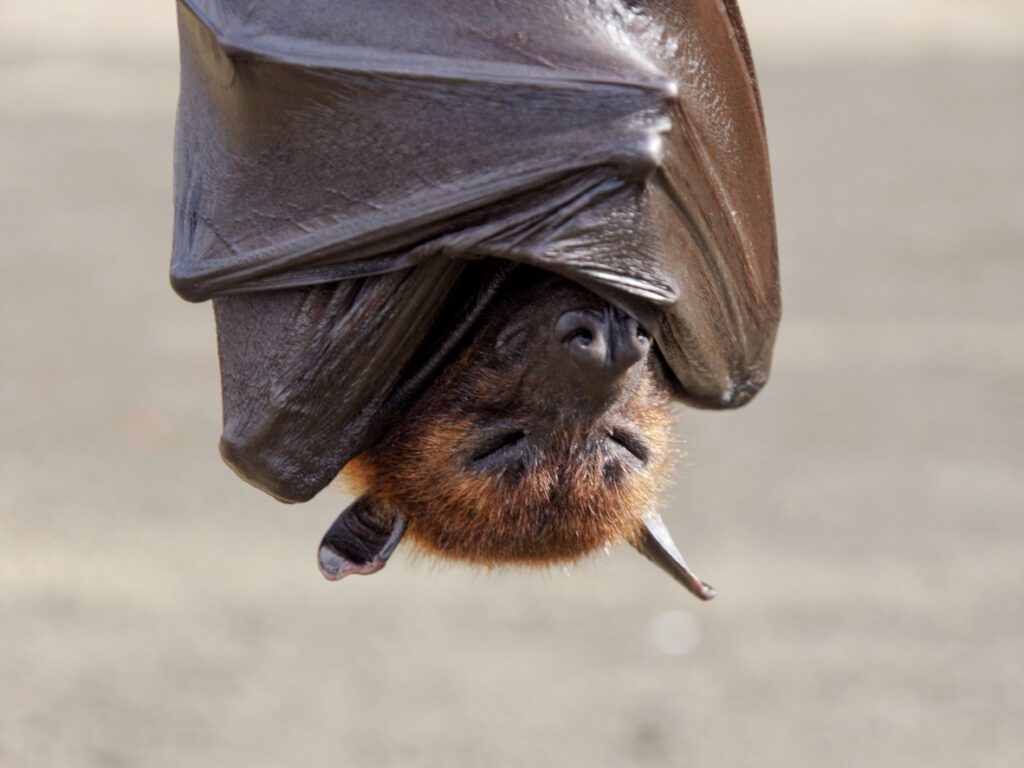
Echolocation allows bats to build detailed three-dimensional maps of their environment using sound waves. They can distinguish between objects as thin as human hair and identify the texture, size, and movement of targets in complete darkness.
Some bats can even adjust their echolocation frequency to avoid jamming each other when hunting in groups. We need GPS and sonar technology to achieve what bats do naturally with their voices and ears.
5. Dogs smell in layers like we see colours.

Dogs have up to 300 million olfactory receptors compared to our measly 6 million, and they can smell in stereo to determine direction. They don’t just detect scents—they can smell emotions, diseases, and even the passage of time through scent trails.
A dog walking past a tree doesn’t just smell “dog urine”—they can tell which individual dog it was, when they were there, what they’d eaten, and their emotional state. We experience the world visually, while dogs live in a rich, layered universe of scent information.
6. Pigeons use magnetic fields as a compass.
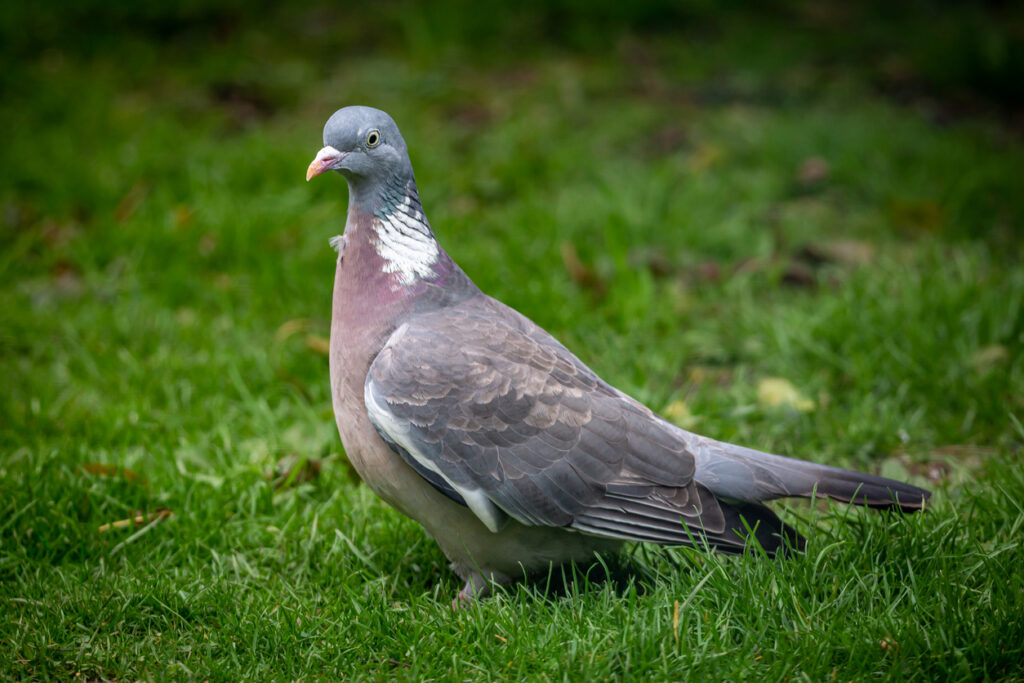
Pigeons have magnetoreceptors that allow them to perceive Earth’s magnetic field lines, essentially giving them a built-in compass that works anywhere on the planet. They can navigate home from hundreds of miles away using magnetic information we can’t detect.
This magnetic sense is so precise that pigeons can distinguish between magnetic variations that occur over just a few metres. We need sat-nav to find our way around town, but pigeons navigate using the planet’s magnetic field like a natural GPS system.
7. Snakes see heat signatures like thermal cameras.
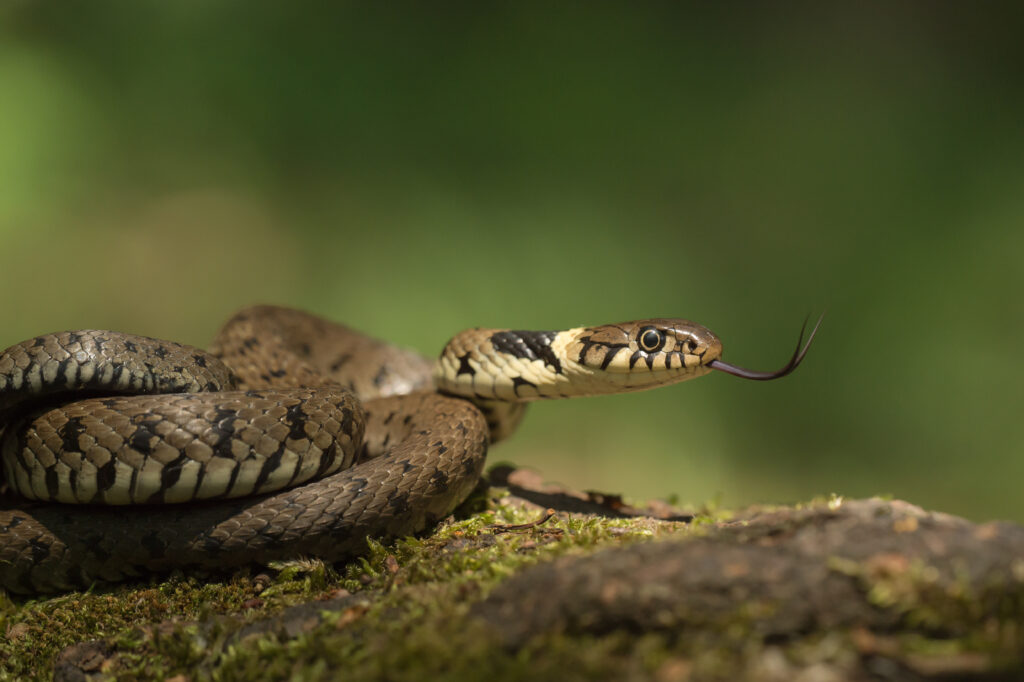
Pit vipers and pythons have heat-sensing organs that detect infrared radiation, allowing them to see warm-blooded prey as glowing heat signatures. They can spot a mouse in total darkness based purely on its body temperature.
This thermal vision is so sensitive that some snakes can detect temperature differences of just 0.003 degrees Celsius. Military thermal imaging technology is essentially copying what snakes have been doing naturally for millions of years.
8. Spiders feel vibrations through their webs like violin strings.
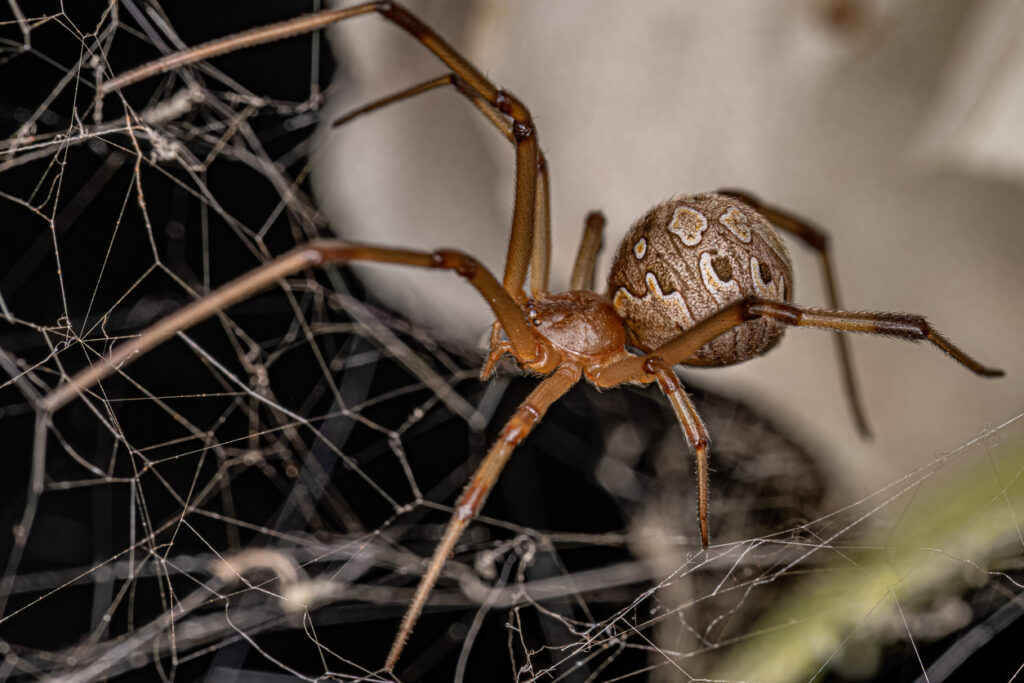
Spiders use their webs as an extension of their sensory system, feeling vibrations that tell them the size, location, and struggle intensity of trapped prey. They can distinguish between wind, prey, potential mates, and threats based on web vibrations alone.
Different parts of the web vibrate at different frequencies, giving spiders detailed information about what’s happening across their entire territory. We’d need multiple pressure sensors and computer analysis to interpret the information spiders process naturally through their legs.
9. Salmon navigate oceans using their sense of smell.

Salmon can remember and recognise the unique chemical signature of their birth stream among thousands of similar waterways. They navigate thousands of miles across open ocean and return to the exact same spot where they were born.
This olfactory navigation system is so precise that salmon can distinguish between streams that are just metres apart. We can barely remember where we parked our car, but salmon navigate across entire oceans using scent memories from years earlier.
10. Platypus hunt using electrical touch.
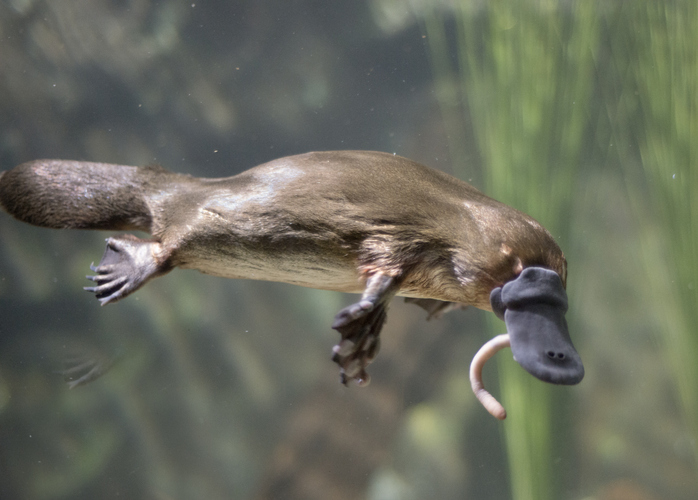
The platypus bill contains around 40,000 electroreceptors that detect electrical fields from muscle contractions in other animals. When they dive underwater with their eyes and ears closed, they hunt purely through electrical sensation.
This bioelectric sense is so refined that platypus can tell the difference between living prey and inanimate objects underwater. They’re essentially hunting with a built-in electrical detector that makes underwater foraging possible in murky conditions where other senses fail.