Some British birds produce songs so unusual they sound less like nature, and more like something from a machine or sci-fi soundtrack.
These calls can surprise even experienced birdwatchers, especially if they’re encountering a rare species not often heard in the UK. Here are the incredible birds whose voices hardly sound birdlike at all.
1. Eurasian bittern’s booming foghorn
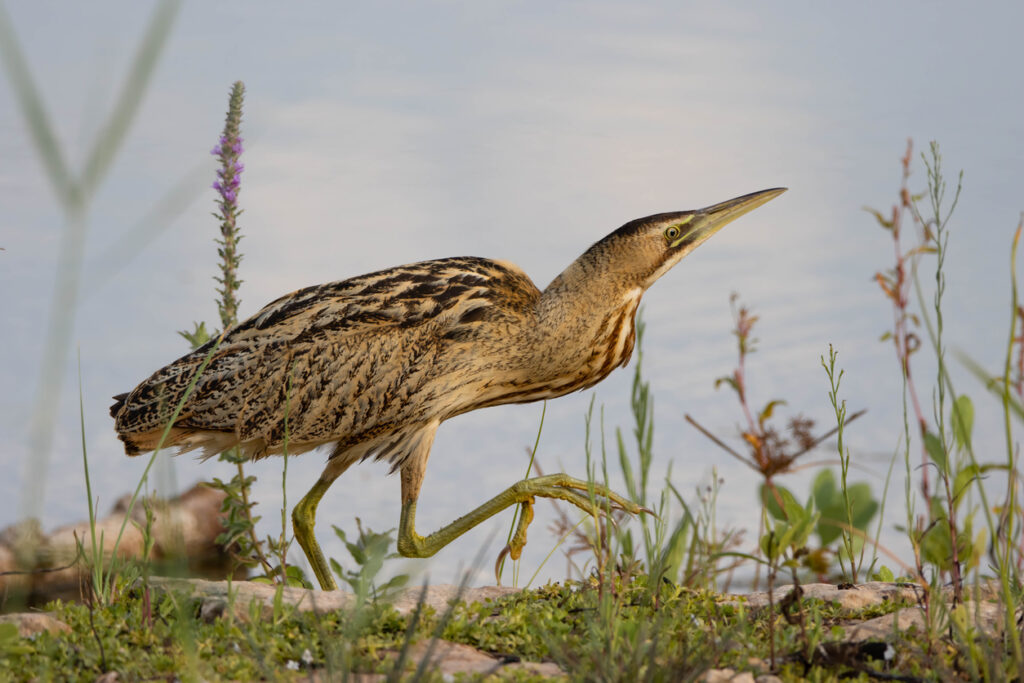
The Eurasian bittern is often hidden in reed beds, but its call is anything but subtle. The low, booming sound carries for miles and is sometimes compared to a foghorn or distant engine starting up.
The bizarre sound comes from the bird inflating its throat and forcing out air. Hearing it on a still morning feels more like listening to heavy machinery than a bird in the marshes.
2. Manx shearwater’s ghostly cries
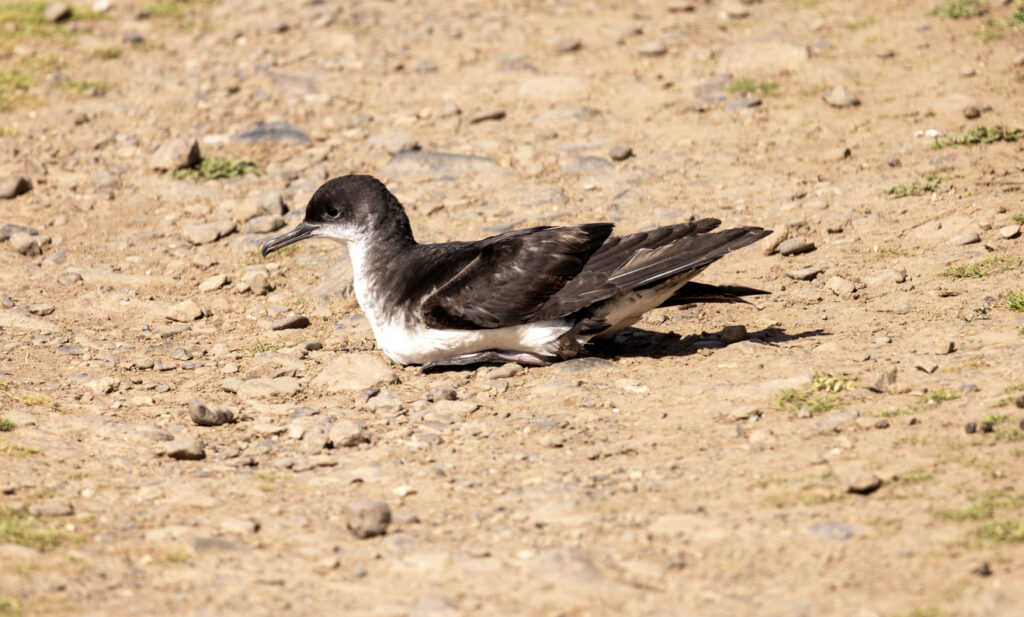
At night on remote islands, the Manx shearwater fills the air with haunting, wailing calls. These eerie noises once fuelled folklore, with sailors believing they were the voices of restless spirits drifting over the cliffs.
In reality, these cries are the contact calls between birds returning to their burrows. Still, they sound unnervingly human, echoing like a chorus of groans in the darkness.
3. Storm petrel’s purring chatter
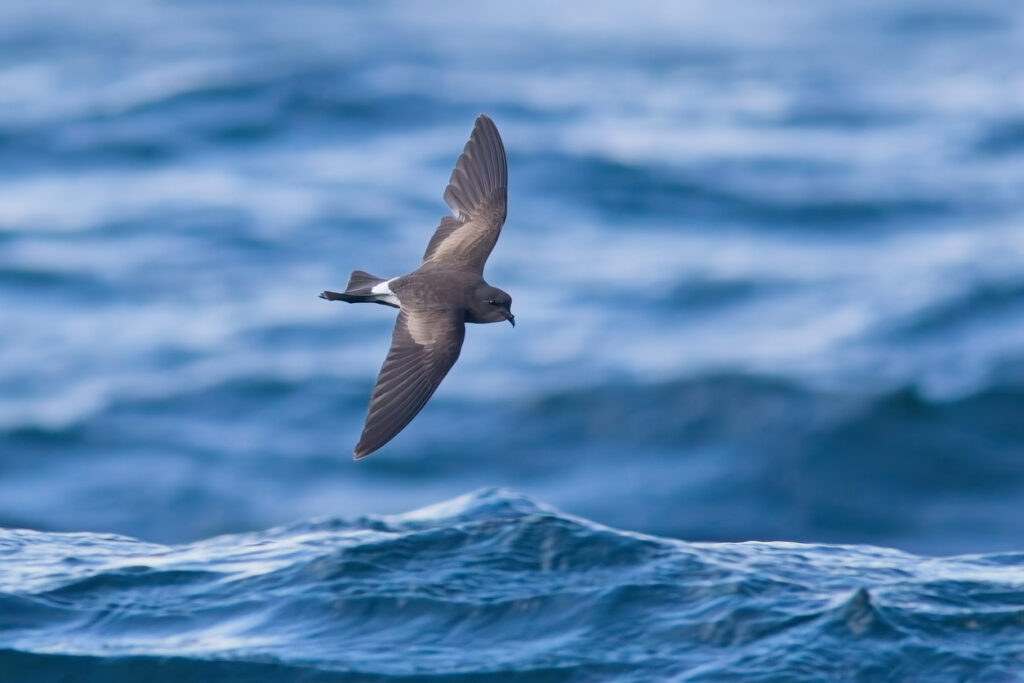
Britain’s smallest seabird, the storm petrel, makes sounds that seem more mammal than bird. Their rolling, purring trills are produced in nesting burrows and sound strangely like a cat or even a vibrating phone.
This odd call helps mates locate each other in the dark. To anyone listening, though, it’s a noise so unexpected that many people would never guess it came from a bird.
4. Common snipe’s drumming display
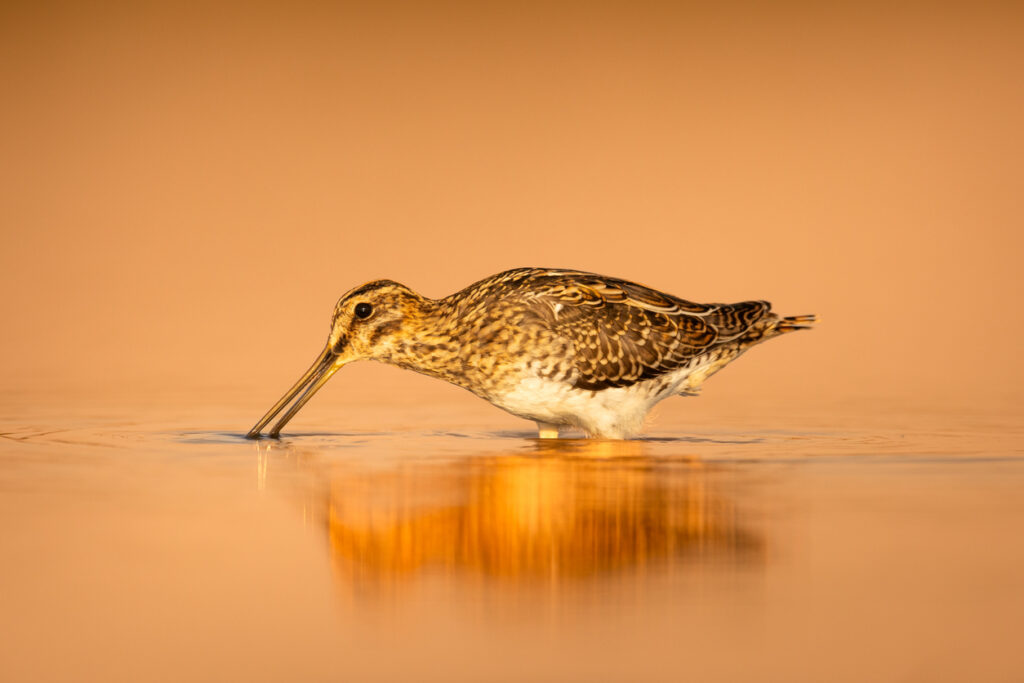
Unlike most birds, the snipe’s strangest sound does not come from its voice. During mating displays, air rushing through its tail feathers produces a haunting “drumming” noise that echoes across wetlands at dusk.
The eerie tremor sounds like a bleating goat or even a wavering instrument. It’s one of the oddest natural sounds in the British countryside, yet entirely feather-made.
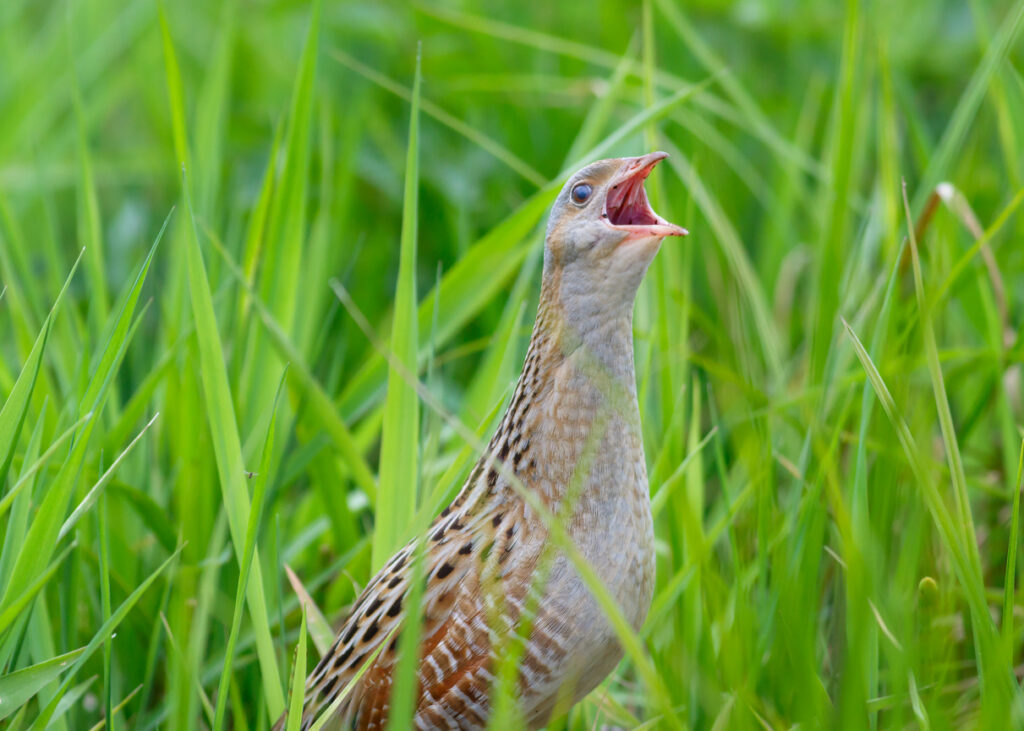
5. Corncrake’s rasping rattle

The corncrake is rarely seen, but its call is unforgettable. It makes a harsh, grating rasp that repeats endlessly through summer nights in meadows and crofts. To many, it sounds more like a mechanical rattle than a bird.
This relentless croak can carry across fields and was once a common sound in the UK. Now rare, it remains one of the most unnatural-sounding calls in British birdlife.
6. Nightjar’s endless churring
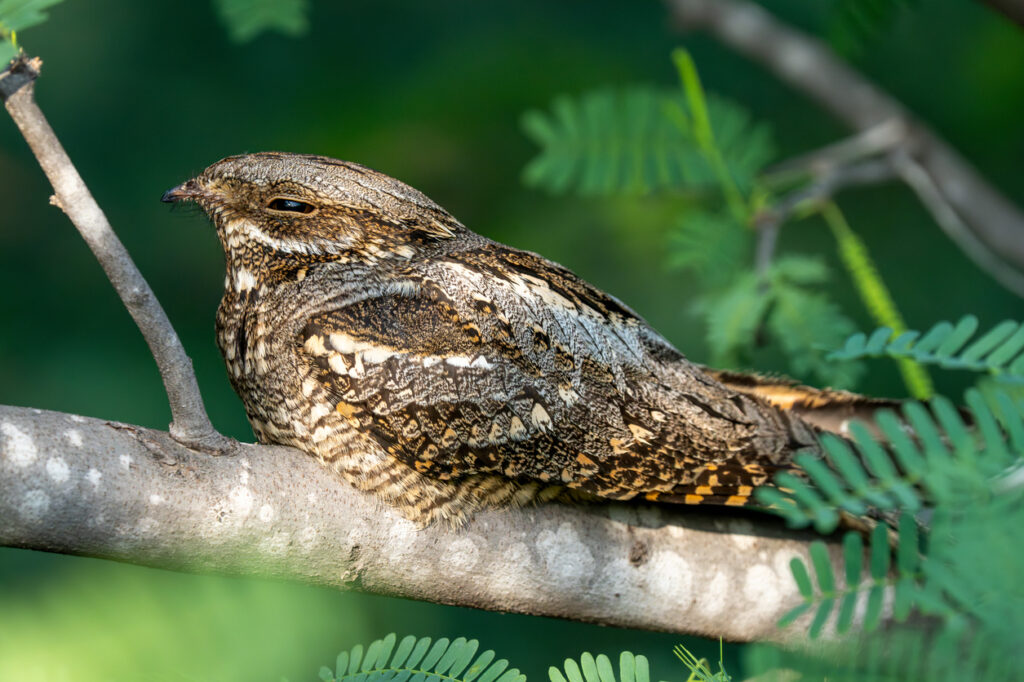
Nightjars produce a long, vibrating “churr” that drones on for minutes without pause. This low, mechanical buzz resembles the hum of an engine or a far-off generator rather than a bird’s song.
Often delivered at dusk from treetops or clearings, the nightjar’s call is as hypnotic as it is strange. It blends so seamlessly with background sounds that it feels almost artificial.
7. Tawny owl’s human-like screech
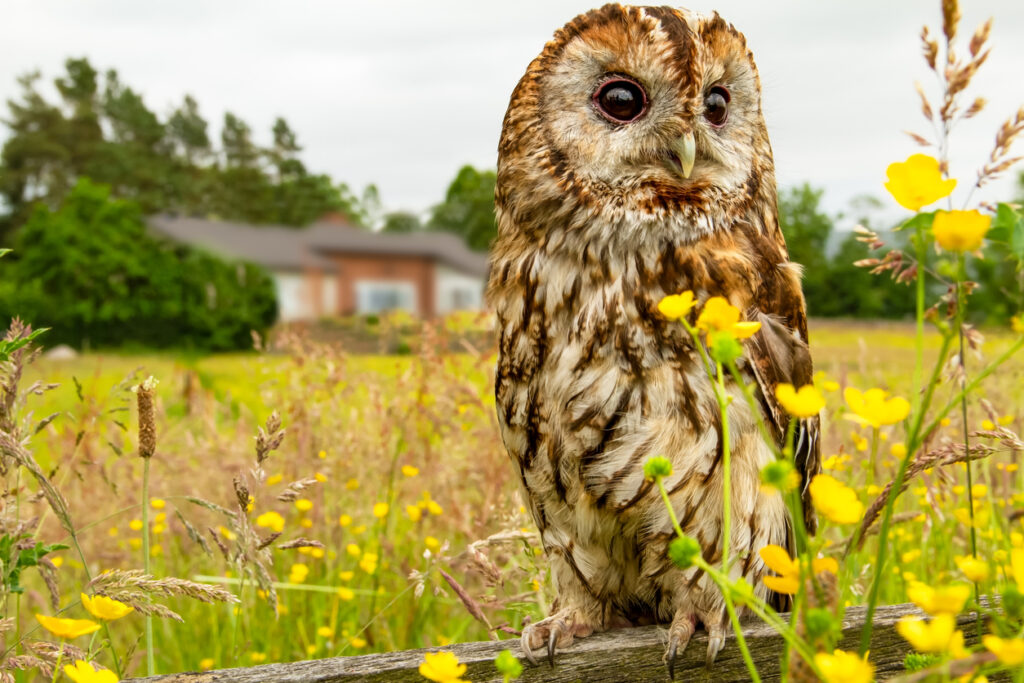
The classic “twit-twoo” of the tawny owl is well known, but their sharp screeches are far less charming. These piercing cries echo through woods at night and sound startlingly like a human scream.
This unnerving noise has long fuelled ghost stories and superstitions. When heard unexpectedly, it can make even seasoned walkers feel a shiver down their spine.
8. Red grouse’s bubbling laugh
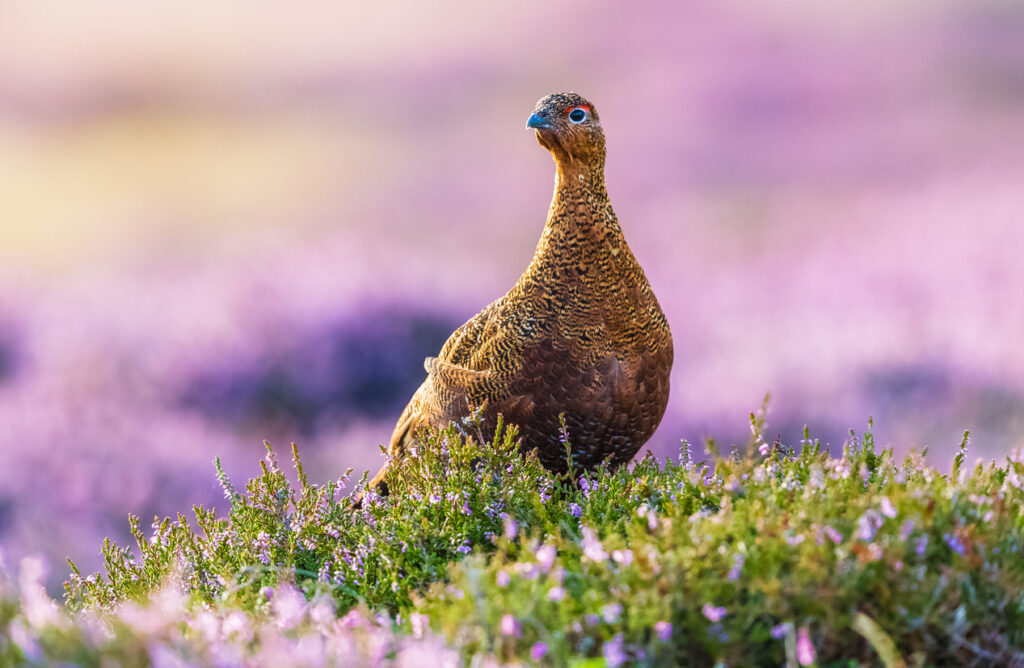
Red grouse calls resemble a bubbling, chuckling laugh. The staccato bursts are sometimes described as “go back, go back” and can sound comically odd when echoing across the moors.
The sound is so distinctive that it has become part of grouse folklore. Yet to those hearing it for the first time, it can seem more like a cartoon voice than a wild bird.
9. Lapwing’s electronic whirrs
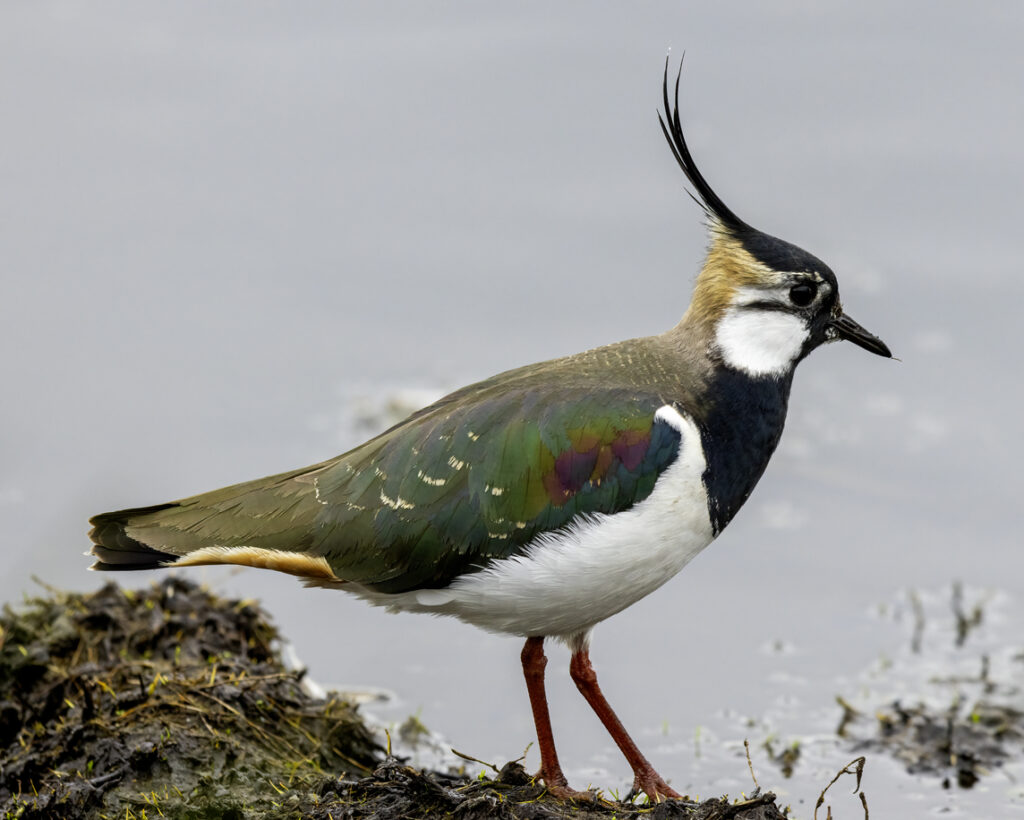
The northern lapwing produces a dazzling variety of sounds, many of which resemble electronic effects rather than natural calls. Their whirrs, bleeps, and squeaks echo across farmland and wetlands in spring.
These quirky noises are so varied that they could be mistaken for man-made gadgets. Their playful strangeness adds to the lapwing’s reputation as one of Britain’s most charismatic birds.
10. Little owl’s yapping cries
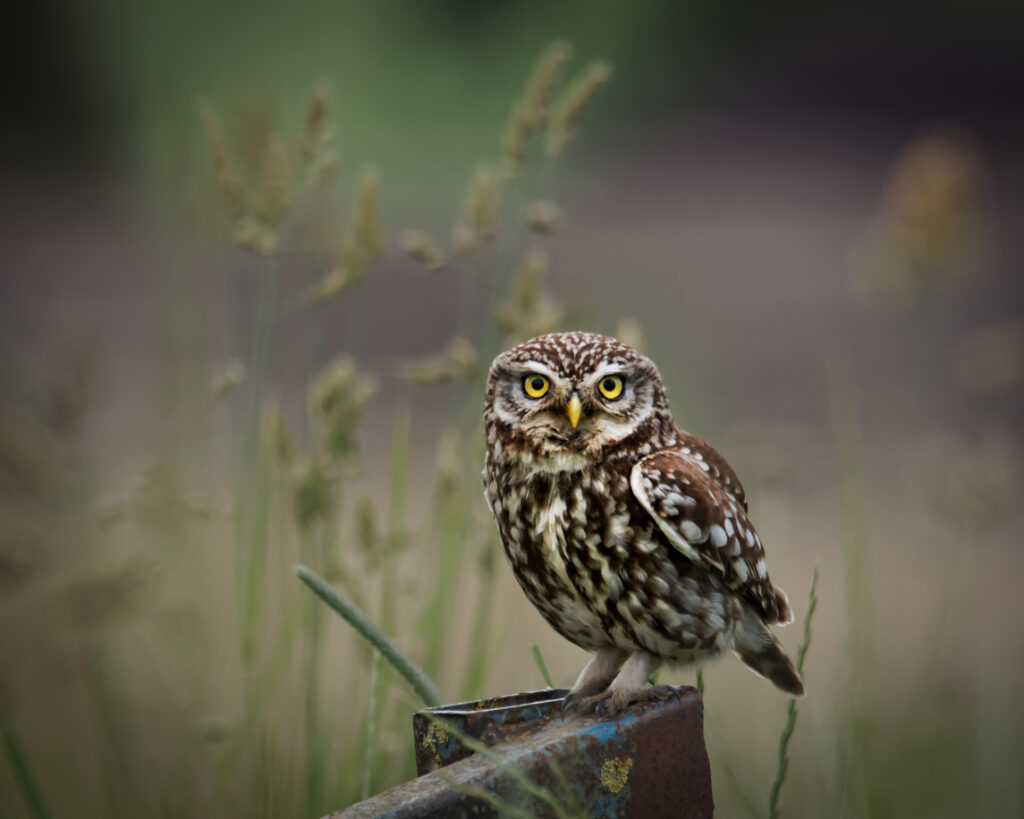
Little owls make short, sharp yaps that sound remarkably like a small dog. These calls, often repeated rapidly, can catch people off guard when heard echoing from farm buildings or old trees.
Although small, their voices carry surprisingly far. The uncanny dog-like barking adds to the sense that these owls are out of place among Britain’s more familiar bird calls.
11. Barn owl’s chilling hiss

Barn owls are often associated with silent, graceful flight, but their call is shockingly harsh. Instead of a hoot, they unleash a long, rasping hiss that sounds like a burst of static or escaping steam.
This unearthly noise has startled countless people in the countryside at night. It seems too harsh for such a delicate bird, adding to the barn owl’s ghostly reputation.
12. Curlew’s wailing cry
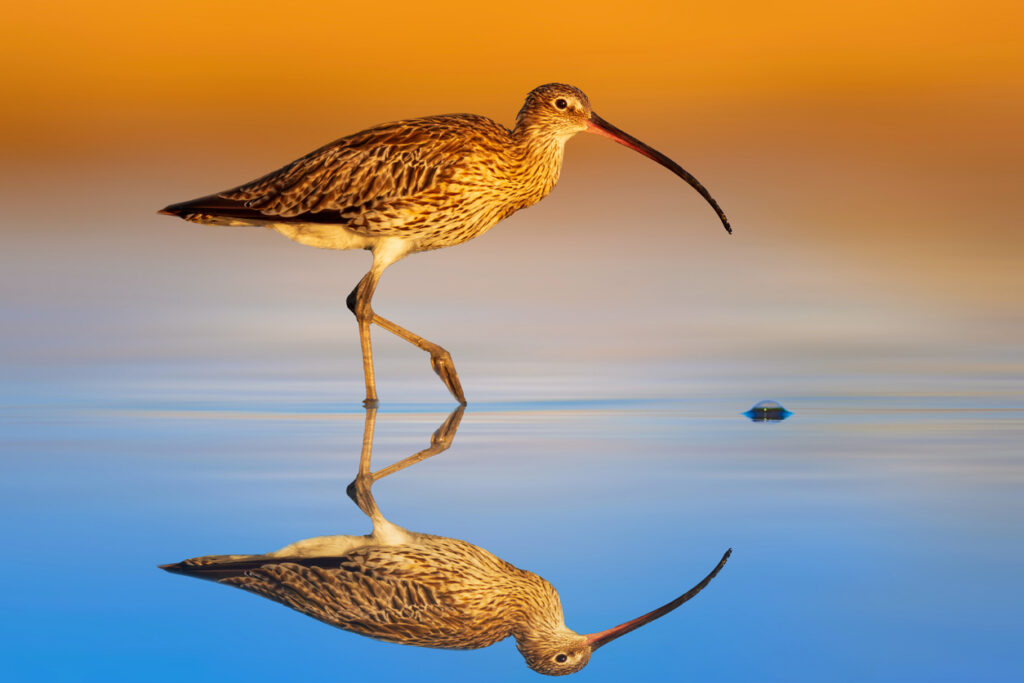
The curlew’s long, drawn-out call rises and falls like a haunting whistle. Heard across estuaries and moors, it sounds eerie and mournful, carrying with it a strangely human tone of sadness.
This haunting quality has inspired poetry and folklore for centuries. To some ears it sounds beautiful, but to others it feels unsettlingly unnatural against the open landscapes it fills.
13. Gannet’s harsh cackling
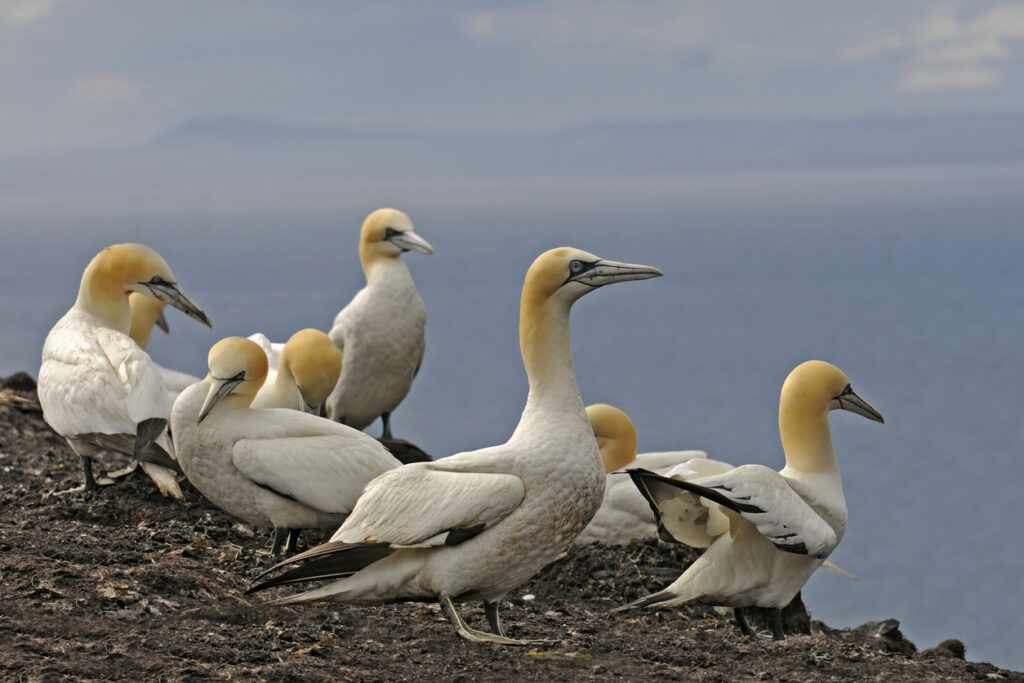
Large seabird colonies of gannets are loud and chaotic, filled with cackling cries that sound far closer to deranged laughter than birdsong. The racket can be overwhelming when hundreds call at once.
Their harsh, braying voices echo across cliffs and seas. The sheer volume and unnatural quality make the gannet colony sound more like a crowd of quarrelling people than a gathering of birds.
14. Coot’s explosive squeaks
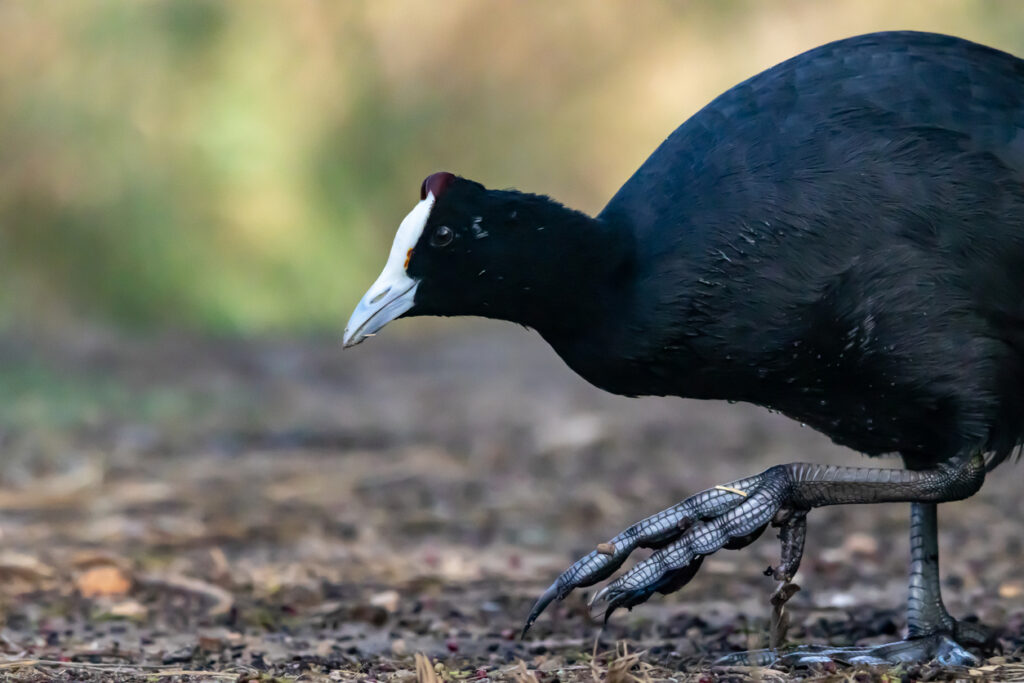
Coots are small waterbirds, but their calls are startlingly loud. They emit explosive squeaks and squawks that sound more like fireworks or squealing tyres than anything organic. These bursts cut sharply across ponds and lakes.
The harshness of their calls contrasts with their simple appearance. For many, hearing a coot for the first time is a shock because the noise sounds oddly mechanical rather than natural.