Everyone loves dinosaurs, and they’ve definitely earned their reputation as the coolest prehistoric creatures.

However, Earth’s ancient history is packed with animals that were so bizarre, terrifying, and downright ridiculous that they make T. rex look like a perfectly normal lizard. These forgotten monsters and weirdos roamed the planet long before dinosaurs showed up, and some of them hung around long after dinosaurs disappeared, proving that evolution has always had a seriously wild imagination.
1. Anomalocaris was basically a sea monster with grabby arms.
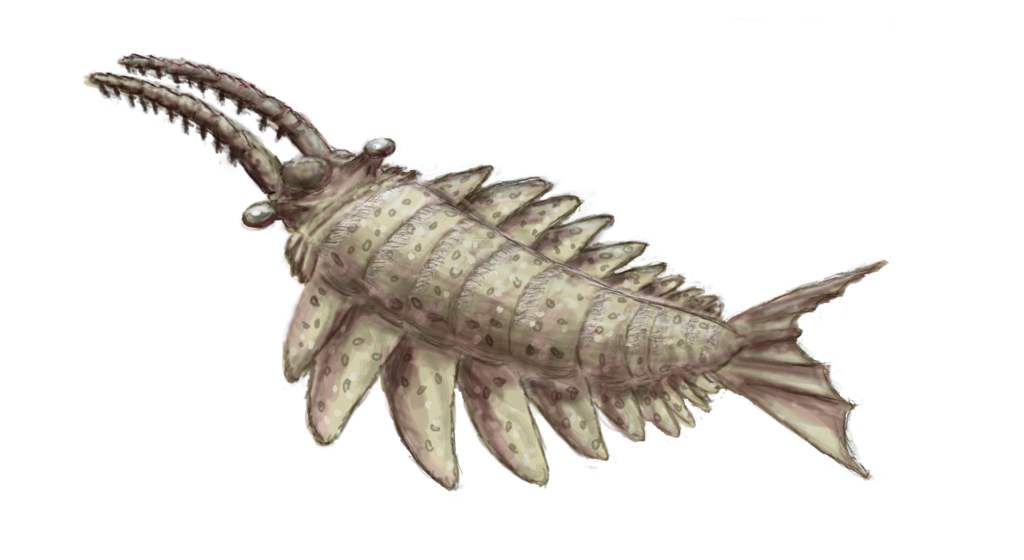
This massive ocean predator looked like someone took a shrimp, made it six feet long, and gave it two enormous flexible arms that could grab prey like underwater tentacles. Anomalocaris cruised the ancient seas half a billion years ago, and it was basically the apex predator of its time, with eyes the size of dinner plates.
The name literally means “abnormal shrimp,” which is probably the most underwhelming description possible for something that was essentially a giant swimming nightmare with compound eyes and grasping appendages. It makes great white sharks look cuddly and reasonable by comparison.
2. Helicoprion had a buzzsaw mouth that defies explanation.

This ancient shark relative had a lower jaw that curved into a spiral of teeth that looked like a circular saw blade, and scientists still can’t figure out exactly how it used this bizarre dental equipment. The tooth spiral could contain dozens of teeth arranged in a perfect whorl that just kept growing throughout the animal’s life.
Imagine trying to eat with a buzzsaw permanently attached to your chin, and you’ll understand why Helicoprion remains one of the most confusing predators ever discovered. It’s as if evolution was experimenting with power tools millions of years before humans invented them.
3. Dunkleosteus was an armoured fish that could bite through anything.
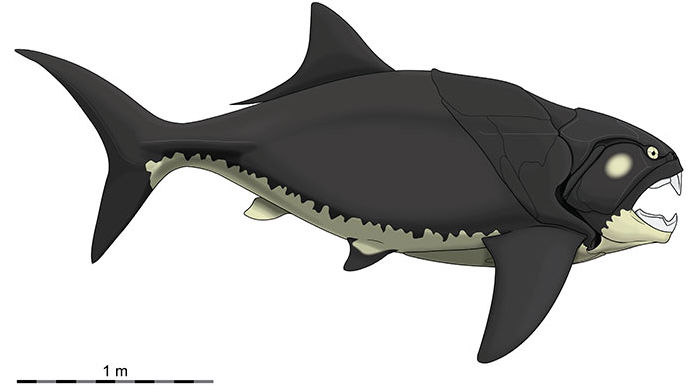
This massive prehistoric fish had no teeth, but instead sported razor-sharp bony plates that could slice through pretty much any other creature in the ocean. At 30 feet long and covered in thick armour plating, Dunkleosteus was essentially a living tank with a bite force stronger than T. rex.
Its jaws could snap shut faster than you can blink, and the pressure was strong enough to cut armoured prey in half with a single chomp. This thing made the ocean a terrifying place to live, and it ruled the seas for millions of years before sharks figured out how to do the job more efficiently.
4. Opabinia looked like someone’s fever dream of what animals should be.
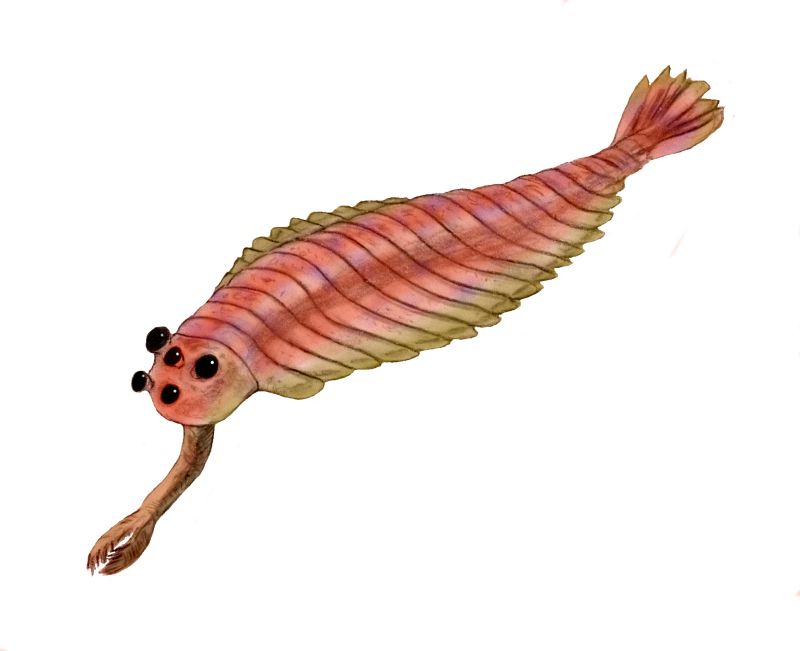
This little sea creature had five mushroom-shaped eyes, a long flexible proboscis with a claw on the end, and a segmented body that looked like it was assembled from spare parts. Opabinia was only about three inches long, but it packed more weirdness per square inch than most animals manage in their entire bodies.
The flexible trunk with a grasping claw was used to catch prey and stuff it into its backwards-facing mouth, which was located underneath its head like some kind of biological design error. It’s proof that early evolution was basically just throwing ideas at the wall to see what stuck.
5. Hallucigenia was covered in spikes and walked on stilts.
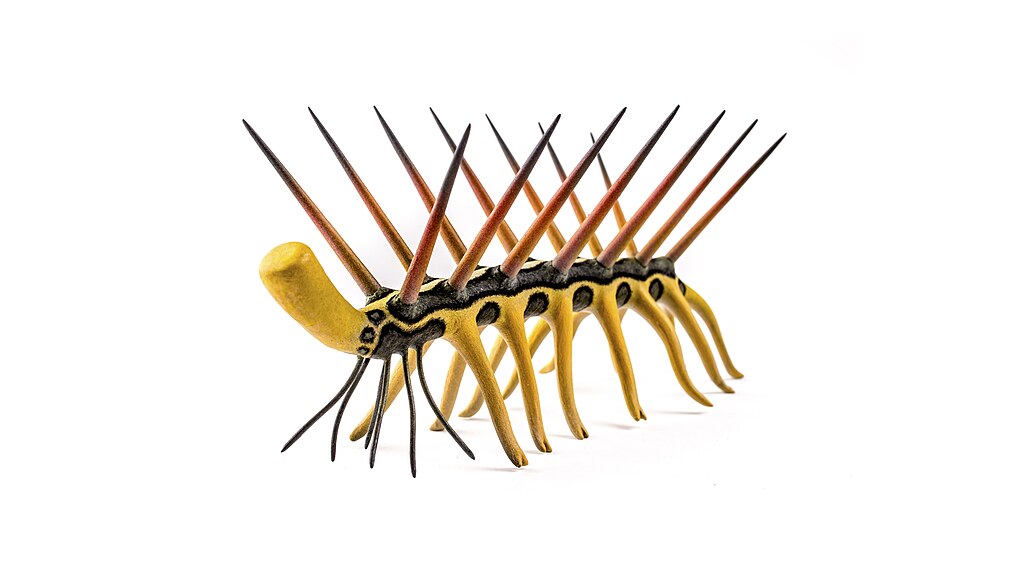
Originally, scientists thought this bizarre creature walked on its defensive spikes and had tentacles where its legs should be, which gives you some idea of how completely alien it looked. Even when they figured out which end was which, Hallucigenia still looked like something from a science fiction movie about hostile alien life forms.
The name comes from the fact that it looked so surreal that discovering it completely blew the door from the hinges when it came to our understanding of what prehistoric life might have been. It had two rows of spikes along its back for protection and walked on seven pairs of spindly legs that made it look as if it was walking on stilts.
6. Arthropleura was basically a millipede the size of a car.
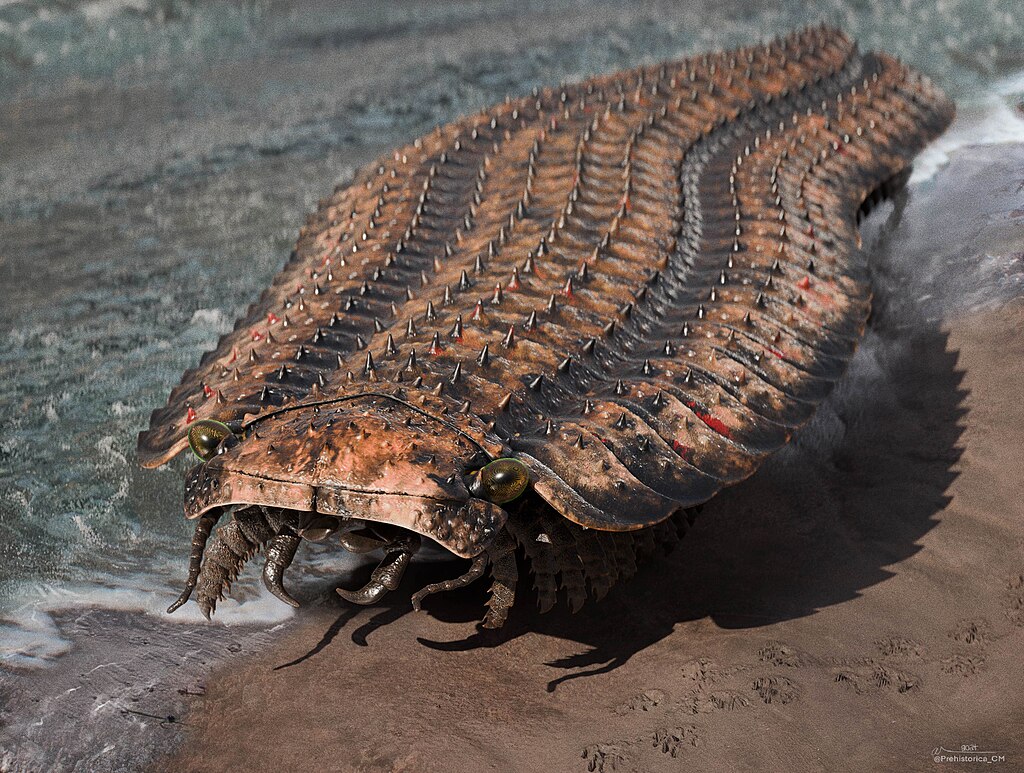
This massive arthropod could grow up to eight feet long and was essentially a giant millipede that could rear up on its hind segments like a horse. Living in the coal forests 300 million years ago, Arthropleura was probably herbivorous, but that doesn’t make the idea of meeting one any less terrifying.
Imagine stepping on what you think is a small bug and having it turn out to be longer than your car and capable of rearing up to eye level. The fact that it was probably harmless doesn’t change the reality that giant creepy-crawlies are fundamentally unsettling, no matter what they eat.
7. Wiwaxia looked like a medieval weapon that learned to walk.
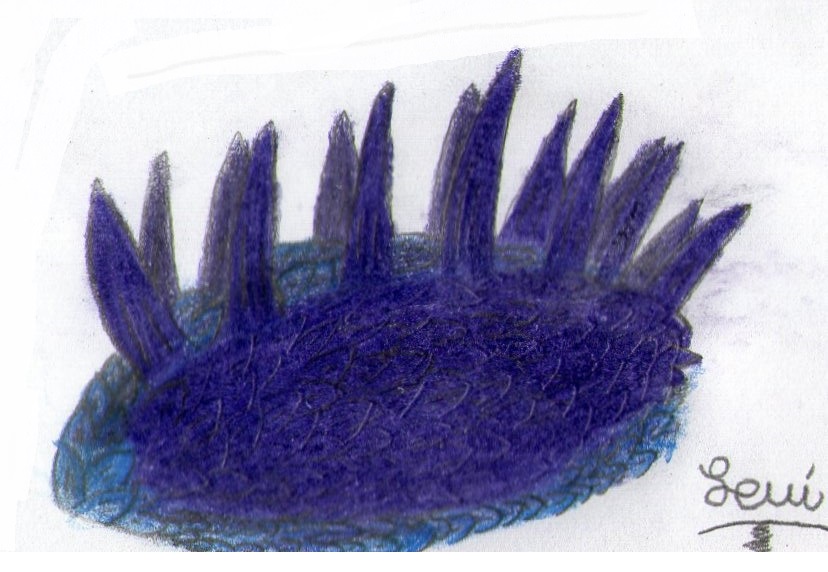
This spiny, scale-covered creature was basically a living pincushion that wandered around the ocean floor 500 million years ago looking for algae to eat. Its body was covered in protective scales and long spines that stuck out in all directions like a biological mace.
Scientists still aren’t entirely sure what group of animals Wiwaxia belonged to, but they’re certain it looked absolutely ridiculous while being perfectly adapted for not getting eaten by anything. Nature clearly decided that the best defence was looking so strange that predators wouldn’t know what to do with it.
8. Tully Monster was so weird it got its own category.
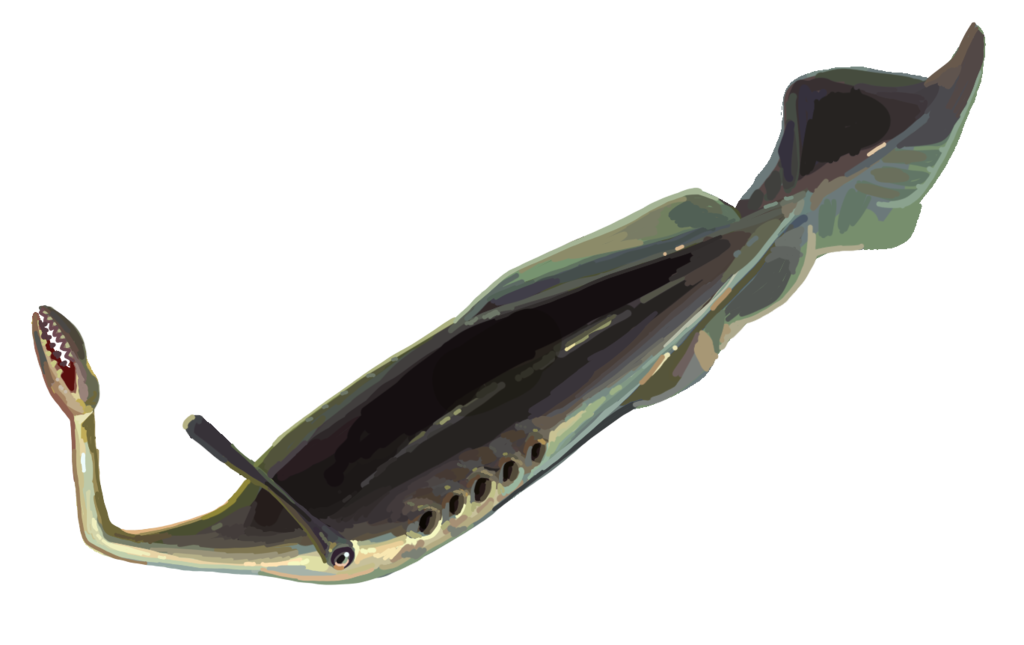
Tullimonstrum gregarium was such a bizarre creature that paleontologists created an entirely new classification just for it, and they still argue about what it actually was. This soft-bodied animal had a long proboscis with teeth, eyes on stalks, and a body plan that doesn’t match anything else that ever lived.
The fact that Illinois made this completely inexplicable creature their state fossil shows that sometimes you just have to embrace the weird and celebrate things that don’t make sense. It’s basically the platypus of the ancient world, except even more confusing and impossible to categorize.
9. Cameroceras was a straight-shelled nautilus longer than a school bus.
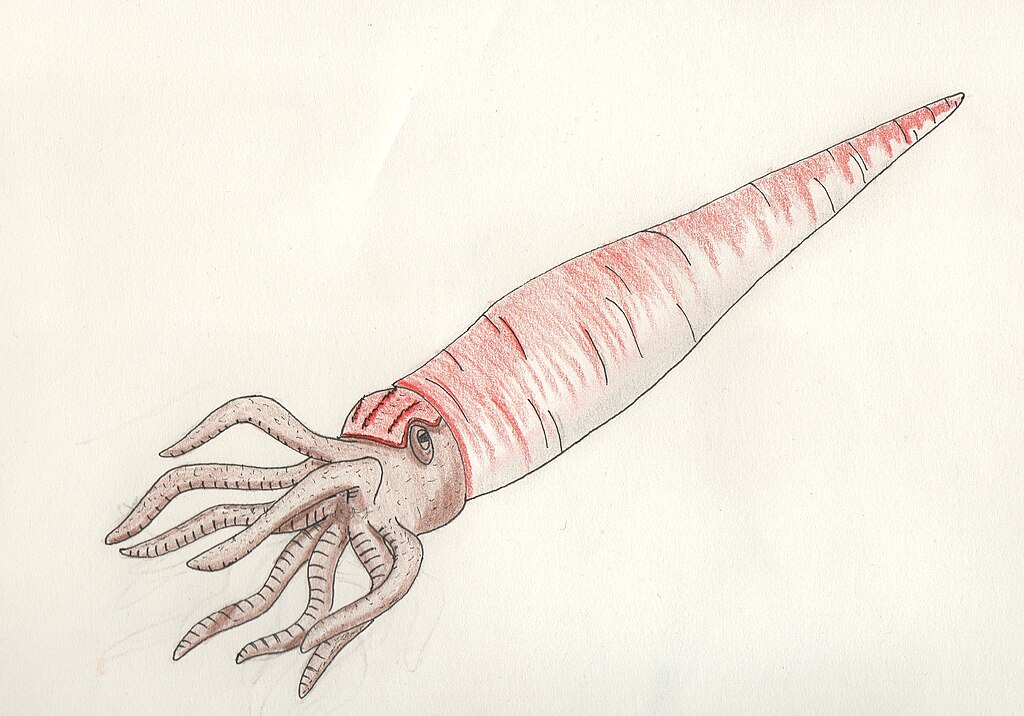
While modern nautiluses are reasonably sized and coiled, their ancient relatives grew massive straight shells that could reach 30 feet in length and dominated the ancient seas as apex predators. Cameroceras was basically a squid in a giant ice cream cone shell that terrorized everything smaller than itself.
These enormous cephalopods used jet propulsion to move through the water and had tentacles that could grab prey from impressive distances. The idea of a 30-foot squid in a shell cruising the ancient oceans makes the Kraken legends seem pretty tame by comparison.
10. Dickinsonia might have been the first animal or might have been something else entirely.
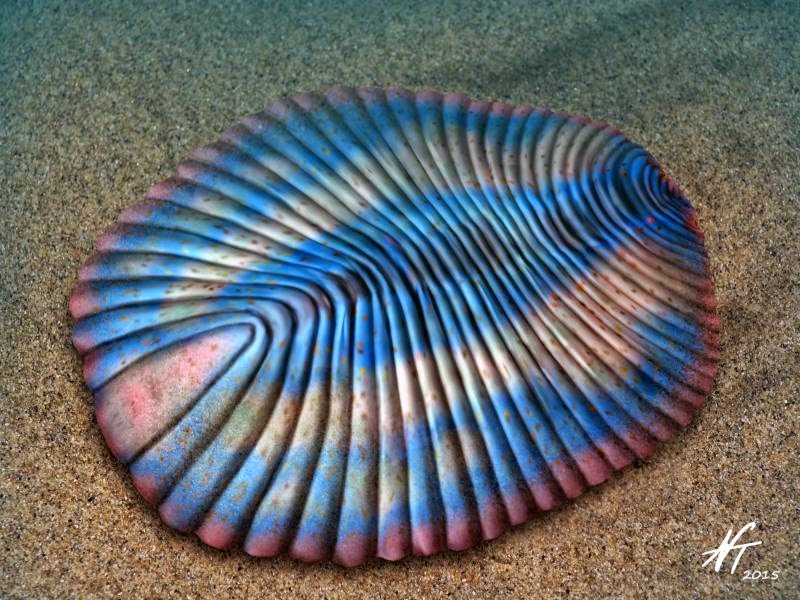
This flat, oval creature covered in ridged segments lived over 550 million years ago and represents some of the earliest complex life on Earth. The problem is that scientists can’t agree on whether it was an animal, a plant, a fungus, or something completely different that doesn’t exist anymore.
What makes Dickinsonia fascinating is that it could grow to over four feet long despite being paper-thin and having no obvious way to move, eat, or reproduce.
11. Laggania was a super-predator with five eyes and nightmare arms.
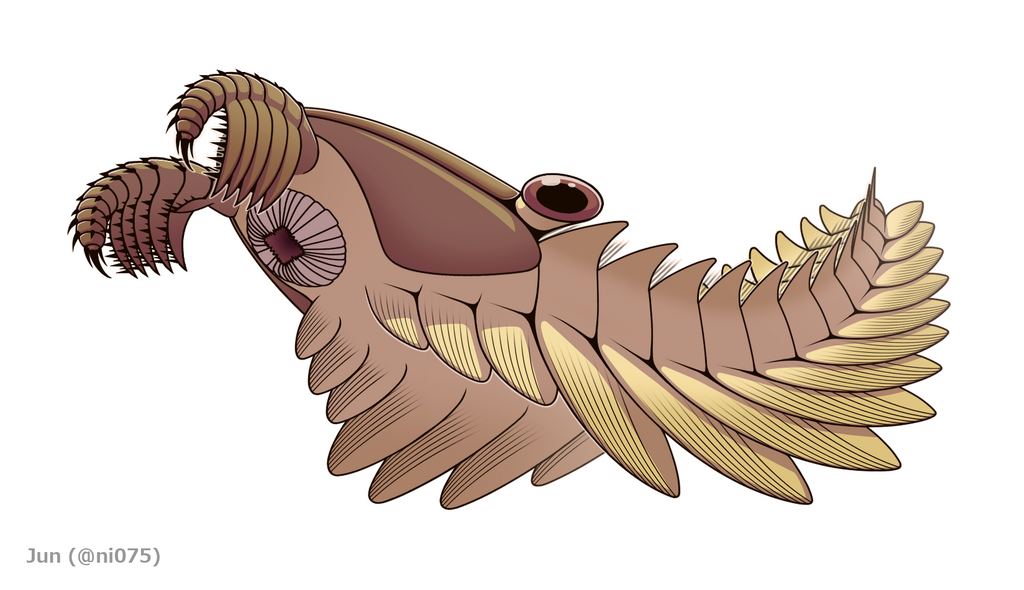
Related to Anomalocaris but even more heavily armed, Laggania had massive grasping appendages covered in spines and five eyes arranged around its head for maximum prey detection. This thing was basically designed to hunt down and destroy anything unlucky enough to share its ancient ocean.
The spiny arms could reach out and grab prey, while the five eyes provided nearly 360-degree vision, making escape almost impossible.
12. Mixopterus was a sea scorpion with paddle arms and attitude.
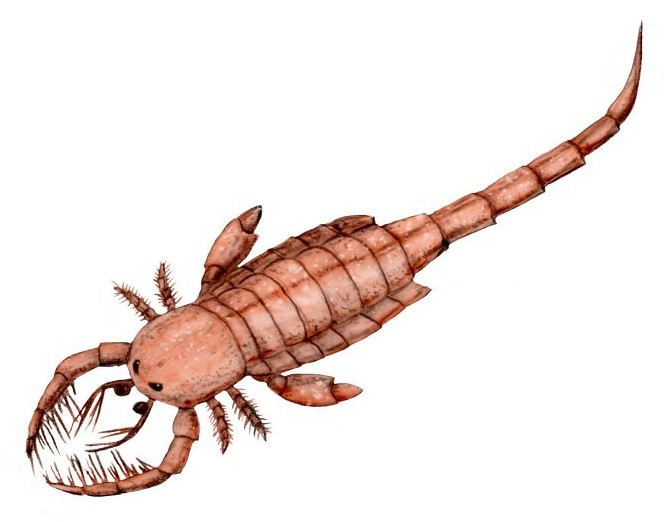
These ancient arthropods combined the worst aspects of scorpions and lobsters, then made them up to six feet long and gave them swimming paddles for arms. Mixopterus lived in both salt and fresh water, which means nowhere was safe from these ancient armoured nightmares.
Unlike modern scorpions that at least have the decency to be small and land-based, sea scorpions were massive aquatic predators that could chase you through the water with surprising speed. They’re proof that the ocean used to be even more terrifying than it is now.
13. Pikaia might be your incredibly distant and weird-looking ancestor.
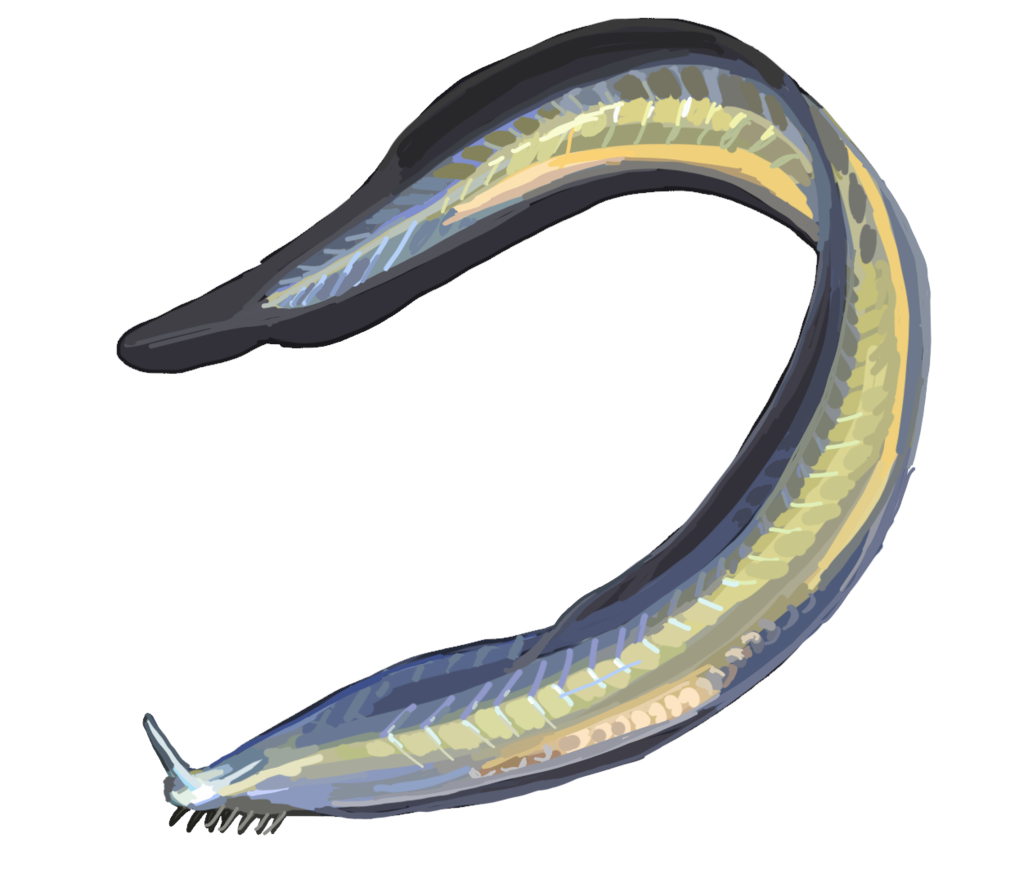
This tiny, worm-like creature from 500 million years ago was one of the first animals to develop anything resembling a backbone, making it a possible ancestor to all vertebrates including humans. Pikaia looked like a swimming ribbon with a simple head and basic sensory organs.
The idea that this bizarre little worm-thing might be related to every mammal, bird, reptile, and fish that ever lived makes family reunions seem complicated. It’s simultaneously one of the most important and least impressive-looking creatures in evolutionary history, proving that everyone starts somewhere.