Sharks and crocodiles are two of the world’s toughest predators, each ruling their own environment.
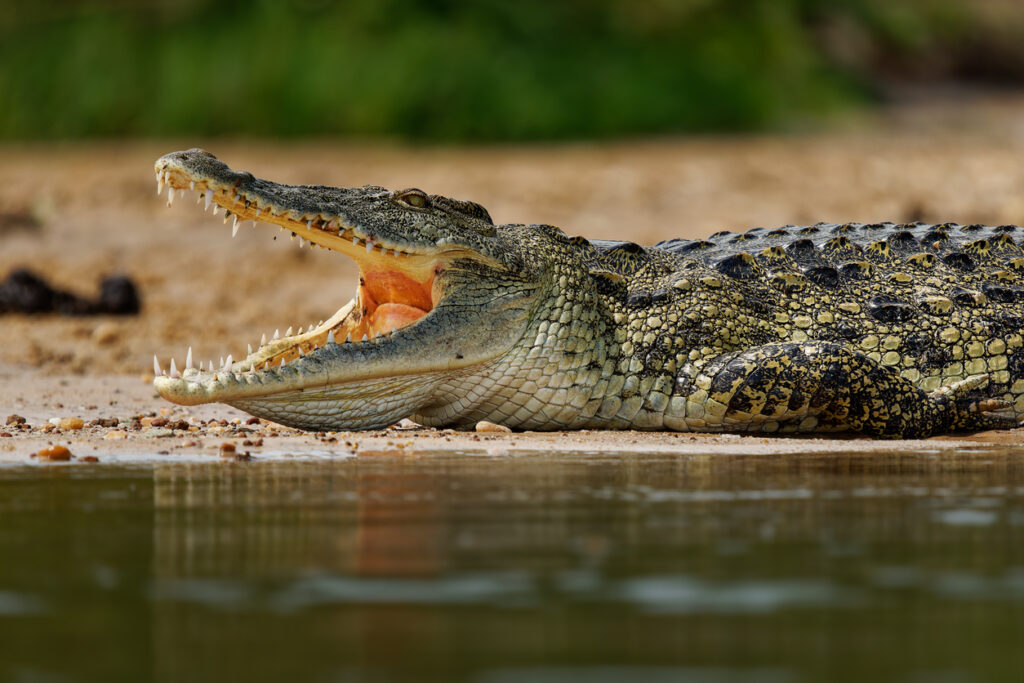
But what if they came face to face in a fight? It’s unlikely to happen for pretty obvious reasons, but imagining the battle highlights their strengths and weaknesses. And hey, it’s pretty fun to think about, right?
The battleground matters most
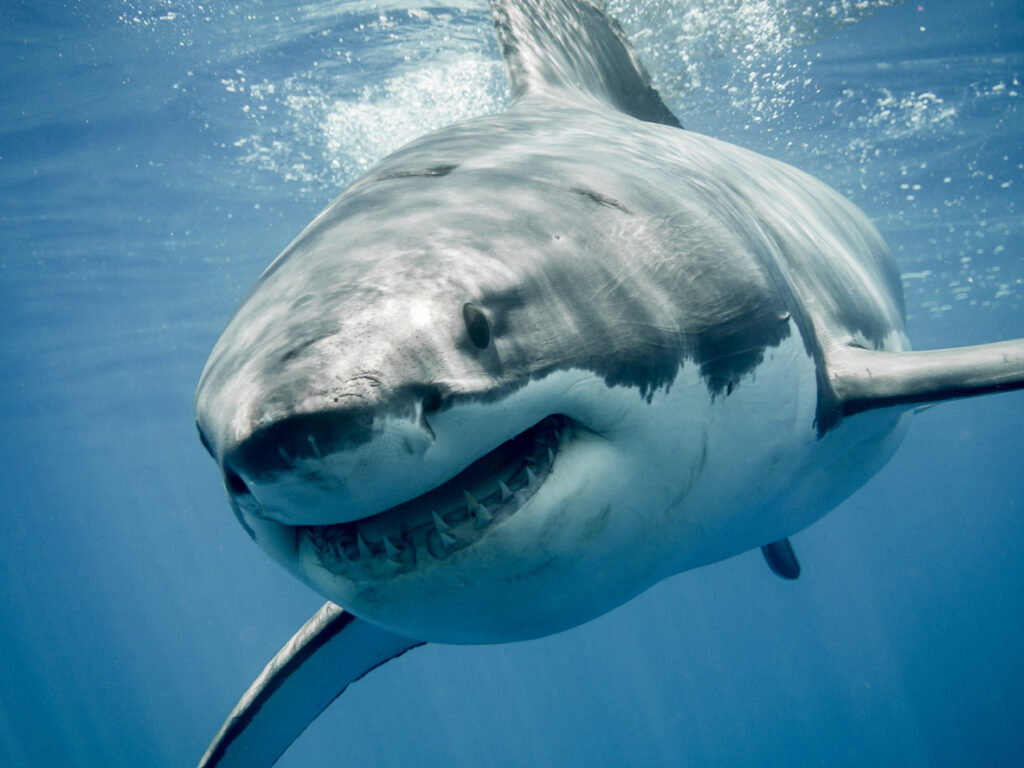
Sharks dominate in open water, while crocodiles excel in shallows and riverbanks. Where the fight happens would decide a lot. In deep seas, the shark has the edge, but closer to shore, the crocodile’s abilities shine stronger.
You’ll see why this matters when you think about mobility. Sharks need space to swim and strike, while crocodiles use land and water both. Whoever controls the setting gets a major advantage in survival.
Bite force comparison
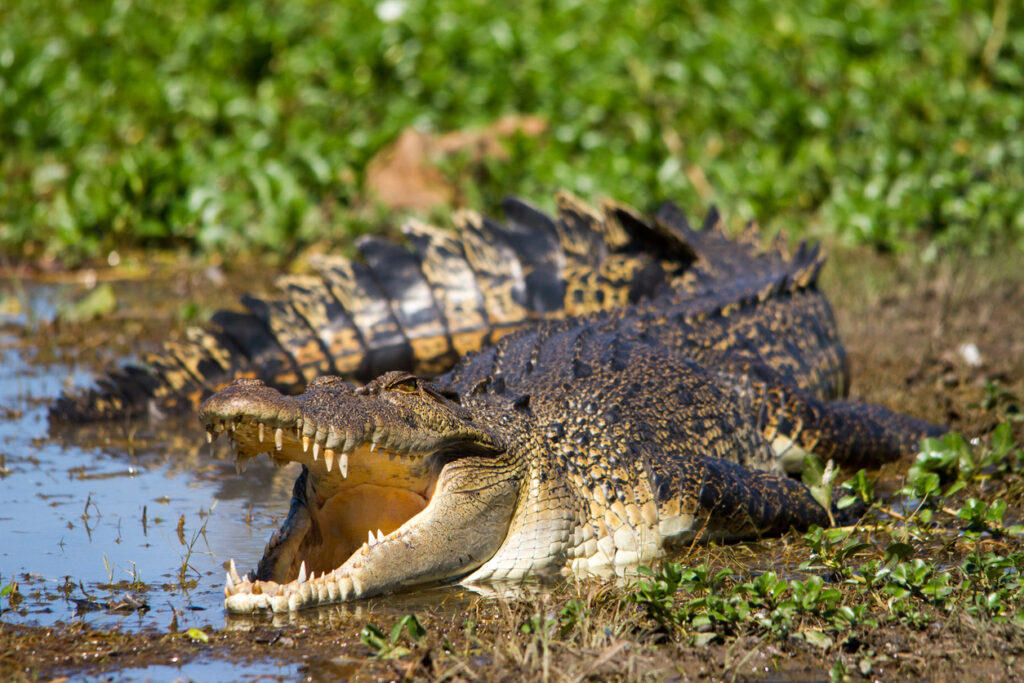
Crocodiles have the strongest bite force of any living animal, able to crush bone easily. Sharks have razor-sharp teeth and a powerful bite too, but not quite at the same level of pressure. One snap from a croc could cause massive damage.
It’s important to note that sharks rely on slashing bites, while crocs rely on crushing power. In a fight, the type of bite used would matter as much as strength. Each weapon is lethal in its own way.
Teeth design differences

Shark teeth are made for cutting flesh, with serrated edges that slice cleanly. Crocodile teeth are conical and designed for gripping, not chewing. That means sharks cut quickly, while crocs hold on and drag prey down.
It helps to see that one style is about speed and damage, the other about control. In battle, the shark could injure fast, but the crocodile could trap its rival. Both strategies could end a fight quickly if successful.
Size and weight comparisons
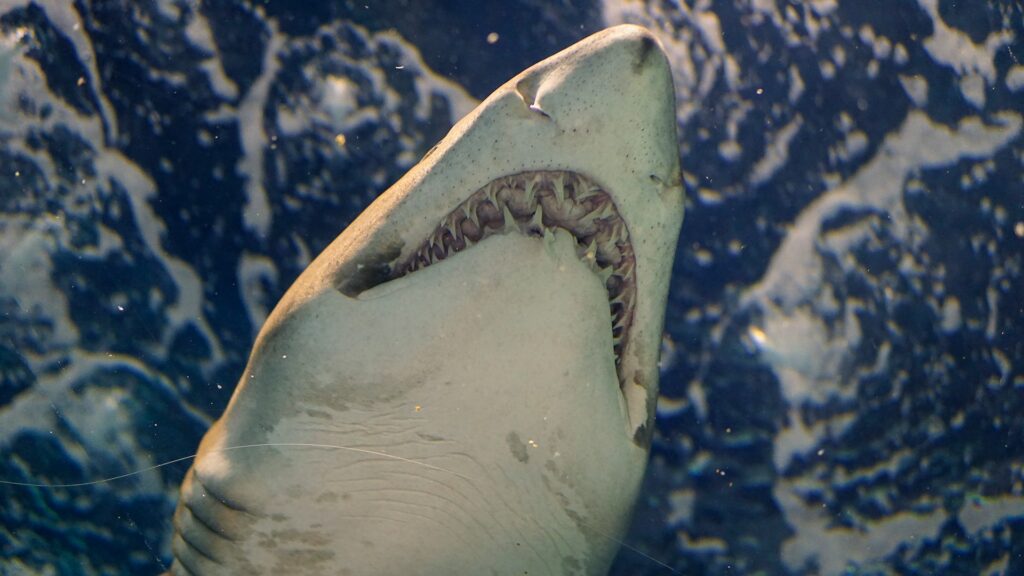
Great white sharks can reach over six metres and weigh more than two tonnes. Saltwater crocodiles are smaller, often around five metres, but incredibly dense and strong. Weight plays into who can dominate physically.
It’s worth remembering size doesn’t always mean victory. Crocodiles are built like armoured tanks, while sharks are streamlined hunters. Each body type offers power, but in very different ways.
Armour versus skin
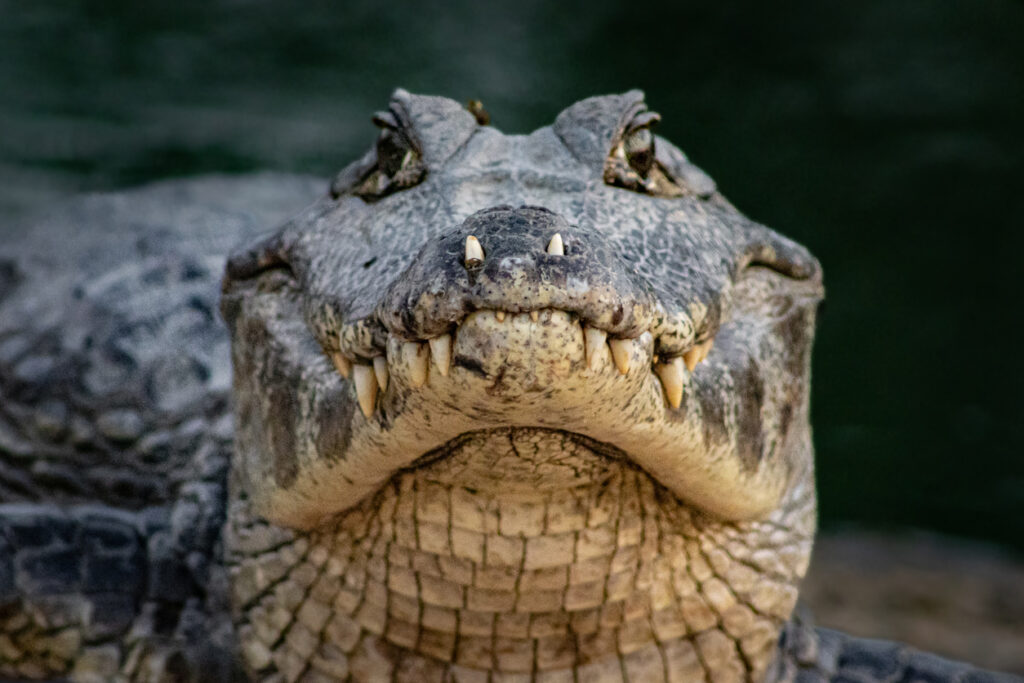
Crocodiles have thick, tough scales that act like natural armour. Sharks, by contrast, have rough skin covered in tiny denticles but nothing close to armour. It makes the crocodile far harder to injure in a head-on clash.
That difference means sharks would need precision to do real damage. Crocs, on the other hand, could withstand more strikes before feeling serious impact. The protective advantage leans strongly towards the reptile.
Speed in water
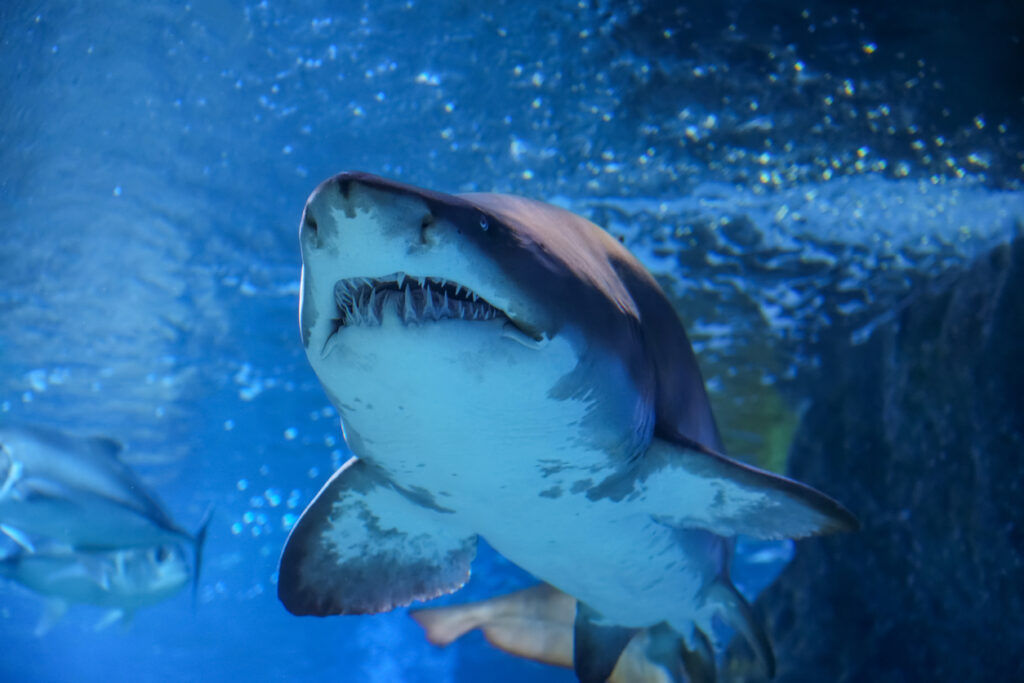
Sharks are incredibly fast swimmers, reaching up to 35 miles per hour in bursts. Crocodiles, while powerful in water, can’t match that top speed over distance. Sharks could circle and strike before crocs could react fully.
Still, crocodiles are quick over short distances. A sudden lunge in shallows gives them deadly surprise. The outcome depends on whether the shark can keep distance or the croc can close in suddenly.
Stamina differences
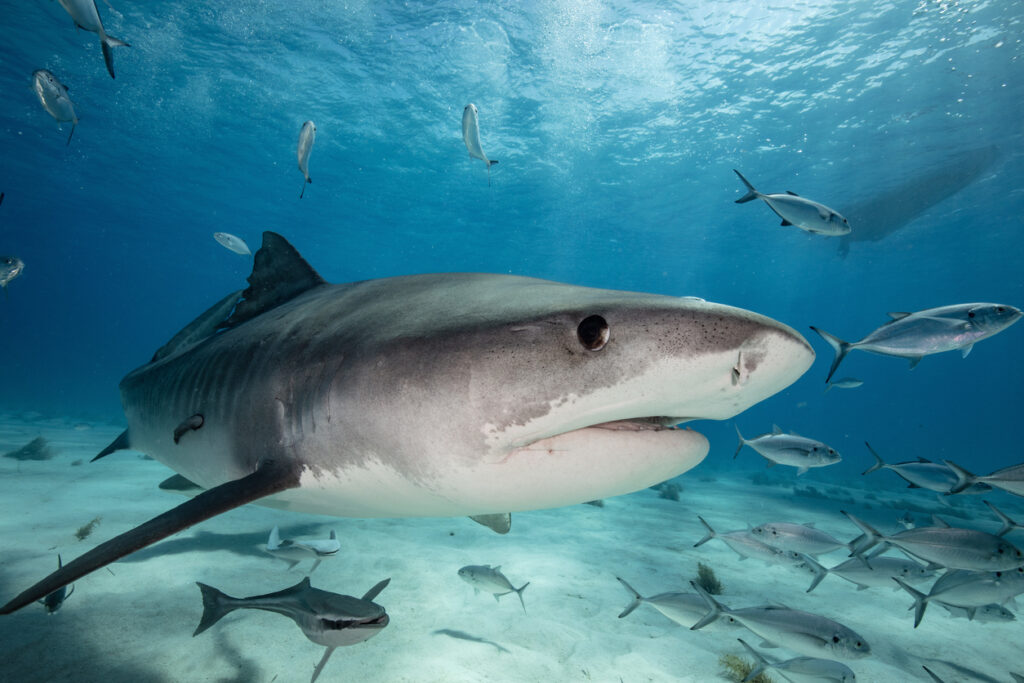
Sharks can swim for long periods without tiring, using efficient body design. Crocodiles rely on bursts of energy, often resting for hours to recover. In a prolonged fight, sharks might keep going while crocs slow down.
It makes endurance a deciding factor. A shark could drag things out and tire the croc, but if the croc lands one early strike, stamina won’t matter. It’s a contest between speed and patience.
Hunting tactics
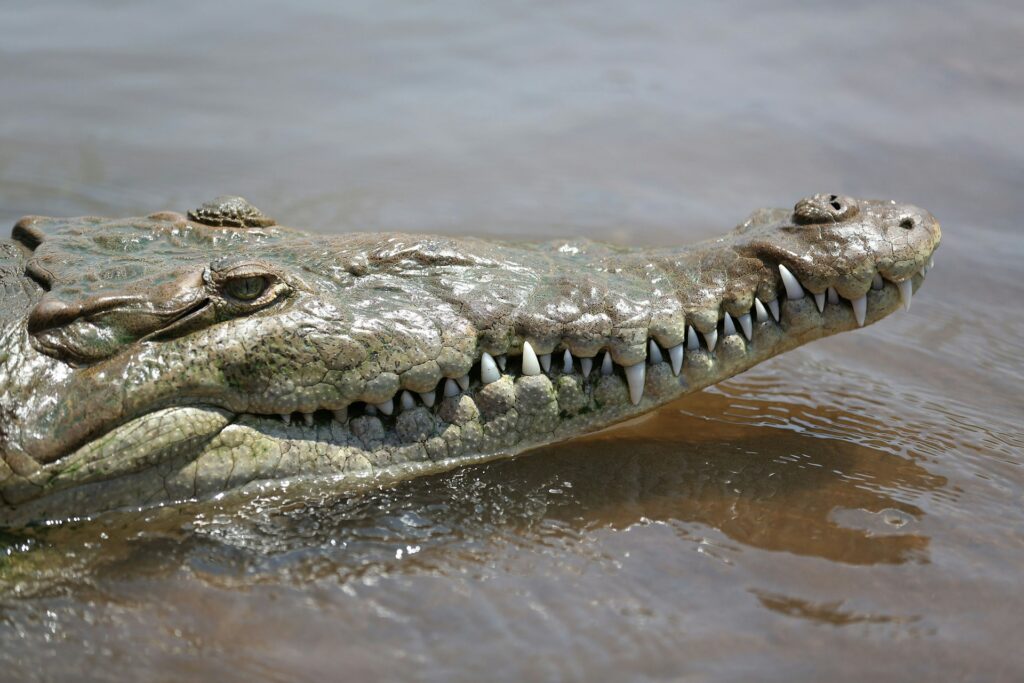
Sharks attack from below or behind with sudden speed, while crocodiles wait and ambush. In a fight, each would lean on instinct. Sharks would dart in with slashes, while crocs would hold steady and wait for a chance to grab.
You’ll see the clash of styles here. The shark’s movement keeps it unpredictable, while the croc’s stillness makes it deadly in ambush. Each strategy could surprise the other depending on conditions.
Environmental senses
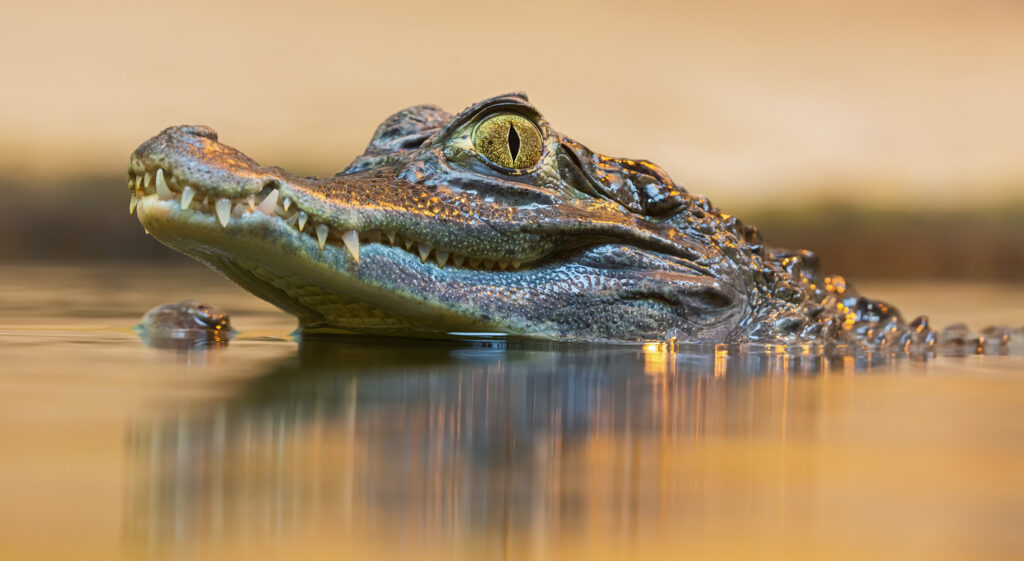
Sharks use electroreception to detect movement in the water, giving them an edge in tracking. Crocodiles rely on acute vision and vibration sensing on the surface. Each has sharp tools, but they work differently in battle.
This shows how context shapes outcomes. In murky water, crocs may have the upper hand. In open seas, sharks use sensory powers to strike with precision. The advantage depends on setting more than skill.
Intelligence in hunting
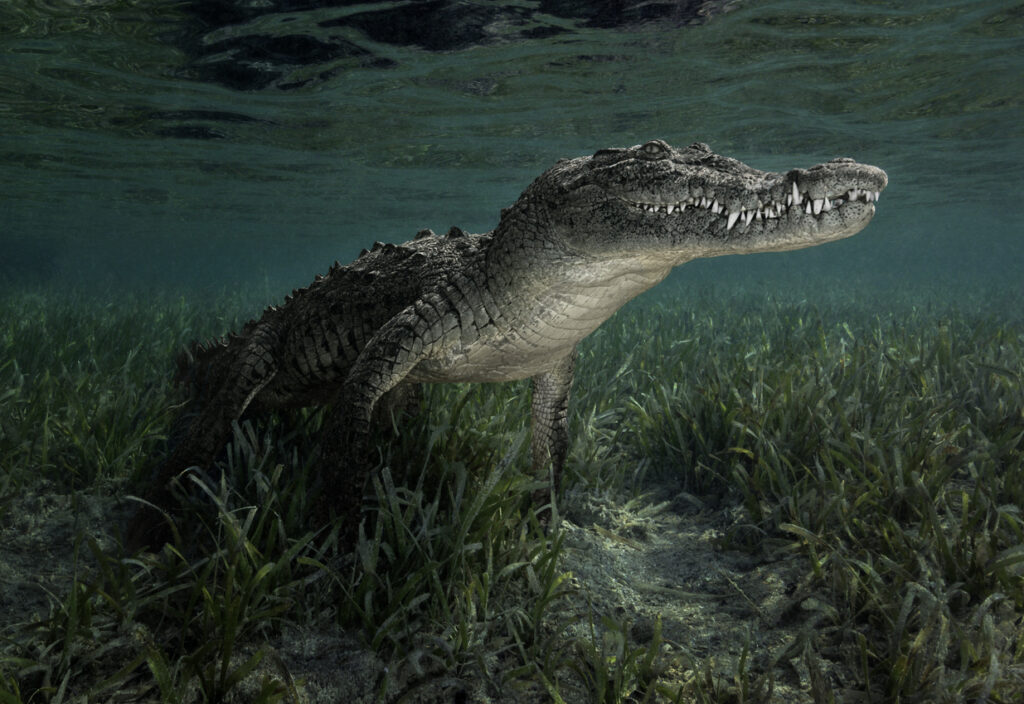
Crocs use patience and planning, often working with currents to trap prey. Sharks rely more on instinct and direct strikes. While both are skilled, crocs show a level of tactical thinking that helps in close encounters.
Their intelligence helps them adapt quickly. Crocs don’t waste energy on poor attacks, which could give them an advantage if the fight drags. Sharks rely on speed and instinct, which might not always win against strategy.
Risk to predators themselves
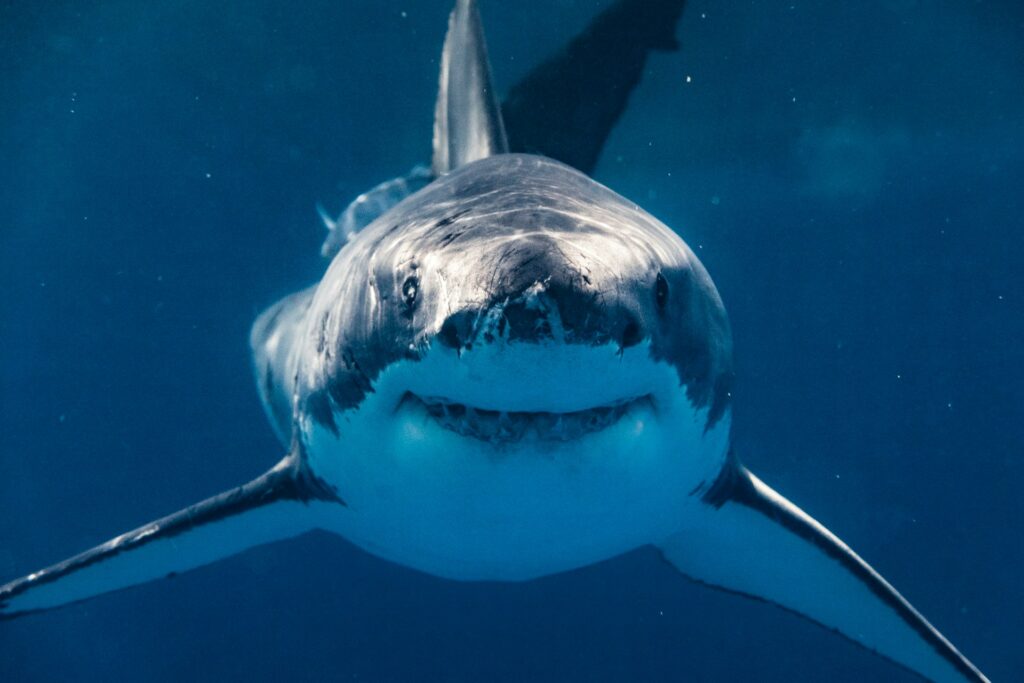
Both animals face risks when attacking tough prey. Sharks can lose teeth, while crocs risk serious injury if struck in sensitive spots. A fight between them wouldn’t just be about who’s stronger, but who can avoid damage longest.
This makes caution part of the battle. Injured predators often struggle to survive in the wild. Whoever plays it safer could outlast the other, even without a dramatic win.
Likely real-world encounters
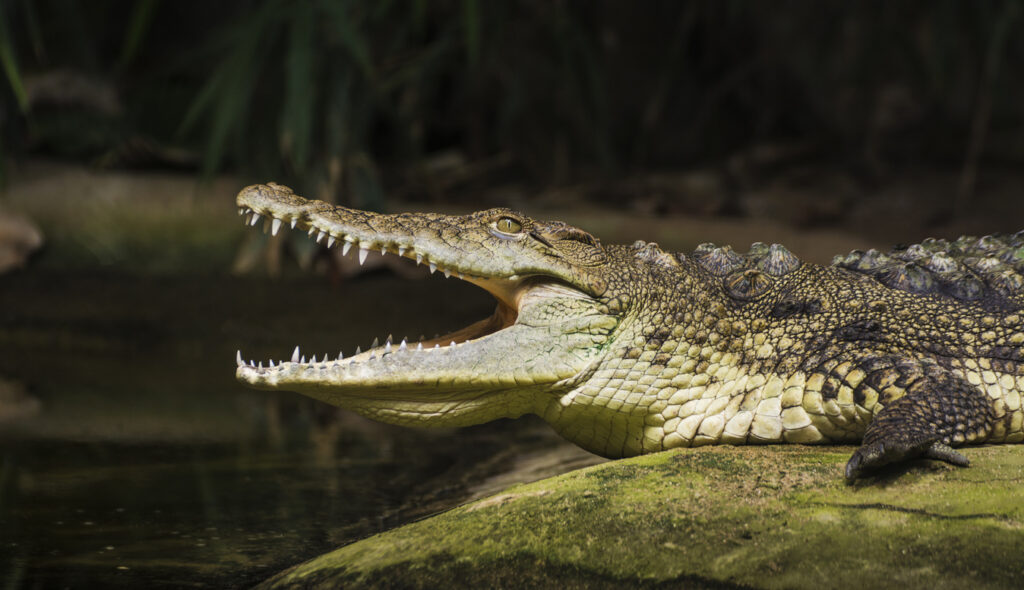
Sharks and crocodiles rarely meet, but saltwater crocs do venture into coastal waters. If they cross paths, fights are possible but rare. Usually, both avoid unnecessary risks with such dangerous rivals.
This means neither animal has a clear dominance in nature. They rule their own territories and only clash in unusual overlaps. When they do, the outcome would depend entirely on circumstances.
So, who’s more likely to win?
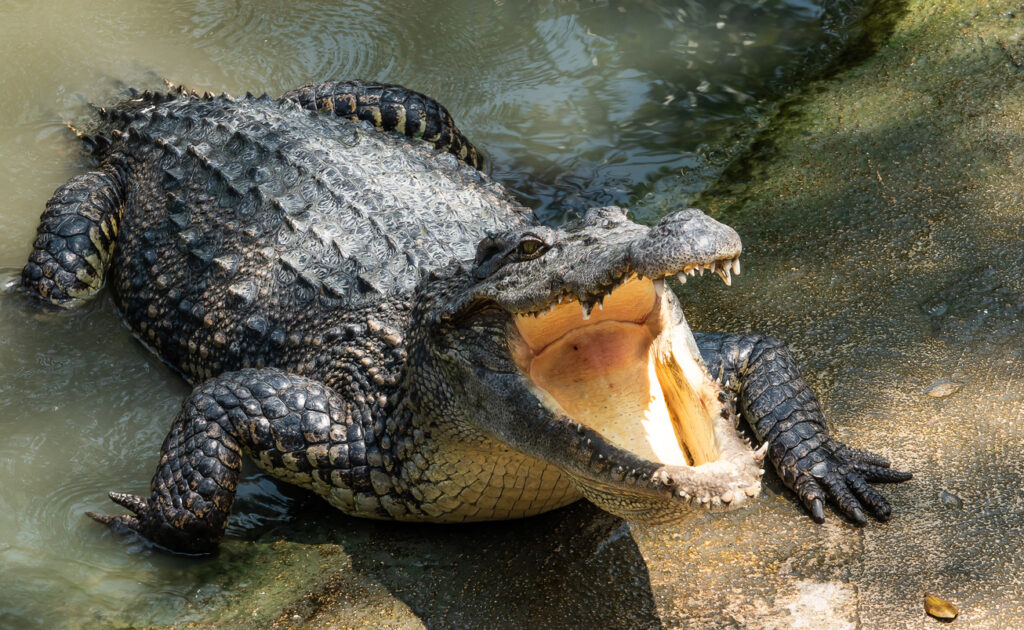
If forced to guess, crocodiles may hold the edge in shallow waters thanks to their armour and crushing bite. Sharks likely dominate in open seas with their speed and endurance. Neither is guaranteed victory across all situations.
The truth is, nature doesn’t give easy answers. Each predator is perfectly built for its own world. A fight between the two would be brutal, but the winner would always depend on where and how it happened.