When you think about animal teeth, chances are, your thoughts immediately go to how big and sharp some of them are.
However, even those without giant fangs can be impressive. The discussion about how many teeth a creature has might not sound exciting at first, but in the natural world, they reveal a lot about survival. Some land mammals have far more teeth than you’d expect, each serving a clear purpose. Here are the champions of the tooth count, and why they need them.
1. Giant armadillo
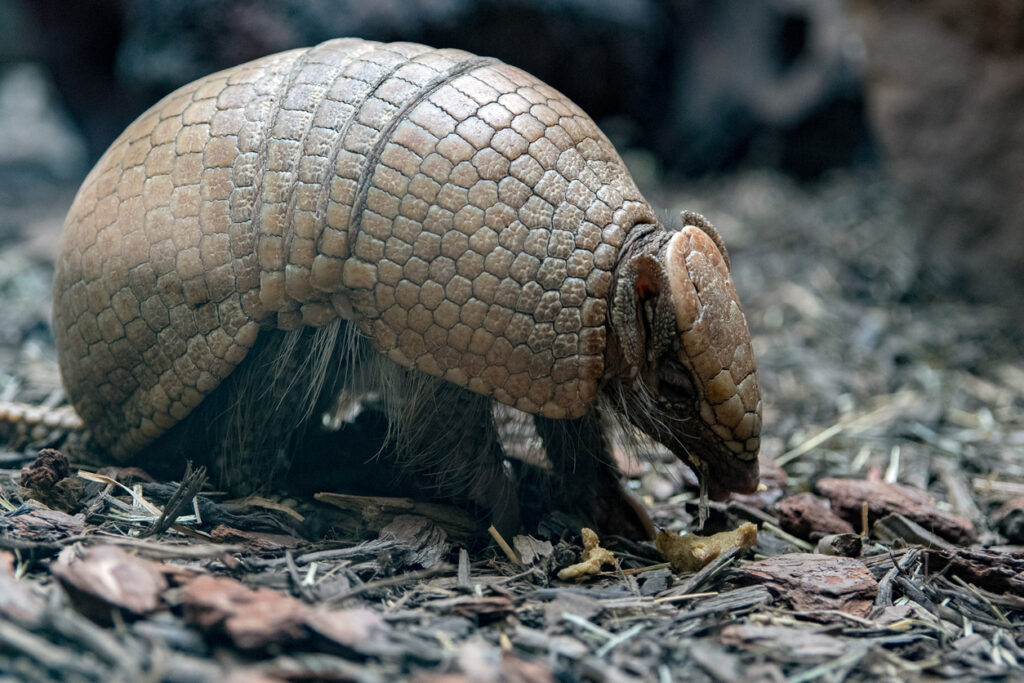
The giant armadillo tops the charts with over 70 teeth, far more than most mammals. Unlike us, their teeth don’t stop growing, which suits their diet of ants and termites. Digging through hard soil and eating gritty food demands constant renewal.
You’ll see why so many teeth matter when you look at their lifestyle. The constant wear from chewing tough insects means replacements are essential. Without this endless supply, armadillos wouldn’t survive their demanding diet.
2. Opossum
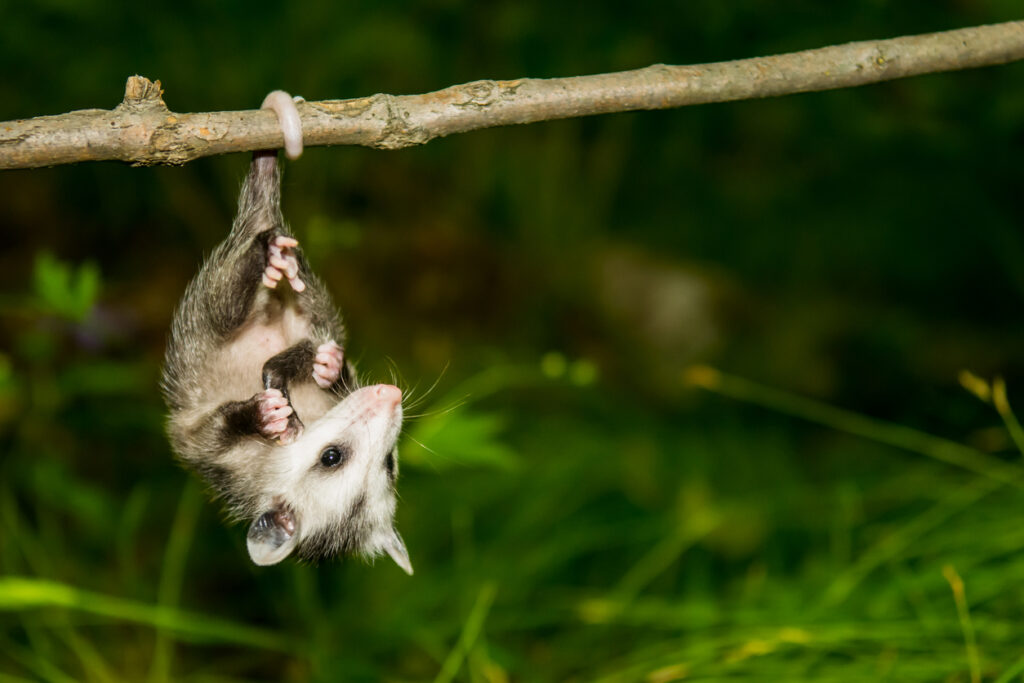
Opossums hold the record for North American mammals, with 50 teeth in their jaws. They’re omnivores, eating everything from fruit to carrion, which makes variety important. Their tooth collection allows them to manage almost anything they come across.
It illustrates how having a wide range of food options keeps them thriving. Each tooth shape serves a different purpose, from slicing to grinding. Their high tooth count makes them extremely adaptable eaters.
3. Giant anteater

You might expect anteaters to lack teeth, but the giant anteater breaks the trend. While their teeth aren’t like ours, they still manage a lot in their mouths. These help them process thousands of insects every day without pause.
The need comes from their specialised diet. Constantly slurping up ants and termites requires durability and efficiency. Their dental setup reveals how teeth adapt perfectly to a creature’s feeding style.
4. Aardvark
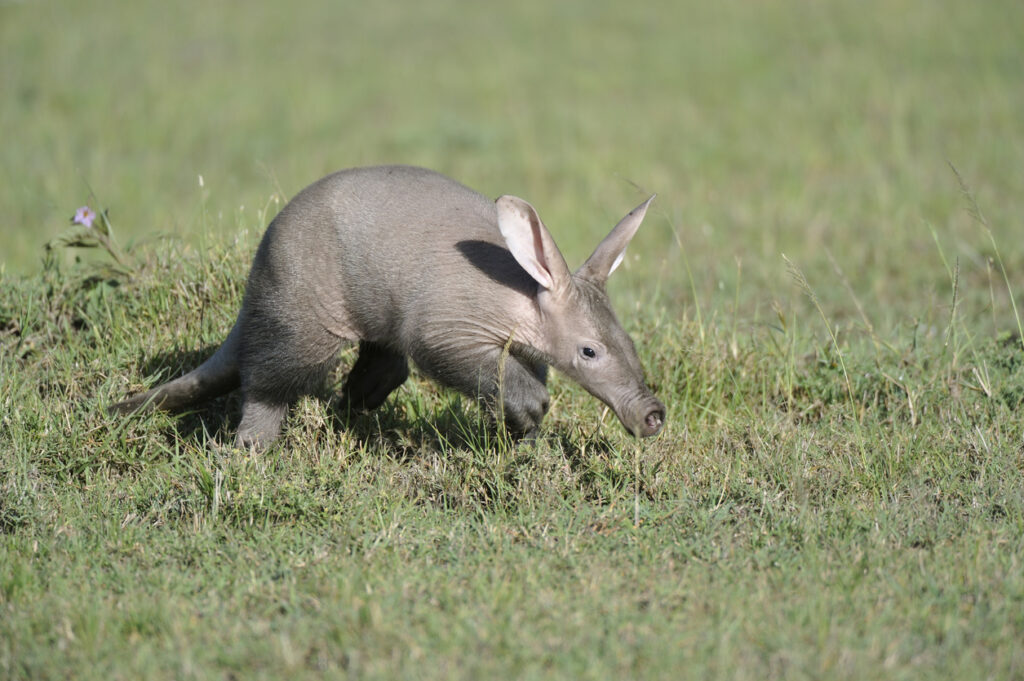
Aardvarks have between 20 and 25 teeth, but what makes them unusual is their structure. Instead of hard enamel, their teeth are made of tiny tubes held together. This design keeps them strong enough to handle rough insect diets.
It highlights how function matters more than numbers alone. Even though aardvarks don’t top the list in count, their teeth grow continuously and adapt to their gritty food. They prove that unique design can be as powerful as quantity.
5. Pigs
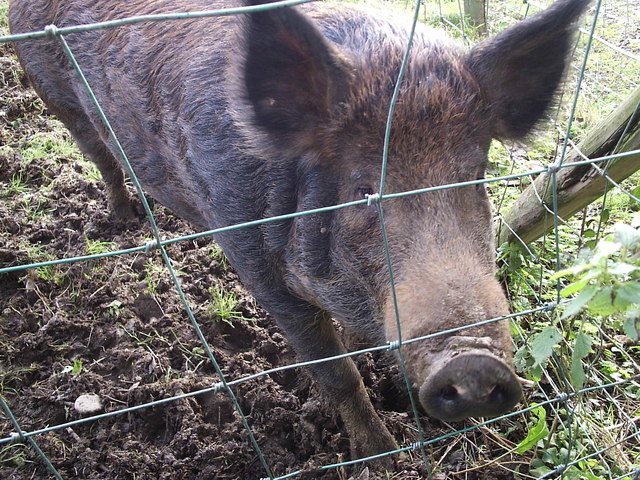
Pigs usually have 44 teeth, which is more than humans. Their sharp front teeth and grinding molars handle everything from plants to meat scraps. The range suits their role as opportunistic feeders who eat whatever’s available.
You’ll see how their teeth support survival when food is scarce. Being able to process such variety keeps pigs thriving in different environments. Their dental layout makes them flexible and resilient eaters.
6. Hedgehogs
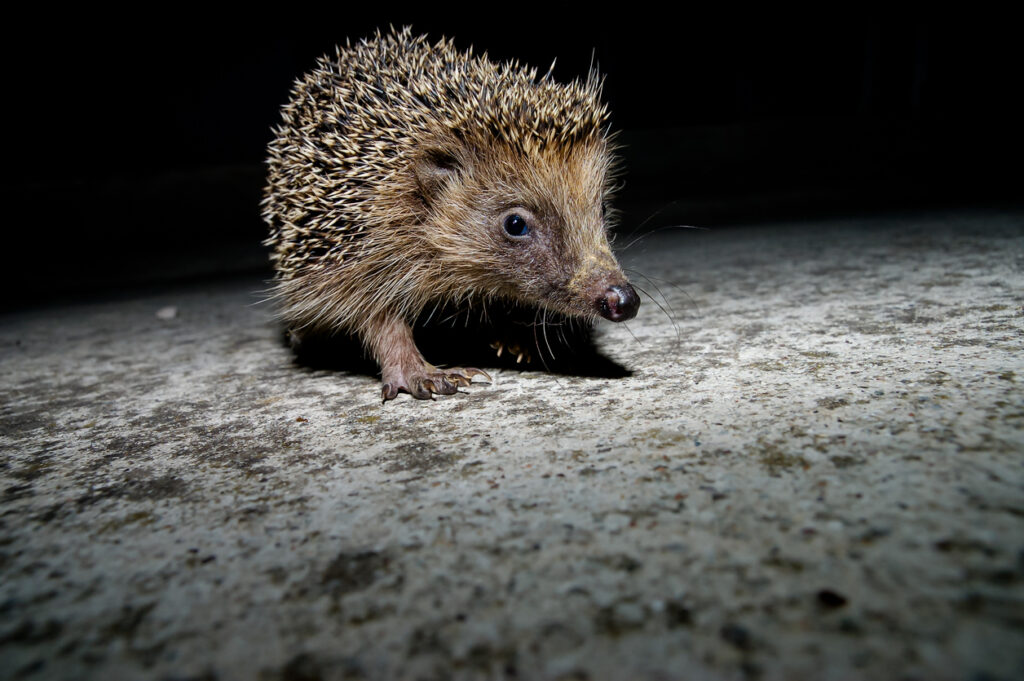
Hedgehogs may look tiny, but they carry around 36 teeth packed into their mouths. These teeth help them crunch insects, their main food source. The sharpness and number give them the edge in breaking through tough exoskeletons.
It showcases how even small mammals need a surprising amount of dental power. Without enough teeth, their insect-heavy diet would be difficult to manage. Their numbers keep their feeding both efficient and effective.
7. Hyenas
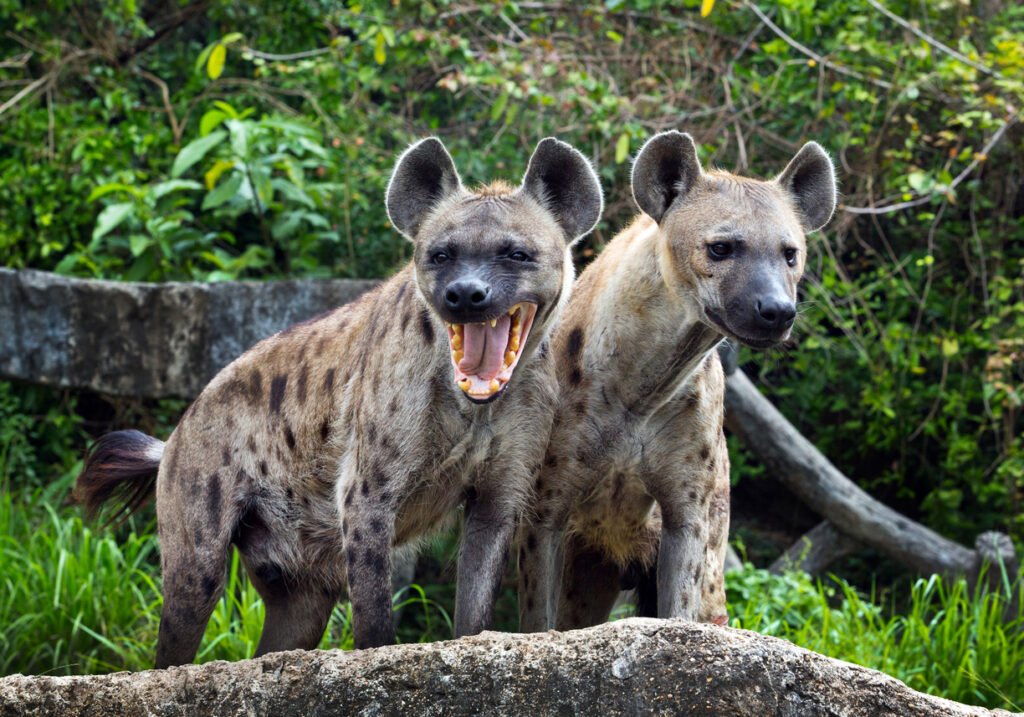
Hyenas have around 34 teeth, fewer than some on this list but built for extreme strength. Their back teeth crush bone, while sharp front ones rip flesh. This setup allows them to eat almost every part of their prey.
They highlight how design beats quantity. Hyenas don’t need dozens of extra teeth because each one works like heavy machinery. Their strong jaws and specialised teeth give them the ability to survive on scraps most predators can’t manage.
8. Tapirs

Tapirs have between 36 and 42 teeth, shaped to suit their leafy diets. Their flexible snouts grab vegetation, and their teeth handle the rest. A strong mix of molars and premolars helps them grind down tough plant matter.
This explains how they manage survival in dense forests. Without such dental equipment, digesting coarse vegetation would be impossible. Their teeth keep them well-fuelled in habitats where predators might otherwise have the advantage.
9. Horses

Adult horses typically have 36 to 44 teeth, depending on gender. Their large, flat molars are essential for grinding grasses, which are tough to break down. Continuous wear from chewing demands a wide set of replacements over their lifetime.
You’ll notice horses often chew slowly, showing how important their teeth are. Without enough surface area, grasses wouldn’t break down for digestion. Their high count reflects the challenge of a plant-based diet.
10. Camels
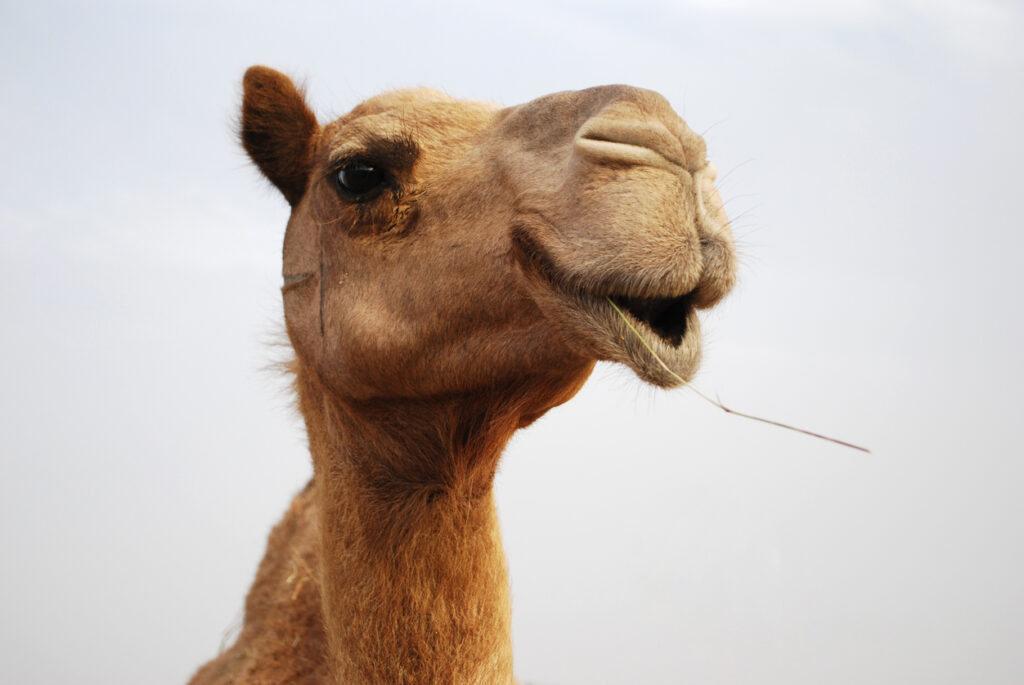
Camels usually have 34 teeth, which handle both grazing and browsing. Their strong molars grind tough desert plants, while sharp canine-like teeth can bite when needed. Their mix makes them more versatile than you might expect.
This balance is crucial in harsh environments. With limited food choices, camels need teeth that can handle almost anything. Their dental variety helps them thrive where other animals might struggle.
11. Capybaras
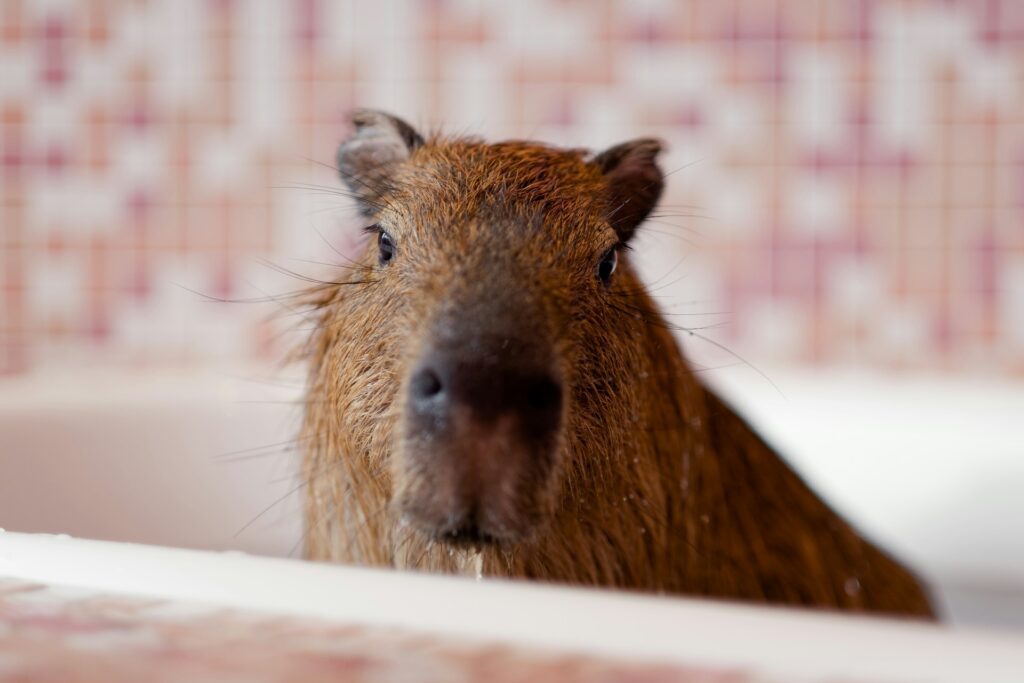
Capybaras, the world’s largest rodents, have 20 teeth, fewer than others here but still effective. Their front incisors never stop growing, which suits constant chewing on grasses. Their molars, meanwhile, keep up with grinding tough vegetation all day.
This shows that high numbers aren’t everything. Capybaras rely on continuous growth to stay functional. Their unique system gives them the ability to survive as specialist grazers in South America’s wetlands.
12. Jaguars (for comparison)
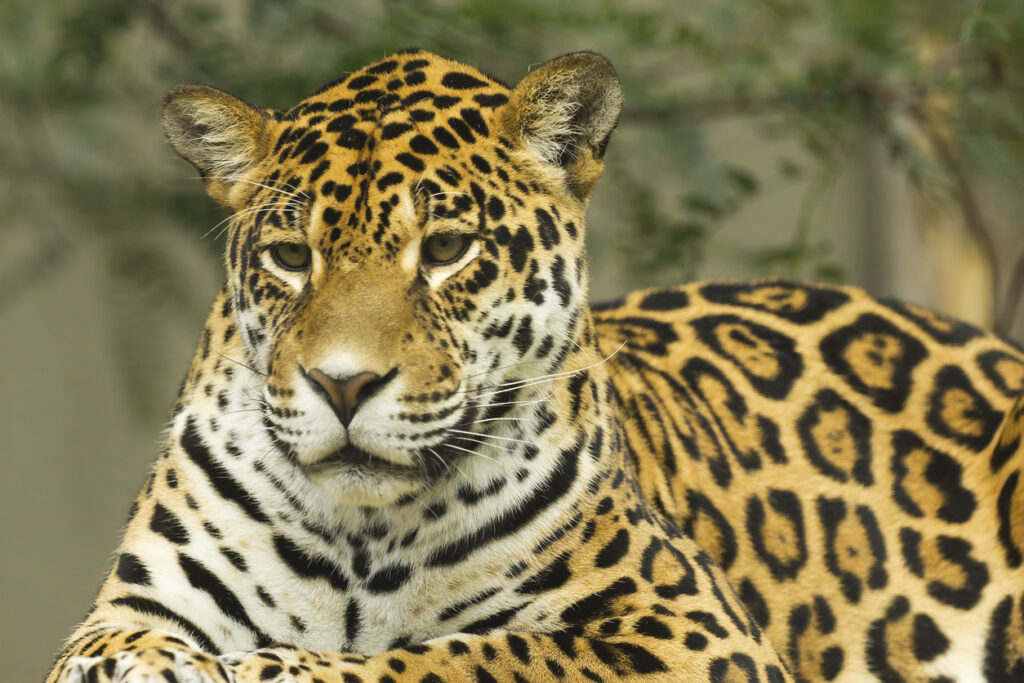
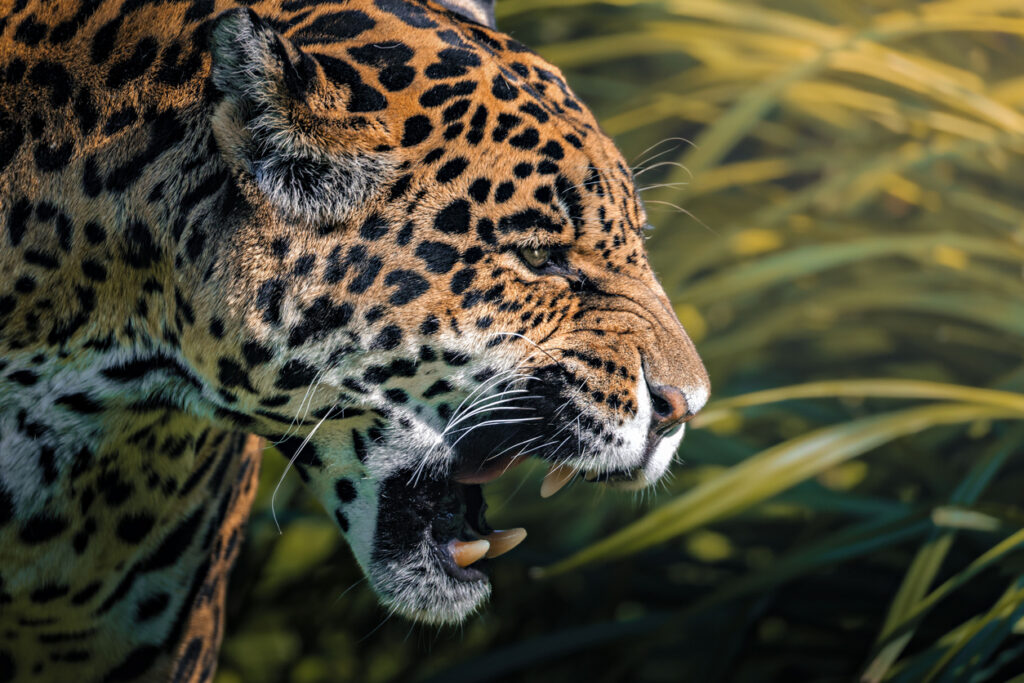
Jaguars, though predators, only have 30 teeth, fewer than many herbivores. Their canines are impressive, but they don’t need vast numbers. Instead, they rely on power and precision to take down prey quickly and efficiently.
This contrast highlights why some herbivores carry so many more teeth. Predators need sharp weapons, while grazers and omnivores need long-term grinders. It proves that survival shapes teeth as much as hunting skill does.