Succulents are the perfect plants for those of us without a green thumb, but they’re also great for gardeners with little time.
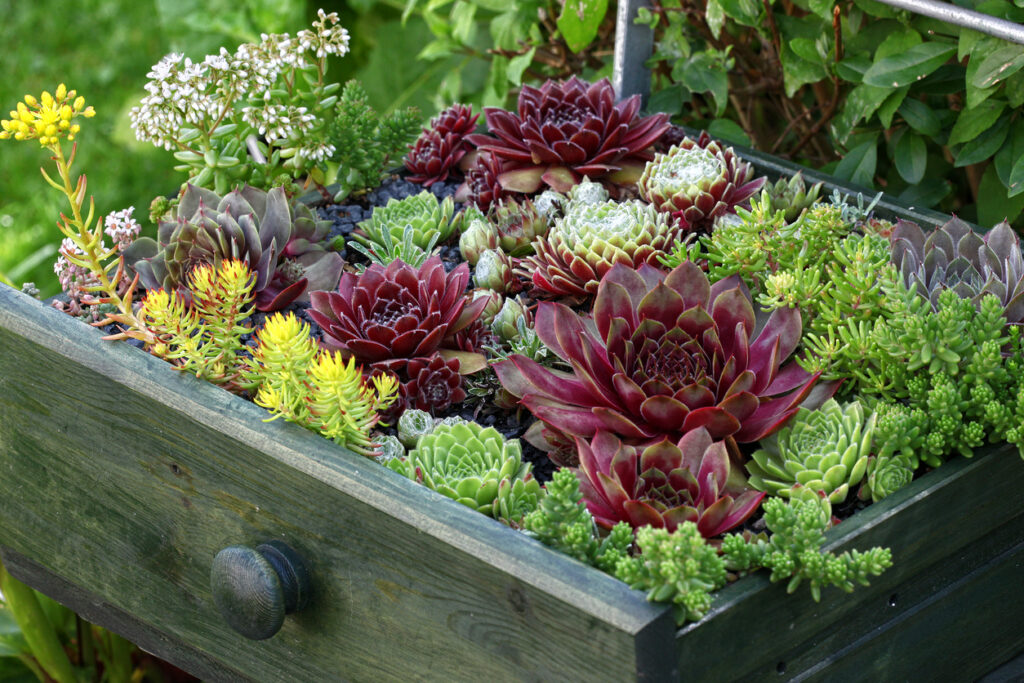
Everyone deserves to enjoy a beautiful garden, even if you’ve not got a lot of time, space, or know-how, which is why succulents are such a solid choice. These little beauties store water in their leaves, which means they’re ridiculously forgiving if you forget to water them. These are some of the best varieties to consider for your own garden to add a bit of variety and beauty without adding more work to your plate.
Echeveria rosettes look fancy, but are actually foolproof.
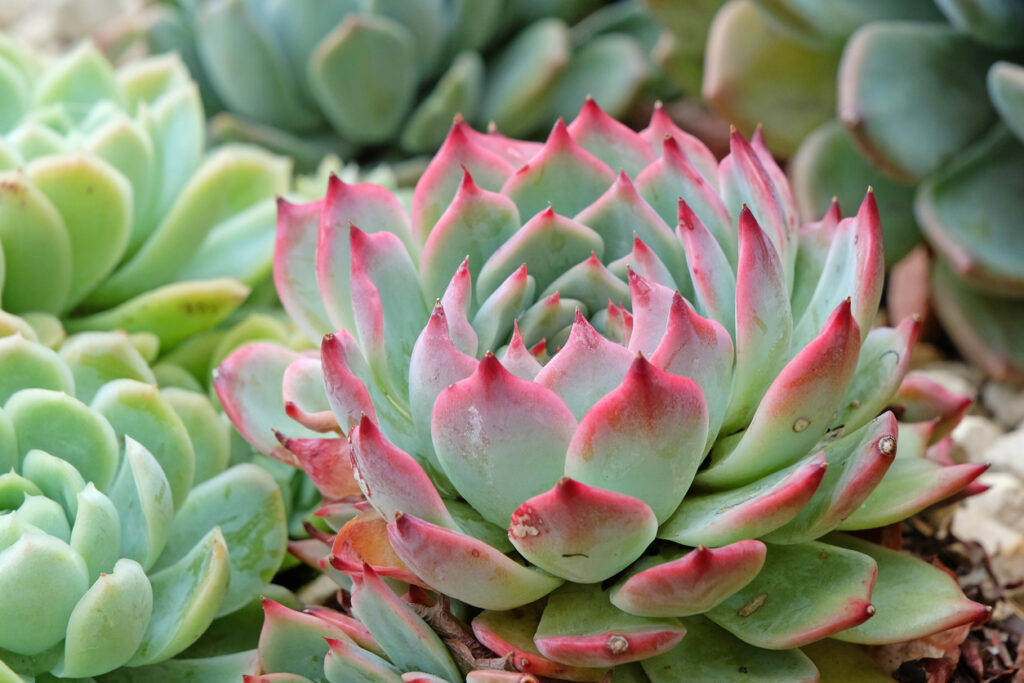
These are those gorgeous rosette-shaped succulents that look like flowers made of leaves, and they come in loads of different colours from pale green to deep purple. They’re perfect for beginners because they practically scream at you when they need water by getting a bit wrinkled.
The best part is that they multiply like crazy, producing little baby plants around the base that you can pot up and give to friends. Just stick them in well-draining soil and give them a drink when the soil’s completely dry.
Sedum varieties are the ultimate survivor plants.
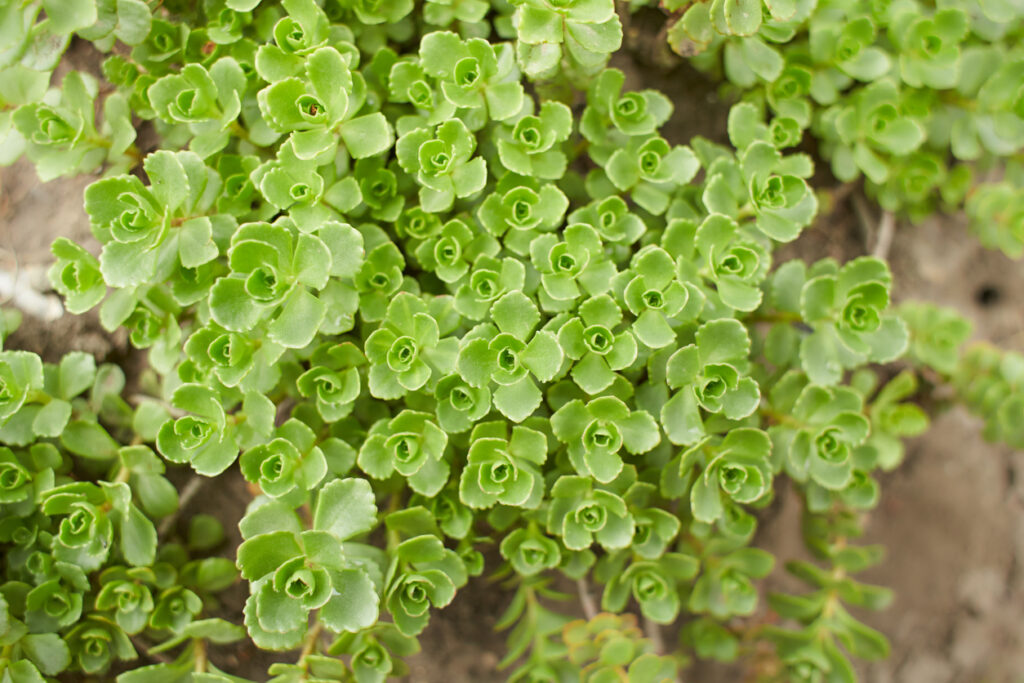
Sedums are like the cockroaches of the plant world, except actually lovely to look at. They come in trailing varieties perfect for hanging baskets and upright types that work brilliantly as ground cover.
These plants can handle drought, frost, and general neglect with remarkable good humour. Some varieties like ‘Autumn Joy’ even put on a gorgeous flower show, so you get beauty and zero maintenance.
Jade plants become proper little trees with time.

Jade plants start as tiny things but can grow into proper miniature trees if you let them, with thick woody stems and glossy oval leaves. They’re supposed to bring good luck and prosperity, though honestly, the main luck is how hard they are to kill.
Just water them when the soil’s dry and give them a bright spot, and they’ll happily grow for decades. Some people have jade plants that are older than their children, which tells you everything about how low-maintenance these beauties are.
Aloe vera plants are like having a first aid kit in your garden.

Everyone knows aloe vera for treating sunburn, but these plants are also ridiculously easy to grow and look quite architectural with their spiky leaves. They produce loads of baby plants that you can separate and replant.
The gel inside the leaves is brilliant for burns and cuts, so you’re basically growing your own natural pharmacy. Just don’t overwater them because they hate wet feet more than anything.
Hens and chicks spread like nobody’s business.
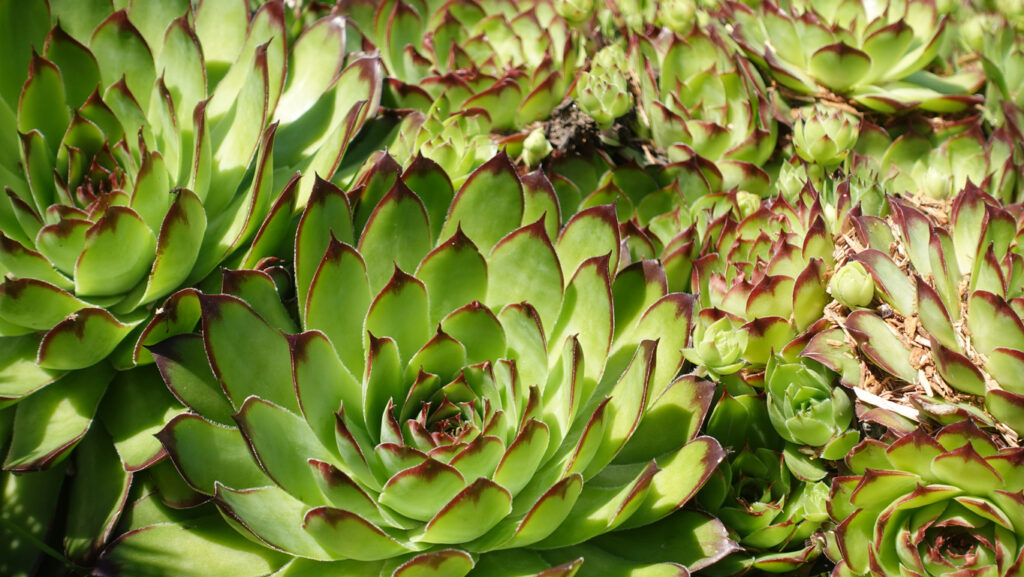
Sempervivum, or hens and chicks, are those tight rosette plants that produce runners with baby plants attached. They’re perfect for filling gaps in rockeries or spreading across areas where you want ground cover.
These plants are so tough they can survive on rooftops and in stone walls with barely any soil. They come in loads of different colours and textures, and once established, they basically look after themselves.
String of pearls creates stunning trailing displays.
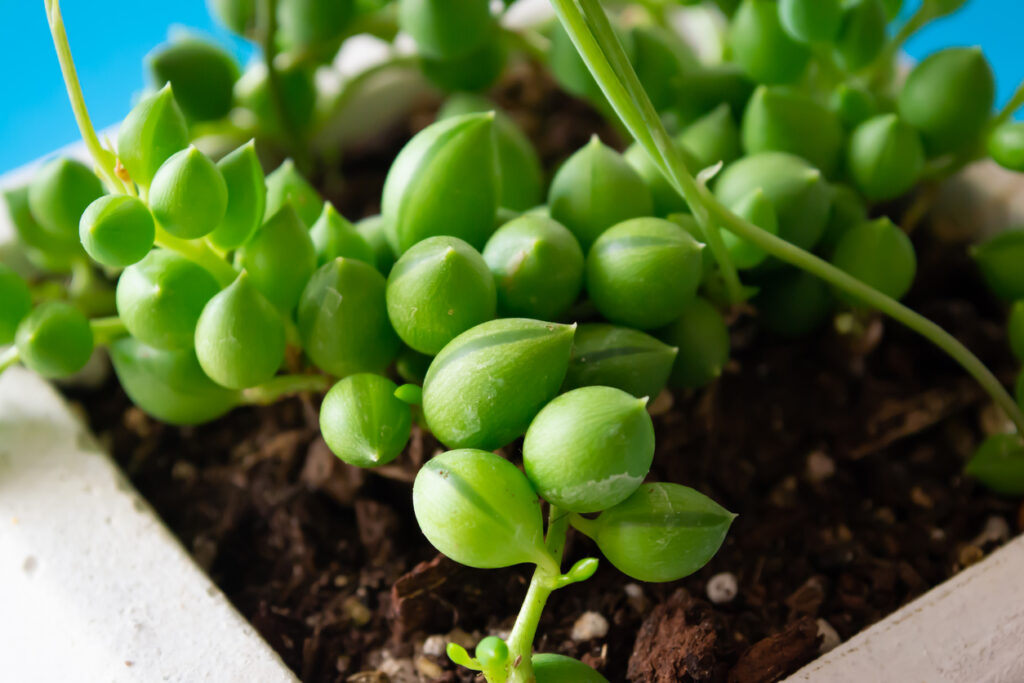
This unusual succulent looks exactly like its name suggests, with round bead-like leaves on long trailing stems. It’s perfect for hanging baskets or trailing over the edge of containers, where it creates a really dramatic effect.
The key with string of pearls is treating it like the desert plant it is, giving it bright light and very little water. It’s one of those plants that looks exotic but is actually quite happy to be ignored most of the time.
Agave plants add serious drama to any garden.
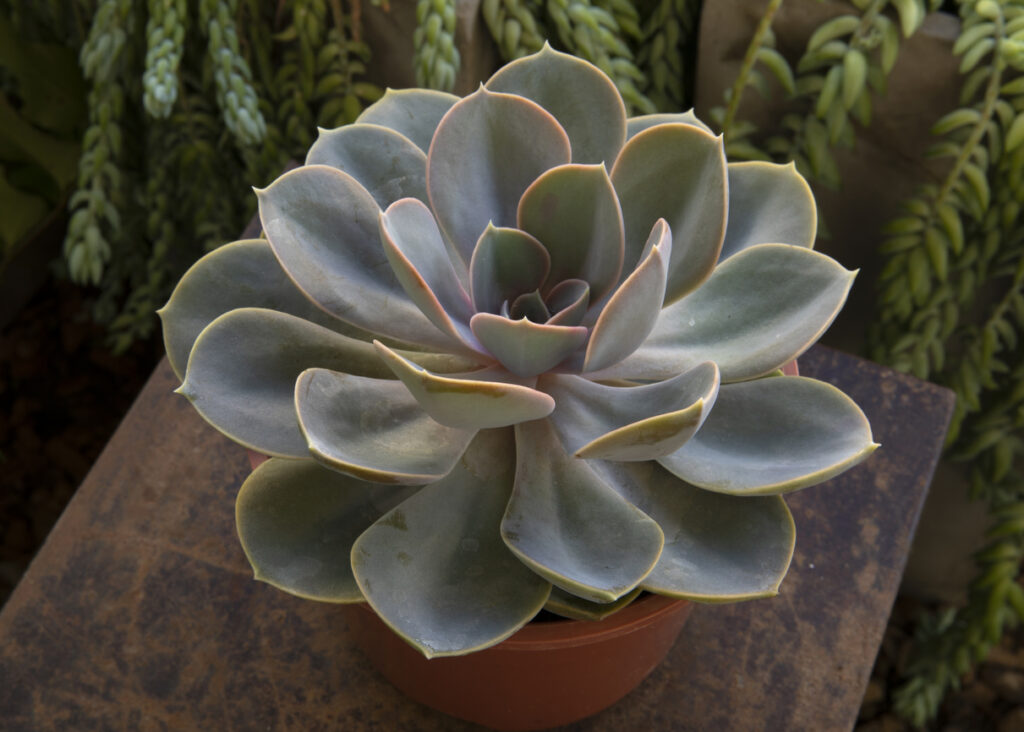
If you want something that looks like it belongs in a desert movie, agave is your plant. These architectural beauties have thick, pointed leaves arranged in stunning rosettes, and they can get quite large over time.
They’re perfect for containers or as statement plants in well-drained garden beds. Just be aware that some varieties have sharp spines, so plant them away from paths where people might brush against them.
Crassula varieties offer endless options.
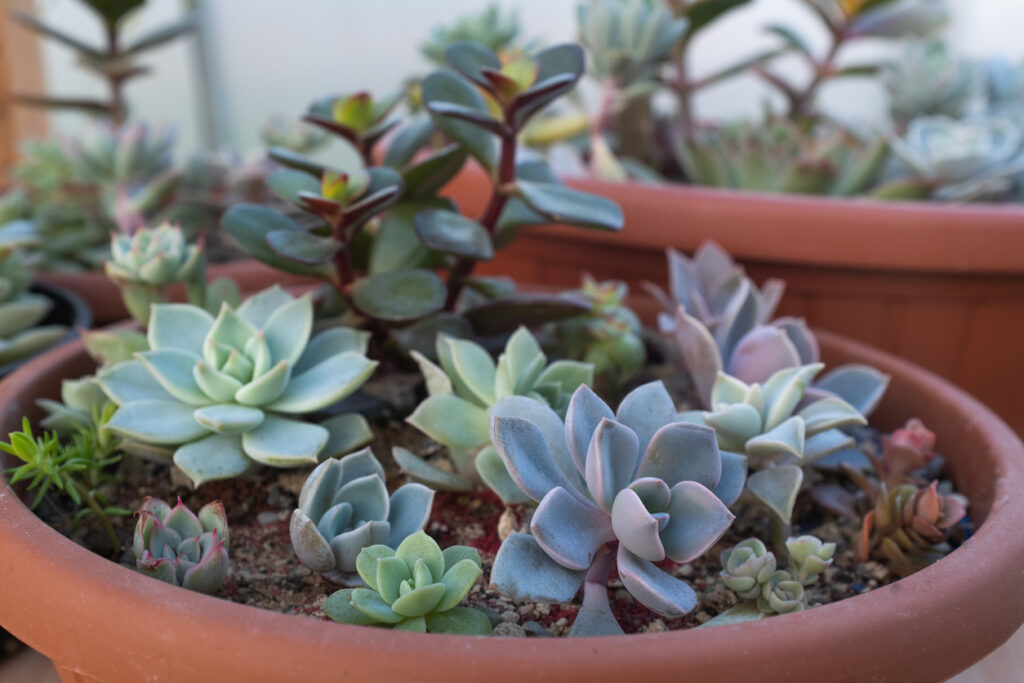
The crassula family is massive and includes everything from tiny button plants to larger shrub-like specimens. Many have interesting leaf shapes and colours, and some produce lovely flowers as a bonus.
These plants are brilliant for beginners because they’re very obvious about their needs. When they want water, they get a bit soft and wrinkled, and when they’re happy, their leaves are plump and firm.
Portulaca adds brilliant colour to sunny spots.
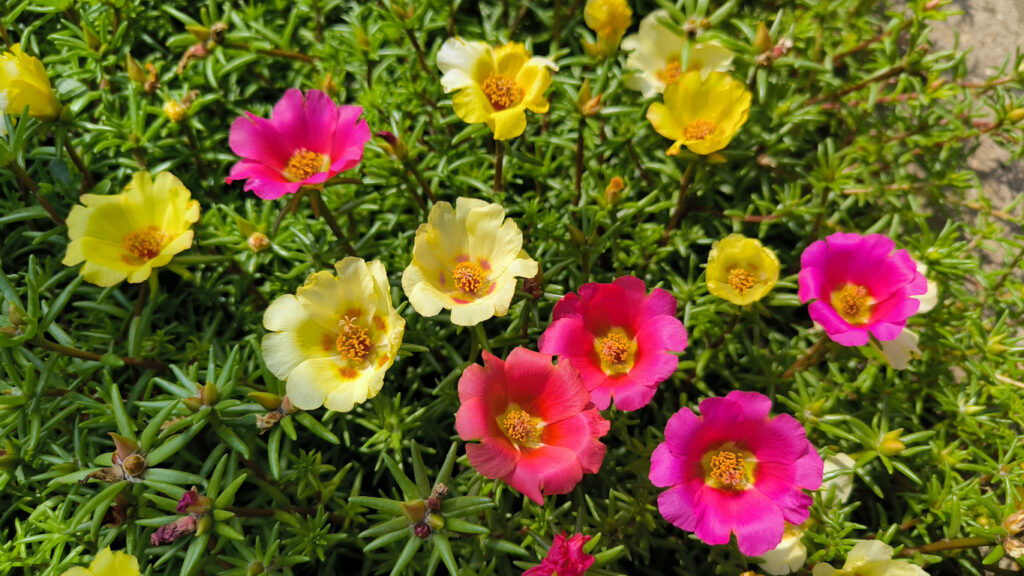
Also called moss rose, portulaca produces masses of bright flowers in summer and has succulent-like leaves that store water. It’s an annual, so you’ll need to replant each year, but it self-seeds readily.
These plants absolutely love hot, sunny conditions where other flowers would wilt, making them perfect for those difficult sunny spots in your garden. The flowers close at night and on cloudy days, which is quite charming.
Kalanchoe brings year-round interest.
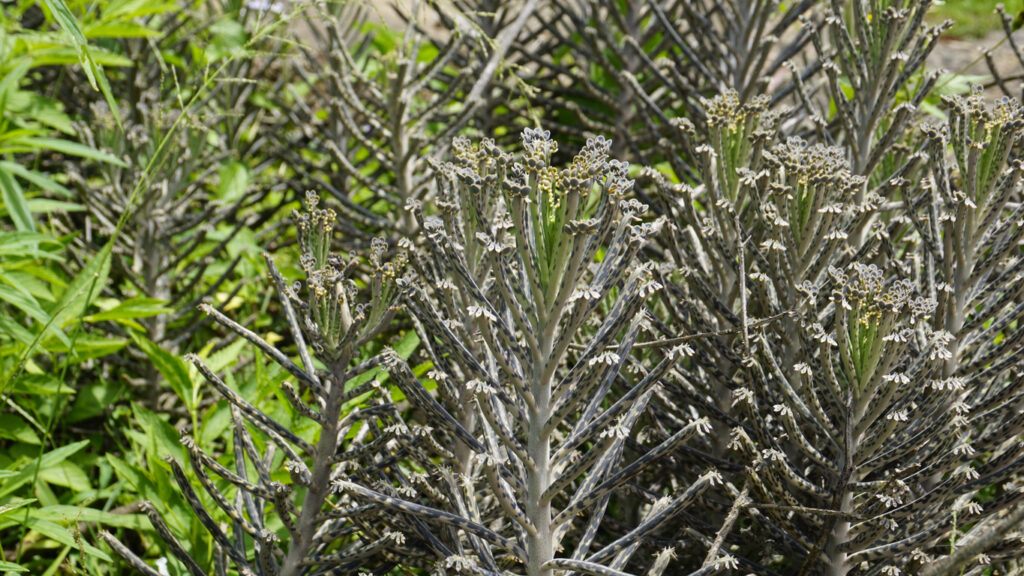
These plants have thick, fleshy leaves and often produce clusters of small, bright flowers. Some varieties have interesting leaf edges or textures, and they’re generally very tolerant of neglect.
Many kalanchoes are sold as houseplants, but in milder areas, they can live outside year-round. They’re particularly good for people who travel a lot because they can go weeks without water.
Ice plants create carpets of colour.
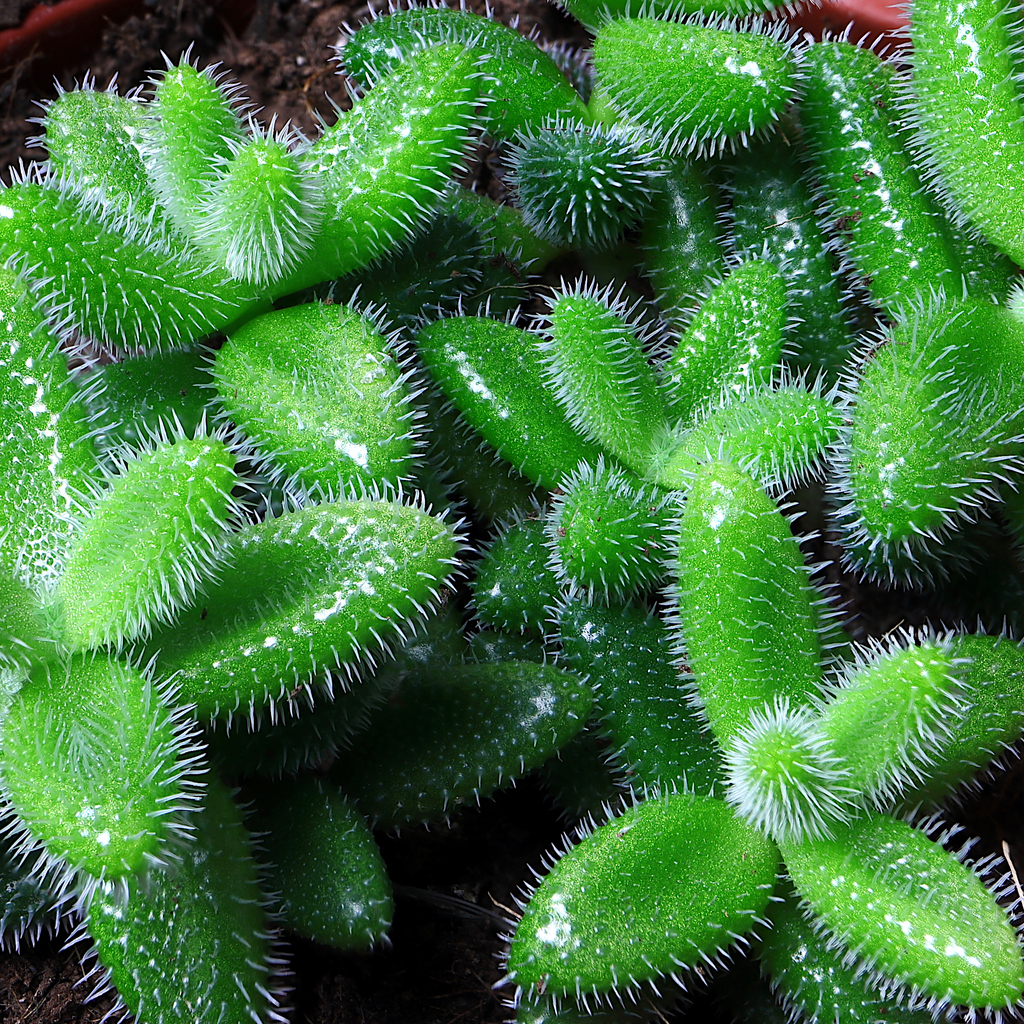
Delosperma, or ice plants, spread to form low mats covered in daisy-like flowers in brilliant colours. They’re perfect for slopes, rockeries, or anywhere you want low-maintenance ground cover with seasonal colour.
These plants are incredibly drought-tolerant once established and can handle poor soil conditions. The flowers are so bright and cheerful, you’ll wonder why you ever bothered with high-maintenance annuals.
Aeonium rosettes look like giant green roses.
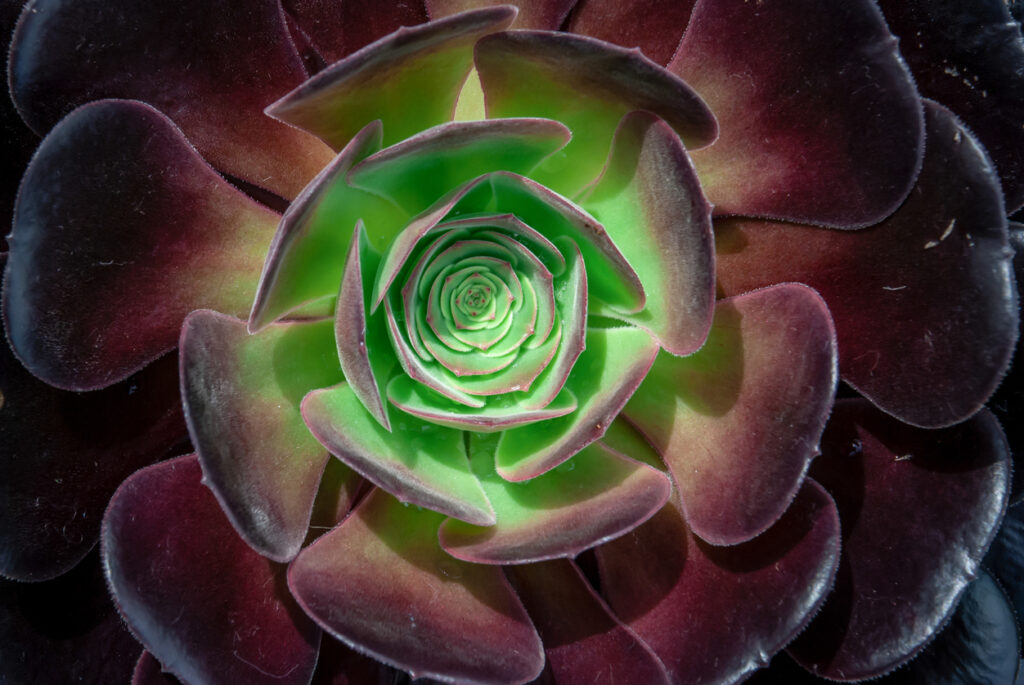
These architectural plants form large, flat rosettes of leaves that can be green, purple, or variegated. They’re quite dramatic and look fantastic in containers or as focal points in succulent gardens.
Aeoniums are a bit different from other succulents because they actually prefer some moisture and can handle partial shade. This makes them perfect for people who want the succulent look but don’t have the sunniest garden.
Gasteria plants thrive in less-than-perfect conditions.
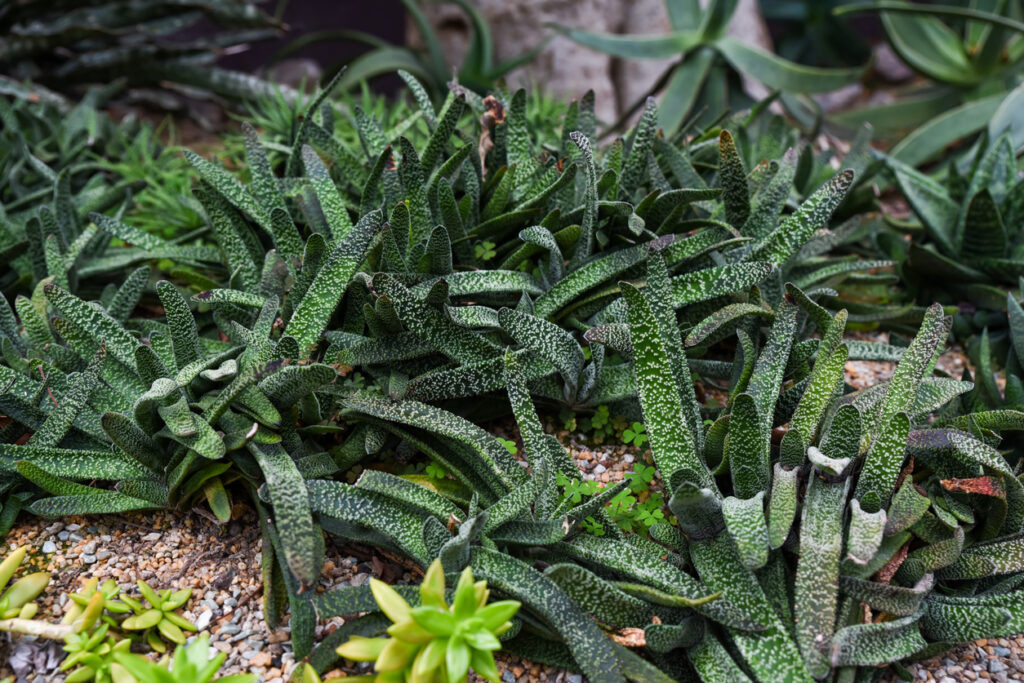
These underrated succulents have thick, tongue-shaped leaves often marked with interesting patterns or spots. They’re particularly good for shadier spots where other succulents might struggle.
Gasteria plants are incredibly forgiving and can handle lower light conditions, making them perfect for beginners or for spots in your garden that don’t get full sun. They occasionally produce tall spikes of tubular flowers as a lovely bonus.