Dragons exist in mythology across almost every culture, and they’re surprisingly similar despite being created independently.
That’s because ancient people based these legendary creatures on real animals they encountered, feared, or admired in their environments. While a real-life fire-breathing winged monster doesn’t actually exist and never did, these animals do, and they deserve credit for being behind the invention of dragons.
1. Komodo dragons inspired fire-breathing legends.
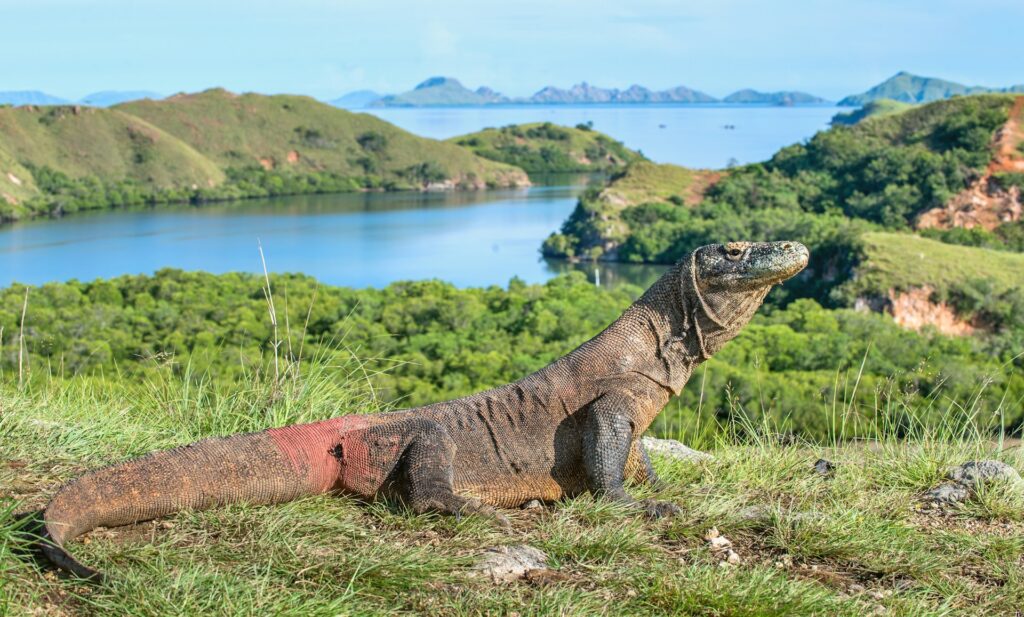
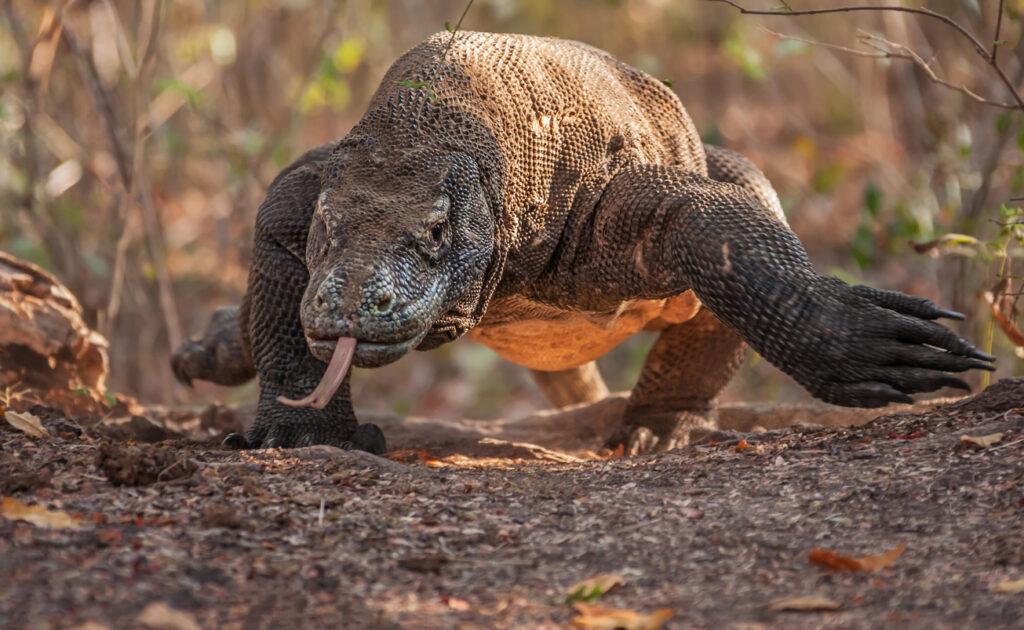
Komodo dragons are the world’s largest lizards, growing up to three metres long with powerful claws and venomous bites. Their forked tongues flick in and out constantly, which looks like flames. Ancient people seeing these massive reptiles could easily imagine them breathing fire.
Their hunting style is terrifying too. They bite prey and wait for venom to weaken it over days. The victim seems cursed or poisoned, which added to the mystical reputation. It’s not hard to see how these real lizards became the basis for dragon legends.
2. Crocodiles became water dragons in many cultures.
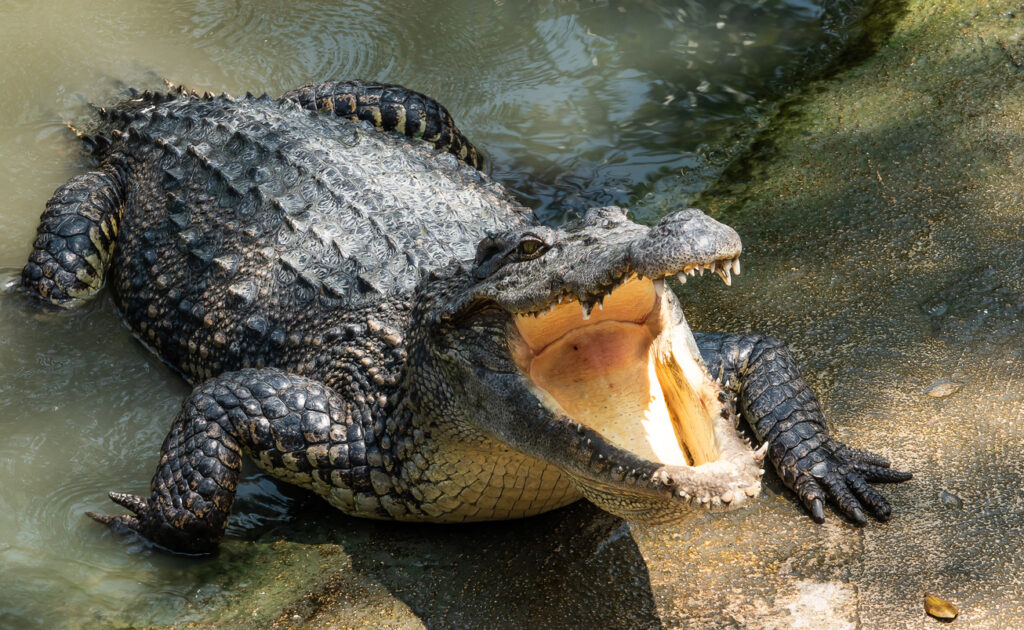
Crocodiles are ancient reptiles that lurk in water and strike with devastating power. In many Asian and African cultures, water dragons share the same ambush hunting style. They’re patient, deadly, and command respect from anyone near the water.
Their scaly armour, powerful jaws, and ability to stay submerged for ages made them seem supernatural. Ancient people witnessing crocodile attacks would tell stories that grew into legends. The creature’s real abilities were already impressive enough to inspire dragon myths.
3. Pythons and anacondas created serpent dragons.
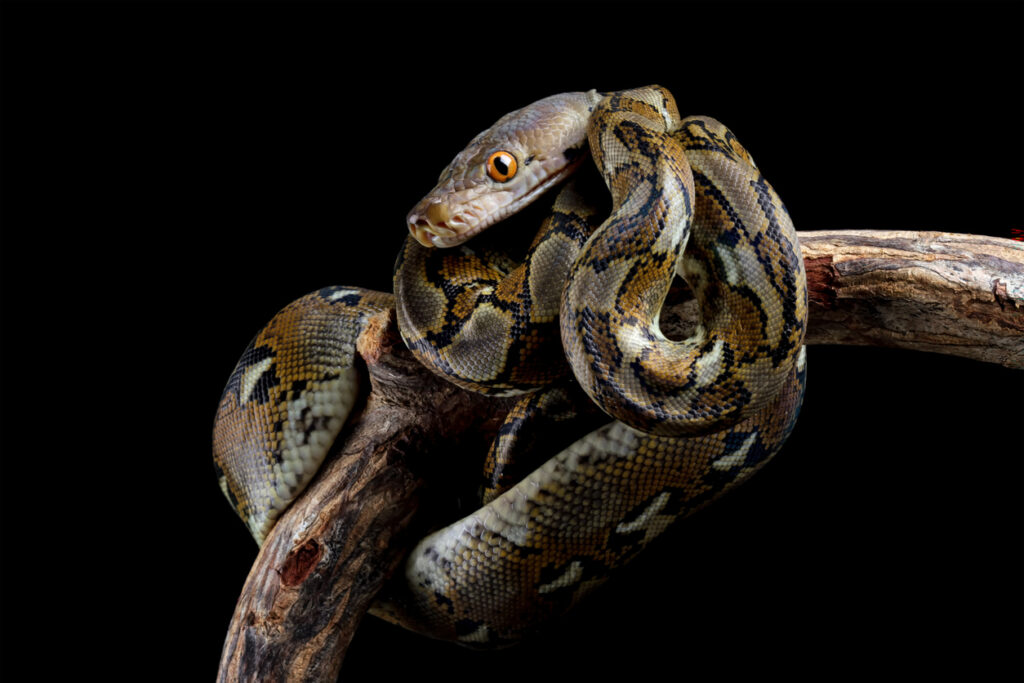
Massive constrictor snakes that can swallow prey whole definitely inspired serpent dragon legends. In cultures without large lizards, snakes became the basis for dragons. Chinese dragons especially resemble giant serpents, with their long, sinuous bodies and no wings.
These snakes can grow over nine metres long and kill animals much larger than themselves. Watching a python constrict a deer or pig would be terrifying for ancient people. The snake’s power and mystery naturally evolved into stories of magical serpent dragons.
4. Pterosaur fossils confused ancient people.
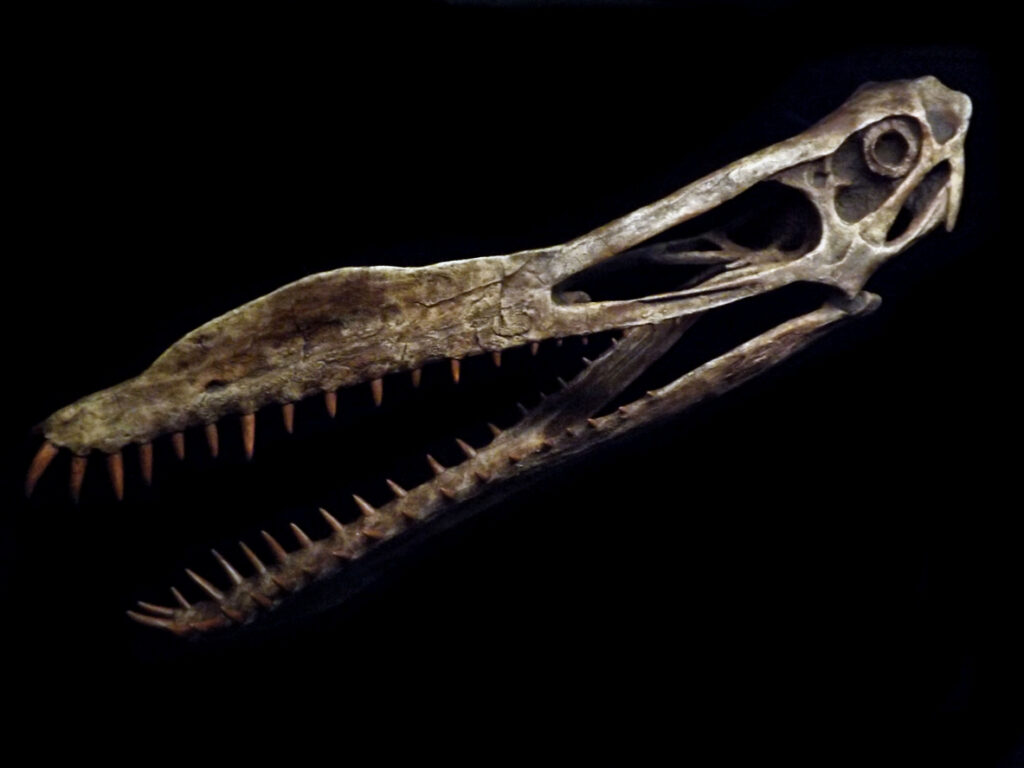
Long before anyone understood dinosaurs, people found pterosaur fossils and tried to make sense of them. These flying reptile skeletons had wings, claws, and elongated skulls with teeth. Without modern science, the logical explanation was dragons once existed and died out.
Ancient Chinese scholars documented “dragon bones” that were likely dinosaur and pterosaur fossils. They believed these proved dragons were real. The fossil record accidentally created evidence for mythical creatures, reinforcing dragon legends for thousands of years across cultures.
5. Eagles and large birds of prey added wings.
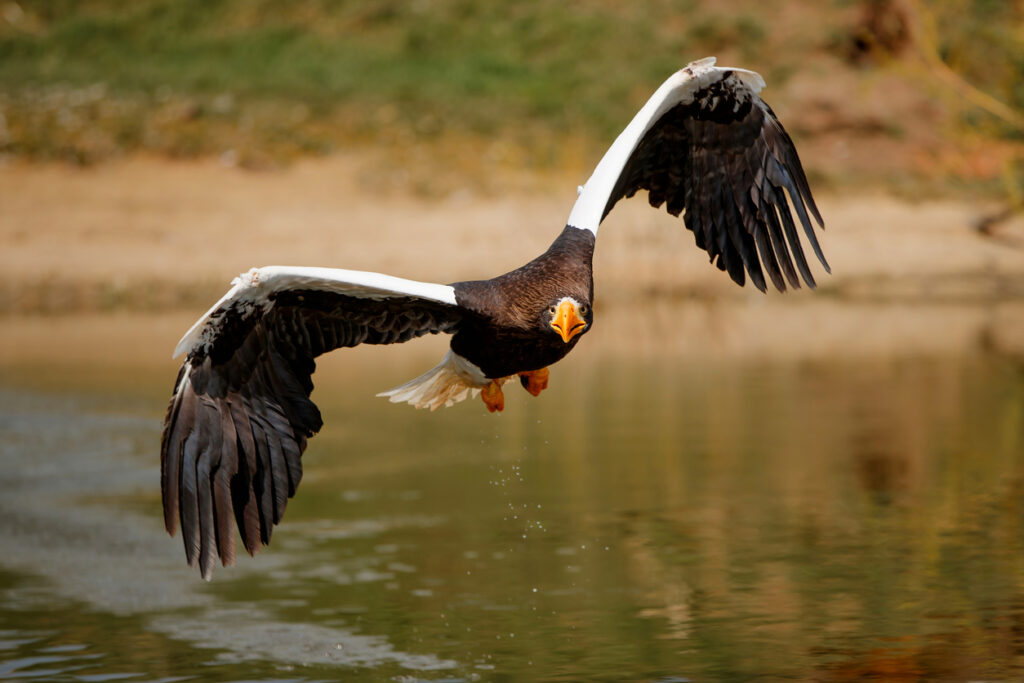
European dragons typically have wings, unlike Asian ones because European cultures were more influenced by large birds of prey. Golden eagles, vultures, and hawks inspired the winged aspect. People combined the scariest land predator they knew with the most powerful bird.
Birds of prey have incredible eyesight, powerful talons, and can strike from above without warning. Adding these attributes to a reptilian body created the ultimate predator. The combination of snake or lizard with eagle created the classic Western dragon design.
6. Whales and large marine animals inspired sea serpents.
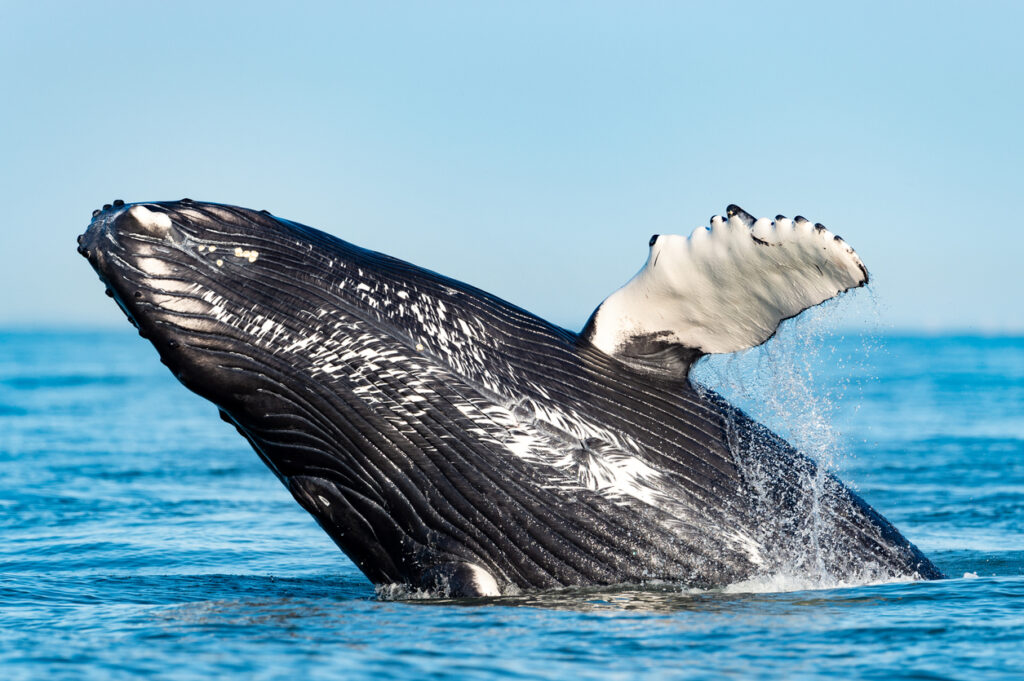
Sailors encountering whales, giant squids, or oarfish created sea serpent and sea dragon legends. These massive creatures breaching the surface looked monstrous. Oarfish can grow up to 11 metres long, with a serpentine body and bright red fins.
Ancient sailors had no explanation for these rare sightings. They’d return to port with stories of sea dragons attacking ships. The real animals were strange enough, but the stories grew with each retelling until they became the legendary sea serpents of myth.
7. Monitor lizards contributed to Asian dragon legends.
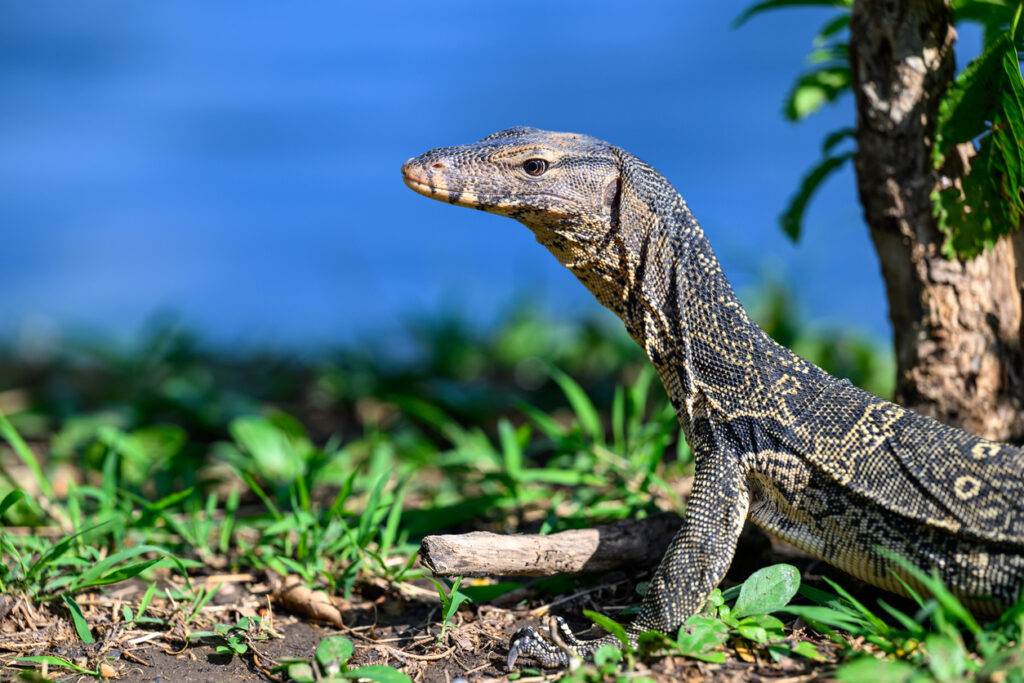
Large monitor lizards are found throughout Asia and can grow over two metres long. They’re intelligent, aggressive when threatened, and excellent swimmers. Their behaviour and appearance heavily influenced Asian dragon mythology, especially the connection between dragons and water.
Monitors can hold their breath for extended periods and hunt in water. Ancient people seeing these lizards emerging from rivers or lakes would associate them with water spirits. Their real abilities were impressive enough to inspire stories of water-dwelling dragons.
8. Dinosaur bones were misidentified as dragon remains.
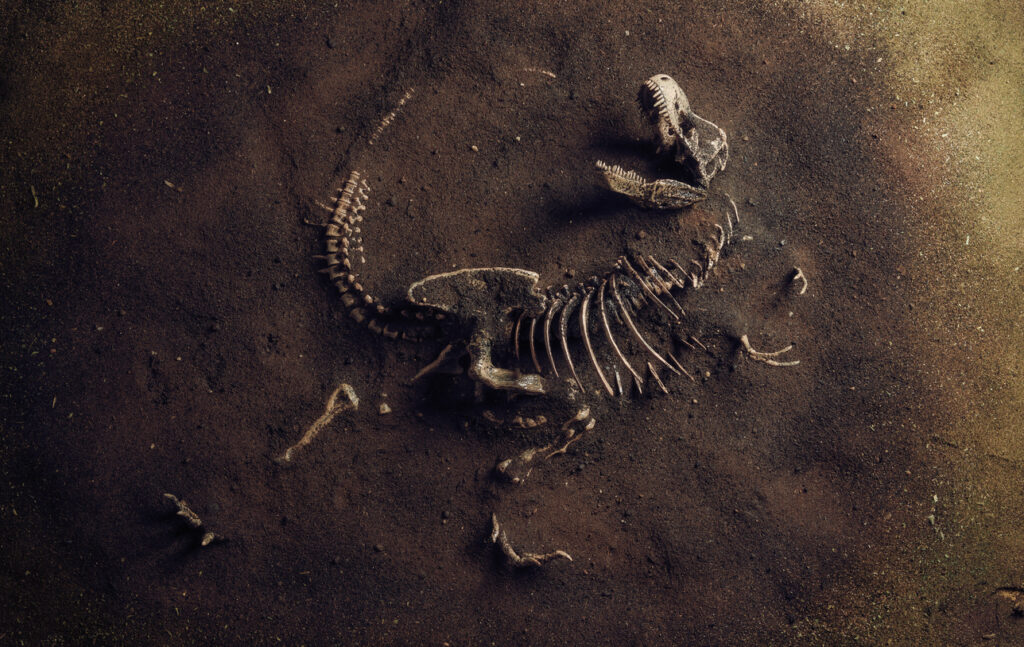
Before palaeontology existed, people found massive bones and skulls they couldn’t explain. Dinosaur fossils looked like proof that giant reptiles once roamed the earth. The logical conclusion for ancient people was that these were dragon skeletons from a mythical past.
In China, “dragon bones” were ground into medicine for centuries. These were actually dinosaur fossils. The practice shows how deeply people believed dragons were real animals. The fossil evidence seemed to confirm what legends had always claimed about dragons existing.
9. Alligators influenced American dragon legends.
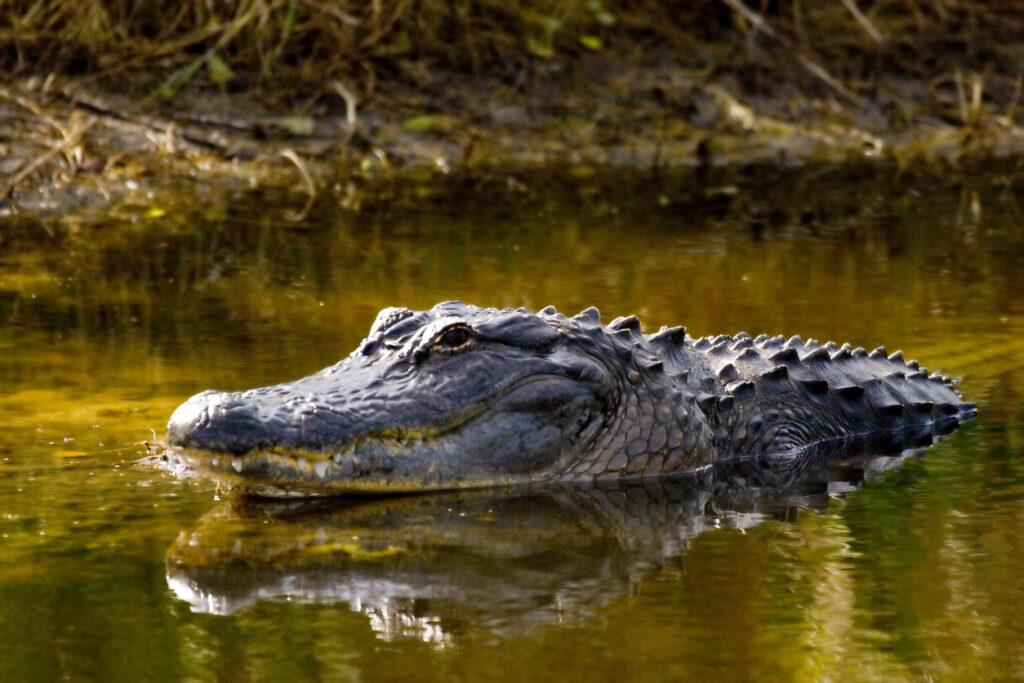
Indigenous American cultures had their own dragon-like creatures in mythology, often inspired by alligators. These reptiles can grow over four metres long and are apex predators. Their armoured bodies and powerful jaws made them perfect candidates for mythical enhancement in stories.
Alligators’ ability to remain perfectly still for hours, then explode into action, seems almost supernatural. Native peoples who lived alongside these predators created legends that respected their power. The real animal’s abilities were exaggerated into dragon-like creatures in oral traditions.
10. Gila monsters added venom to dragon mythology.
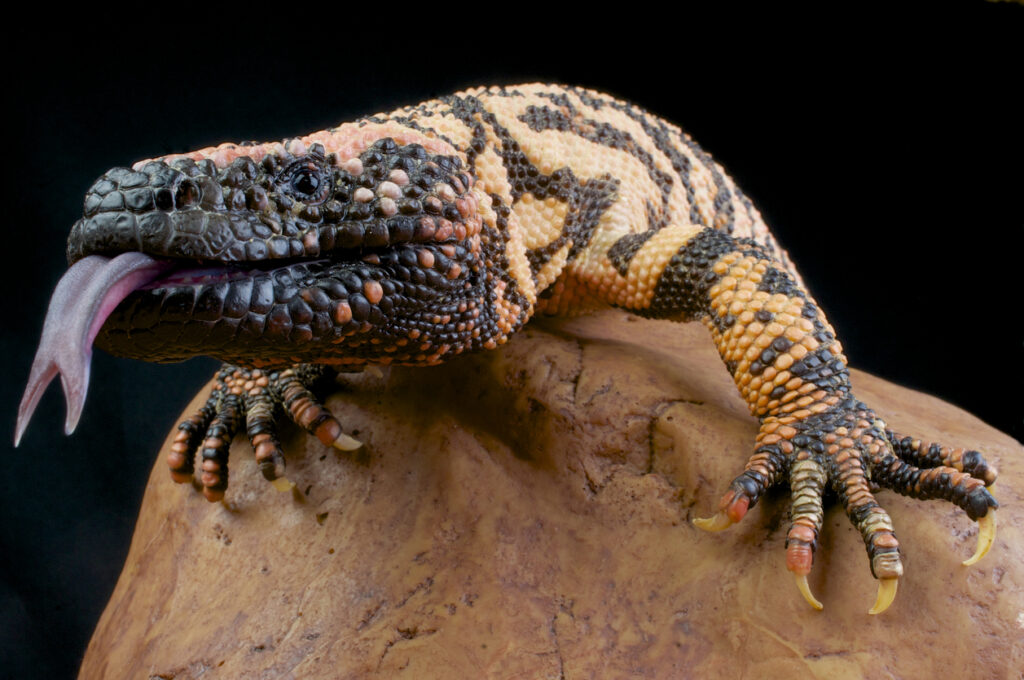
Gila monsters are one of few venomous lizards, found in North American deserts. Their bite causes intense pain, and their colourful, beaded skin makes them look exotic. Ancient people encountering these lizards would naturally attribute magical or cursed properties to them.
The venom connection is important. Many dragon legends involve poisonous breath or bites that curse victims. Gila monsters provided real-world evidence that reptiles could have venomous abilities. This trait was amplified in dragon legends across cultures that encountered venomous reptiles.
11. Frilled lizards inspired neck frills on dragons.
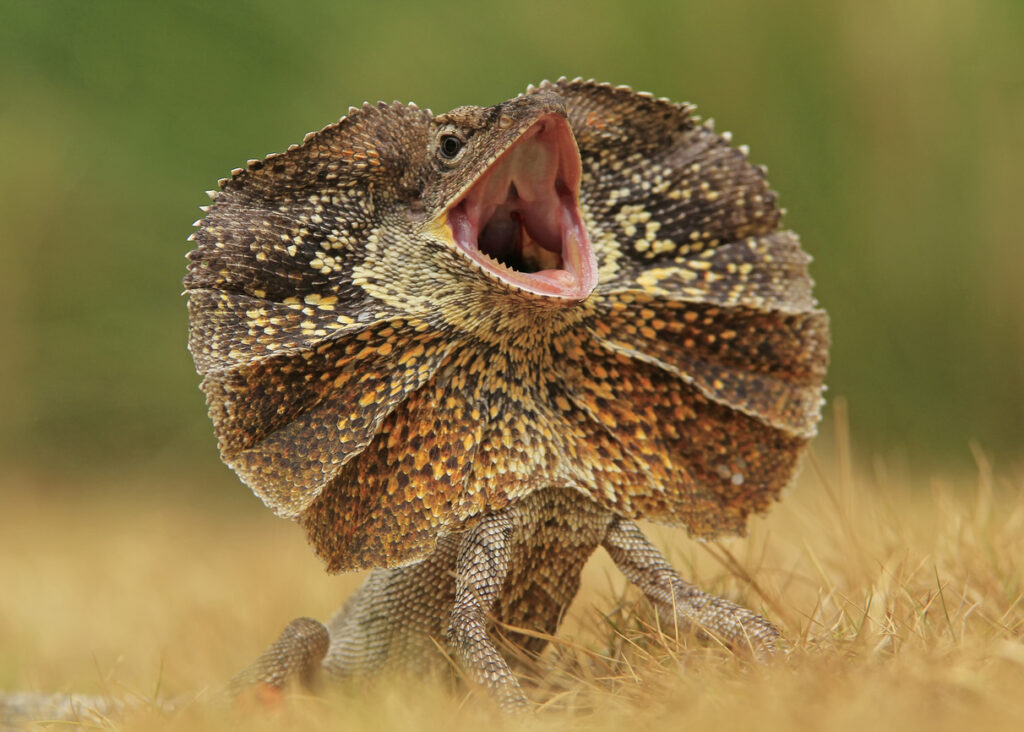
The frilled lizard of Australia has a dramatic neck frill it extends when threatened. This defensive display makes the small lizard look much larger and more intimidating. Dragon illustrations often show similar neck frills, likely inspired by these real lizards.
Ancient people seeing this display would be impressed by how the lizard transforms itself. The frill made the creature look fierce and otherworldly. Artists and storytellers incorporated this feature into dragon designs, making fictional dragons more visually striking and memorable.
12. Rhino and elephant skulls created horned dragon myths.

Ancient people finding rhino or elephant skulls without context would create wild theories. The skull structures look bizarre without understanding the living animal. Some Greek dragon depictions show features clearly inspired by misinterpreted elephant skulls found in caves.
Rhino horns on dragon skulls became a common feature in dragon art. The real animal’s horn placement and skull shape influenced how people imagined dragons looked. Finding these massive skulls underground or in caves seemed to prove dragons once lived in those areas.
13. Big cats influenced dragon behaviour in legends.
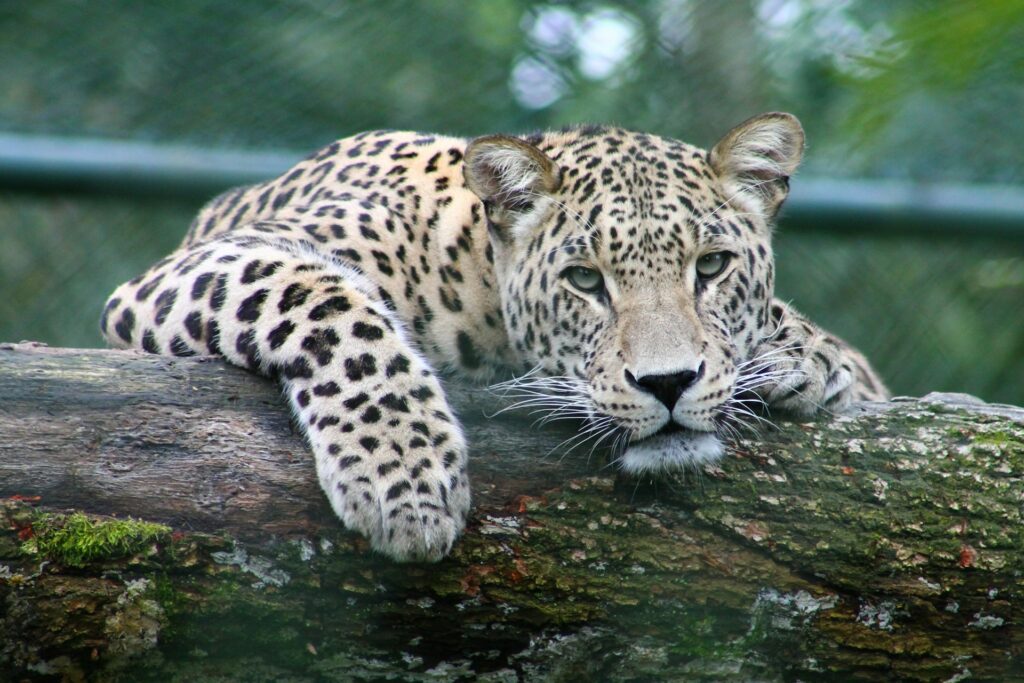
While dragons look reptilian, their behaviour in stories often mirrors big cats. They’re territorial, guard their lairs jealously, and are solitary hunters. Lions, tigers, and leopards inspired how dragons act in mythology, even if they don’t look like cats.
The combination of reptile appearance with big cat behaviour created the perfect legendary predator. Ancient people took the scariest physical features from reptiles and the most fearsome behaviours from apex mammalian predators. This fusion made dragons the ultimate monster in human imagination.