Our planet is a place of beauty and wonder, but also of grave potential danger and chaos.
Some dangers don’t roar loudly. They just sit quietly, biding their time. Around the world there are so-called sleeping giants that, if disturbed, could unleash chaos on a global scale. Here are 14 of the most concerning threats we hope never wake up. If they do, we’re all in big trouble.
1. Yellowstone supervolcano
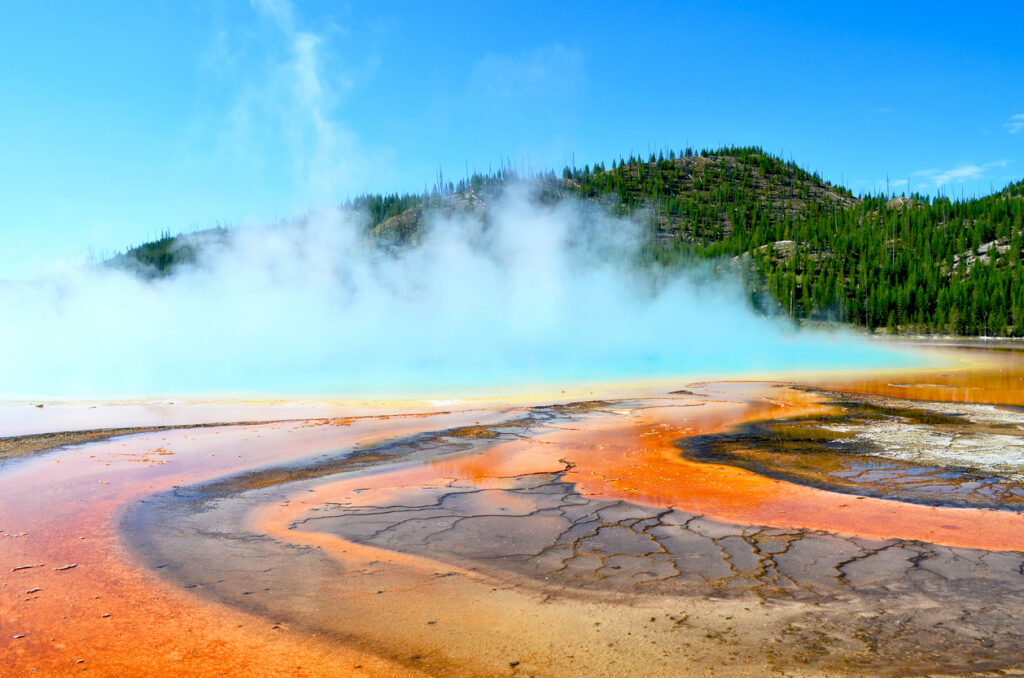
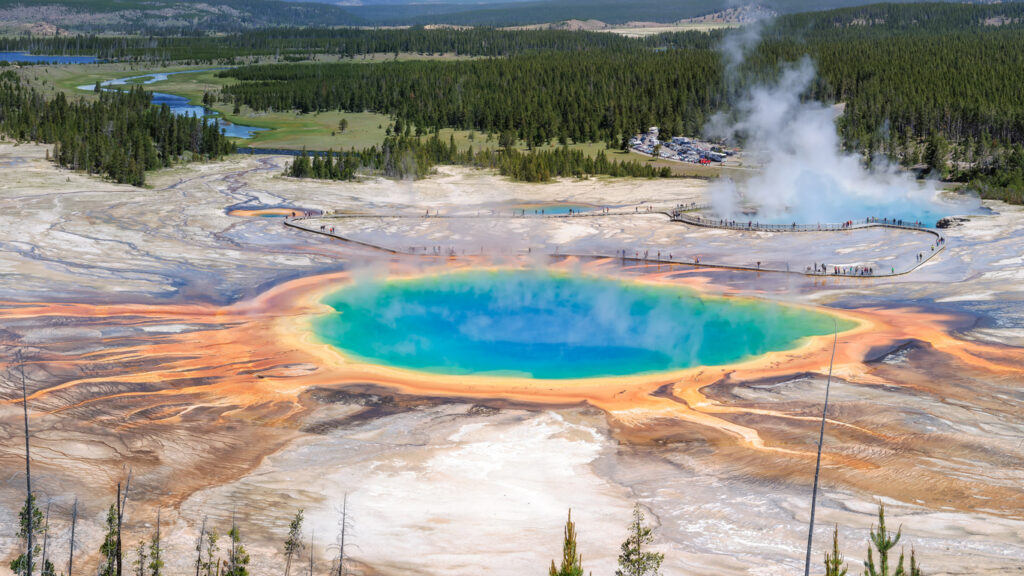
Yellowstone might look like a postcard-perfect park in the US, full of geysers, hot springs, and endless hiking trails, but beneath it lies one of the most powerful volcanic systems on the planet. This isn’t your average volcano. A Yellowstone eruption would be thousands of times bigger than anything we’ve seen in modern history. Scientists estimate that an explosion could send ash high into the atmosphere, blanketing huge swathes of North America and cooling the global climate for years. Agriculture would take a massive hit, and supply chains would be thrown into chaos.
The good news is that Yellowstone is heavily monitored. Thousands of small earthquakes ripple through the region each year, but they’re part of normal activity. Researchers look for signs like ground swelling, gas emissions, and changes in geyser behaviour. Right now, there’s no indication of imminent danger, but it’s a reminder that this beautiful landscape sits on a ticking geological clock.
2. Campi Flegrei caldera
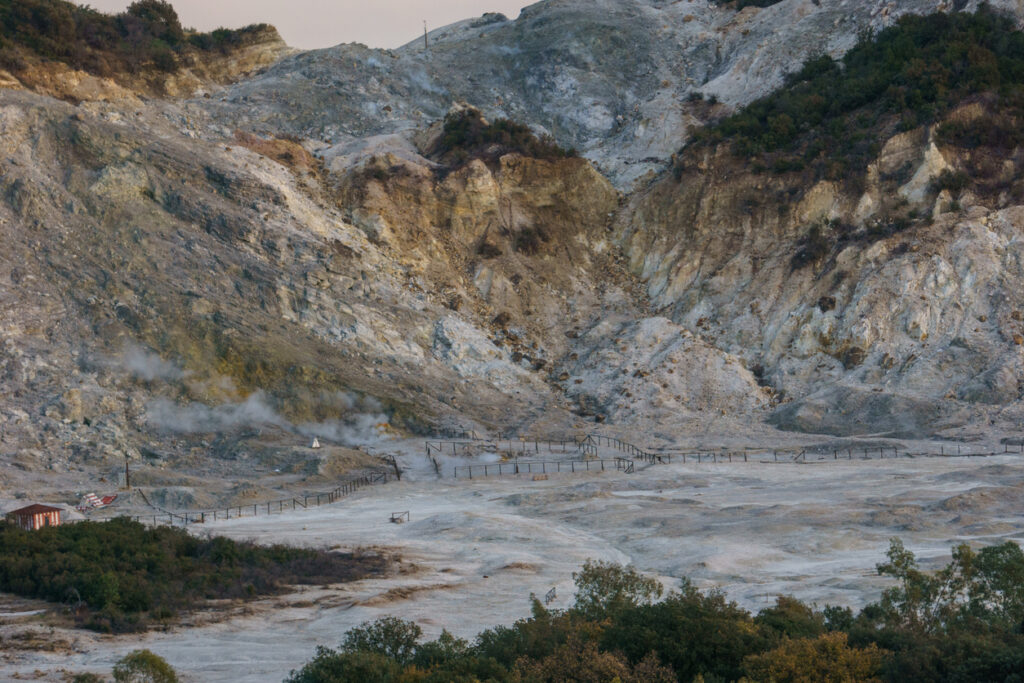
On the other side of the world, just outside Naples, Italy, sits Campi Flegrei, another supervolcano with a reputation that’s hard to ignore. Unlike Vesuvius, which destroyed Pompeii, Campi Flegrei doesn’t have a single cone. Instead, it’s a sprawling caldera, marked by hot fumaroles and bubbling mud pools that give a small glimpse into the power beneath.
For decades, the ground here has been rising and falling like a slow breath, suggesting magma shifts below. A major eruption could displace millions of people, devastate southern Italy, and send ash clouds across Europe. The city of Naples is practically on its doorstep. Scientists from the Italian National Institute of Geophysics keep an incredibly close eye on it because even a small flare-up could cause widespread disruption.
3. Thwaites “Doomsday” glacier
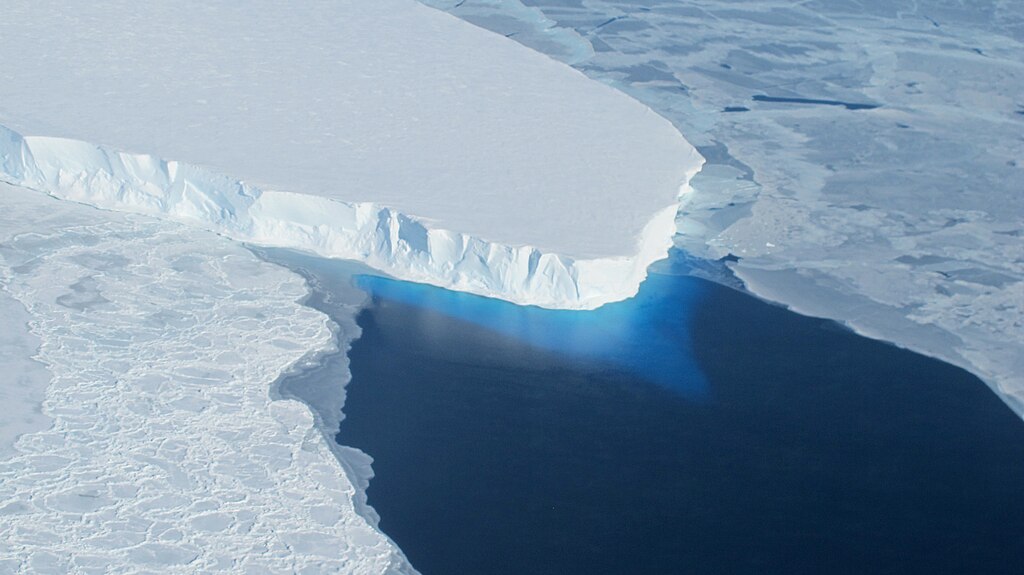
Nicknamed the Doomsday Glacier, Thwaites in Antarctica is melting at an alarming pace. It’s roughly the size of Britain, and it’s one of the most unstable ice sheets in the world. If it collapses fully, global sea levels could rise by more than half a metre, which would be enough to reshape coastlines, flood low-lying cities, and displace millions.
What makes Thwaites so worrying is how quickly it’s retreating compared to historic records. Scientists drilling beneath it have found warm seawater seeping under the ice, destroying it from below. International research teams are racing to understand how long we have before large sections give way. While humans can’t stop it directly, every effort to slow global warming buys precious time to adapt.
4. The San Andreas fault
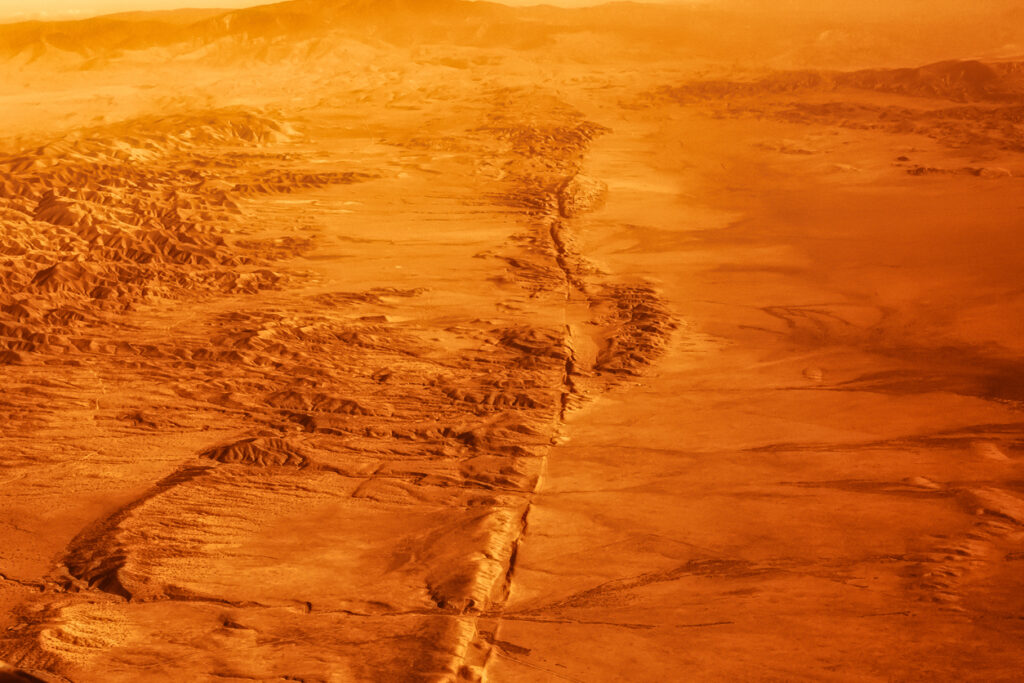
California is known for sunshine, celebrities, and unfortunately earthquakes. The San Andreas fault runs through much of the state, and it’s long overdue for what scientists ominously call “the Big One.” This fault has produced catastrophic quakes in the past, and it’s constantly storing up pressure. When it eventually snaps, the shaking could devastate Los Angeles, San Francisco, and everything in between.
The good news is California doesn’t ignore the risk. Buildings are designed with seismic safety in mind, emergency drills are common, and early warning systems are improving. Still, nothing can fully prepare for the level of destruction a megaquake would bring. The longer the fault stays quiet, the more energy builds beneath the surface.
5. The Cascadia subduction zone
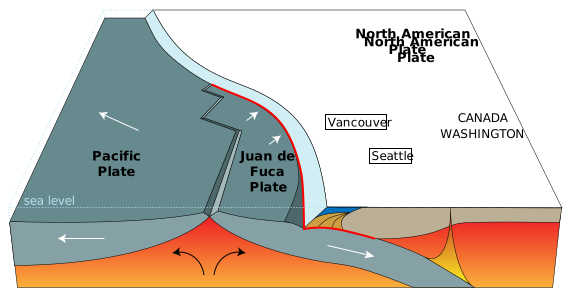
North of the San Andreas lies an even scarier system: the Cascadia subduction zone, stretching from northern California up through Oregon, Washington, and into Canada. This fault is capable of producing earthquakes so massive they make the San Andreas look modest. A Cascadia “megathrust” quake would also trigger a tsunami that could hit the Pacific Northwest within minutes.
Scientists estimate these events happen roughly every 500 years, and the last one was in 1700. That timeline means we’re entering the danger window. Coastal communities now prepare evacuation routes, build sea walls, and practise rapid response. Knowing the risk is half the battle, but the sheer scale of potential damage keeps geologists on edge.
6. Lake Toba supervolcano
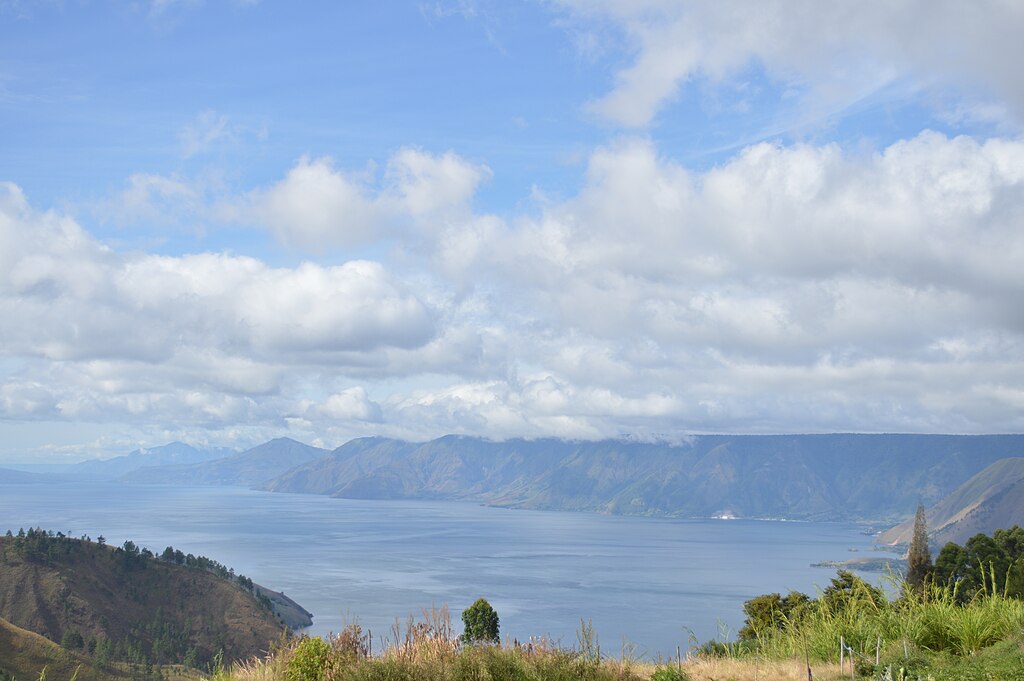
Indonesia’s Lake Toba looks serene today, but it’s the scar left by one of the largest eruptions in Earth’s history. About 74,000 years ago, Toba erupted with such force that it’s believed to have caused a global volcanic winter, nearly wiping out early human populations.
While another eruption of that size isn’t expected anytime soon, the system isn’t extinct. Toba is still classified as active, and scientists monitor seismic activity closely. A repeat would have global consequences: temperature drops, failed harvests, and mass displacement. It’s a stark reminder of how past events can frame our understanding of future risks.
7. Cumbre Vieja volcano
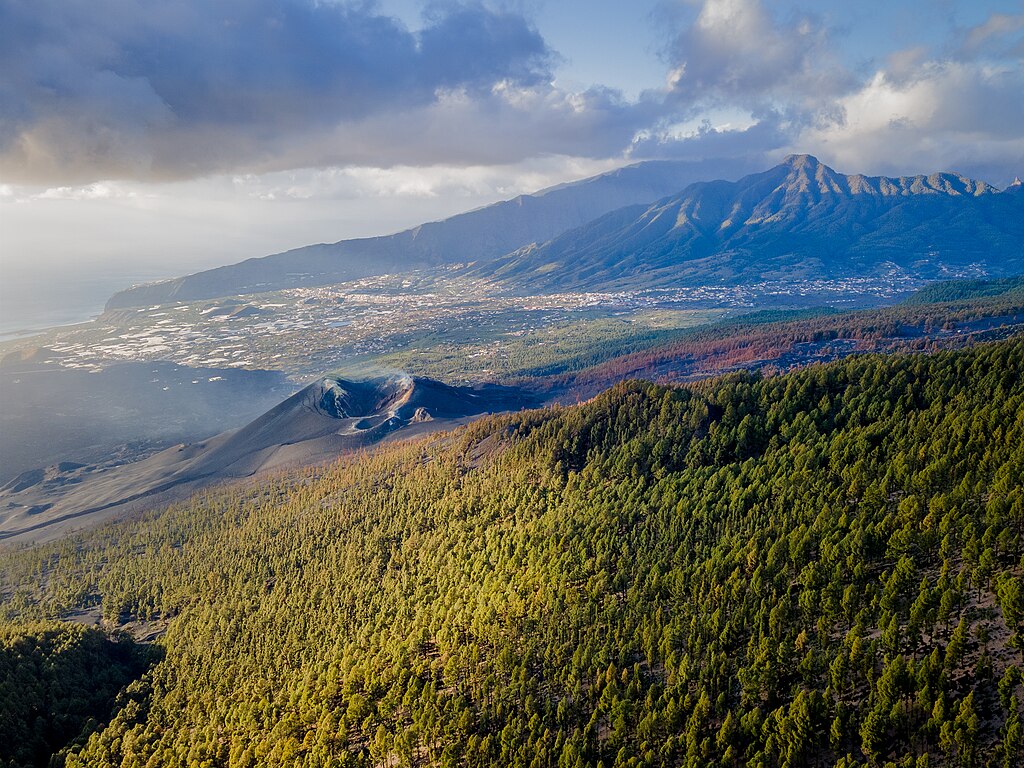
On La Palma in the Canary Islands, Cumbre Vieja made headlines in 2021 with a destructive eruption that destroyed homes and farmland. But scientists worry about an even bigger scenario: if part of the volcano’s flank collapsed into the ocean, it could trigger a mega-tsunami racing across the Atlantic. Some models suggest waves could reach the east coast of North America and parts of Europe.
While the chance of such a collapse in our lifetimes is debated, researchers monitor the volcano’s structure carefully. For island communities living under its shadow, Cumbre Vieja is a reminder of how local eruptions can have global ripple effects.
8. Permafrost melt
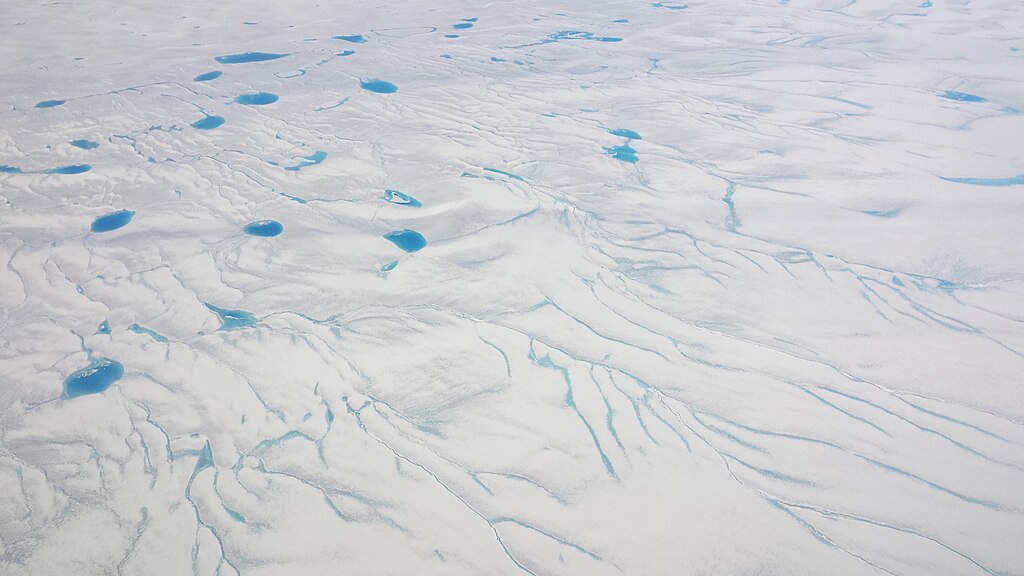
The Arctic’s permafrost has been frozen for thousands of years, trapping vast amounts of greenhouse gases like methane. As global temperatures rise, this frozen ground is thawing, and when it does, it releases those gases into the atmosphere. Methane is far more potent than carbon dioxide in the short term, meaning even small releases could accelerate climate change dramatically.
The thawing also destabilises ground, collapsing buildings, roads, and pipelines in northern communities. Scientists are experimenting with ways to slow the thaw, from insulating the ground with new techniques to restoring ecosystems like grasslands that reflect heat. But the scale is enormous, and once methane is released, there’s no putting it back.
9. Asteroid impacts
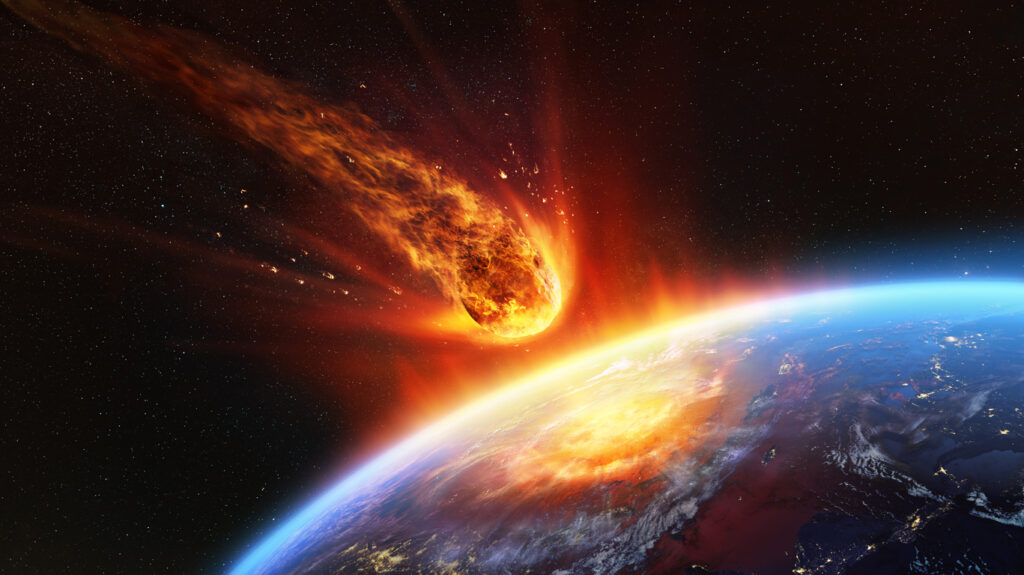
Sixty-five million years ago, an asteroid strike ended the age of dinosaurs. That same possibility still hangs over us, even if the odds in any given year are small. A large asteroid hitting Earth would cause shockwaves, fires, tsunamis, and a “nuclear winter”-like climate effect from dust blocking sunlight.
Fortunately, we’re not powerless. NASA and other agencies track near-Earth objects constantly, cataloguing thousands of them. In 2022, the DART mission proved we can actually nudge an asteroid off course. It’s still early days, but for the first time, humanity has a potential defence against one of the oldest threats in the cosmos.
10. The New Madrid fault zone
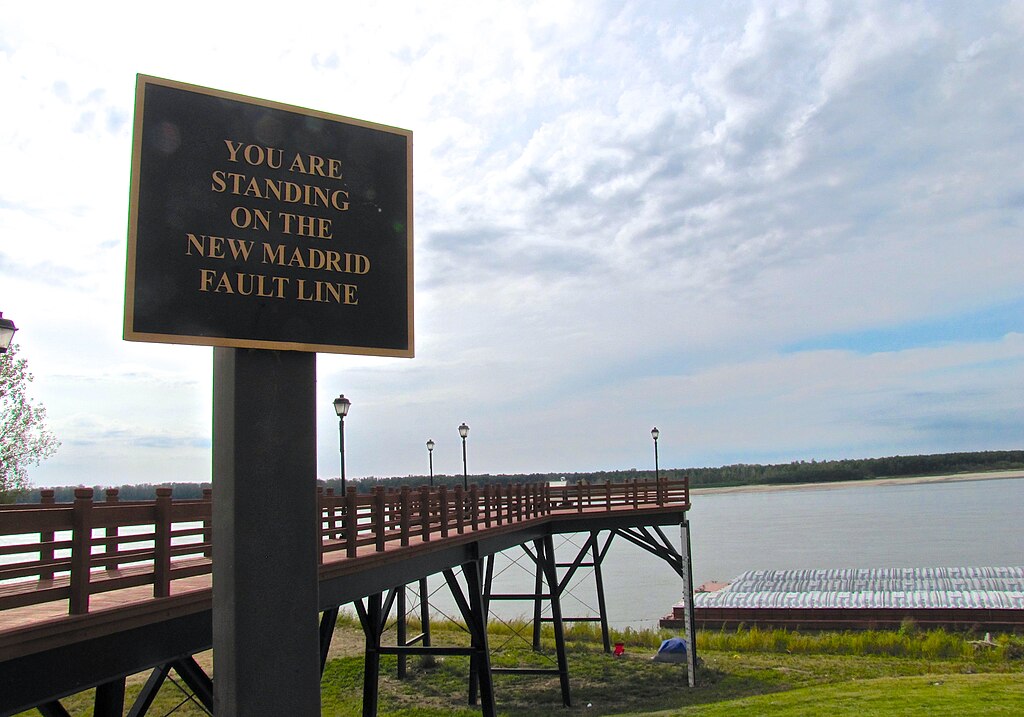
The New Madrid seismic zone in the central US isn’t as famous as California’s faults, but it’s capable of enormous quakes. In the early 1800s, a series of earthquakes here were so powerful they made the Mississippi River briefly flow backwards. Imagine that today, with modern infrastructure stretched across the region: bridges, highways, pipelines. The damage would ripple through the entire country.
Because it sits far from the edges of tectonic plates, scientists find this fault trickier to predict. Still, they monitor it closely and encourage earthquake preparedness even in places people don’t associate with major quakes.
11. Lake Nyos gas pocket
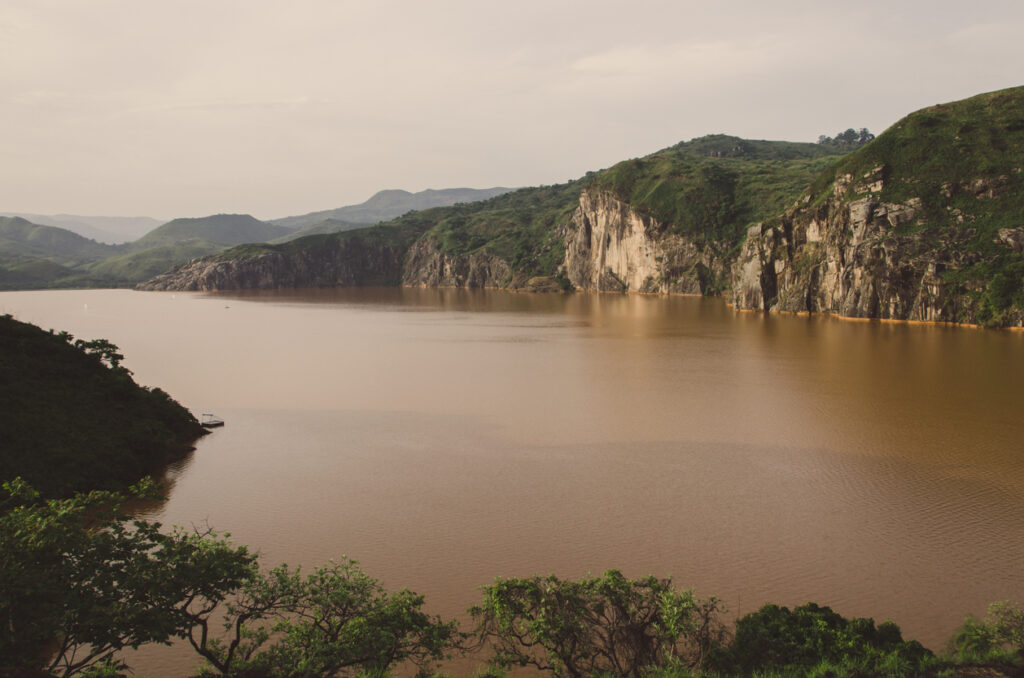
Sometimes danger hides in plain sight. In Cameroon, Lake Nyos looks peaceful, but in 1986 it suddenly released a massive cloud of carbon dioxide that suffocated over 1,700 people in nearby villages. The gas had built up silently at the lake’s depths until it erupted in what’s called a “limnic explosion.”
Engineers have since installed pipes to slowly release the gas in controlled ways. It’s one of those eerie reminders that not all disasters come from fire and fury. Some creep up quietly, then strike without warning.
12. Greenland’s ice sheet
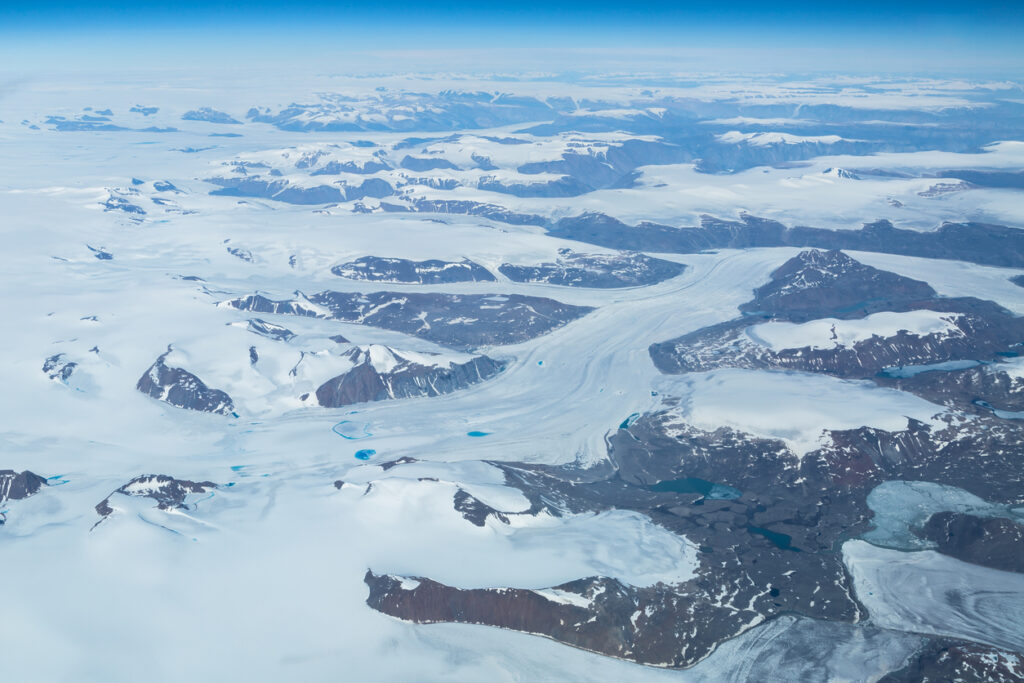
Greenland holds enough ice to raise global sea levels by about seven metres if it melted entirely. That wouldn’t happen overnight, but the steady melting we’re already seeing is reshaping coastlines and fuelling more extreme weather. Rising seas threaten cities from Miami to Mumbai, while meltwater pouring into the ocean disrupts currents that regulate global climate.
The pace of melting depends directly on how much we reduce greenhouse gas emissions. Every fraction of a degree matters. The difference between two metres and seven metres of sea level rise could mean entire nations either survive or sink.
13. The Atlantic circulation slowdown
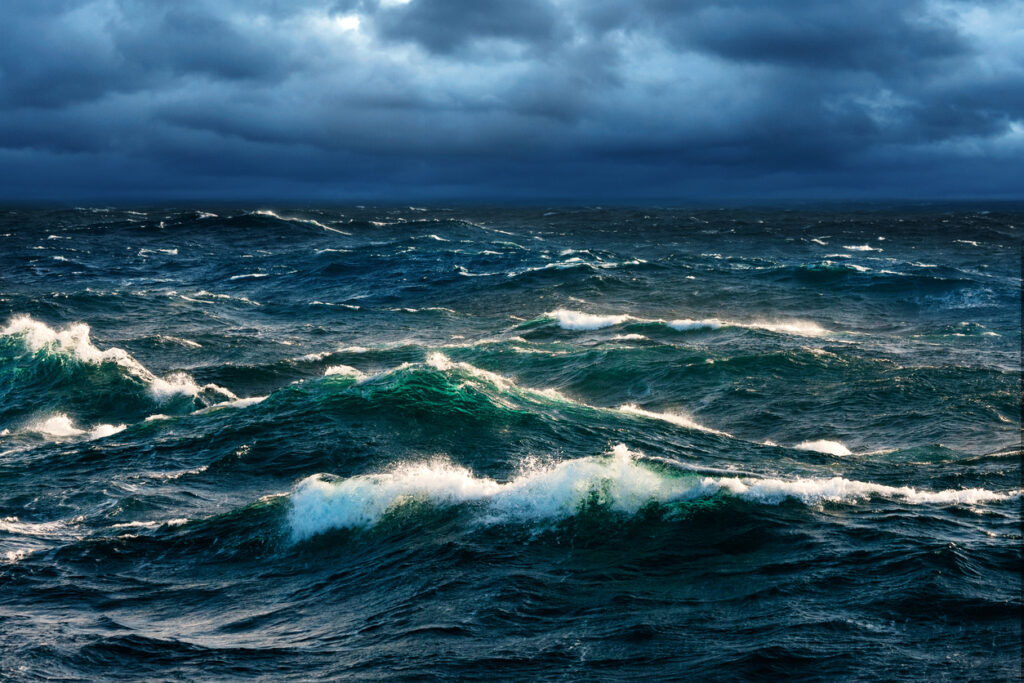
The Atlantic Meridional Overturning Circulation (AMOC) sounds like a mouthful, but it’s one of the planet’s most important systems. It moves warm water from the tropics northward and cold water southward, shaping weather patterns around the globe. But studies show it’s weakening, likely due to melting ice and changing salinity.
If the AMOC collapsed entirely, Europe could face bitter winters, monsoons could fail in Africa and Asia, and food supplies would be threatened worldwide. Scientists stress that it hasn’t shut down yet, but it’s weakening faster than expected. This is one giant we really don’t want waking up anytime soon.