The future of urban living is happening right now, and it’s powered entirely by clean, renewable energy.
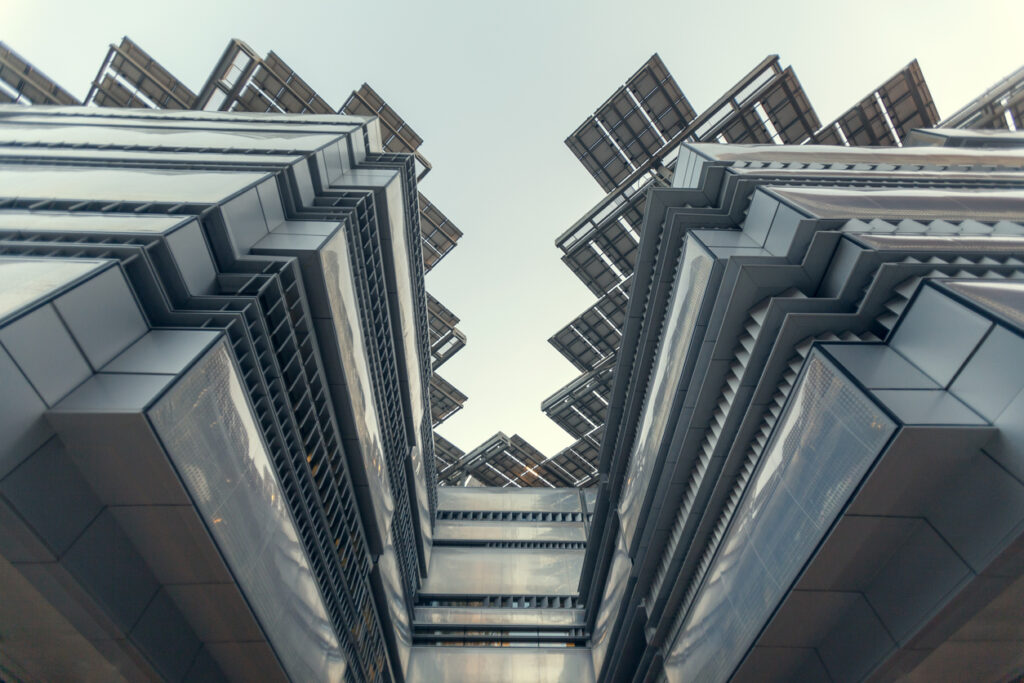
Around the world, visionary cities are transforming themselves into sustainable metropolises that run on solar, wind, and other green technologies while providing better lives for their residents than traditional cities ever could.
Masdar City is building the blueprint for carbon-free living.
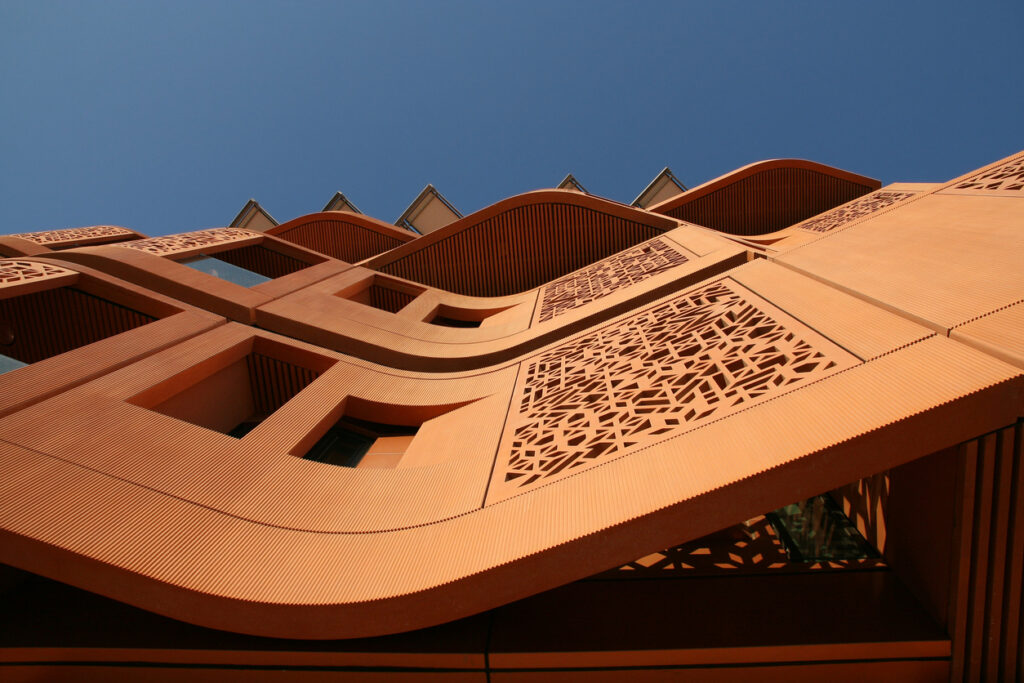
Located in Abu Dhabi, Masdar City was designed from the ground up to be a zero-waste, zero-carbon urban community that serves as a living laboratory for sustainable technologies. The city runs on 100% renewable energy from solar panels and aims to house 50,000 people when complete.
Everything about Masdar City challenges conventional urban design, from its car-free streets and electric transport systems to buildings that use 40% less energy than typical structures. The city even maintains a cooler microclimate through thoughtful architecture that provides natural shading and ventilation.
The Line in Saudi Arabia reimagines what cities can look like.
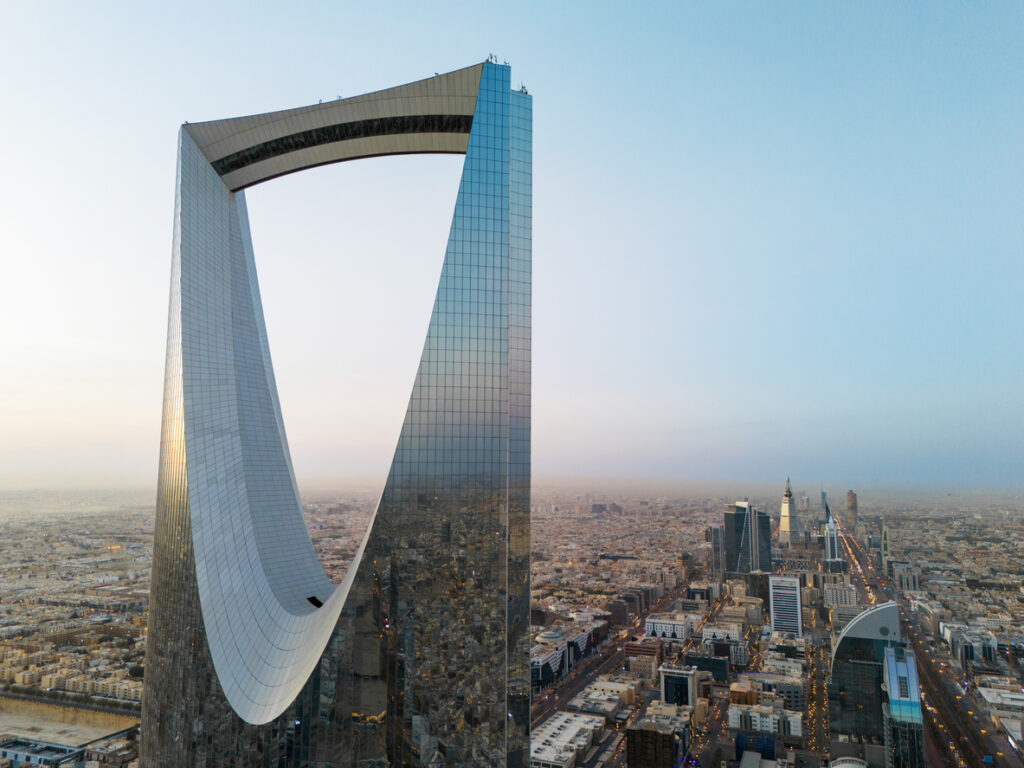
Saudi Arabia’s futuristic project called The Line is unlike anything ever attempted, stretching 170 kilometres in a straight line while being only 200 metres wide and 500 metres tall. This vertical city will house 9 million people and operate on 100% renewable energy including wind, solar, and hydrogen.
The design eliminates roads, cars, and emissions entirely, with residents able to access everything they need within a five-minute walk. High-speed rail will connect the entire length in just 20 minutes, while 95% of the surrounding land remains preserved for nature.
Singapore has transformed into the world’s most solar-dense city.
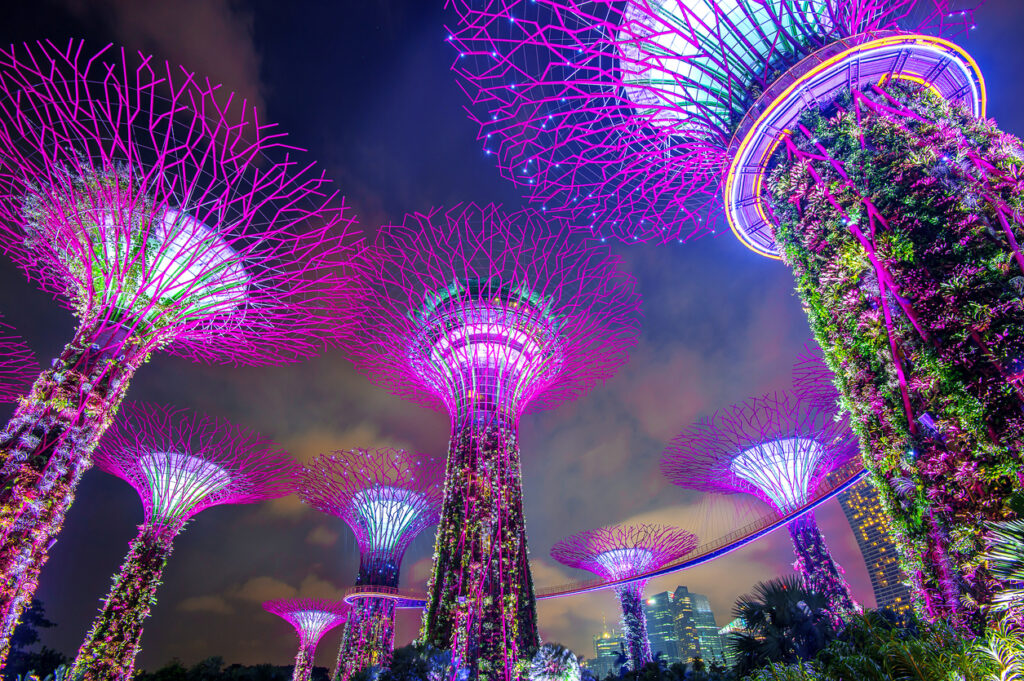
Despite being a tiny island nation, Singapore has become one of the most solar-dense cities globally, with panels covering thousands of high-rise public housing blocks and floating solar farms on reservoirs. The city aims to quadruple its solar capacity by 2025.
Singapore’s smart grid technology optimises energy distribution across the city, while electric buses and vehicle charging points prepare for a completely clean transport system by 2040. The government even imports renewable energy from neighbouring countries to supplement local production.
Copenhagen is in the race to become the first carbon-neutral capital.
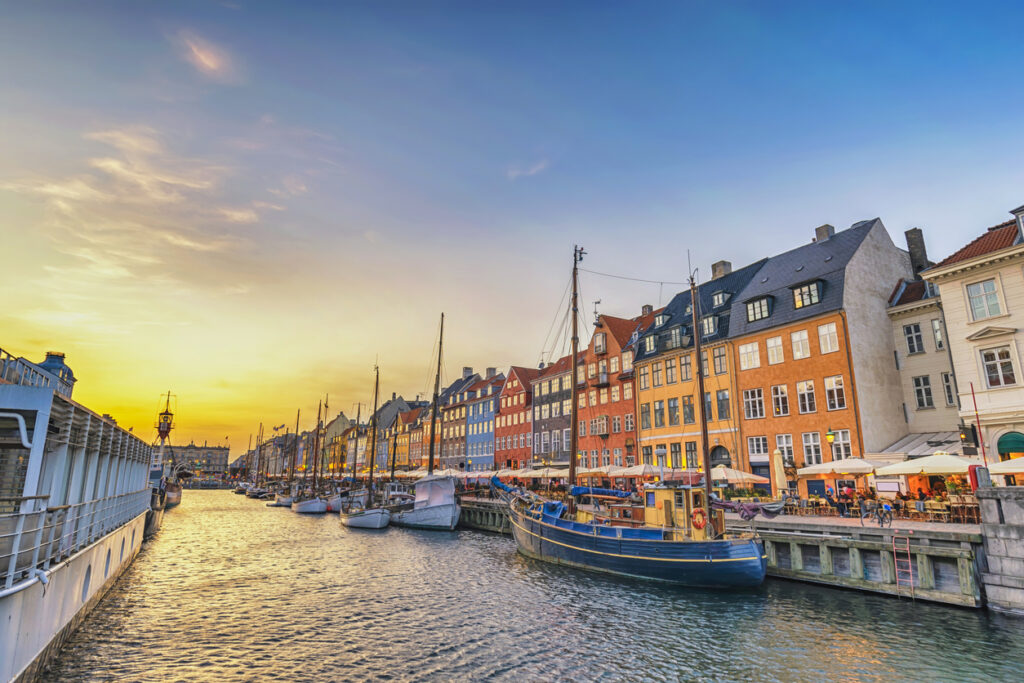
Copenhagen has committed to eliminating its entire carbon footprint by 2025 while continuing to grow, adding 100,000 new residents and 20,000 jobs during the transition. The city has already reduced emissions by over 70% since 2005 through aggressive renewable energy adoption.
The secret lies in the world’s most efficient district heating network, which covers 98% of residents’ heating needs using waste heat from power plants and renewable sources. Smart energy systems integrate electricity, heating, and transport into one optimised network throughout the city.
Adelaide runs entirely on renewable municipal power.
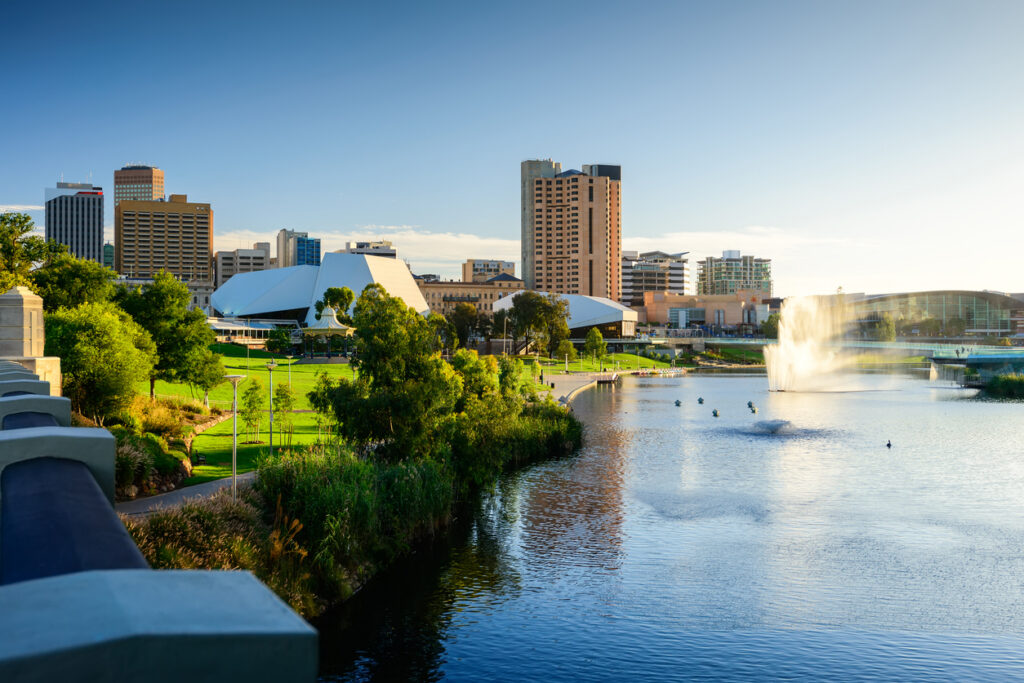
Australia’s Adelaide became the first major city to power all municipal operations with 100% renewable energy, sourcing electricity from dedicated wind and solar farms. The city combines this clean power with energy-efficient buildings and extensive cycling infrastructure.
Advanced energy storage systems, including one of the world’s largest lithium-ion batteries, help manage the variable output from renewable sources. This ensures reliable power supply while dramatically reducing the city’s carbon footprint and operating costs.
Smart Forest City in Mexico will absorb massive amounts of carbon.
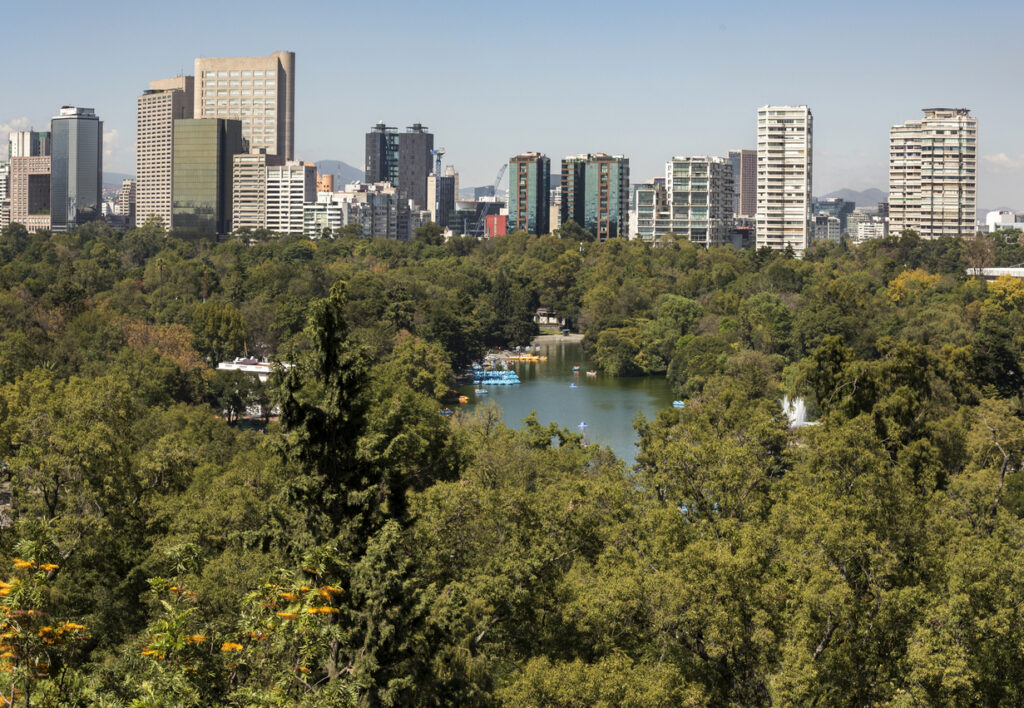
Designed by renowned architect Stefano Boeri for Cancun, this proposed Smart Forest City would be the world’s first urban development specifically designed to absorb 116,000 tons of CO₂ annually while housing residents sustainably. Every surface possible would be covered with vegetation and trees.
The city integrates renewable energy with Internet of Things devices that monitor air quality, manage waste, and streamline public transport. Buildings would be constructed using sustainable materials while providing carbon-negative urban living that actually improves the environment.
Floating cities adapt to climate change with renewable power.
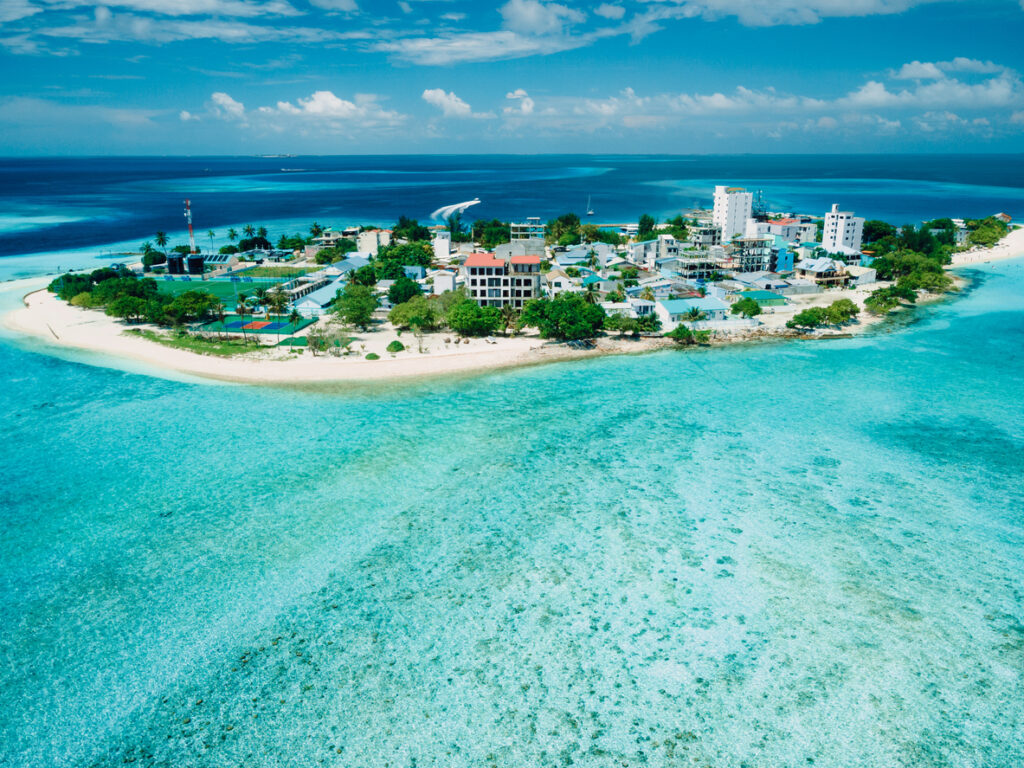
The Maldives and other vulnerable island nations are pioneering floating city designs that rise and fall with sea levels while running entirely on renewable energy. These innovative communities use solar panels, wave power, and other marine energy sources.
Built with sustainable materials like bamboo and engineered timber, these floating developments prove that even the most challenging environmental conditions can be met with clean technology. They represent the ultimate adaptation to climate change through renewable innovation.
Malmö shows how industrial cities can transform completely.
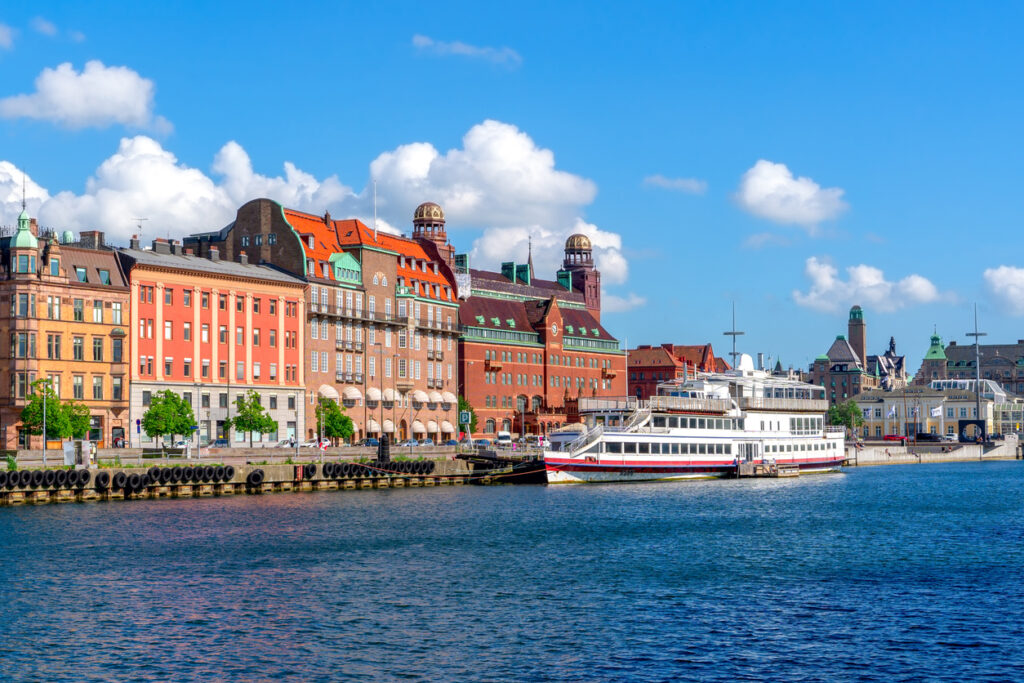
Sweden’s Malmö has transformed from an industrial port city into a renewable energy showcase, with entire districts running on 100% clean power since 2012. The city combines solar thermal systems with geothermal heating and advanced energy management.
Malmö’s Western Harbour District demonstrates how older urban areas can be completely retrofitted for sustainability. The city plans to achieve 100% renewable energy by 2030, up from 43% in 2020, proving that rapid transformation is possible.
Songdo International Business District integrates smart everything.
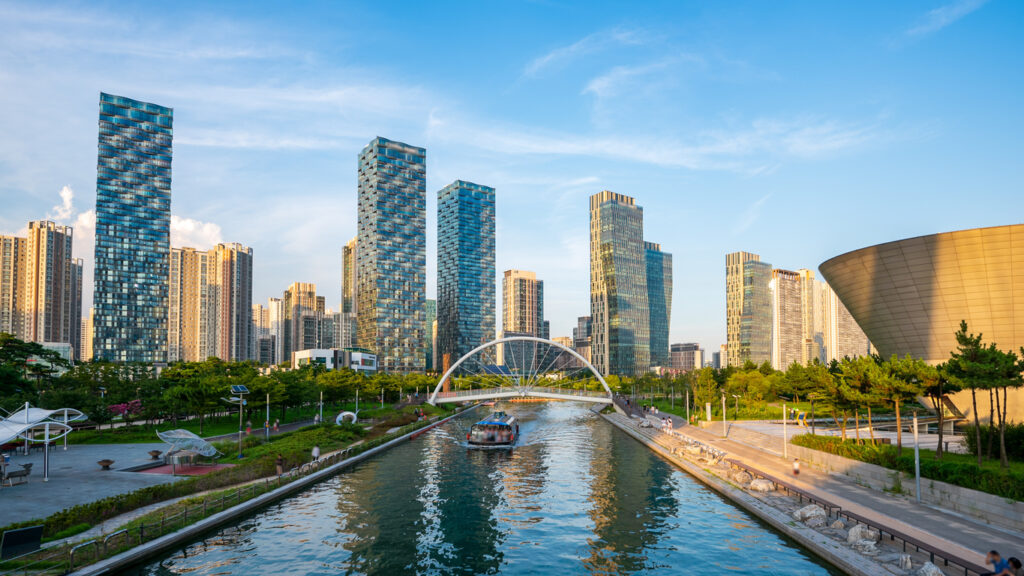
South Korea’s purpose-built Songdo International Business District showcases how solar energy and smart city technologies can work together from day one. The entire district was planned around renewable energy integration and waste reduction systems.
Advanced building management systems optimise energy consumption across the development, while smart grids distribute solar power efficiently. The city serves as a testing ground for technologies that can be scaled up to larger urban areas worldwide.
These cities prove renewable-powered urban living works better.

What these futuristic cities demonstrate is that renewable energy doesn’t just reduce environmental impact, it actually creates more liveable, efficient, and economically successful urban environments. Residents enjoy cleaner air, lower energy costs, and more reliable power supplies.
The technologies being tested in these pioneering cities are rapidly becoming cheaper and more accessible, meaning that renewable-powered urban living will soon be the standard rather than the exception. They’re not just glimpses of the future, they’re blueprints for how all cities should develop.