It’s easy to assume herbivores are gentle plant-eaters while predators rule the animal world.

However, some herbivores are surprisingly deadly, strong enough to take down even the fiercest hunters. While these gentler giants tend to keep themselves to themselves, they’re not shy about protecting themselves should a predator attack. Here are the plant-eaters that carnivores think twice about challenging.
1. Hippopotamus
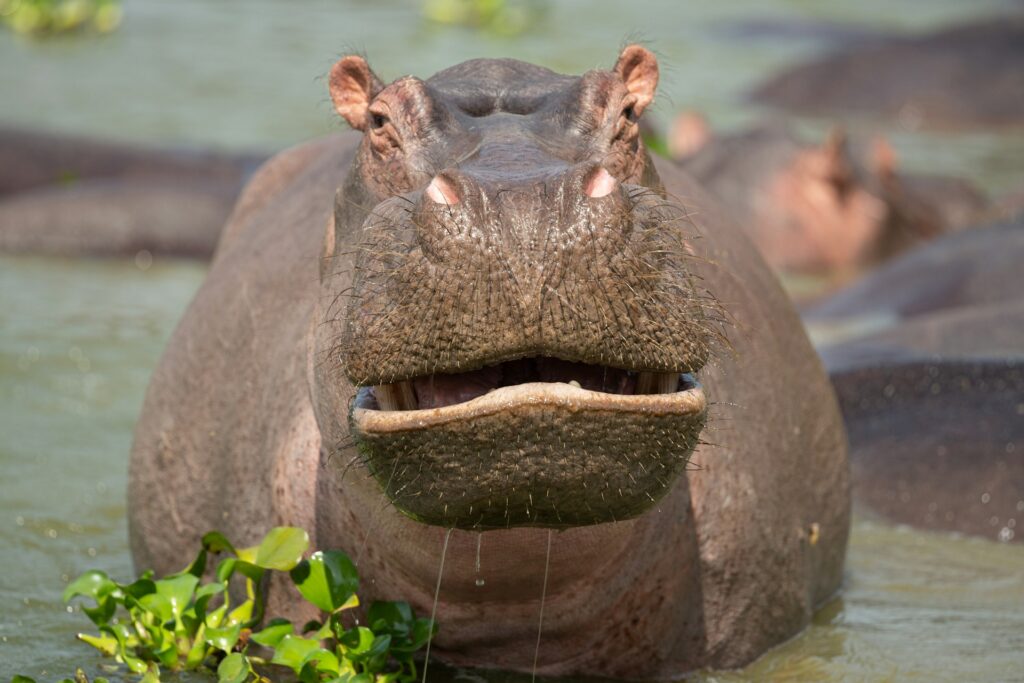
Despite being plant-eaters, hippos are among the most aggressive animals alive. They have huge jaws and powerful teeth capable of crushing almost anything. Crocodiles and even lions often avoid them, knowing a fight could end in serious injury or death.
Hippos prove that size and aggression can outweigh diet. Their strength makes them dominant in their environment, reminding us that predators don’t always sit at the top of the chain. Few animals risk challenging them head-on.
2. African buffalo
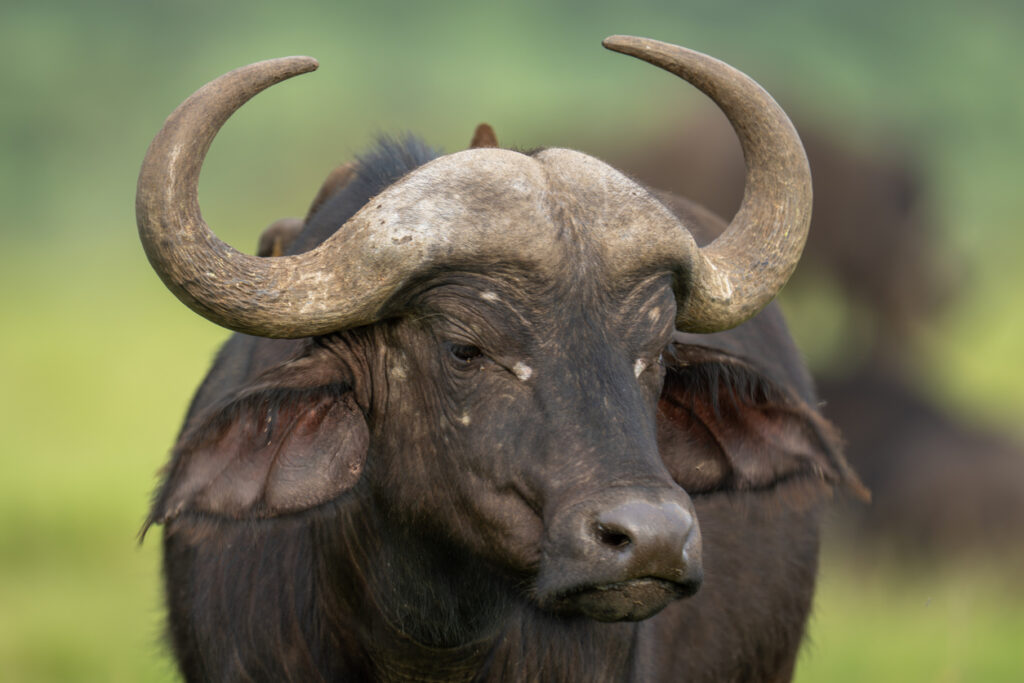
Often called “black death” by hunters, African buffalo are known for their unpredictability and sheer power. Lions may hunt them in groups, but even then, the risks are high. A charging buffalo can gore or trample a lion with ease.
Buffalo show that defensive strength can rival offensive skill. Their sharp horns and herd protection make them formidable opponents. For predators, attacking them is always a gamble that can end very badly.
3. Elephant

Elephants are the largest land animals, and their size alone makes them dangerous. Predators rarely even attempt to hunt healthy adults. A single charge from an elephant can kill lions, tigers, or anything else in its path.
Their ability to protect calves with coordinated defence adds another layer of danger. Elephants remind us that being the biggest is often enough to keep predators at bay. They dominate by sheer mass and intelligence combined.
4. Rhinoceros
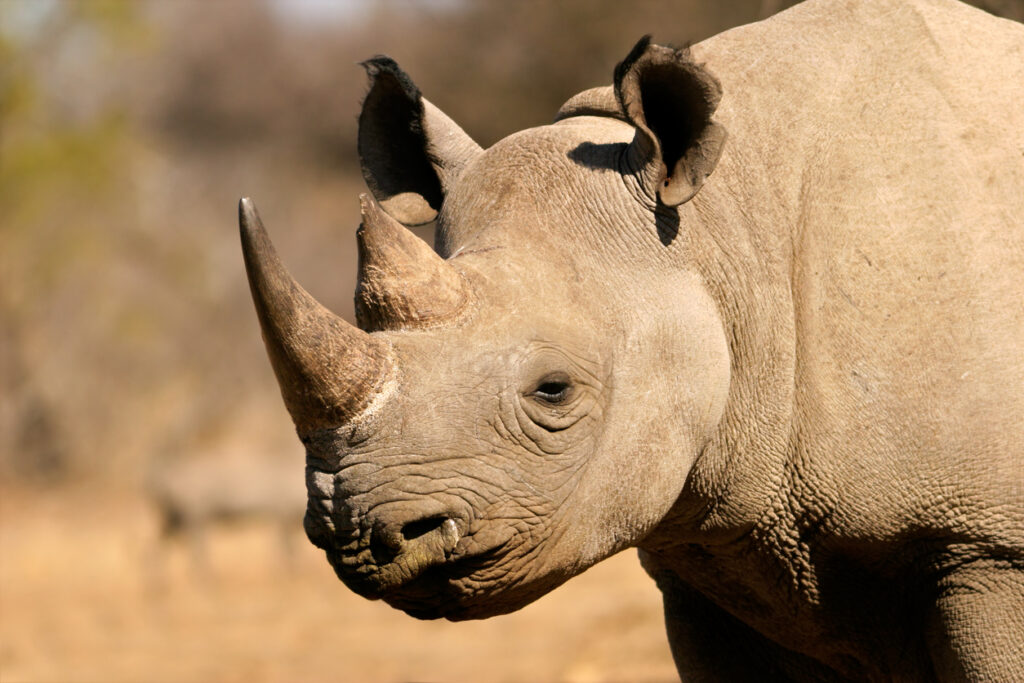
Rhinos may seem calm, but their speed and horn power make them deadly. Weighing over a tonne, they can run down predators quickly. Lions sometimes try, but a rhino’s charge is enough to send most hunters fleeing.
They highlight how armour and weapons work in nature. A rhino’s thick skin and horn give it built-in defences predators can’t easily match. Their reputation alone keeps most threats at a distance.
5. Gaur
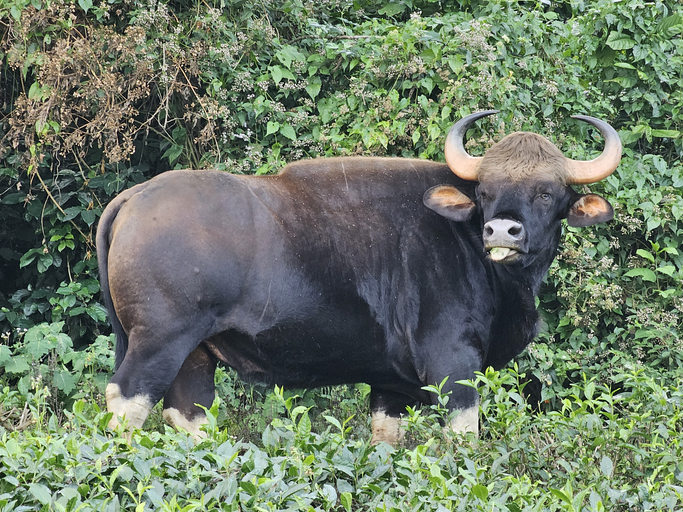
Also known as the Indian bison, gaur are the heaviest cattle in the world. Tigers sometimes hunt them, but it’s extremely risky. A single kick or horn strike can kill even the strongest predator outright.
Gaur prove that strength and numbers matter. Living in herds makes them harder to attack, and their size gives them confidence to stand their ground. For predators, targeting gaur can be a fatal mistake.
6. Moose
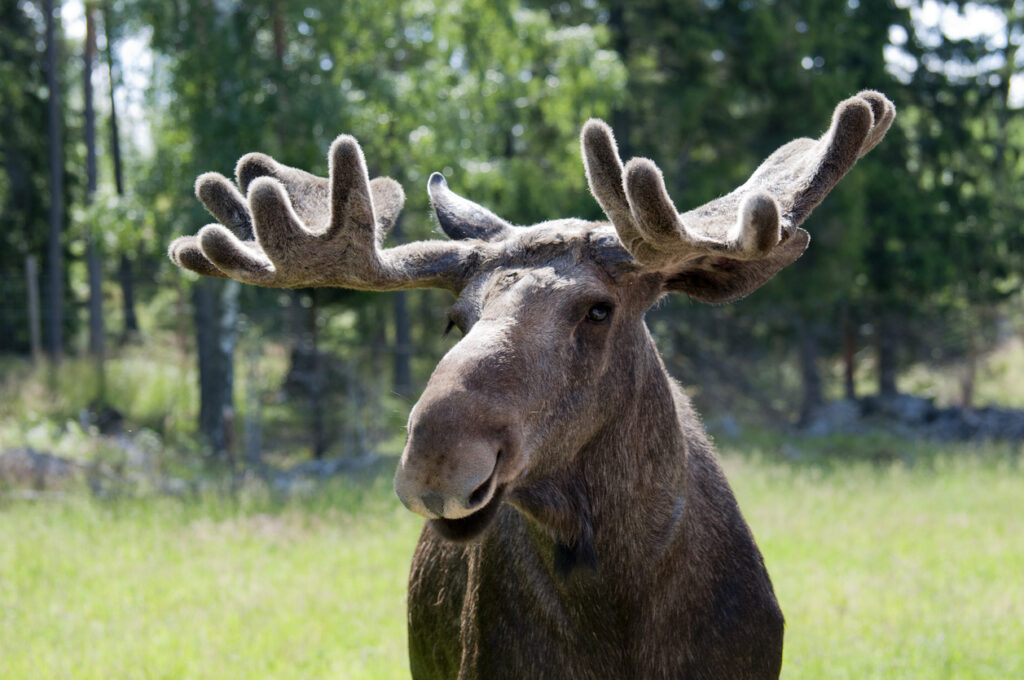
Moose might look slow and gentle, but they’re powerful fighters. Wolves that attack often find themselves met with violent kicks or charges. Their long legs and massive size make them far more dangerous than they first appear.
They remind us that appearances can mislead. Moose can fight off entire packs when cornered, making predators cautious. Their survival comes from speed, size, and surprising aggression when threatened.
7. Cape eland
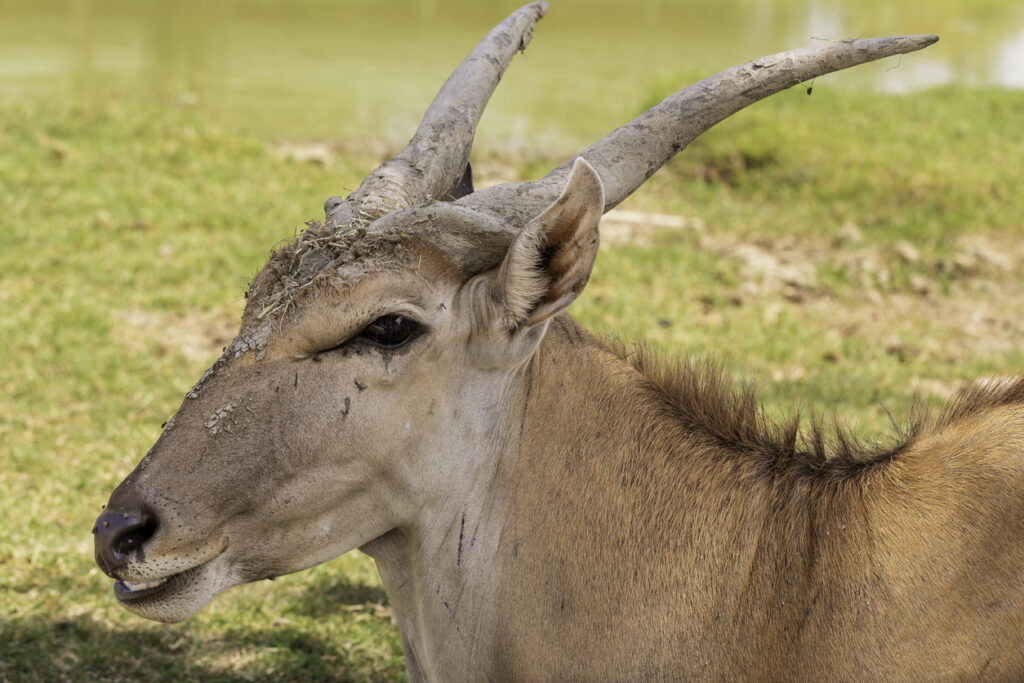
As one of the largest antelopes, the Cape eland is bigger and stronger than most people realise. Lions sometimes target them, but an adult eland can deliver powerful kicks that cause serious injury or death to attackers.
This shows that even seemingly graceful animals can be lethal. Their muscle and stamina give them an edge against predators who underestimate them. Eland balance speed with raw strength, making them tougher than they appear.
8. Bison
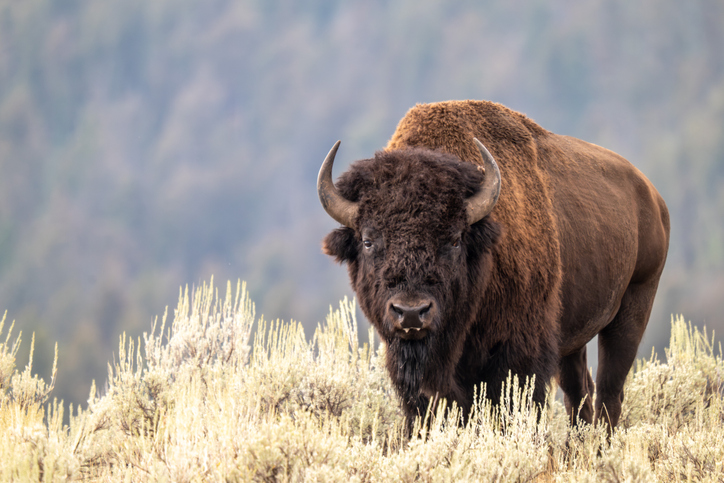
North American bison are iconic for their bulk and force. Wolves and bears have tried to take them down, but many attempts end badly. A charging bison is a wall of muscle that predators often can’t withstand.
Bison thrive in herds, which adds even more protection. Their size and defensive instincts make them capable of killing predators outright. They’re proof that strength in numbers matters as much as individual power.
9. Zebra
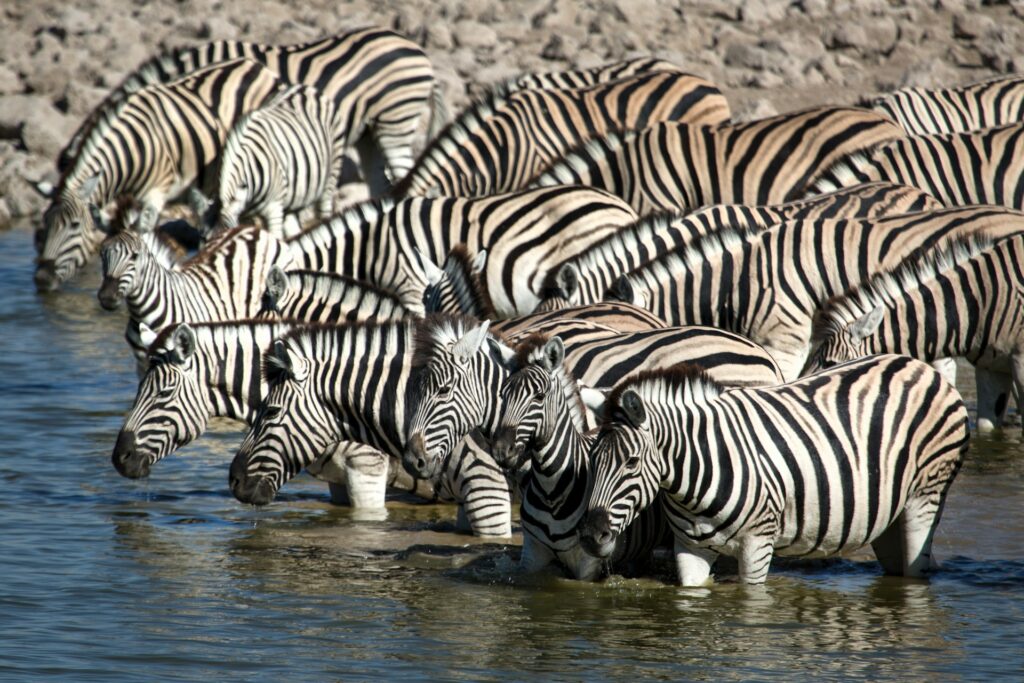
Zebras might look harmless, but their kicks are strong enough to kill lions. Predators target them because they’re common, but the risk is real. A well-timed kick can break jaws or ribs, ending a hunt instantly.
They highlight the hidden danger in prey animals. While they don’t always win, zebras prove that predators can underestimate them at great cost. Their defence shows how even smaller herbivores fight back with deadly force.
10. Giraffe

With their long legs and necks, giraffes look awkward, but they’re lethal fighters. A giraffe’s kick is strong enough to kill lions outright. Predators often target calves, but adults are usually too risky to approach.
They remind us that height brings advantage. From spotting predators early to delivering devastating kicks, giraffes hold their own. Their ability to fight back makes them one of the deadliest herbivores on the plains.
11. Wild boar
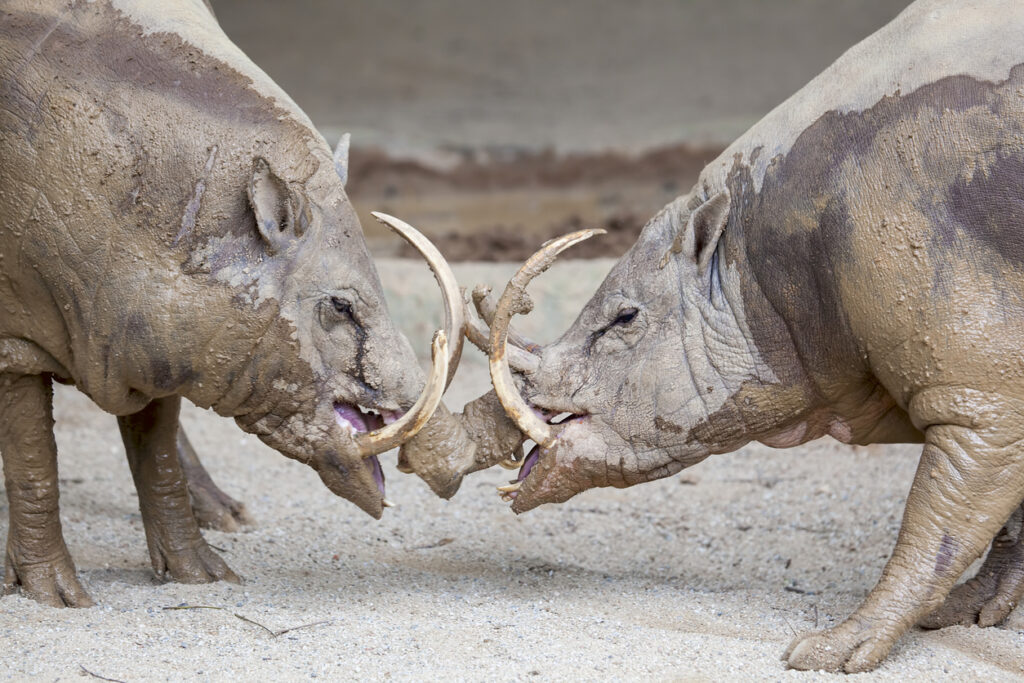
Wild boar are smaller than many on this list, but their tusks and aggression make them dangerous. Wolves, leopards, and even tigers risk injury when hunting them. A cornered boar can turn the tables fast.
They show that determination counts as much as size. Their sharp tusks and fierce temper make them unpredictable, leaving predators wary. Even top hunters know a wild boar fight isn’t guaranteed to end well.
12. Camel
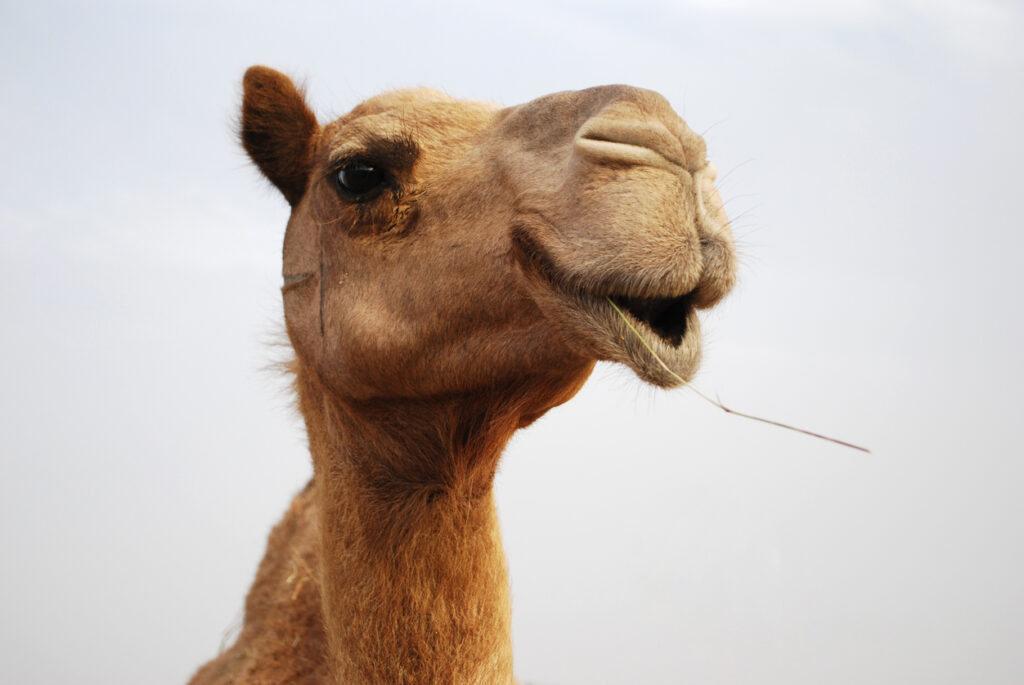
Camels don’t often face predators today, but when threatened, they can be vicious. Their powerful bites and kicks can seriously injure attackers. They might look slow, yet their size and force make them dangerous when pushed.
This proves that adaptation for survival doesn’t always look obvious. Camels use strength and aggression to defend themselves in harsh environments. Even predators think twice before taking them on directly.